
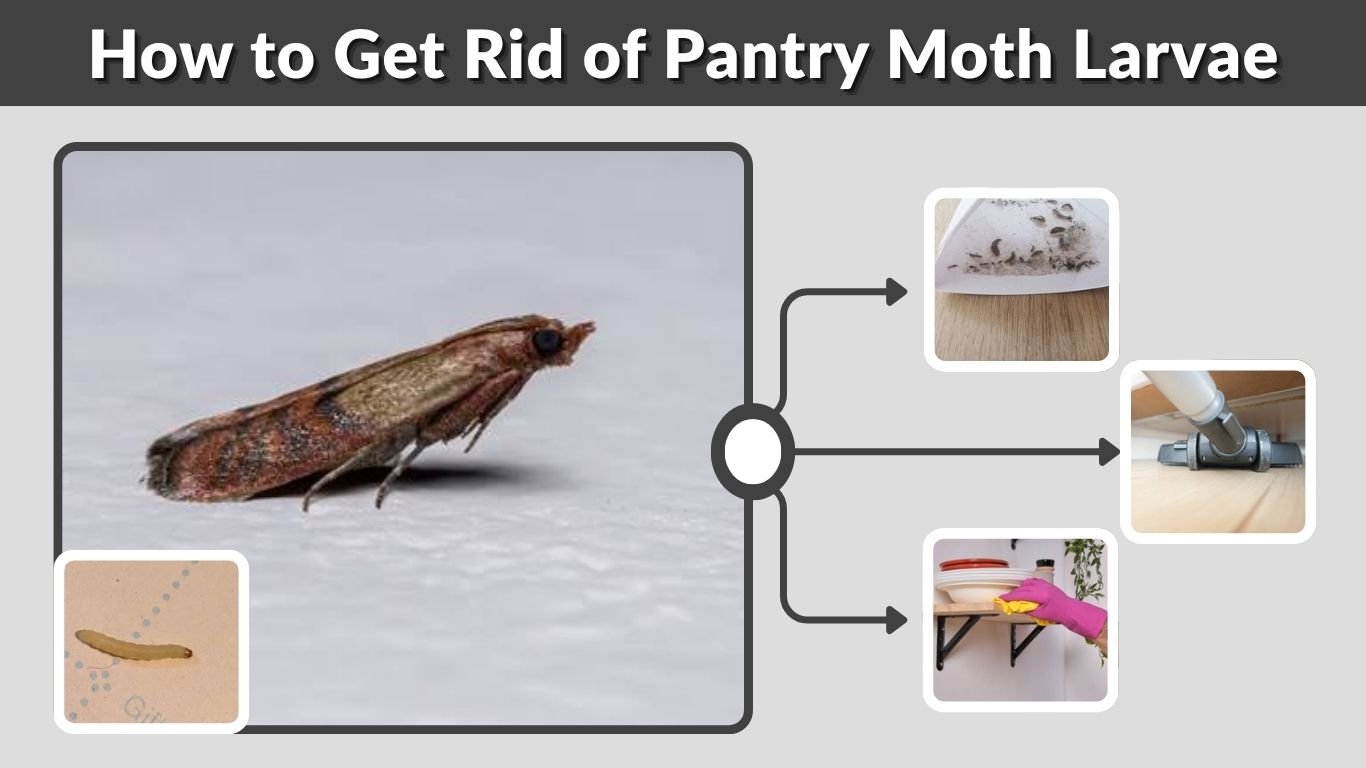
How to Get Rid of Pantry Moth Larvae: A Practical Home Guide
To get rid of pantry moth larvae, discard infested food, vacuum cupboard cracks, remove visible caterpillars and cocoons, and store unaffected groceries in sturdy sealed … Read More
To get rid of pantry moth larvae, discard infested food, vacuum cupboard cracks, remove visible caterpillars and cocoons, and store unaffected groceries in sturdy sealed … Read More
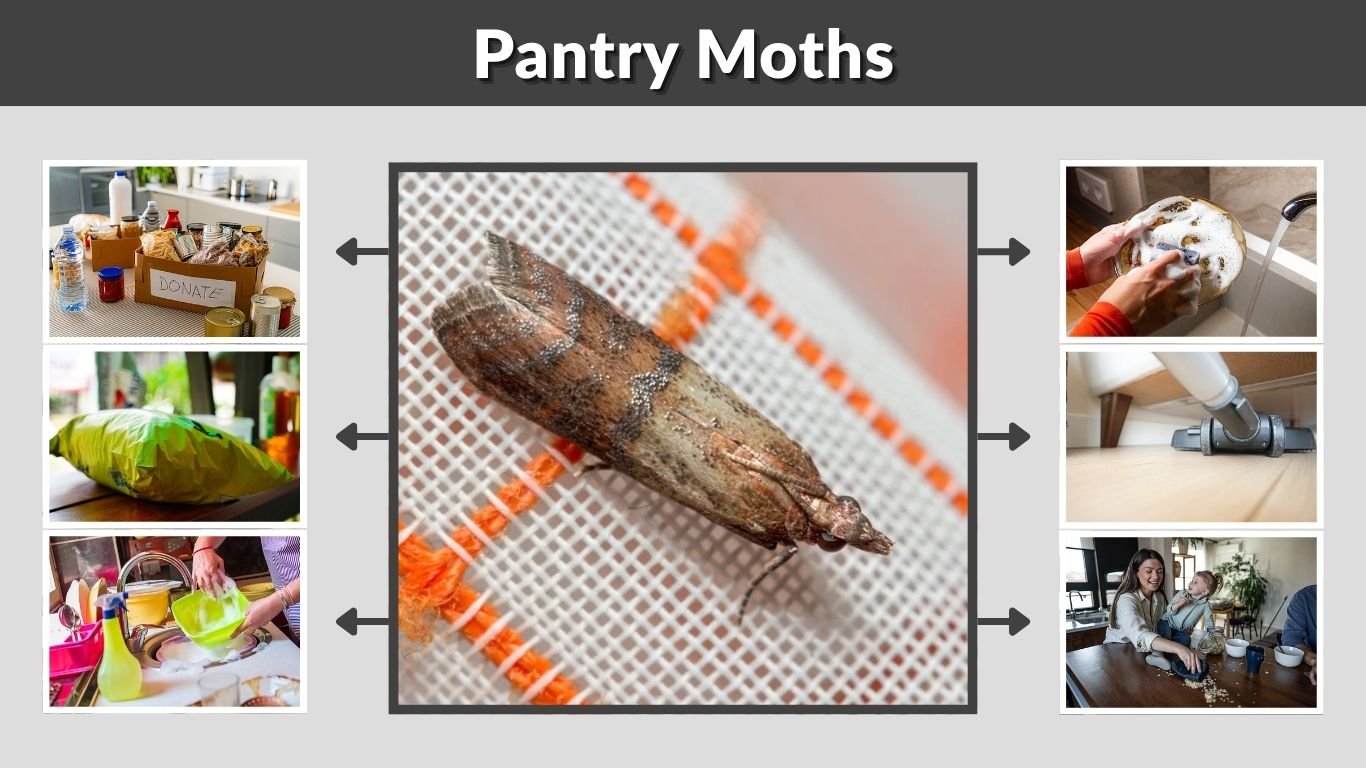
Finding a pantry moth near your cereal cupboard can be the first sign of insects hiding in stored food. Their larvae feed on dry groceries, … Read More
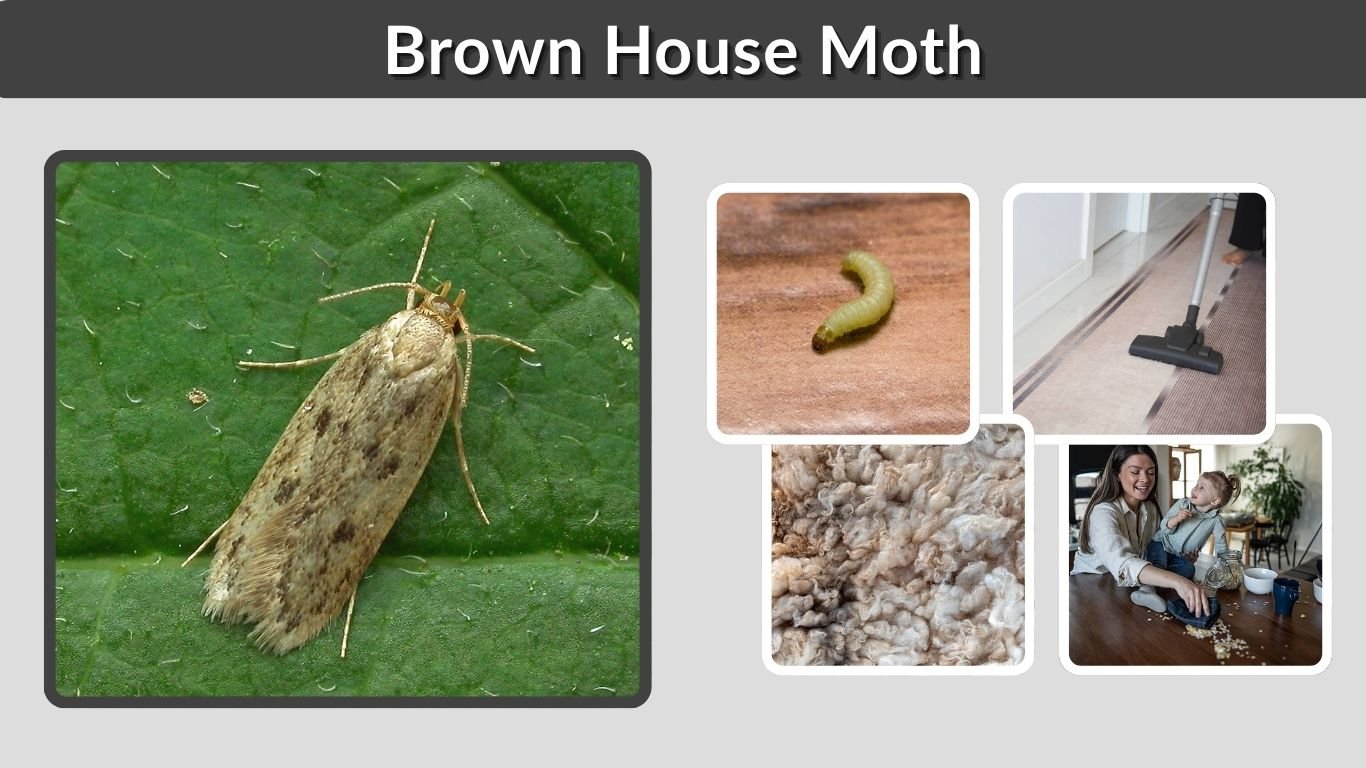
The brown house moth is a small, brown insect that may appear on indoor walls, around stored belongings, or near neglected corners. Although adults attract … Read More
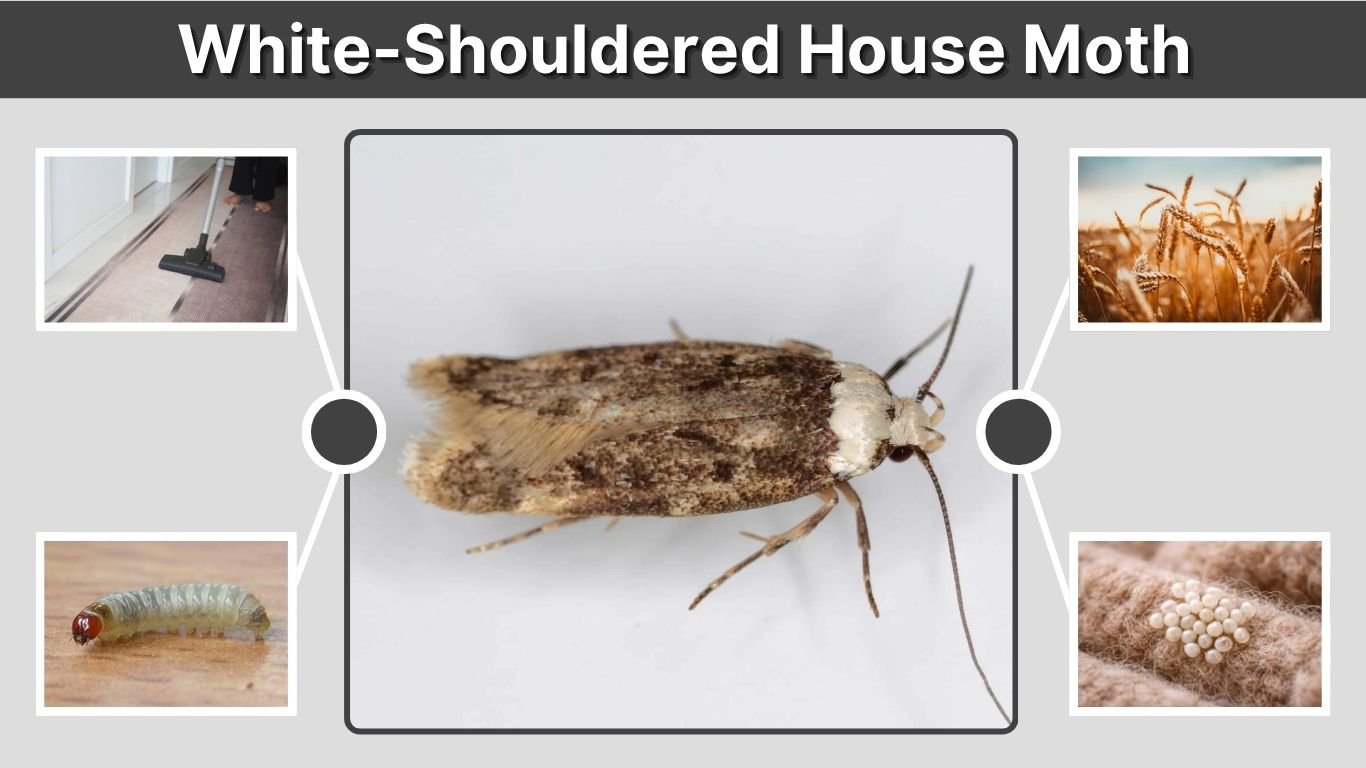
The white-shouldered house moth is a small, mottled moth with a distinctive white head and shoulders. Finding one indoors can raise concerns about clothing, carpets, … Read More
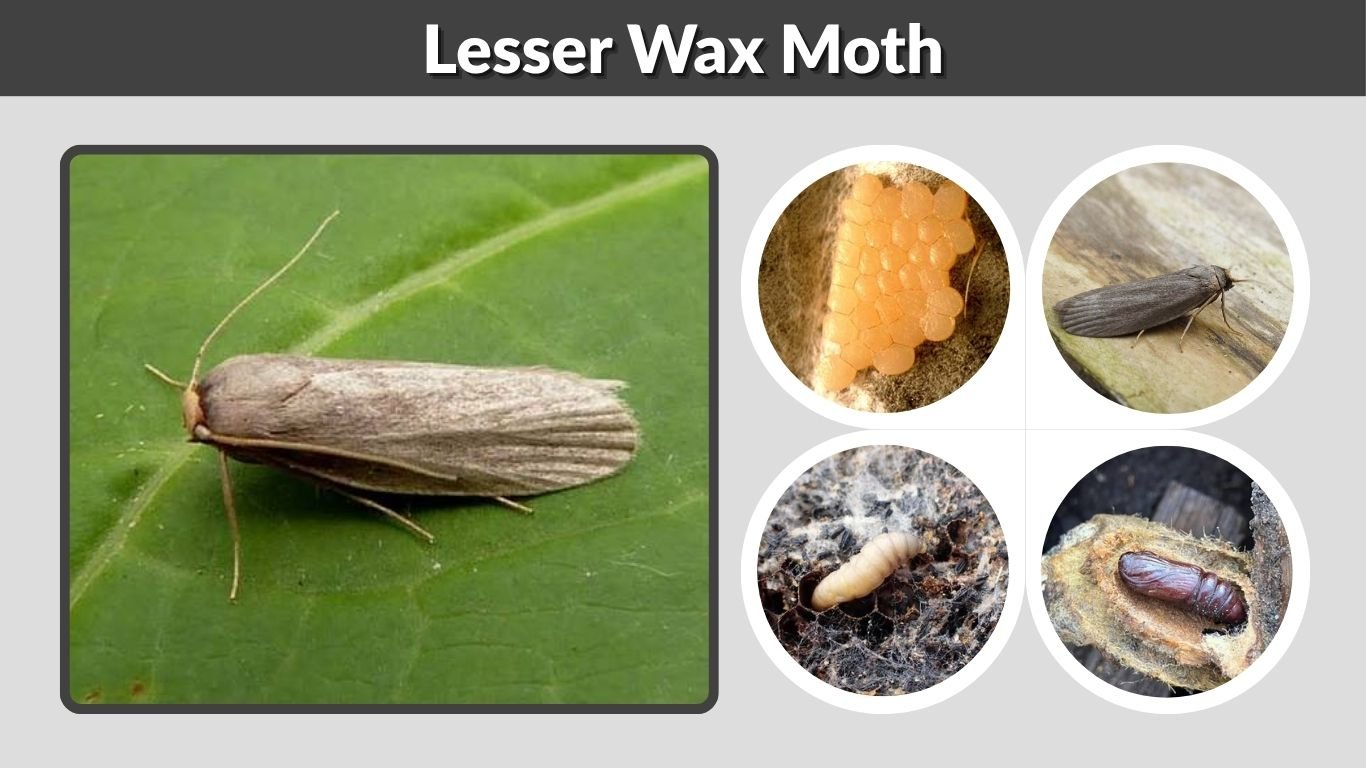
The lesser wax moth (Achroia grisella) is a small moth whose caterpillars damage honey bee comb and stored beekeeping materials. Unlike the adults, the larvae … Read More
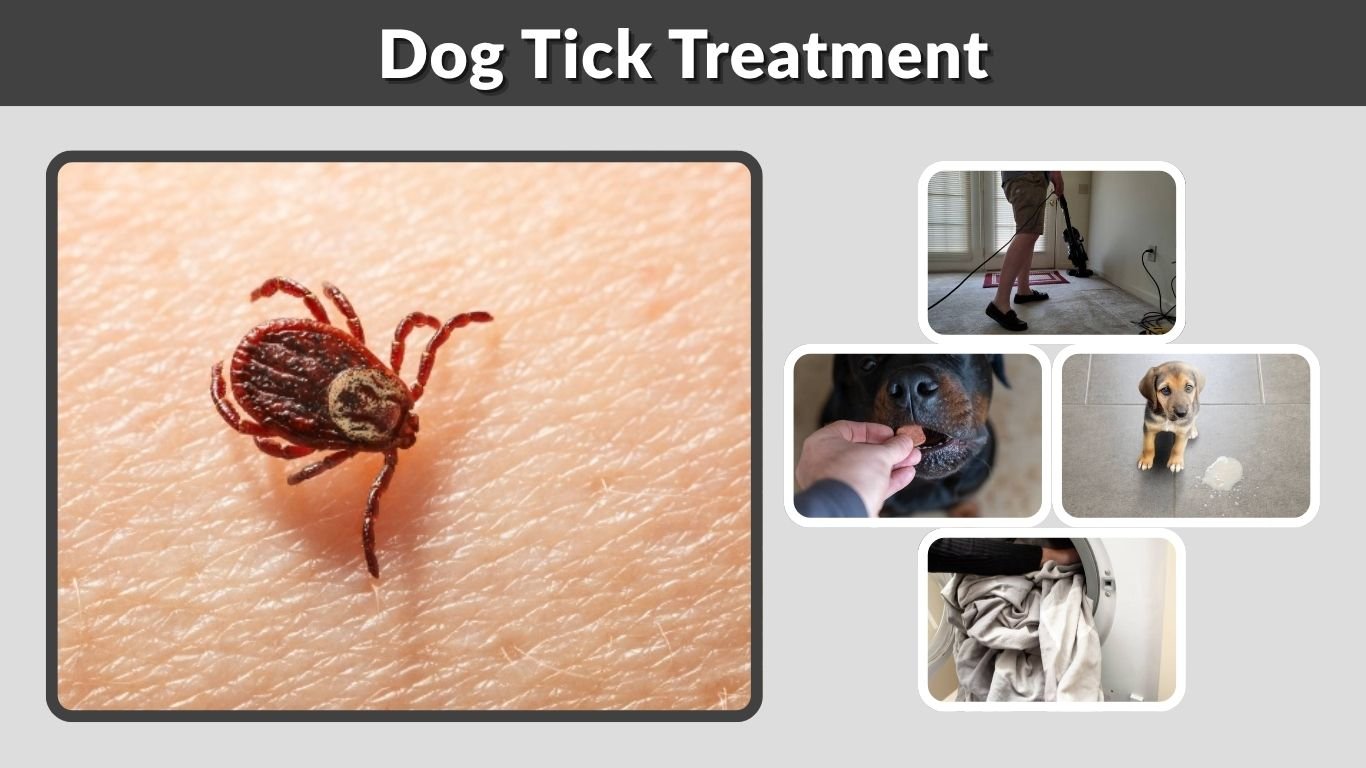
Ticks can cause itching and skin irritation in dogs, but the bigger concern is their ability to transmit tick-borne diseases. A reliable dog tick treatment … Read More
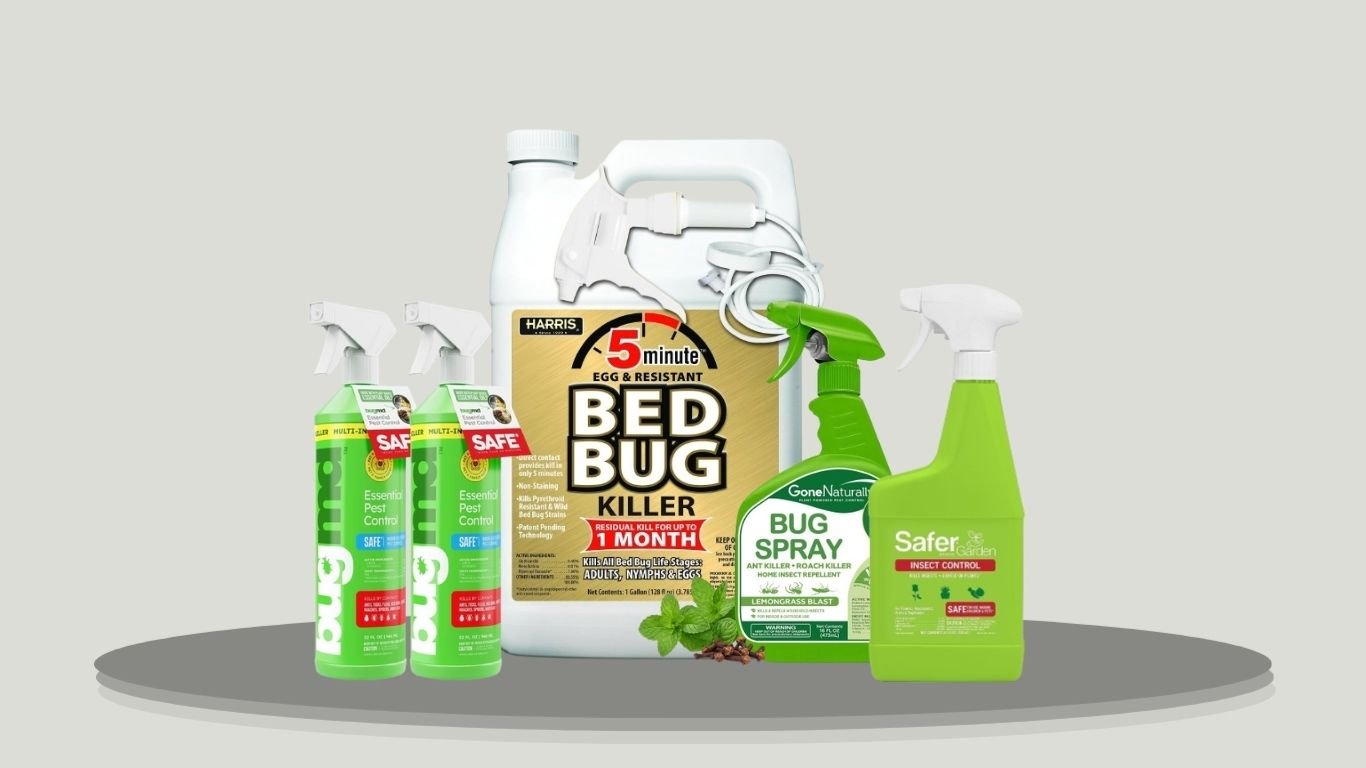
Boxelder bugs can gather around windows, doors, siding, and other warm parts of your home, especially during fall and spring. Although they usually do not … Read More
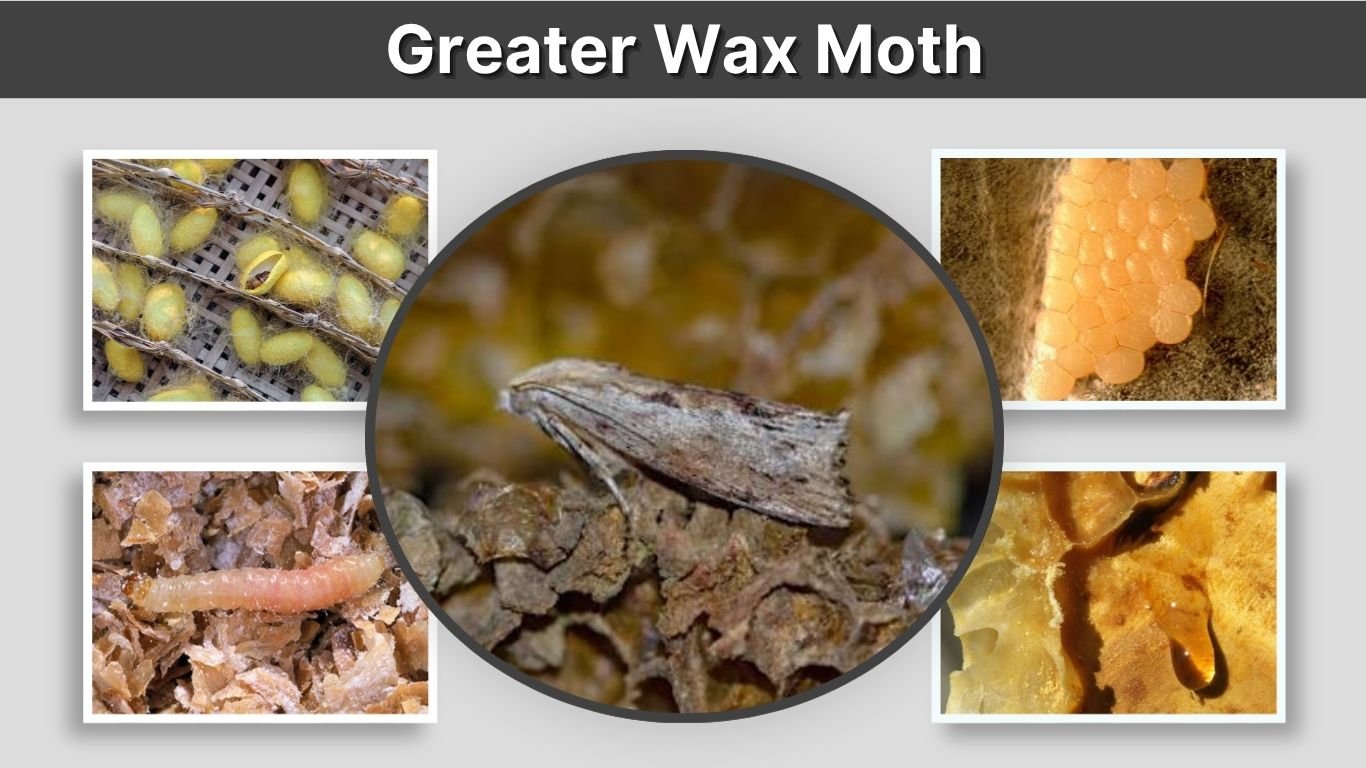
The greater wax moth is a widespread beehive pest whose larvae tunnel through honeycomb and cover it with dense silk, fecal pellets, and cocoons. Scientifically … Read More
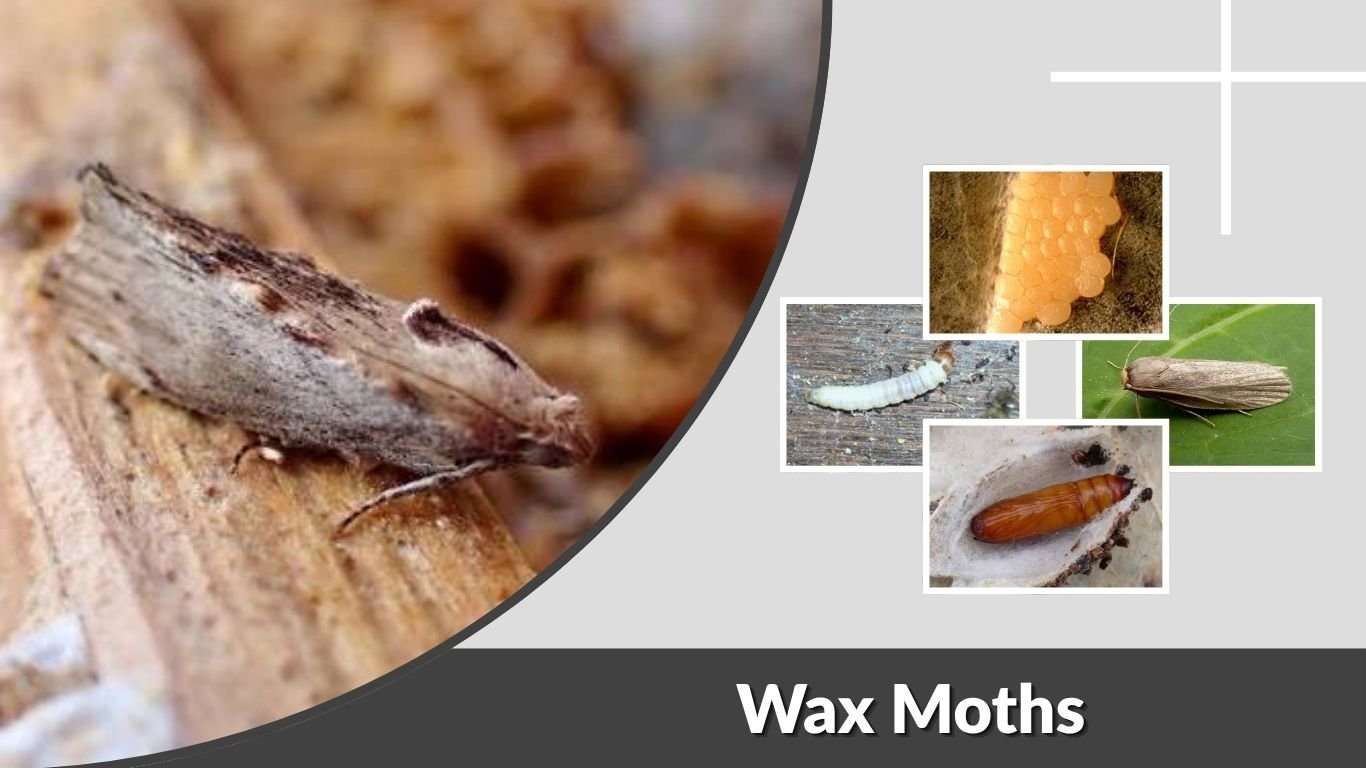
Wax moths are destructive beehive pests whose larvae tunnel through wax comb while feeding on pollen, honey, shed bee skins, and other organic material. Strong … Read More
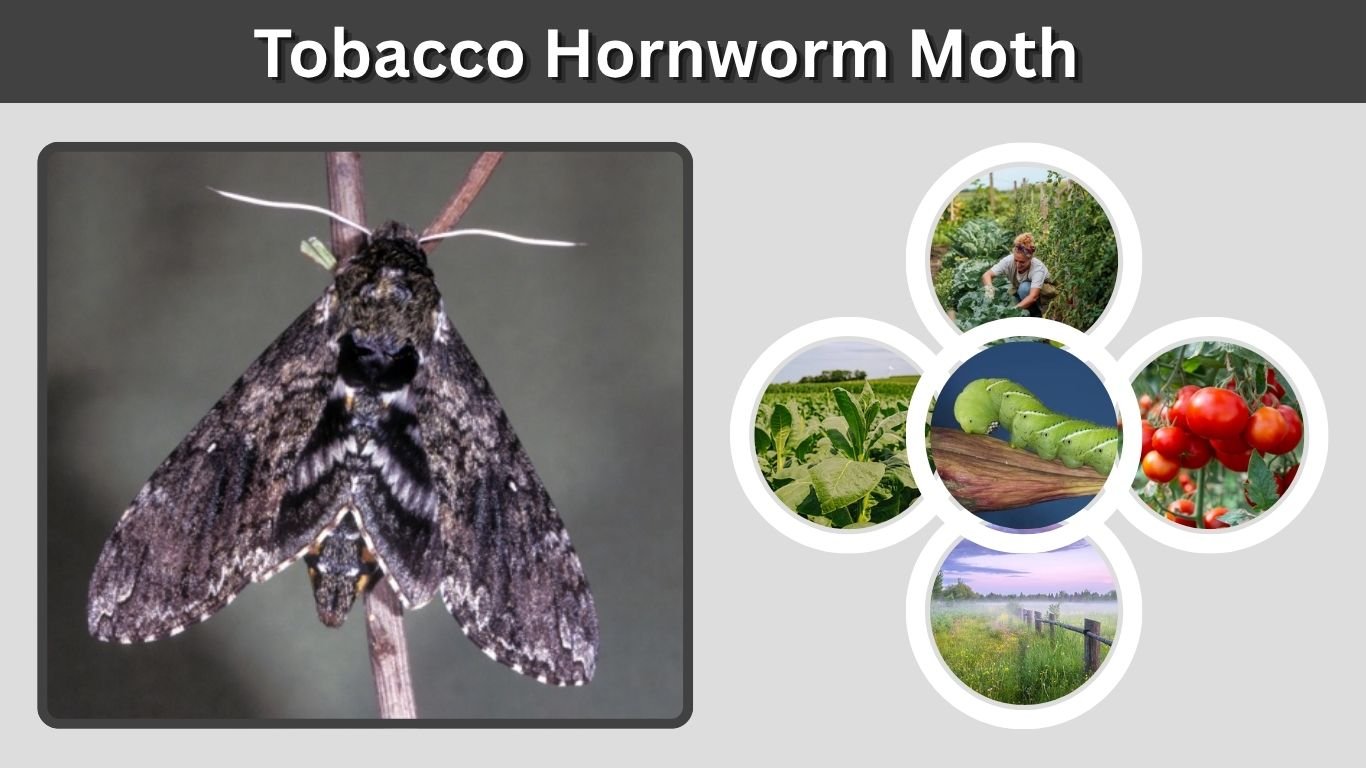
The tobacco hornworm moth is the adult form of the large green tobacco hornworm caterpillar. Scientifically named Manduca sexta, it is also called the Carolina … Read More