
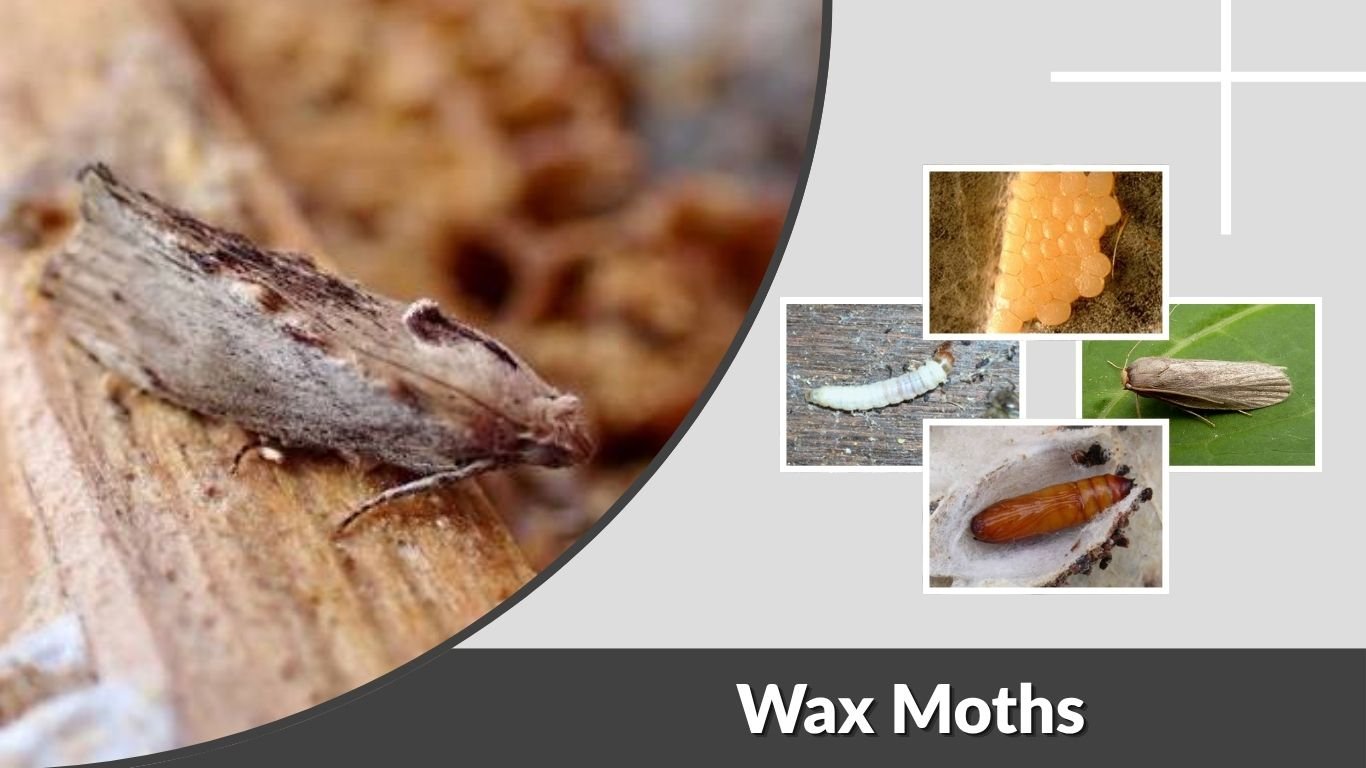
Wax Moths: Identification, Damage, and Beehive Control
Wax moths are destructive beehive pests whose larvae tunnel through wax comb while feeding on pollen, honey, shed bee skins, and other organic material. Strong … Read More
Wax moths are destructive beehive pests whose larvae tunnel through wax comb while feeding on pollen, honey, shed bee skins, and other organic material. Strong … Read More
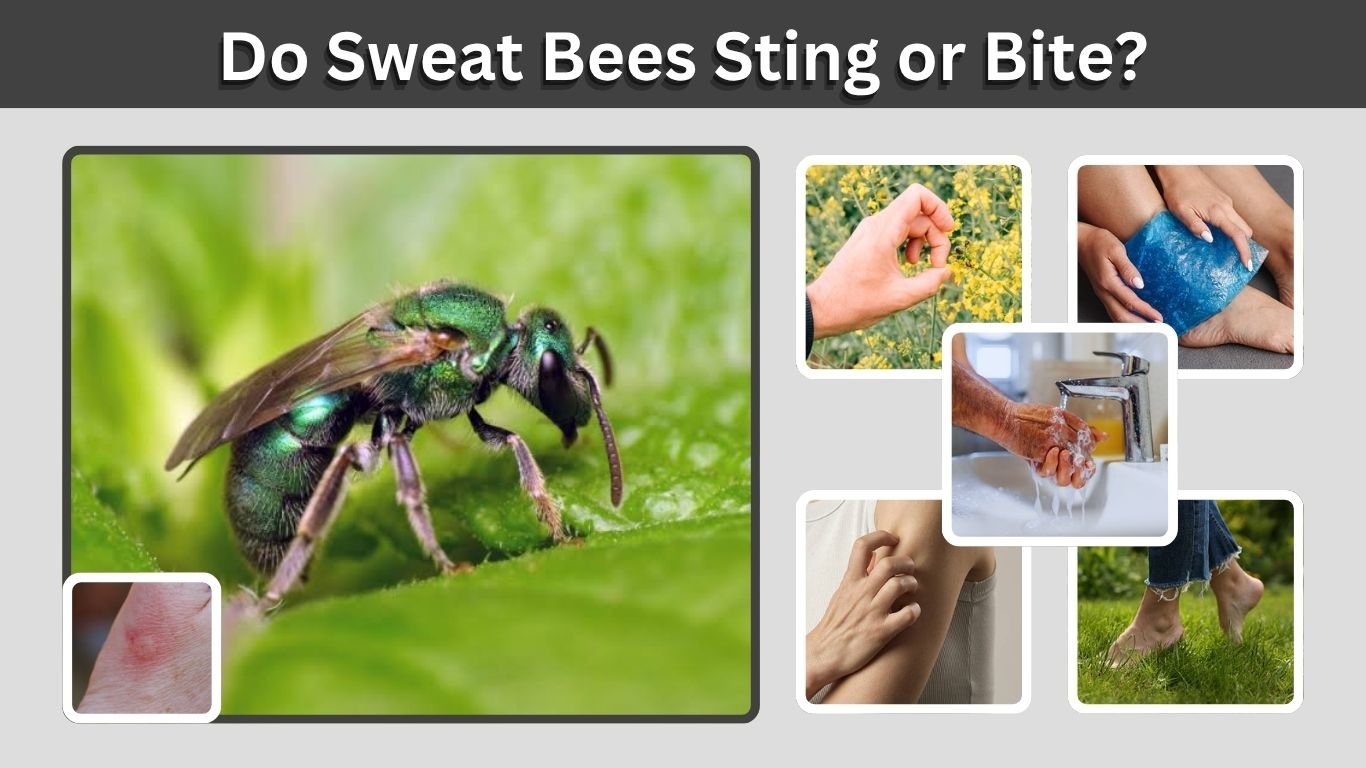
Yes, sweat bees can sting, but they rarely sting people without a reason. Only female sweat bees have stingers, and they typically use them when … Read More
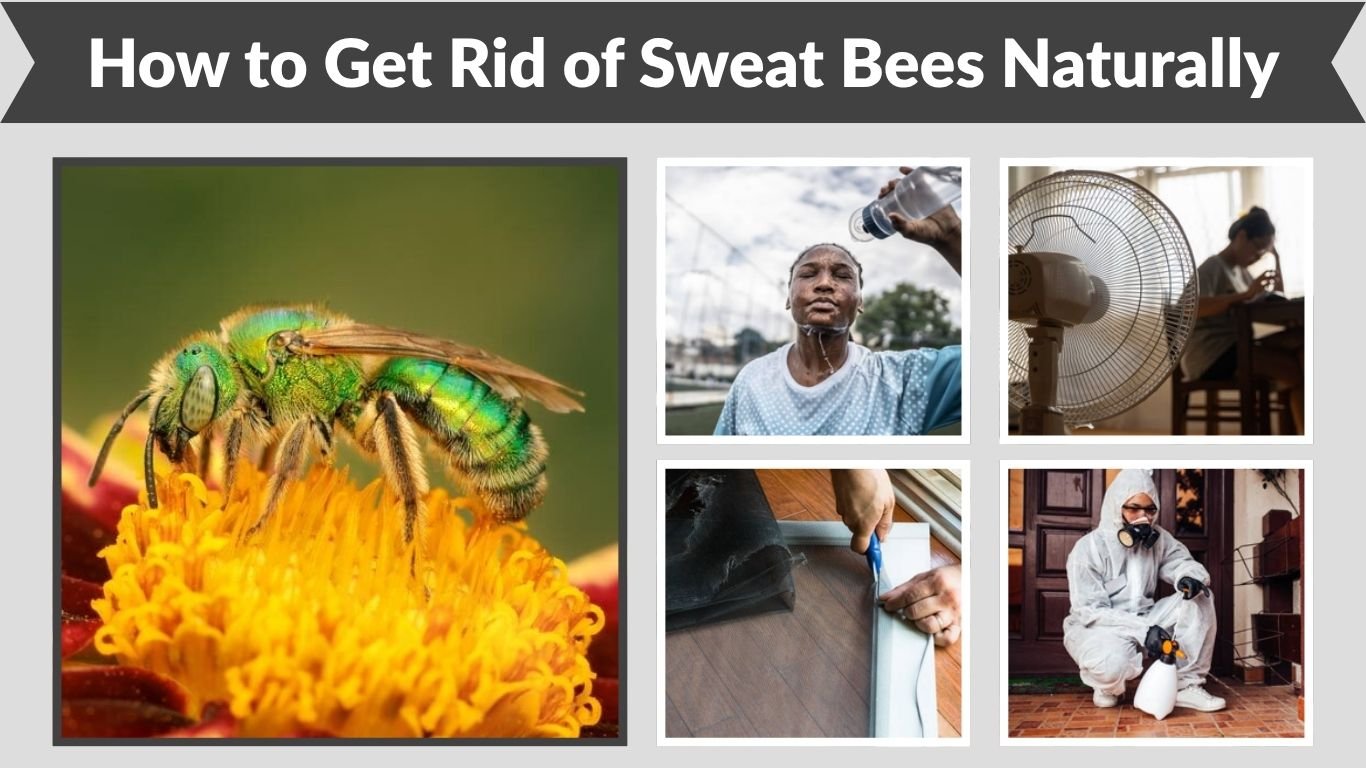
Sweat bees are small, often metallic-colored bees attracted to human perspiration, flowers, and moisture. They rarely behave aggressively, but their constant presence around pools, patios, … Read More
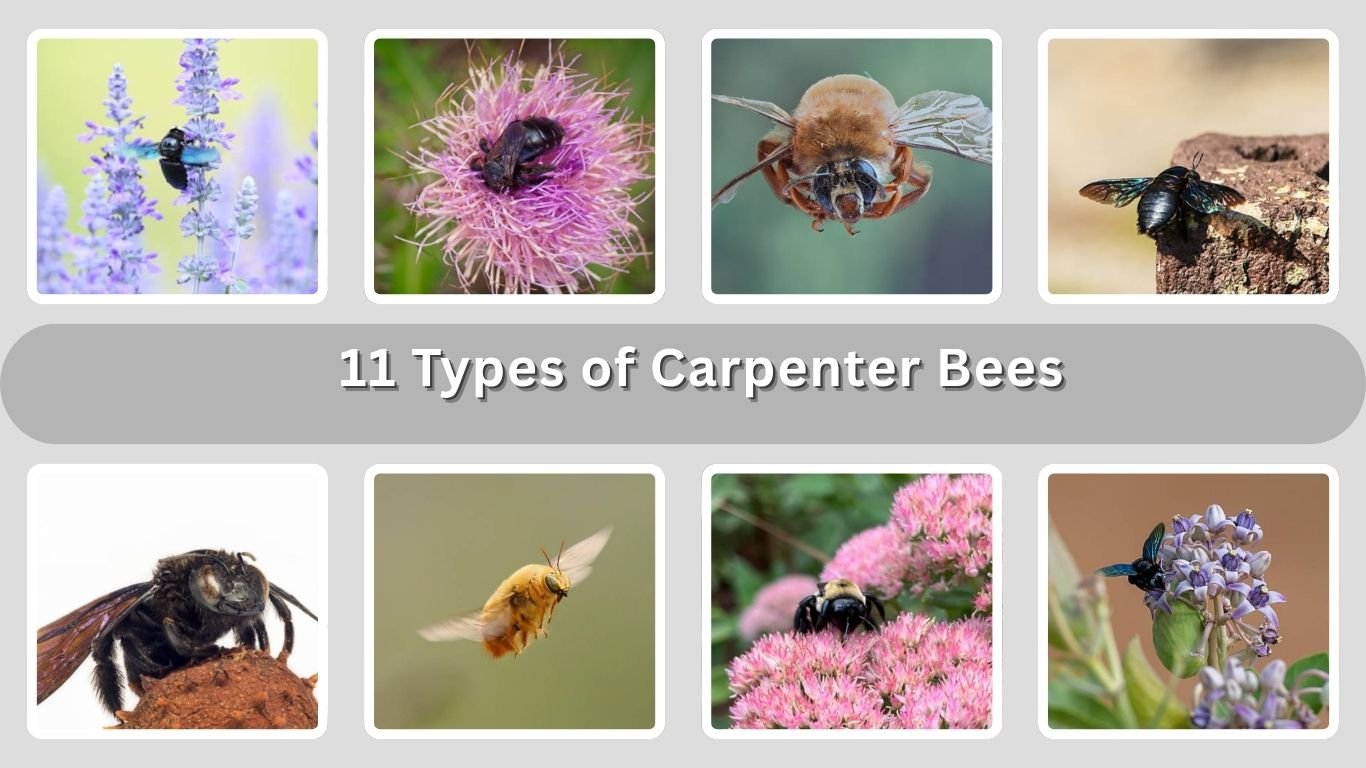
Carpenter bees are large, powerful pollinators known for their ability to drill into wood to create nests. They are found in many parts of the … Read More
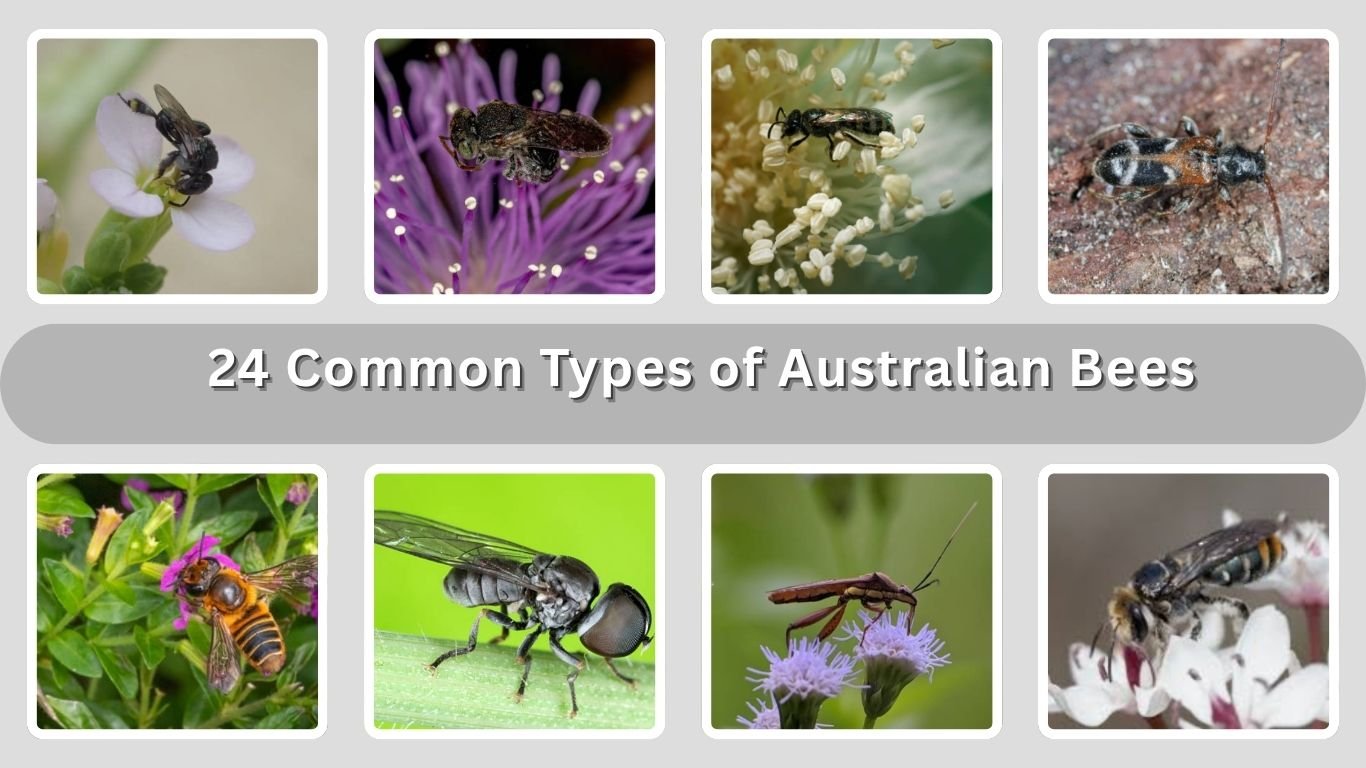
Australian bees are incredibly diverse, with hundreds of species found across the continent. From tiny stingless bees to large carpenter bees, these pollinators play a … Read More
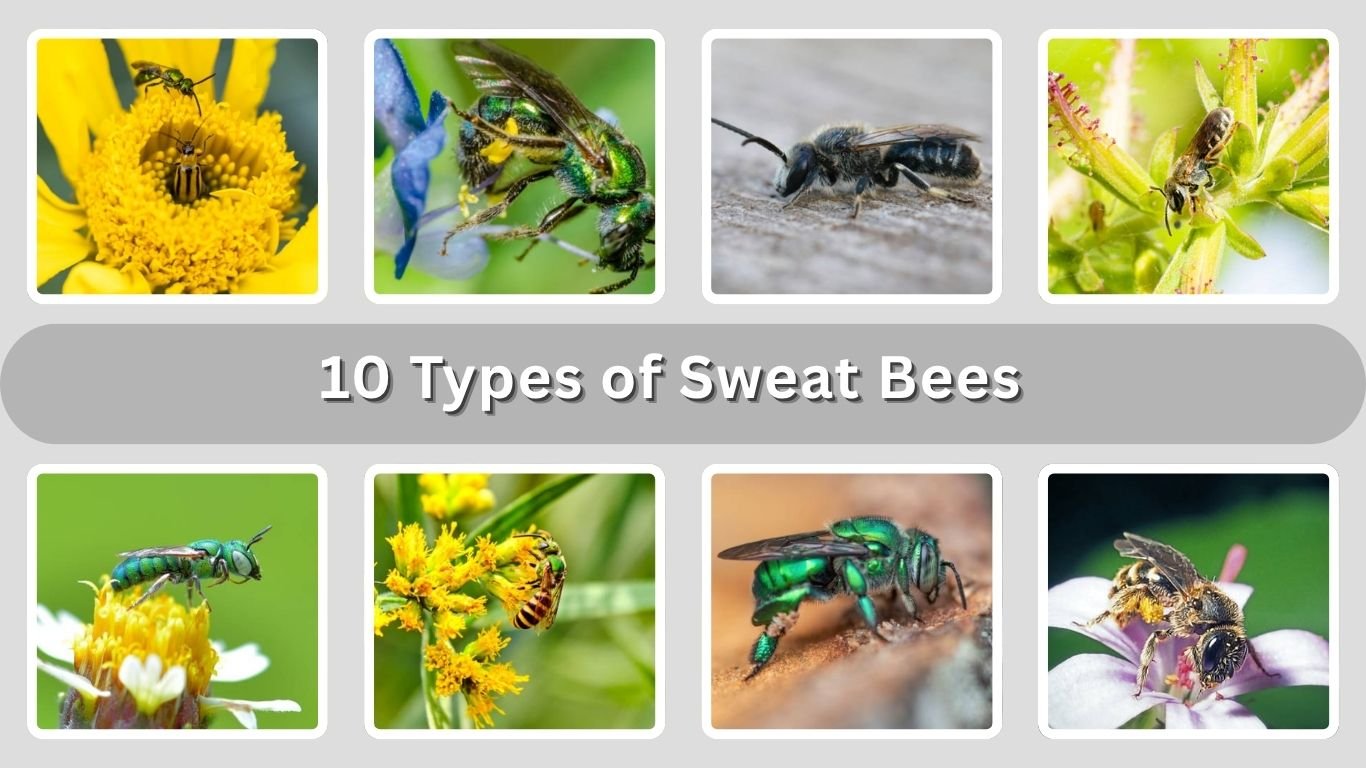
Sweat bees are a diverse group of small to medium-sized bees known for their attraction to human sweat, from which they obtain moisture and salts. … Read More
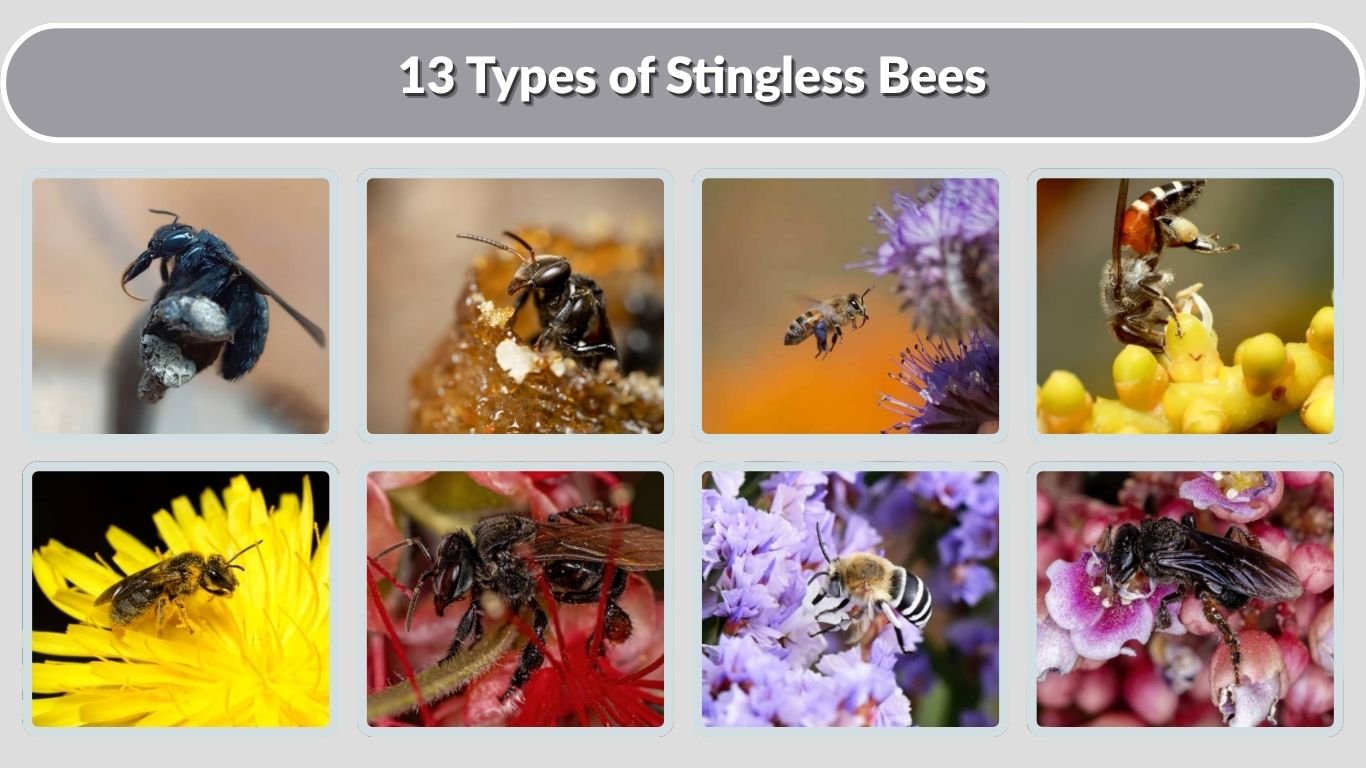
Stingless bees are small, social bees known for their gentle nature and lack of a functional sting. They are mostly found in tropical and subtropical … Read More
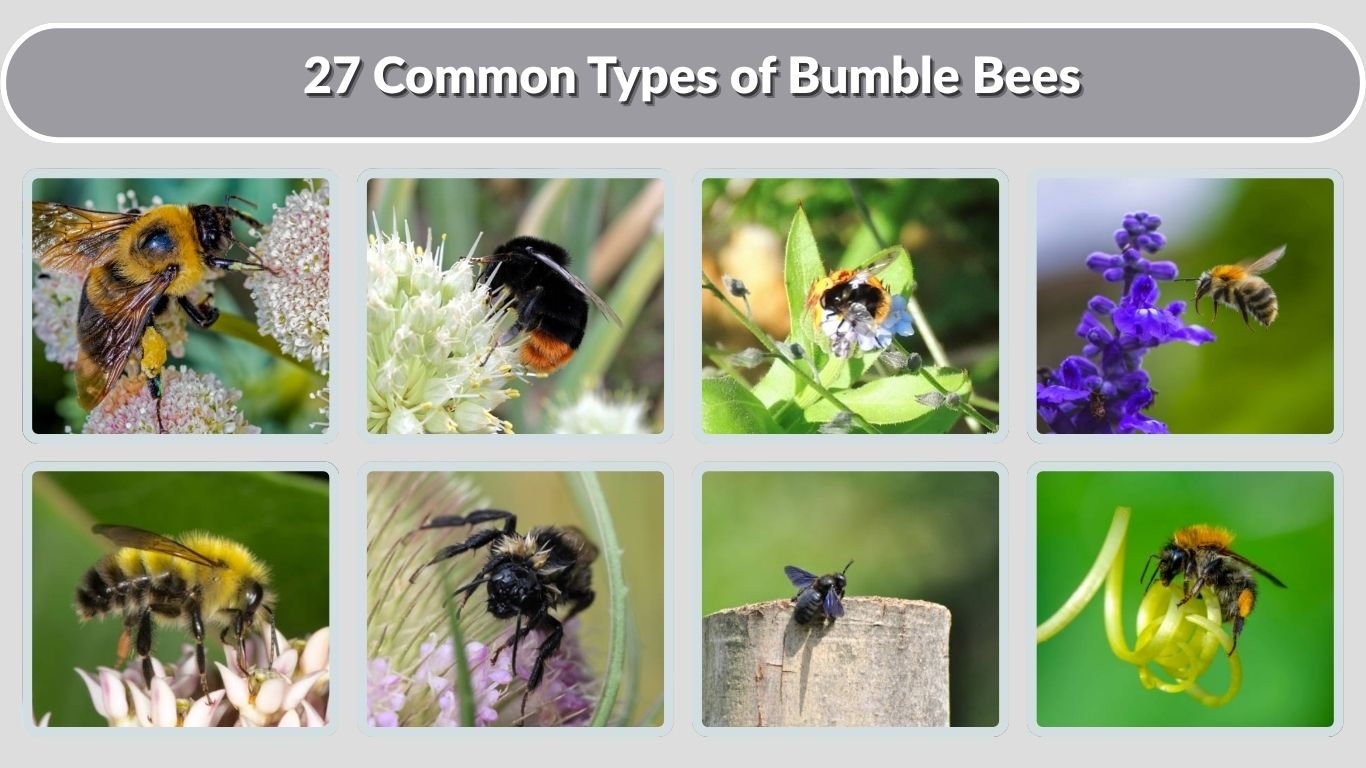
Bumble bees are important pollinators found in many parts of the world. They help plants grow by transferring pollen between flowers, which supports both natural … Read More
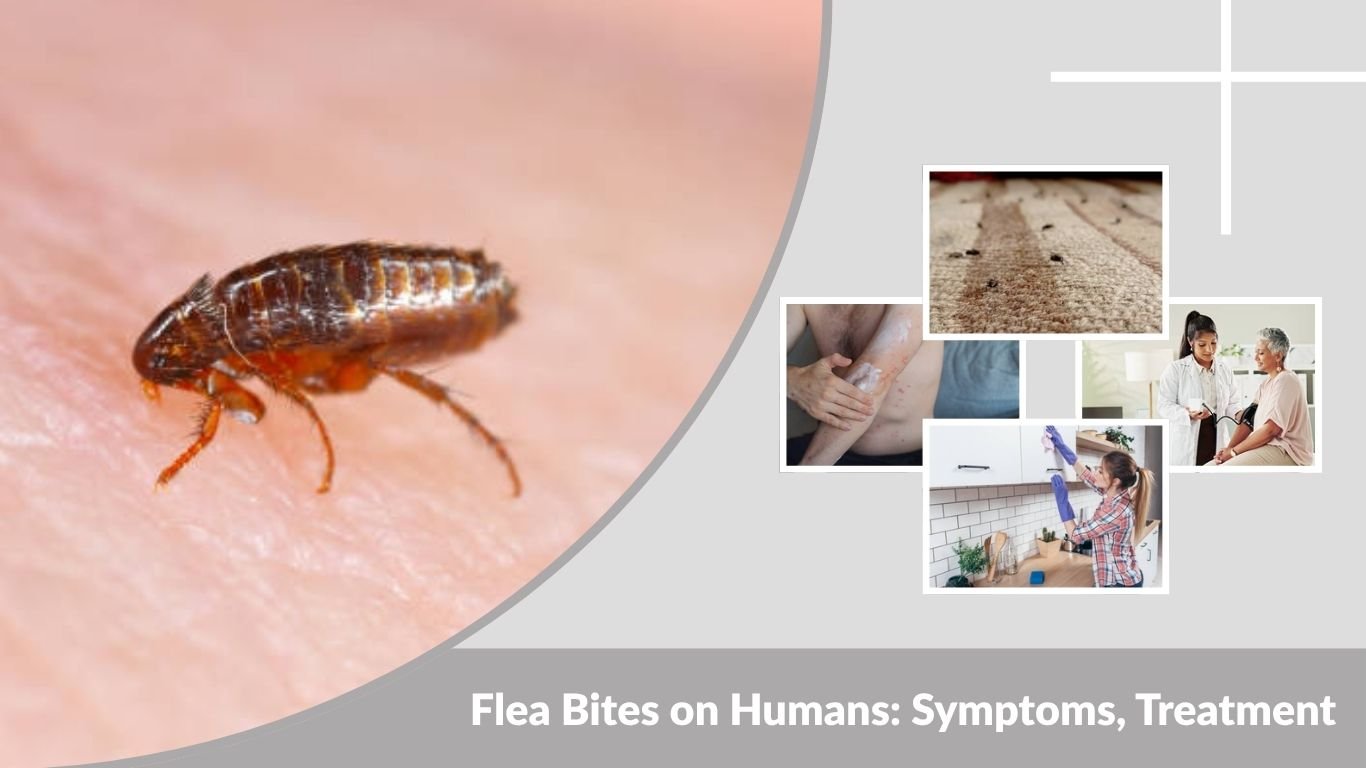
Flea bites on humans are a common problem, especially in homes with pets or in areas where fleas are present. These tiny parasites typically prefer … Read More

Flea bites are one of the most common problems dog owners face, especially in warm and humid climates. These tiny parasites feed on your dog’s … Read More