
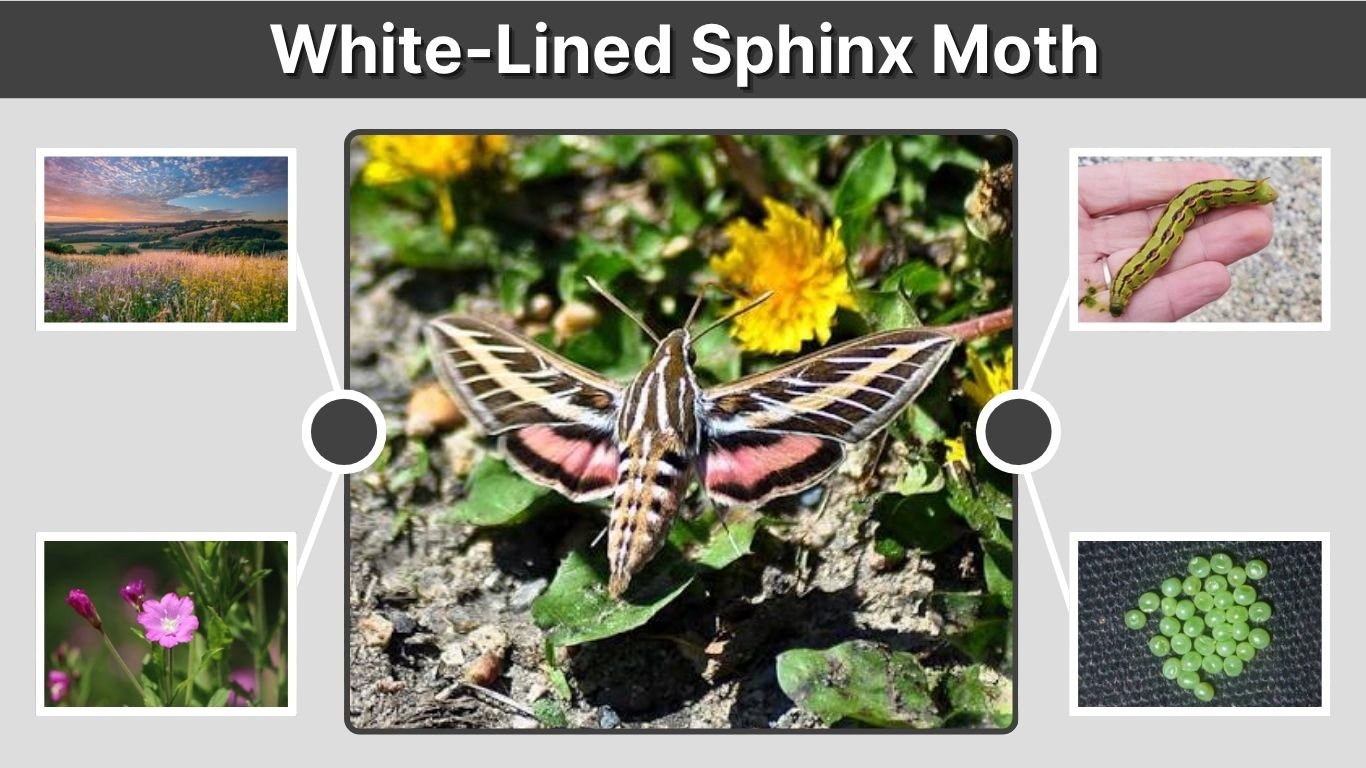
White-Lined Sphinx Moth: Caterpillar, Diet & Life Cycle
The white-lined sphinx moth (Hyles lineata) is a large, fast-flying moth found across much of North America and beyond. Its striking white-striped wings, pink hindwings, … Read More
The white-lined sphinx moth (Hyles lineata) is a large, fast-flying moth found across much of North America and beyond. Its striking white-striped wings, pink hindwings, … Read More
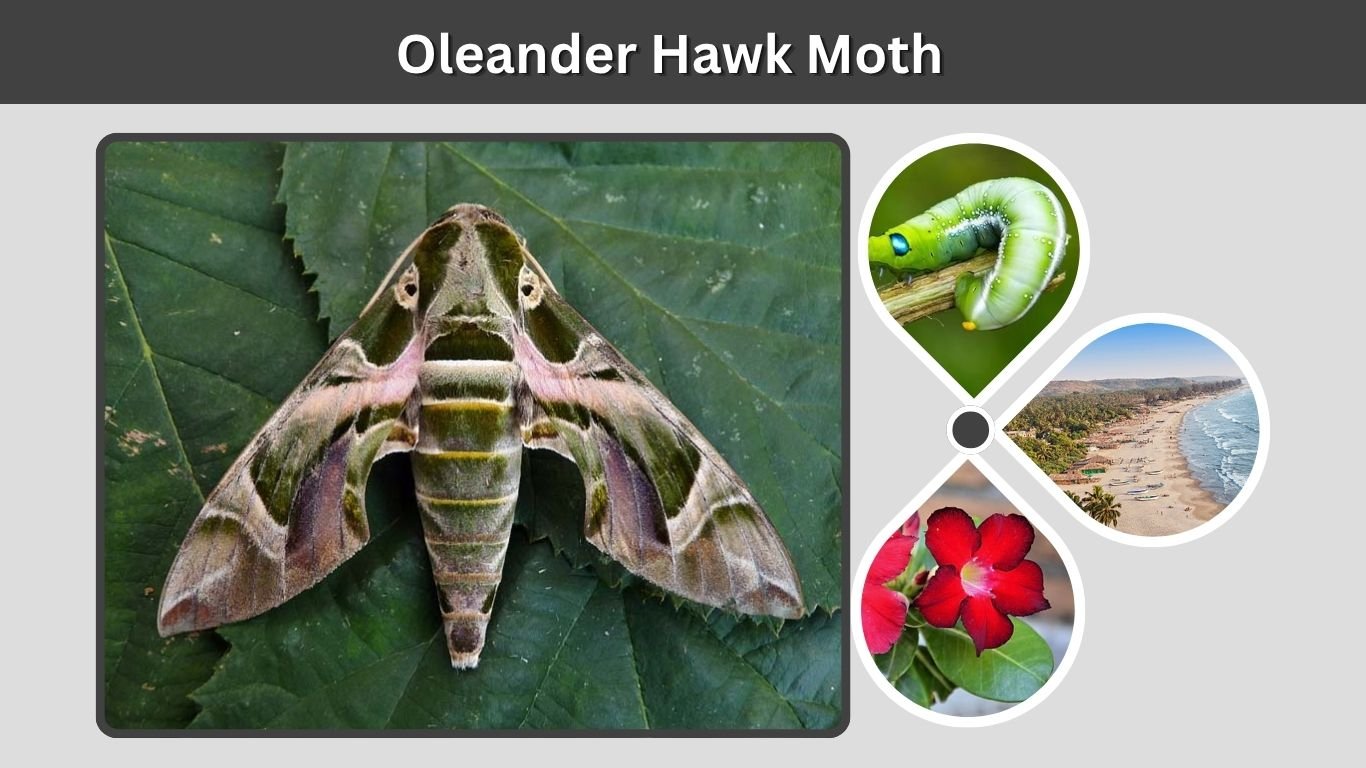
The oleander hawk moth (Daphnis nerii) is a large, striking moth recognized by its camouflage-like green wings and unusually colorful caterpillar. Found mainly across Africa … Read More
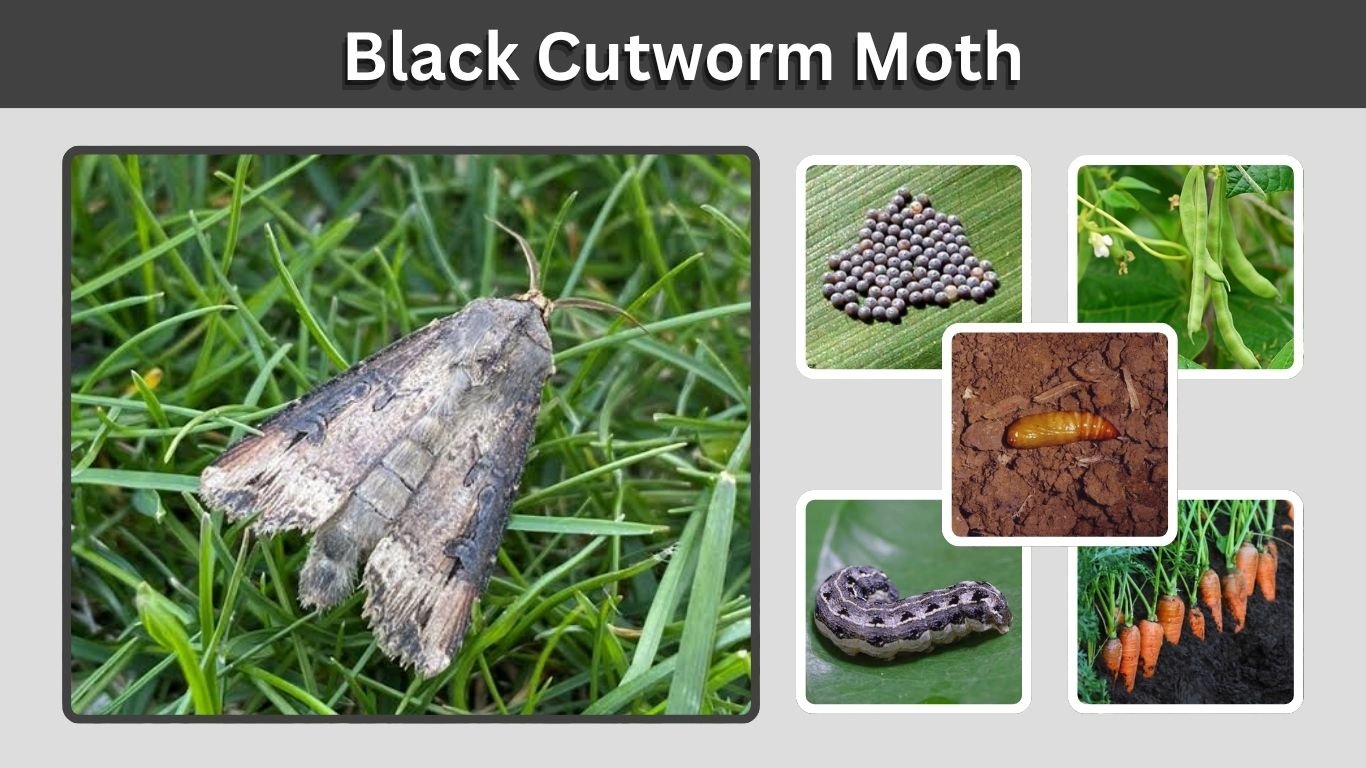
The black cutworm moth is a widespread nocturnal moth best known for the destructive caterpillar stage that attacks young crops and garden plants. Scientifically called … Read More
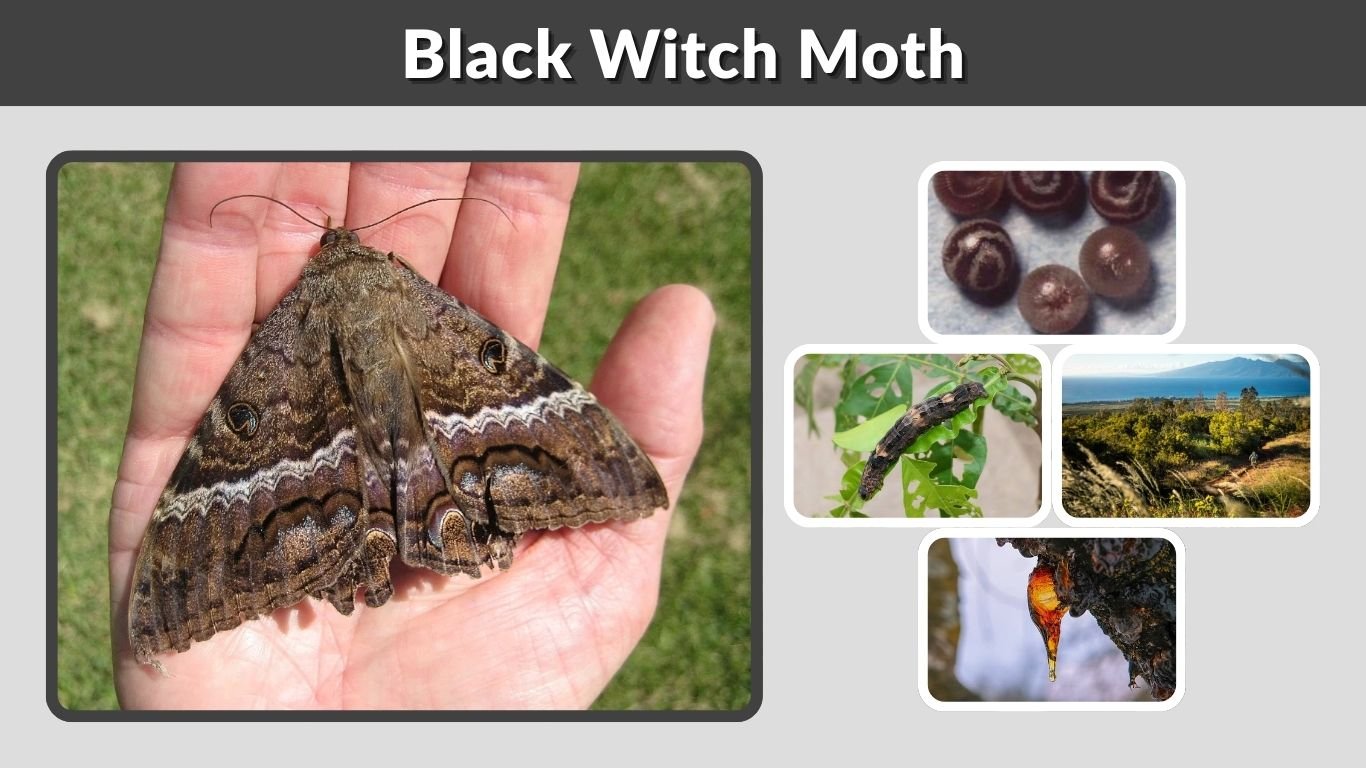
The black witch moth (Ascalapha odorata) is one of the largest and most striking moths found in the Americas. Its dark, bat-like wings, impressive size, … Read More
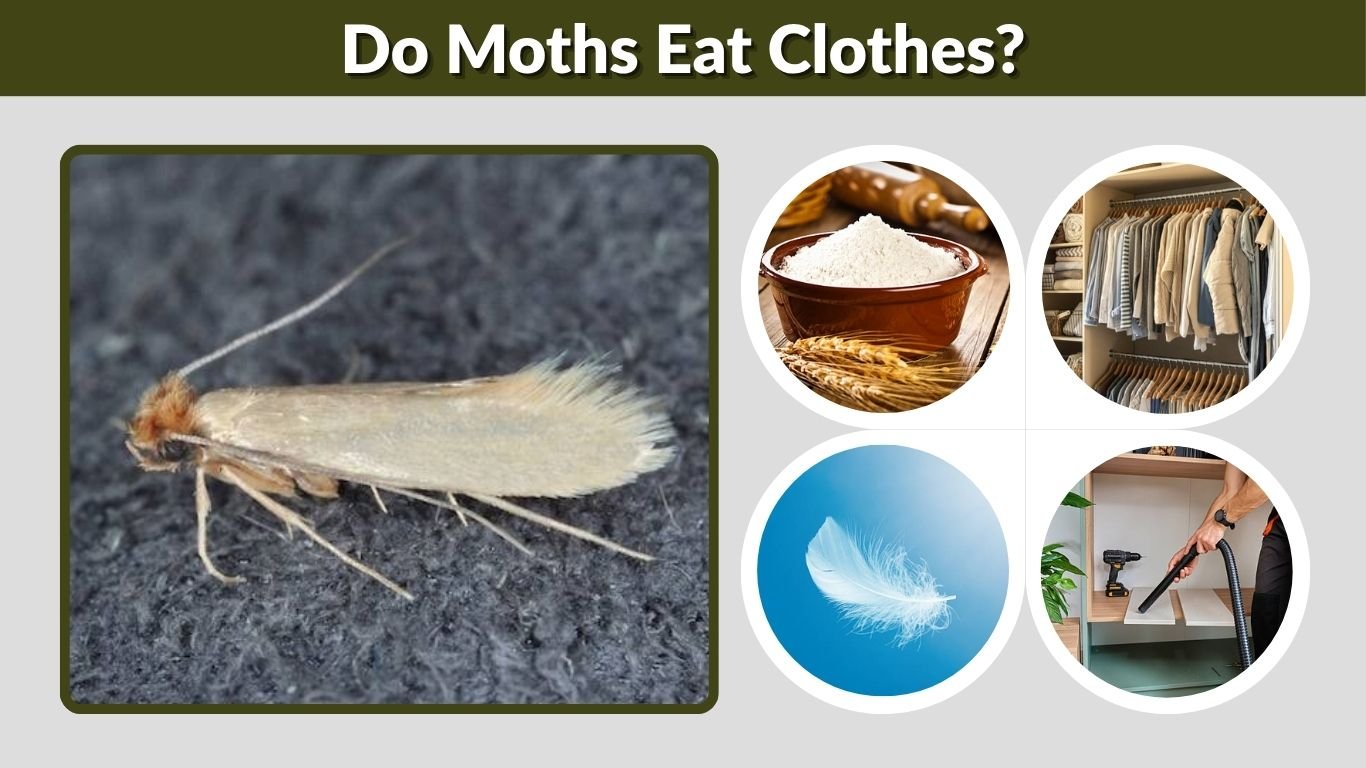
Do moths eat clothes? The answer is slightly more complicated than it seems. Adult clothes moths generally do not eat your clothing—their larvae cause the … Read More
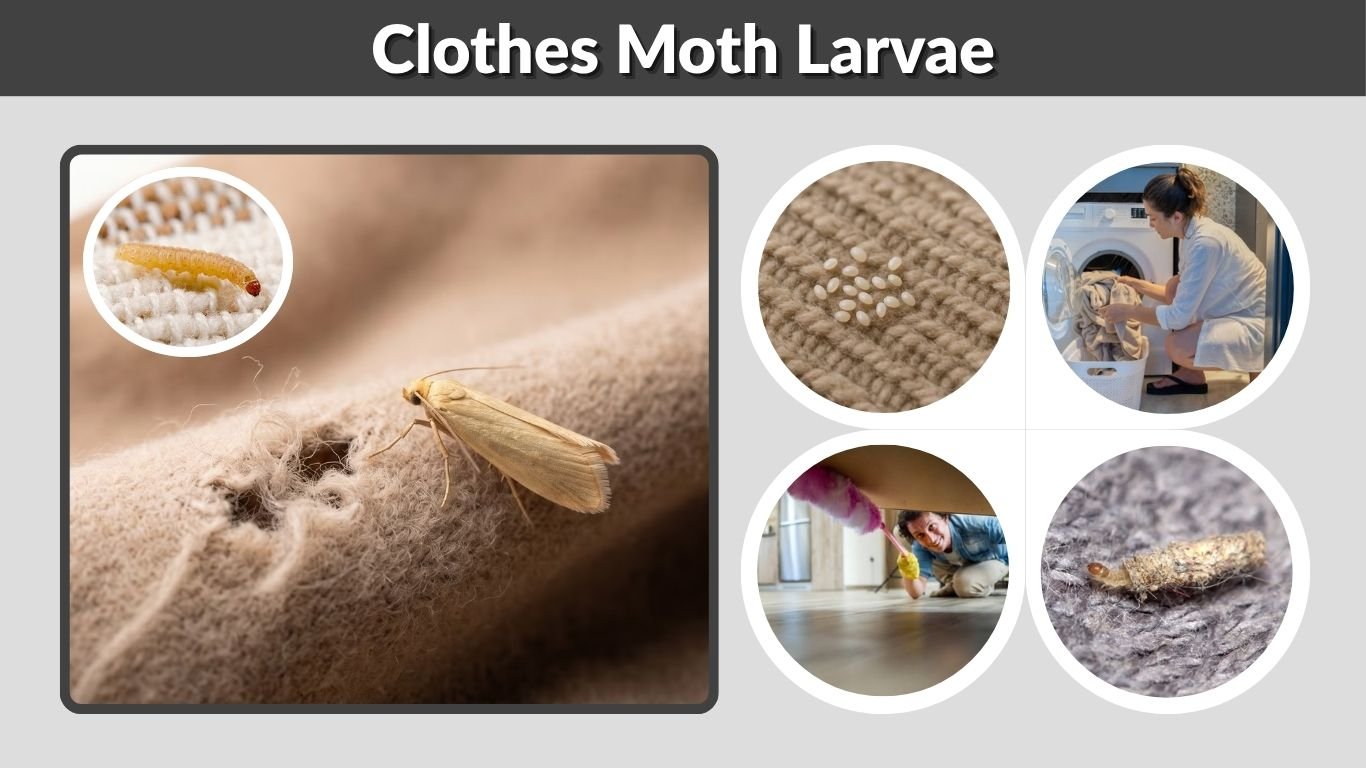
Clothes moth larvae are the stage responsible for most fabric damage caused by clothes moths. Unlike adult moths, the larvae feed on natural fibers such … Read More
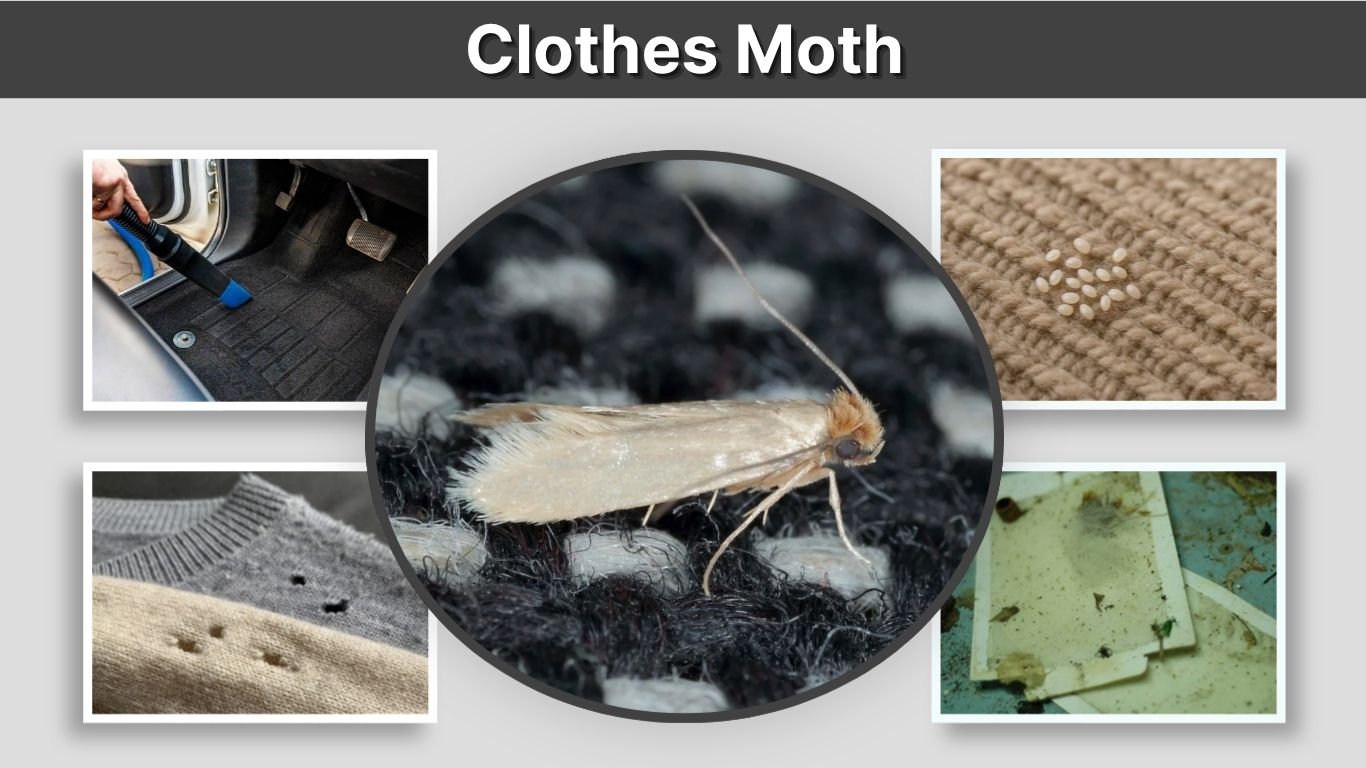
A clothes moth infestation can quietly damage sweaters, carpets, blankets, upholstery, and other materials containing natural fibers. The adult moth itself does not eat clothes; … Read More
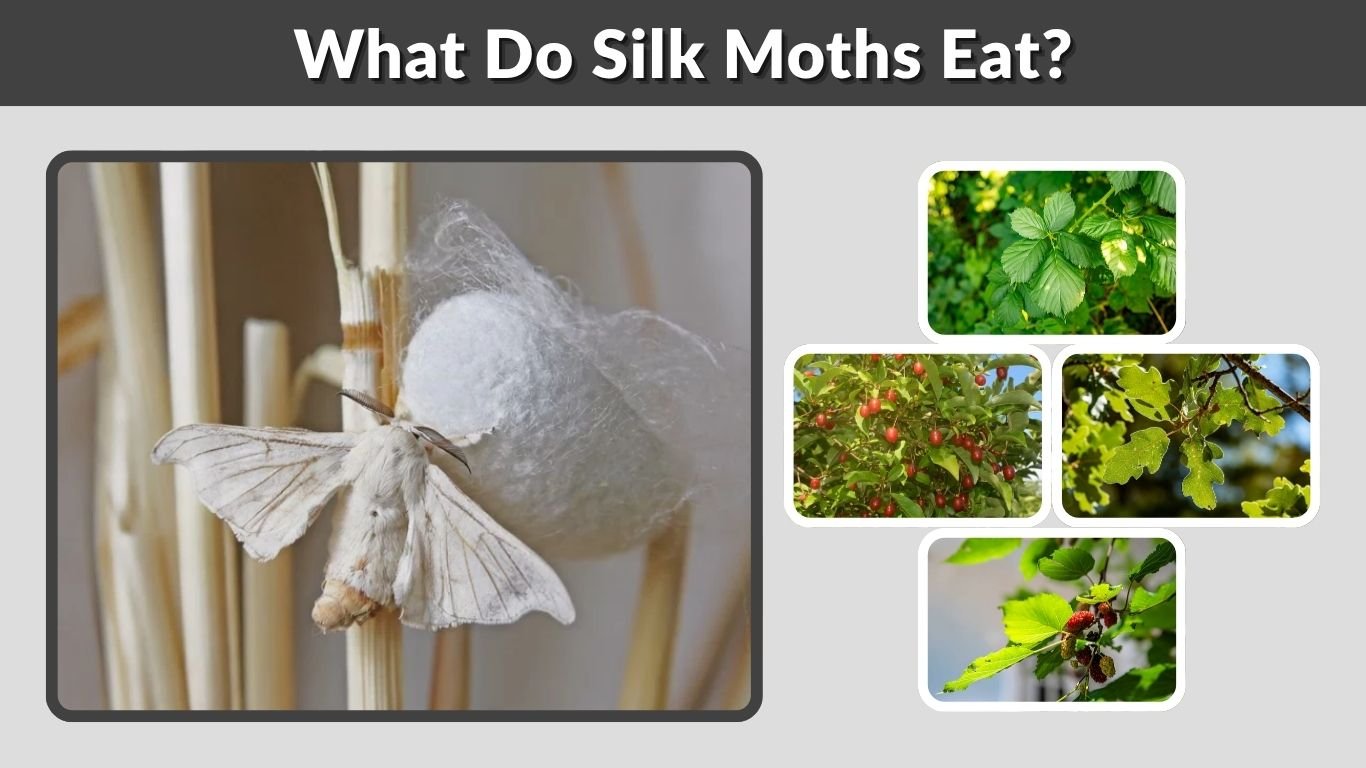
Silk moths have very different diets depending on their life stage and species. Most of the eating happens during the caterpillar stage, when larvae consume … Read More
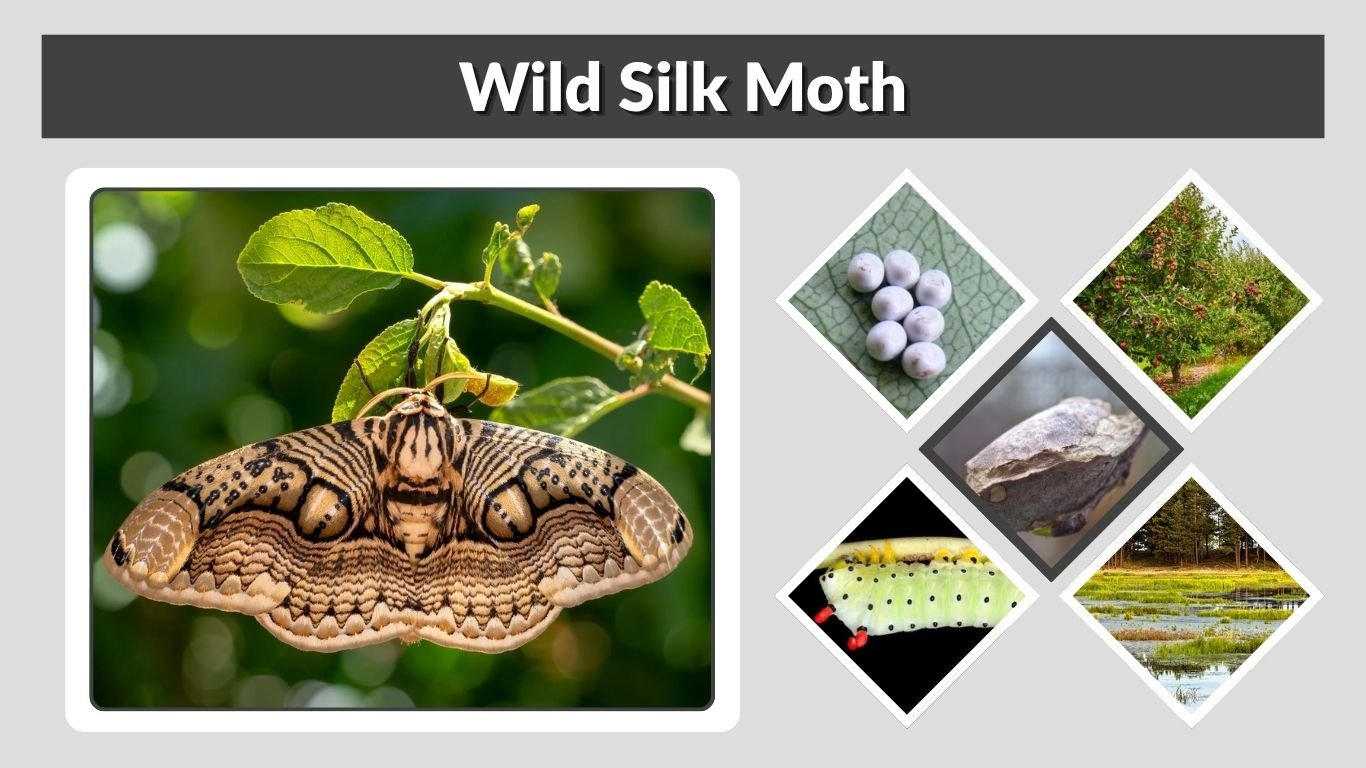
Wild silk moths are large, beautiful insects known for their colorful wings and silk-producing caterpillars. Unlike domesticated silkworm moths, they survive independently in forests, grasslands, … Read More
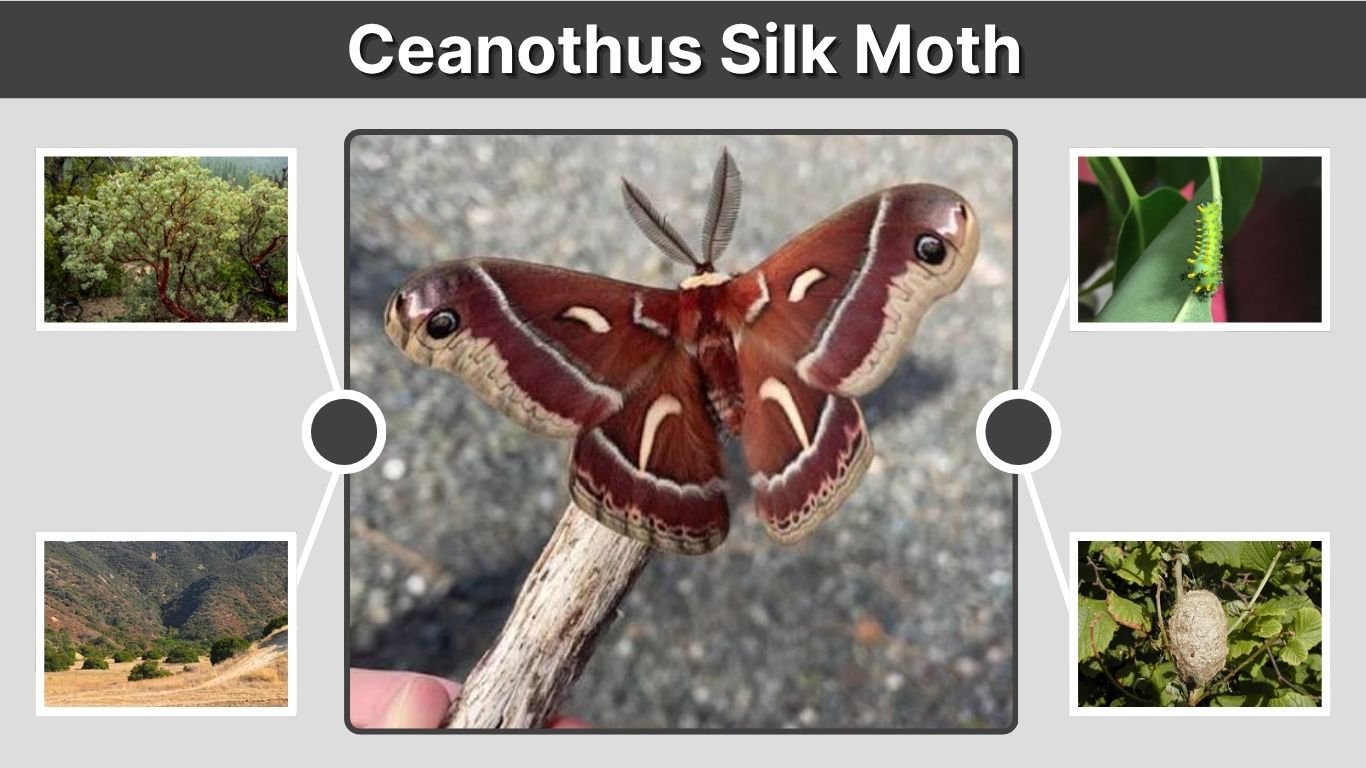
The Ceanothus silk moth (Hyalophora euryalus) is one of the largest and most impressive native silk moths of western North America. Its broad reddish-brown wings, … Read More