
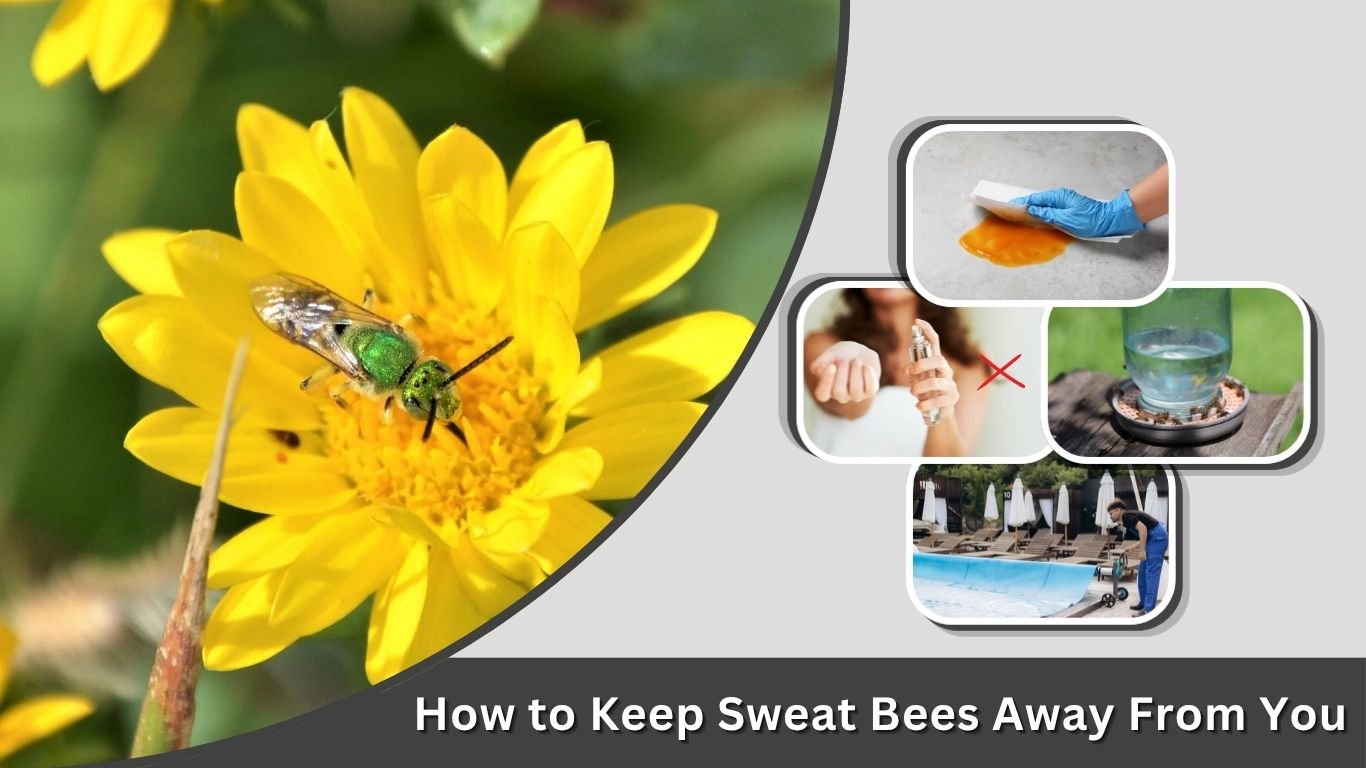
How to Keep Sweat Bees Away From You, Pools, and Patios
Sweat bees are small pollinators attracted to perspiration because it contains moisture and salt. Although they are usually harmless, their persistent landing can become annoying … Read More
Sweat bees are small pollinators attracted to perspiration because it contains moisture and salt. Although they are usually harmless, their persistent landing can become annoying … Read More
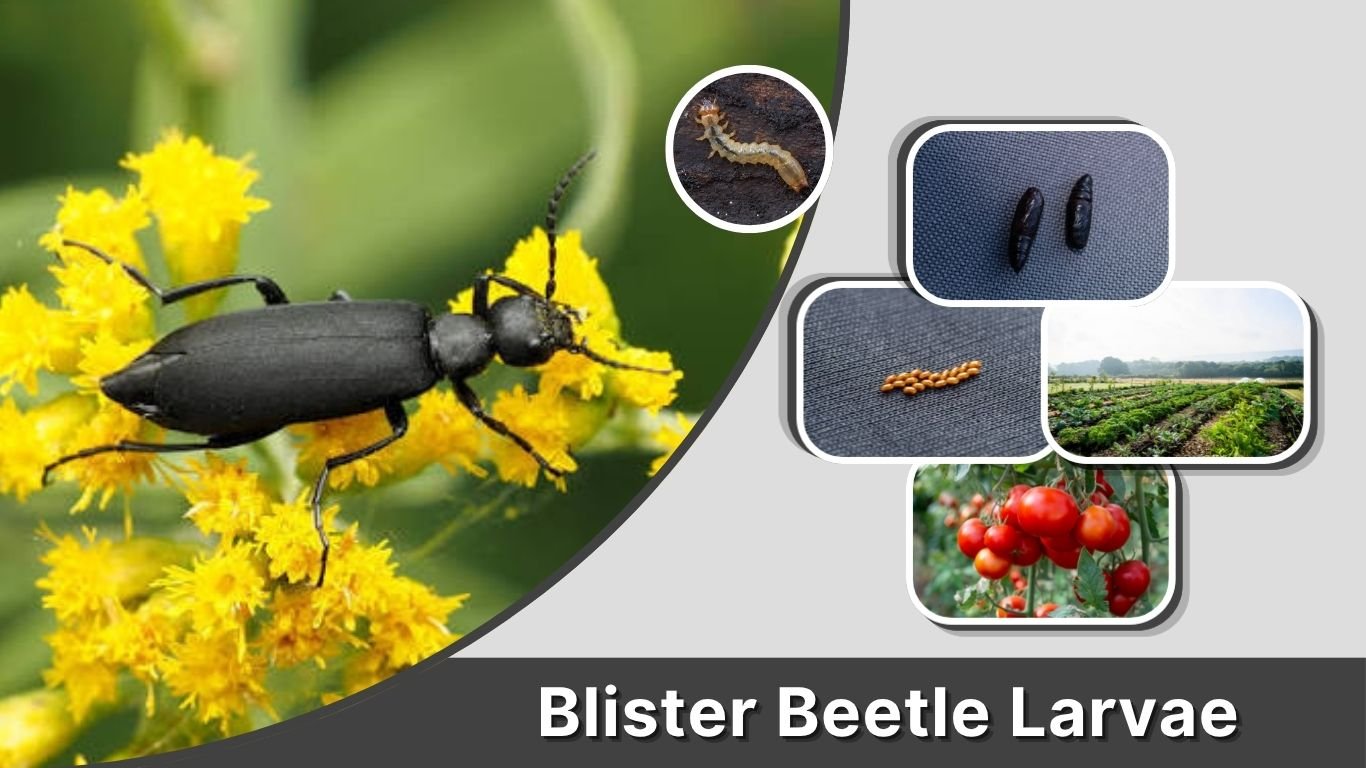
Blister beetle larvae are one of the most unusual immature stages found among beetles. Unlike many beetle larvae that remain relatively similar as they grow, … Read More
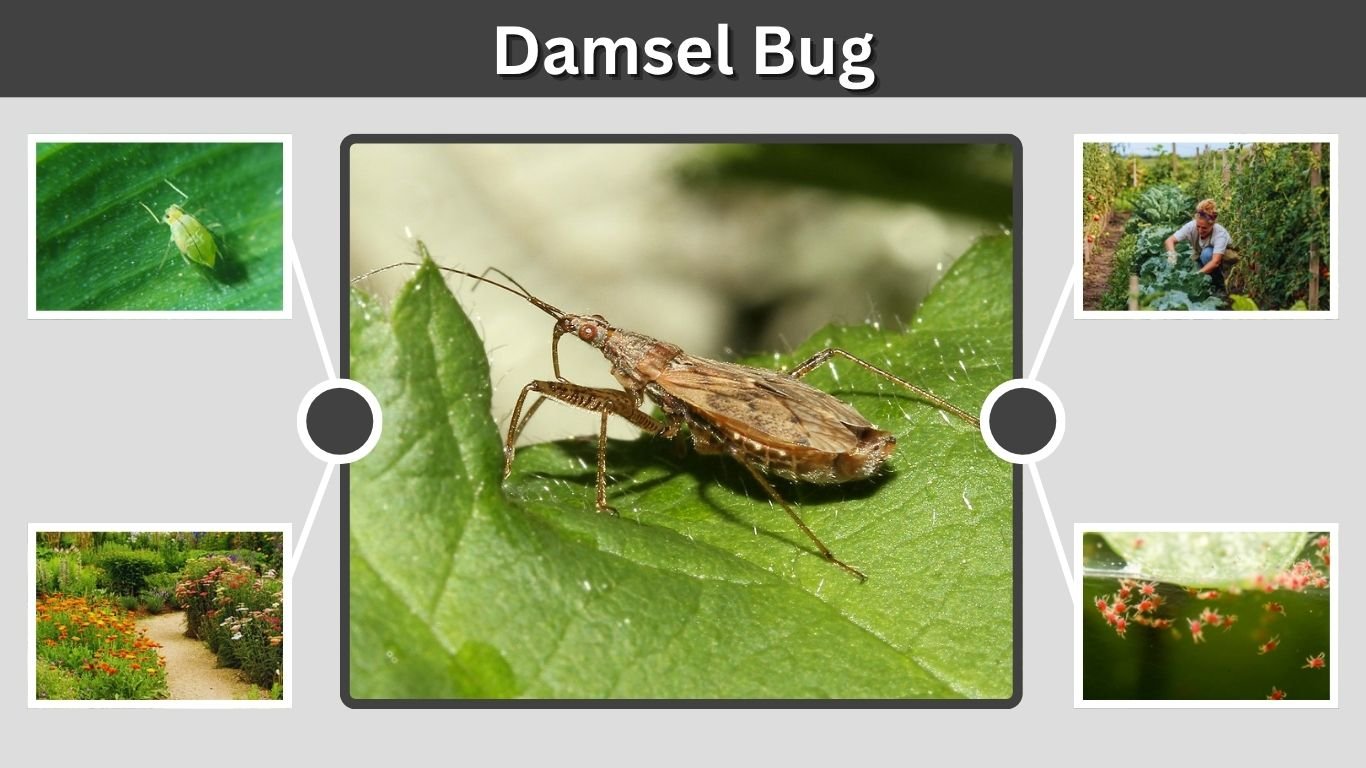
The damsel bug is a slender predatory insect commonly found in gardens, crop fields, grasslands, and other areas containing small insect prey. Rather than damaging … Read More
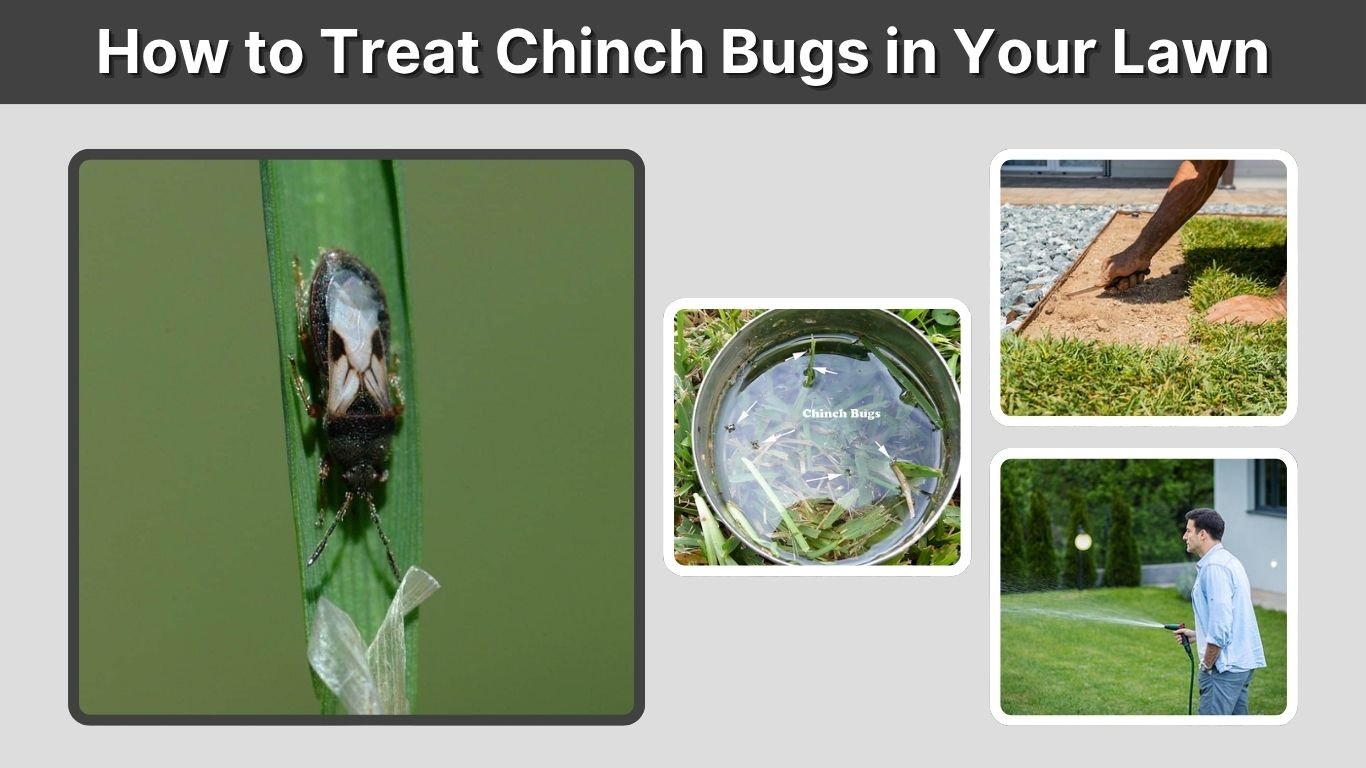
To treat chinch bugs successfully, first confirm that they—not drought, disease, or fertilizer damage—are causing the brown patches. Once identified, treat the active edge of … Read More
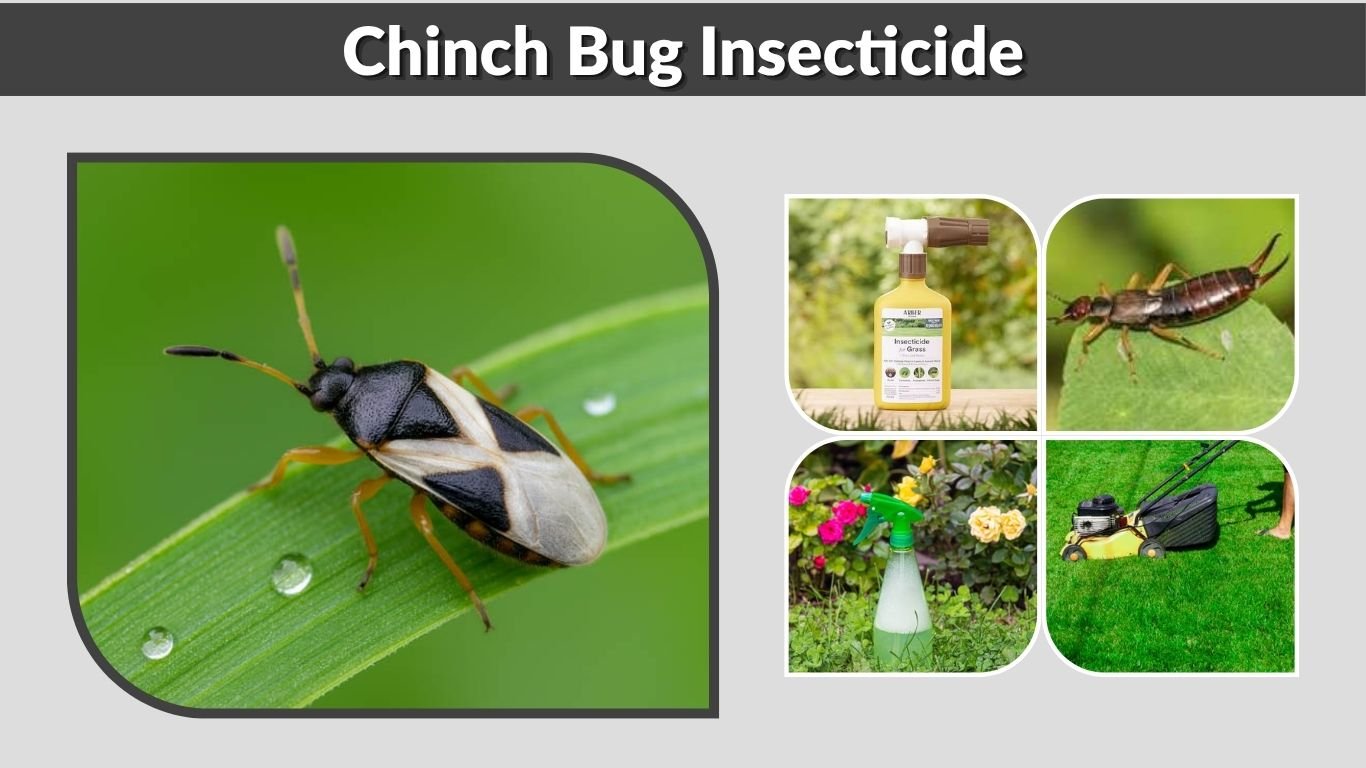
A chinch bug insecticide can stop active lawn damage, but treatment works best only after confirming that chinch bugs—not drought, disease, or another pest—are causing … Read More
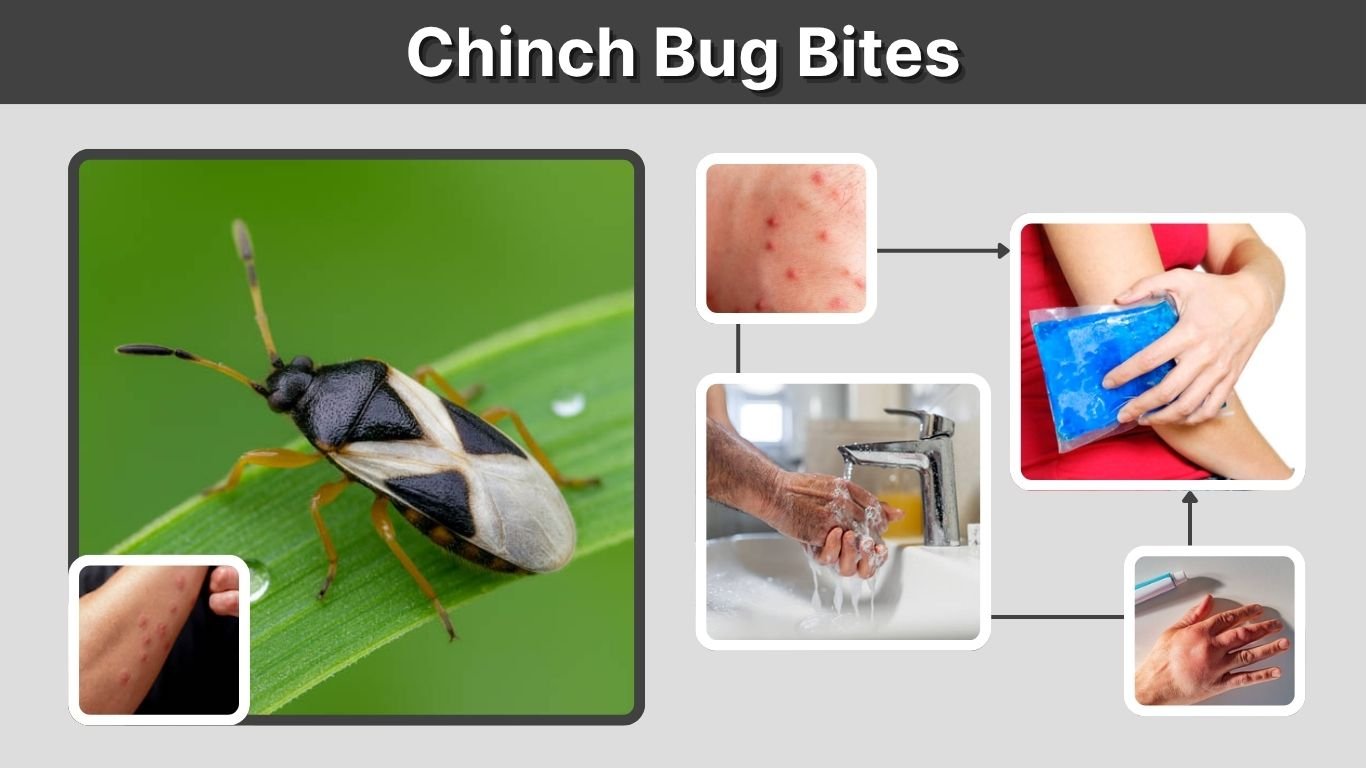
Chinch bugs are not considered biting pests of humans or pets. The chinch bugs found in lawns are plant-feeding insects that use piercing mouthparts to … Read More
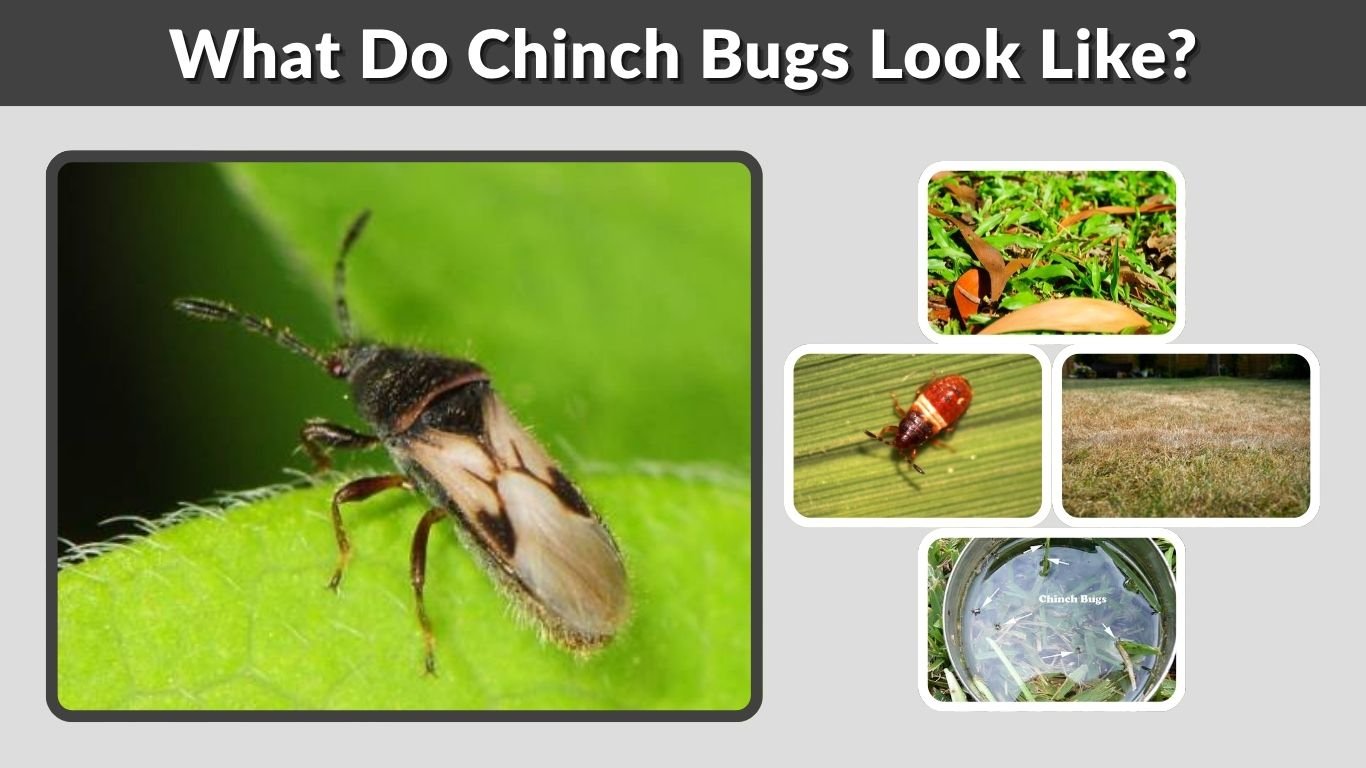
Chinch bugs are tiny, oval-shaped insects that live deep within grass near the soil surface. Adult chinch bugs are usually black with white wings folded … Read More
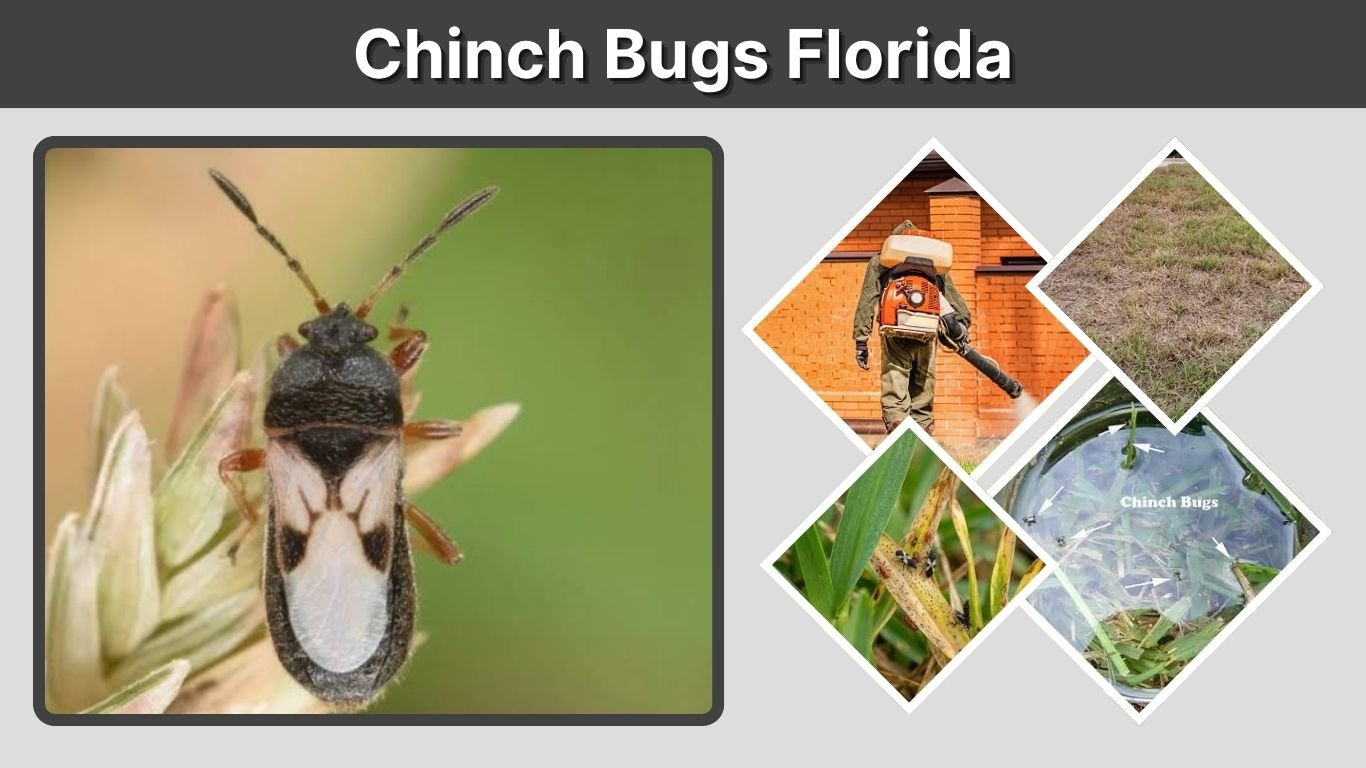
Chinch bugs are among the most destructive lawn pests in Florida, especially in St. Augustine grass. These tiny insects gather around the lower stems and … Read More
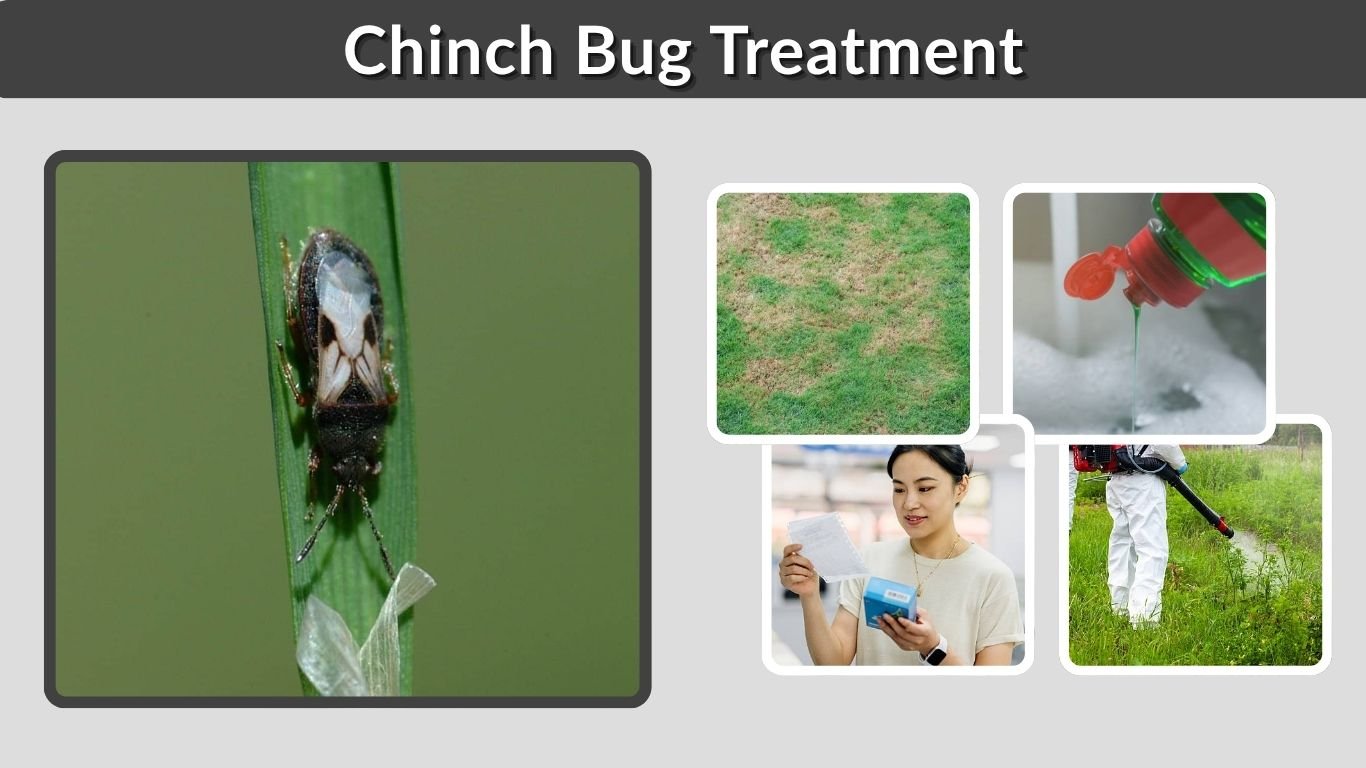
Chinch bug treatment should begin only after confirming that these insects are causing the damage. Their feeding creates irregular yellow and brown patches that closely … Read More
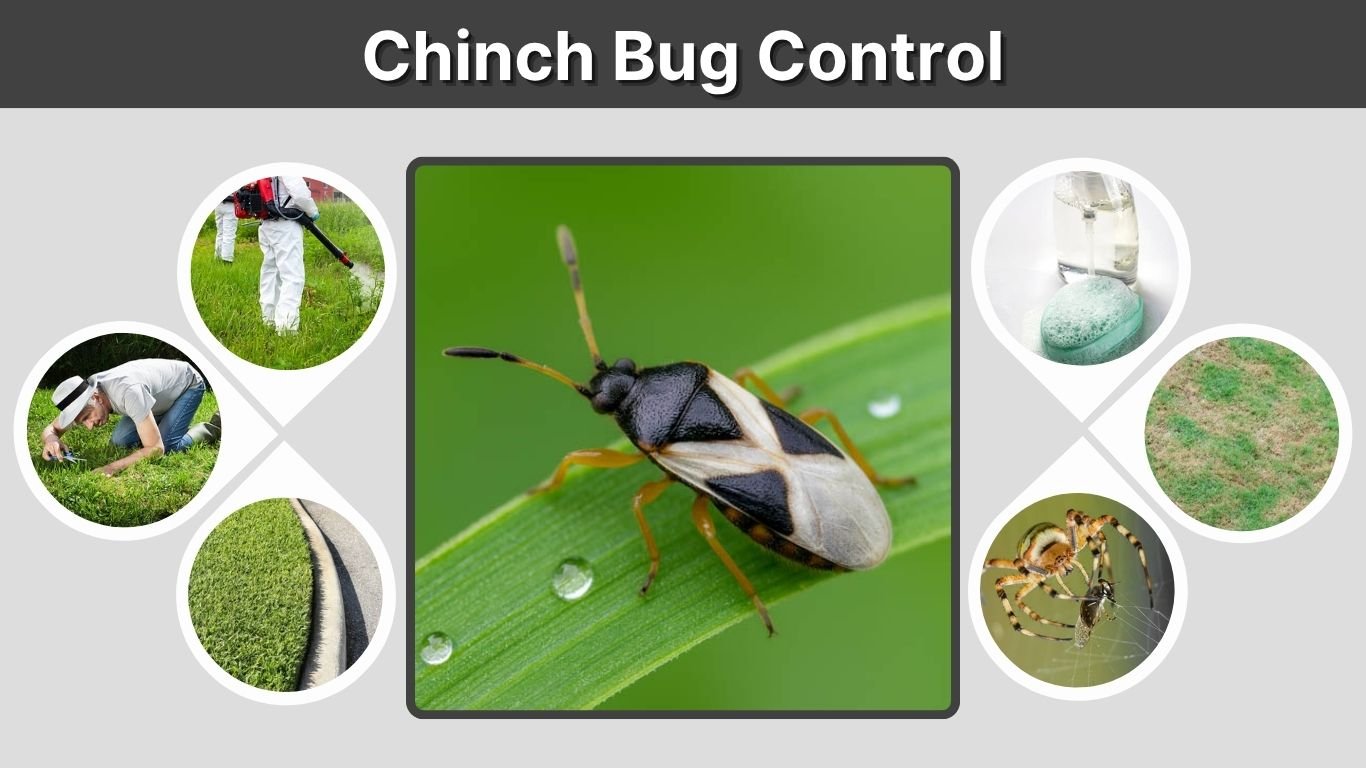
Chinch bugs are destructive turf pests that feed by piercing grass stems and removing plant fluids. Their feeding causes yellow, reddish-brown, and eventually dead patches … Read More