
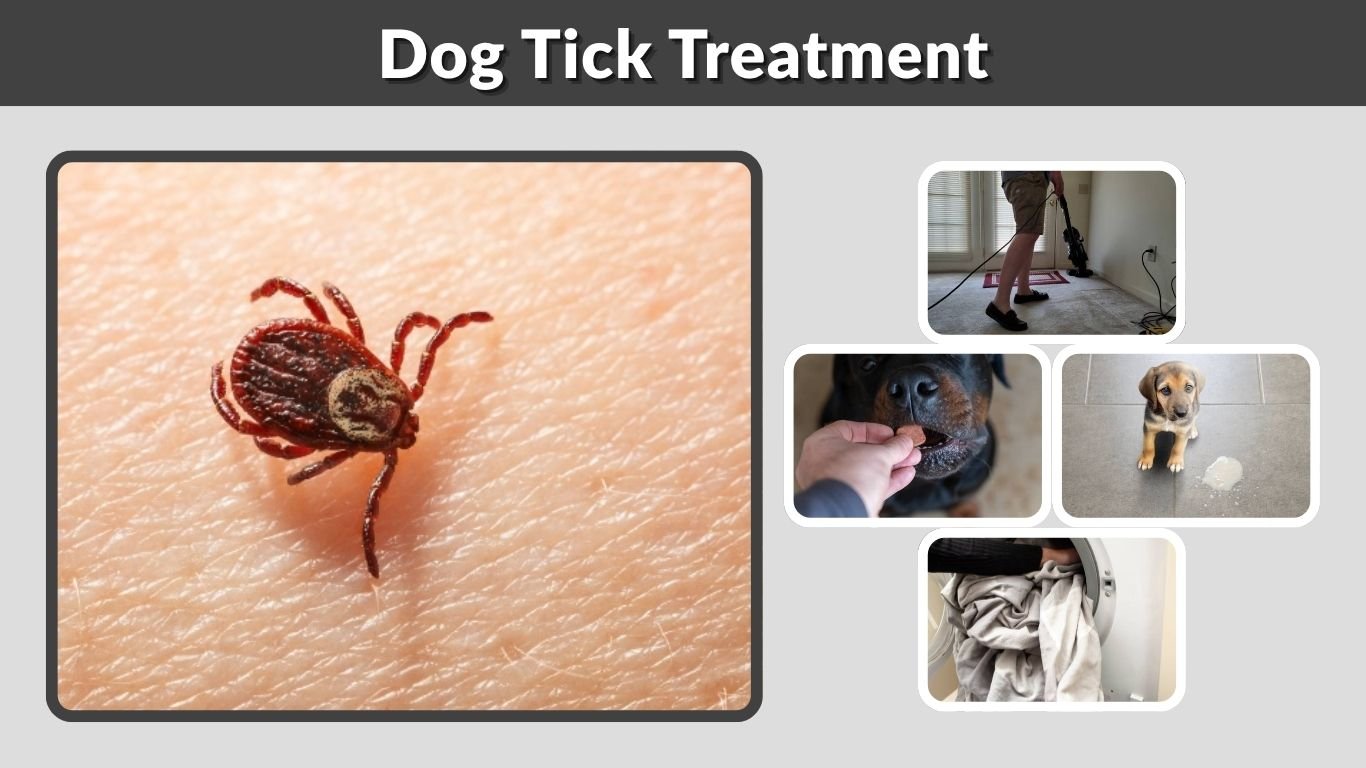
Dog Tick Treatment: Best Options, Medicines, and Prevention
Ticks can cause itching and skin irritation in dogs, but the bigger concern is their ability to transmit tick-borne diseases. A reliable dog tick treatment … Read More
Ticks can cause itching and skin irritation in dogs, but the bigger concern is their ability to transmit tick-borne diseases. A reliable dog tick treatment … Read More
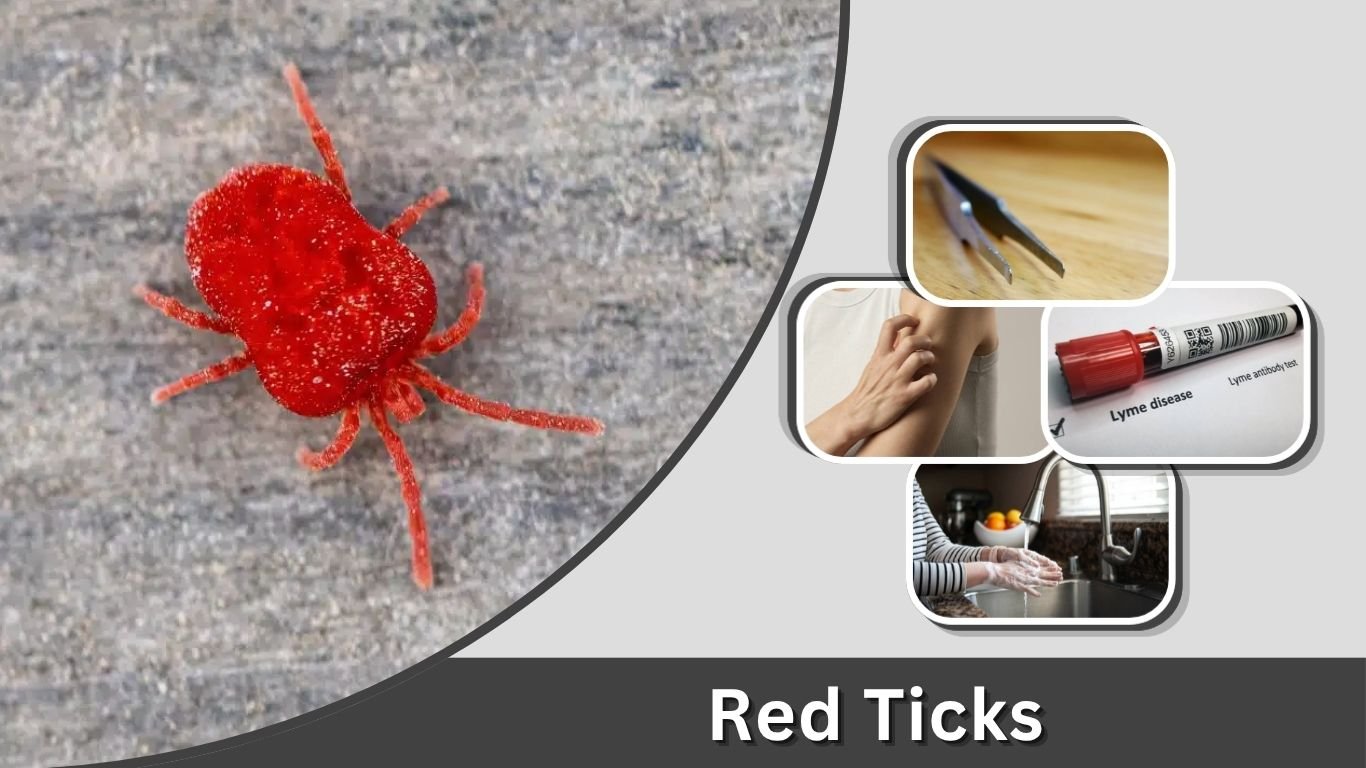
Red ticks are not one single tick species. Several ticks can look reddish, reddish-brown, orange-red, or red-and-black depending on their species, sex, life stage, and … Read More
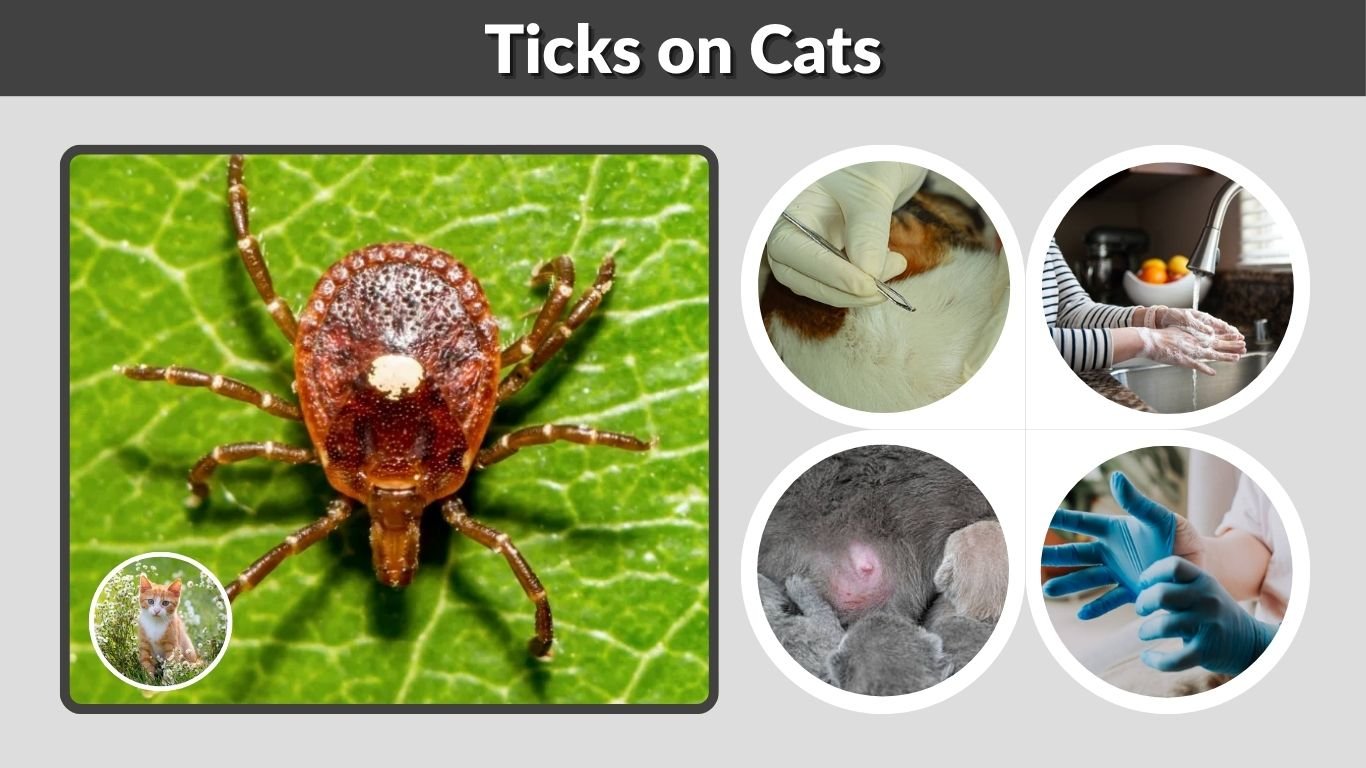
Ticks on cats are blood-feeding parasites that attach to the skin and can remain hidden beneath the fur for several days. Outdoor cats are at … Read More
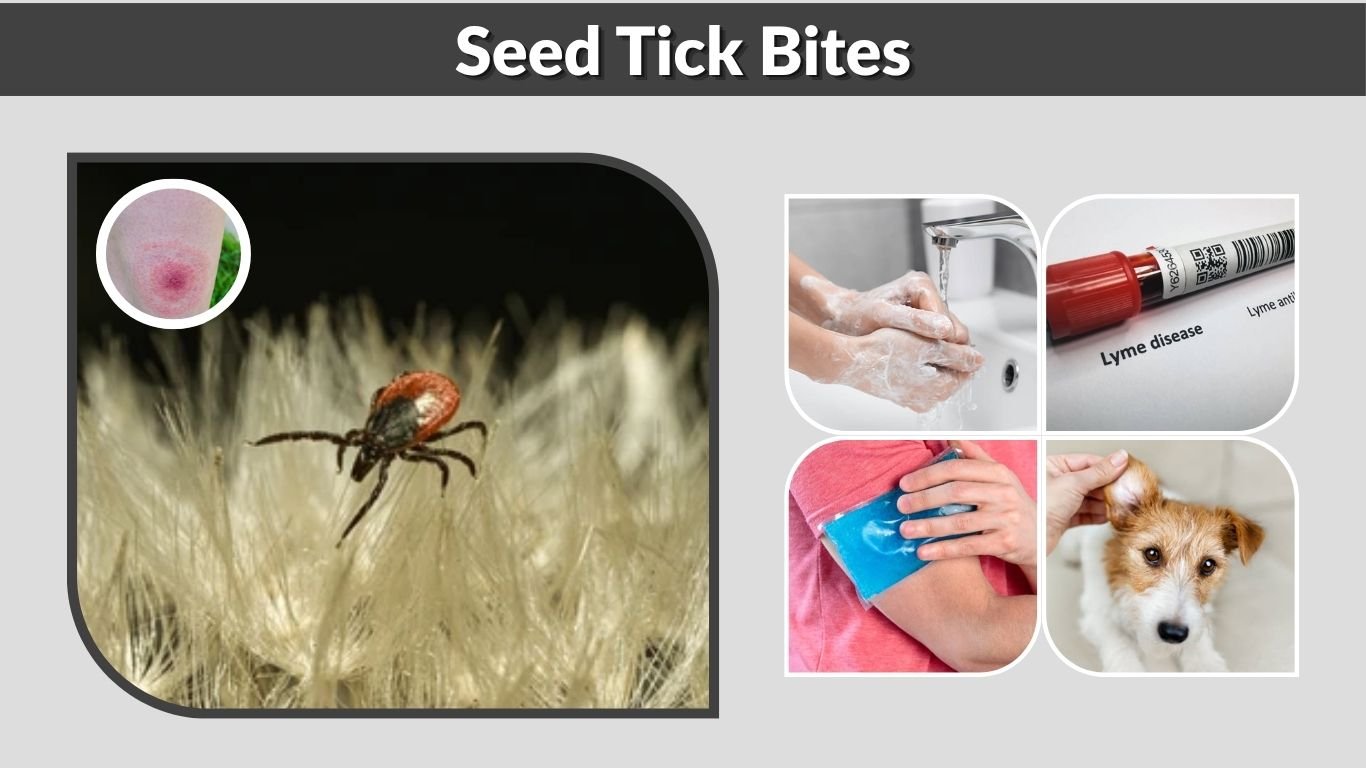
Seed tick bites often appear as clusters of tiny red, itchy bumps after a person brushes against grass, leaf litter, or low vegetation containing newly … Read More
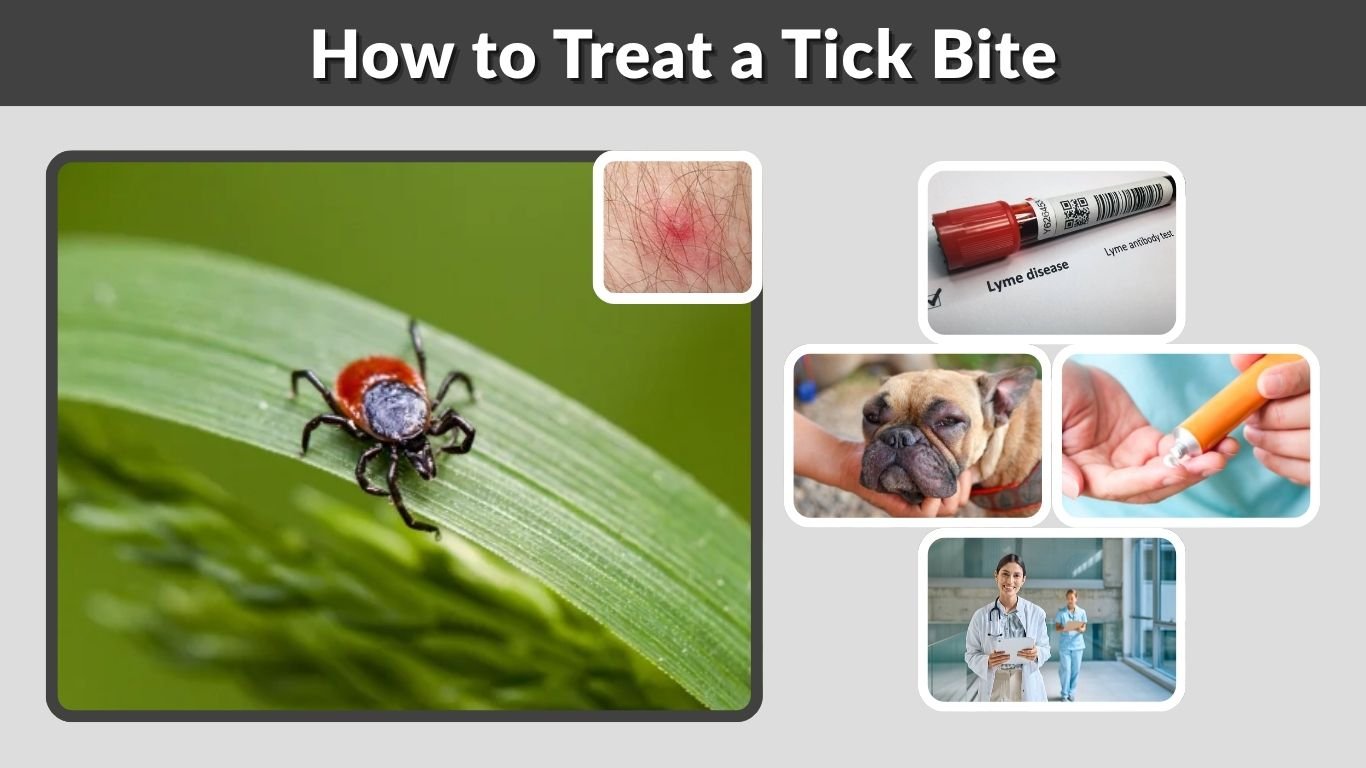
Knowing how to treat a tick bite starts with removing the tick correctly and as quickly as possible. After removal, most minor bites need only … Read More
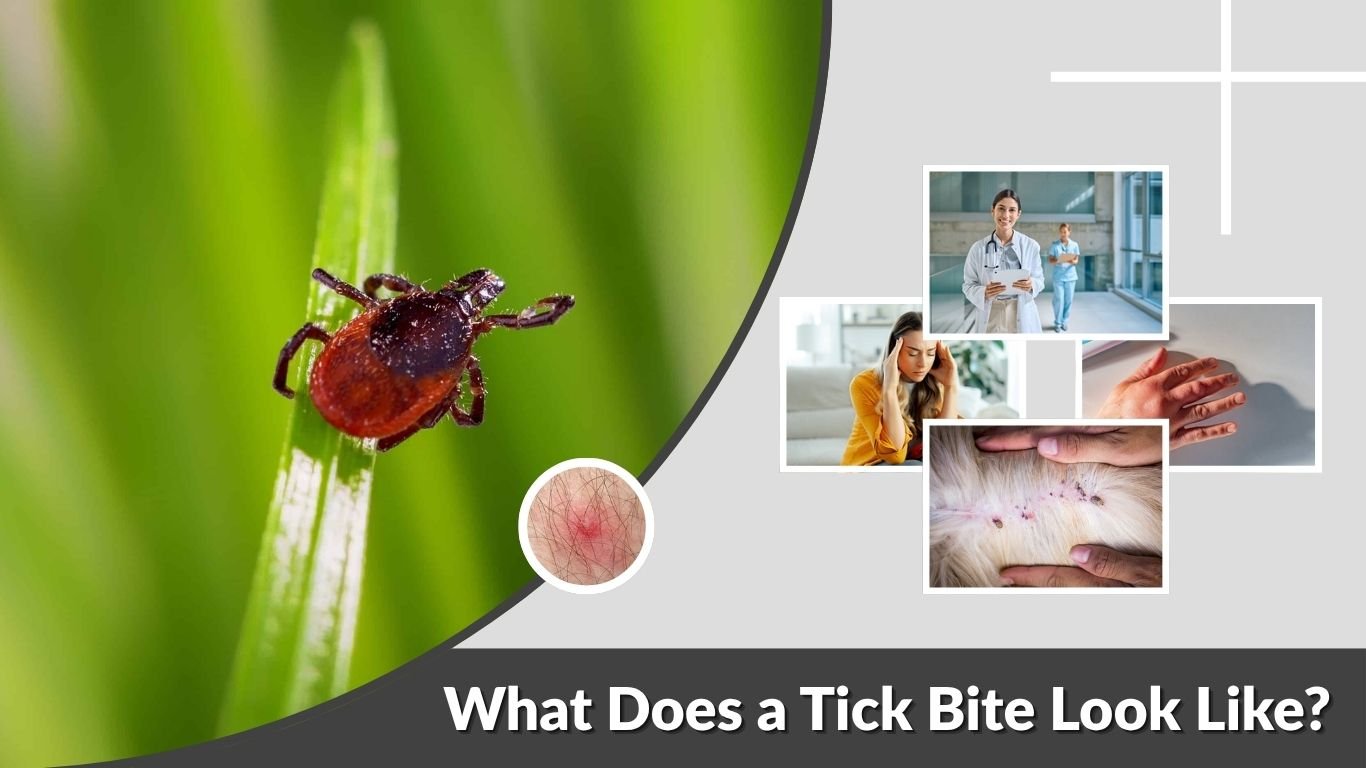
A tick bite may initially look like a small red bump similar to a mosquito bite. Some people notice little or no skin reaction, especially … Read More
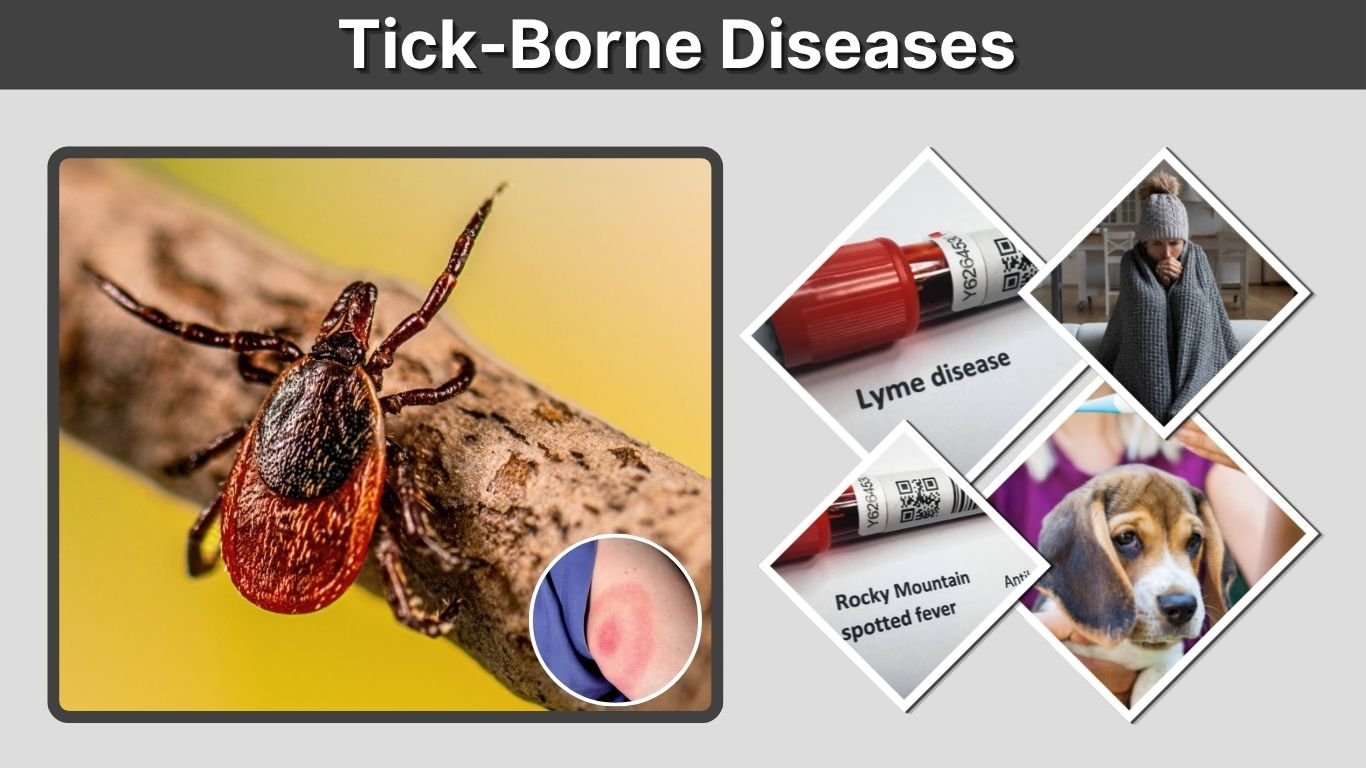
Ticks are small blood-feeding arachnids capable of transmitting bacteria, parasites, and viruses to people and animals. Tick-borne diseases range from relatively mild infections to illnesses … Read More
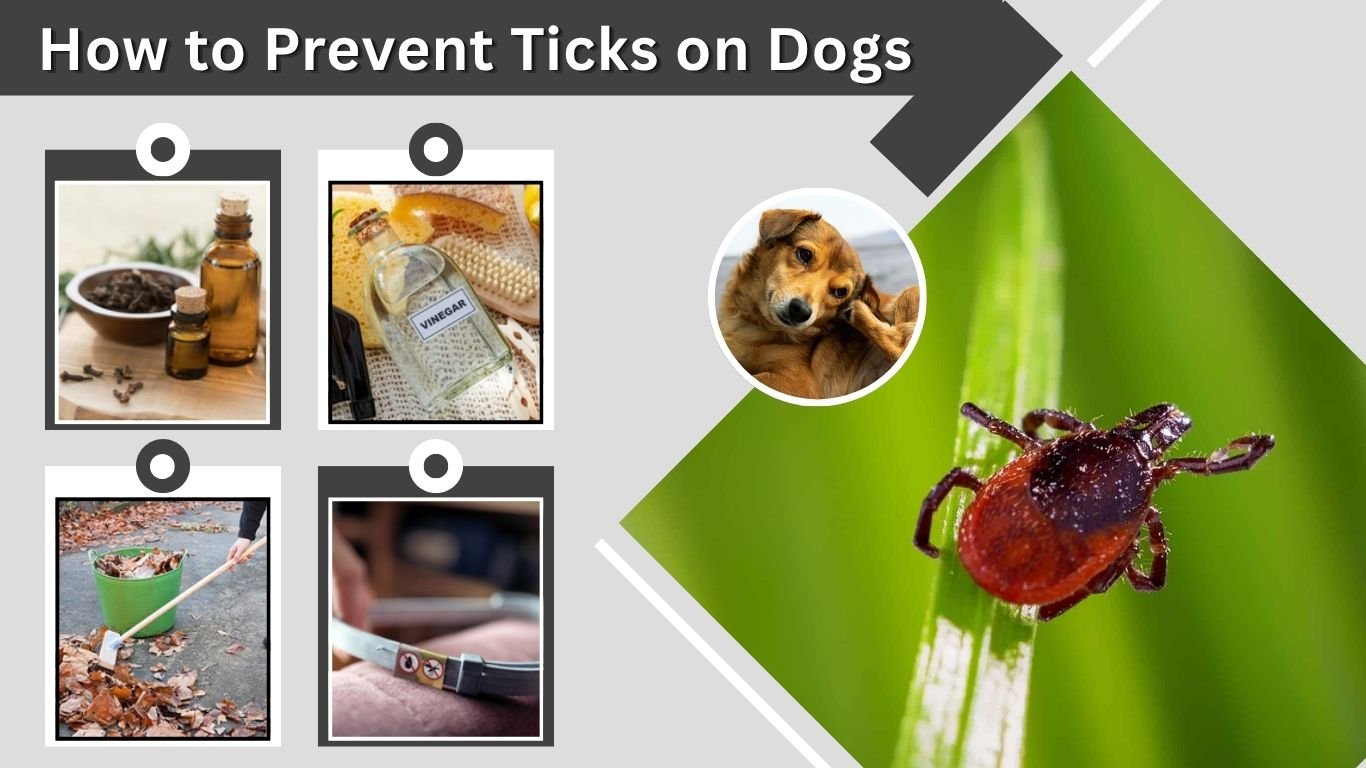
Ticks can attach to dogs during walks, hikes, camping trips, or even time spent in the backyard. Besides causing irritation, some ticks can transmit diseases, … Read More
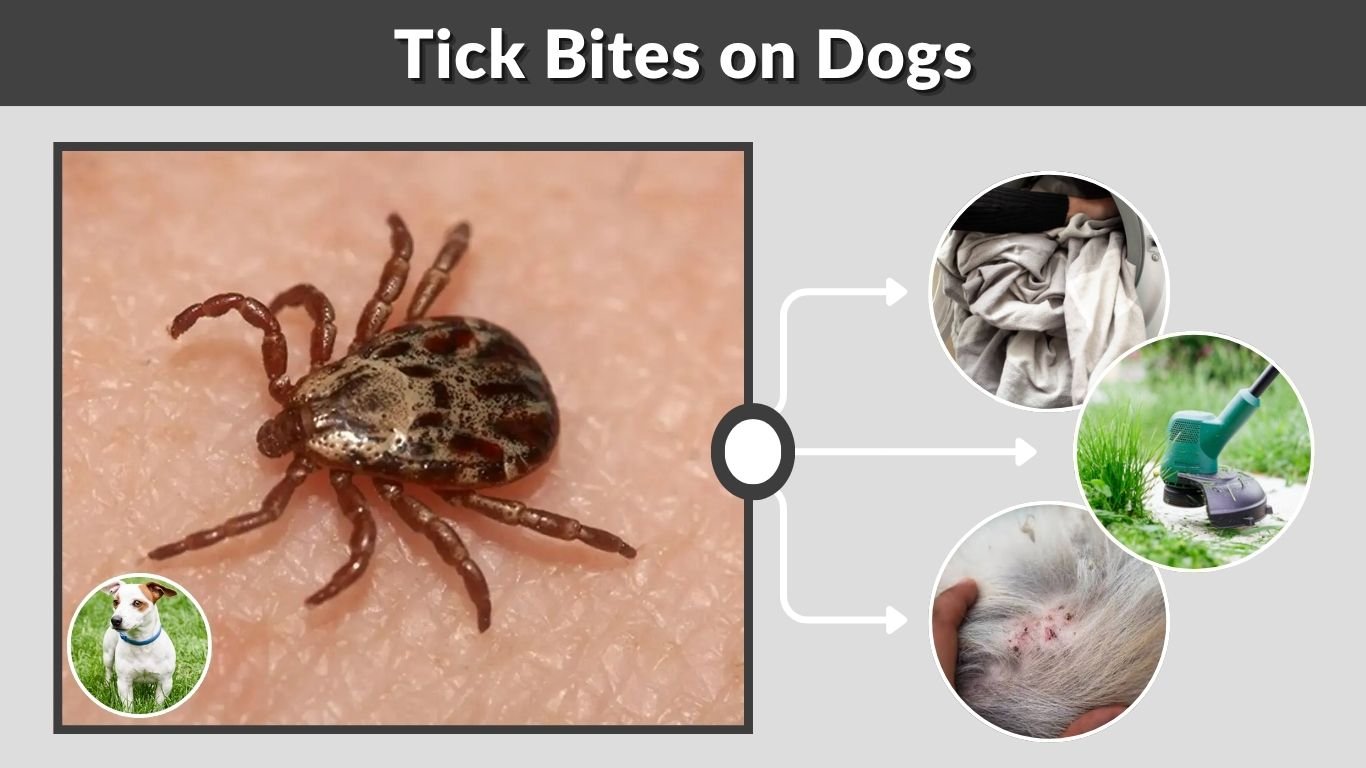
Tick bites on dogs are common after time spent in grassy, wooded, or brushy areas. In many cases, the bite causes only a small bump … Read More
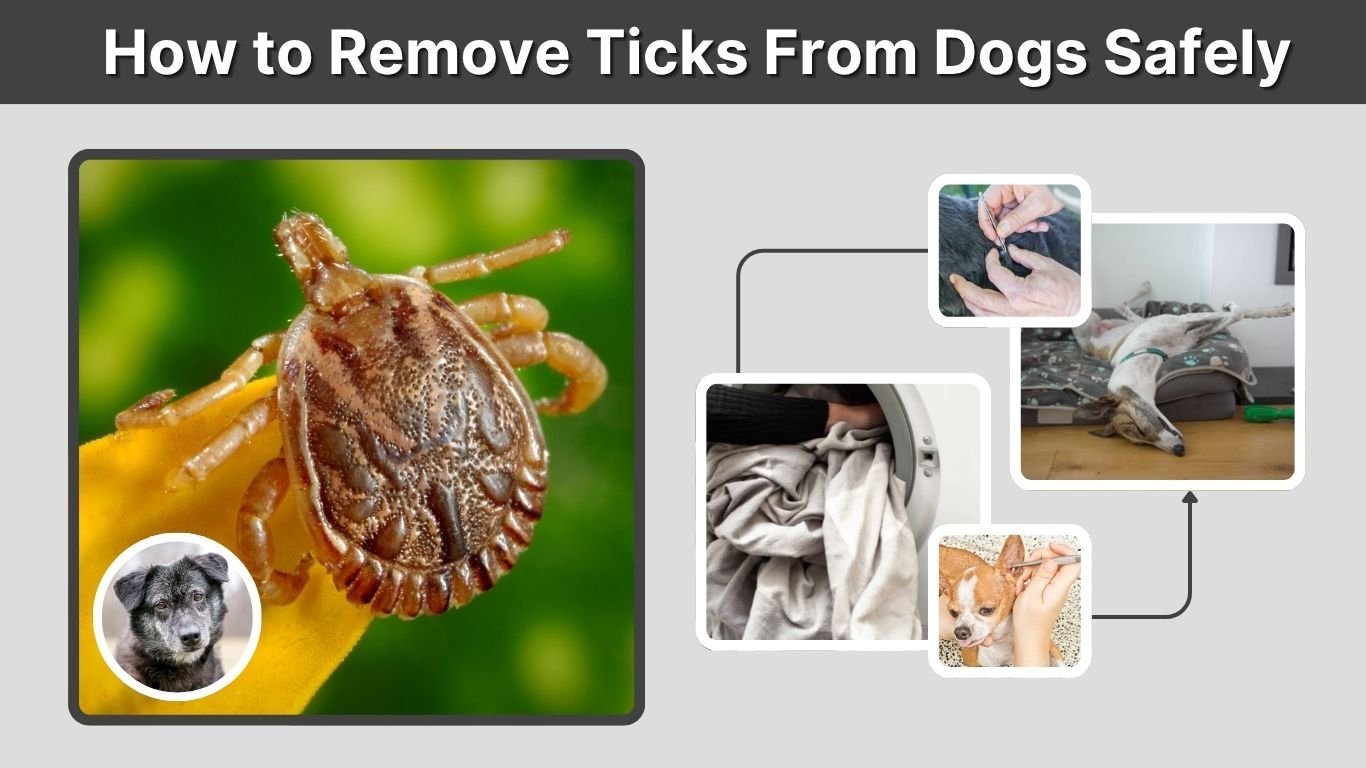
Ticks are more than an unpleasant pest on dogs. They attach to the skin, feed on blood, and may transmit infections if they remain attached … Read More