
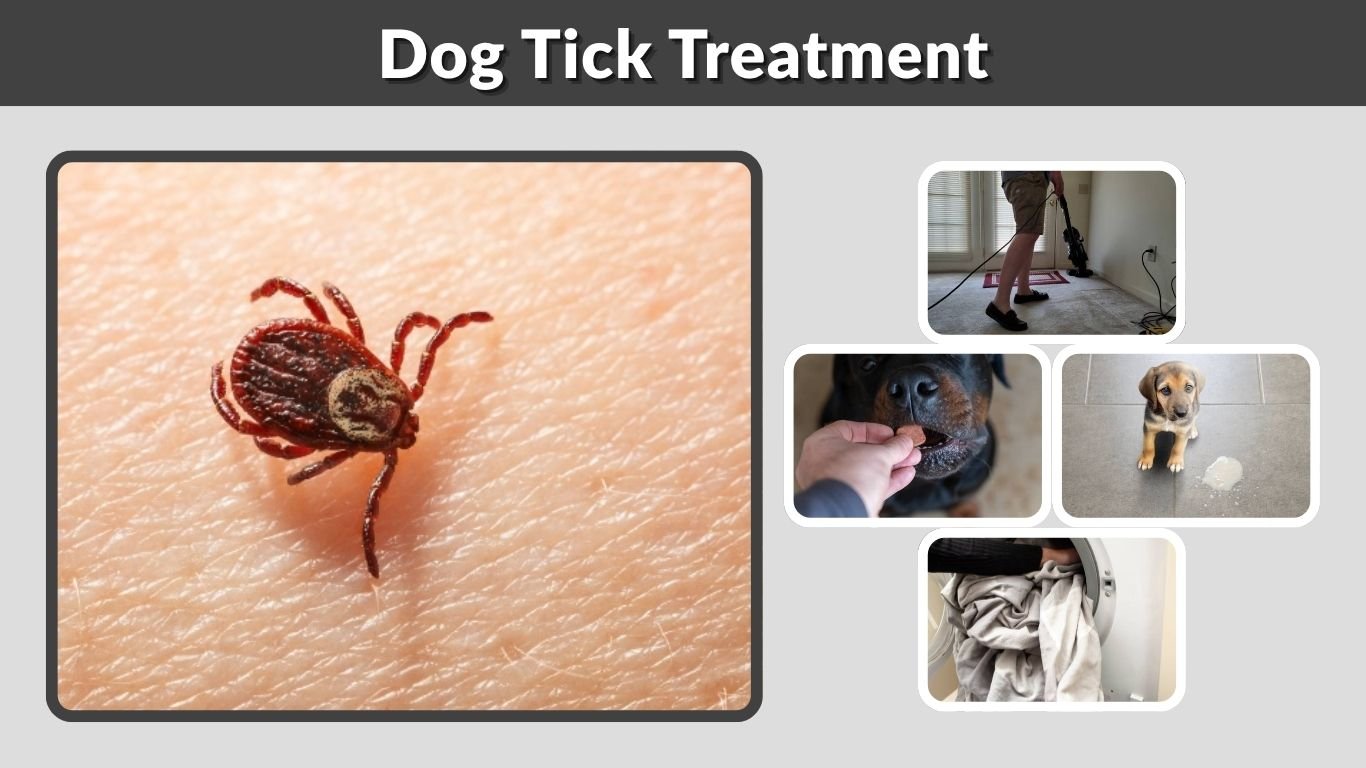
Ticks can cause itching and skin irritation in dogs, but the bigger concern is their ability to transmit tick-borne diseases. A reliable dog tick treatment helps kill existing ticks and reduce the risk of future infestations. Options include oral tablets, chewables, topical treatments, collars, and shampoos. Products such as Bravecto, NexGard, Frontline, Revolution-type preventives, and K9 Advantix are commonly discussed, but the best choice depends on your dog’s age, weight, health, lifestyle, and local tick species. Veterinary guidance is especially important for puppies, pregnant dogs, seniors, and dogs with medical conditions.
What Is the Best Dog Tick Treatment?
There is no single treatment that is best for every dog. A product that works well for one dog may not be appropriate for another because tick exposure, body weight, health history, and household environment vary.
The most effective approach generally combines a proven preventive with frequent tick checks and environmental management.
Main Types of Dog Tick Treatments
Common options include:
- Oral tablets and chewables
- Spot-on topical treatments
- Tick-prevention collars
- Medicated shampoos
- Tick sprays
- Manual tick removal
- Environmental tick control
Some products kill ticks only after they attach, while others may also repel certain species.
How to Choose the Safest Option
Choose products specifically labeled for dogs and for your dog’s correct weight range.
Veterinary guidance is particularly helpful when choosing treatment for:
- Puppies
- Pregnant or nursing dogs
- Senior dogs
- Dogs taking other medications
- Dogs with neurological disorders
- Dogs with sensitive skin
- Dogs with previous medication reactions
Never assume that a product safe for one pet is safe for another.
Oral Dog Tick Treatment
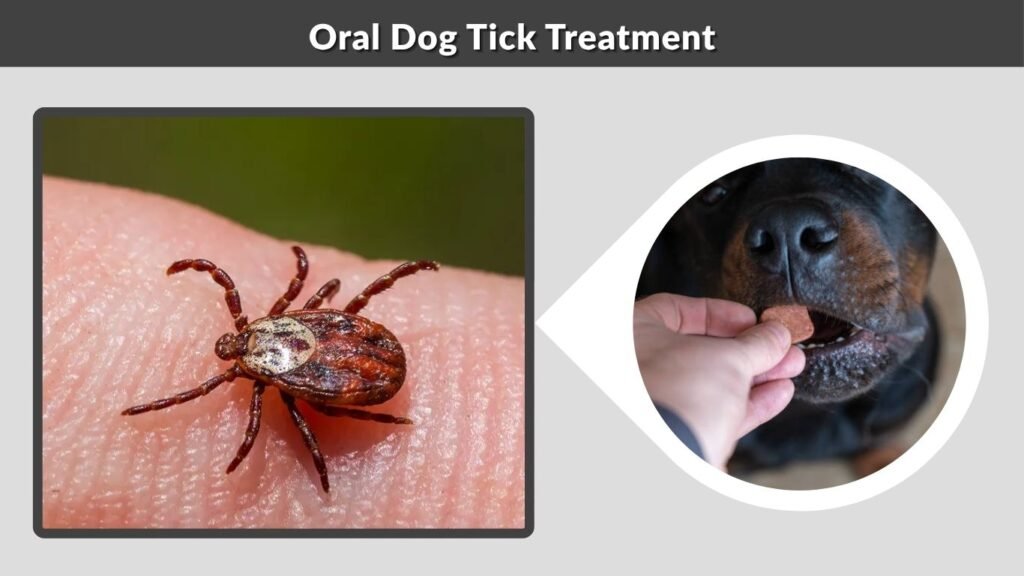
Oral treatments have become popular because they are convenient and cannot be washed off during bathing or swimming.
They generally work after the tick begins feeding on the treated dog.
Dog Tick Treatment Tablets and Chewables
Depending on the product, oral preventives may be given monthly or at longer intervals.
Commonly recognized veterinary products include Bravecto and NexGard, although availability, active ingredients, age requirements, and treatment schedules vary.
Follow the label and your veterinarian’s directions rather than changing the treatment interval yourself.
Benefits of Oral Treatment
Oral tick preventives can be useful for dogs that swim frequently or dislike topical liquids.
They also eliminate concerns about children or other pets touching a freshly treated area on the dog’s coat.
However, oral medications can cause side effects in some animals, making proper product selection important.
Bravecto Dog Tick Treatment
Bravecto is a veterinary flea-and-tick preventive available in formulations designed to provide extended protection.
Its longer treatment interval can be convenient for owners who find monthly dosing difficult to remember.
How Bravecto Works
The active medicine enters the dog’s system. When susceptible fleas or ticks feed, they are exposed to the medication and die.
The exact duration of protection can depend on the formulation and parasite being targeted.
Use the correct product for your dog’s weight and follow veterinary or package directions carefully.
Is Bravecto Right for Every Dog?
Not necessarily.
Your veterinarian may consider your dog’s age, weight, health history, and risk factors before recommending it.
Tell your veterinarian about previous seizures, neurological problems, unusual reactions to parasite medication, or other ongoing health concerns before starting a new preventive.
NexGard Dog Tick Treatment
NexGard is another well-known oral flea-and-tick preventive for dogs.
It is typically supplied as a flavored chew, which can make administration easier for many pets.
Why Owners Use Oral Chews
Chewables are convenient because there is no liquid residue on the coat and bathing generally does not interfere with treatment once the medicine has been swallowed.
They can be especially practical for active dogs that spend considerable time outdoors.
Use only the formulation and dose intended for your dog’s size.
Topical Dog Tick Treatment
Topical or “spot-on” treatments are applied directly to the dog’s skin, usually between the shoulder blades or along specified areas of the back.
Some kill ticks after contact or feeding, while certain formulations also provide repellent action.
Popular Topical Options
Products commonly encountered include:
- Frontline-type treatments
- K9 Advantix-type treatments
- Revolution-type preventives
- Other veterinarian-recommended spot-on products
Different brands target different parasites, so a flea product is not automatically an effective tick treatment.
Read the label carefully.
Important Safety Around Cats
Some dog-only topical products contain ingredients, including certain concentrations of permethrin, that can be highly dangerous to cats.
If your household includes cats, check the label carefully and follow veterinary advice regarding separation after application.
Never apply a dog-only tick medication directly to a cat.
Tick Collars for Dogs
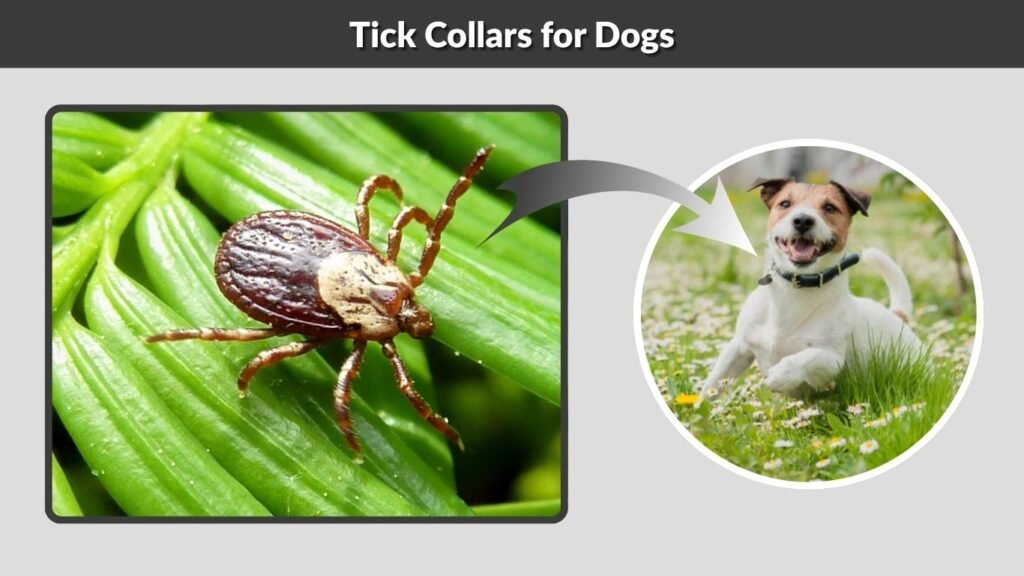
Tick collars provide another long-term prevention option.
Depending on the product, the active ingredients may spread through the dog’s skin and coat to kill or repel parasites.
When Tick Collars May Be Useful
A quality tick collar can be convenient for dogs that spend substantial time outdoors.
However, effectiveness and duration vary widely among products.
The collar should fit correctly, and you should watch for redness, itching, hair loss, or other irritation around the neck.
Dog Tick Treatment Shampoo
Tick shampoos may kill ticks present on a dog’s body at the time of bathing.
They can be useful during an active infestation but usually do not replace longer-lasting prevention.
How to Use Tick Shampoo Safely
Always choose a product specifically labeled for dogs and follow its instructions.
Avoid getting shampoo into the dog’s eyes, nose, ears, or mouth.
Never mix multiple pesticide-based products unless a veterinarian confirms that the combination is safe.
Brown Dog Tick Treatment
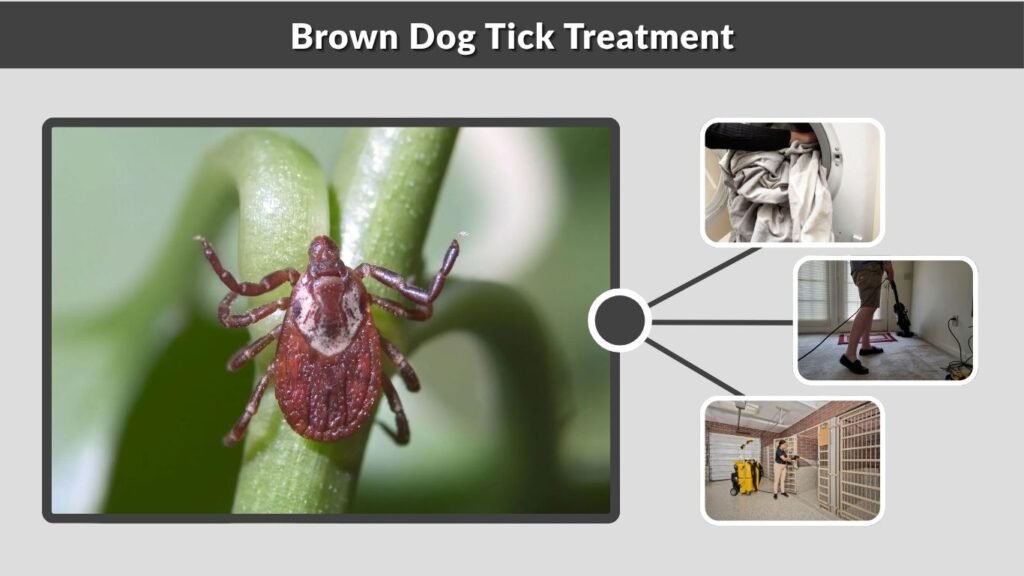
Brown dog ticks can be particularly troublesome because they are capable of completing their life cycle around buildings and kennels.
Treating only the dog may therefore fail to eliminate a persistent infestation.
Managing Brown Dog Ticks
Effective control may require:
- Treating every dog in the household appropriately
- Washing pet bedding
- Vacuuming floors and cracks
- Cleaning kennels
- Removing ticks promptly
- Using consistent preventive medication
- Addressing heavy environmental infestations
Severe household infestations may require professional pest-management assistance.
American Dog Tick Treatment
American dog ticks are often encountered outdoors in grassy and brushy areas.
Treatment focuses on promptly removing attached ticks and maintaining preventive protection.
Reduce Outdoor Exposure
Inspect your dog after walks, especially around the ears, neck, paws, armpits, groin, and belly.
Keeping grass short and reducing brush or leaf litter around frequently used areas can also reduce tick exposure.
Natural and Home Remedies for Dog Ticks
Many owners search for homemade or natural alternatives, including vinegar, essential oils, dish soap, garlic, and herbal mixtures.
These remedies should be approached cautiously.
Are Natural Tick Treatments Effective?
Natural does not automatically mean safe or effective.
Some essential oils can irritate a dog’s skin or become toxic if swallowed or used at inappropriate concentrations. Garlic can also be harmful to dogs in sufficient amounts.
For an attached tick, physical removal with fine-tipped tweezers or an appropriate tick tool is safer than attempting to burn, drown, or smother it with household substances.
For long-term protection, discuss proven preventive options with your veterinarian.
Dog Tick Treatment Side Effects
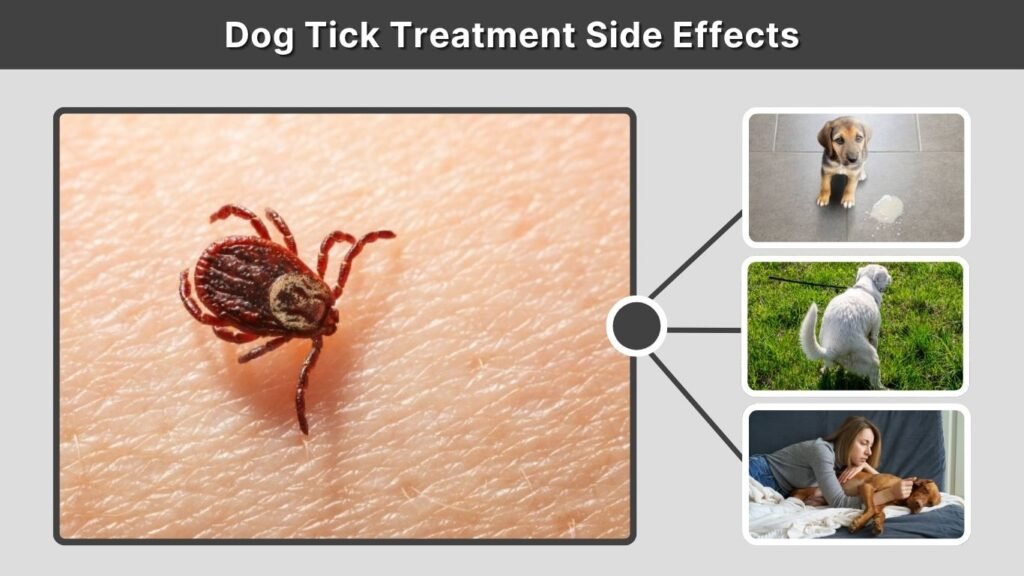
Any medication can potentially cause adverse reactions, although many dogs tolerate modern tick preventives well.
The type of reaction depends on the product and individual dog.
Possible Side Effects
Depending on the medication, watch for:
- Vomiting
- Diarrhea
- Reduced appetite
- Excessive drooling
- Lethargy
- Skin redness or itching
- Trembling
- Weakness
- Unusual behavior
Contact your veterinarian promptly if symptoms are severe, persistent, or neurological.
Seek urgent veterinary attention for collapse, seizures, severe weakness, breathing difficulty, or other serious reactions.
How Often Should You Give Your Dog Tick Treatment?
The schedule depends entirely on the product.
Some treatments are given monthly, while others provide protection for longer periods.
Follow the Product Schedule
Do not give extra doses because you found a tick.
Finding a tick does not automatically mean the treatment has failed because certain products kill ticks after attachment rather than preventing them from attaching.
Never shorten the dosing interval without veterinary guidance.
Tick Treatment for Small, Large, and Pregnant Dogs
Weight matters because many tick medicines are supplied in specific dosage ranges.
A treatment intended for a large dog should not simply be divided for a small dog unless specifically instructed by a veterinarian or manufacturer.
Pregnant Dogs
Pregnant and nursing dogs require extra caution.
Not every flea-and-tick medication has the same safety information for pregnancy.
Ask your veterinarian which preventive is appropriate rather than using a new treatment without guidance.
How to Treat a Dog With a Heavy Tick Infestation
Finding dozens of ticks requires more than removing the visible parasites.
The dog and its surroundings may both need attention.
What to Do
Carefully remove visible attached ticks and contact your veterinarian about an effective preventive.
Also inspect:
- Bedding
- Kennels
- Carpets
- Cracks around floors
- Outdoor resting areas
- Other pets
Dogs heavily infested with blood-feeding ticks, particularly puppies or small dogs, should be examined because severe infestations can contribute to anemia and other complications.
How to Prevent Ticks From Coming Back
Consistent prevention is much more effective than treating each infestation after it occurs.
Long-Term Tick Control
Keep your dog on an appropriate preventive schedule, check the coat after outdoor activities, maintain short grass, clear brush, and inspect common tick attachment areas frequently.
Remove attached ticks promptly using proper tweezers or a tick-removal tool.
If ticks remain common despite treatment, discuss whether your current preventive provides appropriate coverage for the tick species in your area.
FAQs
1. What is the best tick treatment for dogs?
The best treatment depends on the dog’s age, weight, health, lifestyle, and tick exposure. Oral chewables, topical treatments, and collars can all be effective when properly selected and used.
2. Are dog tick tablets better than topical treatments?
Neither type is universally better. Oral medicines are convenient and unaffected by bathing, while some topical products provide additional contact or repellent activity. Your veterinarian can help determine which suits your dog.
3. How often does a dog need tick treatment?
It depends on the product. Some are administered monthly while others last longer. Always follow the specific label or veterinary dosing schedule.
4. Can I treat dog ticks naturally?
Manual removal is appropriate for attached ticks, but many homemade remedies are unreliable and some can be harmful. Proven veterinarian-recommended preventives provide more dependable long-term protection.
5. What should I do if tick medicine causes side effects?
Stop giving additional doses until you receive professional advice and contact your veterinarian. Severe symptoms such as seizures, collapse, significant weakness, or breathing difficulty require urgent veterinary attention.
