
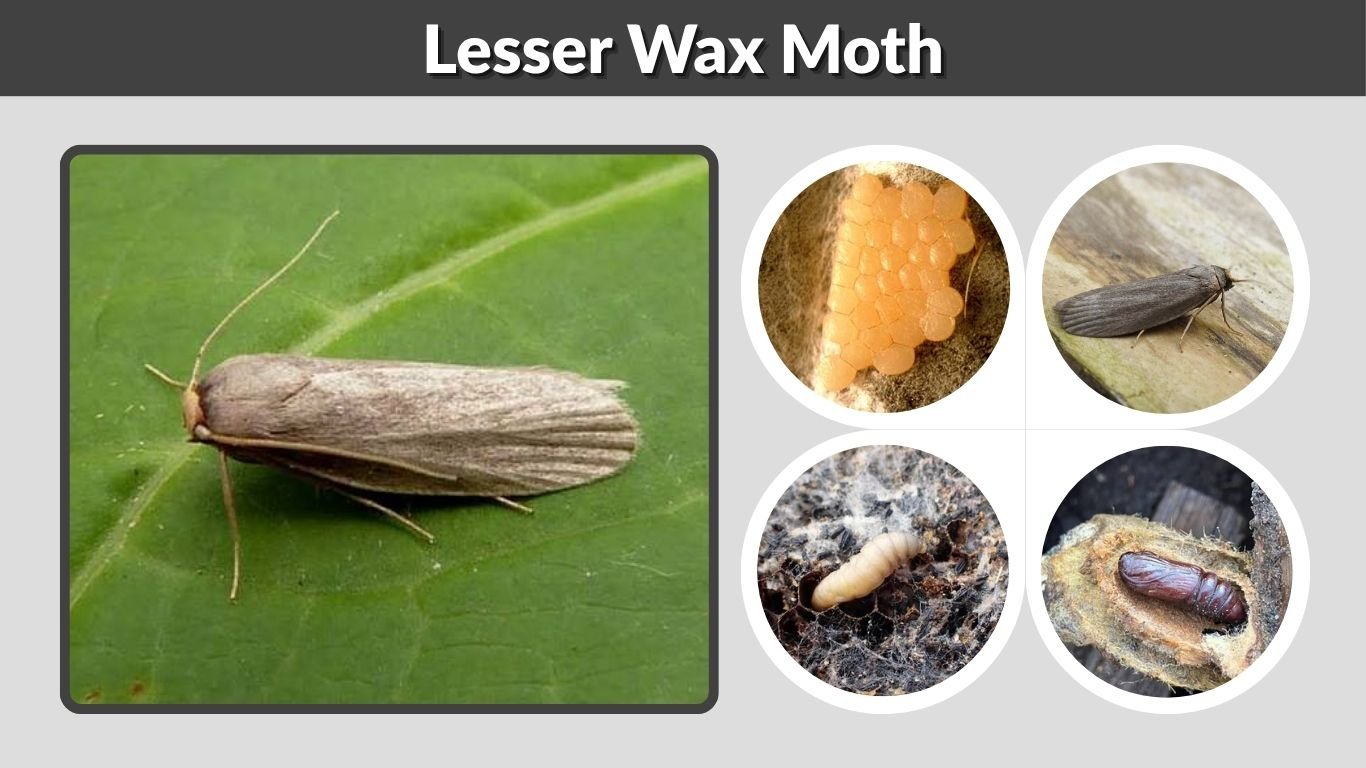
Lesser Wax Moth: Identification, Life Cycle and Hive Control
The lesser wax moth (Achroia grisella) is a small moth whose caterpillars damage honey bee comb and stored beekeeping materials. Unlike the adults, the larvae … Read More
The lesser wax moth (Achroia grisella) is a small moth whose caterpillars damage honey bee comb and stored beekeeping materials. Unlike the adults, the larvae … Read More

Ticks can cause itching and skin irritation in dogs, but the bigger concern is their ability to transmit tick-borne diseases. A reliable dog tick treatment … Read More
Boxelder bugs can gather around windows, doors, siding, and other warm parts of your home, especially during fall and spring. Although they usually do not … Read More
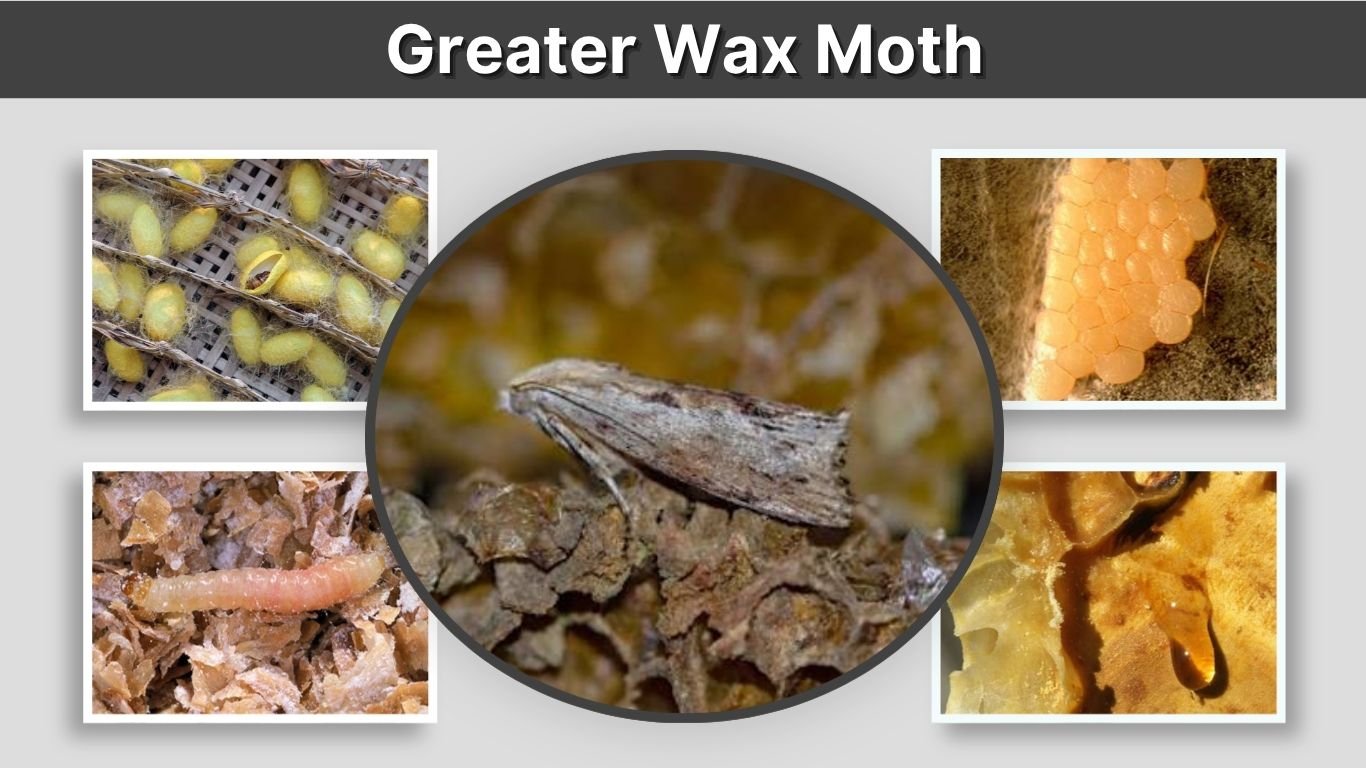
The greater wax moth is a widespread beehive pest whose larvae tunnel through honeycomb and cover it with dense silk, fecal pellets, and cocoons. Scientifically … Read More
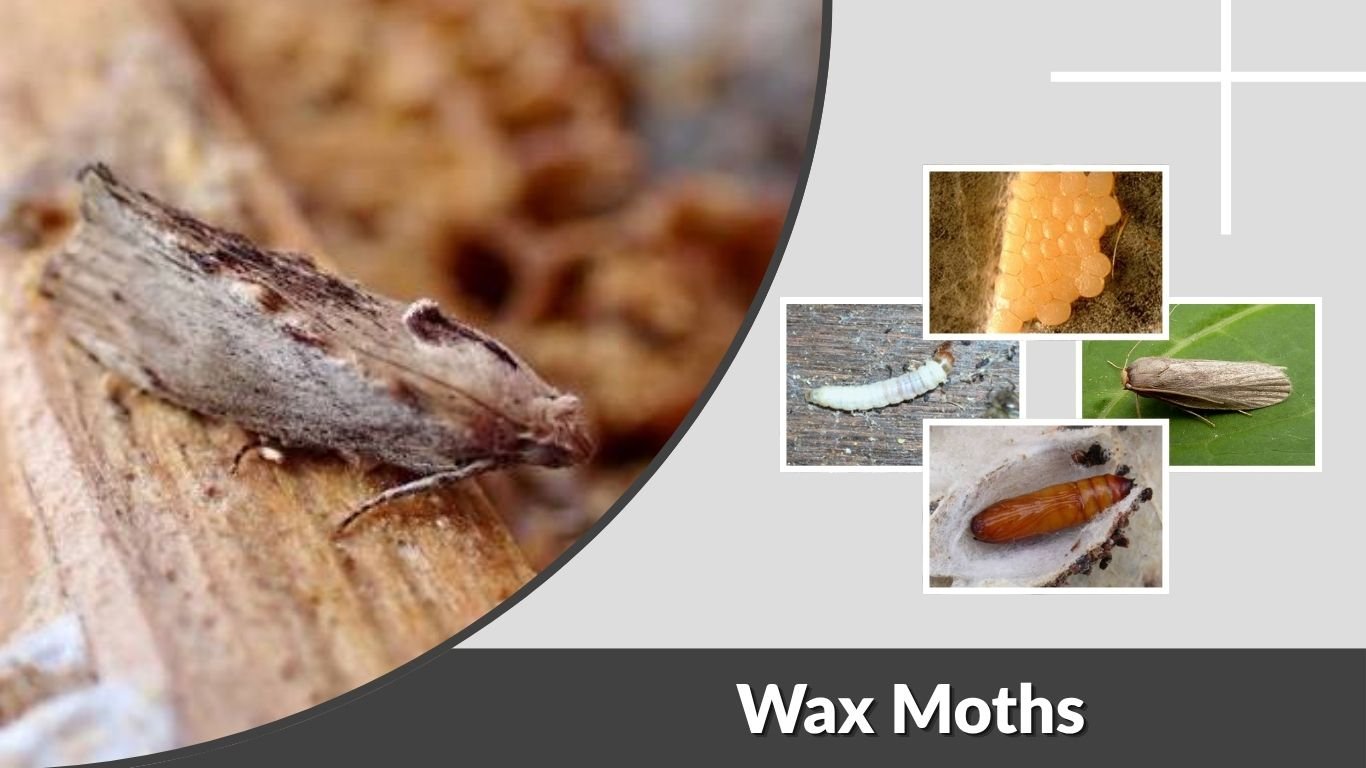
Wax moths are destructive beehive pests whose larvae tunnel through wax comb while feeding on pollen, honey, shed bee skins, and other organic material. Strong … Read More
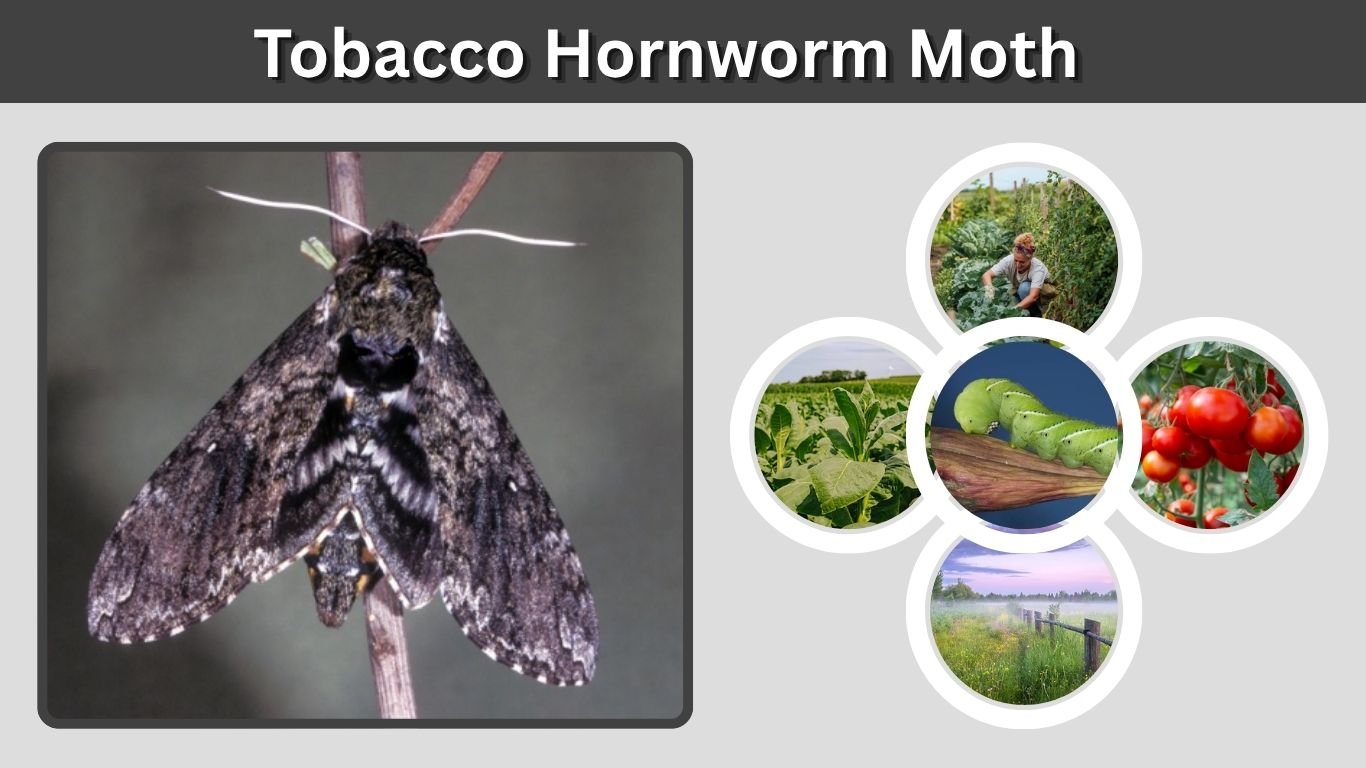
The tobacco hornworm moth is the adult form of the large green tobacco hornworm caterpillar. Scientifically named Manduca sexta, it is also called the Carolina … Read More
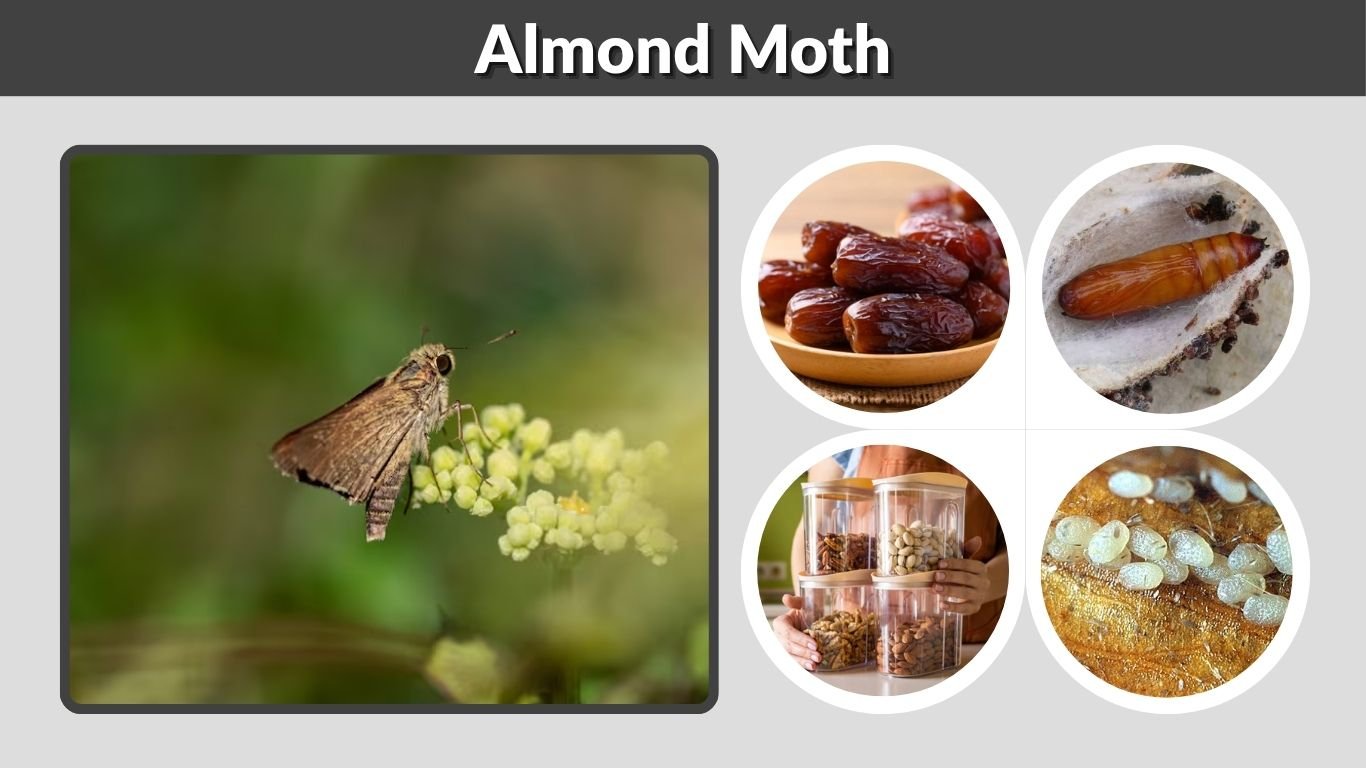
The almond moth is a widespread stored-food pest that infests nuts, dried fruit, grain, cereal, chocolate, spices, and animal feed. Its caterpillars cause the damage … Read More
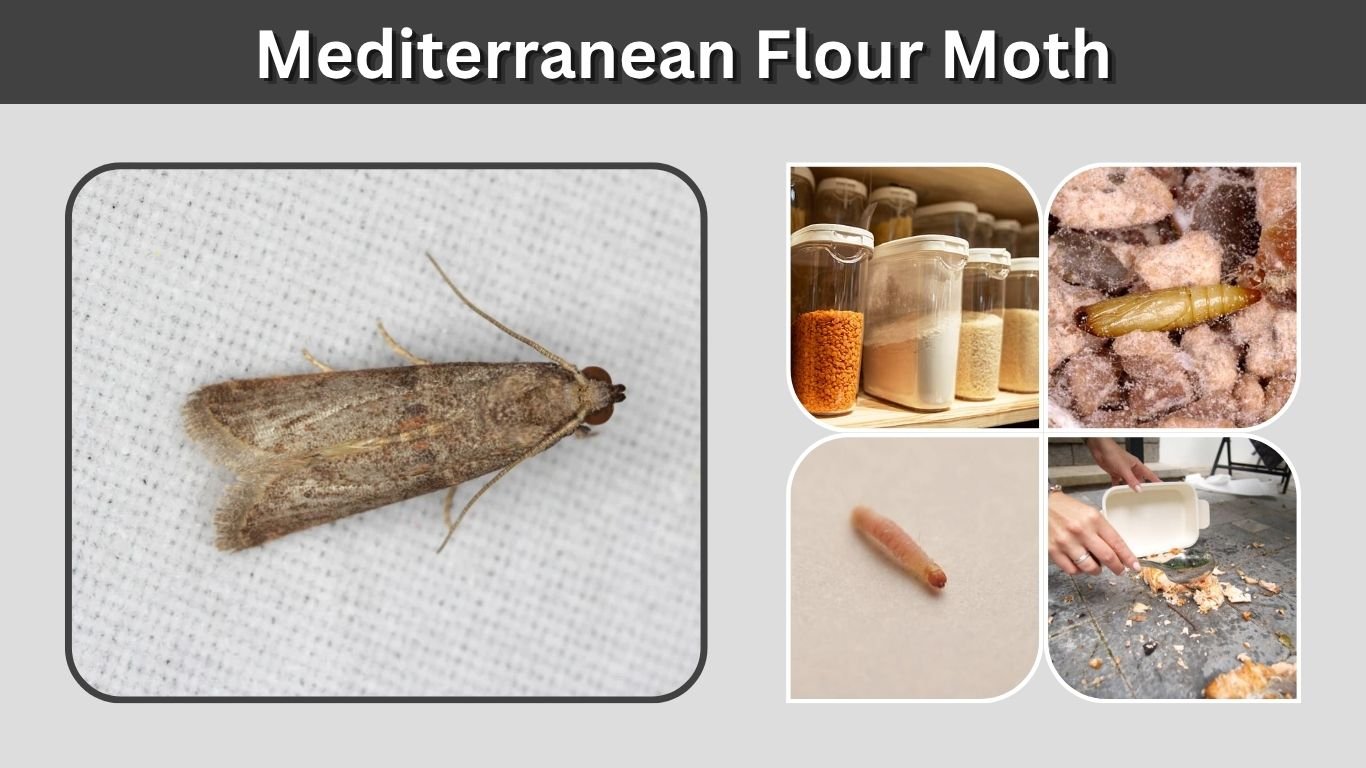
The Mediterranean flour moth is a worldwide stored-food pest commonly found in flour mills, bakeries, warehouses, and household pantries. Its larvae infest flour, cereal, bran, … Read More
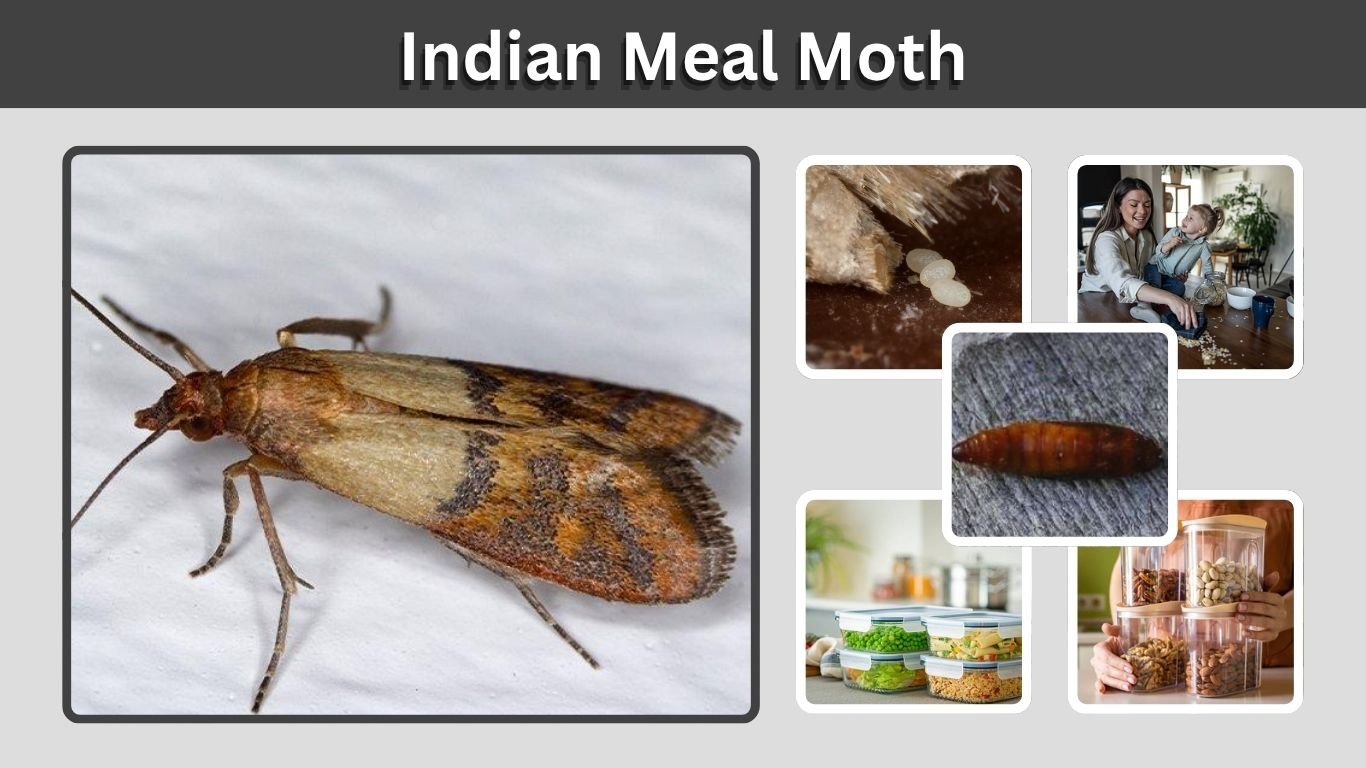
The Indian meal moth (Plodia interpunctella) is one of the most common pantry pests worldwide. Its larvae infest rice, flour, cereal, nuts, spices, dried fruit, … Read More
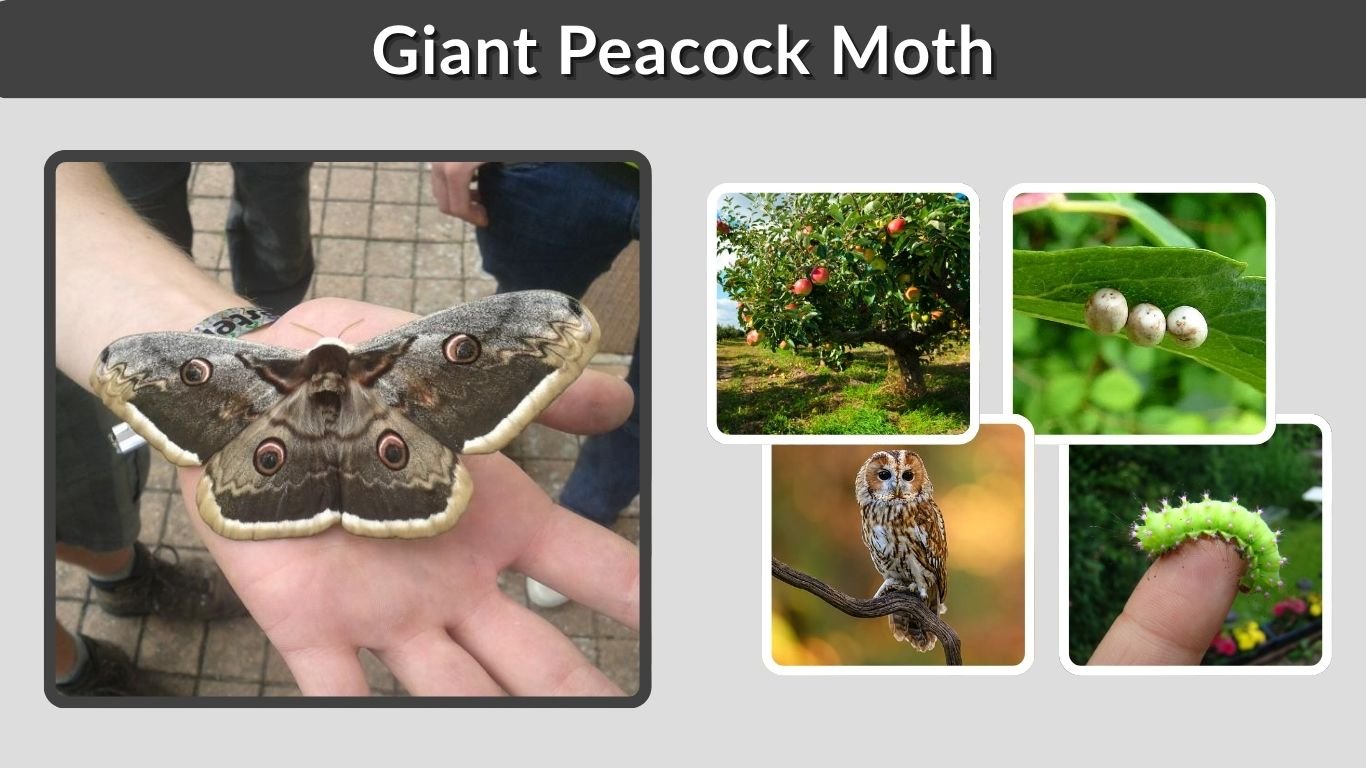
The giant peacock moth (Saturnia pyri) is Europe’s largest native moth, with a wingspan that can exceed 16 cm. Each brown-grey wing carries a colorful … Read More