
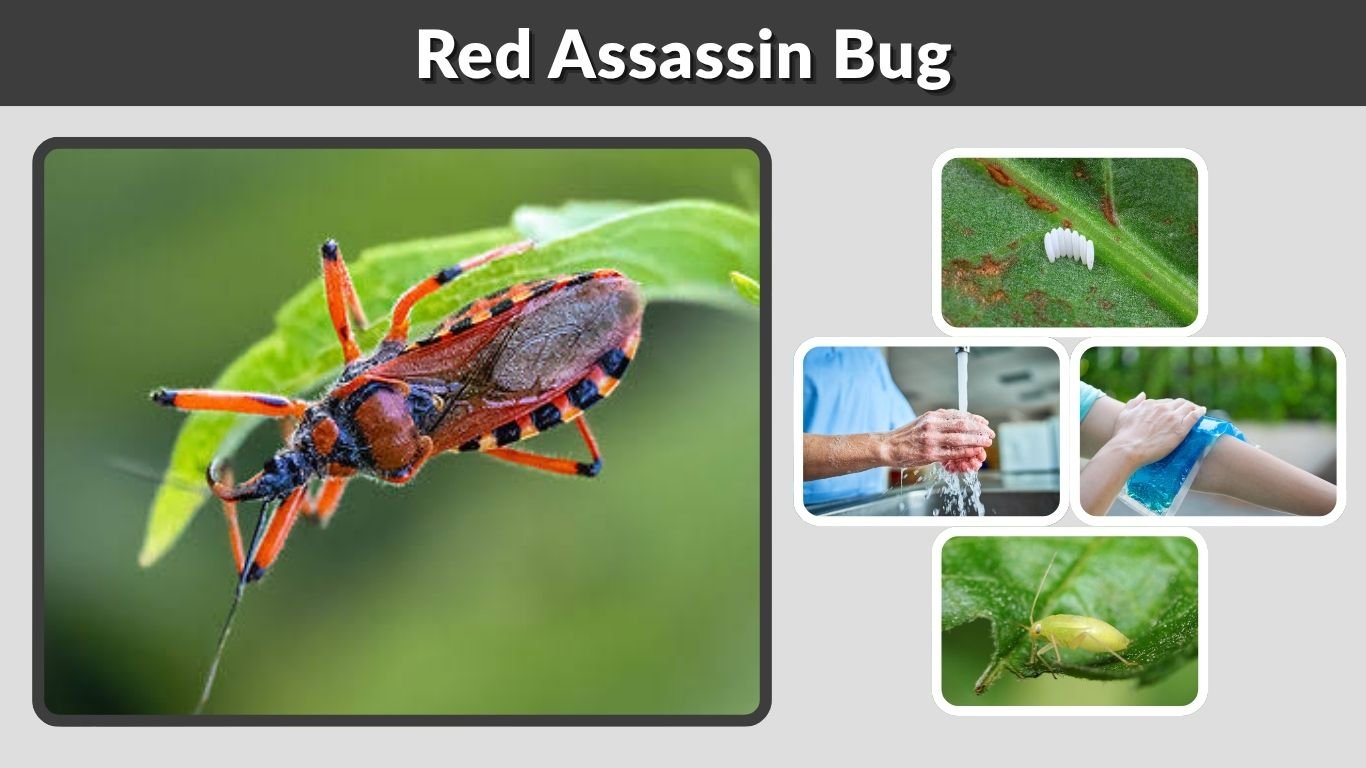
Red Assassin Bug: Identification, Nymphs, Bite and Safety
A red assassin bug can look alarming, especially when its bright abdomen contrasts with black legs, wings, or markings. However, “red assassin bug” is not … Read More
A red assassin bug can look alarming, especially when its bright abdomen contrasts with black legs, wings, or markings. However, “red assassin bug” is not … Read More
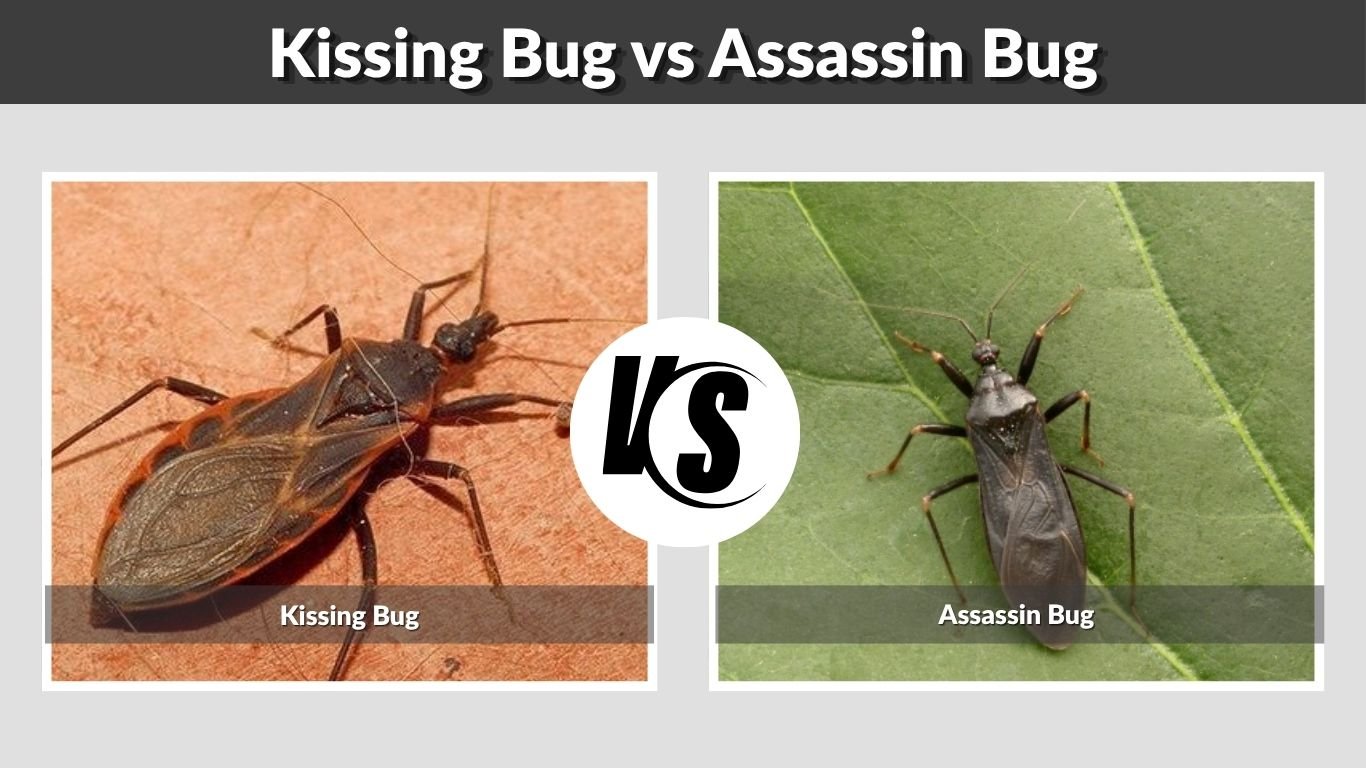
Kissing bugs and assassin bugs are closely related, but the terms are not interchangeable. Every kissing bug is an assassin bug, but most assassin bugs … Read More
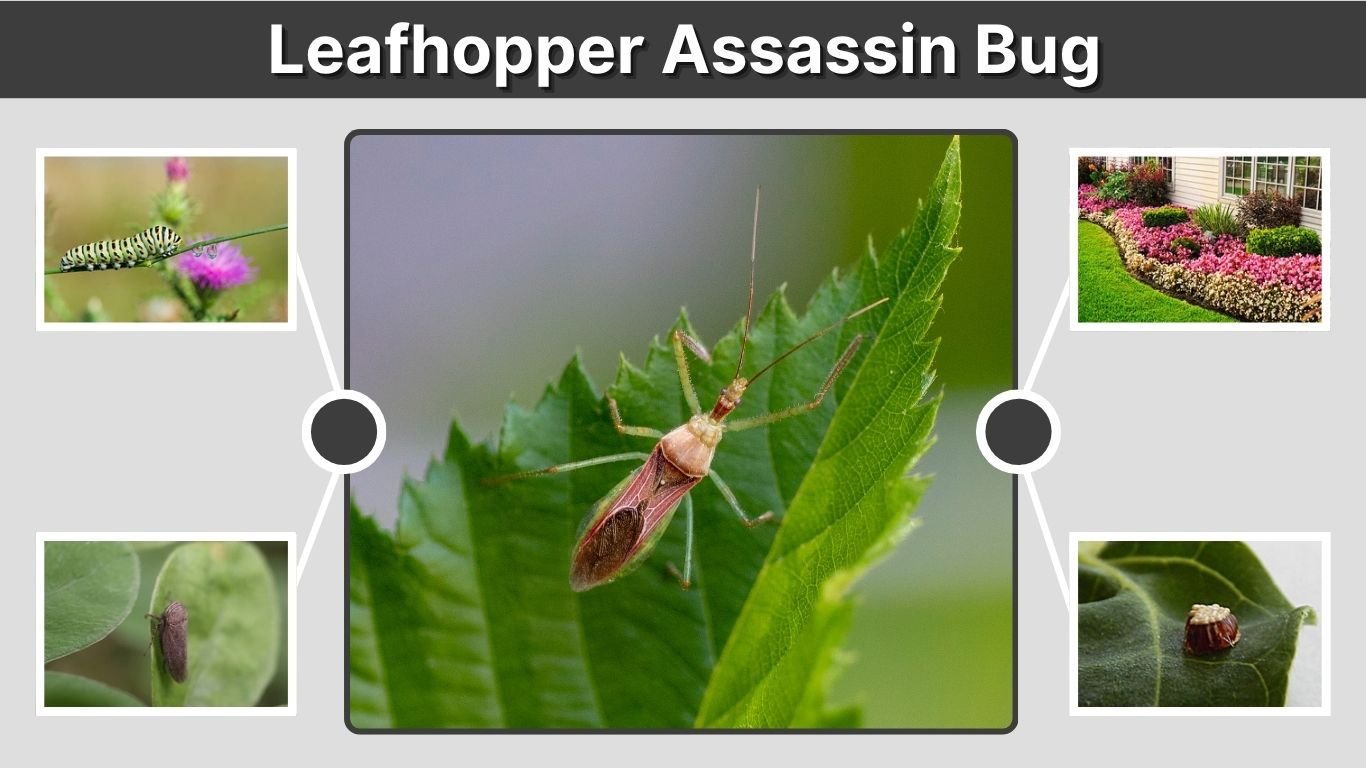
The leafhopper assassin bug is a slender predatory insect commonly found hunting on flowers, shrubs, trees and crop plants. Rather than damaging vegetation, it captures … Read More
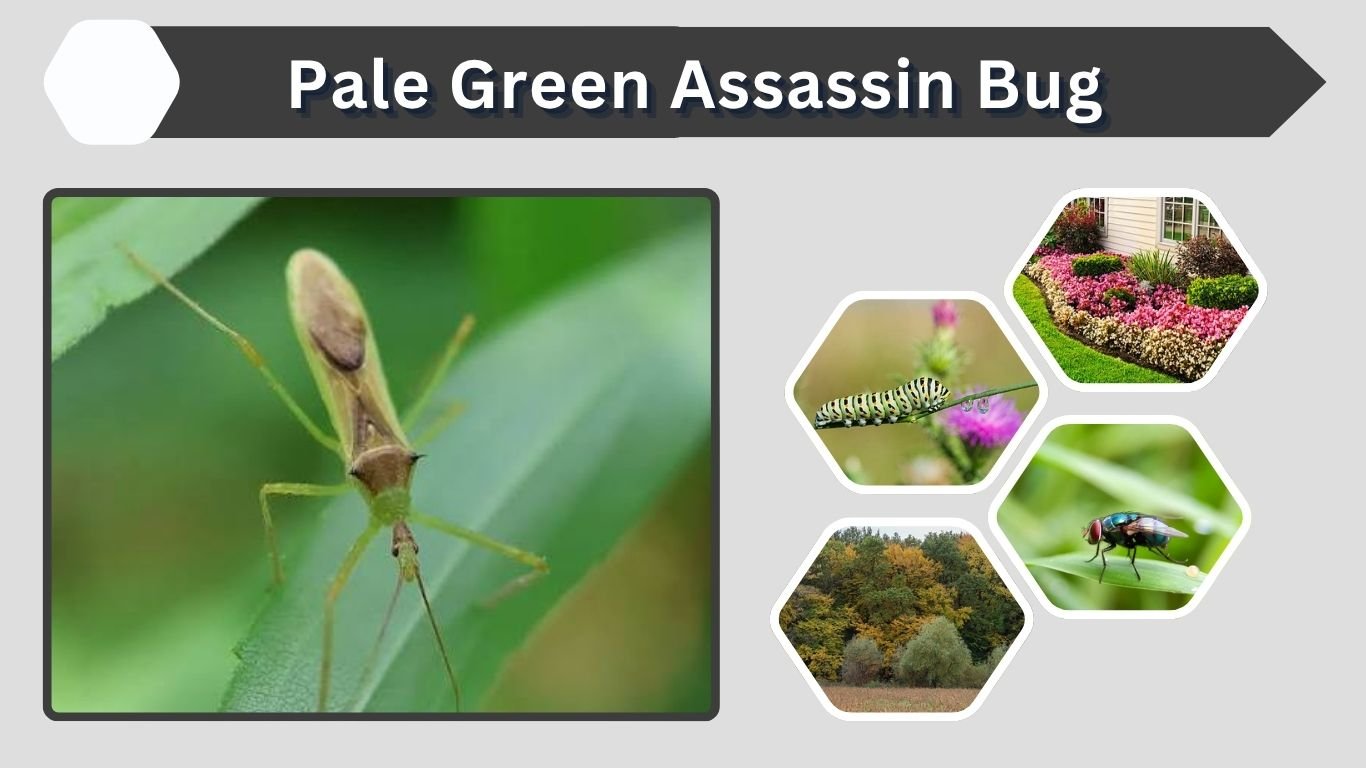
The pale green assassin bug is a slender predatory insect commonly found hunting on leaves, shrubs and garden plants. Its light green body provides excellent … Read More
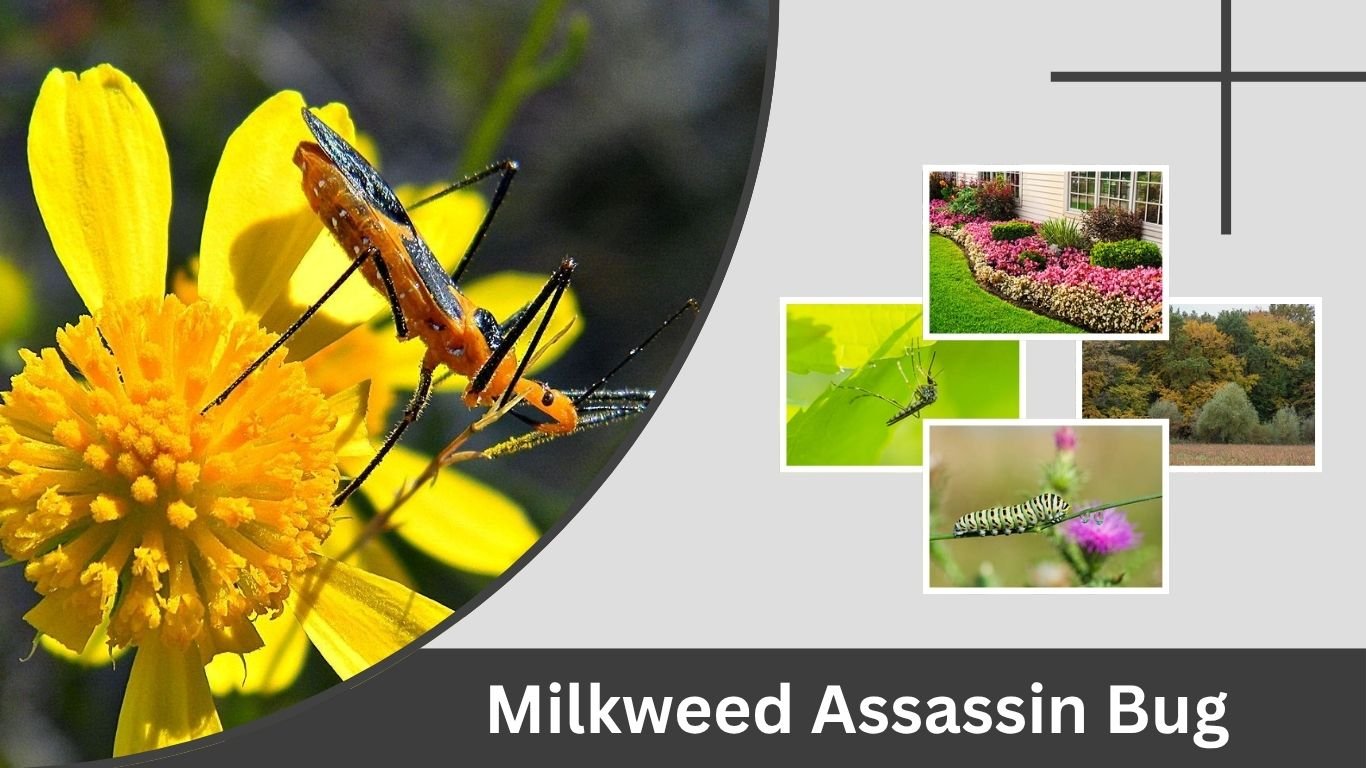
The milkweed assassin bug is a striking orange-and-black predator commonly seen hunting on flowers, shrubs and garden plants. Despite its name, it does not feed … Read More
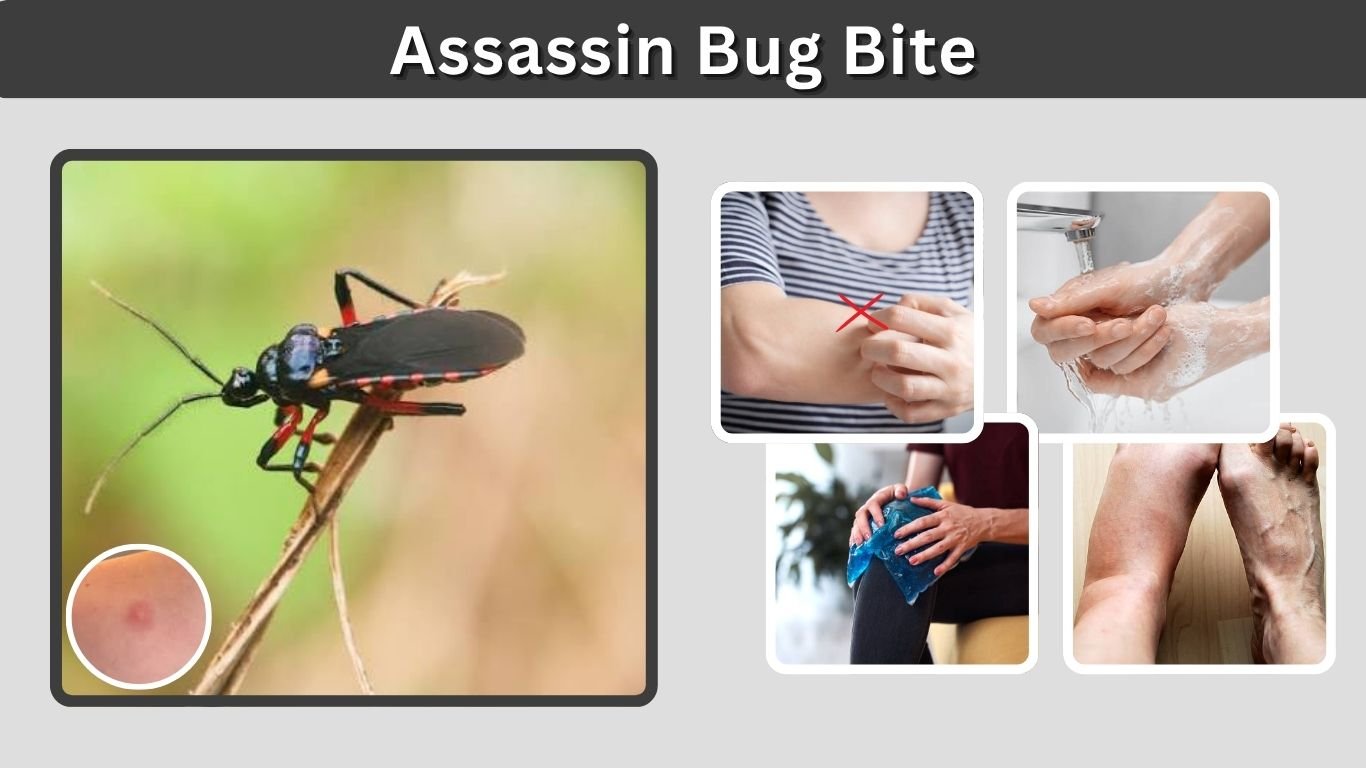
An assassin bug bite can cause sudden, intense pain followed by redness, swelling, burning or numbness. These insects do not sting; they pierce the skin … Read More
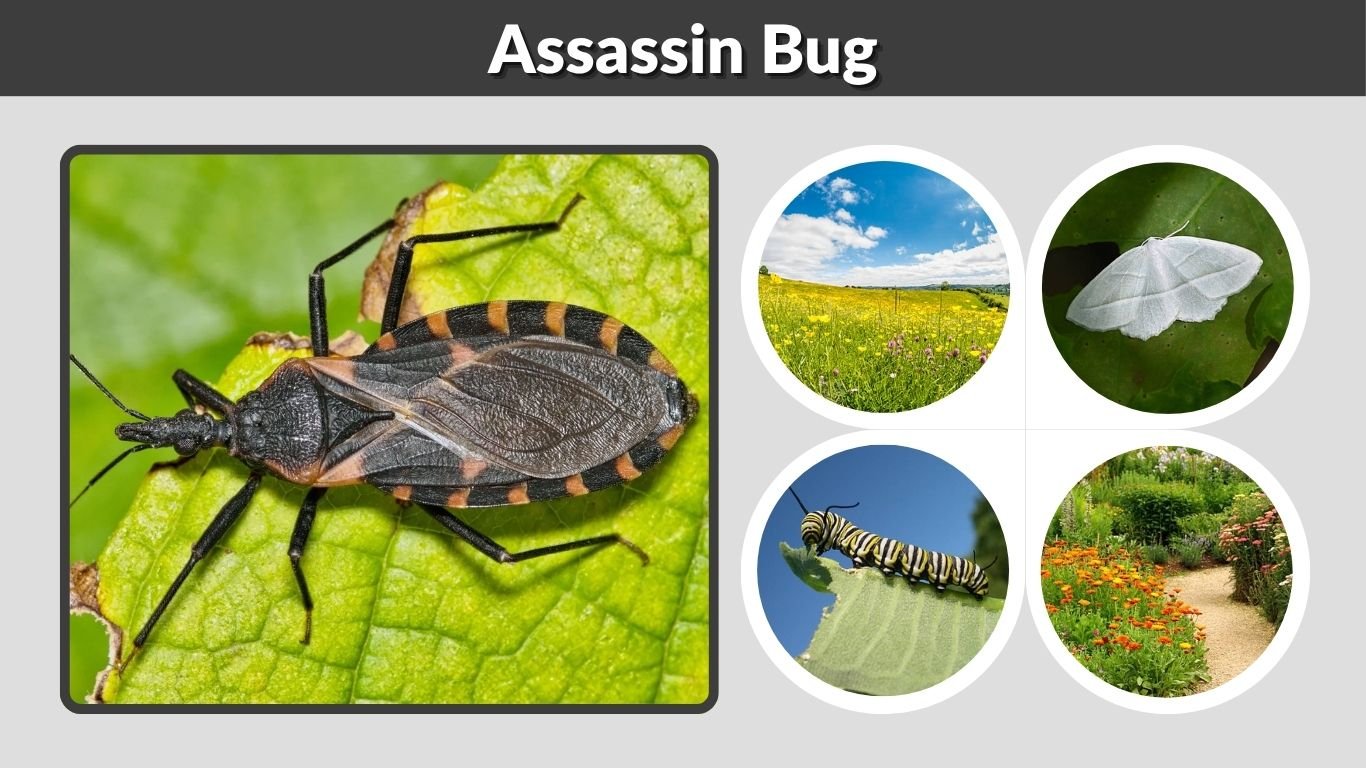
Assassin bugs are skilled predatory insects known for their powerful, curved mouthparts and patient hunting behavior. Most species help control caterpillars, flies, beetles, and other … Read More
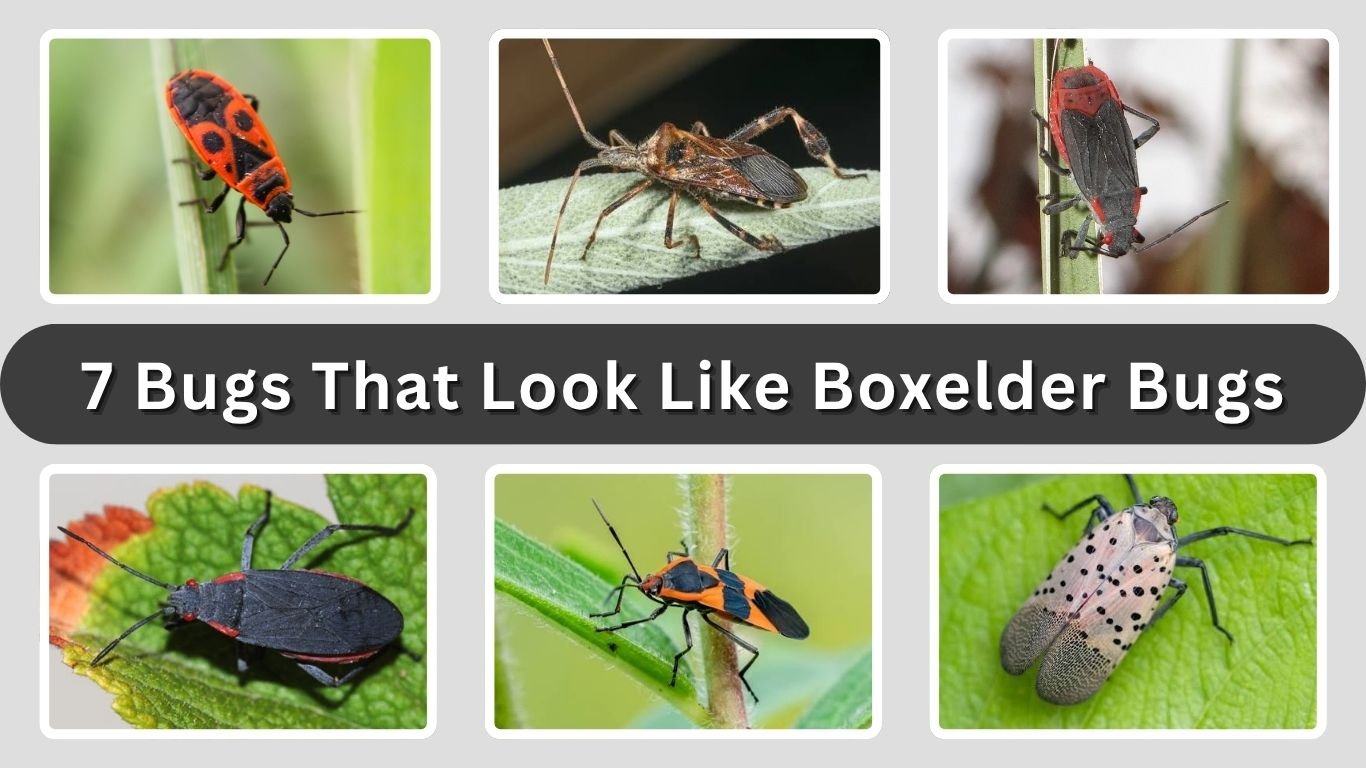
Boxelder bugs are easy to recognize by their black bodies and bright red markings, but several other insects share a similar appearance. Milkweed bugs, red-shouldered … Read More
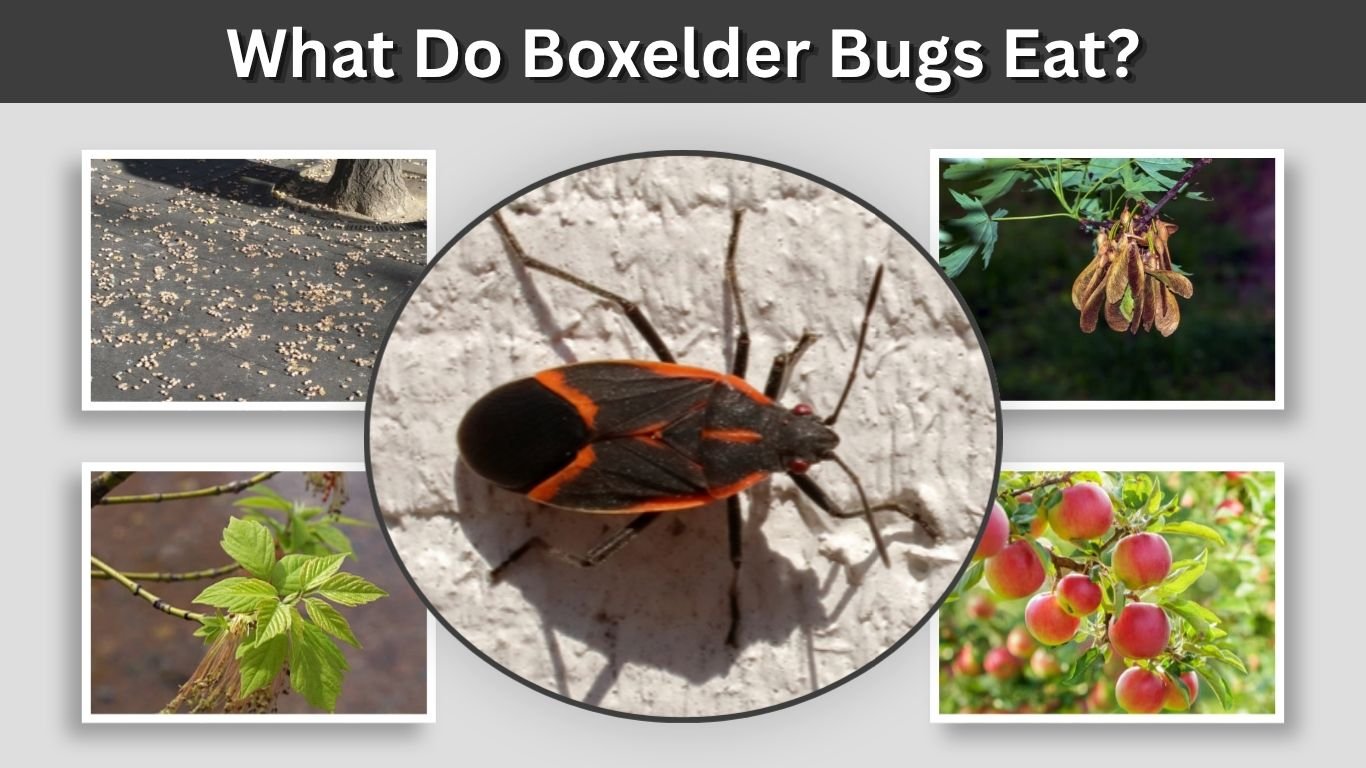
Boxelder bugs mainly eat seeds and soft tissues from boxelder trees. They use piercing, sucking mouthparts to draw liquid from seeds, leaves, flowers, and developing … Read More
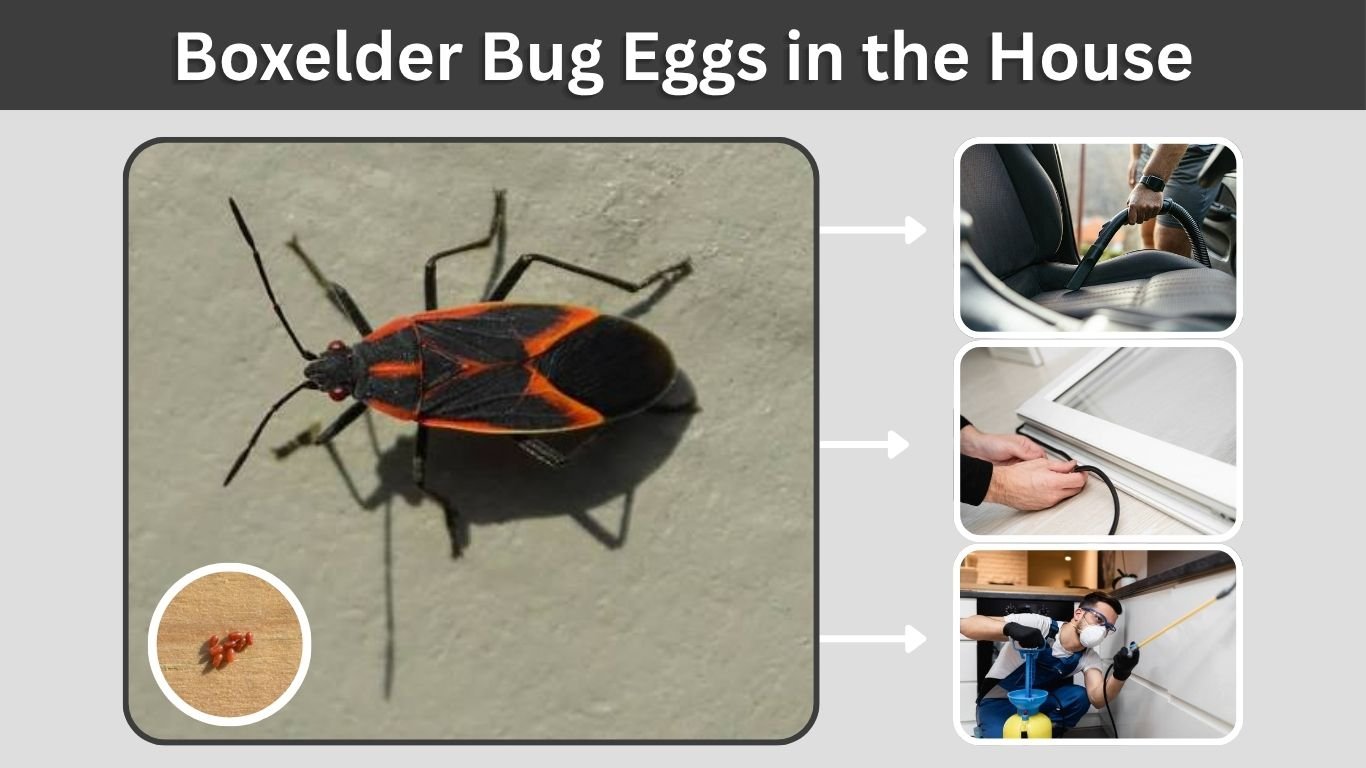
Finding tiny reddish eggs inside your house can be concerning, especially when boxelder bugs have already appeared around windows or walls. However, boxelder bugs normally … Read More