
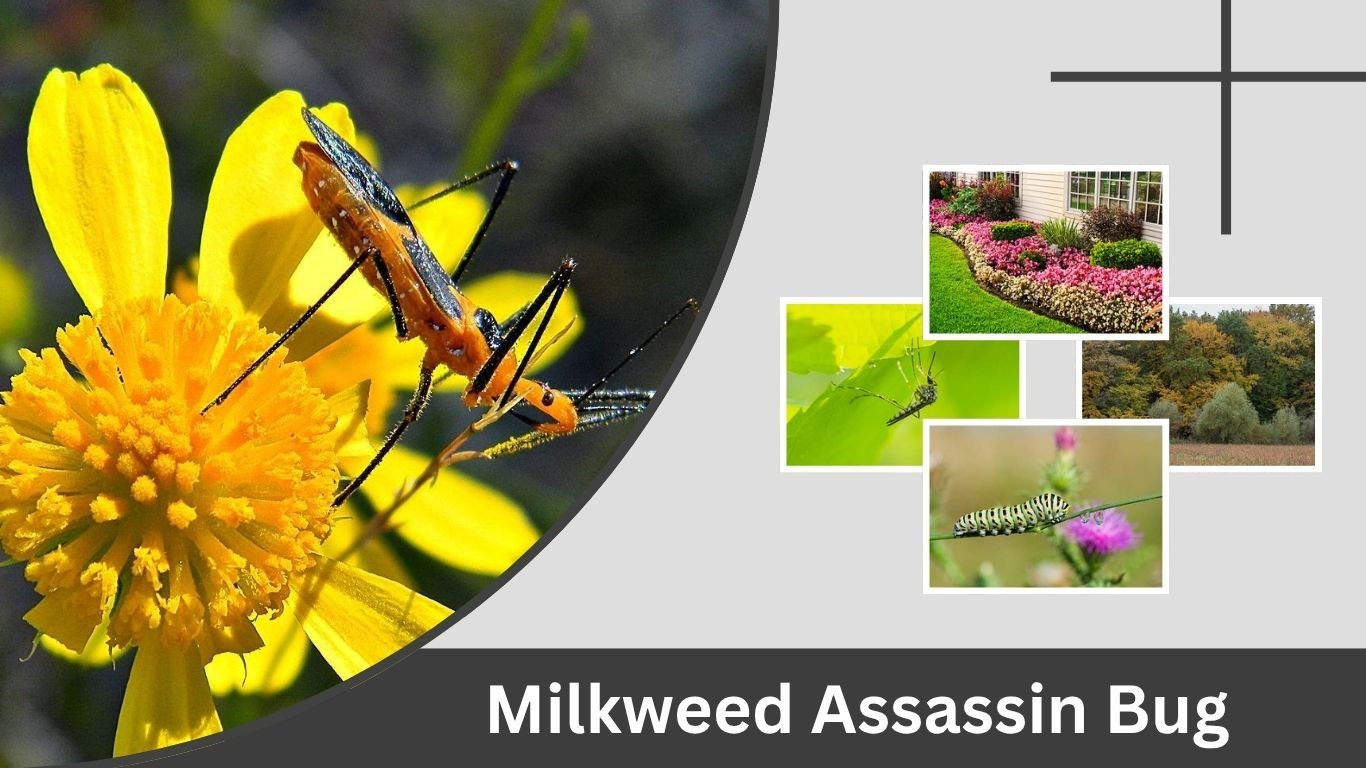
Milkweed Assassin Bug: Identification, Bite, Diet and Facts
The milkweed assassin bug is a striking orange-and-black predator commonly seen hunting on flowers, shrubs and garden plants. Despite its name, it does not feed … Read More
The milkweed assassin bug is a striking orange-and-black predator commonly seen hunting on flowers, shrubs and garden plants. Despite its name, it does not feed … Read More
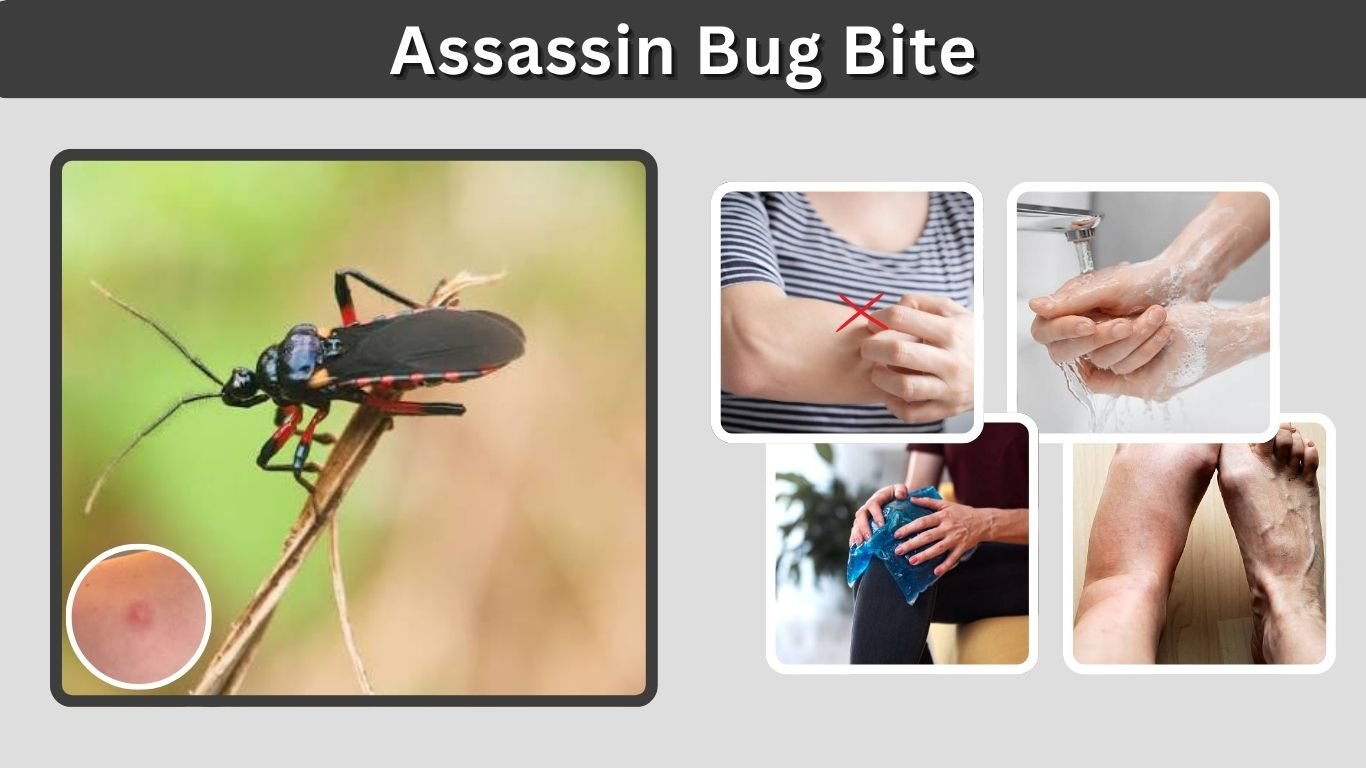
An assassin bug bite can cause sudden, intense pain followed by redness, swelling, burning or numbness. These insects do not sting; they pierce the skin … Read More
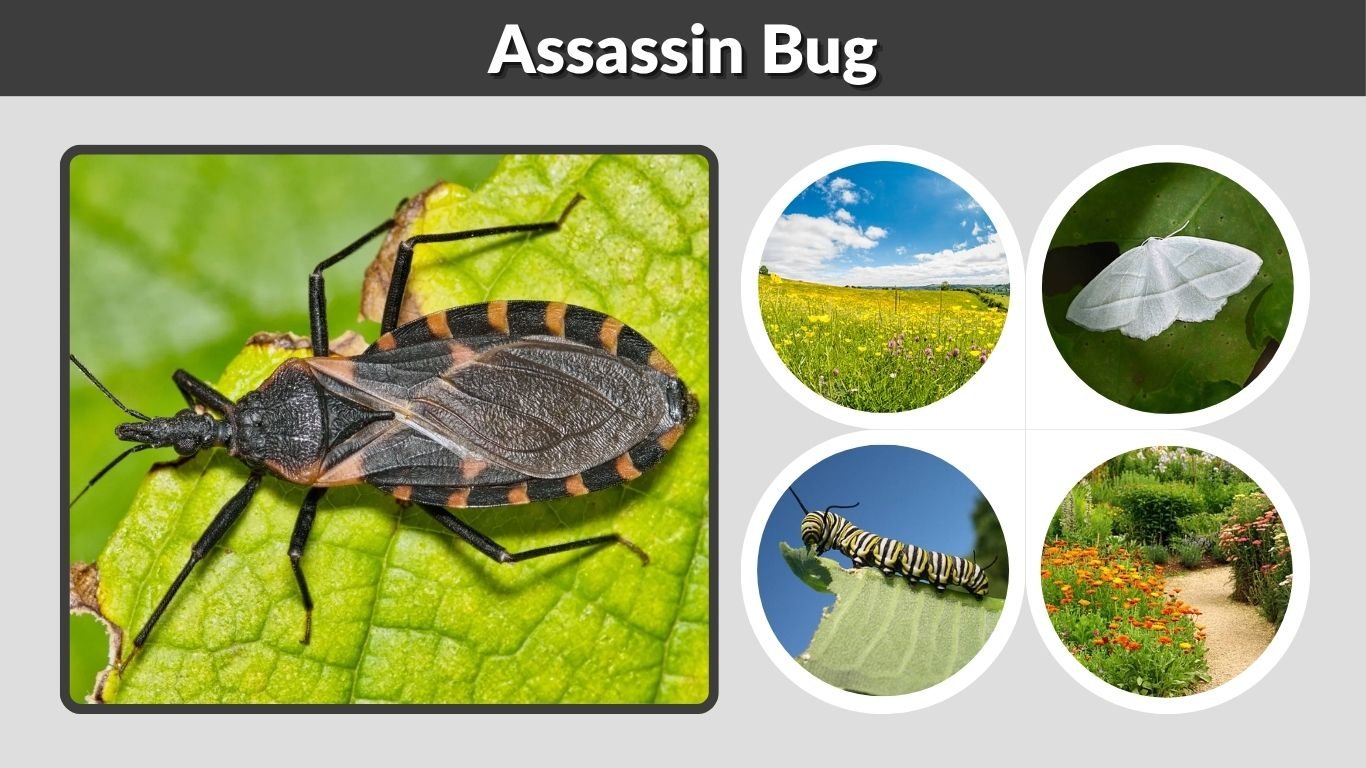
Assassin bugs are skilled predatory insects known for their powerful, curved mouthparts and patient hunting behavior. Most species help control caterpillars, flies, beetles, and other … Read More
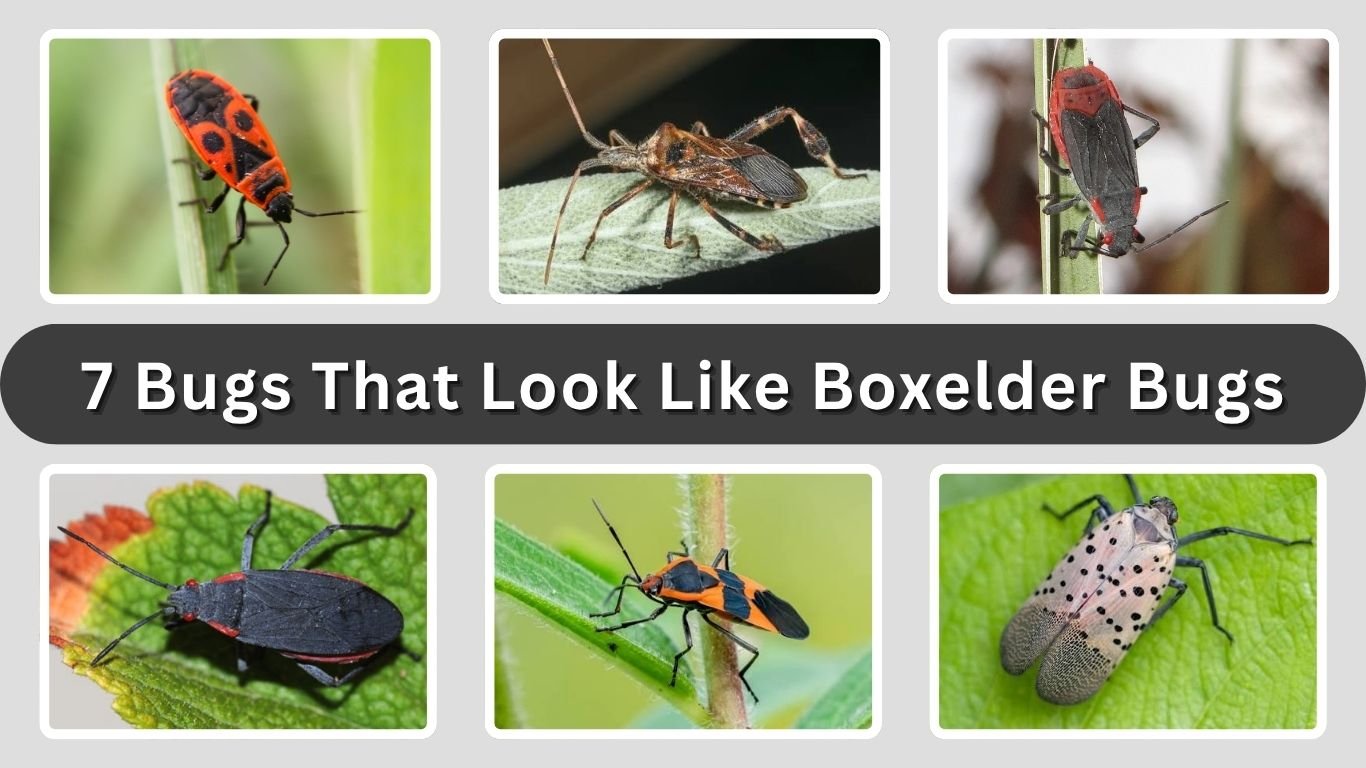
Boxelder bugs are easy to recognize by their black bodies and bright red markings, but several other insects share a similar appearance. Milkweed bugs, red-shouldered … Read More
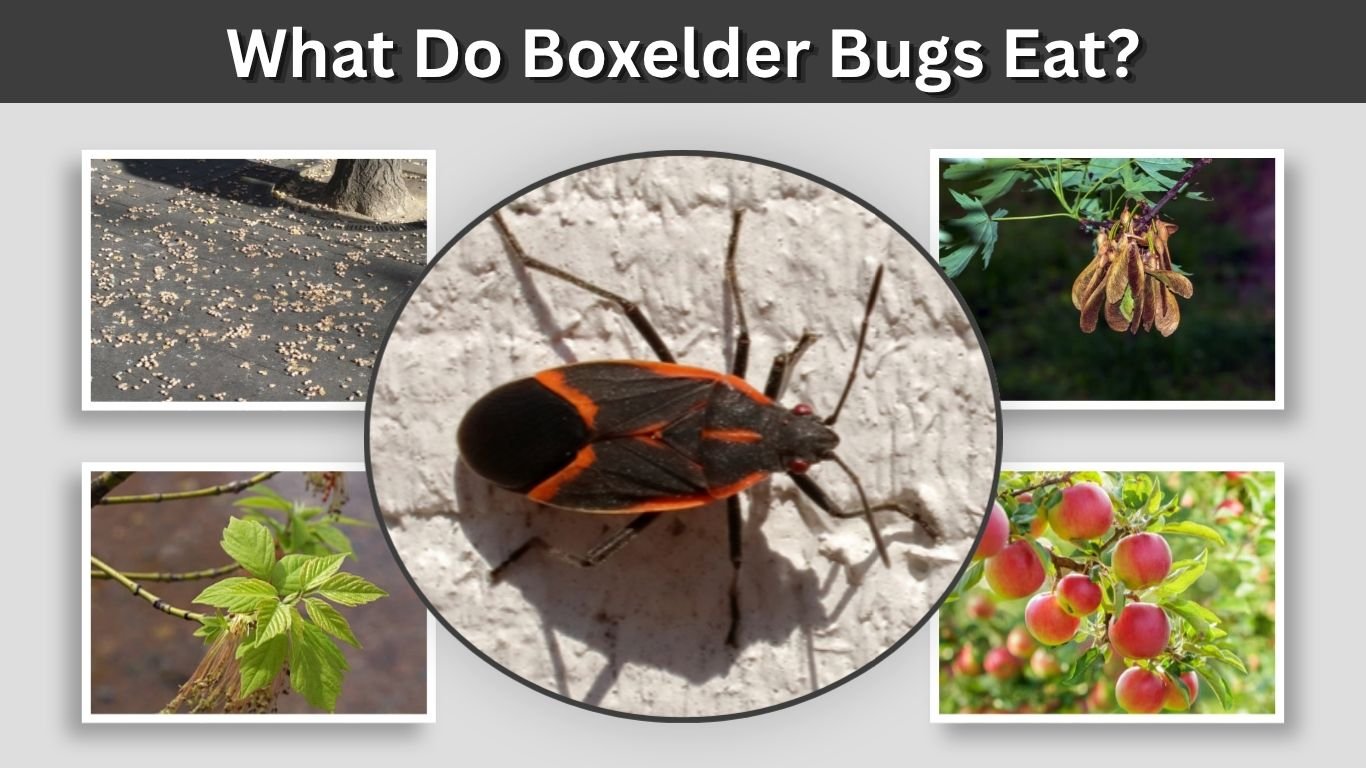
Boxelder bugs mainly eat seeds and soft tissues from boxelder trees. They use piercing, sucking mouthparts to draw liquid from seeds, leaves, flowers, and developing … Read More
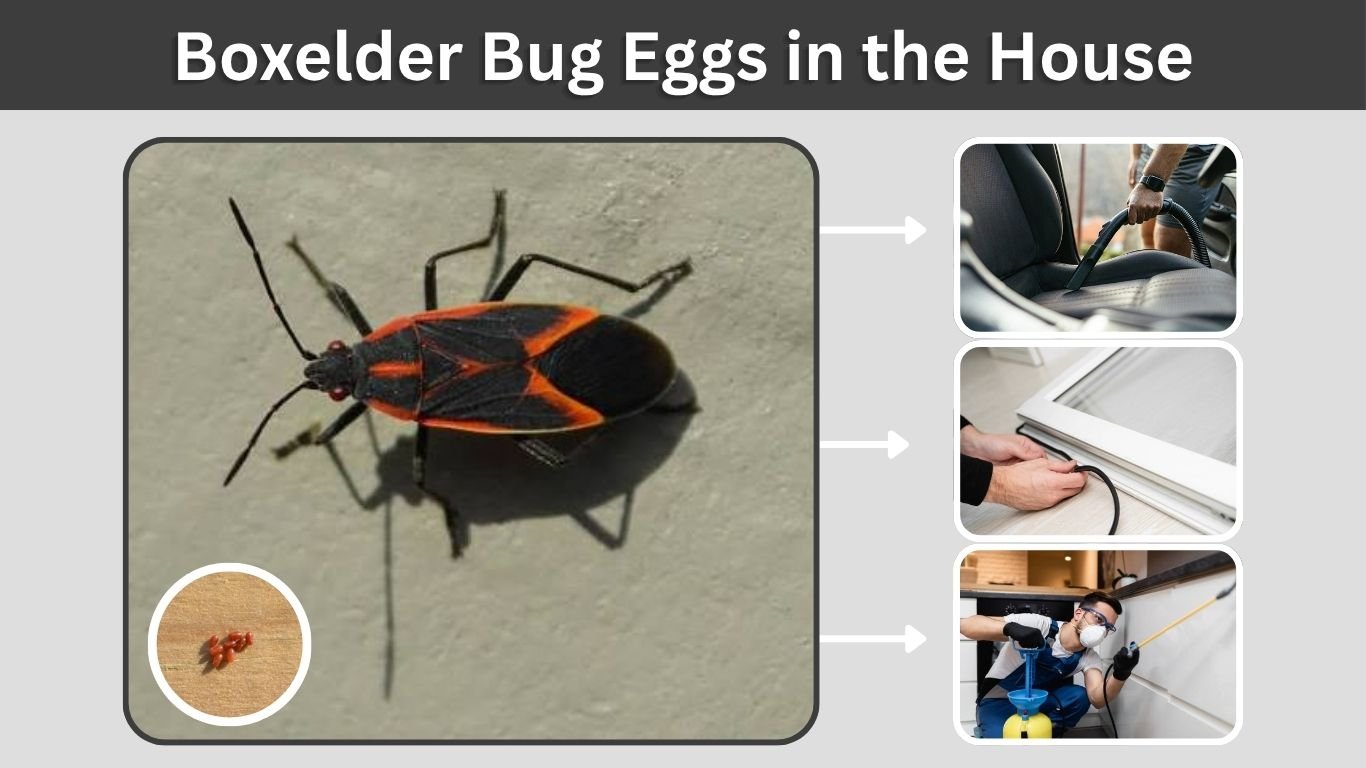
Finding tiny reddish eggs inside your house can be concerning, especially when boxelder bugs have already appeared around windows or walls. However, boxelder bugs normally … Read More
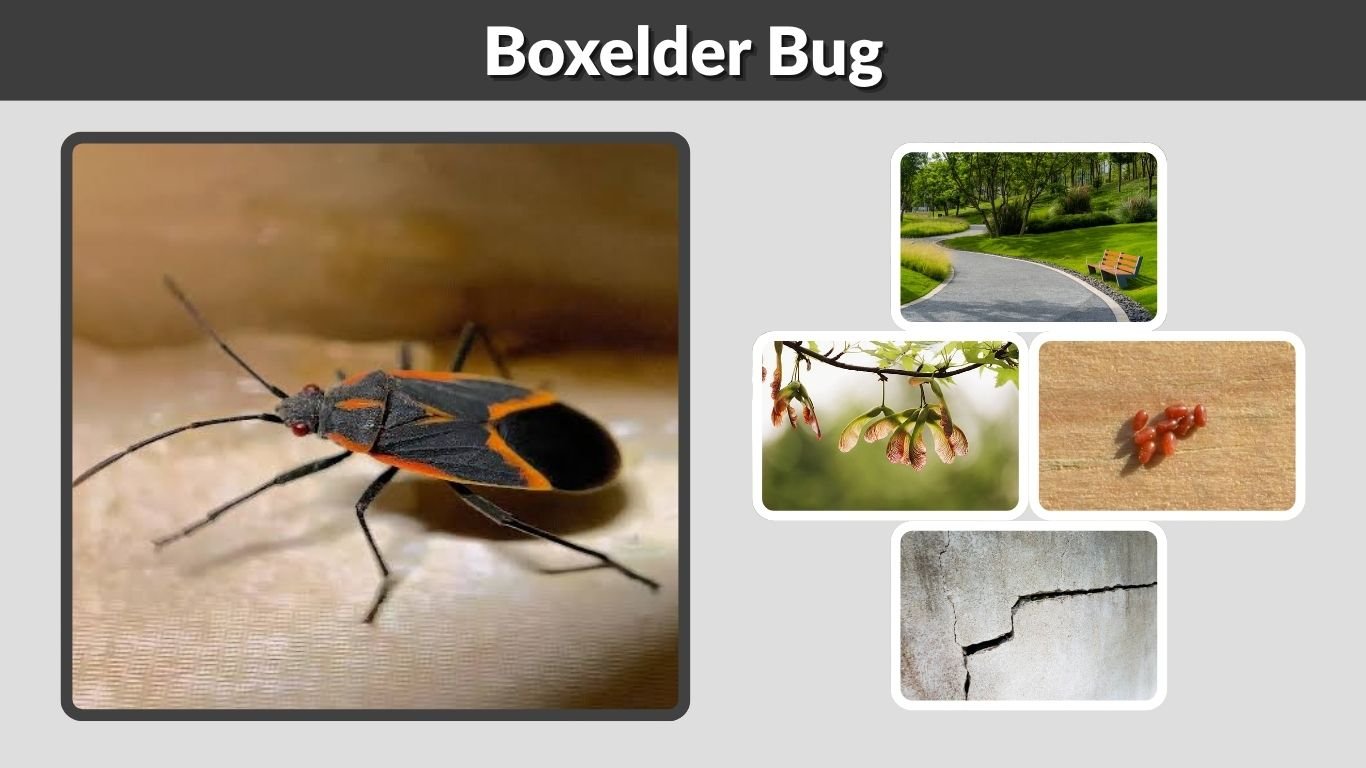
The boxelder bug is a black-and-red true bug commonly seen on trees, garden plants, and sunny exterior walls. Although it rarely causes serious plant or … Read More
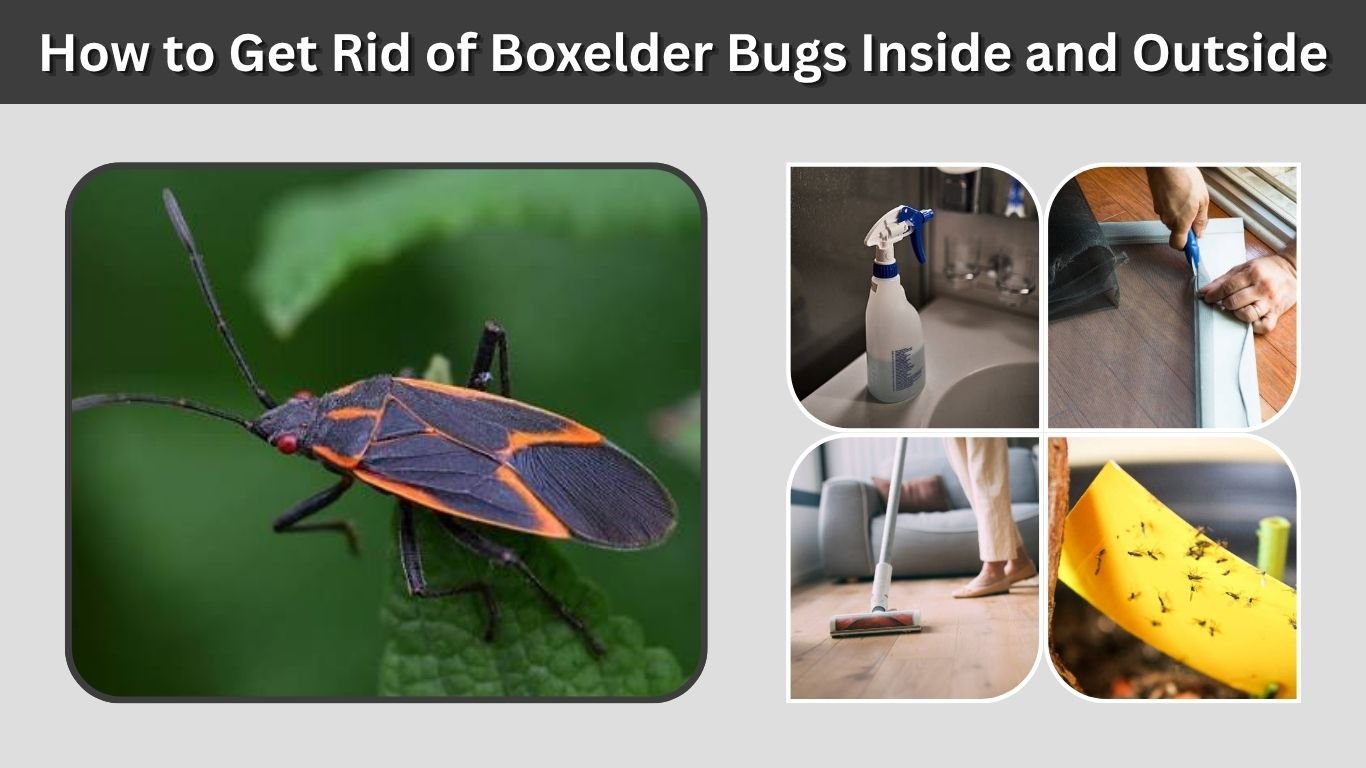
Boxelder bugs rarely damage homes, but hundreds of them crawling across siding, windows, and indoor walls can quickly become frustrating. These black-and-red insects gather on … Read More
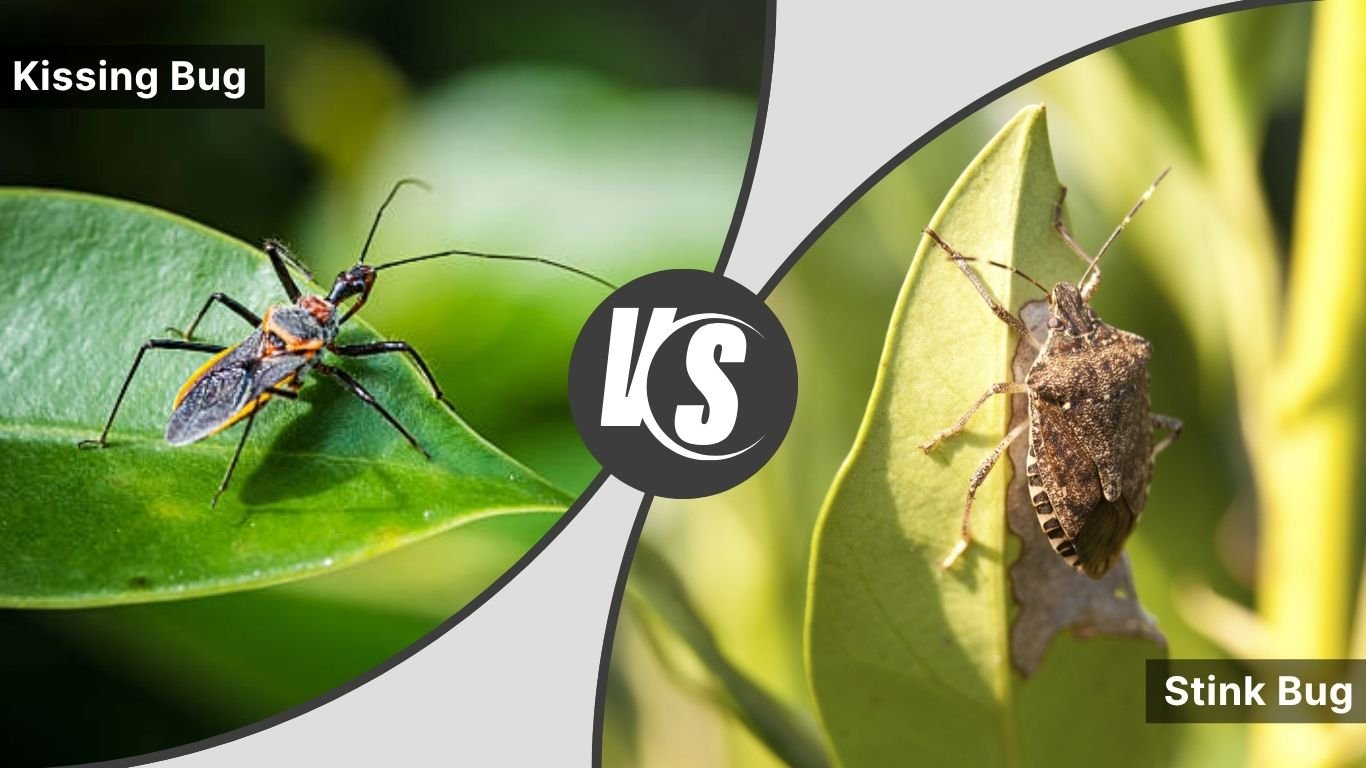
Kissing bugs and stink bugs may appear similar because both have six legs, long antennae, folded wings, and colored markings around the abdomen. However, they … Read More
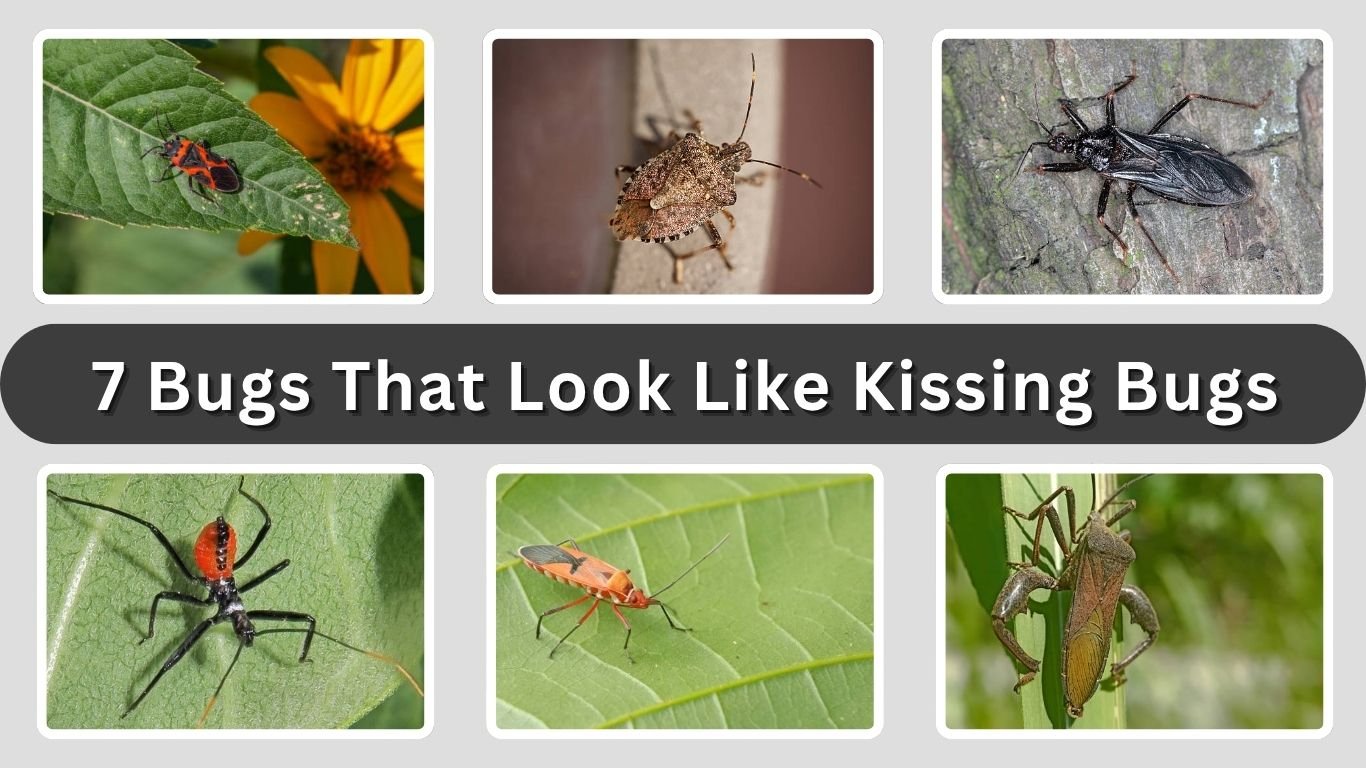
Kissing bugs are blood-feeding insects known for their narrow heads, dark bodies, and colored abdominal markings. However, several harmless or less dangerous insects share a … Read More