
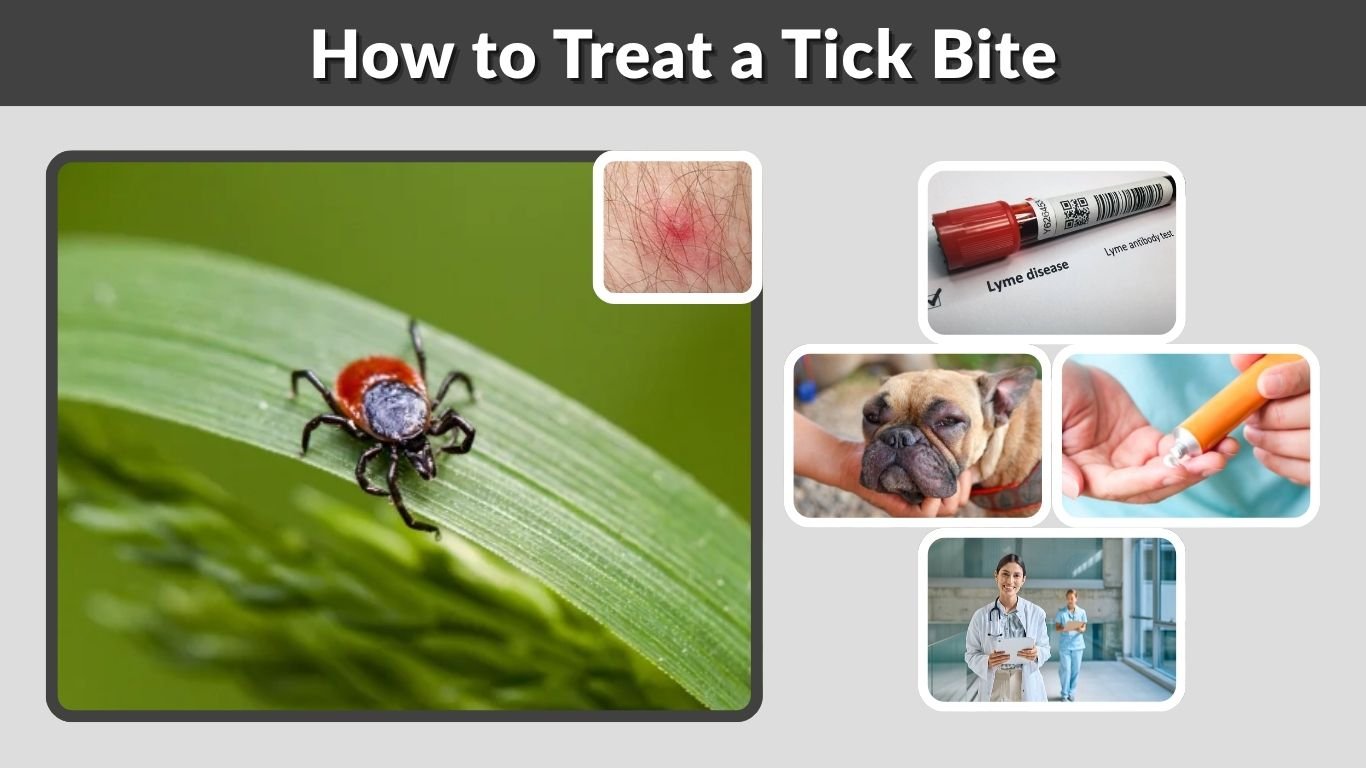
How to Treat a Tick Bite: Removal, Care, and Warning Signs
Knowing how to treat a tick bite starts with removing the tick correctly and as quickly as possible. After removal, most minor bites need only … Read More
Knowing how to treat a tick bite starts with removing the tick correctly and as quickly as possible. After removal, most minor bites need only … Read More
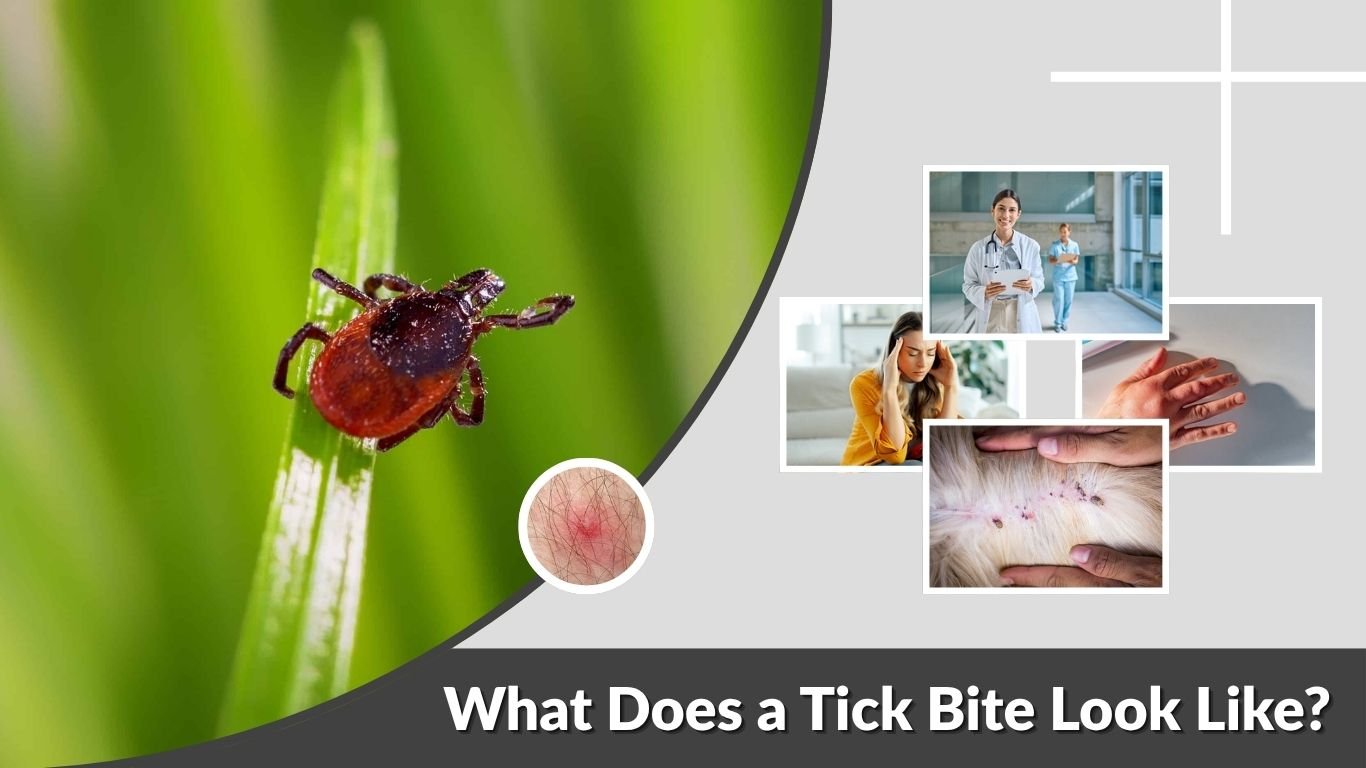
A tick bite may initially look like a small red bump similar to a mosquito bite. Some people notice little or no skin reaction, especially … Read More
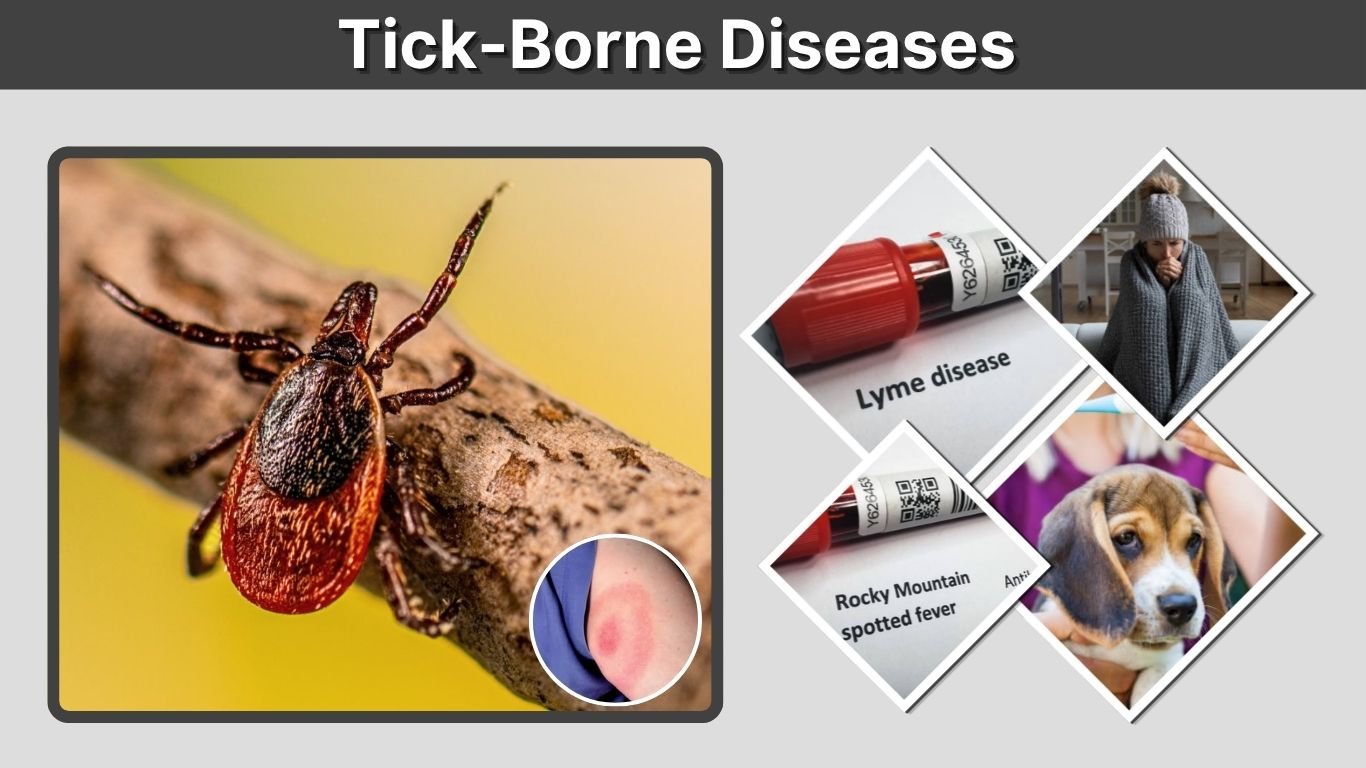
Ticks are small blood-feeding arachnids capable of transmitting bacteria, parasites, and viruses to people and animals. Tick-borne diseases range from relatively mild infections to illnesses … Read More
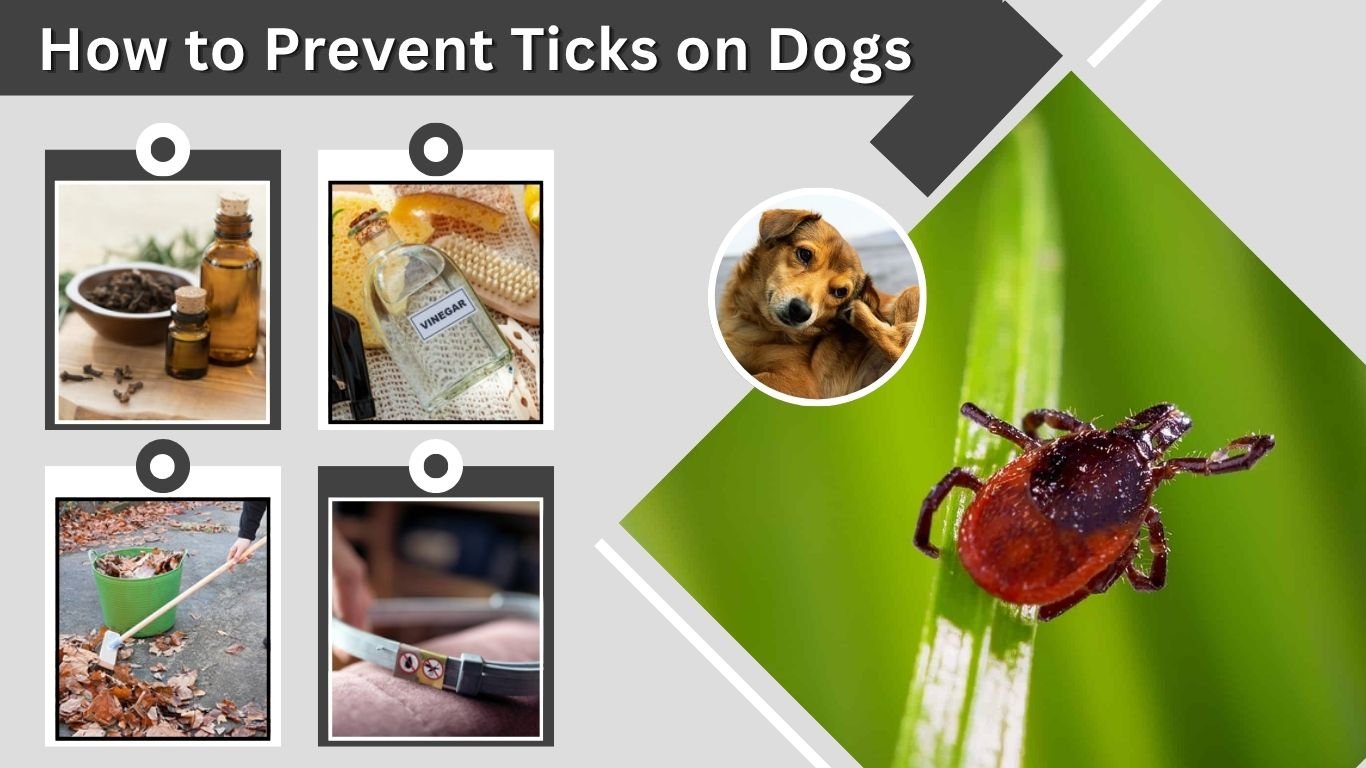
Ticks can attach to dogs during walks, hikes, camping trips, or even time spent in the backyard. Besides causing irritation, some ticks can transmit diseases, … Read More
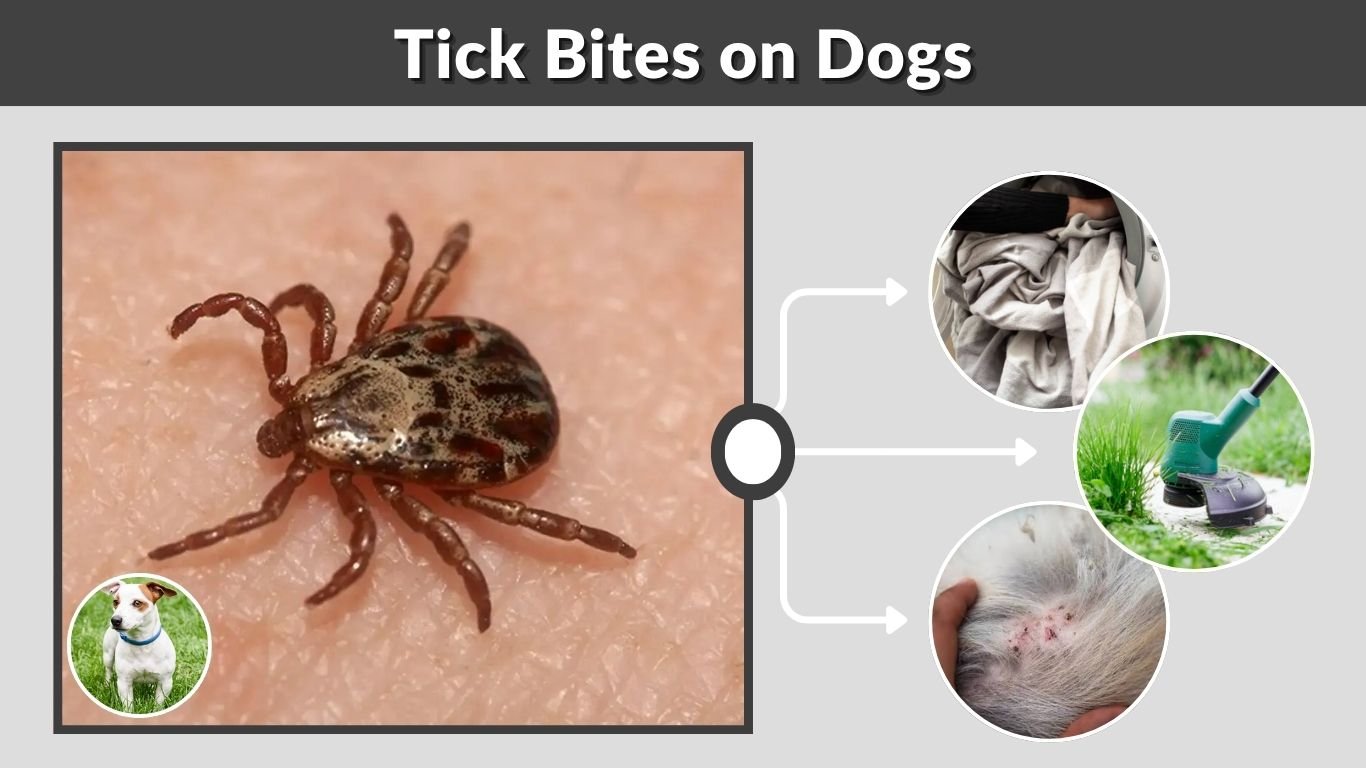
Tick bites on dogs are common after time spent in grassy, wooded, or brushy areas. In many cases, the bite causes only a small bump … Read More
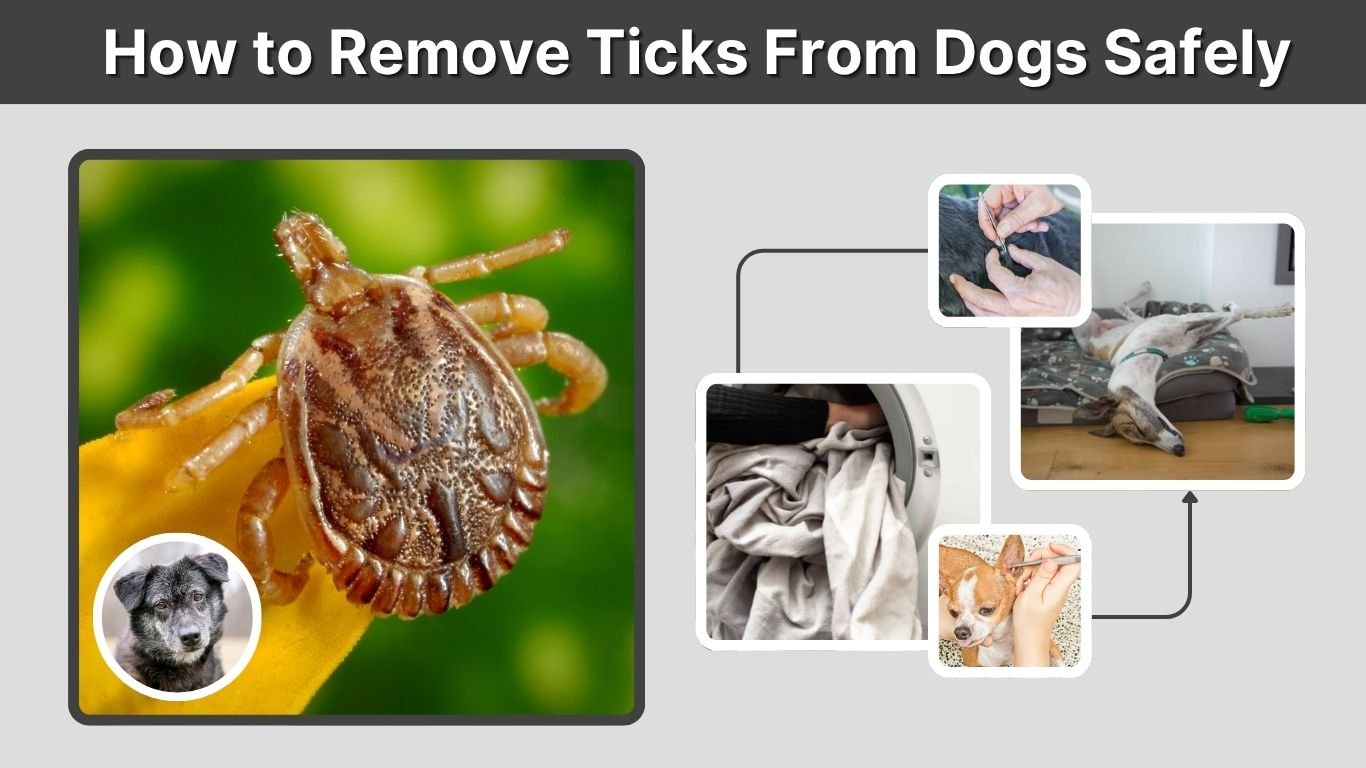
Ticks are more than an unpleasant pest on dogs. They attach to the skin, feed on blood, and may transmit infections if they remain attached … Read More
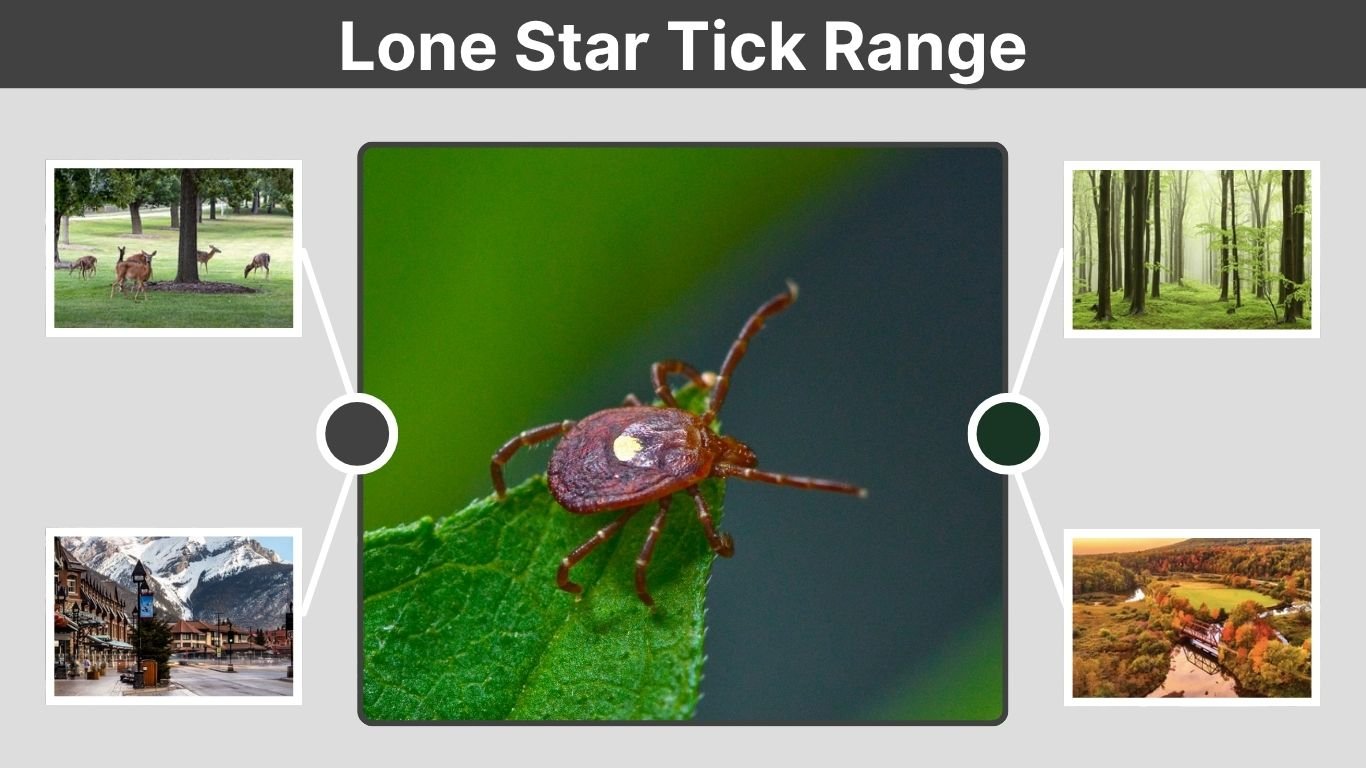
The lone star tick range covers a large portion of the eastern United States, particularly the Southeast, South, Midwest, and increasingly parts of the Northeast. … Read More
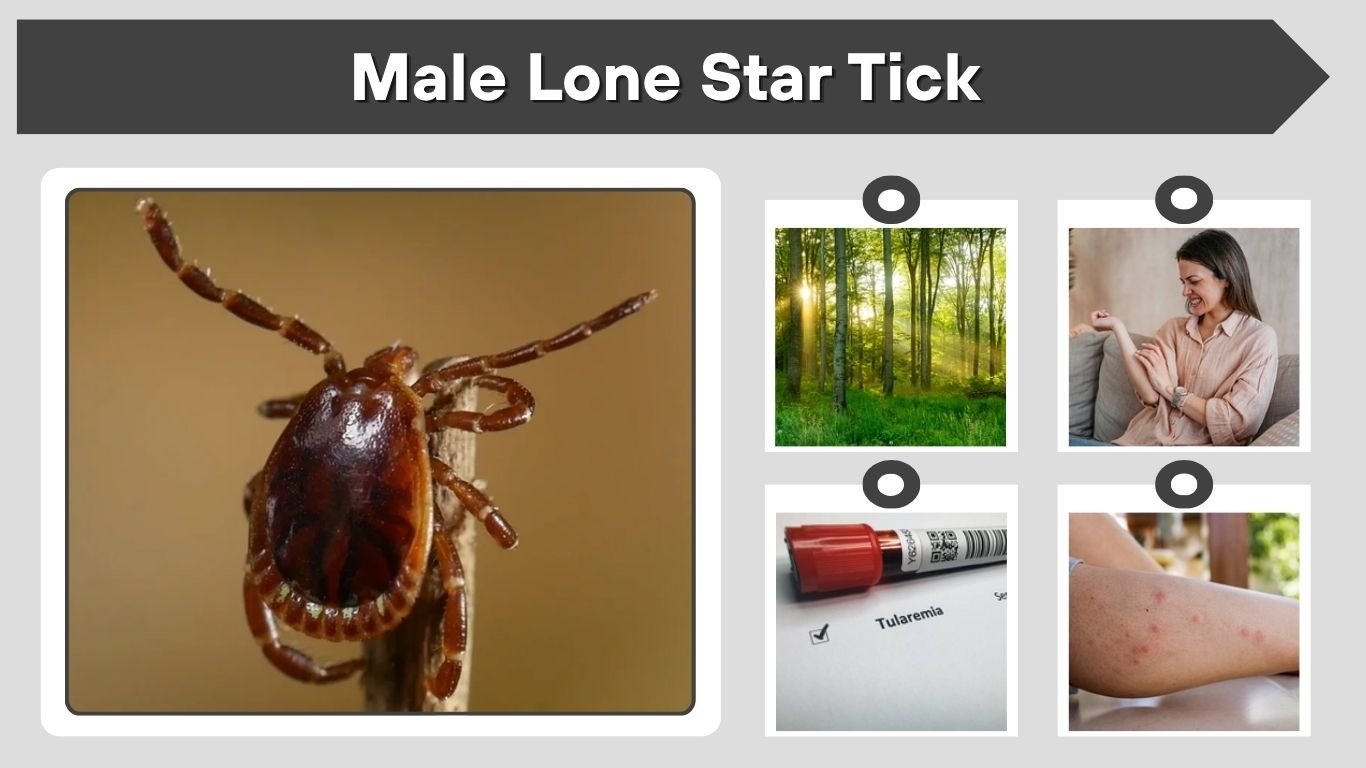
The male lone star tick (Amblyomma americanum) is a reddish-brown hard tick found across much of the eastern United States. Unlike the adult female, the … Read More
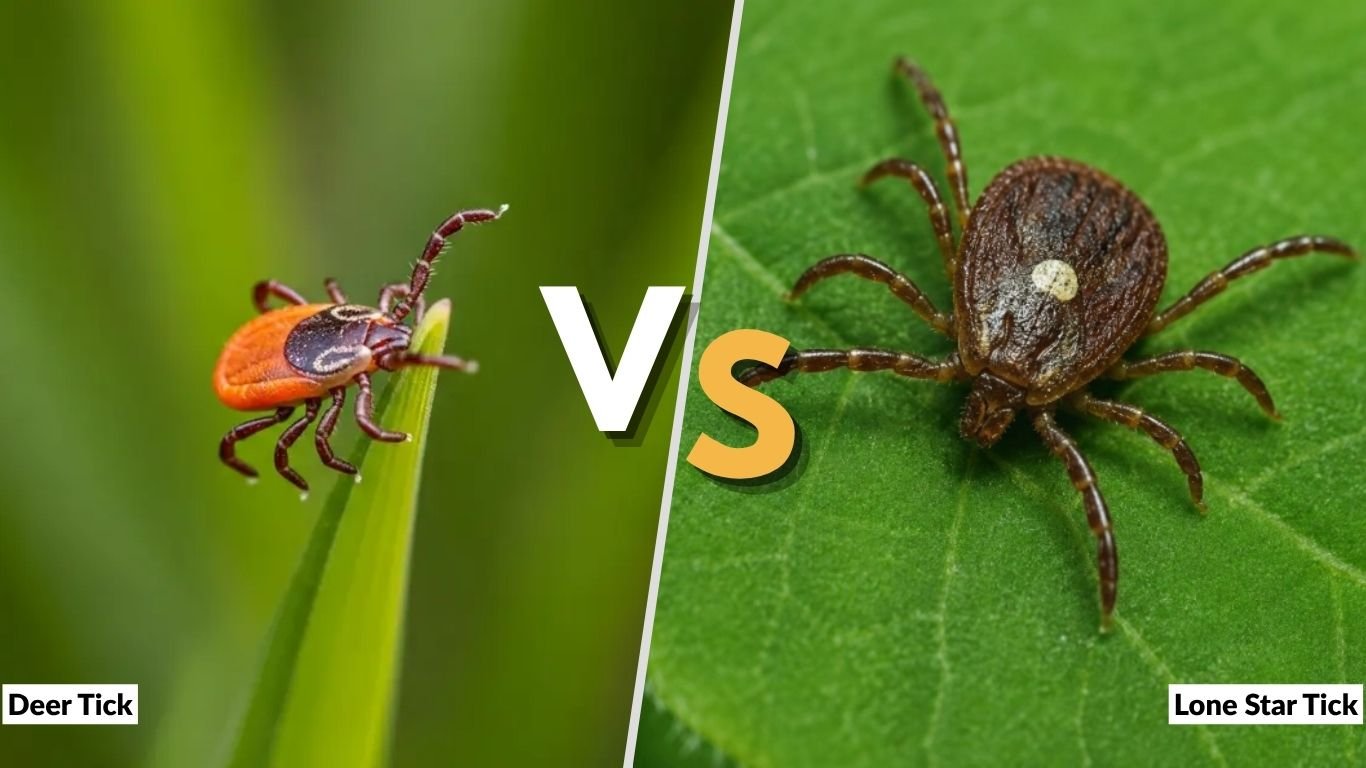
The deer tick vs lone star tick comparison is important because both species bite humans but differ in appearance, geographic range, behavior, and the illnesses … Read More
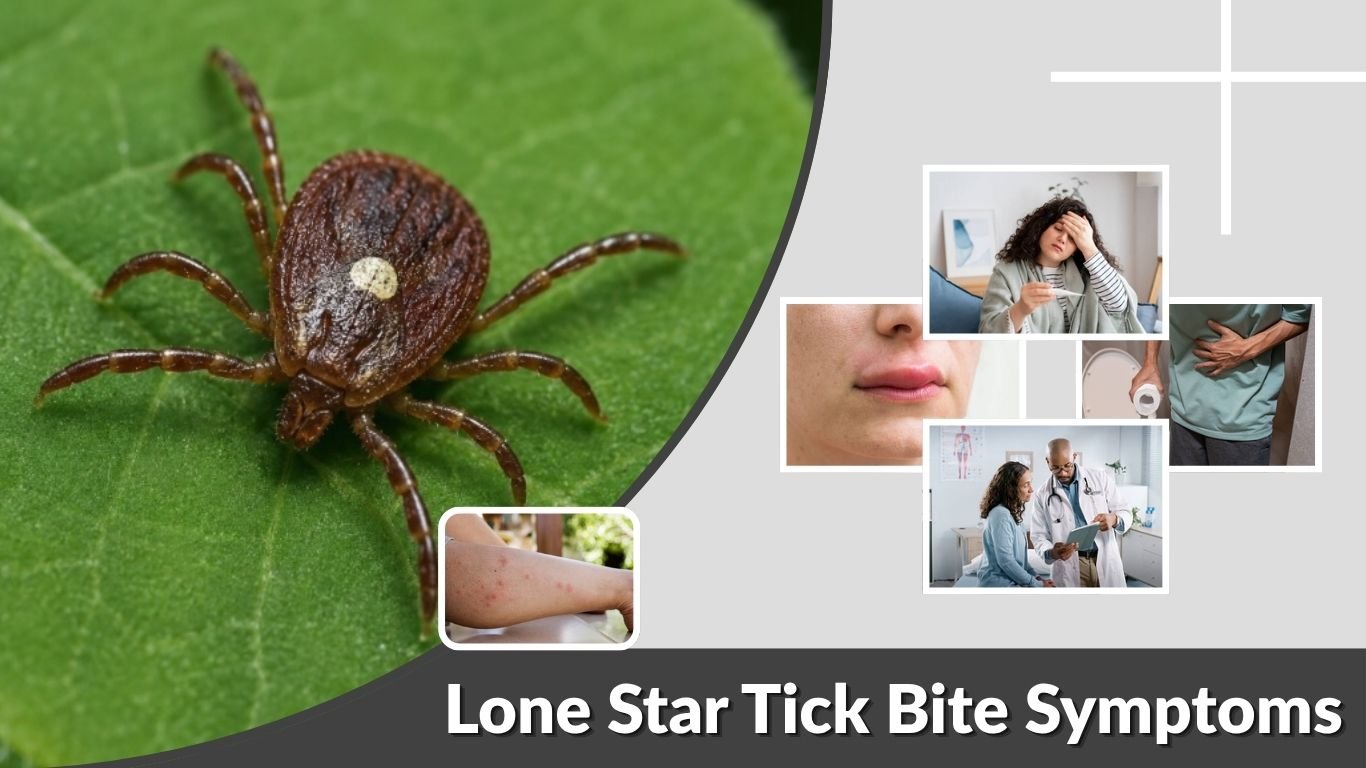
A lone star tick bite can cause anything from mild redness and itching to symptoms of a tick-borne illness or, in some people, alpha-gal syndrome. … Read More