
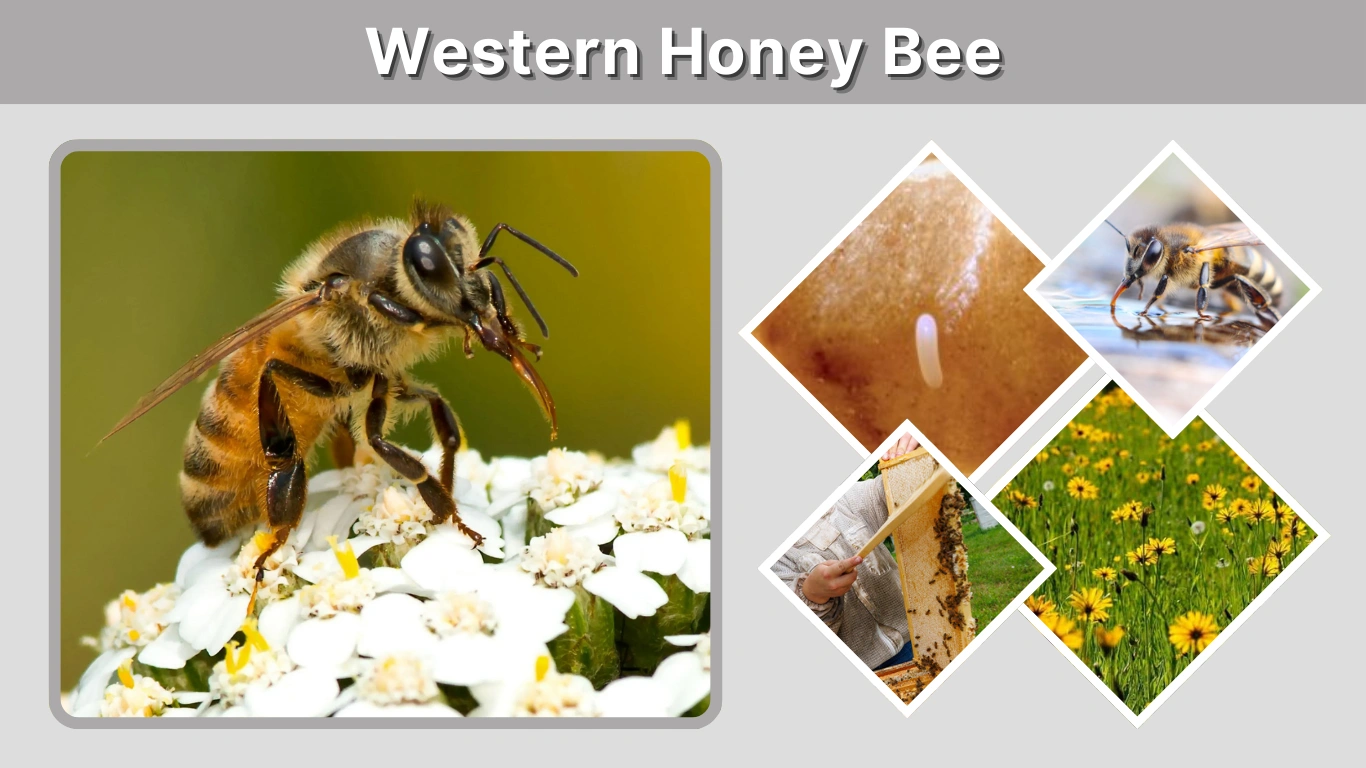
Western Honey Bee: Facts, Life Cycle, Habitat & Behavior
The Western honey bee, known scientifically as Apis mellifera, is one of the most widely recognized pollinators on Earth. Found across every continent except Antarctica, … Read More
The Western honey bee, known scientifically as Apis mellifera, is one of the most widely recognized pollinators on Earth. Found across every continent except Antarctica, … Read More
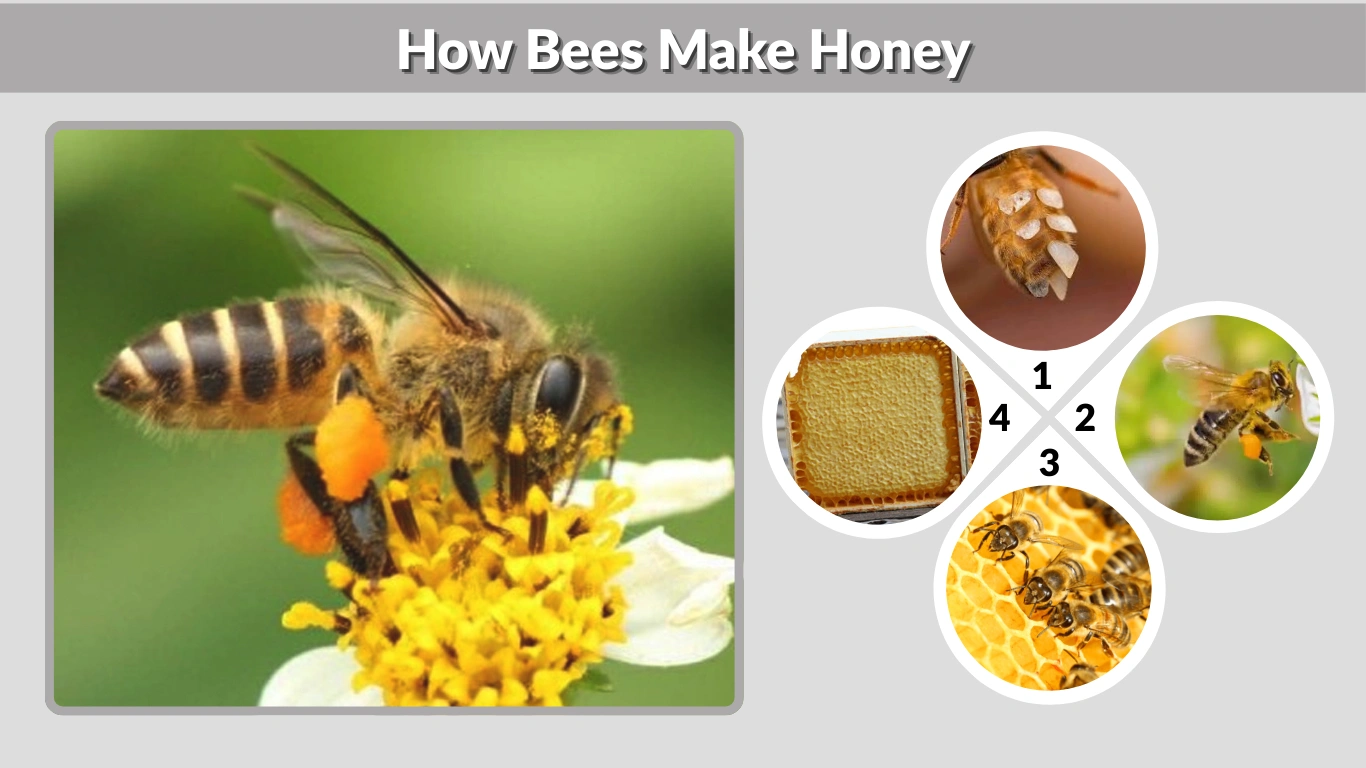
Bees produce honey through a remarkable natural process involving flower nectar collection, enzymatic transformation, moisture reduction, and long-term storage inside wax cells. This natural system … Read More
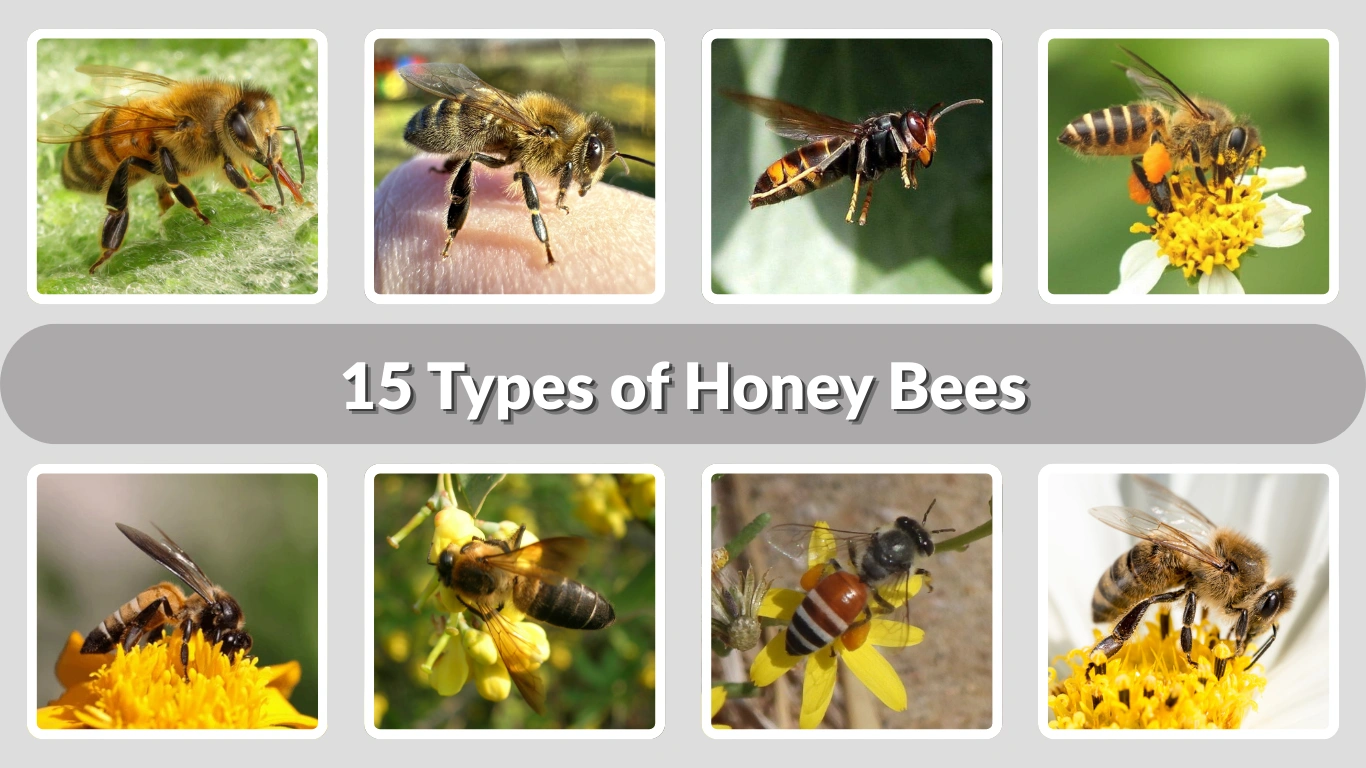
Honey bees come in a remarkable variety, each species adapted to its habitat, climate, and ecological role. From giant cliff-nesting bees to tiny dwarf species, … Read More
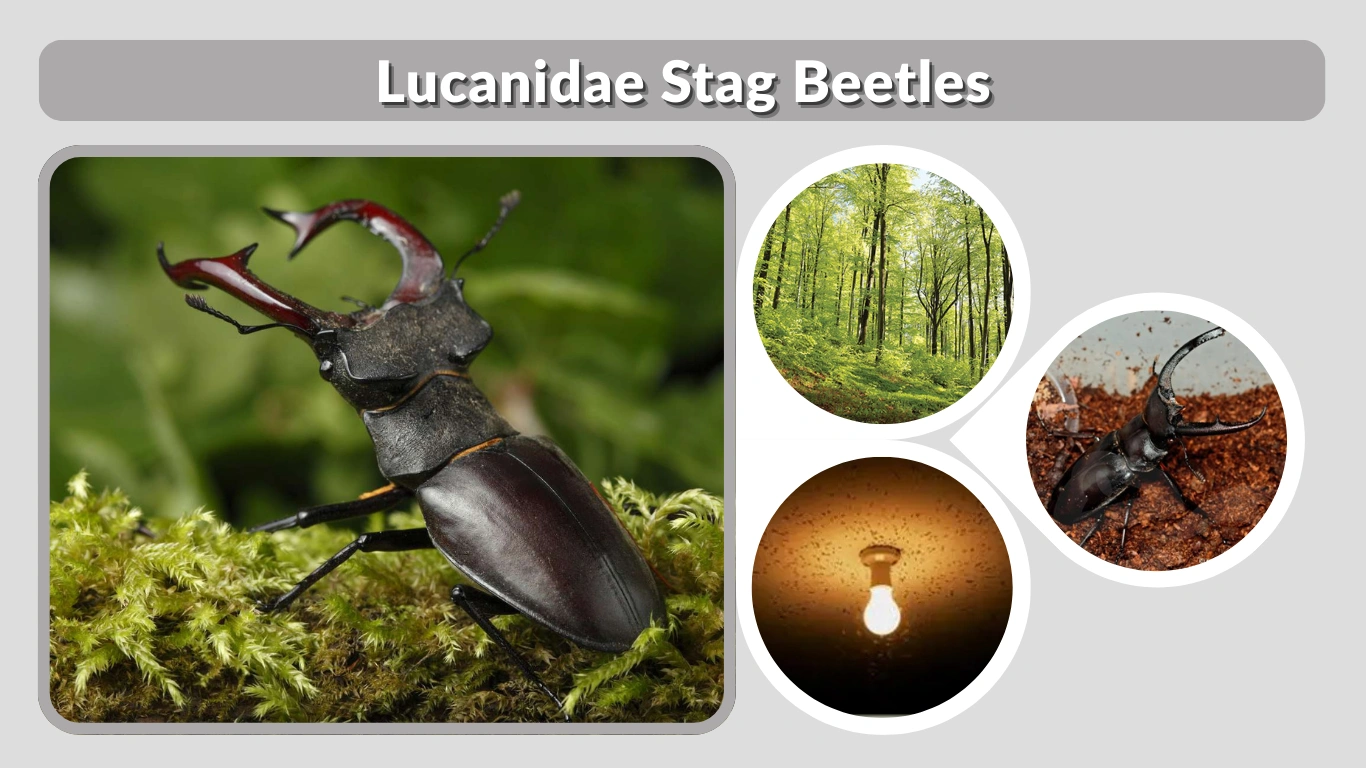
The Lucanidae family—commonly known as stag beetles—is one of the most captivating groups in the insect world. Known for their impressive mandibles, glossy exoskeletons, and … Read More
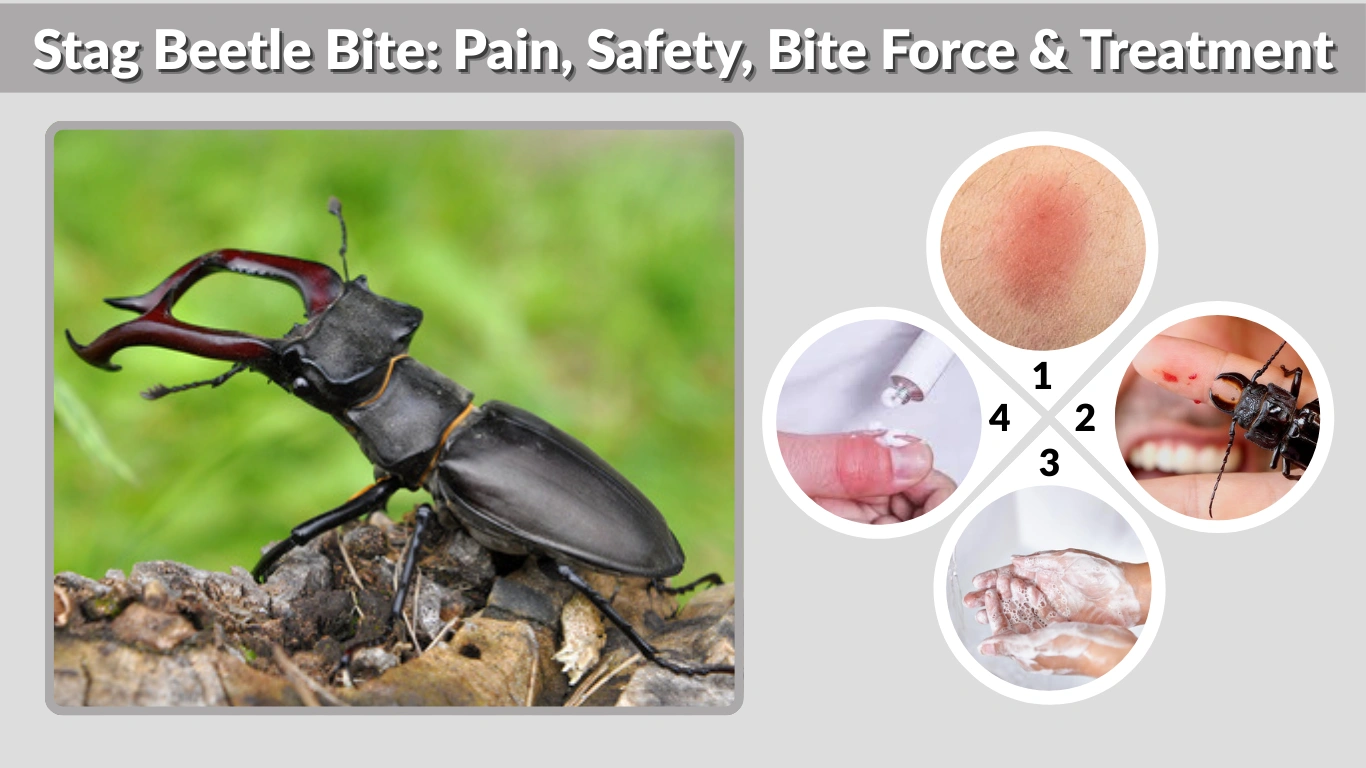
Stag beetles are among the most visually striking insects on Earth, recognized instantly by their oversized mandibles and armored bodies. Because of their intimidating appearance, … Read More

The reddish-brown stag beetle (Lucanus capreolus) is a glossy, chestnut-colored beetle admired for its iconic mandibles and calm nature. Found across eastern North America, it … Read More

Stag beetles have one of the most misunderstood diets in the insect world. While their intimidating mandibles suggest they might hunt or chew, most adults … Read More
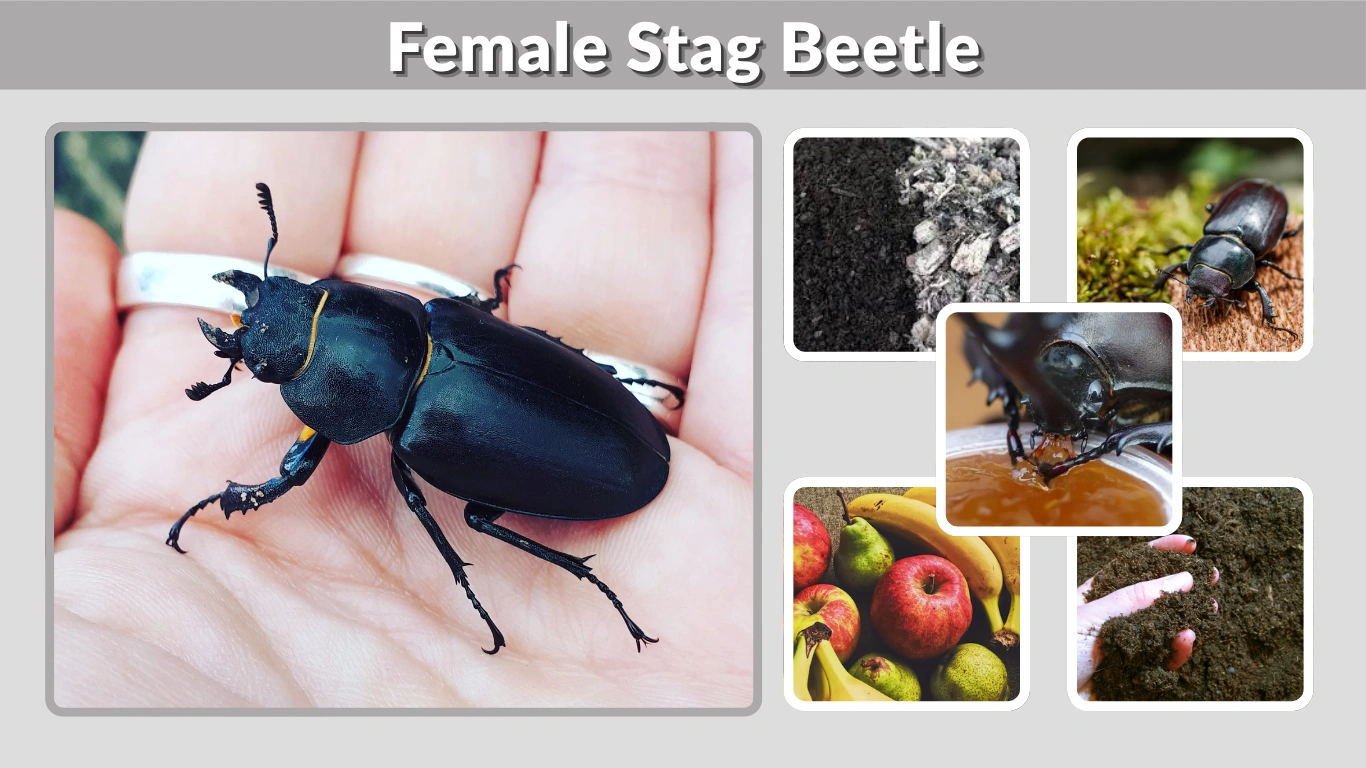
Female stag beetles are fascinating, powerful insects known for their compact bodies, strong jaws, and essential role in the species’ survival. Unlike males, females lack … Read More
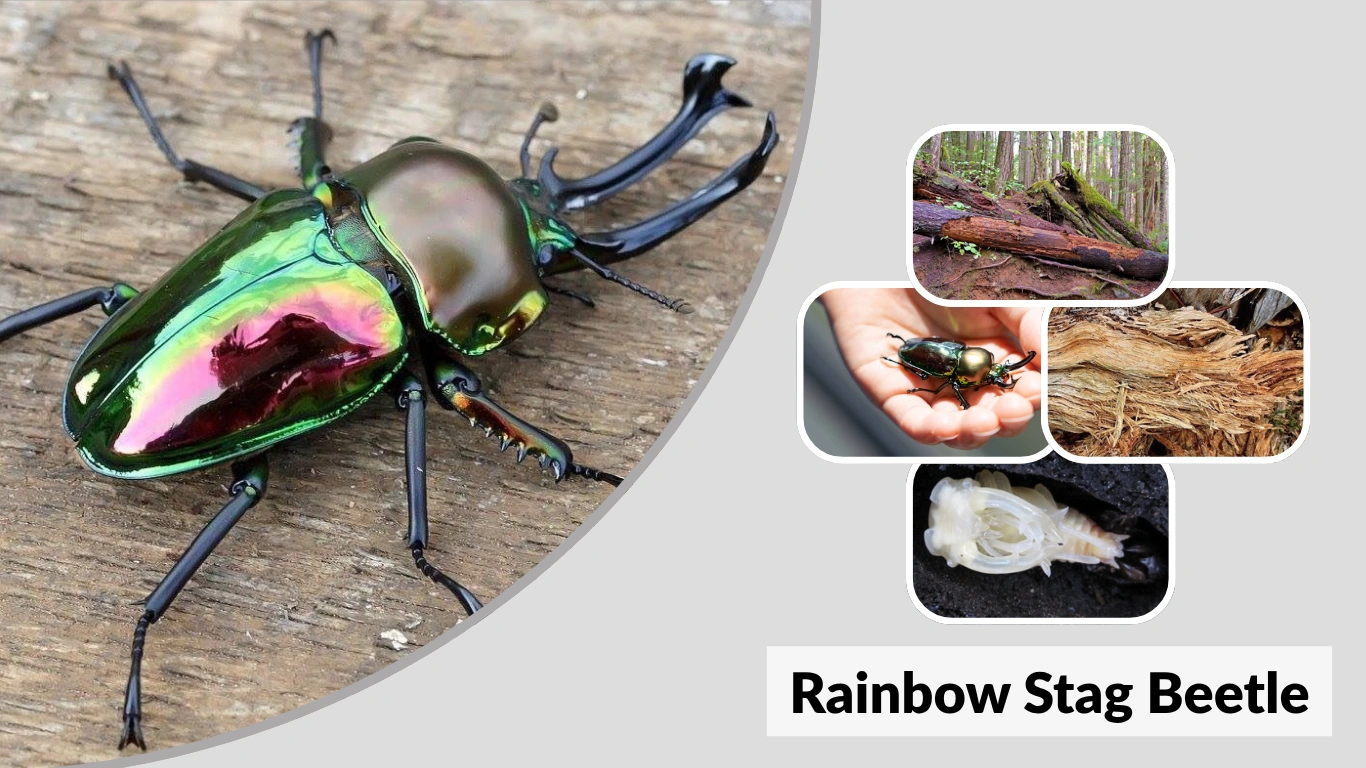
The rainbow stag beetle is one of the most stunning insects in the exotic pet world, admired for its metallic colors, gentle temperament, and surprisingly … Read More
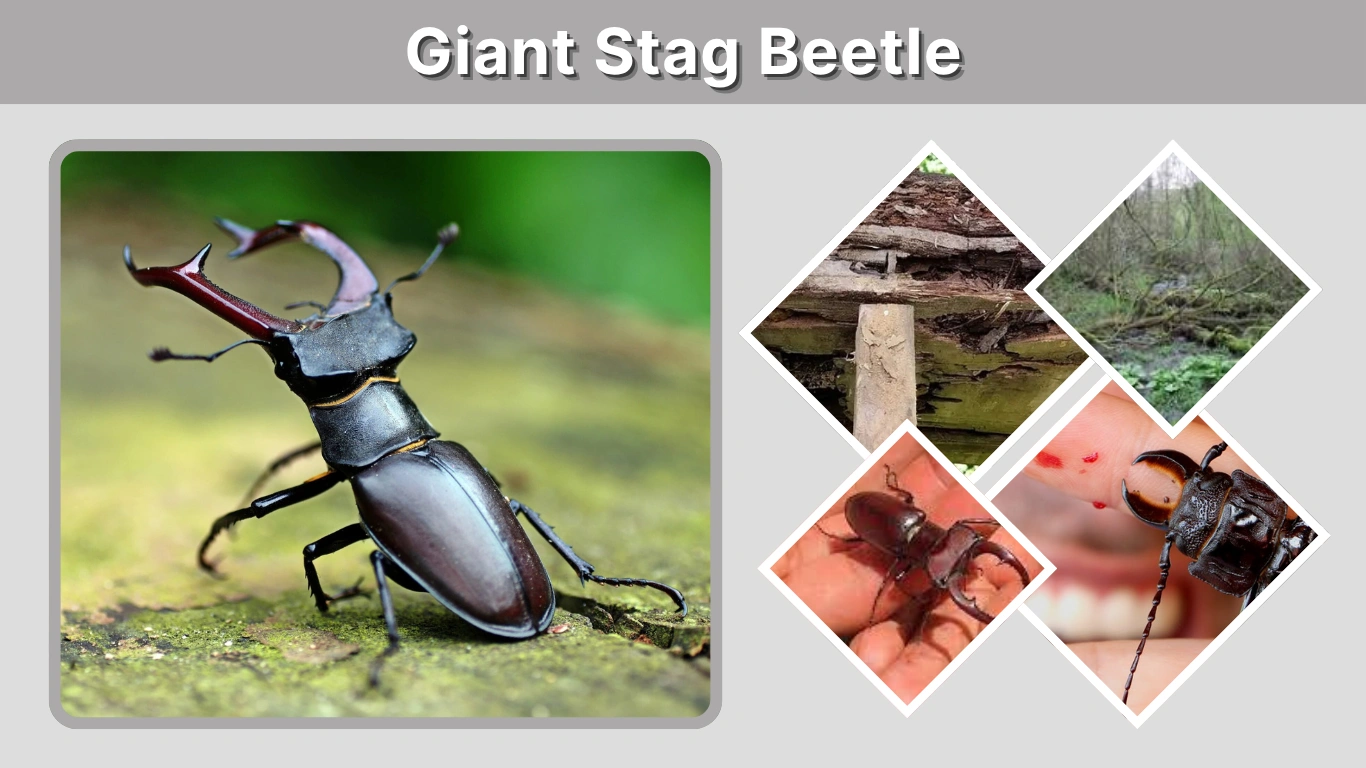
The giant stag beetle is one of the most striking and powerful beetles found in North America and Asia. Known for its massive mandibles, glossy … Read More