
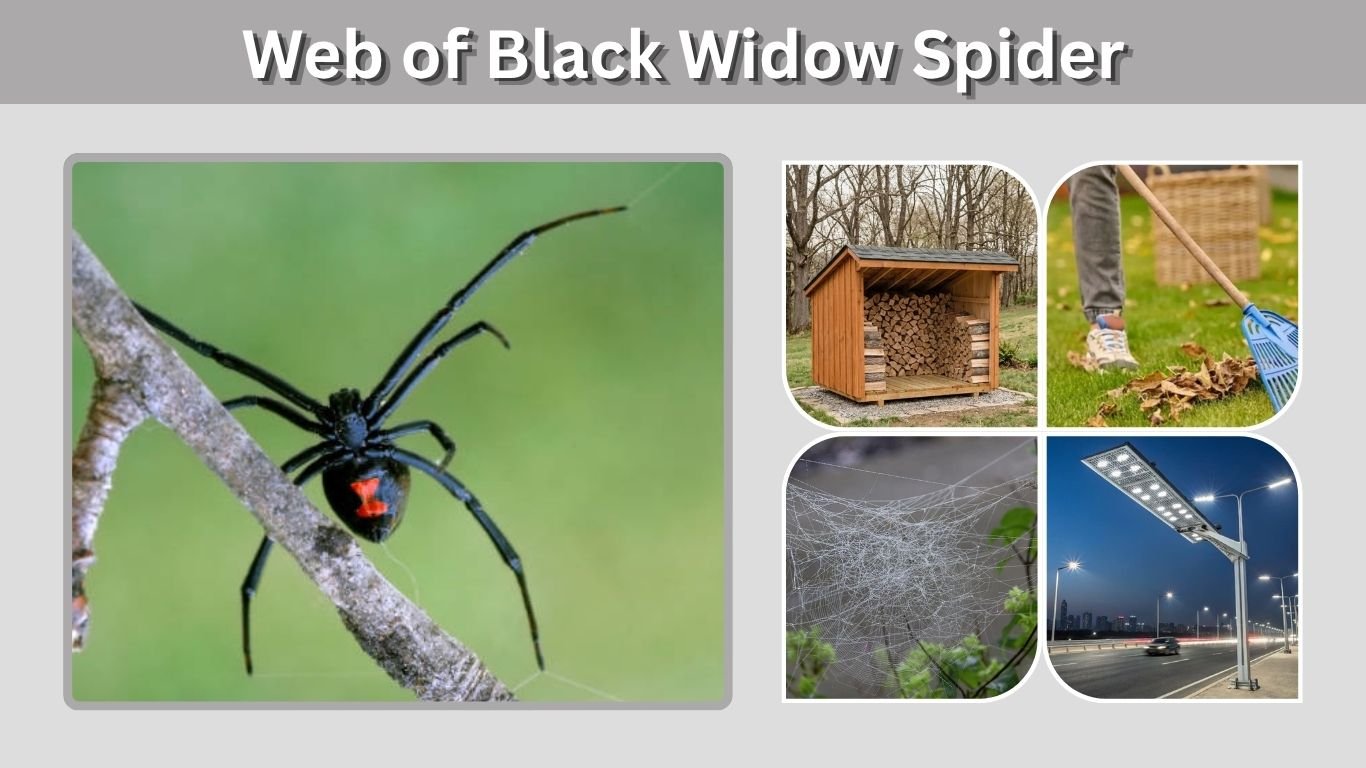
The web of a black widow spider is not the neat, circular web many people imagine when thinking about spiders. Instead, it is messy, tangled, strong, and often built close to the ground in quiet, hidden places. Knowing what a black widow spider web looks like can help you identify possible spider activity around your home, garage, shed, or yard before getting too close.
What Does the Web of a Black Widow Spider Look Like?
The web of a black widow spider usually looks irregular and unorganized. Unlike orb-weaver spiders that create round, symmetrical webs, black widows build tangled cobwebs. These webs may appear messy, but they are carefully designed to trap insects and protect the spider.
A black widow web often looks like a loose cluster of sticky threads. It may stretch between objects near the ground, such as boxes, stones, firewood, patio furniture, or corners of sheds. The web can look dusty or abandoned, but it may still be active.
A Messy, Tangled Structure
If you are searching for a picture of black widow spider web, you will usually notice that it does not have a perfect pattern. The web is often described as a cobweb or tangle web. It may look like several threads crossing in different directions.
This messy appearance is one of the biggest clues. Many people expect dangerous spiders to make dramatic-looking webs, but the web of a black widow spider is usually plain, hidden, and low to the ground.
Strong and Sticky Threads
Black widow spider silk is surprisingly strong. The web may feel tougher than an ordinary house spider web, although you should avoid touching it directly. These spiders use strong silk to hold struggling insects once they become trapped.
The sticky sections of the web help catch prey, while stronger support lines help keep the web attached to nearby surfaces. The spider may wait in a hidden area of the web until it senses movement.
Usually Built in Dark, Quiet Areas
Black widow spiders prefer places where they are unlikely to be disturbed. Their webs are commonly found in corners, cracks, storage areas, and outdoor clutter. A web in a dark, protected area near the ground is more suspicious than a web in an open, sunny location.
What Kind of Web Does a Black Widow Spider Make?
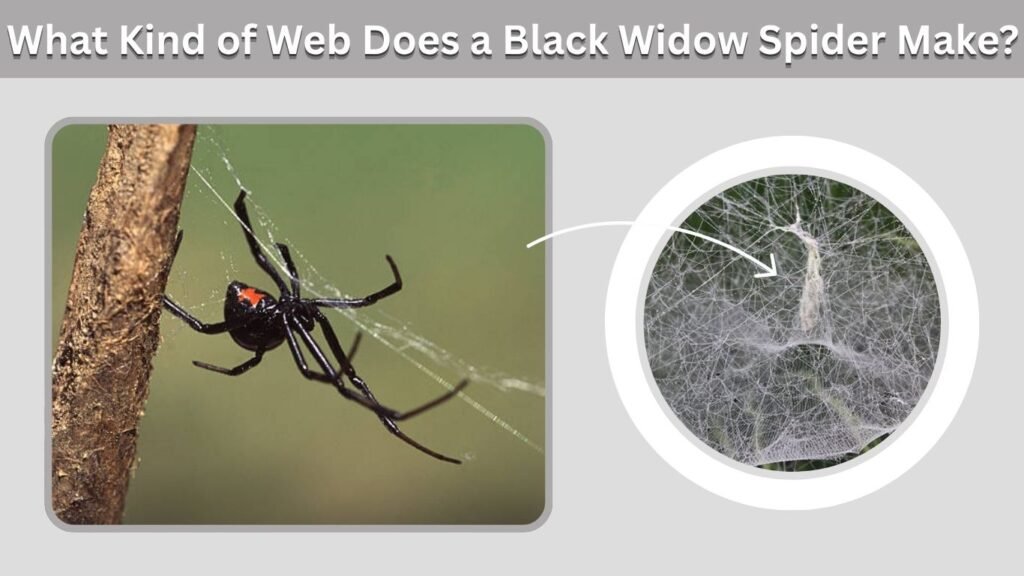
A black widow spider makes a cobweb-style web, also called a tangle web. This type of web is irregular, three-dimensional, and built to trap crawling insects. It is not flat, round, or decorative.
The question “what kind of web does a black widow spider make?” is common because many people confuse spider web types. Black widows are not orb-weavers. They do not create the classic wheel-shaped webs often seen between tree branches or garden plants.
Cobweb or Tangle Web
The black widow spider type of web is usually called a cobweb. This does not mean the web is old or unused. In everyday language, people often use “cobweb” to describe dusty old webs, but in spider identification, a cobweb can be an active web made by certain spiders.
A black widow cobweb may look random, but it has a purpose. The spider builds a retreat area where it can hide, along with sticky trap lines that catch insects. The web may be spread in an uneven shape between hard surfaces.
Built for Crawling Insects
Black widow webs are often designed to catch insects that crawl or move close to the ground. Crickets, beetles, ants, flies, and other small insects may become trapped in the sticky threads.
Because of this, black widow webs are often placed in areas where insects travel. You may see them near foundation gaps, under outdoor furniture, inside garages, around woodpiles, or behind stored items.
Not an Orb Web
If you see a perfect round web in your garden, it is probably not from a black widow. Orb-shaped webs are usually built by orb-weaver spiders. These spiders are often harmless and beneficial because they catch flying insects.
A black widow web is more likely to look like a thick, tangled web tucked into a dark corner.
Black Widow Spider Web Identification Table
The easiest way to identify the web of a black widow spider is to compare its shape, location, and texture with other common spider webs.
| Feature | Black Widow Spider Web | Common Orb Spider Web | Common House Spider Web |
| Shape | Messy, tangled, irregular | Round, wheel-shaped, organized | Loose and irregular |
| Location | Low, dark, hidden areas | Open spaces, gardens, plants | Corners, ceilings, windows |
| Texture | Strong, sticky, tough silk | Fine, organized silk | Light, dusty silk |
| Main purpose | Traps crawling insects | Traps flying insects | Traps small indoor insects |
| Risk level | Higher, because black widows are venomous | Usually low | Usually low |
Where Are Black Widow Spider Webs Found?
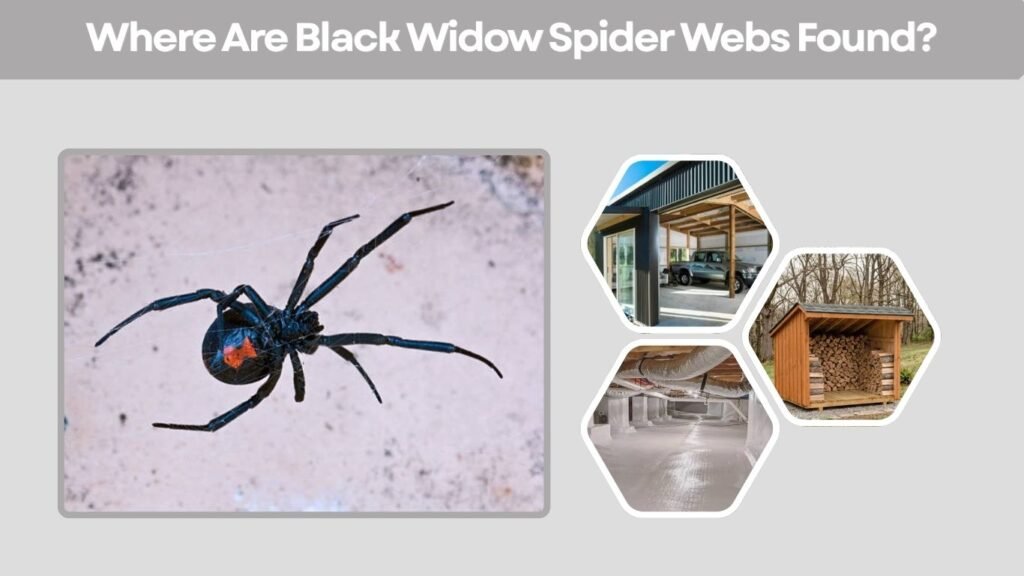
The web of a black widow spider is often found in places that are quiet, dry, dark, and protected. These spiders do not usually build webs in busy open areas. They prefer locations where they can stay hidden and wait for prey.
Finding one web does not always mean you have a large infestation, but it should be taken seriously, especially if the web is in an area where people place their hands or feet.
Garages and Sheds
Garages and sheds are common places to find black widow spider webs. These areas often have clutter, cardboard boxes, tools, and equipment that remain undisturbed for long periods.
A web may appear behind storage bins, under shelving, in corners, or around items stacked against the wall. Before moving stored objects, it is smart to wear gloves and inspect the area carefully.
Woodpiles and Outdoor Storage
Outdoor storage areas are another common hiding place. Black widows may build webs between logs, under firewood, around bricks, or beneath old boards.
Woodpiles attract insects, which gives black widows a steady food source. If you store firewood near your home, keep it elevated and away from exterior walls when possible.
Patio Furniture and Yard Equipment
Black widow webs can appear under patio chairs, tables, grills, plant pots, or children’s outdoor toys. These areas provide shade and protection.
Before using items that have been sitting outside for a long time, check the underside and corners. This is especially important during warm months when spider activity may increase.
Crawl Spaces and Basements
Crawl spaces, basements, and foundation gaps can also attract black widows. These places are dark, quiet, and often full of insects.
If you suspect black widow activity in a crawl space, avoid reaching blindly into corners or tight spaces. A professional inspection may be safer if you are unsure.
How to Tell If a Black Widow Web Is Active
A black widow spider web may look old, but that does not always mean it is abandoned. An active web may contain trapped insects, egg sacs, or a spider hiding nearby.
The spider may not always be visible at first glance. Black widows often hide in a retreat area connected to the web. They may come out when they sense vibration.
Signs of an Active Web
Look for clues before disturbing the area. An active web may have fresh-looking silk, trapped insects, or a dense hiding spot nearby. You may also see a small, round egg sac.
Black widow egg sacs are usually pale, round, and attached within the web. If you see egg sacs, avoid touching or removing them with bare hands.
The Spider May Be Hidden
A female black widow is usually shiny black with a red hourglass marking on the underside of the abdomen. However, the marking may not be visible unless the spider is upside down.
Young black widows and males may look different. Because identification can be tricky, it is best to be cautious around any suspicious web in a hidden area.
Webs Near Human Activity Need Attention
A black widow web in a remote corner of a yard may be less urgent than one near doorways, garages, play areas, or storage spaces. Webs in high-contact areas should be handled carefully.
If children or pets use the area, the risk is higher because they may accidentally disturb the web.
Are Black Widow Spider Webs Dangerous?
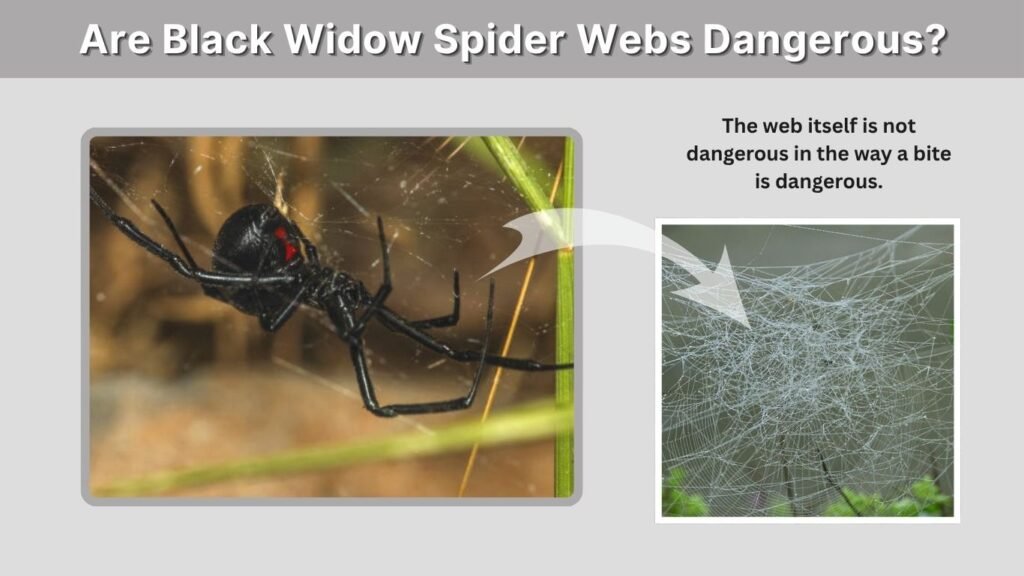
The web itself is not dangerous in the way a bite is dangerous. However, the web can indicate that a venomous spider may be nearby. The danger comes from accidentally disturbing the spider.
Black widows are not usually aggressive. Most bites happen when the spider is trapped, pressed, or surprised. For example, someone might reach into a box, pick up firewood, or put on gloves stored in a shed without checking first.
Do Not Touch the Web Barehanded
Avoid touching a suspected black widow spider web with bare hands. Even if you do not see the spider, it may be hiding nearby.
Wear thick gloves if you need to move items in an area where black widow webs may be present. Use caution when lifting objects from dark corners or outdoor storage spaces.
Be Careful Around Egg Sacs
Egg sacs can lead to more spiders if left undisturbed. However, removing them carelessly can also increase risk.
If you find multiple webs or egg sacs, consider professional pest control help. This is especially important around homes with children, elderly adults, pets, or people with health concerns.
When to Seek Medical Help
If someone is bitten by a suspected black widow spider, medical attention is important. Symptoms can vary, but black widow bites may cause pain, muscle cramps, sweating, nausea, or other serious reactions.
Do not try to handle or capture the spider with bare hands. If safe, take a clear photo from a distance for identification.
What to Do If You Find a Black Widow Spider Web
Finding a web of a black widow spider does not mean you should panic. The best response is calm, careful inspection and removal of conditions that attract spiders.
Black widows like quiet places with insects and clutter. Reducing those conditions can help make your property less attractive to them.
Inspect the Area Carefully
Check nearby corners, storage piles, cracks, and shaded areas. Look for additional webs, egg sacs, or spiders. Use a flashlight instead of reaching into dark spaces.
Do not move objects quickly or blindly. Black widows often stay hidden until disturbed.
Remove Clutter and Hiding Spots
One of the best ways to reduce black widow activity is to remove clutter. Clean up unused boxes, old boards, debris, and stacked materials.
Outdoor items should be stored neatly and away from the home when possible. Firewood should be stacked off the ground and kept a safe distance from exterior walls.
Seal Gaps and Entry Points
Black widows may enter homes through gaps around doors, windows, vents, and foundation cracks. Sealing these openings helps reduce indoor spider problems.
Install door sweeps, repair damaged screens, and close gaps around utility lines. Keeping insects out also reduces the spider’s food source.
Consider Professional Help
If you find several black widow webs, egg sacs, or spiders, professional pest control may be the safest option. A professional can identify the spider, treat problem areas, and recommend prevention steps.
This is especially useful if webs are found inside the home, in crawl spaces, or in areas used by children or pets.
How to Prevent Black Widow Spider Webs Around Your Home
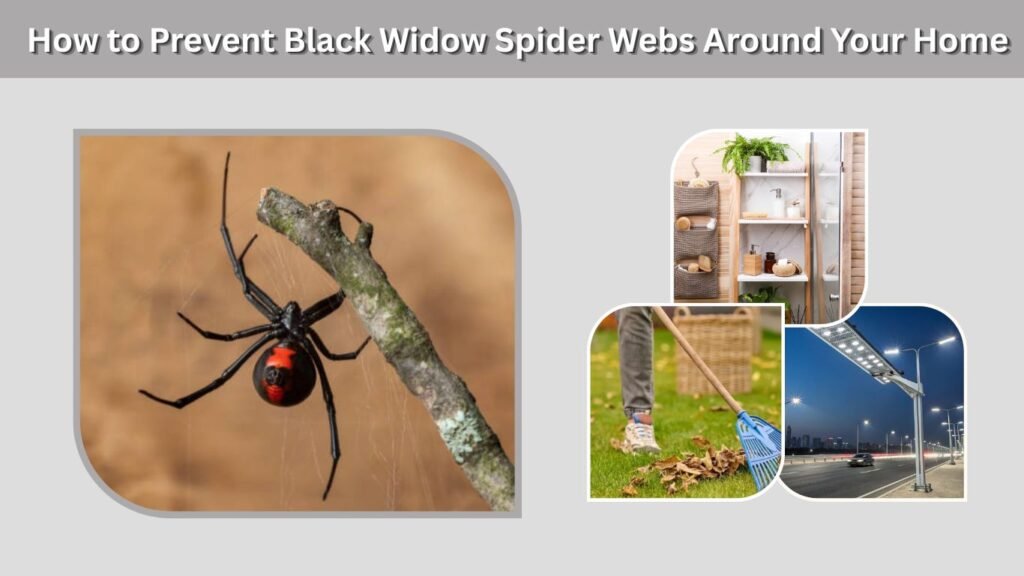
Prevention focuses on making your home and yard less attractive to black widows. Since they prefer dark, protected areas with insects, reducing clutter and food sources is key.
Regular cleaning and inspection can make a big difference.
Keep Storage Areas Organized
Garages, sheds, and basements should be cleaned regularly. Store items in sealed plastic bins instead of open cardboard boxes when possible.
Move stored items occasionally so spiders are less likely to settle in. Wear gloves when handling items that have not been moved for a long time.
Reduce Outdoor Debris
Remove piles of leaves, wood, rocks, and unused materials from around your home. Trim vegetation away from the foundation and avoid letting clutter build up near walls.
Black widows often hide where insects are abundant, so reducing pest activity also helps.
Use Caution With Outdoor Items
Check gloves, shoes, boots, toys, and patio cushions before using them if they have been stored outside. Shake them out carefully and inspect dark folds or openings.
This simple habit can help prevent accidental contact with hidden spiders.
Improve Lighting and Visibility
Dark areas attract black widows because they offer protection. Improving lighting in sheds, garages, and outdoor storage areas may make these places less inviting.
Use a flashlight when inspecting corners, under furniture, or behind stored objects.
FAQs
What does a black widow spider web look like?
A black widow spider web looks messy, tangled, and irregular. It is usually not round or symmetrical. The web is often built close to the ground in dark, quiet areas such as garages, sheds, woodpiles, crawl spaces, and outdoor storage corners.
What type of web does a black widow spider make?
A black widow spider makes a cobweb or tangle web. This type of web has sticky, uneven strands arranged in a messy three-dimensional shape. It is designed to catch crawling insects rather than flying insects in open spaces.
Where can I find pictures of black widow spider webs?
You can search for a picture of black widow spider web, image of black widow spider web, or pics of black widow spider webs to compare examples. When reviewing images, look for tangled webs in dark, low, protected areas rather than neat circular webs.
Is a black widow spider web dangerous?
The web itself is not venomous or harmful, but it may mean a black widow spider is nearby. The risk comes from accidentally disturbing the spider. Avoid touching suspicious webs with bare hands, especially in hidden areas or near egg sacs.
Should I remove a black widow spider web myself?
You can remove a suspected web carefully if you use protective gloves, tools, and caution. However, if you find multiple webs, egg sacs, or spiders inside your home, it is safer to contact a pest control professional for proper inspection and treatment.
