
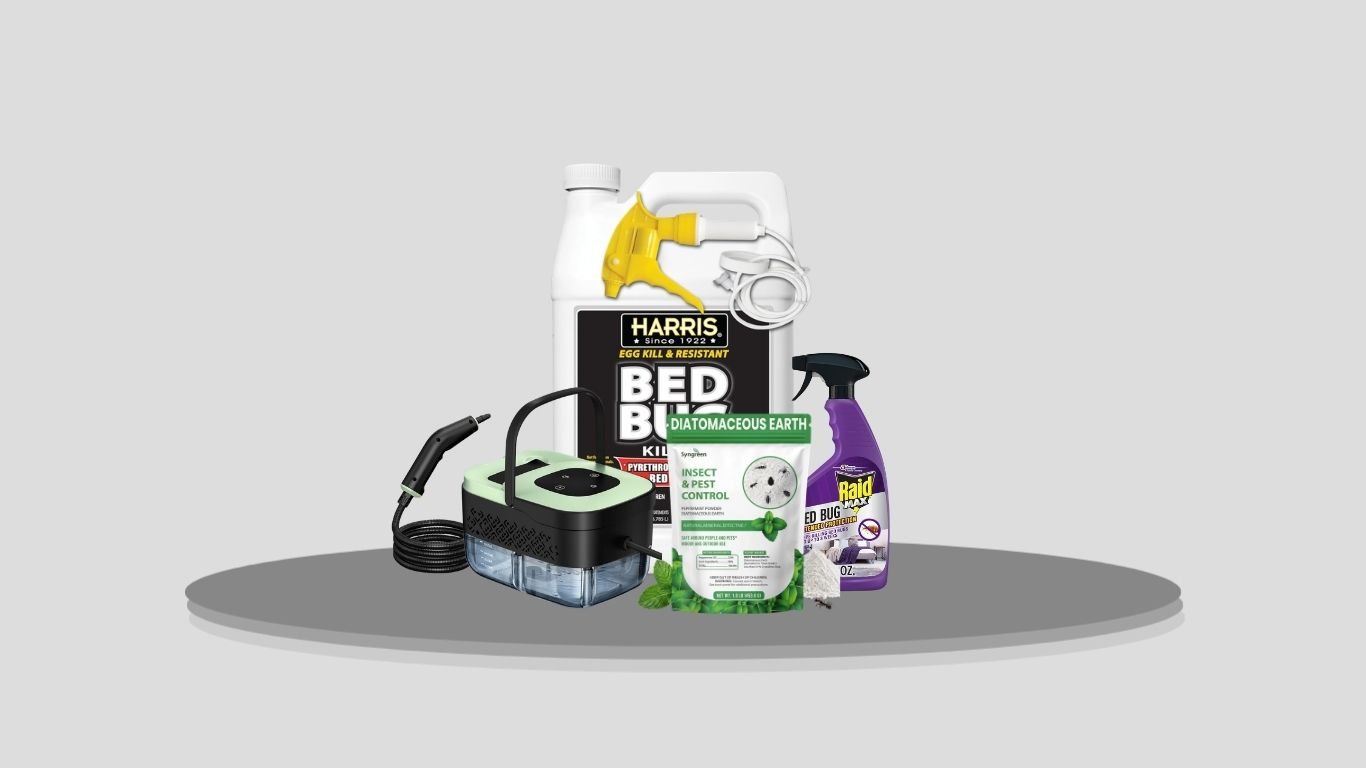
9 Best Bed Bug Extermination Products for Home Use
Bed bugs can be difficult to eliminate because they hide in mattresses, furniture seams, cracks, and other tight spaces. The most effective approach often combines … Read More
Bed bugs can be difficult to eliminate because they hide in mattresses, furniture seams, cracks, and other tight spaces. The most effective approach often combines … Read More
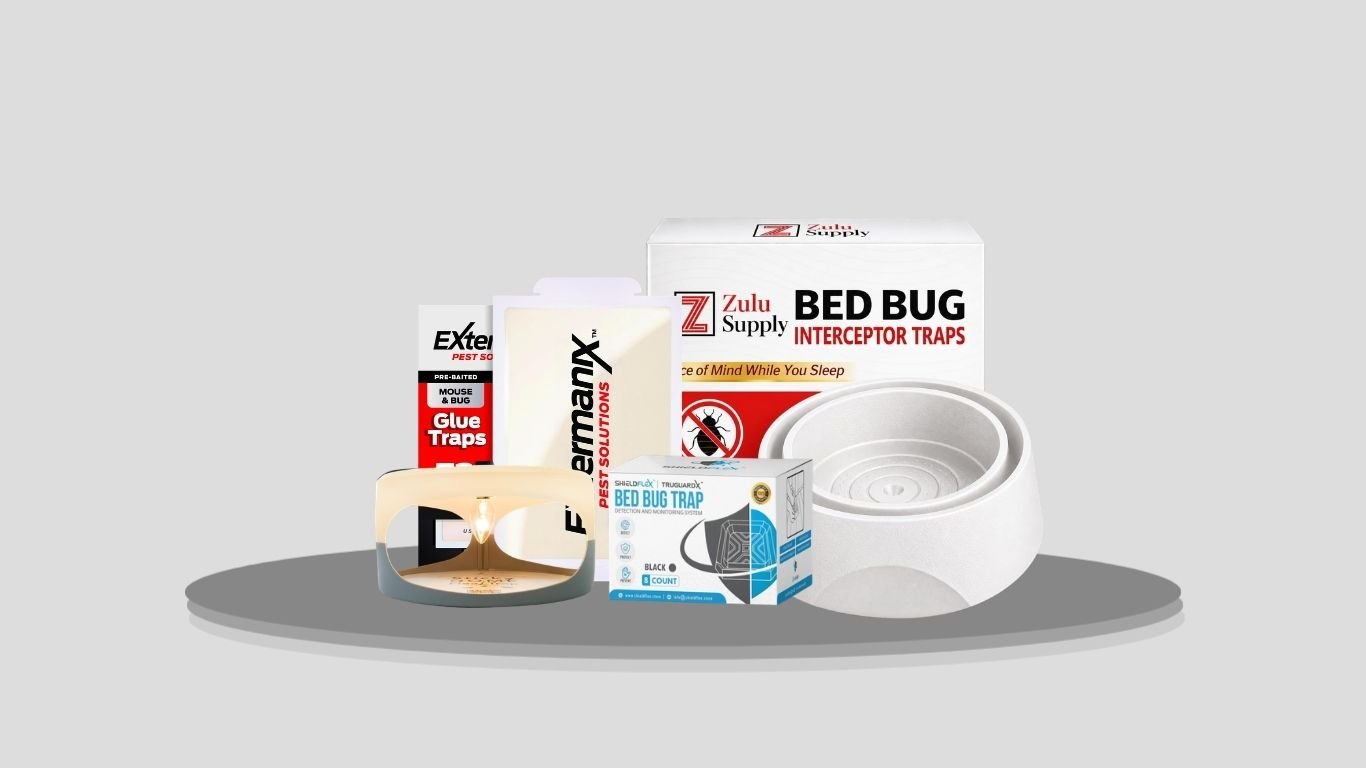
Bed bug traps can help detect activity early, monitor problem areas, and reduce the number of insects reaching beds or furniture. The best options include … Read More
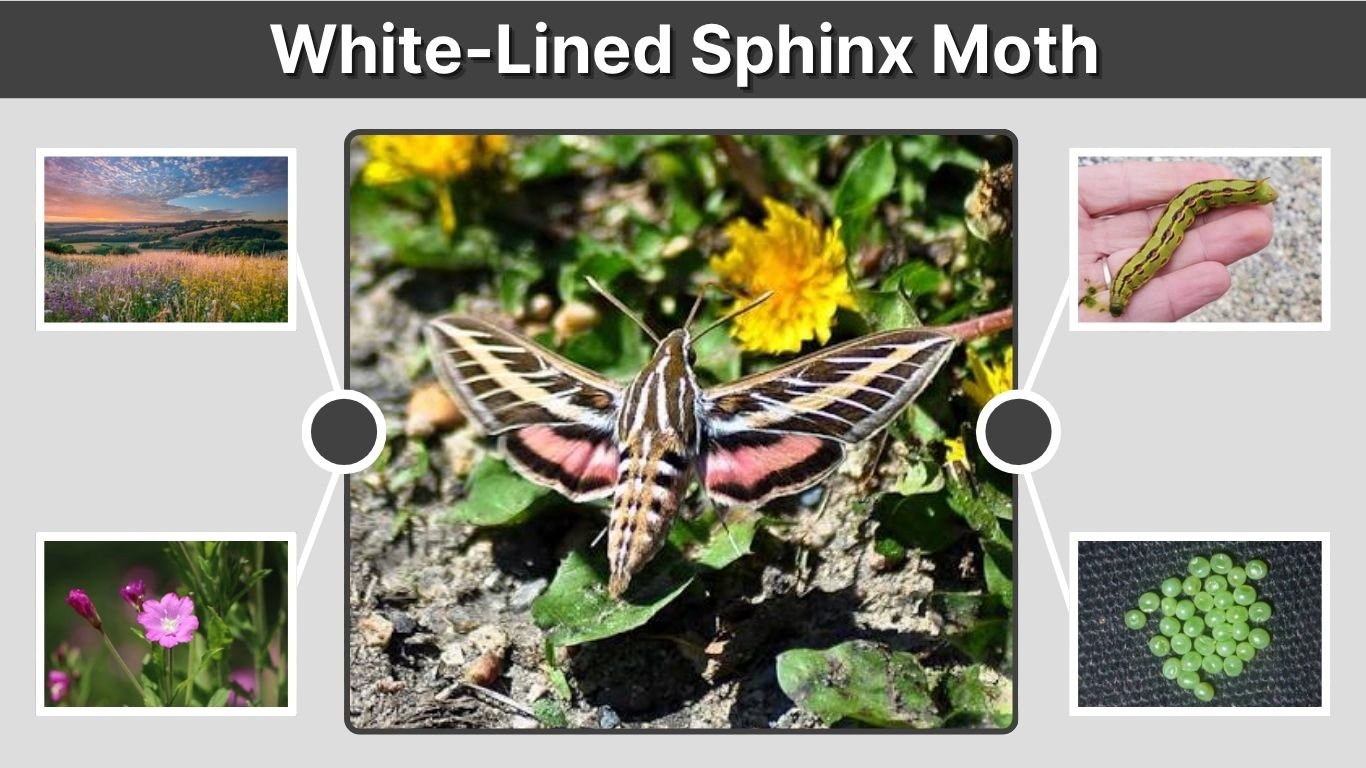
The white-lined sphinx moth (Hyles lineata) is a large, fast-flying moth found across much of North America and beyond. Its striking white-striped wings, pink hindwings, … Read More
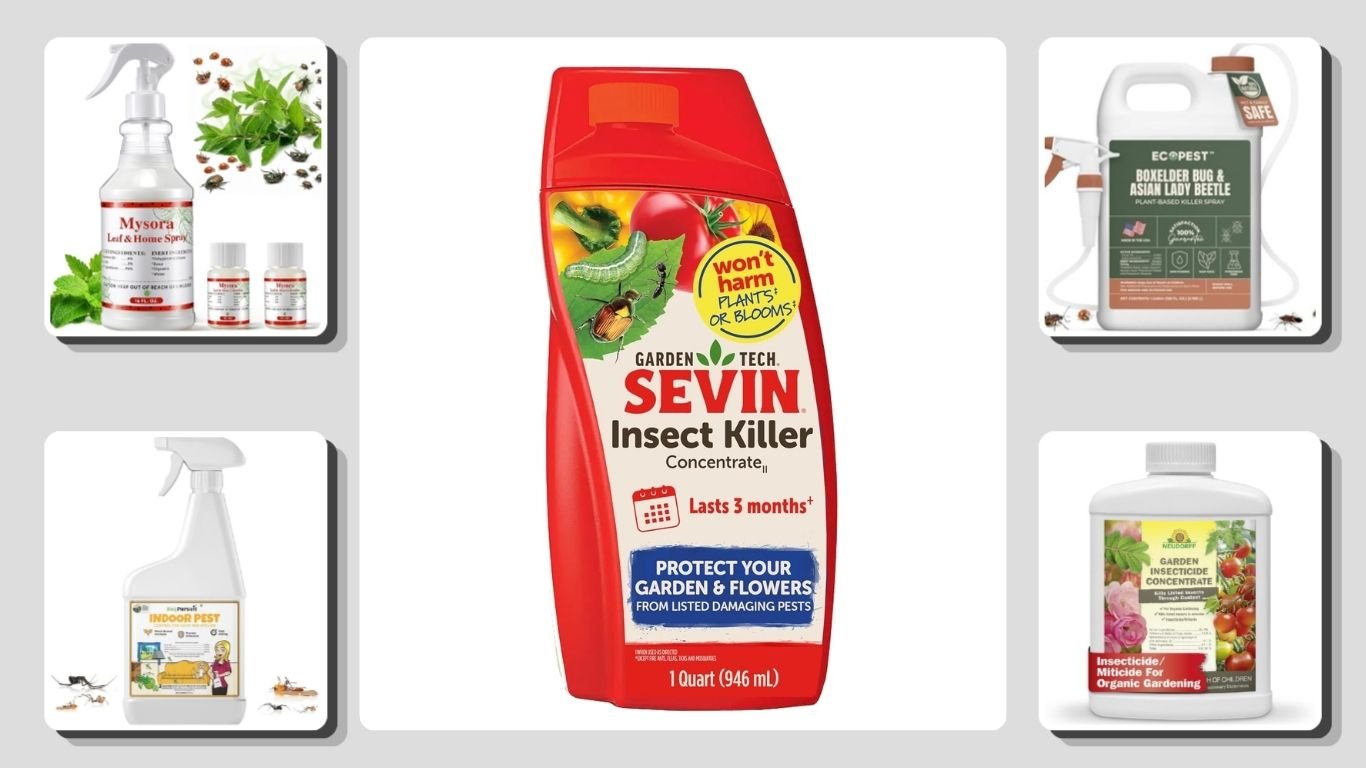
Asian lady beetles can become a frustrating seasonal pest when they gather around windows, siding, attics, and indoor living spaces. A well-chosen spray can help … Read More

Ants can quickly turn your pet’s feeding area into a frustrating mess, especially when food is left out for long periods. The best ant-proof pet … Read More
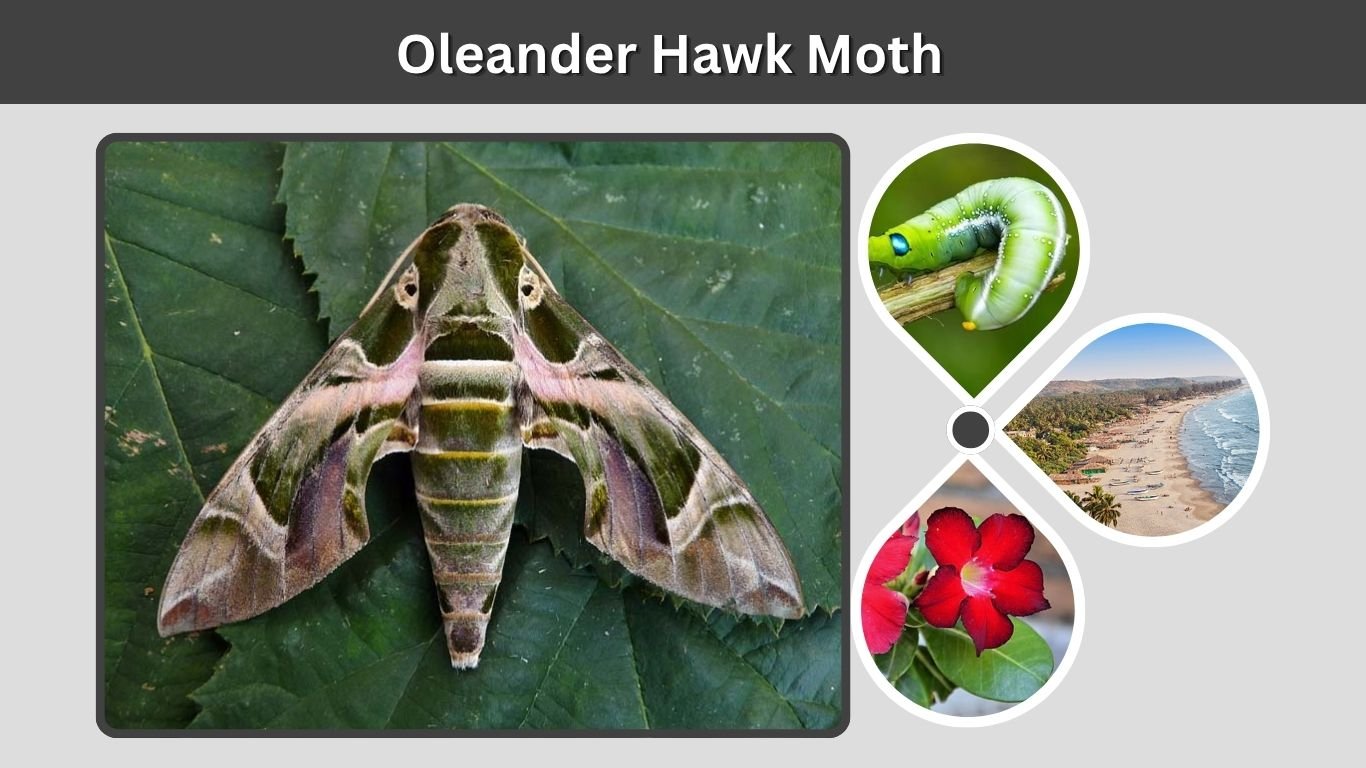
The oleander hawk moth (Daphnis nerii) is a large, striking moth recognized by its camouflage-like green wings and unusually colorful caterpillar. Found mainly across Africa … Read More
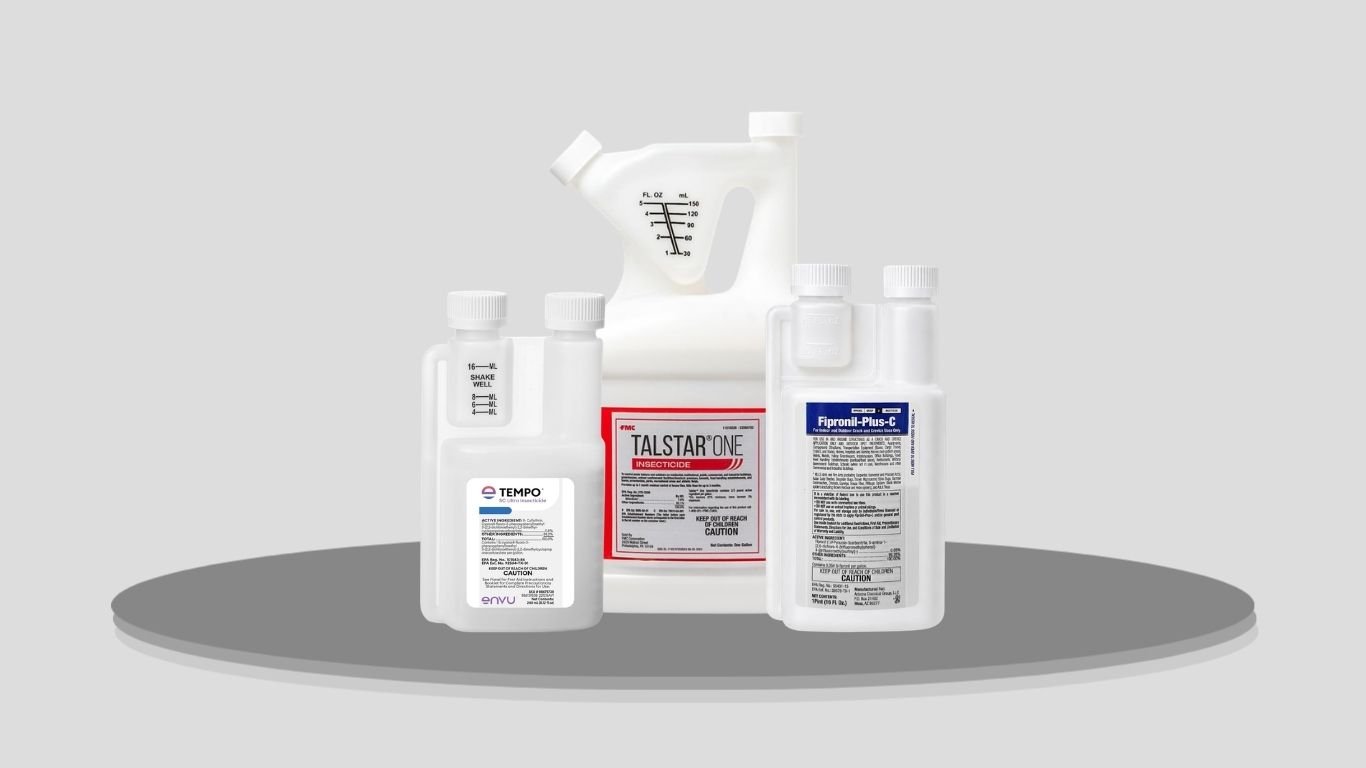
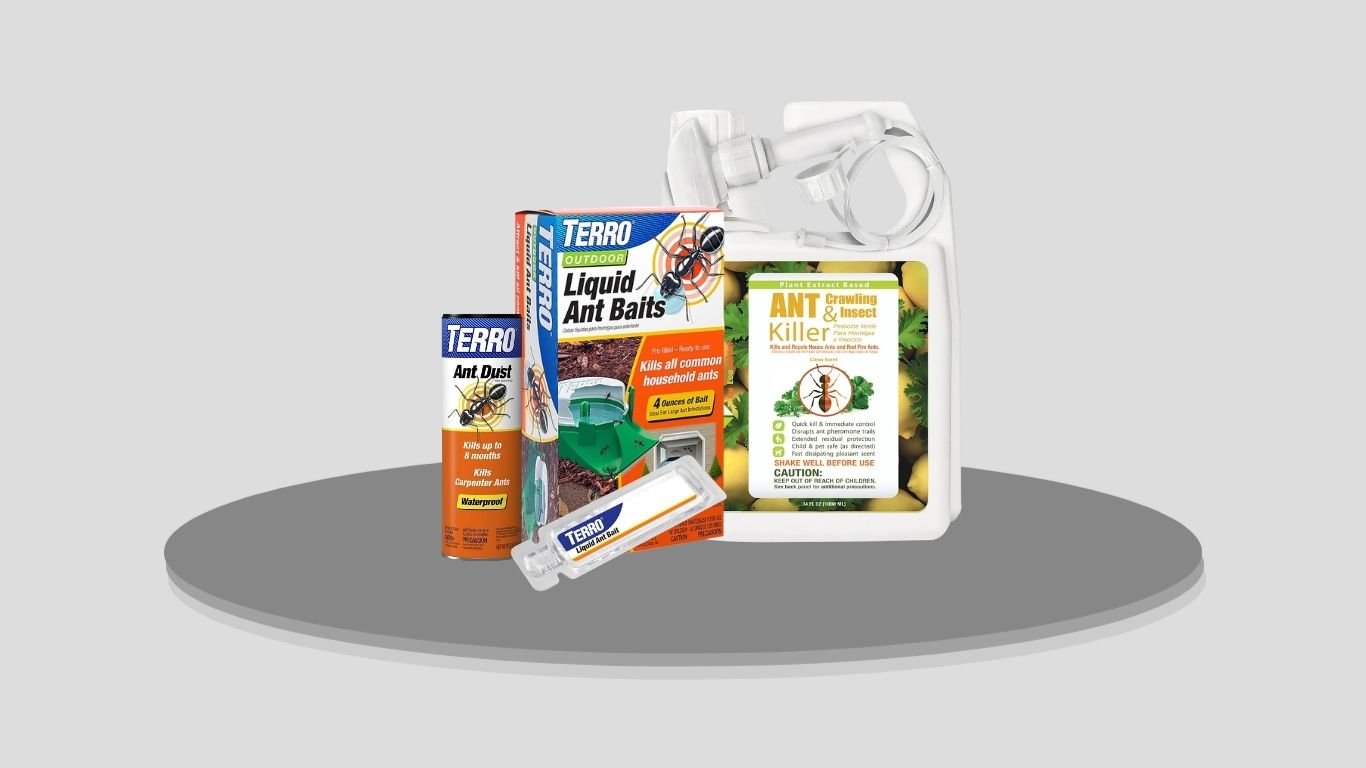
Ant infestations can quickly become difficult to manage when colonies spread around foundations, kitchens, yards, and other high-activity areas. Choosing the best ant insecticide can … Read More
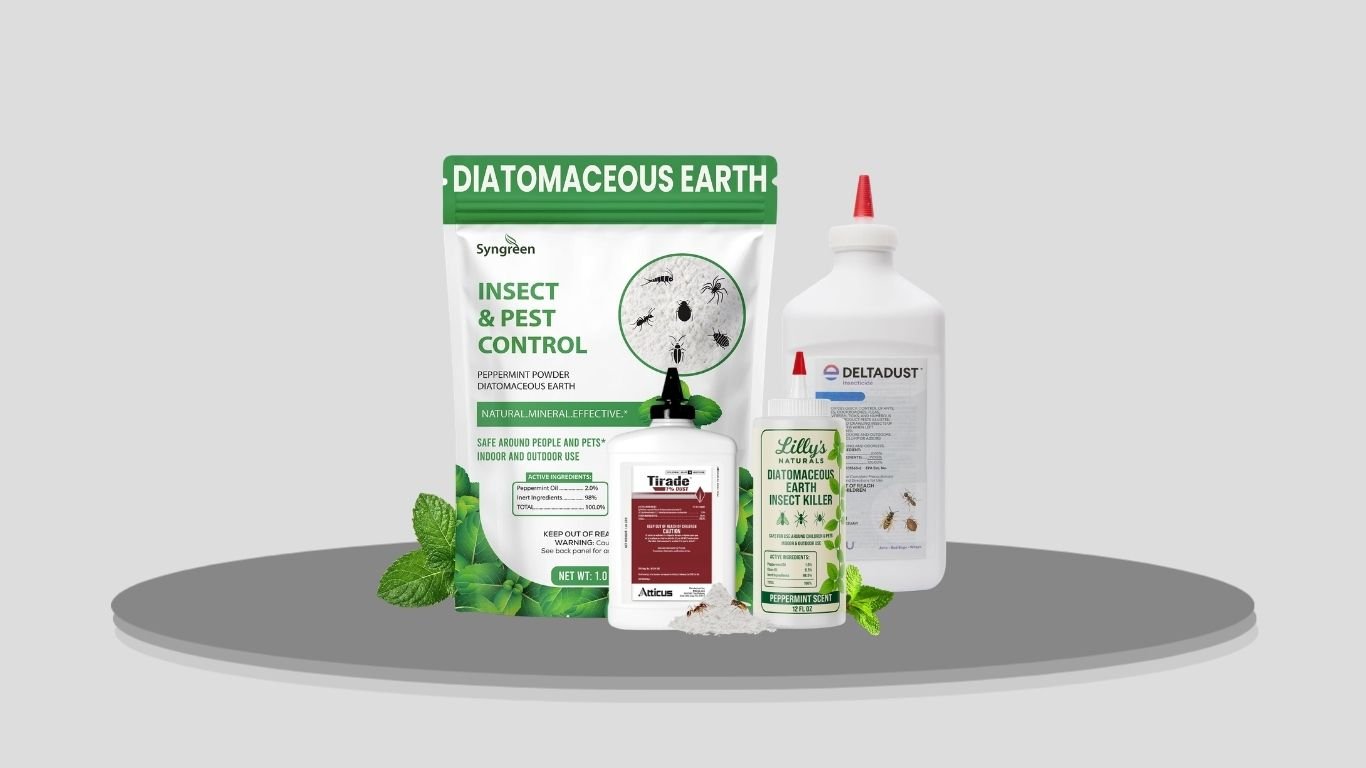
Ant killer powders can be an effective way to target ants in cracks, crevices, entry points, outdoor mounds, and other hard-to-reach areas. Depending on the … Read More
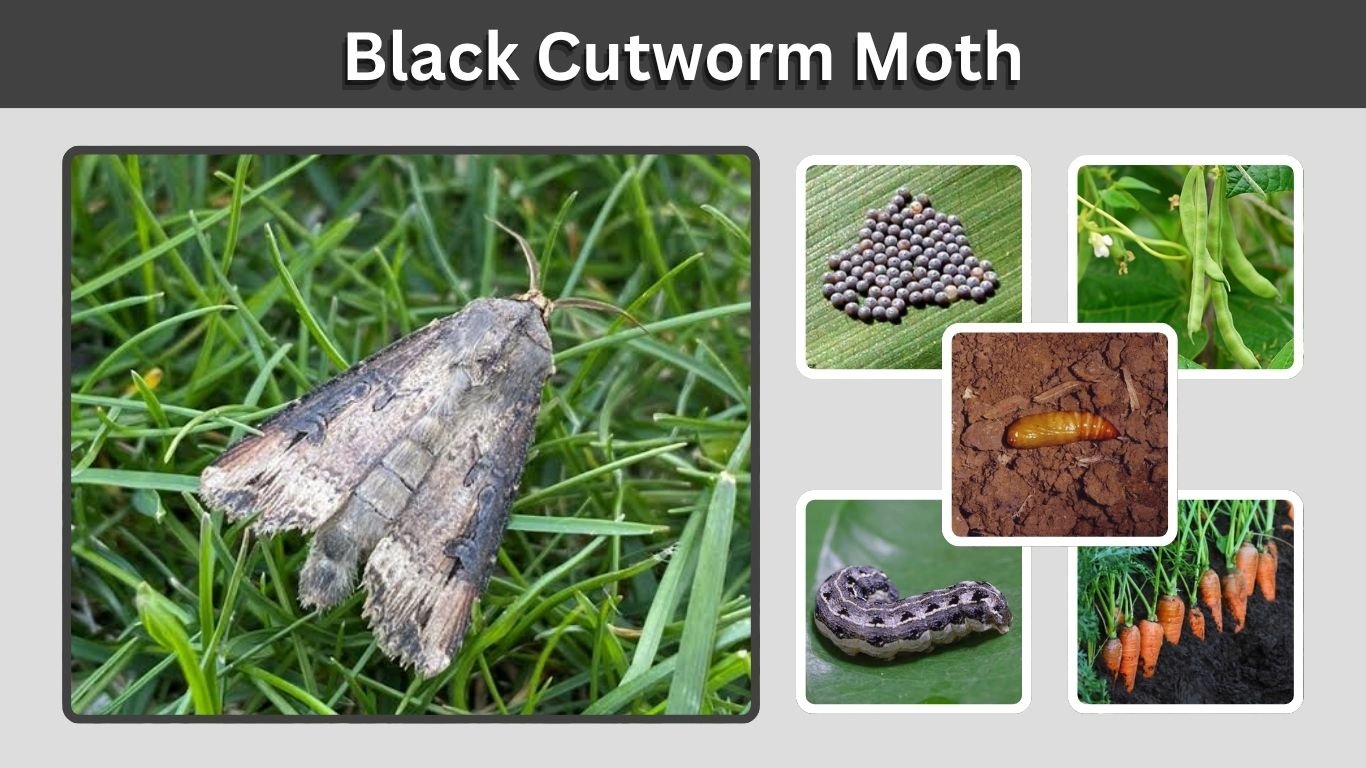
The black cutworm moth is a widespread nocturnal moth best known for the destructive caterpillar stage that attacks young crops and garden plants. Scientifically called … Read More
Fire ants can spread quickly around lawns, gardens, patios, and even indoor spaces, making effective control important before colonies become harder to manage. The best … Read More