
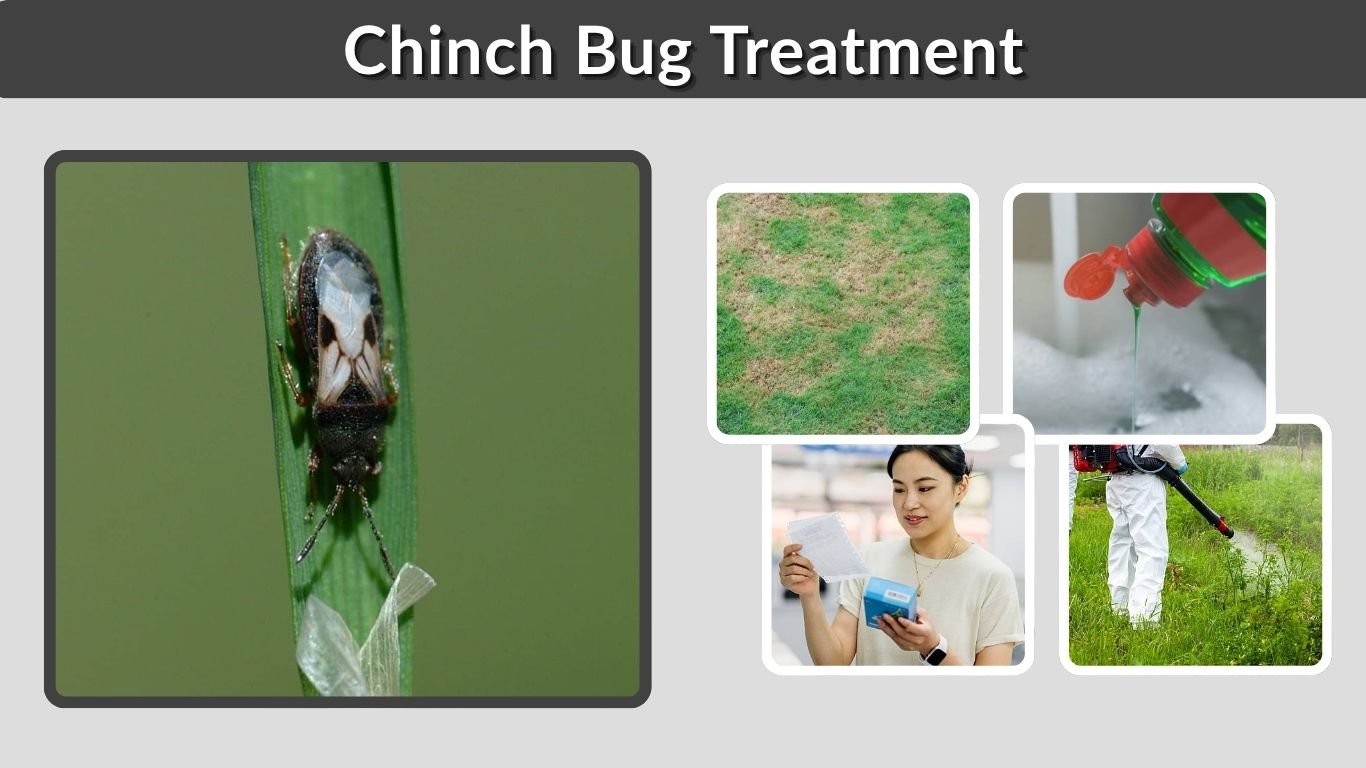
Chinch Bug Treatment: Best Ways to Save Your Lawn
Chinch bug treatment should begin only after confirming that these insects are causing the damage. Their feeding creates irregular yellow and brown patches that closely … Read More
Chinch bug treatment should begin only after confirming that these insects are causing the damage. Their feeding creates irregular yellow and brown patches that closely … Read More
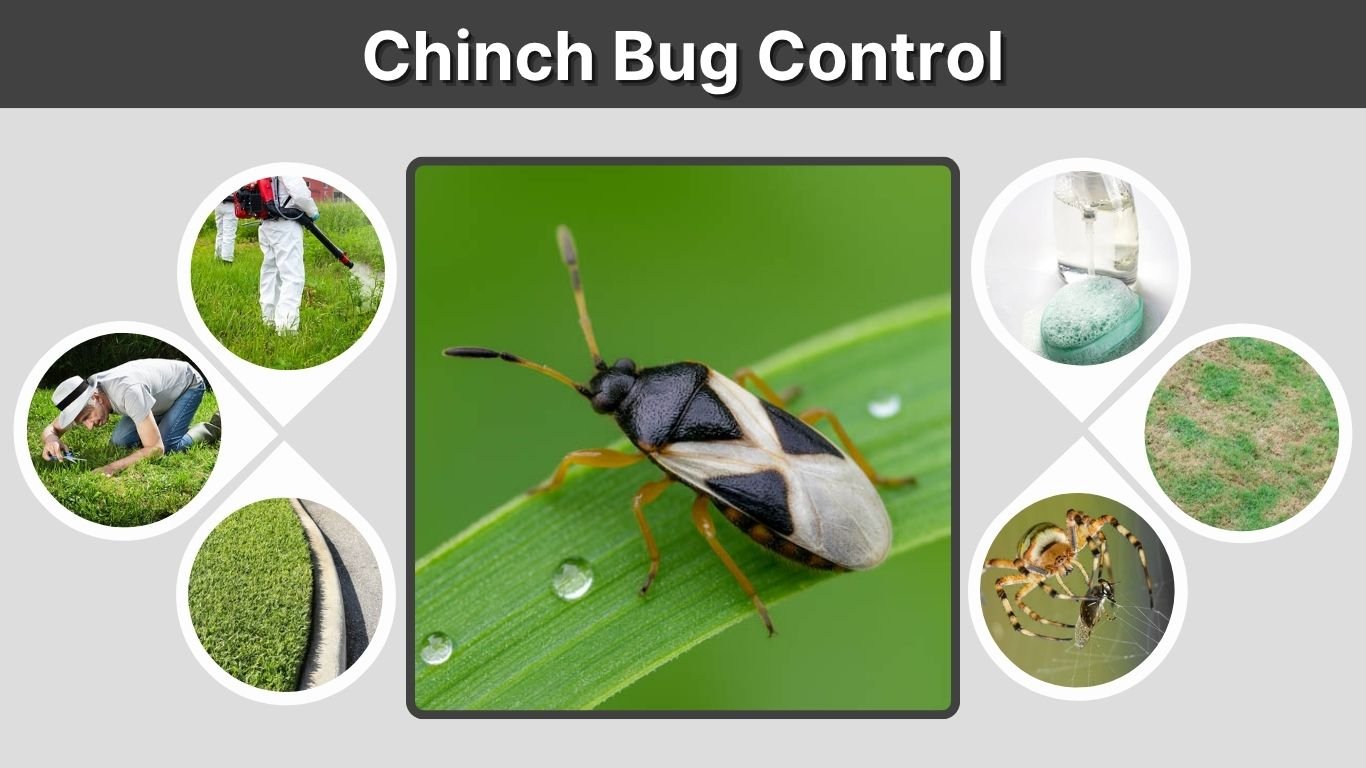
Chinch bugs are destructive turf pests that feed by piercing grass stems and removing plant fluids. Their feeding causes yellow, reddish-brown, and eventually dead patches … Read More
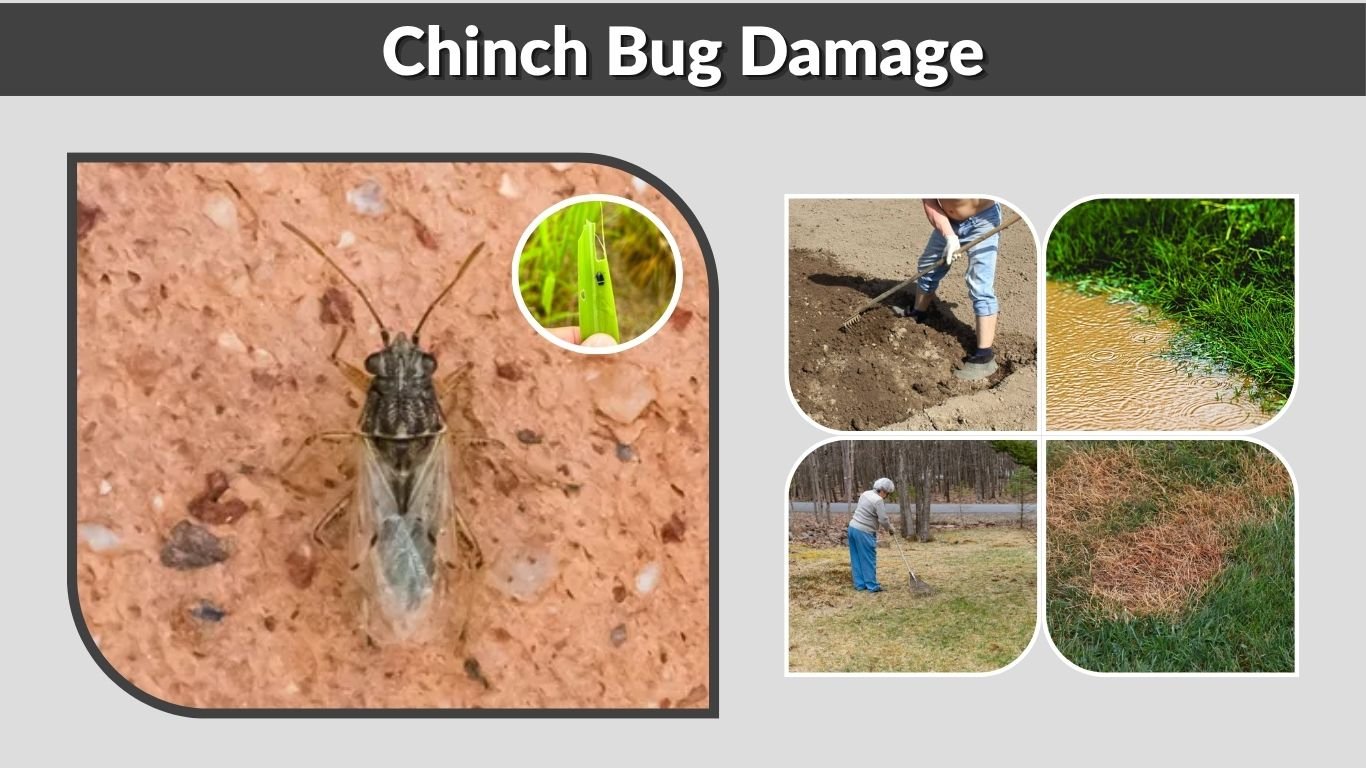
Chinch bug damage often begins as small patches of yellow, reddish-brown, or wilted grass that resemble drought stress. These patches gradually expand as the insects … Read More
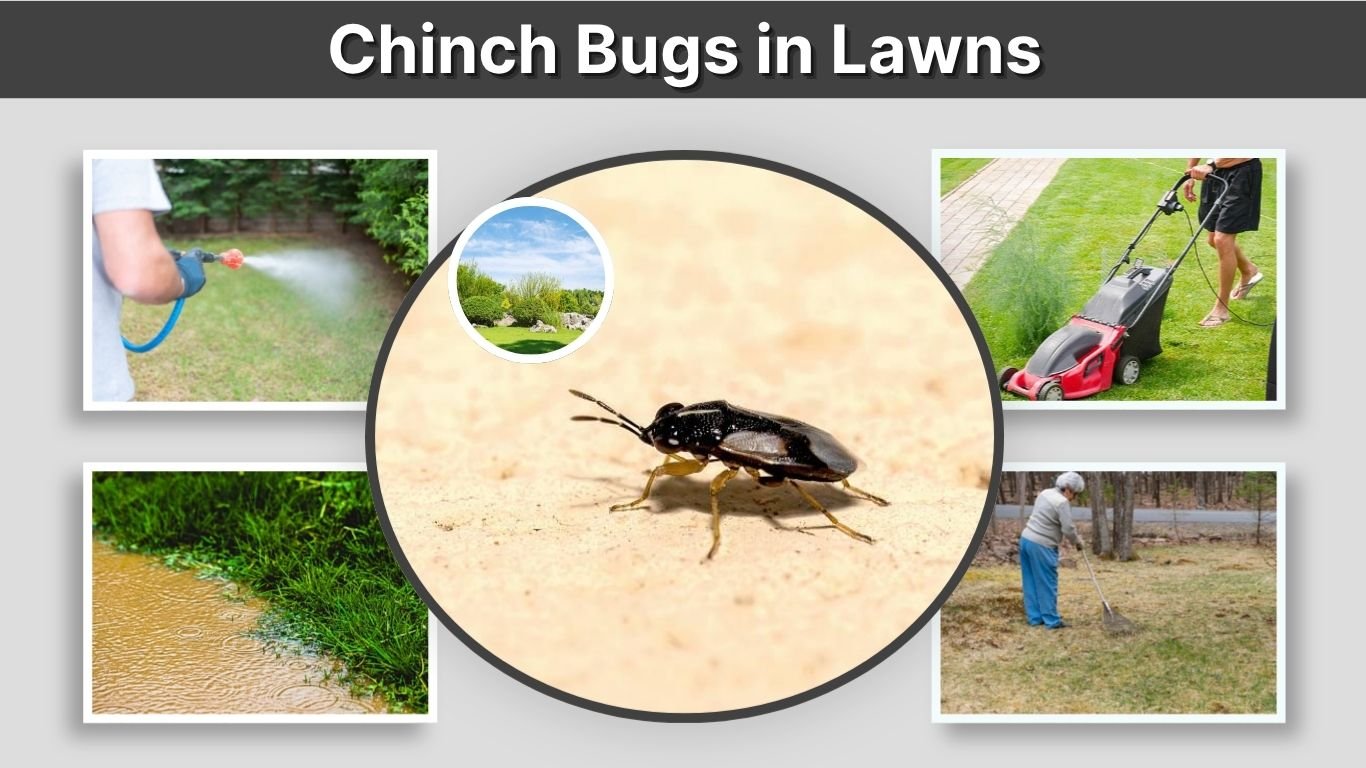
Chinch bugs are tiny lawn pests that feed on grass stems and cause expanding yellow or brown patches. Their damage often resembles drought stress, making … Read More
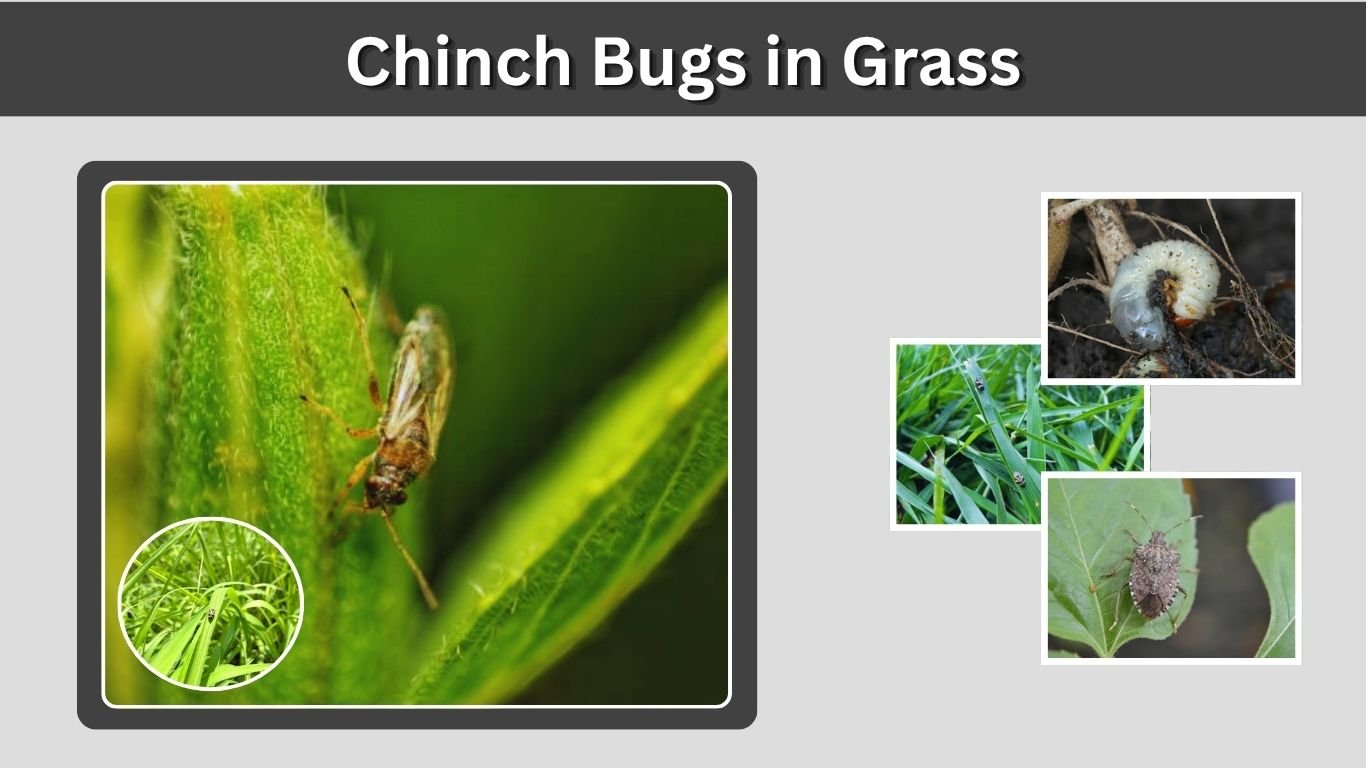
Chinch bugs are tiny lawn pests that feed near the base of grass plants, causing yellow, reddish-brown, or dead patches that often resemble drought damage. … Read More
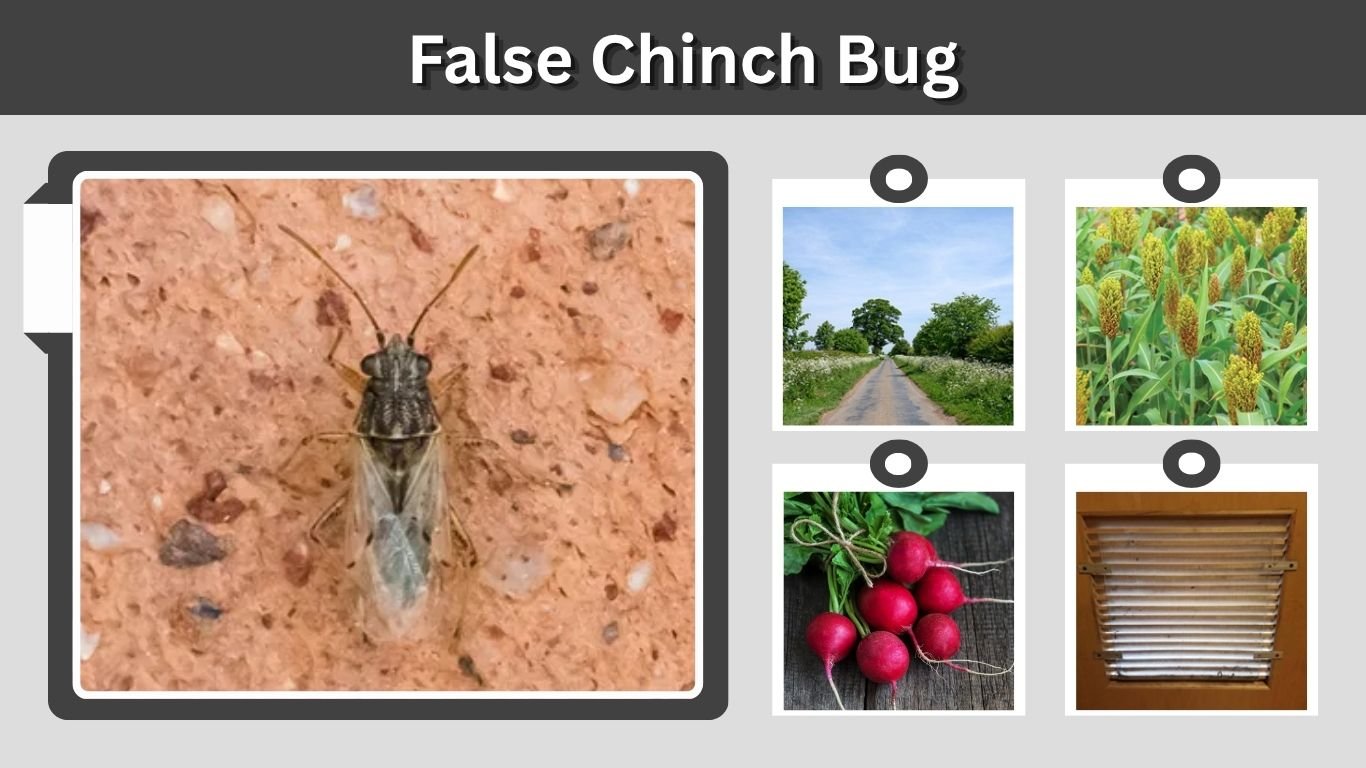
False chinch bugs are tiny gray-brown insects that often gather in enormous numbers around weeds, gardens, agricultural fields, walls, and homes. Although they resemble true … Read More
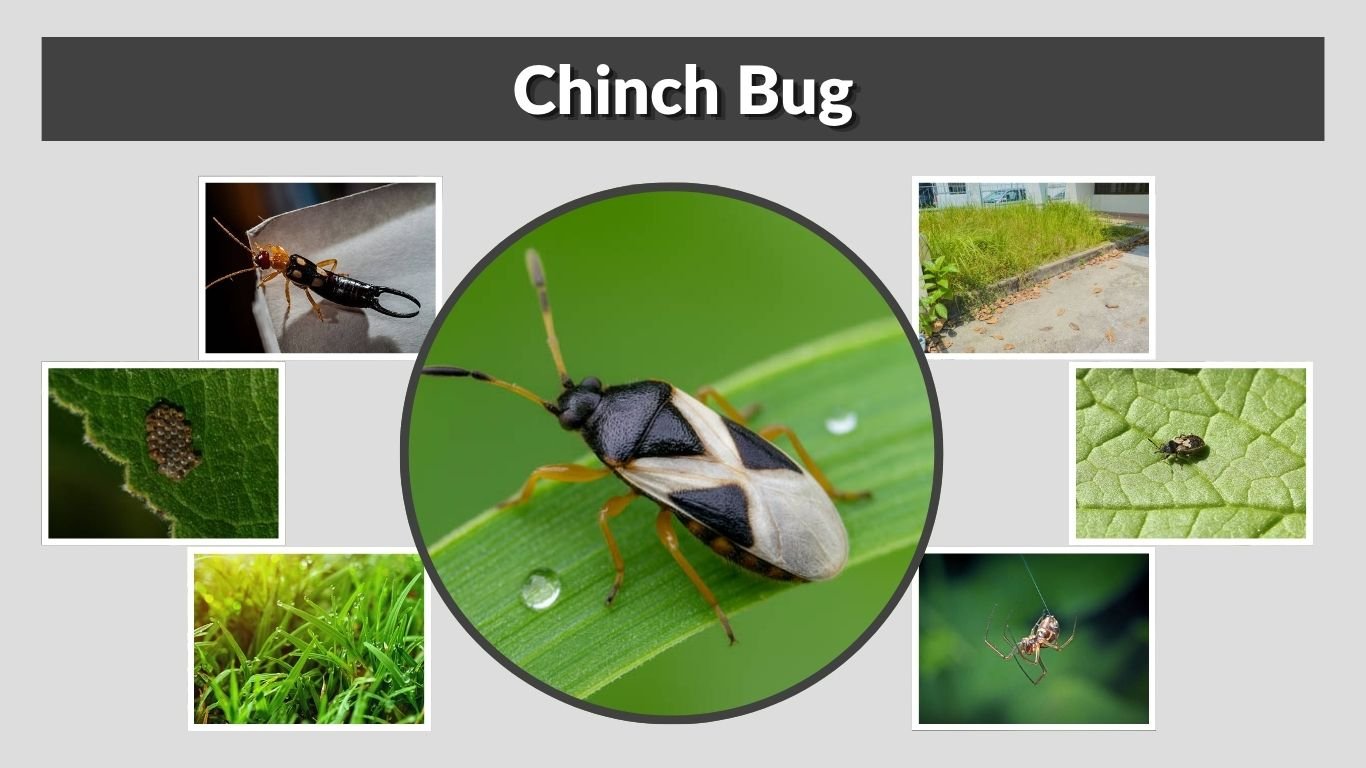
Chinch bugs are tiny plant-feeding insects best known for damaging lawns and agricultural grasses. They live close to the soil surface, hiding among grass stems, … Read More
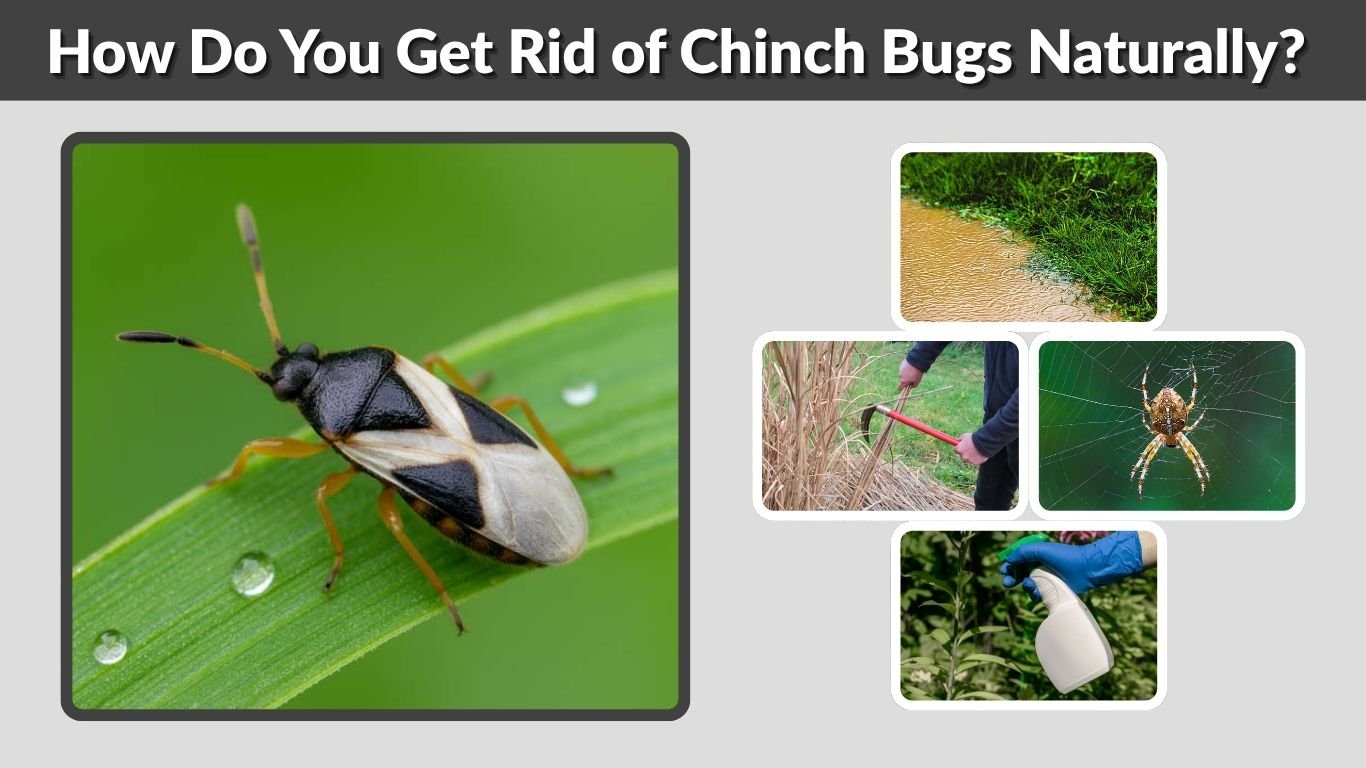
Chinch bugs are tiny lawn pests that feed on grass by piercing the blades and sucking out plant fluids. As their numbers increase, healthy turf … Read More
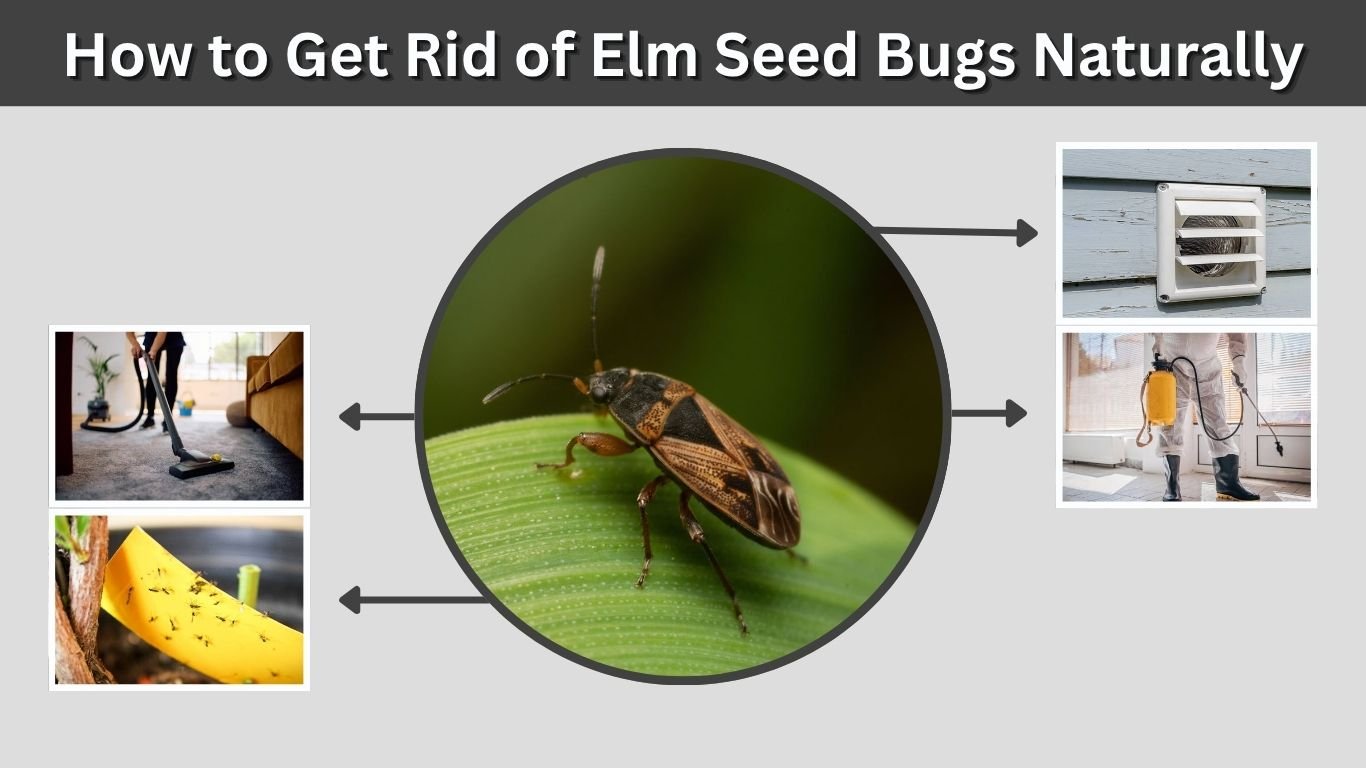
Elm seed bugs can gather on sunny walls and enter homes through gaps around windows, doors, vents, and siding. They do not reproduce indoors or … Read More
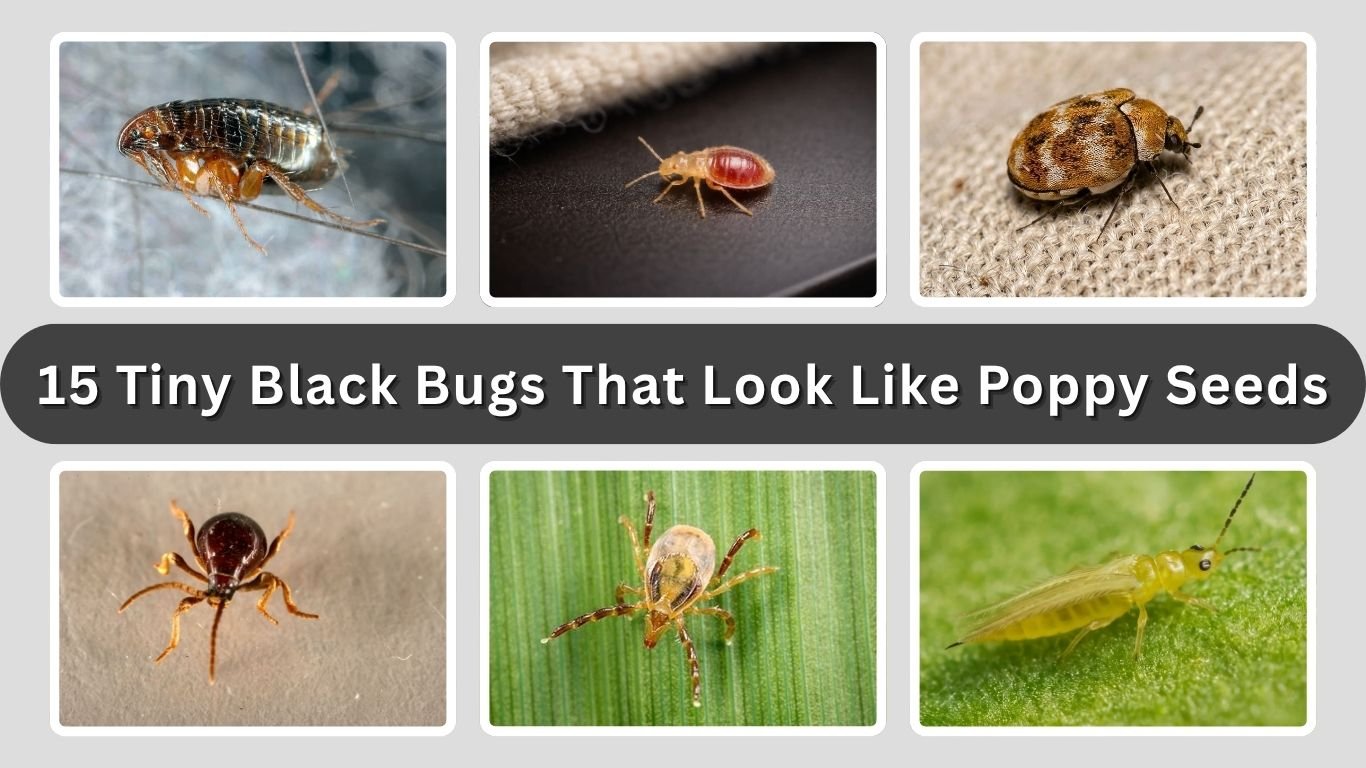
Tiny black bugs that resemble poppy seeds can appear on carpets, walls, windowsills, pantry shelves, houseplants, bedding, or pets. Some may jump, crawl, fly, or … Read More