
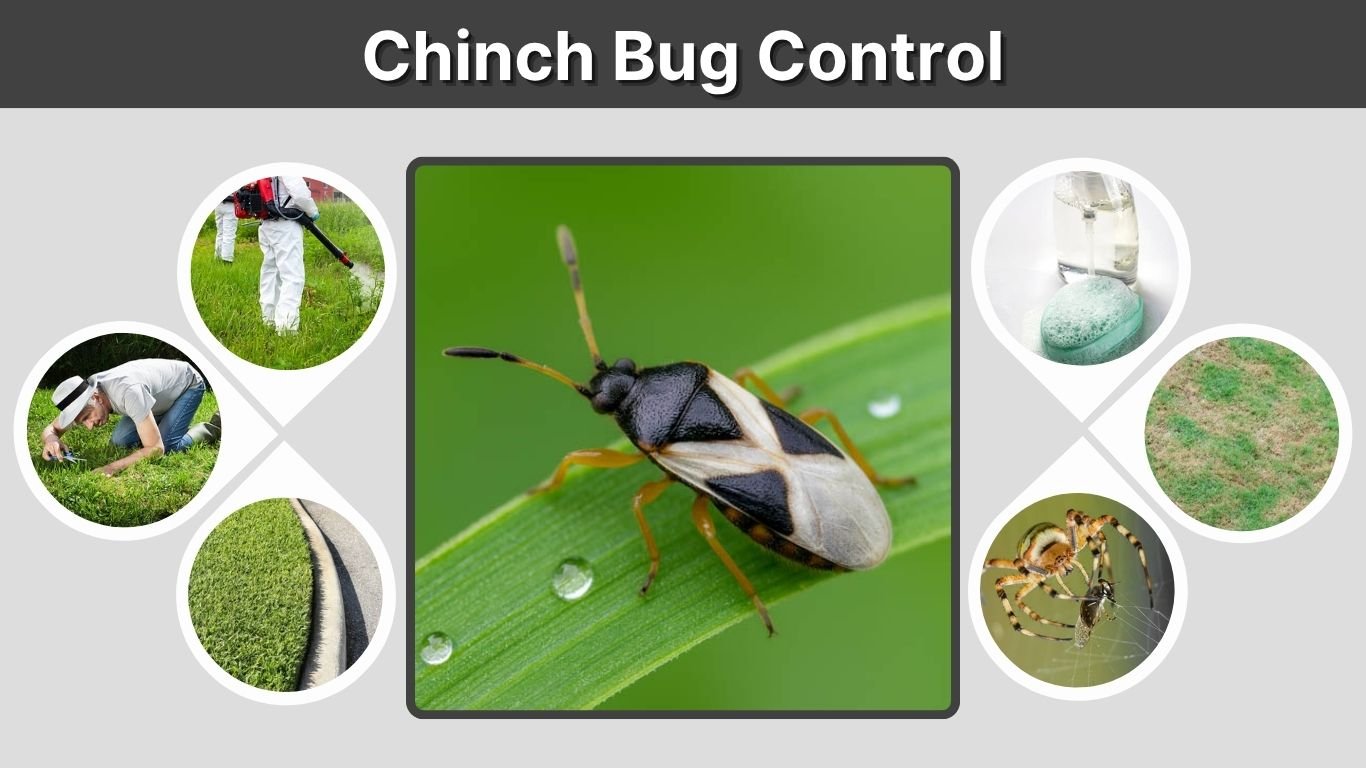
Chinch bugs are destructive turf pests that feed by piercing grass stems and removing plant fluids. Their feeding causes yellow, reddish-brown, and eventually dead patches that can spread rapidly during warm weather. Southern chinch bugs are particularly damaging to St. Augustine grass, although they may also feed on zoysia, centipede, Bahia, and Bermuda grass.
Successful chinch bug control starts with confirming the insect’s presence. Drought, fungal diseases, poor irrigation, grubs, and fertilizer damage can create similar brown patches. Treating without identification wastes money, may harm beneficial insects, and can contribute to insecticide resistance.
How to Identify Chinch Bugs
Adult southern chinch bugs are approximately 3/16 inch long. They have black bodies and white wings marked with dark triangular patches. Young nymphs are smaller and reddish-orange with a white band across the back. Older nymphs gradually darken as they mature.
Both adults and nymphs usually remain in the thatch, around grass crowns, and near the soil surface. They use needle-like mouthparts to feed on stems and stolons.
Common Signs of Chinch Bug Damage
Look for these symptoms:
- Irregular yellow patches that become reddish-brown
- Grass that appears dry despite adequate irrigation
- Damage expanding into nearby healthy turf
- Problems concentrated in sunny, hot areas
- Brown patches beside sidewalks, driveways, and buildings
- Small insects moving through thatch at the damage boundary
- St. Augustine grass declining during warm weather
Chinch bug injury frequently begins in full-sun areas where the grass is already affected by heat or uneven irrigation. The insects feed in groups and move into adjacent healthy grass after severely damaging one section.
Confirm the Infestation Before Treatment
Do not assume that every dry-looking lawn patch contains chinch bugs. Test the transition zone where damaged grass meets healthy green turf because actively feeding insects are more likely to be found there.
Coffee-Can Flotation Test
Remove both ends of a large metal can and push one end approximately two to three inches into the soil at the edge of the damaged area. Slowly fill the can with water and maintain the water level above the grass.
Watch the surface for approximately five minutes. Chinch bugs should float upward if they are present. Test three or four different locations when the first attempt produces no insects.
You can also part the grass with your fingers and inspect the thatch, stems, and stolons. Look for both black-and-white adults and reddish nymphs. Finding insects in different life stages provides stronger evidence than finding one unfamiliar bug.
Best Chinch Bug Control Methods
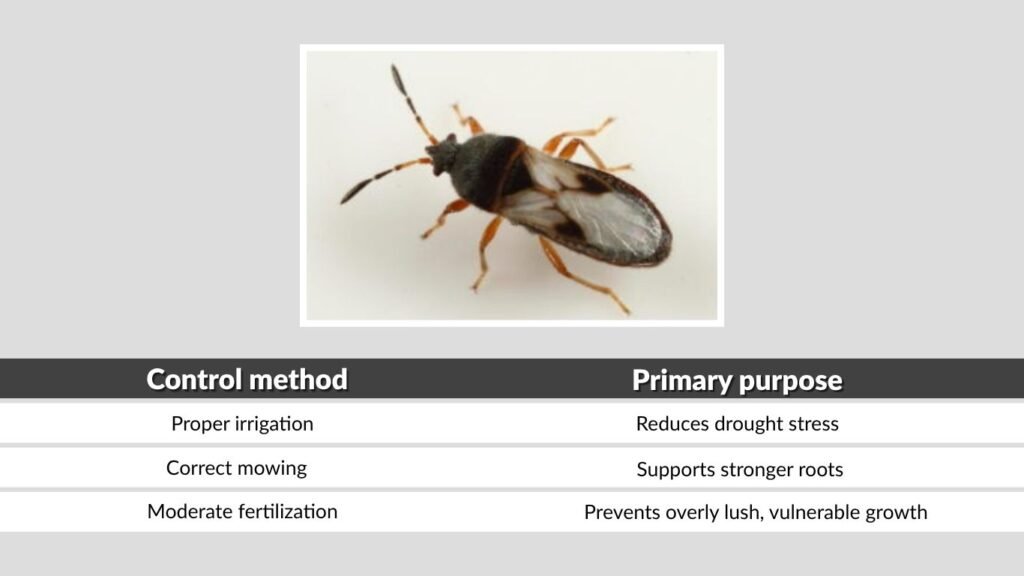
An integrated approach combines healthy lawn care, regular monitoring, targeted treatment, and follow-up inspection. Applying insecticide across the entire property without confirming an active infestation is unnecessary and may kill natural predators.
| Control method | Primary purpose |
| Proper irrigation | Reduces drought stress |
| Correct mowing | Supports stronger roots |
| Moderate fertilization | Prevents overly lush, vulnerable growth |
| Thatch management | Reduces hiding places |
| Targeted insecticide | Suppresses confirmed infestations |
| Follow-up inspection | Detects surviving bugs and new nymphs |
Improve Lawn Health First
Healthy turf tolerates feeding better than stressed grass. Cultural control will not always eliminate an established population, but it can reduce damage and make recurring infestations less likely.
Water Correctly
Check whether irrigation reaches the entire affected area before blaming insects. Dry zones beside pavement often develop because sprinkler coverage is poor or heat causes faster moisture loss.
Water deeply when the grass begins showing signs of wilt rather than watering lightly every day. However, avoid excessive irrigation. Constantly wet turf can develop shallow roots, thatch, and disease problems.
Mow at the Proper Height
St. Augustine grass should generally be maintained at approximately three to four inches. Mow frequently enough that no more than one-third of the grass blade is removed at one time.
Keep mower blades sharp. Ragged cuts increase stress and slow recovery. Cutting St. Augustine grass too short weakens its root system and makes existing chinch bug damage more severe.
Avoid Excess Nitrogen
Heavy applications of quick-release nitrogen create soft, rapid growth that may increase the lawn’s susceptibility to chinch bugs. Use fertilizer according to local turf recommendations and soil conditions.
More fertilizer will not revive grass that has been killed by chinch bugs. Excessive fertilization can instead increase thatch and create additional lawn-management problems.
Manage Excessive Thatch
A moderate thatch layer is normal, but thick thatch provides shelter and can prevent water or treatment from reaching the area where chinch bugs feed.
Dethatching should be performed only when buildup is excessive and during a period when the grass can recover. Aggressive dethatching of already stressed turf may cause additional damage.
Natural and Organic Chinch Bug Control
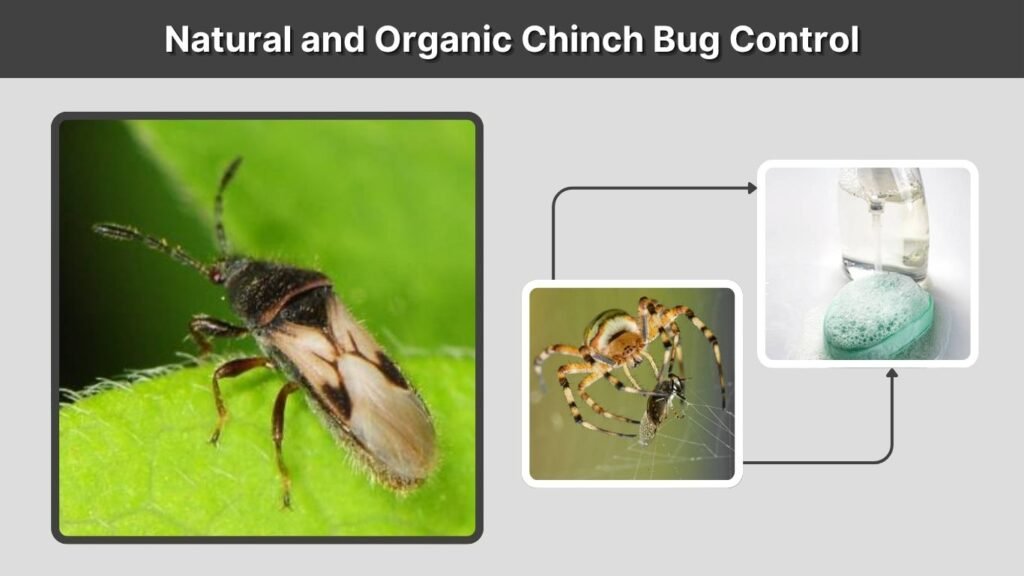
Natural management focuses on reducing lawn stress and protecting predators such as big-eyed bugs, spiders, predatory earwigs, and other insects that feed on chinch bugs.
These predators can help suppress populations, but they may not control a severe infestation by themselves. Broad, repeated pesticide applications can reduce beneficial insects along with the target pest.
Can Beneficial Nematodes Control Chinch Bugs?
Beneficial nematodes are useful against certain soil-dwelling pests, but chinch bugs primarily live and feed around stems, crowns, and thatch. Results can therefore be inconsistent.
Do not assume a general lawn nematode product will control chinch bugs. Use one only when its label specifically includes the pest and local extension guidance supports its use under your conditions.
Are Home Remedies Effective?
Dish-soap solutions can help flush insects to the surface for identification, but repeated or concentrated soap applications may injure grass. They should not be treated as a dependable cure for a large infestation.
Excessive applications of vinegar, bleach, detergent, essential oils, or other homemade mixtures can burn turf, affect soil organisms, and still fail to reach chinch bugs protected in the thatch.
Chemical Chinch Bug Control
Use an insecticide only after confirming an active population. Select a product legally labeled for chinch bugs, lawns, and your specific grass type. Follow the application rate, protective-equipment directions, watering instructions, and reentry period printed on the label.
Treat the affected area and a reasonable band of surrounding healthy turf, where bugs may be moving. Complete coverage is important because contact products must reach insects hiding around grass crowns and thatch.
Granular vs. Liquid Products
Liquid treatments can provide thorough coverage when correctly mixed and applied. Granular products may be easier to distribute, but some must be watered into the target zone after application.
The product label determines whether irrigation is required. Watering at the wrong time may reduce the effectiveness of a contact treatment or prevent another product from reaching its intended location.
Prevent Insecticide Resistance
Southern chinch bugs have a documented history of developing resistance to commonly used insecticides. Recent UF/IFAS guidance reports resistance to multiple chemical classes, including pyrethroids and neonicotinoids, in some populations. Repeatedly applying the same type of insecticide may leave resistant bugs alive to reproduce.
Do not respond to poor control by repeatedly increasing the dose. Never exceed the label rate. A professional can confirm whether application failure resulted from resistance, incorrect identification, poor coverage, weather, or another lawn problem.
Chinch Bug Control in St. Augustine Grass
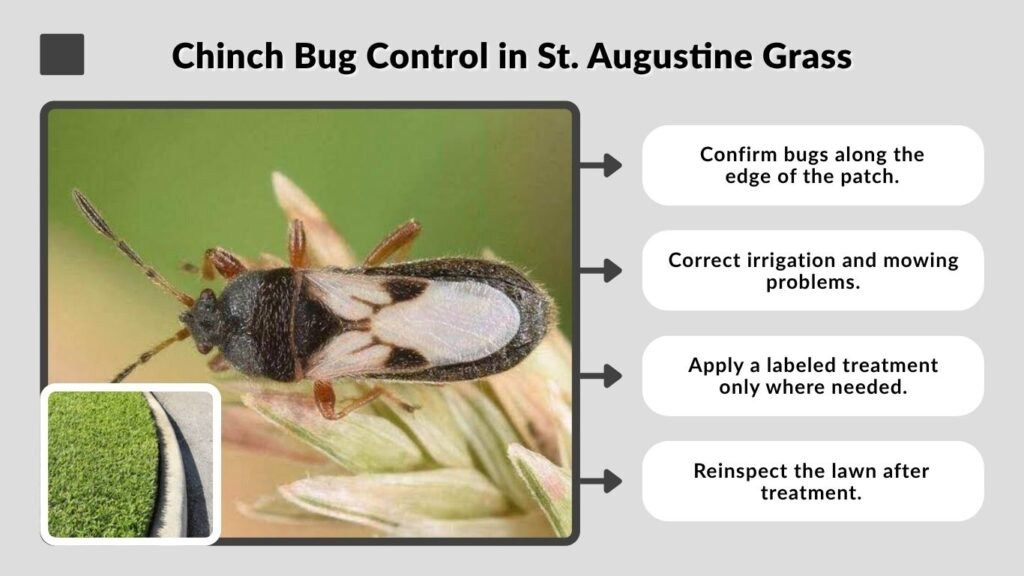
Southern chinch bugs are most strongly associated with St. Augustine grass in Florida and other warm southern regions. Damage can be serious from spring through fall and may continue during unusually warm winter periods.
For St. Augustine lawns:
- Confirm bugs along the edge of the patch.
- Correct irrigation and mowing problems.
- Apply a labeled treatment only where needed.
- Reinspect the lawn after treatment.
- Avoid repeatedly using one insecticide class.
- Repair dead turf only after controlling active bugs.
Dead grass will not immediately turn green after successful treatment. Recovery depends on whether stolons and crowns remain alive. Completely dead sections may require plugs or new sod.
Florida Chinch Bug Control
Florida’s warm climate allows southern chinch bugs to remain active for much of the year. Severe damage is commonly associated with hot, sunny, water-stressed areas. St. Augustine grass is their primary host and Florida populations have shown significant insecticide-resistance problems.
Florida homeowners should use current UF/IFAS recommendations or work with a licensed lawn-care professional. Older online recommendations may list products or treatment strategies that are no longer effective, locally appropriate, or legally available.
False Chinch Bug Control
False chinch bugs are different from turf-damaging chinch bugs. They commonly feed on weeds and plants in the mustard family and may migrate in enormous numbers during hot, dry weather.
When they enter buildings, they do not bite, reproduce indoors, or damage household materials. Indoor migrations are usually temporary, and insecticides often provide little benefit. Seal entry gaps and remove the insects with a vacuum instead.
When to Hire Professional Pest Control
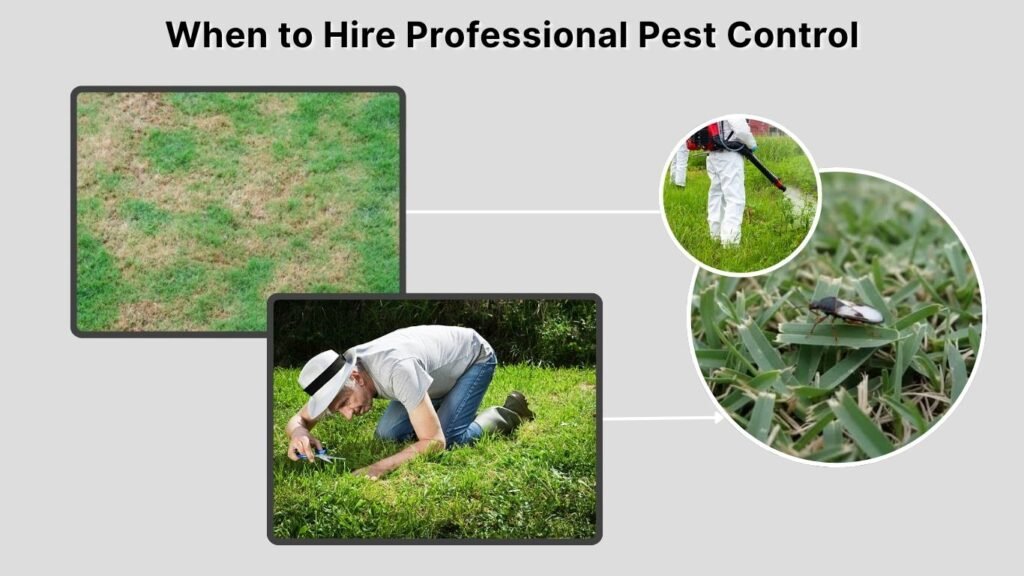
Professional assistance is useful when:
- Damage continues after correctly applied treatment
- Large sections of turf are affected
- You cannot identify the insect
- Infestations return repeatedly
- The lawn may contain resistant chinch bugs
- Several diseases or pests may be present
- Treatment requires restricted professional products
A lawn professional should inspect the turf and confirm active insects rather than automatically applying a routine cover spray.
FAQs
What Is the Fastest Way to Control Chinch Bugs?
Confirm the infestation, correct drought stress, and apply a properly labeled treatment to the active damage boundary. Targeting the insects and surrounding turf is more effective than treating dead grass alone.
Will Watering Get Rid of Chinch Bugs?
Proper watering helps stressed grass tolerate damage, but irrigation alone may not eliminate an established infestation. Overwatering can create other lawn problems, so correct sprinkler coverage and timing rather than flooding the area.
Can Grass Recover After Chinch Bug Damage?
Grass can recover when crowns and stolons remain alive. Severely browned sections with dead growing points may require plugs or sod after the insects have been controlled.
Do Chinch Bugs Return Every Year?
They can return, especially where St. Augustine grass remains stressed or previous populations survived. Regularly inspect sunny areas near pavement before patches become large.
Does Grub Control Kill Chinch Bugs?
Not necessarily. Grubs live below the soil and chinch bugs feed primarily around grass stems and thatch. A product labeled only for grubs should not be assumed to control chinch bugs.
