
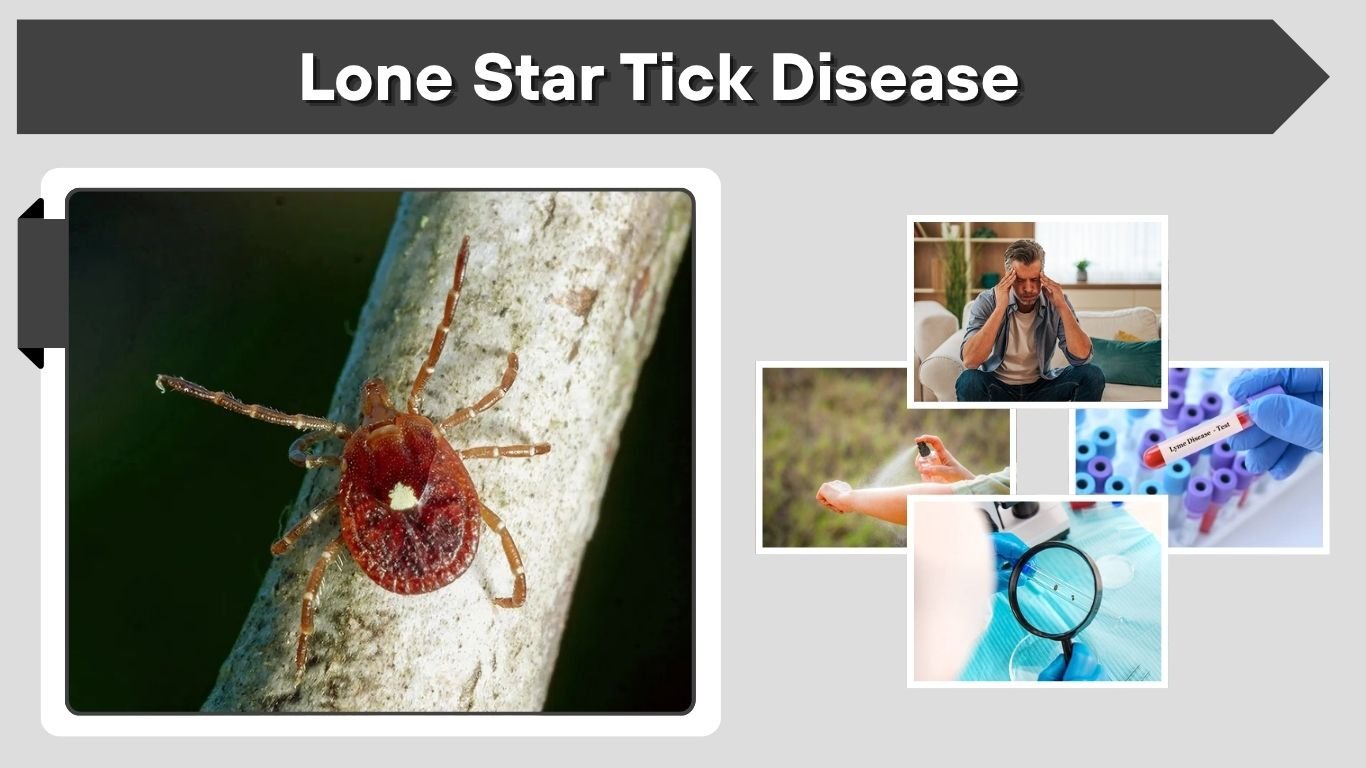
Lone Star Tick Disease: Symptoms, Risks and Treatment
A lone star tick bite can expose people to several illnesses, but there is no single condition called “lone star tick disease.” These aggressive ticks … Read More
A lone star tick bite can expose people to several illnesses, but there is no single condition called “lone star tick disease.” These aggressive ticks … Read More
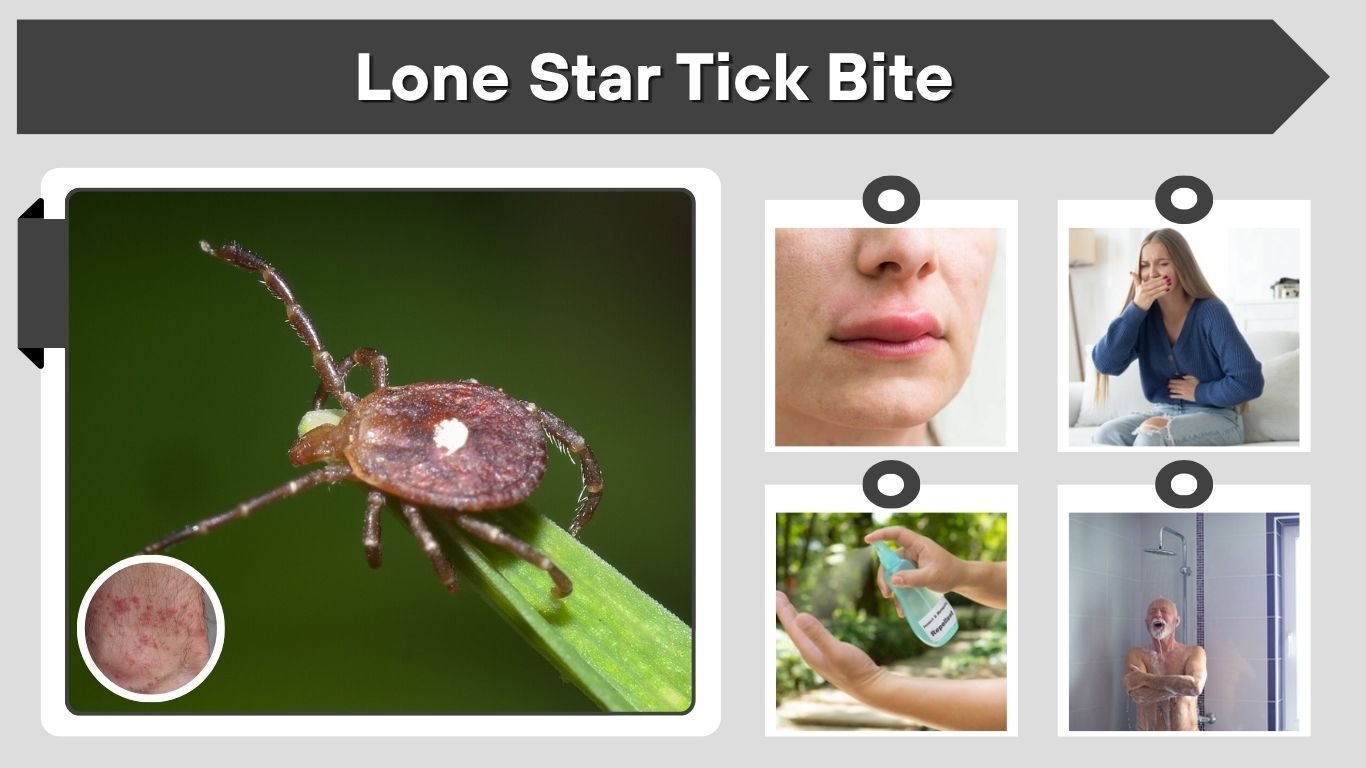
A lone star tick bite can cause anything from mild skin irritation to a tick-borne illness or, in some people, alpha-gal syndrome. The lone star … Read More
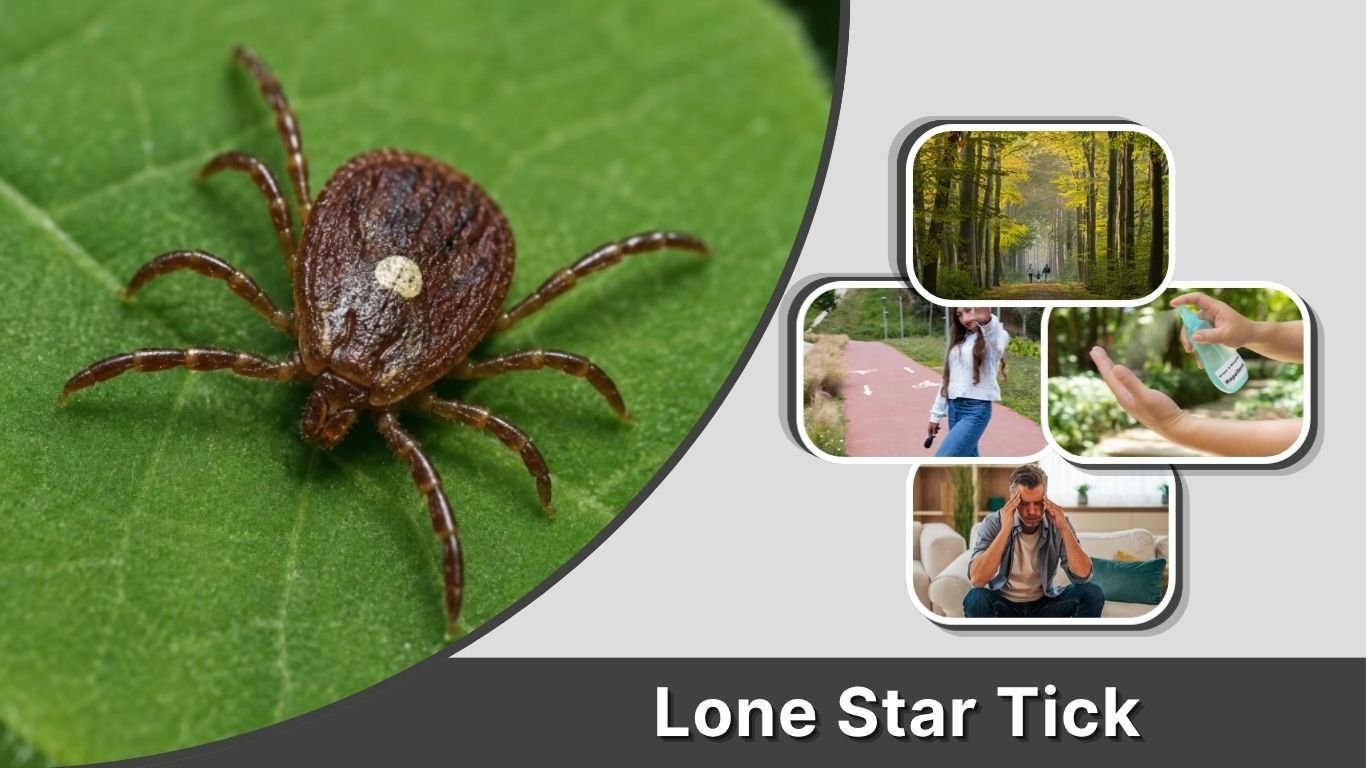
The lone star tick (Amblyomma americanum) is one of the most aggressive human-biting ticks in the United States. Easily recognized in adult females by a … Read More
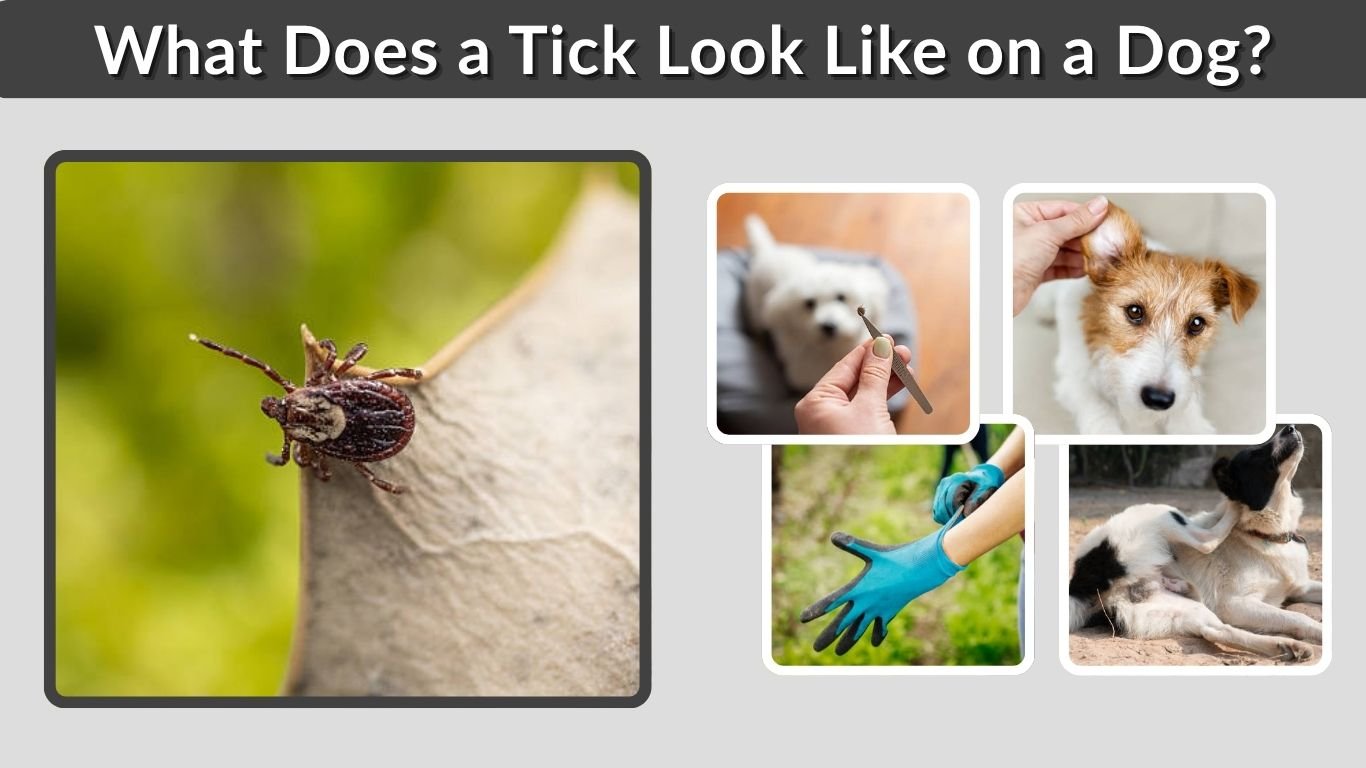
A tick on a dog often looks like a small brown, black, gray, or reddish bump attached tightly to the skin. Before feeding, ticks are … Read More
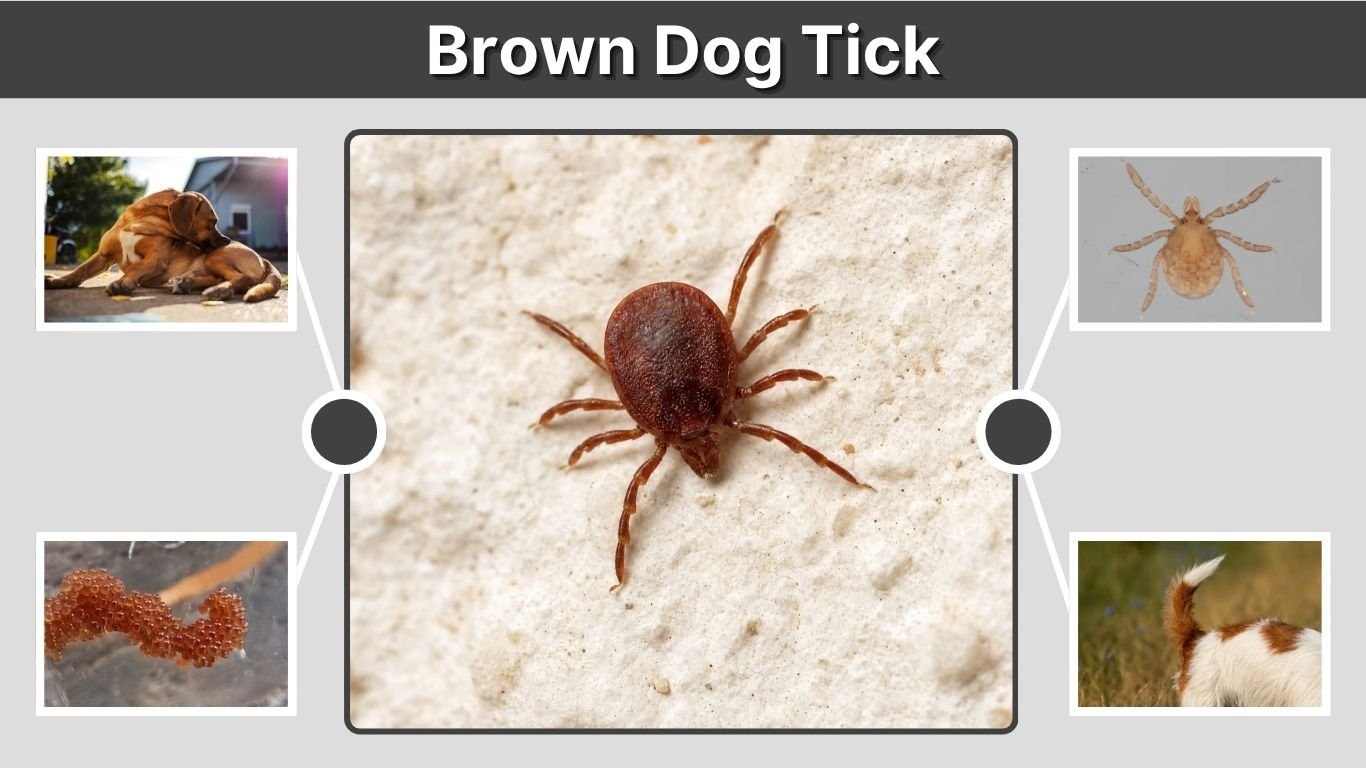
The brown dog tick is a reddish-brown parasite strongly associated with domestic dogs and is unusual because it can complete its life cycle inside homes … Read More
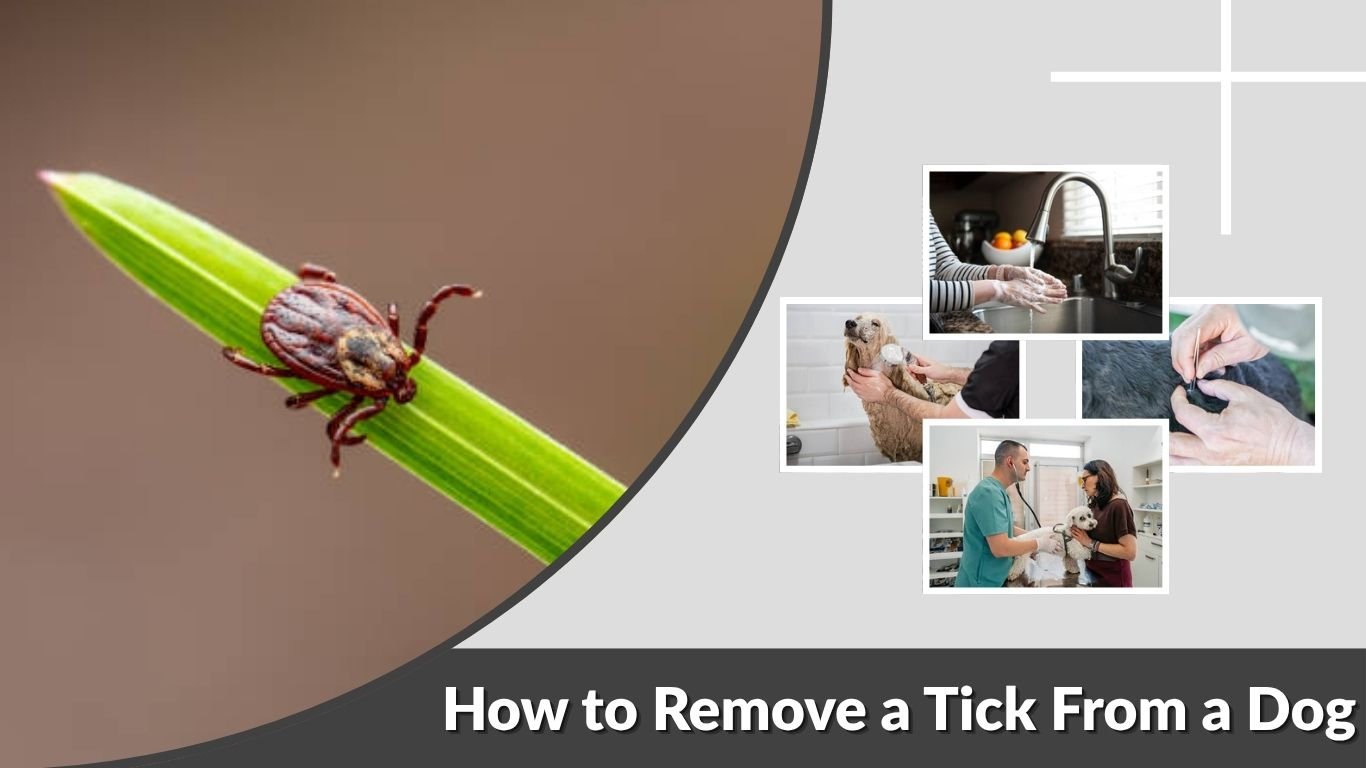
Finding a tick attached to your dog can be alarming, but removing it correctly is usually straightforward. The safest approach is to remove the tick … Read More
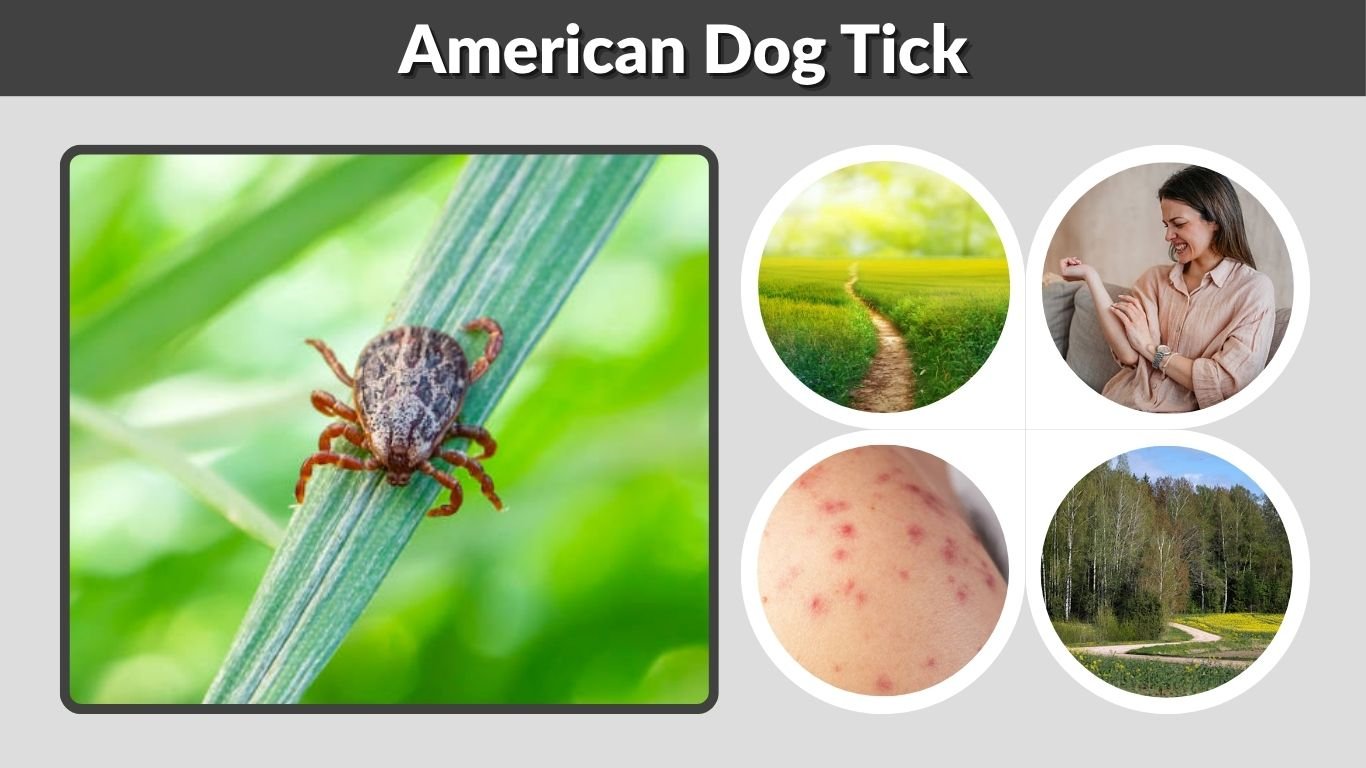
The American dog tick (Dermacentor variabilis) is a common hard tick found across much of the United States, especially east of the Rocky Mountains. Adults … Read More
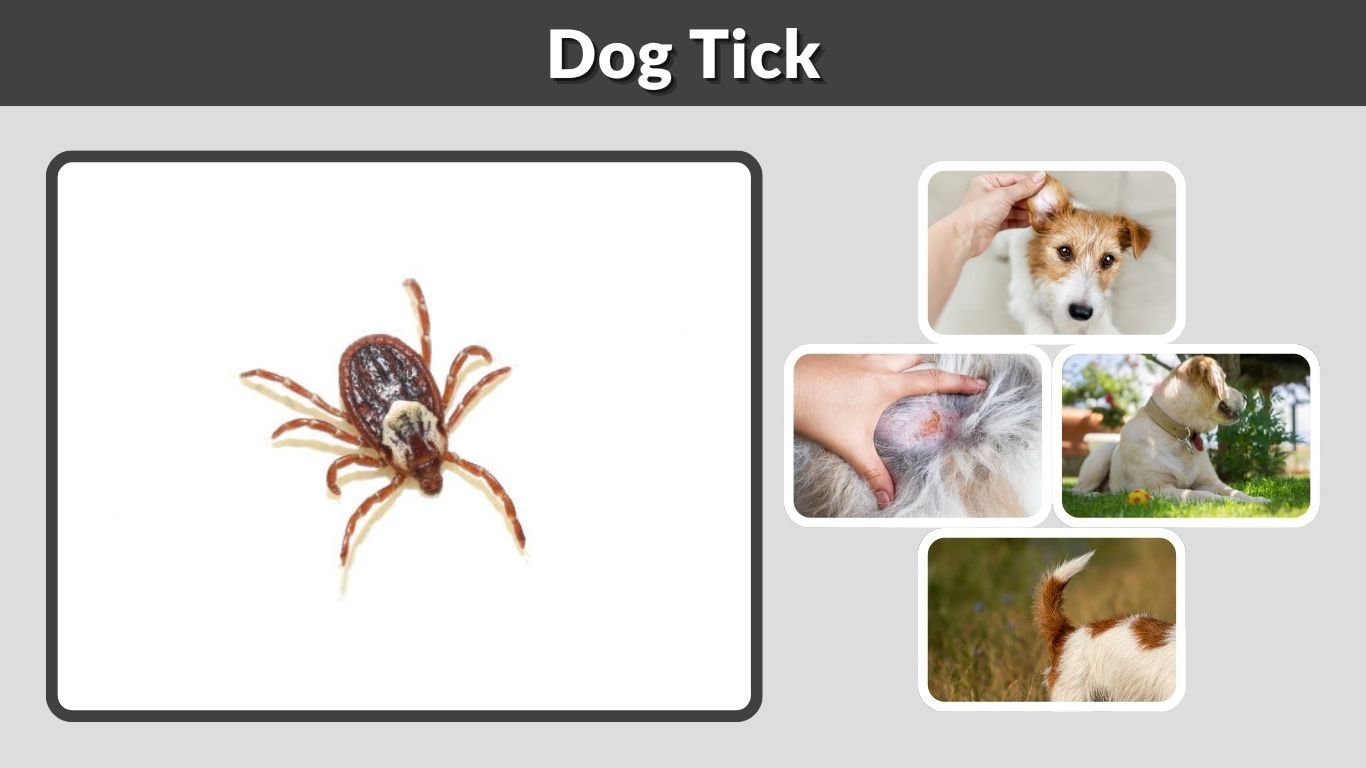
Dog ticks are blood-feeding parasites that can attach to dogs after they walk through grass, brush, wooded areas, yards, or other tick habitat. “Dog tick” … Read More
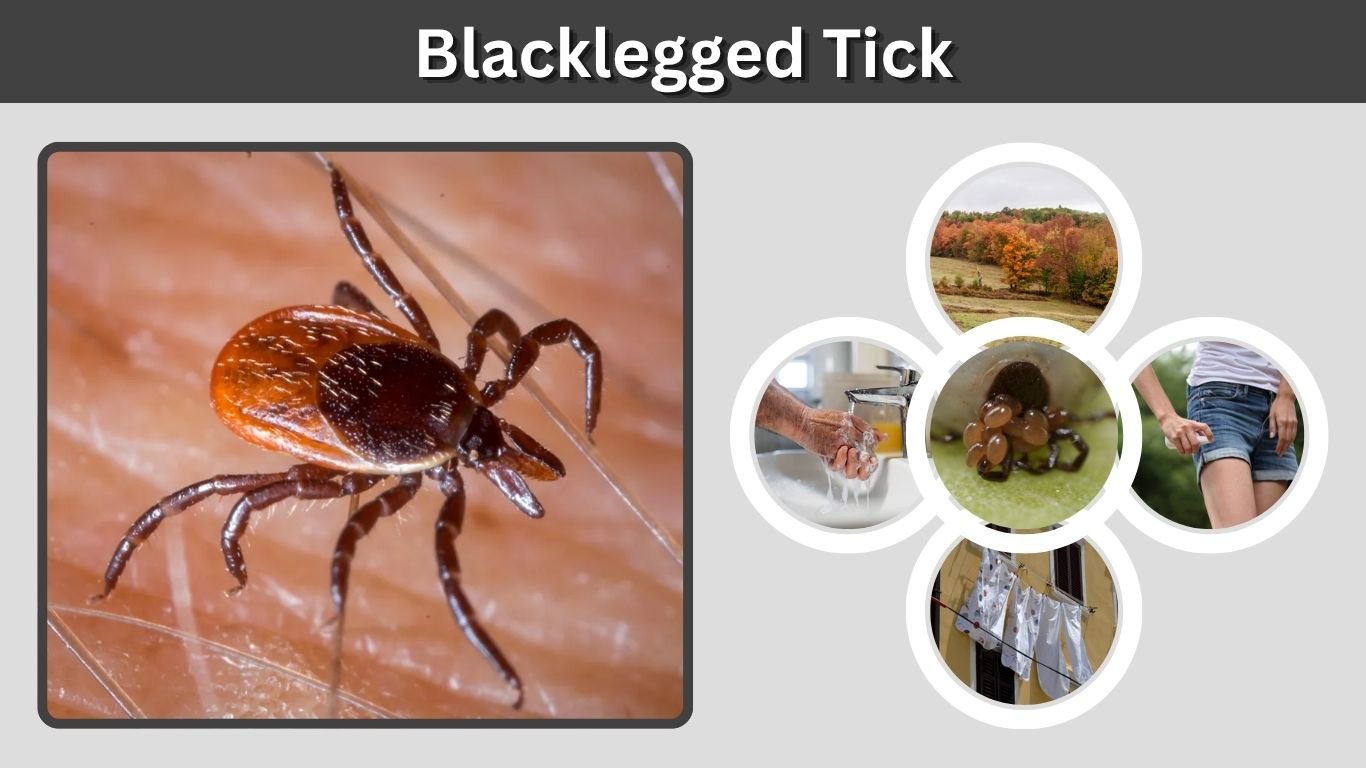
The blacklegged tick, also called the deer tick, is a small blood-feeding arachnid known for transmitting Lyme disease and several other infections. Eastern blacklegged ticks … Read More

The brown June beetle, commonly called a June bug or May beetle, is a sturdy scarab beetle frequently seen around lawns, gardens, porches, and outdoor … Read More