
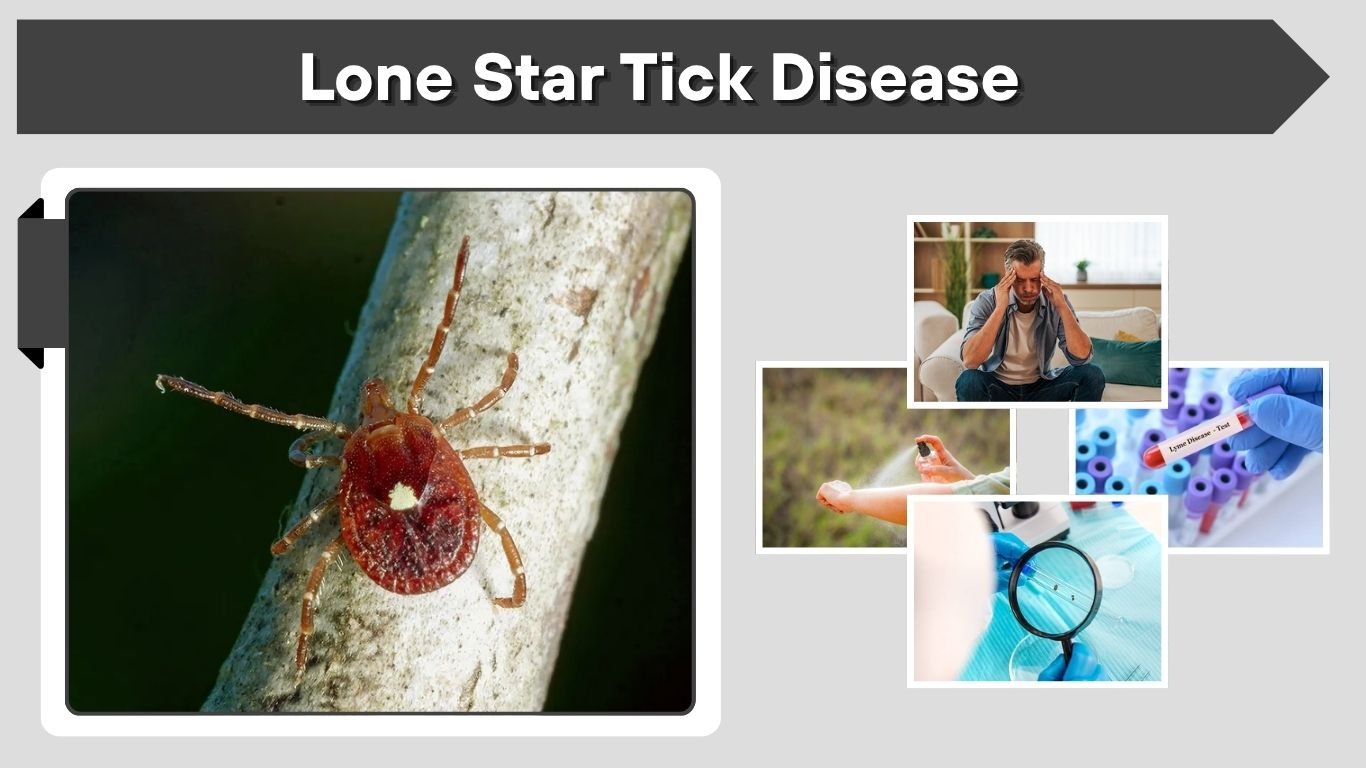
A lone star tick bite can expose people to several illnesses, but there is no single condition called “lone star tick disease.” These aggressive ticks can transmit bacteria that cause ehrlichiosis and tularemia, as well as viruses such as Heartland and Bourbon virus. Their bites are also associated with Southern Tick-Associated Rash Illness (STARI) and alpha-gal syndrome, an allergy to mammalian products. Knowing the symptoms, testing options, treatment, and warning signs can help you respond appropriately after a suspected lone star tick bite.
What Diseases Do Lone Star Ticks Carry?
Lone star ticks (Amblyomma americanum) are medically important because they can be associated with several different health conditions. The exact risk following a bite depends on factors such as whether the tick carries a pathogen and individual health circumstances. Many bites do not cause illness, but symptoms developing afterward should not be ignored.
Ehrlichiosis
Ehrlichiosis is one of the main bacterial diseases transmitted by lone star ticks. In the United States, lone star ticks can spread Ehrlichia chaffeensis and Ehrlichia ewingii. The illness often begins with flu-like symptoms such as fever, headache, chills, and muscle aches.
Without prompt treatment, ehrlichiosis can sometimes become severe. Doxycycline is the recommended treatment for suspected ehrlichiosis in both adults and children.
Other Diseases and Conditions
Health problems associated with lone star ticks include:
- Ehrlichiosis: A bacterial illness that may cause fever, headache, chills, muscle pain, and other symptoms.
- Tularemia: A bacterial disease that may cause fever, swollen lymph nodes, skin ulcers, and other symptoms depending on how infection occurs.
- Heartland virus disease: A tick-borne viral illness that can cause fever, fatigue, reduced appetite, headache, nausea, and muscle or joint pain.
- Bourbon virus disease: A rare tick-associated viral illness that may cause fever, fatigue, rash, headache, and body aches.
- STARI: An illness characterized mainly by an expanding rash after a lone star tick bite.
- Alpha-gal syndrome: An allergic condition associated with certain tick bites rather than an infectious disease.
Does the Lone Star Tick Carry Lyme Disease?
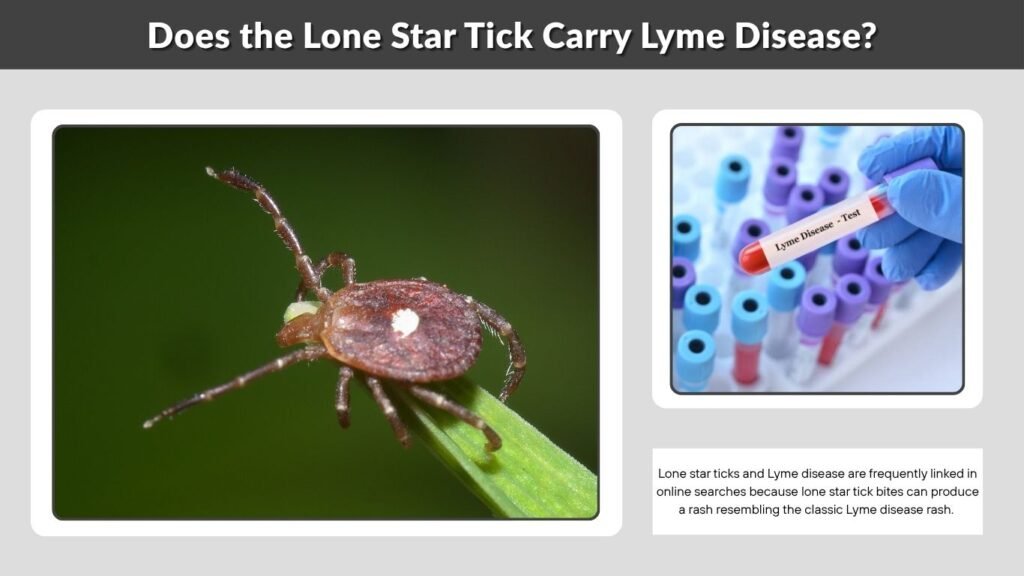
Lone star ticks and Lyme disease are frequently linked in online searches because lone star tick bites can produce a rash resembling the classic Lyme disease rash. However, current evidence does not support the lone star tick as an important vector of Lyme disease bacteria in the United States. Blacklegged ticks are the primary vectors responsible for Lyme disease transmission.
Lyme Disease vs. STARI
A condition called Southern Tick-Associated Rash Illness, or STARI, can occur following a lone star tick bite. The most noticeable symptom is an expanding red rash that may resemble the erythema migrans rash associated with Lyme disease.
People with STARI may also experience fatigue, fever, headache, and muscle or joint pain. The cause of STARI remains unknown, but CDC research indicates that it is not caused by the bacteria responsible for Lyme disease.
Because the rashes can appear similar, anyone who develops an expanding rash after a tick bite should consider medical evaluation rather than trying to diagnose the condition based only on appearance.
Lone Star Tick Disease Symptoms
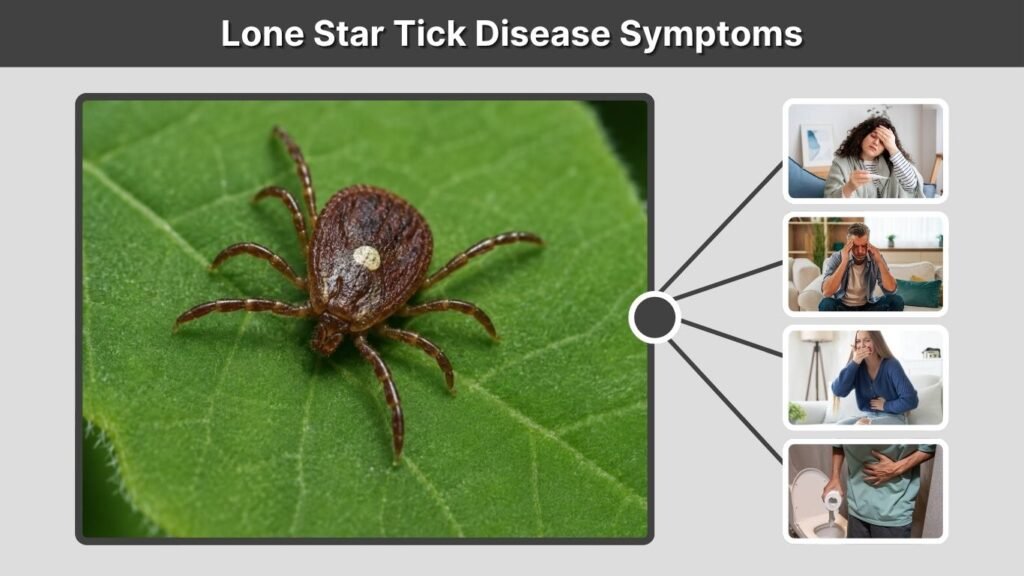
Symptoms after a lone star tick bite vary according to the condition involved. Some people experience only minor redness or irritation at the bite site. Others may develop symptoms of infection several days later. Ehrlichiosis, for example, can begin about one to two weeks after an infected tick bite and can become serious without appropriate treatment.
Symptoms to Watch For
Possible warning signs include:
- Fever or chills
- Severe or persistent headache
- Muscle aches
- Joint pain
- Unusual tiredness
- Nausea or vomiting
- Loss of appetite
- Diarrhea
- Swollen lymph nodes
- An expanding skin rash
- Confusion or other neurological symptoms in severe illness
Having one of these symptoms does not prove that a lone star tick transmitted a disease. However, developing fever, rash, or significant illness following a known tick bite is a reason to contact a healthcare professional.
Lone Star Tick Red Meat Disease
“Lone star tick red meat disease” usually refers to alpha-gal syndrome (AGS). It is not an infection. Instead, it is an allergy that can develop after certain tick bites. Alpha-gal is a sugar molecule found in most mammals, and people with AGS may develop allergic reactions after exposure to mammalian meat or other products containing alpha-gal.
Alpha-Gal Syndrome Symptoms
Possible reactions include:
- Hives or an itchy rash
- Swelling of the lips, tongue, throat, or eyelids
- Severe stomach pain
- Nausea or vomiting
- Diarrhea
- Heartburn or indigestion
- Coughing
- Shortness of breath
- Dizziness or fainting
- Low blood pressure
- Anaphylaxis
Reactions often occur several hours after consuming foods containing alpha-gal, which can make the connection with food difficult to recognize. Alpha-gal syndrome can potentially cause life-threatening allergic reactions.
Not everyone bitten by a lone star tick develops alpha-gal syndrome.
Testing for Lone Star Tick Diseases
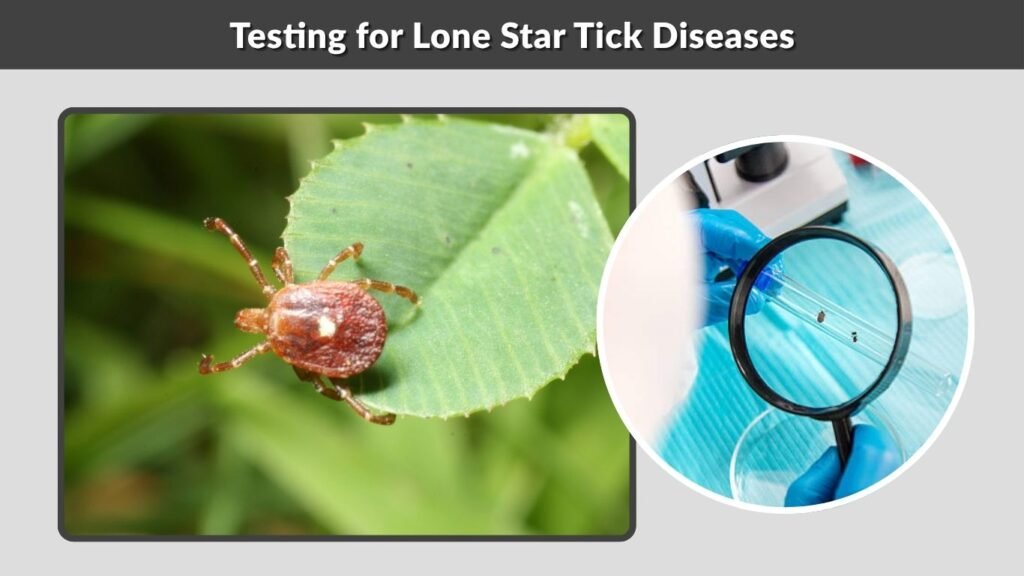
There is no single blood test called a “lone star tick disease test” because the tick is associated with multiple conditions. Doctors choose tests based on symptoms, exposure history, geographic location, timing, and the specific illness they suspect. A history of a recent tick bite can therefore be important information to provide during medical evaluation.
How Doctors Test for Disease
Testing for ehrlichiosis can involve laboratory blood tests, but treatment may need to begin before test results are available when the illness is strongly suspected. Delaying treatment while waiting for laboratory confirmation can increase the risk of serious complications.
Alpha-gal syndrome requires a different approach. CDC states that the primary laboratory test is a blood test measuring alpha-gal-specific IgE antibodies. Diagnosis also considers symptoms and the person’s history of reactions after exposure to mammalian products.
Is There a Cure for Lone Star Tick Disease?
Treatment depends entirely on the condition.
Ehrlichiosis is treated with doxycycline, and early treatment reduces the risk of severe illness. CDC recommends doxycycline as first-line therapy for people of all ages when ehrlichiosis is suspected.
Viral illnesses such as Heartland and Bourbon virus do not have the same antibiotic treatment because antibiotics do not treat viruses.
Alpha-gal syndrome is an allergy rather than an infection. Management generally involves avoiding products that trigger reactions and working with a healthcare professional or allergy specialist.
How Long Does Disease Transmission Take?
People often want to know how long a lone star tick must remain attached before it can transmit disease. There is no single reliable attachment-time rule that applies to every disease associated with this tick. Different pathogens behave differently, and factors such as tick life stage, feeding status, and pathogen can influence transmission risk.
Does a Short Attachment Mean You Are Safe?
A short attachment should not be interpreted as a guarantee that transmission was impossible. Unlike the commonly discussed transmission timeline for Lyme disease, there is no universal number of hours that can be applied to all lone star tick-associated infections.
The safest approach is to remove any attached tick promptly, clean the area, and monitor for symptoms afterward. If fever, rash, headache, muscle aches, or other concerning symptoms develop, tell your healthcare provider about the tick exposure.
How to Prevent Lone Star Tick Diseases
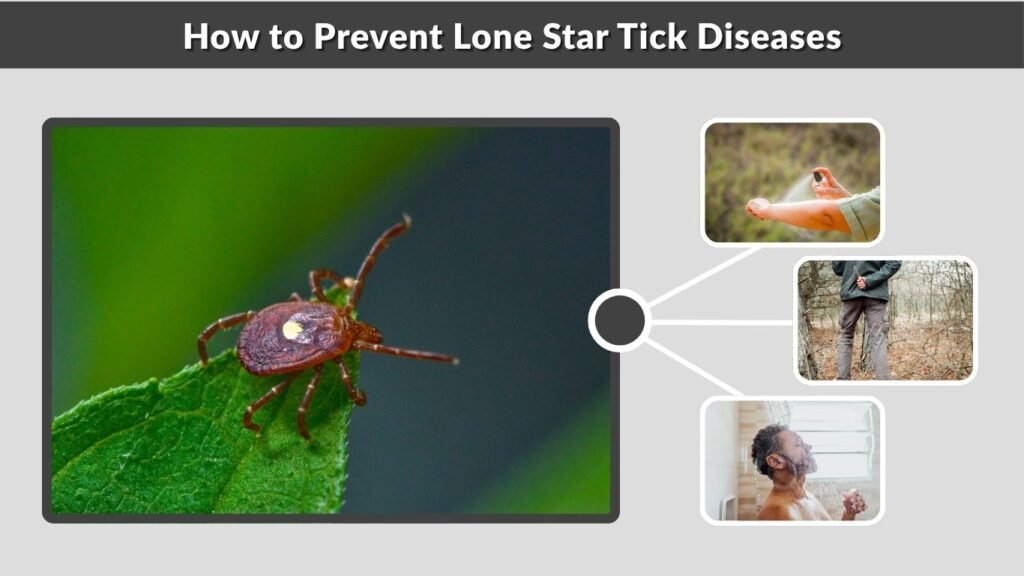
Because several different conditions can follow lone star tick exposure, preventing bites is the best overall protection. Lone star ticks readily bite humans and can be encountered in wooded, brushy, and grassy environments. People who hike, hunt, camp, garden, work outdoors, or walk pets through tick habitat should take routine precautions.
Lone Star Tick Prevention Tips
- Use an EPA-registered tick repellent when outdoors.
- Wear long pants and long sleeves in a tick habitat.
- Avoid dense brush and tall vegetation when possible.
- Walk near the center of maintained trails.
- Treat appropriate clothing and outdoor gear with permethrin according to label instructions.
- Check your entire body after spending time outside.
- Examine children and pets carefully for ticks.
- Shower after returning indoors.
- Remove attached ticks promptly with fine-tipped tweezers.
Preventing repeated tick bites is particularly important for people with alpha-gal syndrome because additional tick bites may affect allergic sensitivity.
FAQs
Lone star ticks are associated with several different diseases and conditions, so the consequences of one bite cannot be predicted from the tick’s appearance alone. Understanding the difference between infectious disease, STARI, Lyme disease, and alpha-gal syndrome can prevent unnecessary confusion and help people recognize when medical attention may be appropriate.
1. What Is the Most Common Disease From a Lone Star Tick?
Ehrlichiosis is an important bacterial disease associated with lone star ticks in the United States. Lone star ticks can spread bacteria including Ehrlichia chaffeensis and Ehrlichia ewingii.
2. Does Every Lone Star Tick Carry Disease?
No. Being bitten by a lone star tick does not mean that disease transmission occurred. Whether illness develops depends on numerous factors, including whether the particular tick was carrying a pathogen.
3. Can You Get Lyme Disease From a Lone Star Tick?
Current evidence does not support lone star ticks as an important source of Lyme disease transmission in the United States. Their bites can, however, cause STARI, which may produce a Lyme-like expanding rash.
4. How Soon Do Lone Star Tick Disease Symptoms Start?
Timing depends on the condition. Ehrlichiosis typically begins about one to two weeks after an infected tick bite. Alpha-gal syndrome is different and may first become apparent weeks or months after a tick bite.
5. When Should I See a Doctor After a Lone Star Tick Bite?
Seek medical advice if you develop fever, an expanding rash, significant headache, muscle aches, unusual fatigue, or other illness following a tick bite. Severe breathing problems, throat swelling, fainting, or symptoms of anaphylaxis require emergency medical attention.
