
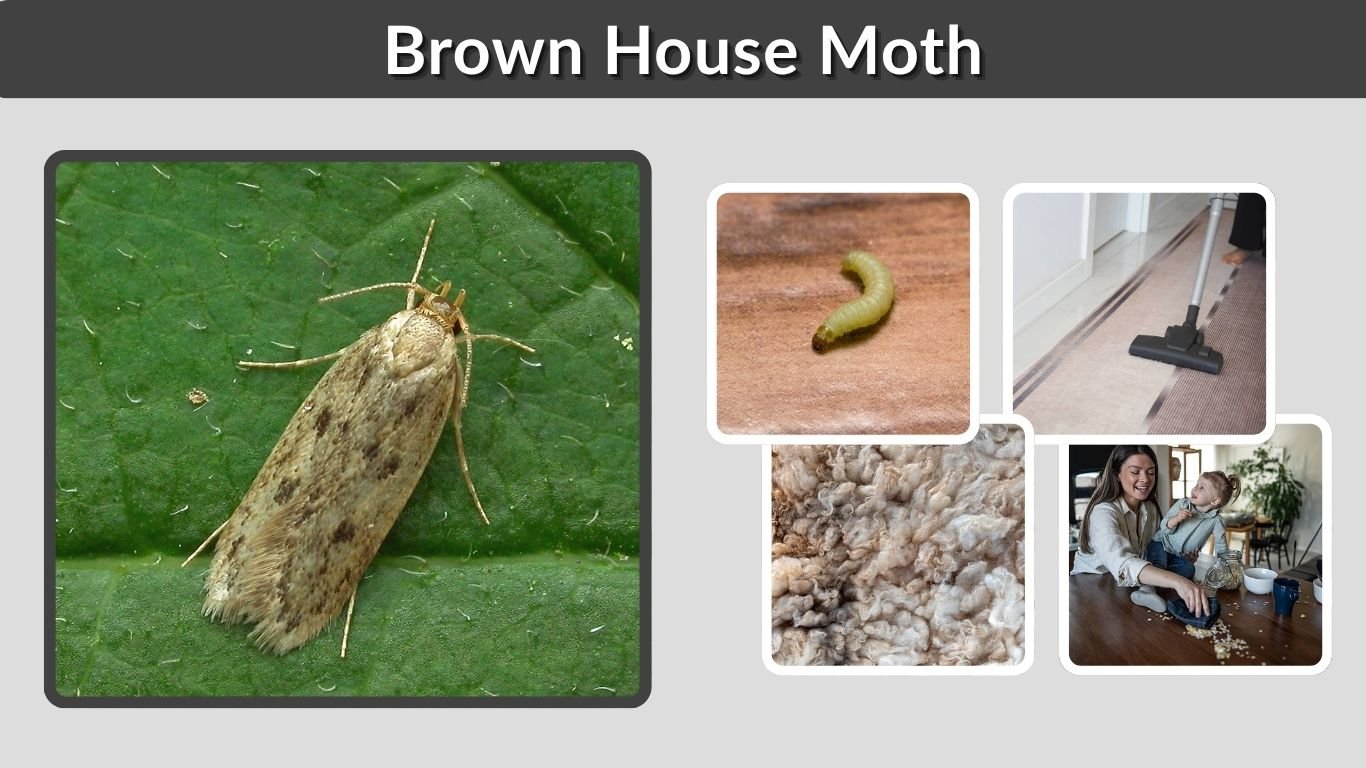
Brown House Moth: Identification, Larvae and Control Guide
The brown house moth is a small, brown insect that may appear on indoor walls, around stored belongings, or near neglected corners. Although adults attract … Read More
The brown house moth is a small, brown insect that may appear on indoor walls, around stored belongings, or near neglected corners. Although adults attract … Read More
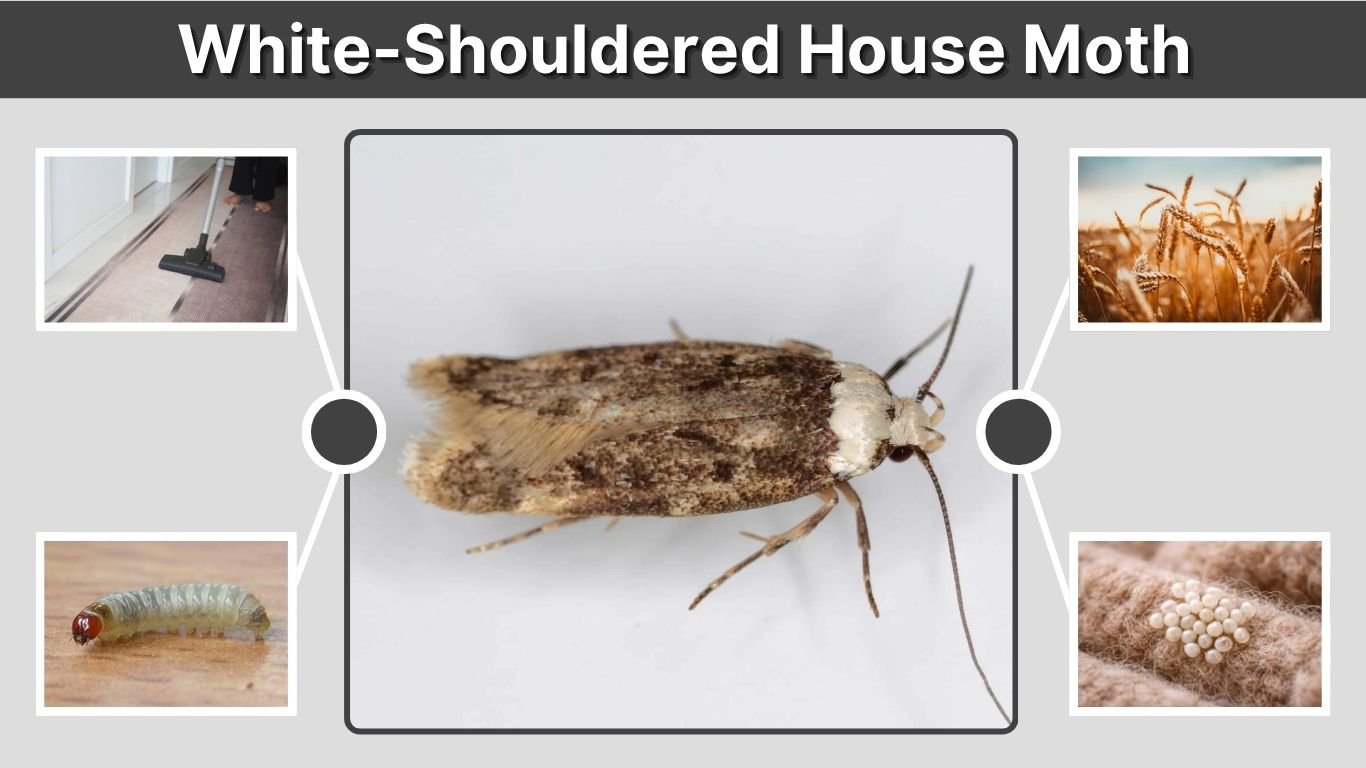
The white-shouldered house moth is a small, mottled moth with a distinctive white head and shoulders. Finding one indoors can raise concerns about clothing, carpets, … Read More
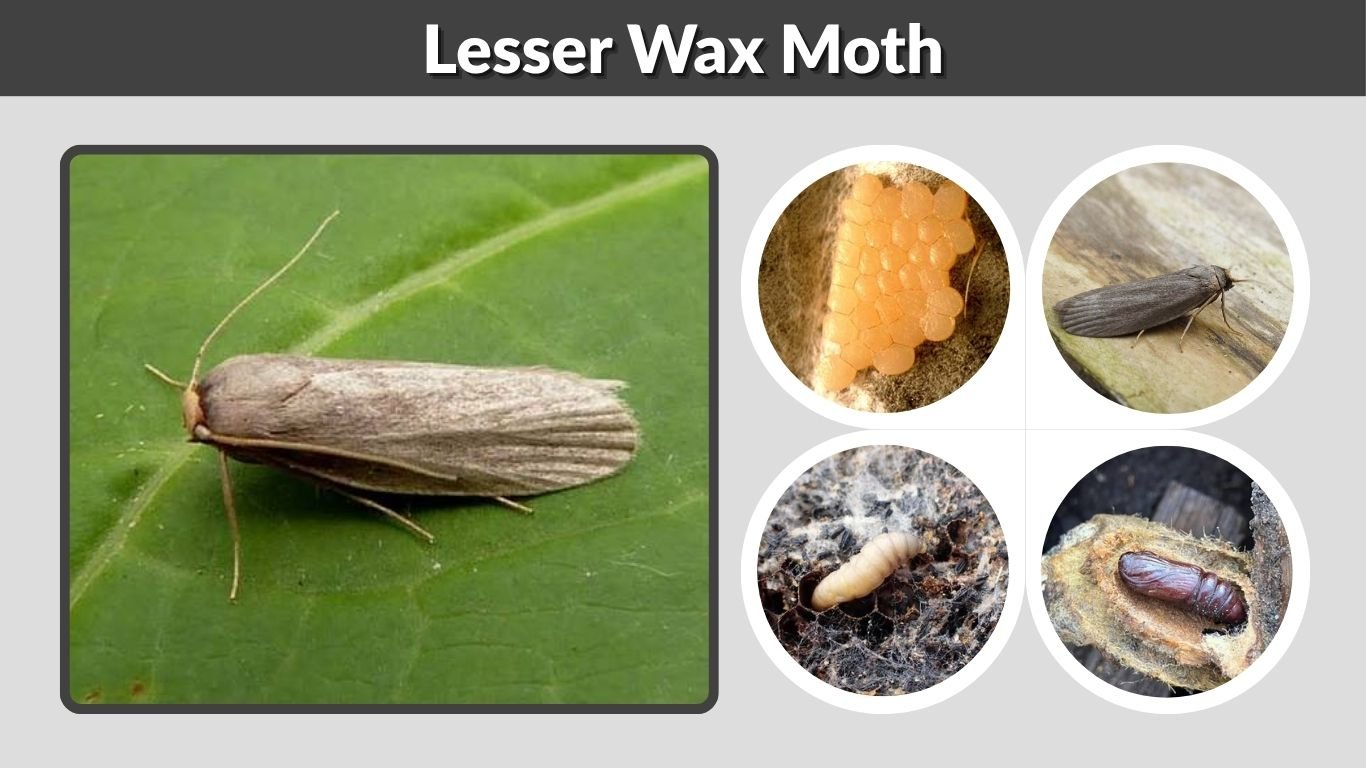
The lesser wax moth (Achroia grisella) is a small moth whose caterpillars damage honey bee comb and stored beekeeping materials. Unlike the adults, the larvae … Read More
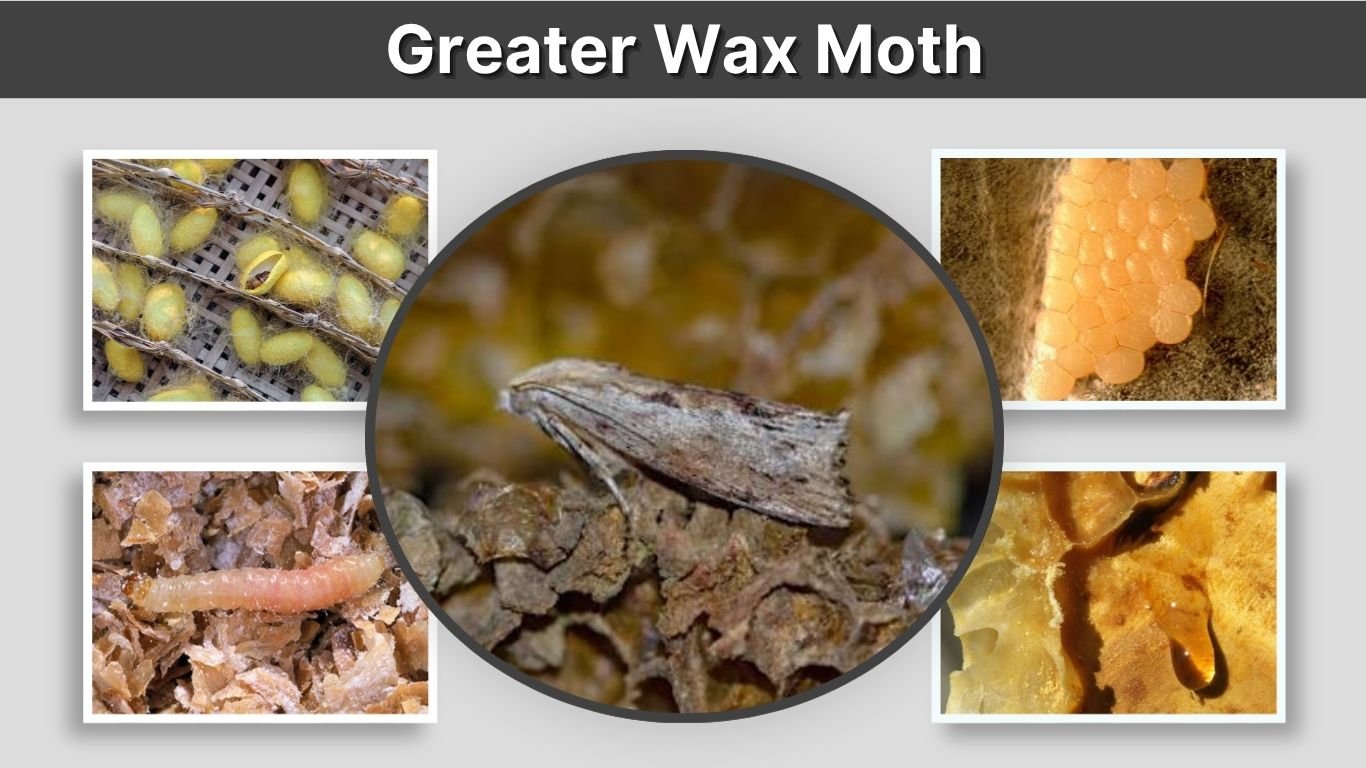
The greater wax moth is a widespread beehive pest whose larvae tunnel through honeycomb and cover it with dense silk, fecal pellets, and cocoons. Scientifically … Read More
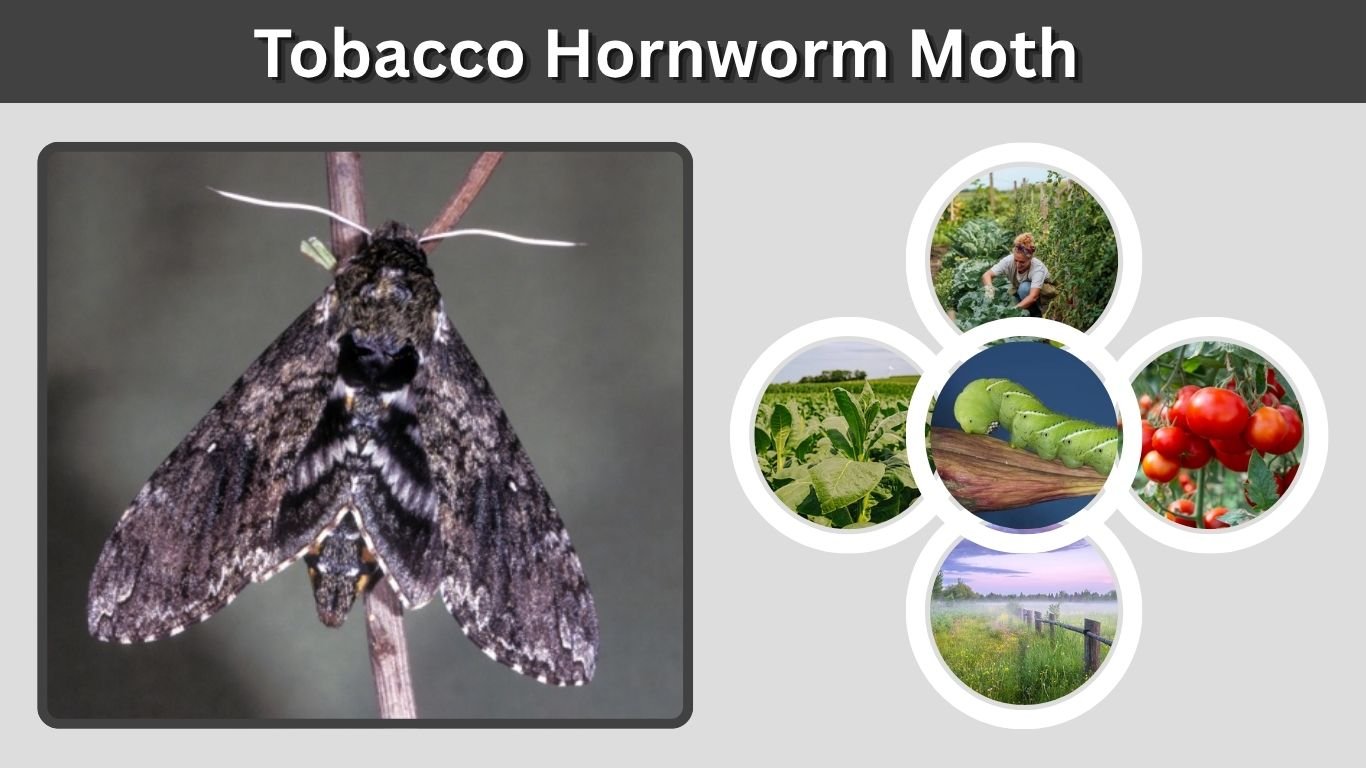
The tobacco hornworm moth is the adult form of the large green tobacco hornworm caterpillar. Scientifically named Manduca sexta, it is also called the Carolina … Read More
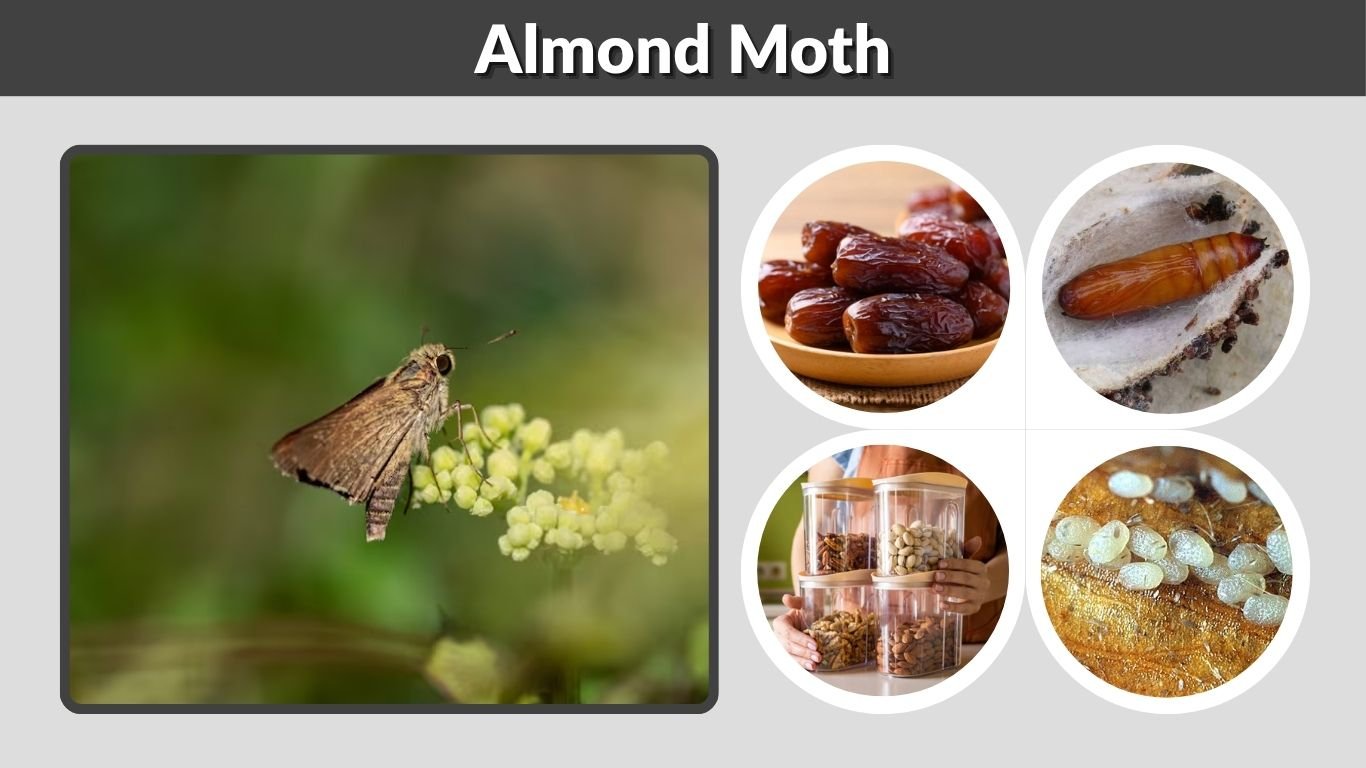
The almond moth is a widespread stored-food pest that infests nuts, dried fruit, grain, cereal, chocolate, spices, and animal feed. Its caterpillars cause the damage … Read More
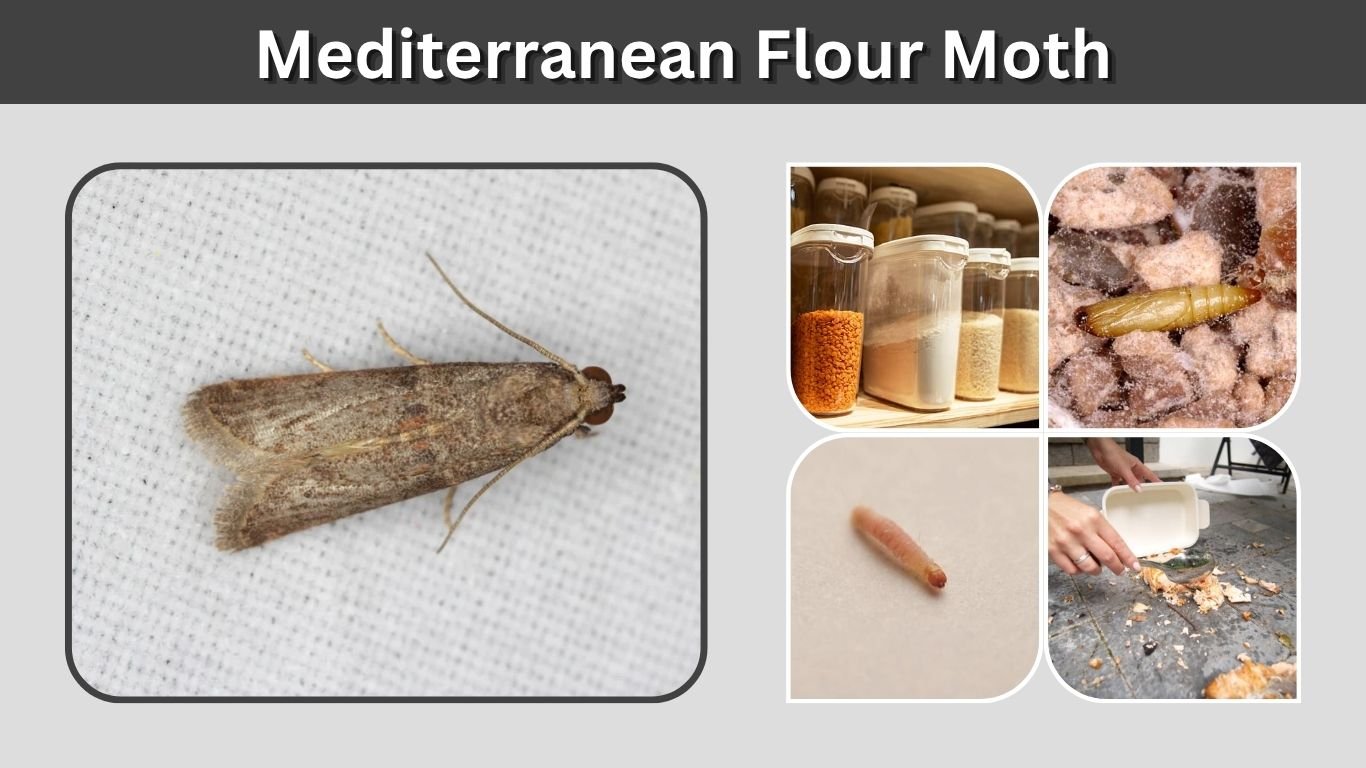
The Mediterranean flour moth is a worldwide stored-food pest commonly found in flour mills, bakeries, warehouses, and household pantries. Its larvae infest flour, cereal, bran, … Read More
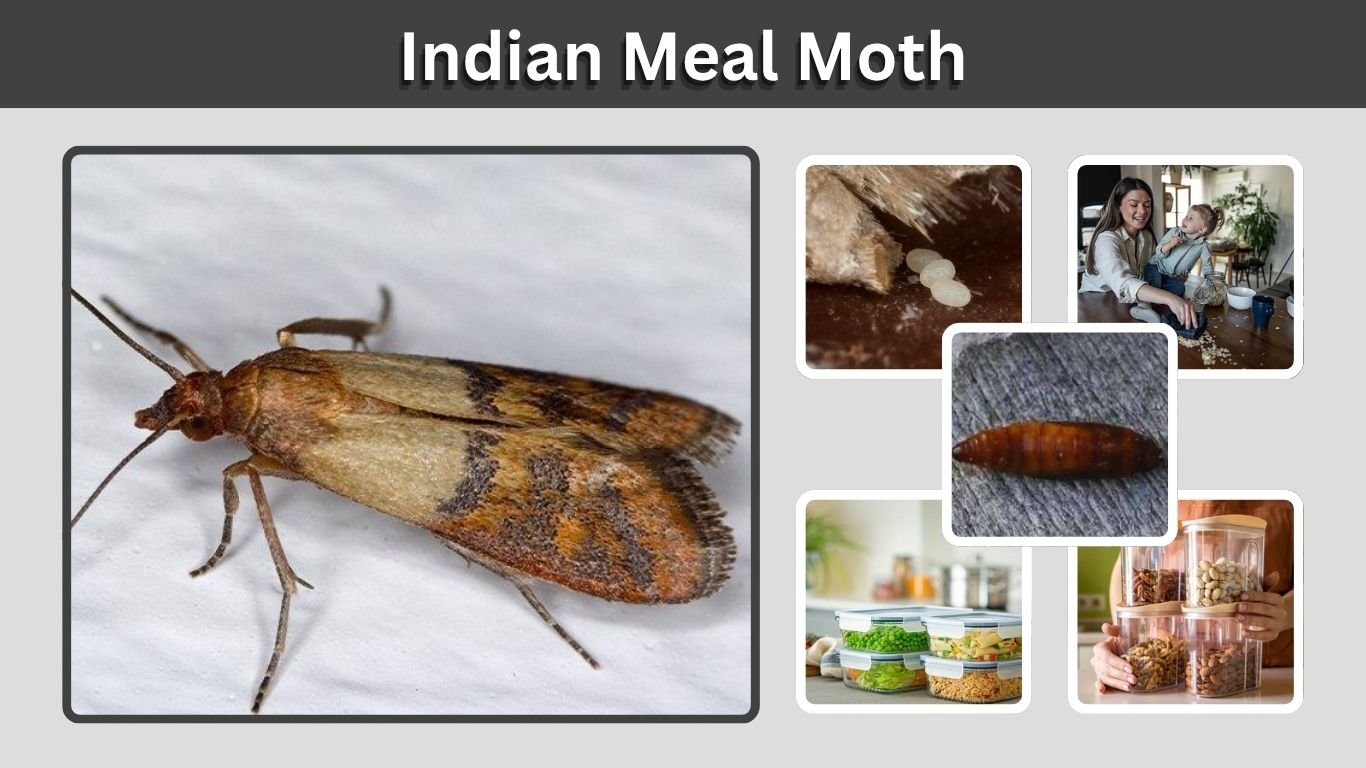
The Indian meal moth (Plodia interpunctella) is one of the most common pantry pests worldwide. Its larvae infest rice, flour, cereal, nuts, spices, dried fruit, … Read More
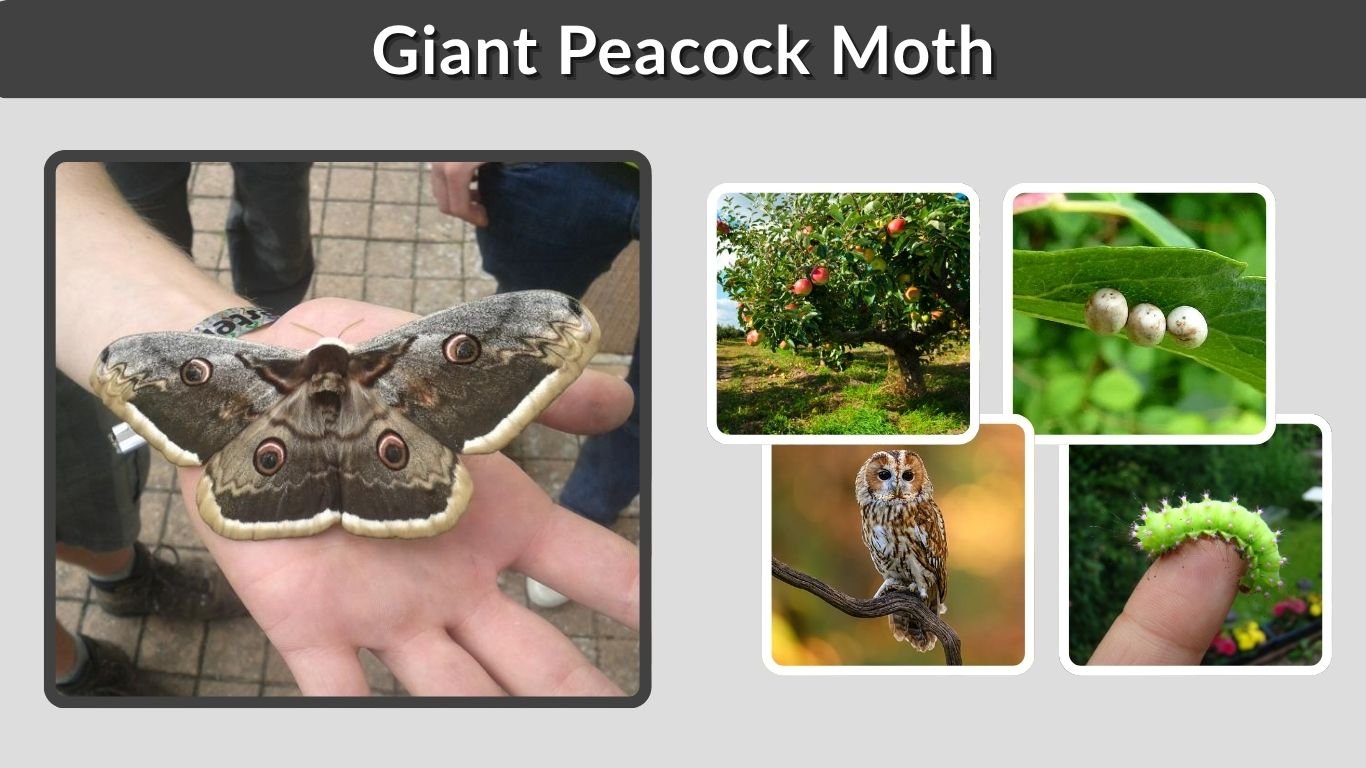
The giant peacock moth (Saturnia pyri) is Europe’s largest native moth, with a wingspan that can exceed 16 cm. Each brown-grey wing carries a colorful … Read More
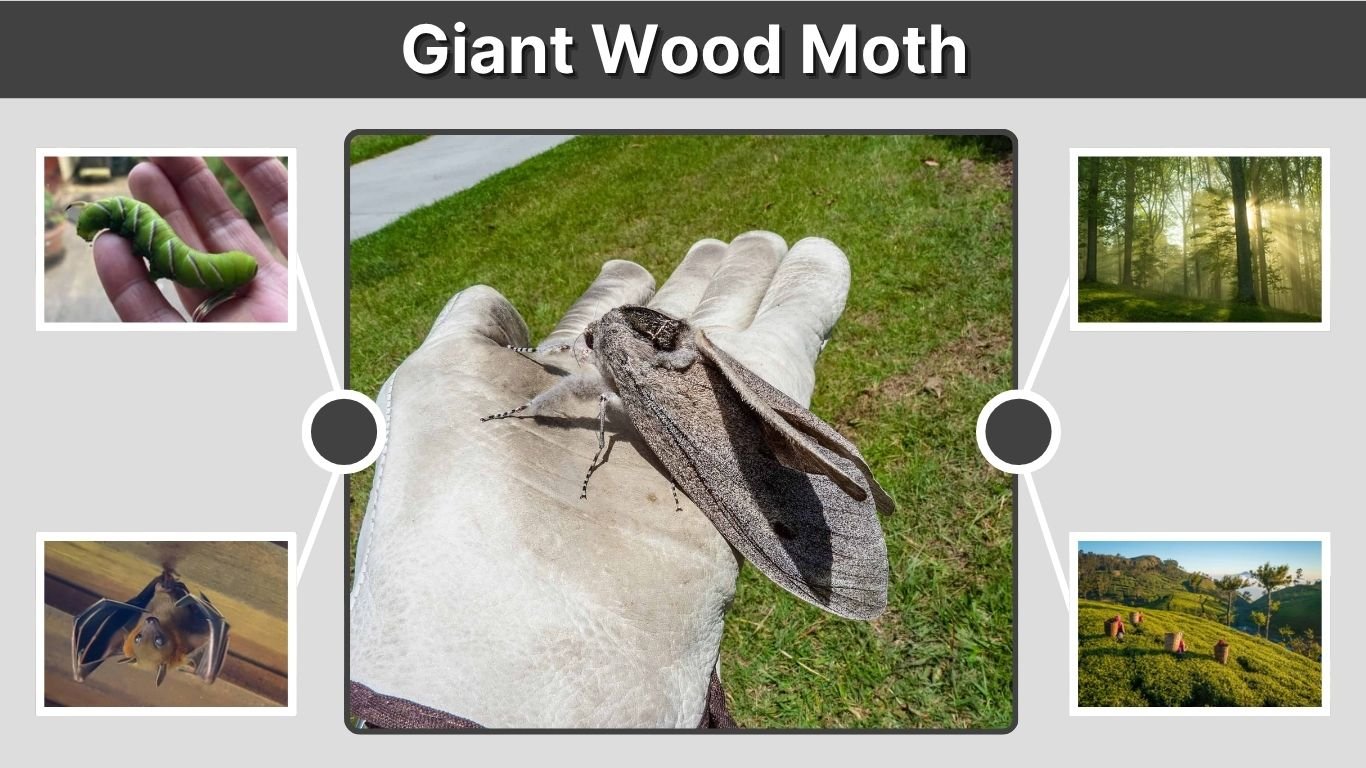
The giant wood moth (Endoxyla cinereus) is an enormous Australian insect recognized as the world’s heaviest moth. Large females can weigh around 30 grams and … Read More