
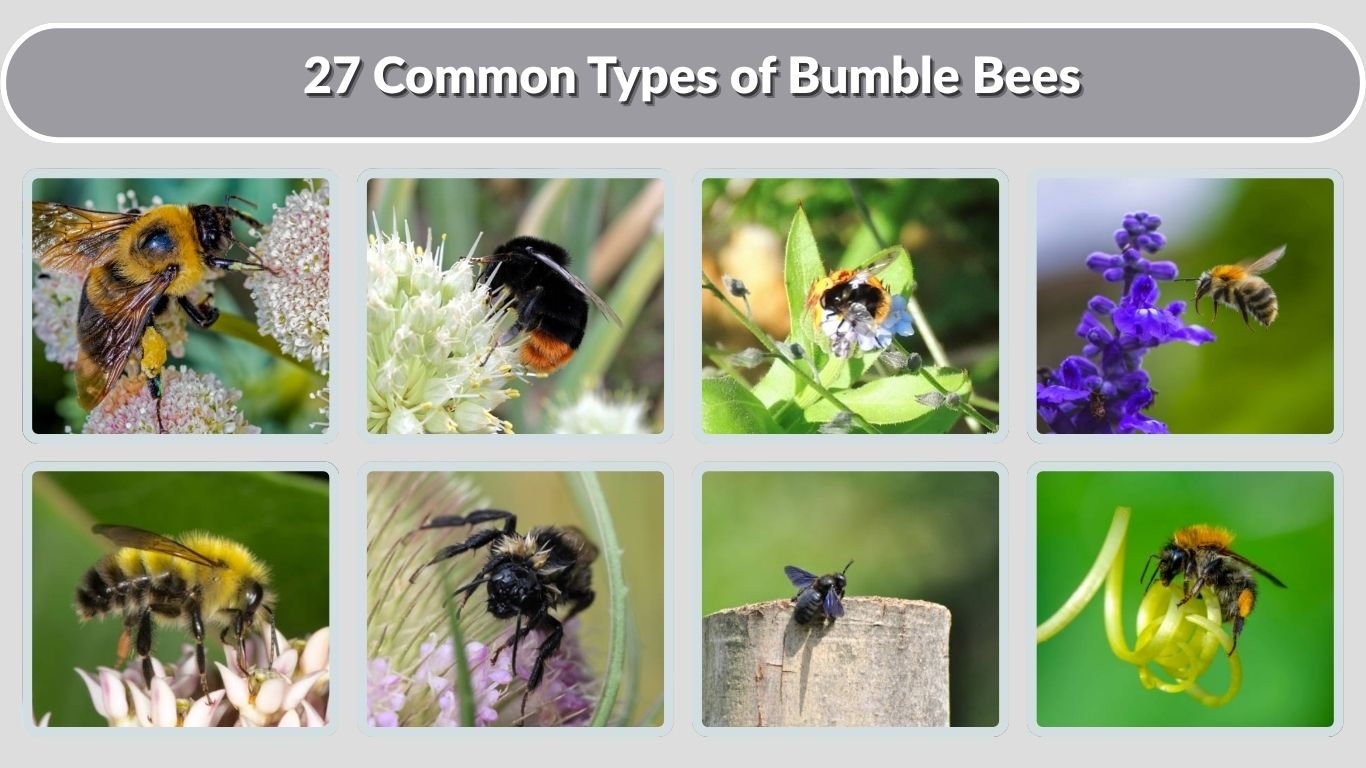
Bumble bees are important pollinators found in many parts of the world. They help plants grow by transferring pollen between flowers, which supports both natural ecosystems and agriculture. With their fuzzy bodies and gentle nature, bumble bees are easy to recognize and play a vital role in maintaining biodiversity.
This list covers 27 common types of bumble bees, each with unique features, habitats, and behaviors. From well-known garden species to rare and parasitic cuckoo bees, these varieties show how diverse and important bumble bees are in our environment.
1. Buff-tailed Bumblebee
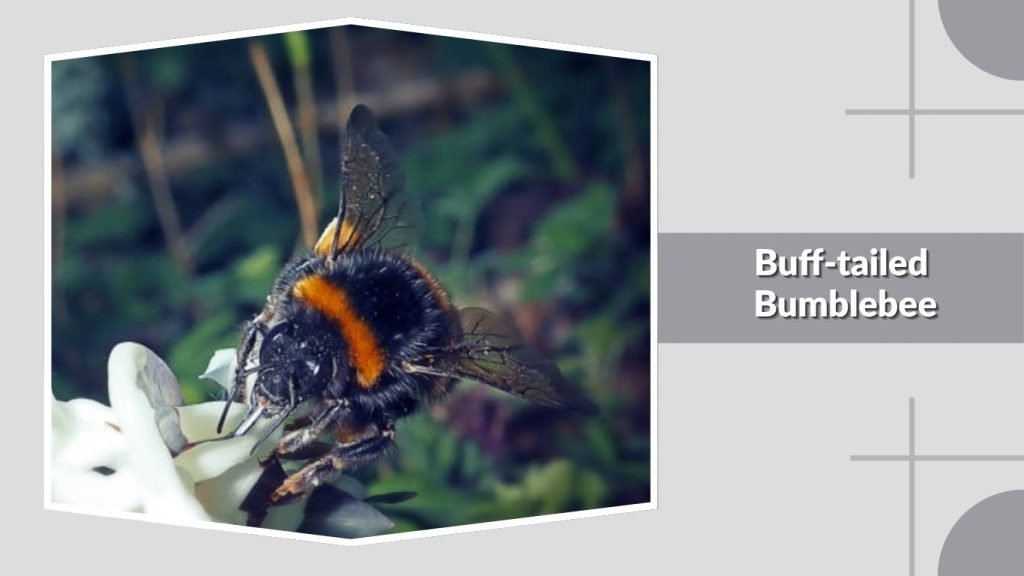
The Buff-tailed Bumblebee is one of the most widespread and recognizable bumblebee species. Known for its adaptability, it thrives in gardens, farmland, and urban areas. This species plays a key role in pollination and is active for much of the year compared to other bumblebees.
Identification
- Large, robust body with black coloration
- Two bright yellow bands across the thorax and abdomen
- Tail is buff-colored (brownish-yellow) in queens and workers
- Males often have a more yellowish tail
- Covered in dense, fuzzy hair
Habitat and Distribution
Buff-tailed Bumblebees are commonly found across Europe and parts of Asia. They prefer open habitats such as gardens, parks, grasslands, and farmland. Due to their adaptability, they are also frequently seen in urban environments where flowers are abundant.
Behavior and Diet
These bees are social and live in colonies led by a queen. They feed mainly on nectar for energy and collect pollen to feed their larvae. They are known for their long foraging season and can even be active in cooler weather.
Importance in Pollination
Buff-tailed Bumblebees are excellent pollinators, especially for crops like tomatoes and berries. Their ability to perform buzz pollination makes them highly valuable in both natural ecosystems and agriculture.
2. White-tailed Bumblebee
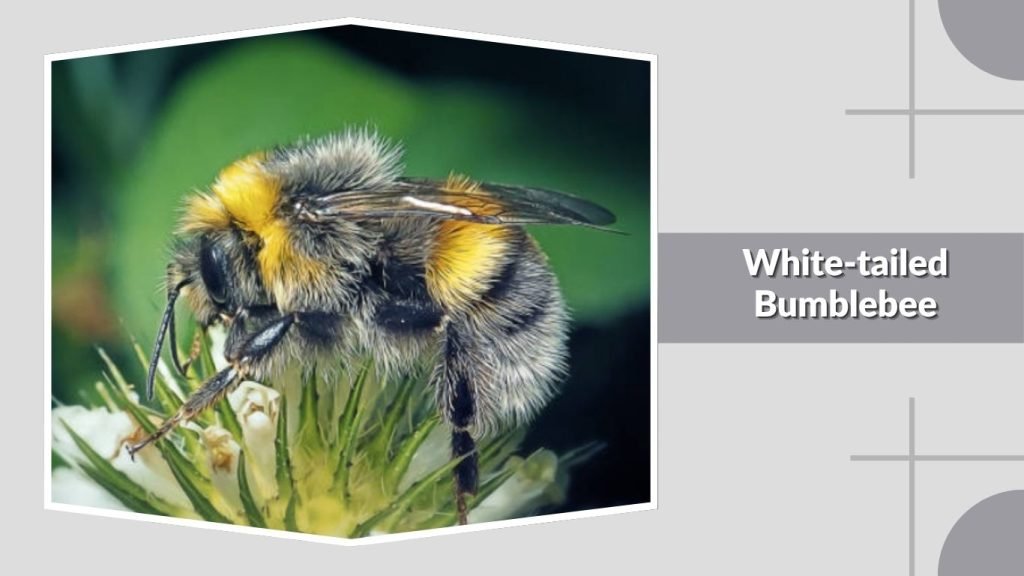
The White-tailed Bumblebee is a common and widespread species known for its distinctive pale tail. It is highly adaptable and can be found in a variety of environments, from countryside meadows to city gardens. This species is an important pollinator and is often active from early spring to late autumn.
Identification
- Medium to large-sized, fuzzy body
- Black body with two yellow bands
- Distinct white or pale tail
- Workers and queens look similar, but queens are larger
- Males may have more yellow coloring on the body
Habitat and Distribution
White-tailed Bumblebees are widely distributed across Europe and parts of Asia. They are commonly found in gardens, farmland, grasslands, and woodland edges. Their ability to adapt makes them frequent visitors to urban green spaces.
Behavior and Diet
This species is social and forms colonies with a queen, workers, and males. They feed on nectar and collect pollen for their young. They are active for much of the year and are often among the first and last bumblebees seen in a season.
Importance in Pollination
White-tailed Bumblebees play a vital role in pollination, supporting both wild plants and crops. They are efficient foragers and help improve the yield of fruits, vegetables, and flowering plants.
3. Red-tailed Bumblebee
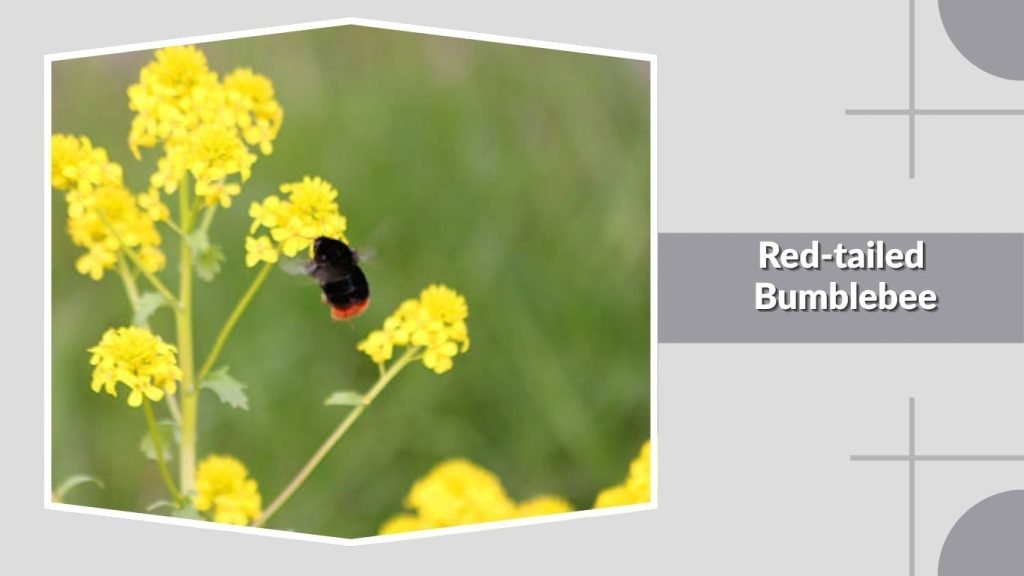
The Red-tailed Bumblebee is a striking species easily recognized by its bright red tail. It is commonly found in gardens and open landscapes and is known for its strong, buzzing flight. This bee is an important pollinator and is active throughout much of the warmer months.
Identification
- Large, robust black body
- Bright red or orange-red tail
- No yellow bands on the body
- Queens are larger and more noticeable
- Covered with thick, dark hair
Habitat and Distribution
Red-tailed Bumblebees are widely distributed across Europe and parts of Asia. They prefer gardens, grasslands, farmland, and woodland edges. They are also common in urban areas where flowers are plentiful.
Behavior and Diet
This species is social, living in colonies with a queen and workers. They collect nectar for energy and pollen to feed their larvae. They are strong flyers and can travel long distances in search of food.
Importance in Pollination
Red-tailed Bumblebees are effective pollinators of many plants and crops. Their activity supports biodiversity and helps improve agricultural production by enhancing plant reproduction.
4. Early Bumblebee
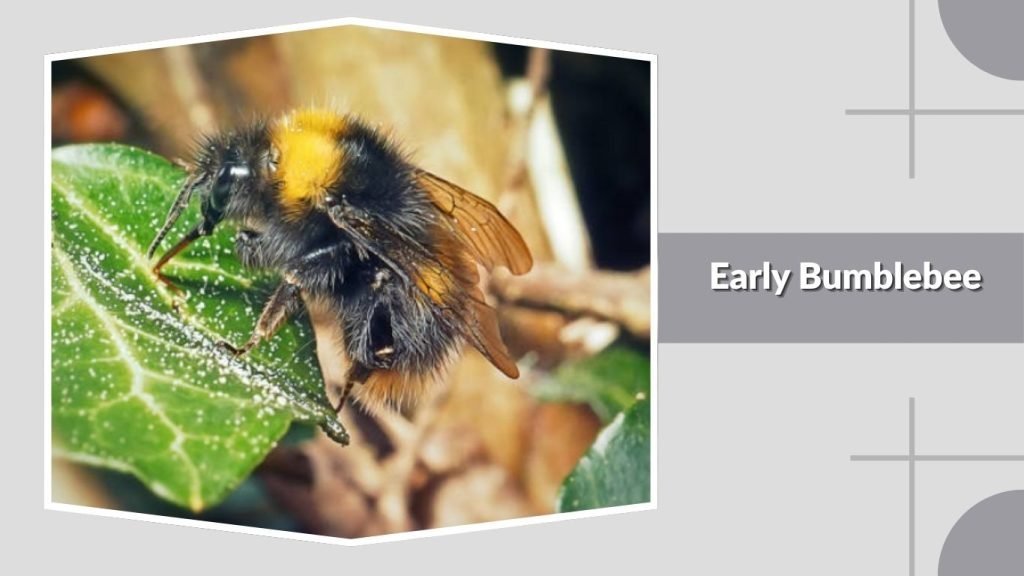
The Early Bumblebee is one of the first bumblebee species to appear in spring. It is smaller than many other bumblebees but still plays a crucial role in pollination. Its early activity helps support plants that bloom at the start of the season.
Identification
- Small to medium-sized body
- Black with two yellow bands
- Orange or reddish tail
- Shorter hair compared to other bumblebees
- Queens emerge very early in spring
Habitat and Distribution
Early Bumblebees are found across Europe and parts of Asia. They inhabit gardens, meadows, woodland edges, and hedgerows. They are well adapted to cooler temperatures, allowing them to be active early in the year.
Behavior and Diet
This species forms smaller colonies compared to other bumblebees. They feed on nectar and gather pollen for their young. Their early emergence gives them access to spring flowers with less competition.
Importance in Pollination
Early Bumblebees are vital for pollinating early-blooming plants. They help kick-start the pollination cycle each year, supporting both wild ecosystems and agricultural crops.
5. Garden Bumblebee
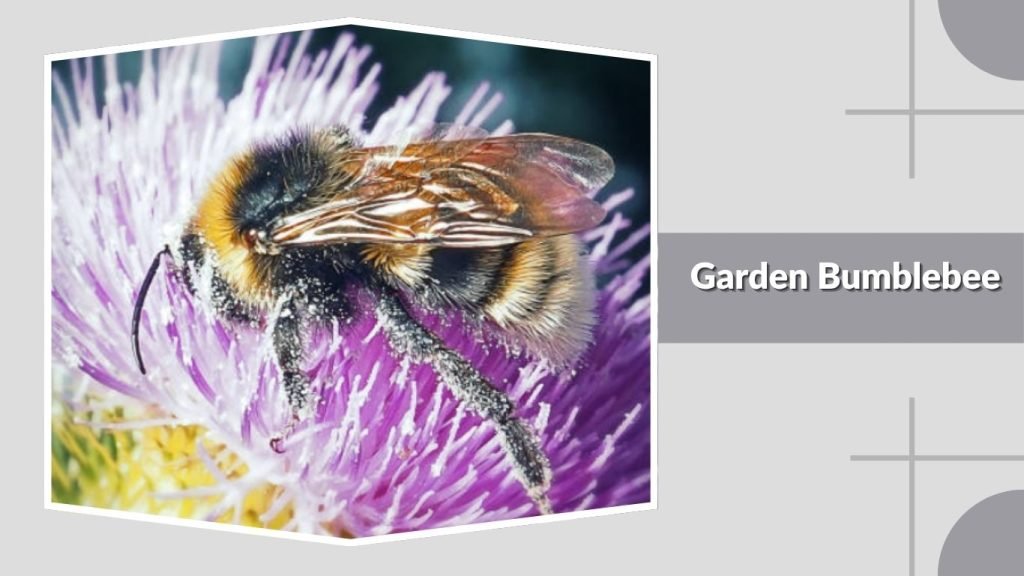
The Garden Bumblebee is known for its long tongue, which allows it to feed on deep flowers that other bees cannot reach. It is a gentle and common species often seen in gardens and parks, making it an important pollinator for a wide variety of plants.
Identification
- Large body with long face
- Black with three yellow bands
- White tail
- Long tongue (proboscis)
- Slender appearance compared to other bumblebees
Habitat and Distribution
Garden Bumblebees are widely found across Europe and parts of Asia. They prefer gardens, meadows, parks, and woodland edges. They are especially common in areas with many flowering plants.
Behavior and Diet
This species lives in colonies with a queen and workers. They feed on nectar and collect pollen for their larvae. Their long tongue allows them to access flowers like foxgloves and clover.
Importance in Pollination
Garden Bumblebees are excellent pollinators, especially for deep flowers. Their activity helps maintain plant diversity and supports agricultural crops that depend on pollination.
6. Tree Bumblebee
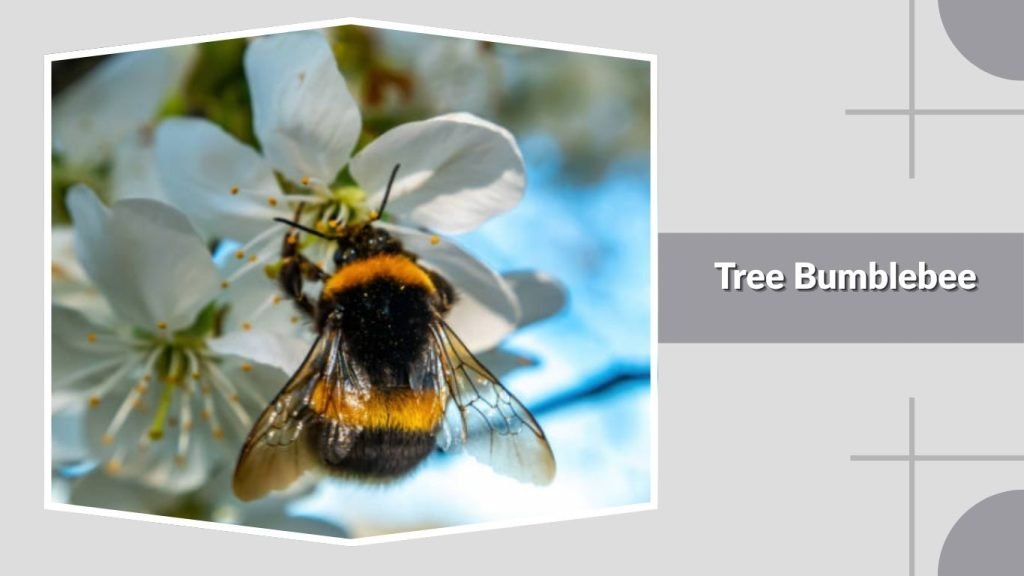
The Tree Bumblebee is a relatively recent but fast-spreading species in many regions. It is unique because it often nests above ground, unlike many other bumblebees. This species is commonly seen in urban and suburban environments.
Identification
- Medium-sized, fuzzy body
- Ginger or orange-brown thorax
- Black abdomen
- White tail
- Distinct color contrast between body sections
Habitat and Distribution
Tree Bumblebees are found across Europe and have expanded their range in recent years. They commonly nest in tree holes, bird boxes, and buildings. They are often seen in gardens, parks, and urban areas.
Behavior and Diet
This species forms social colonies and is active during spring and summer. They feed on nectar and collect pollen. They are known to hover near nest entrances, which can make them noticeable but not usually aggressive.
Importance in Pollination
Tree Bumblebees contribute significantly to pollination in both natural and urban environments. Their presence helps support flowering plants and improves crop productivity.
7. Heath Bumblebee
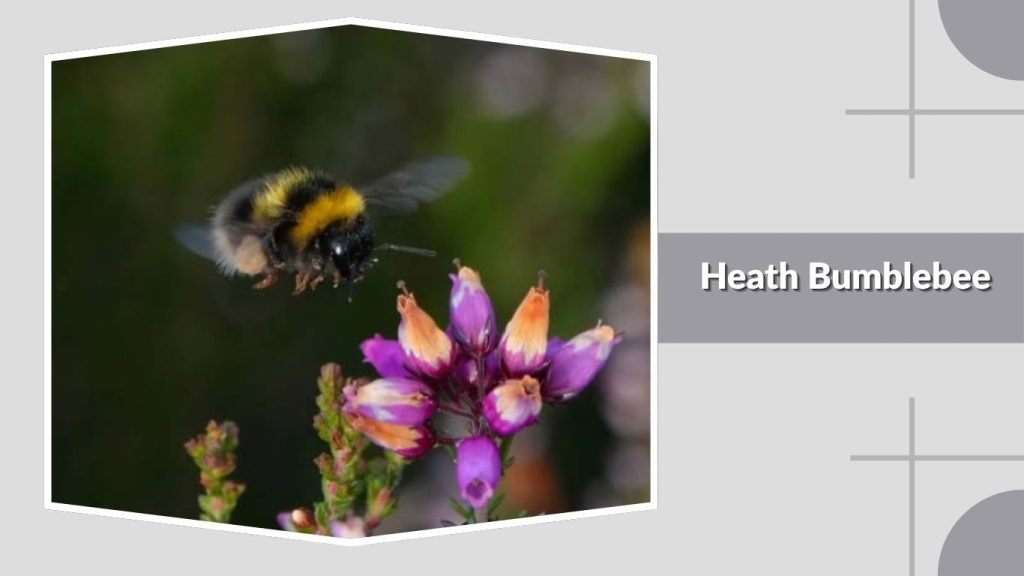
The Heath Bumblebee is a smaller and less noticeable species compared to others, but it is still an important pollinator. It is commonly found in open habitats and is well adapted to cooler climates, making it active across a wide range of environments.
Identification
- Small to medium-sized body
- Black with two yellow bands
- White or pale tail
- Less hairy than some other bumblebees
- Slimmer appearance
Habitat and Distribution
Heath Bumblebees are found across Europe and parts of Asia. They prefer heathlands, grasslands, gardens, and woodland edges. They are also seen in upland areas and cooler regions.
Behavior and Diet
This species is social and lives in small colonies. They feed on nectar and gather pollen for their young. They are active from spring through late summer and are often seen visiting a variety of flowers.
Importance in Pollination
Heath Bumblebees play a key role in pollinating wildflowers. Their activity helps maintain natural ecosystems and supports plant diversity in open landscapes.
8. Bilberry Bumblebee
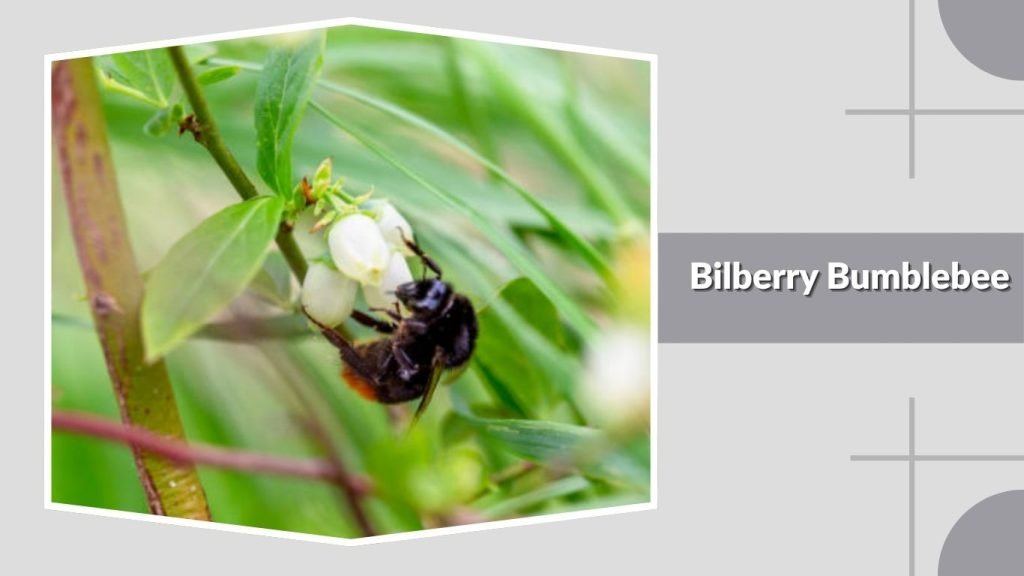
The Bilberry Bumblebee is a mountain and upland species known for its ability to survive in cooler, harsher conditions. It is especially associated with bilberry plants, from which it gets its name.
Identification
- Medium-sized, robust body
- Black with two yellow bands
- Bright red or orange tail
- Dense, thick hair for insulation
- Queens are larger and more prominent
Habitat and Distribution
Bilberry Bumblebees are found in northern and upland regions of Europe and Asia. They prefer moorlands, hills, forests, and mountainous areas where bilberry plants grow.
Behavior and Diet
This species forms colonies and is active during the warmer months. They feed on nectar and collect pollen, often favoring bilberry flowers and other upland plants.
Importance in Pollination
Bilberry Bumblebees are crucial for pollinating upland plants, especially bilberries. Their work supports both natural ecosystems and the growth of berries important for wildlife.
9. Brown-banded Carder Bee
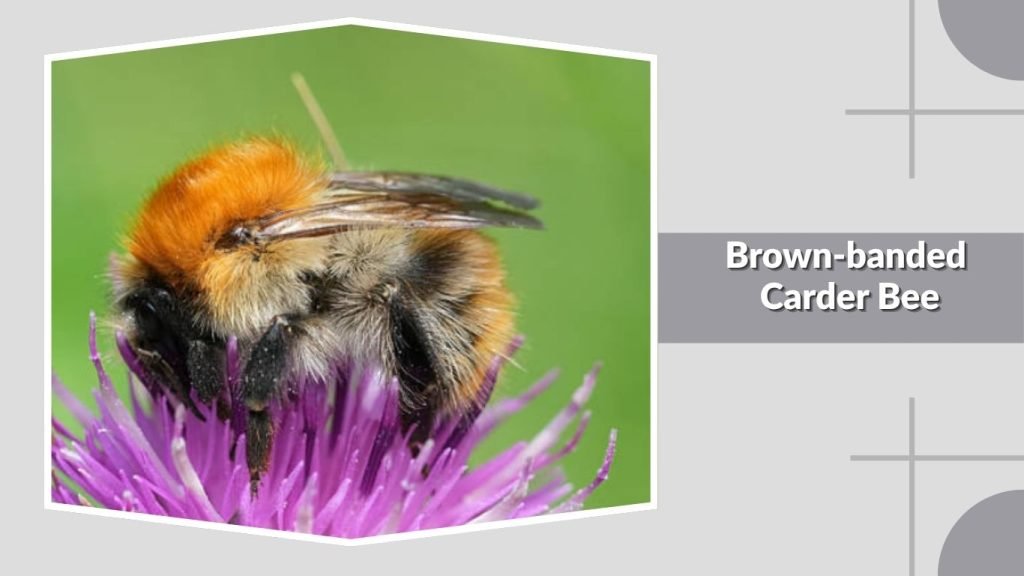
The Brown-banded Carder Bee is a distinctive species known for its warm brown coloring and banded appearance. It is often seen in flower-rich habitats and is an active pollinator throughout the warmer months.
Identification
- Medium-sized, fuzzy body
- Brownish coloration with darker bands
- Yellowish hairs on the sides
- Rounded abdomen
- Covered in dense, soft hair
Habitat and Distribution
This species is found across parts of Europe and Asia. It prefers grasslands, gardens, meadows, and open countryside where flowering plants are abundant.
Behavior and Diet
Brown-banded Carder Bees are social but form smaller colonies than some other bumblebees. They feed on nectar and collect pollen for their larvae. They are often seen moving actively between flowers.
Importance in Pollination
These bees are effective pollinators of wildflowers and crops. Their activity supports plant reproduction and helps maintain biodiversity in natural habitats.
10. Common Carder Bee
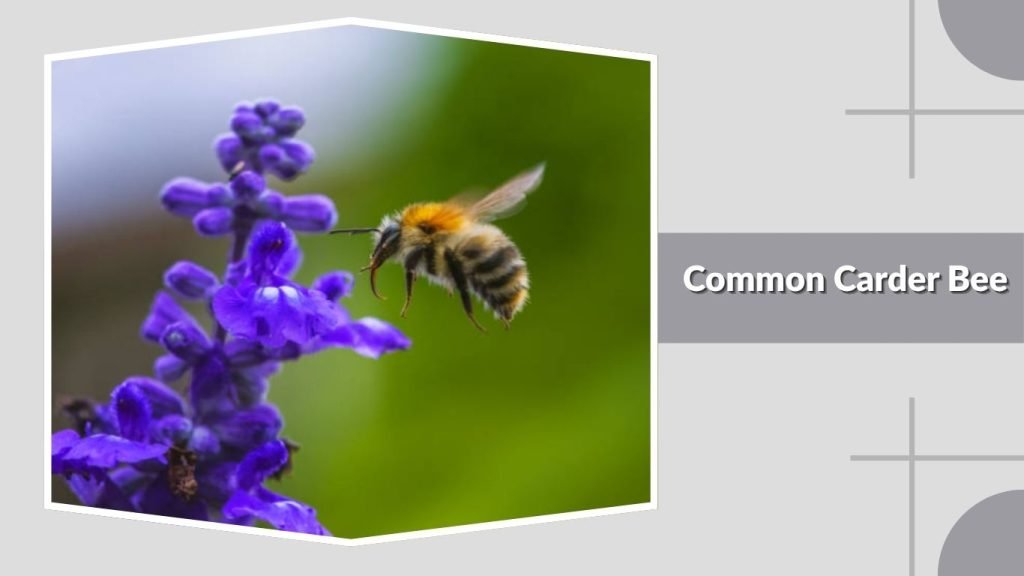
The Common Carder Bee is one of the most widespread and familiar carder bees. It is known for its ginger-colored fur and its habit of collecting plant fibers (carding) to build nests.
Identification
- Medium-sized with a fluffy appearance
- Ginger or orange-brown coloration
- Black bands on the abdomen
- Pale tail
- Thick, woolly hair
Habitat and Distribution
Common Carder Bees are widely distributed across Europe and parts of Asia. They are commonly found in gardens, grasslands, parks, and farmland.
Behavior and Diet
This species forms colonies and is active from spring to late summer. They feed on nectar and gather pollen. They also collect plant fibers to line and build their nests.
Importance in Pollination
Common Carder Bees are important pollinators for many wild plants and crops. Their long activity period and wide habitat range make them valuable contributors to ecosystems.
11. Moss Carder Bee
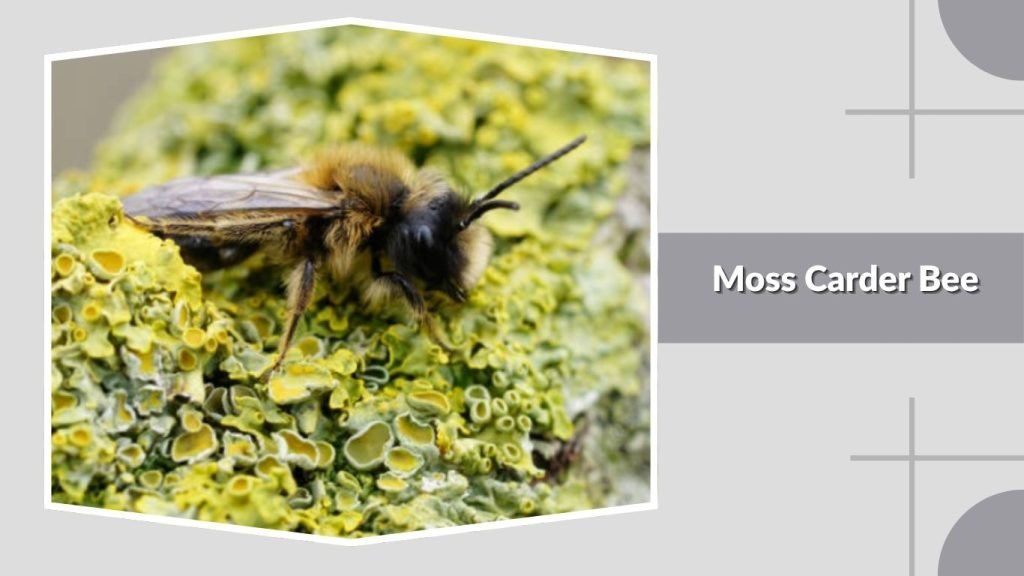
The Moss Carder Bee is a rare and declining species known for its unique nesting behavior using moss and plant fibers. It prefers undisturbed habitats and is an important indicator of healthy ecosystems.
Identification
- Medium-sized, fuzzy body
- Yellowish-brown coloration
- Black bands on the abdomen
- Pale or light-colored tail
- Thick, woolly hair
Habitat and Distribution
Moss Carder Bees are found in parts of Europe, especially in coastal and upland areas. They prefer flower-rich grasslands, dunes, and marshy habitats with plenty of moss.
Behavior and Diet
This species forms small colonies and is active during summer. They feed on nectar and collect pollen for their larvae. They are known for using moss and soft plant material to build nests above ground.
Importance in Pollination
Moss Carder Bees contribute to pollinating wildflowers in specialized habitats. Their presence supports biodiversity and helps maintain delicate ecosystems.
12. Shrill Carder Bee
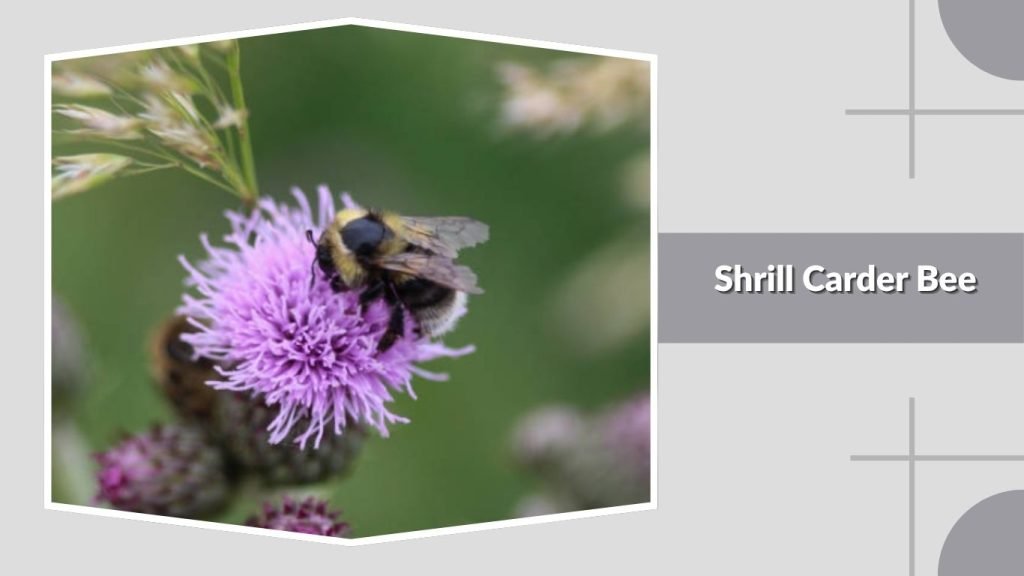
The Shrill Carder Bee is a rare species named for the high-pitched sound it produces while flying. It is now considered endangered in many areas due to habitat loss.
Identification
- Medium-sized, slender body
- Pale yellow or straw-colored fur
- Faint or absent dark bands
- Light-colored tail
- Less hairy than other carder bees
Habitat and Distribution
Shrill Carder Bees are found in limited areas of Europe. They prefer open grasslands, coastal habitats, and flower-rich meadows with minimal disturbance.
Behavior and Diet
This species forms small colonies and is active in summer. They feed on nectar and collect pollen. Their flight produces a noticeable high-pitched buzzing sound.
Importance in Pollination
Shrill Carder Bees are important pollinators of wildflowers, especially in coastal and grassland ecosystems. Their conservation is vital to protect plant diversity and ecological balance.
13. Red-shanked Carder Bee
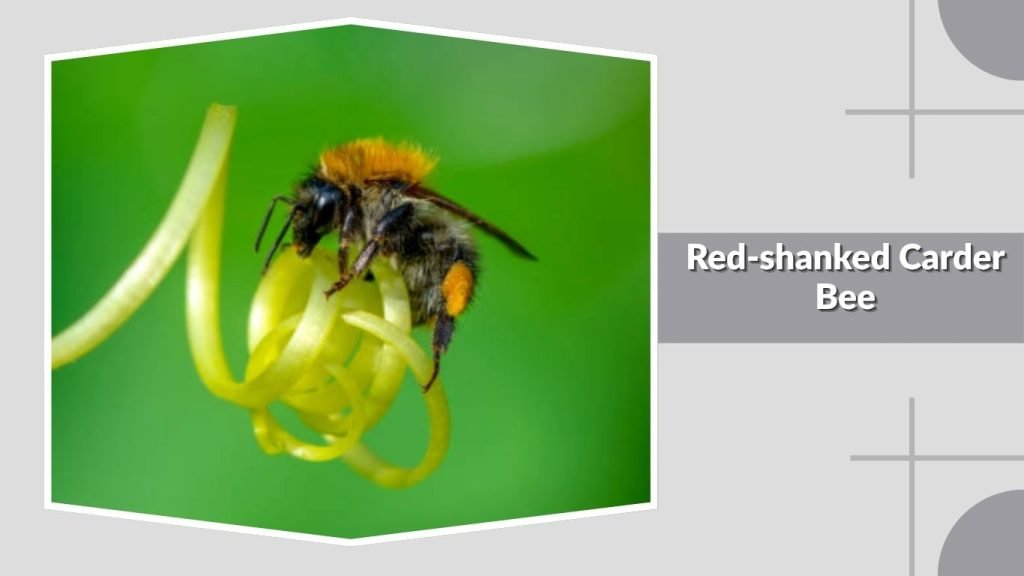
The Red-shanked Carder Bee is a distinctive species recognized by its darker body and reddish hind legs. It is less common than other carder bees and prefers specific habitats with abundant flowering plants.
Identification
- Medium-sized, robust body
- Dark brown to black coloration
- Reddish or orange hairs on hind legs
- Yellowish hairs on thorax
- Dense, fuzzy appearance
Habitat and Distribution
This species is found in parts of Europe and Asia. It prefers open grasslands, meadows, and flower-rich areas. It is often seen in less disturbed habitats with plenty of native plants.
Behavior and Diet
Red-shanked Carder Bees form small colonies and are active during warmer months. They feed on nectar and collect pollen for their young. Like other carder bees, they may gather plant fibers for nesting.
Importance in Pollination
They play an important role in pollinating wildflowers. Their activity supports plant reproduction and helps maintain biodiversity in natural ecosystems.
14. Ruderal Bumblebee
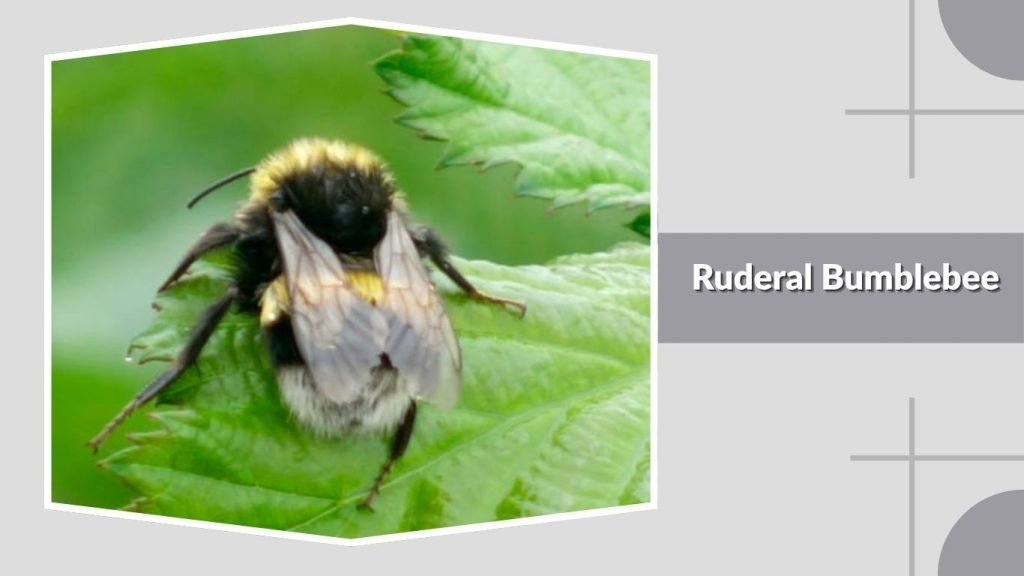
The Ruderal Bumblebee is a cuckoo bumblebee species, meaning it does not build its own nest but instead relies on the nests of other bumblebees. It is less frequently seen but still an interesting part of the bee ecosystem.
Identification
- Medium-sized, less hairy body
- Black with yellow bands
- White or pale tail
- Shiny appearance due to reduced hair
- Lacks pollen baskets
Habitat and Distribution
Ruderal Bumblebees are found across Europe and parts of Asia. They inhabit grasslands, farmland, gardens, and open countryside where host species are present.
Behavior and Diet
As a parasitic species, the female invades the nest of another bumblebee species and lays her eggs there. They feed on nectar but do not collect pollen like typical bumblebees.
Importance in Pollination
Although less active in pollen collection, Ruderal Bumblebees still contribute to pollination while feeding on nectar. They also play a role in maintaining ecological balance among bee populations.
15. Great Yellow Bumblebee
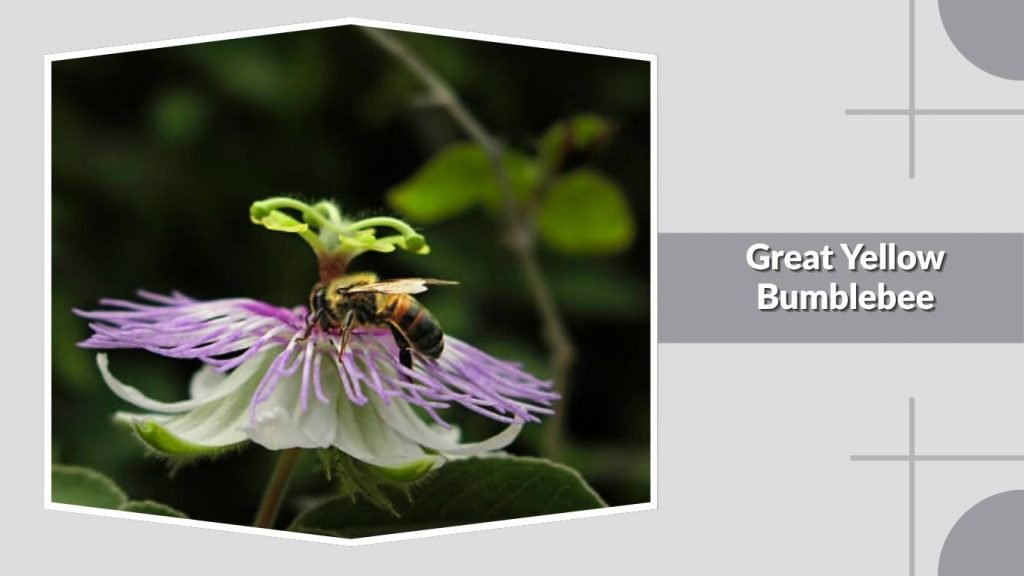
The Great Yellow Bumblebee is a rare and declining species known for its pale yellow coloring. It is mostly found in coastal and northern regions and depends heavily on flower-rich habitats.
Identification
- Large, slender body
- Pale yellow coloration with a black band
- Light or yellowish tail
- Less dense hair than other bumblebees
- Long face and narrow shape
Habitat and Distribution
This species is mainly found in northern parts of Europe, especially in coastal grasslands and islands. It prefers open, flower-rich habitats with minimal disturbance.
Behavior and Diet
Great Yellow Bumblebees form small colonies and are active during summer. They feed on nectar and collect pollen, often visiting clover and other wildflowers.
Importance in Pollination
They are important pollinators of coastal and grassland plants. Their decline highlights the need for habitat conservation to support biodiversity.
16. Gypsy Cuckoo Bumblebee
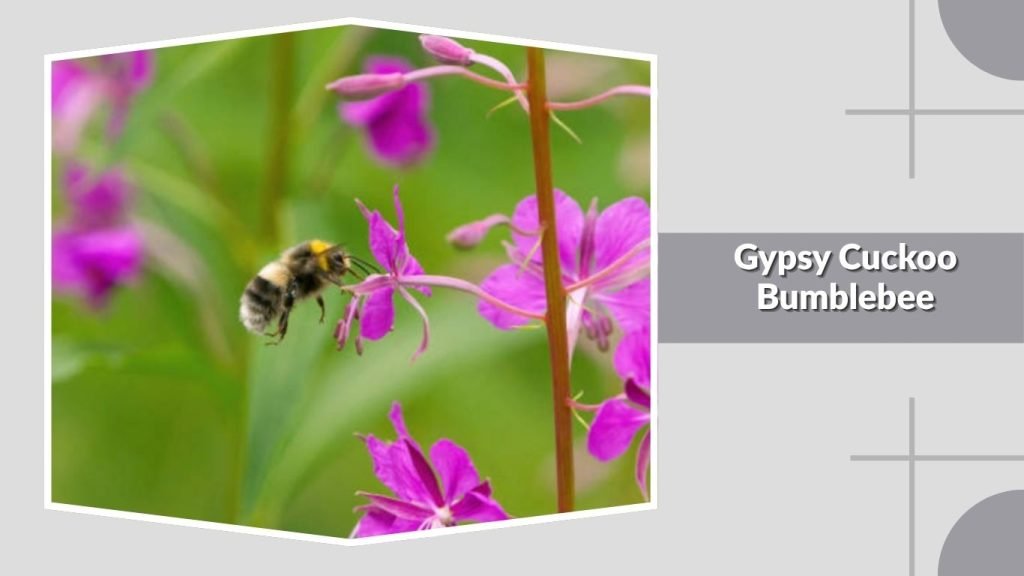
The Gypsy Cuckoo Bumblebee is a parasitic species that relies on other bumblebee nests to reproduce. It does not build its own colony, making it quite different from typical bumblebees.
Identification
- Medium-sized body with sparse hair
- Black with pale yellow bands
- Whitish or pale tail
- Shiny appearance
- No pollen baskets on legs
Habitat and Distribution
Gypsy Cuckoo Bumblebees are found across Europe and parts of Asia. They live in habitats where their host species are present, including grasslands, gardens, and farmland.
Behavior and Diet
Females invade the nests of other bumblebees, take over, and lay their eggs. They feed on nectar but do not collect pollen, relying on host workers to raise their young.
Importance in Pollination
Although they do not gather pollen, they still help in pollination while feeding on nectar. They also play a role in regulating bumblebee populations within ecosystems.
17. Vestal Cuckoo Bumblebee
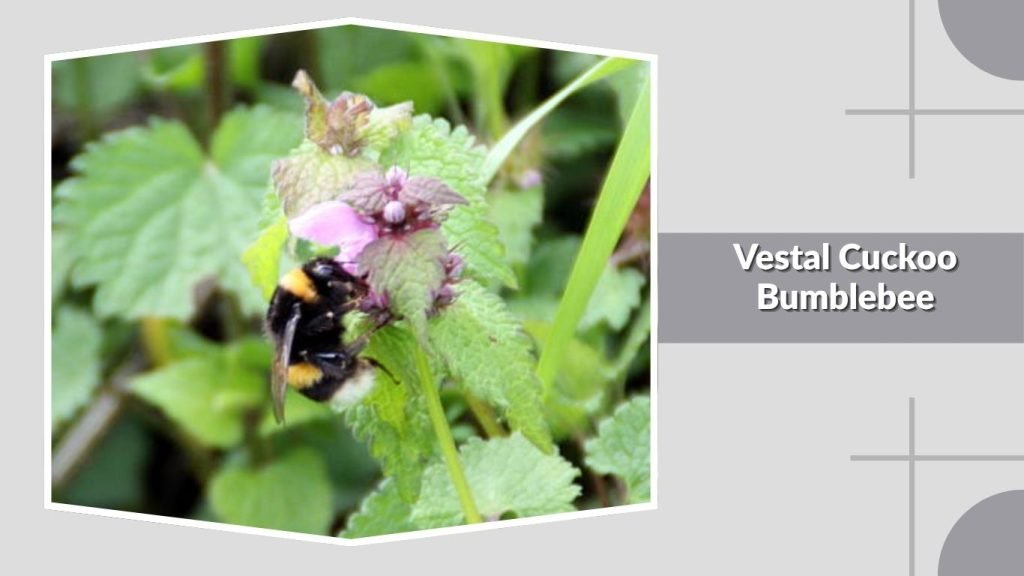
The Vestal Cuckoo Bumblebee is a parasitic species that depends on other bumblebees to reproduce. It closely resembles its host species, which helps it enter nests undetected. Despite its unusual lifestyle, it still contributes to the ecosystem.
Identification
- Medium to large body
- Black with yellow bands
- White or pale tail
- Less hairy and more shiny appearance
- No pollen baskets on legs
Habitat and Distribution
Vestal Cuckoo Bumblebees are found across Europe and parts of Asia. They are commonly seen in gardens, grasslands, and farmland where their host species live.
Behavior and Diet
Females invade host nests, usually of Buff-tailed Bumblebees, and lay their eggs. They rely on the host workers to raise their young. Adults feed on nectar but do not collect pollen.
Importance in Pollination
While not active pollen collectors, they still assist in pollination when feeding on nectar. They also help maintain ecological balance by interacting with host bee populations.
18. Barbut’s Cuckoo Bumblebee
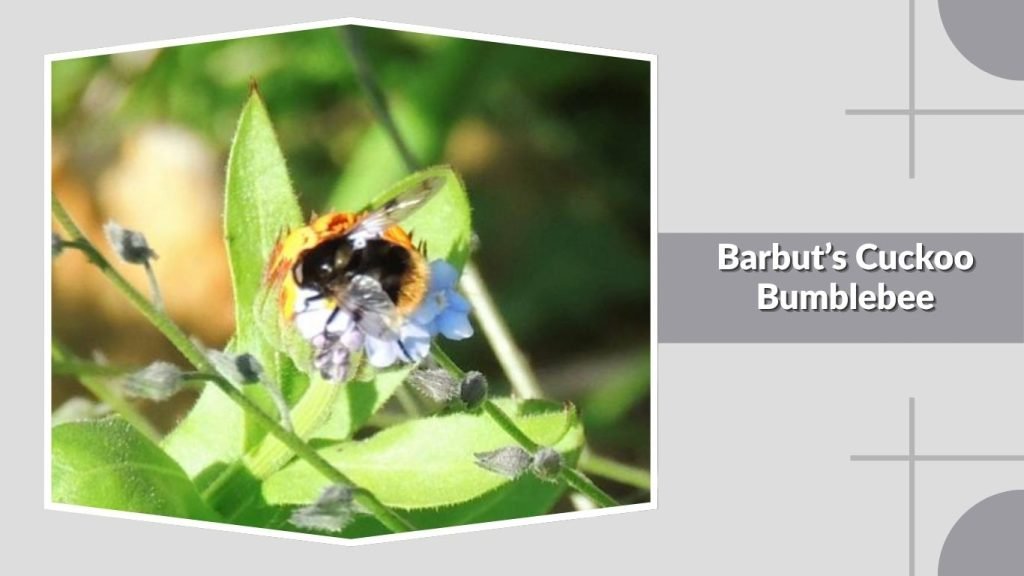
Barbut’s Cuckoo Bumblebee is another parasitic species that depends on specific host bumblebees. It is less commonly seen but plays a unique role in the ecosystem.
Identification
- Medium-sized, less hairy body
- Black with yellow bands
- Pale or whitish tail
- Shiny appearance
- Lacks pollen baskets
Habitat and Distribution
This species is found in parts of Europe and Asia. It inhabits grasslands, gardens, and open countryside where suitable host species are present.
Behavior and Diet
Barbut’s Cuckoo Bumblebee invades the nests of other bumblebees to reproduce. It feeds on nectar and does not collect pollen, relying entirely on host bees for raising its offspring.
Importance in Pollination
Although it does not gather pollen, it contributes to pollination through nectar feeding. It also plays a role in maintaining the balance of bumblebee communities.
19. Field Cuckoo Bumblebee
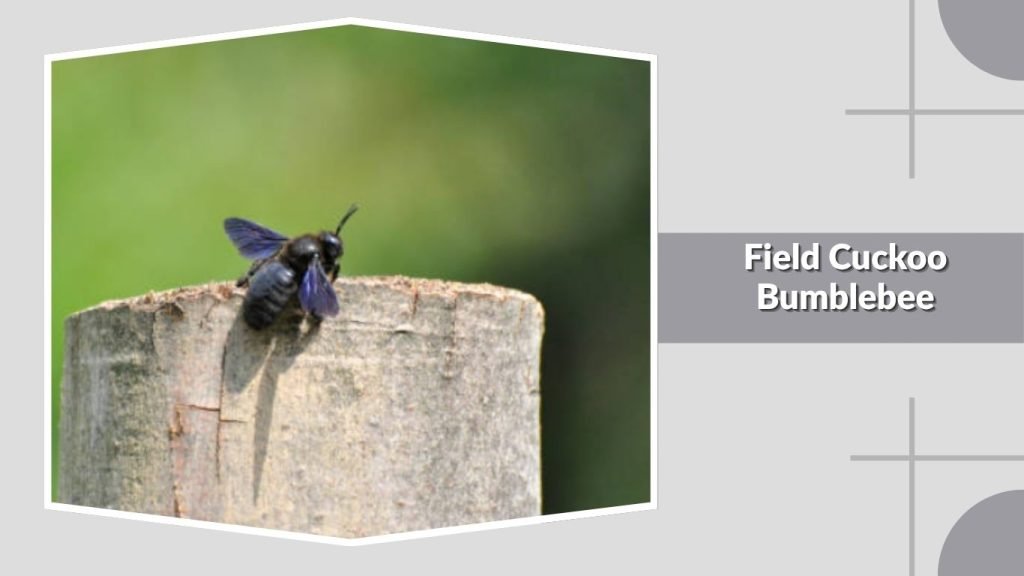
The Field Cuckoo Bumblebee is a parasitic species that relies on other bumblebee nests to reproduce. It is less commonly noticed due to its resemblance to host species, but it plays an important ecological role.
Identification
- Medium-sized body
- Black with yellow bands
- White or pale tail
- Less hairy, more shiny appearance
- No pollen baskets
Habitat and Distribution
This species is found across Europe and parts of Asia. It prefers open habitats such as grasslands, farmland, and gardens where host bumblebees are present.
Behavior and Diet
Females invade the nests of host bees and lay their eggs. They depend on host workers to raise their young. Adults feed on nectar and do not collect pollen.
Importance in Pollination
Field Cuckoo Bumblebees contribute to pollination while feeding on nectar. They also help regulate host bee populations, maintaining ecological balance.
20. Bohemian Cuckoo Bumblebee
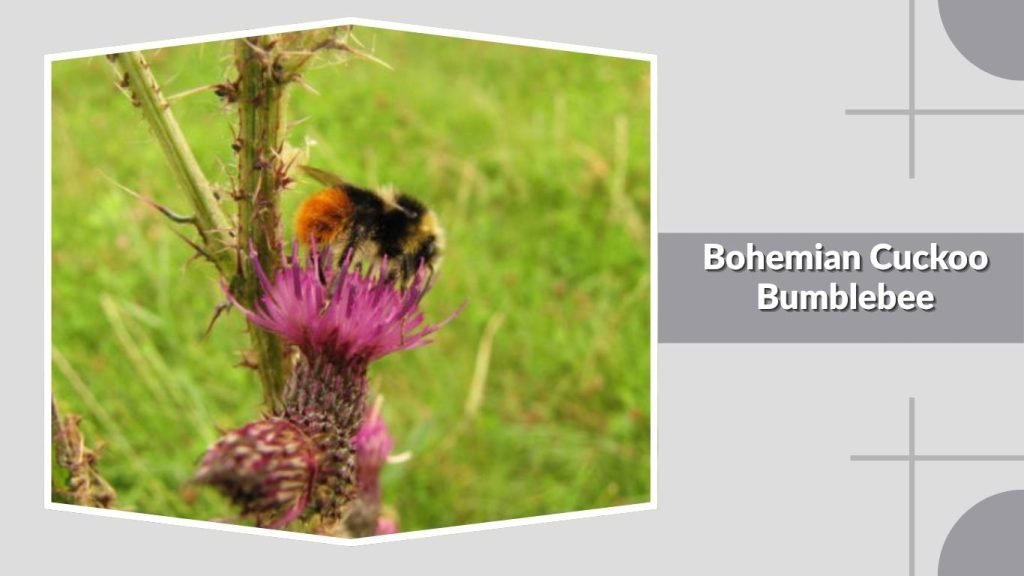
The Bohemian Cuckoo Bumblebee is a well-known parasitic species that targets other bumblebee colonies. It is widespread and often associated with several host species.
Identification
- Medium-sized, robust body
- Black with yellow bands
- White or pale tail
- Sparse hair with shiny look
- Lacks pollen baskets
Habitat and Distribution
Bohemian Cuckoo Bumblebees are found across Europe, Asia, and North America. They inhabit gardens, forests, grasslands, and farmland where host species are available.
Behavior and Diet
This species invades host nests, kills or dominates the queen, and lays its own eggs. Adults feed on nectar but do not gather pollen.
Importance in Pollination
Although they do not collect pollen, they still assist in pollination through nectar feeding. They play an important role in maintaining balance within bee communities.
21. Fernald’s Cuckoo Bumblebee
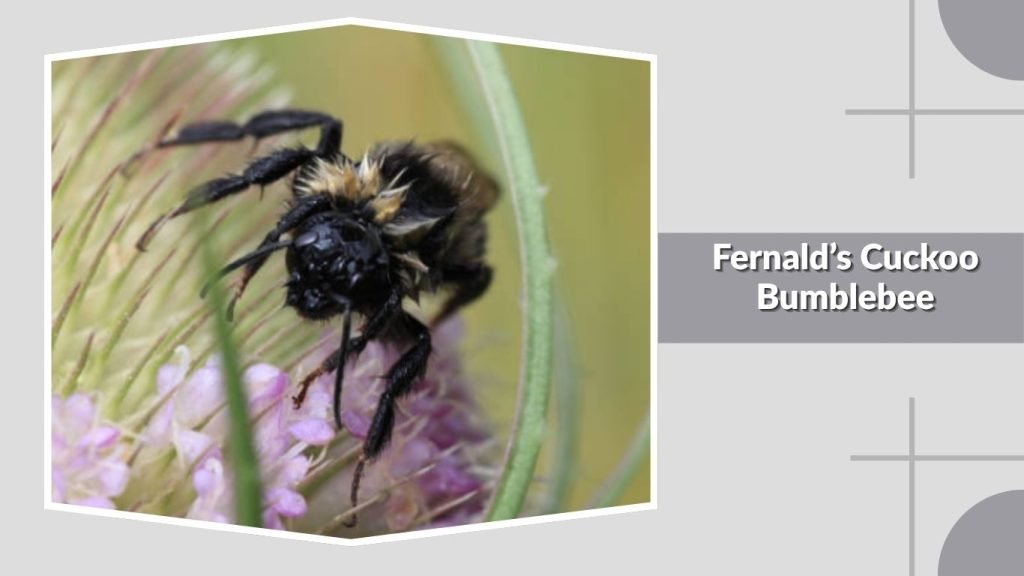
Fernald’s Cuckoo Bumblebee is a parasitic species that depends entirely on host bumblebees for reproduction. It is less commonly seen but is an important part of the bumblebee ecosystem.
Identification
- Medium-sized body
- Black with yellow bands
- Pale or whitish tail
- Shiny and less hairy appearance
- No pollen baskets
Habitat and Distribution
This species is found mainly in North America. It inhabits meadows, grasslands, gardens, and open woodland areas where suitable host species are present.
Behavior and Diet
Females invade the nests of host bumblebees and lay their eggs. They rely on the host workers to raise their young. Adults feed on nectar and do not collect pollen.
Importance in Pollination
Fernald’s Cuckoo Bumblebee contributes to pollination while feeding on nectar. It also plays a role in balancing bumblebee populations in ecosystems.
22. Two-spotted Bumblebee
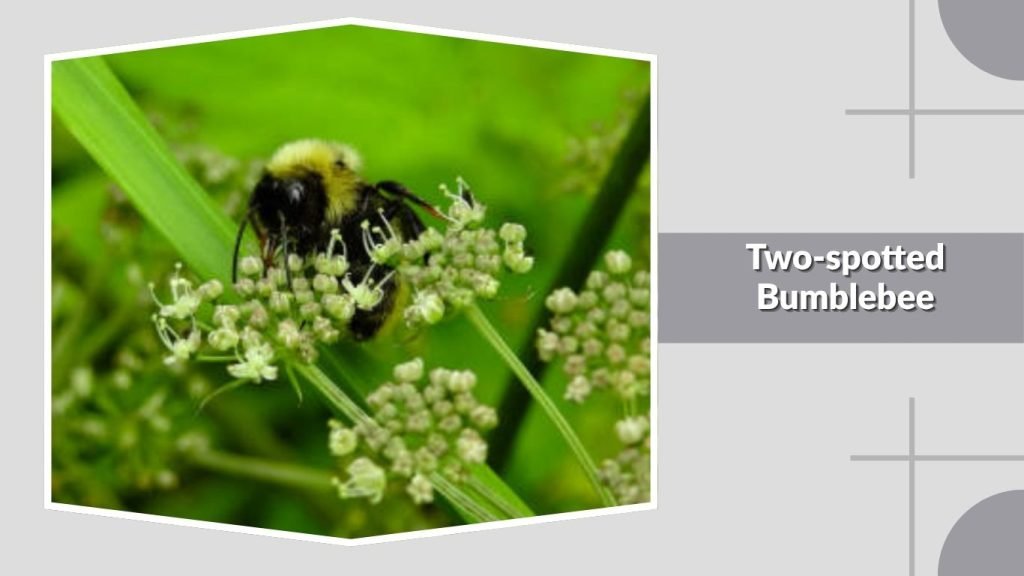
The Two-spotted Bumblebee is a common and easily recognizable species, especially in North America. It is known for its adaptability and importance as a pollinator.
Identification
- Medium-sized, fuzzy body
- Yellow and black coloration
- Distinct two yellow spots on the abdomen
- Pale or yellowish tail
- Dense hair covering
Habitat and Distribution
Two-spotted Bumblebees are widely found across North America. They live in gardens, forests, meadows, and urban areas with plenty of flowers.
Behavior and Diet
This species forms social colonies and is active from spring to late summer. They feed on nectar and collect pollen to support their larvae.
Importance in Pollination
Two-spotted Bumblebees are highly effective pollinators. They support both wild plants and agricultural crops, making them valuable for ecosystems and food production.
23. Half-black Bumblebee
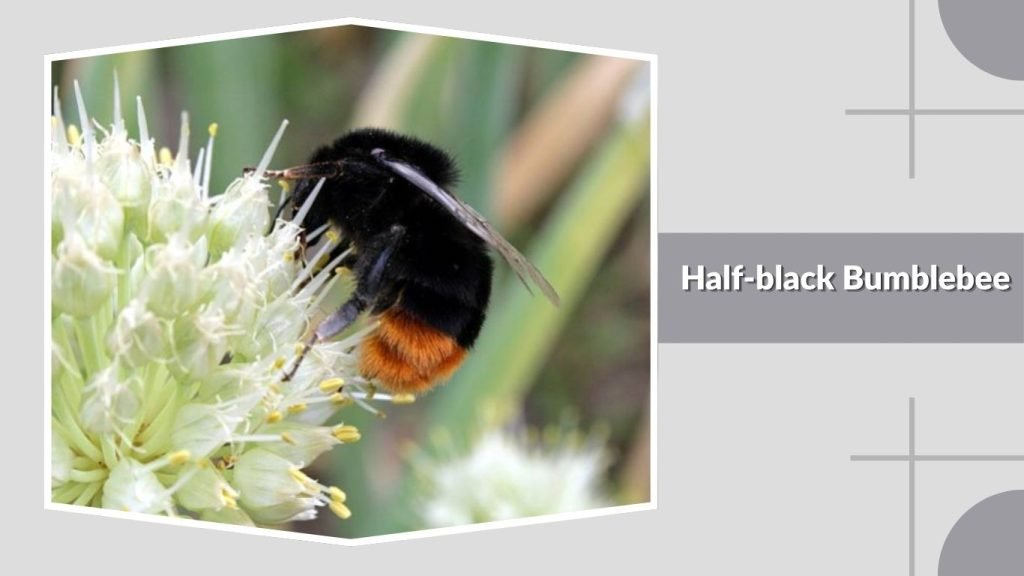
The Half-black Bumblebee is a distinctive species known for its contrasting body coloration. It is commonly found in various habitats and plays a valuable role in pollination.
Identification
- Medium-sized, fuzzy body
- Yellow front with black rear abdomen
- Pale or whitish tail
- Clear division between yellow and black sections
- Dense hair covering
Habitat and Distribution
This species is found across parts of North America. It prefers open habitats such as grasslands, gardens, farmland, and woodland edges where flowers are abundant.
Behavior and Diet
Half-black Bumblebees are social and form colonies with a queen and workers. They feed on nectar and collect pollen to nourish their larvae. They are active during spring and summer.
Importance in Pollination
They are effective pollinators of many flowering plants. Their activity helps improve crop yields and supports biodiversity in natural ecosystems.
24. Yellow-banded Bumblebee
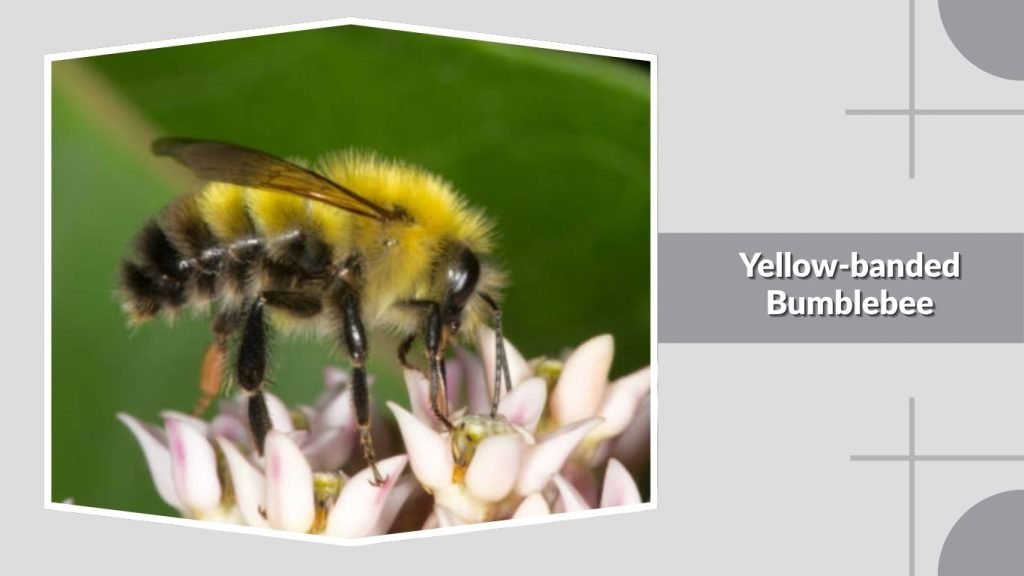
The Yellow-banded Bumblebee is a well-known species recognized for its bright yellow bands. It is an important pollinator but has experienced population declines in some regions.
Identification
- Medium-sized body
- Black with bright yellow bands
- Yellow band across the abdomen
- Pale or yellowish tail
- Thick, fuzzy hair
Habitat and Distribution
Yellow-banded Bumblebees are found across North America. They inhabit forests, meadows, gardens, and agricultural areas with rich floral resources.
Behavior and Diet
This species lives in colonies and is active from spring through late summer. They feed on nectar and collect pollen for their young, visiting a wide range of flowers.
Importance in Pollination
Yellow-banded Bumblebees are highly effective pollinators. They support both wild ecosystems and agricultural crops, making them essential for maintaining plant diversity and food production.
25. Black and Gold Bumblebee
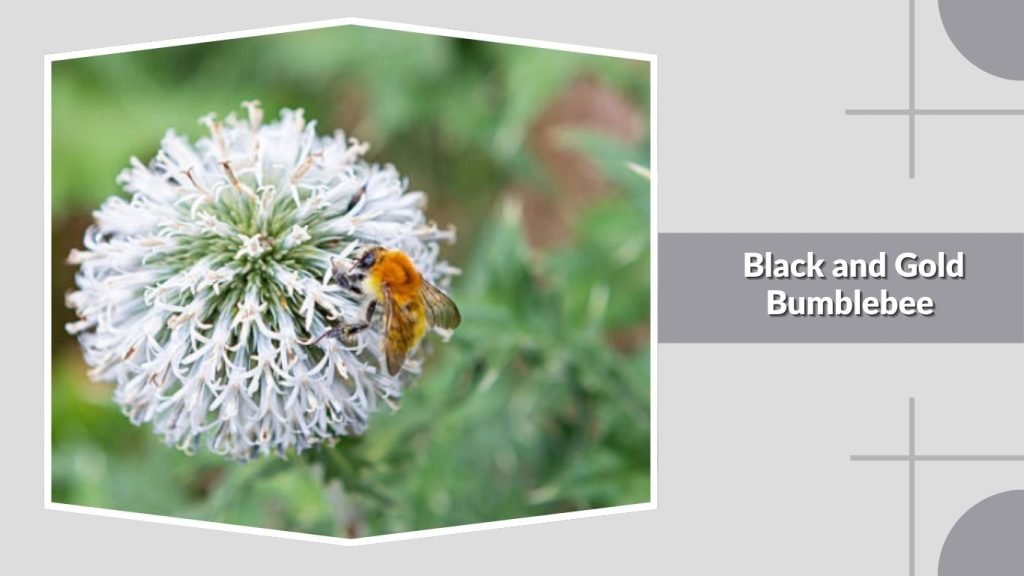
The Black and Gold Bumblebee is a visually striking species known for its bold yellow and black coloration. It is commonly found in North America and is an important pollinator in both natural and agricultural environments.
Identification
- Medium to large-sized body
- Bright yellow and black banded pattern
- Yellow thorax with black abdomen bands
- Pale or yellowish tail
- Thick, fuzzy hair
Habitat and Distribution
This species is widely distributed across North America. It can be found in gardens, grasslands, farmland, and forest edges where flowering plants are abundant.
Behavior and Diet
Black and Gold Bumblebees are social insects that form colonies. They feed on nectar for energy and collect pollen to feed their larvae. They are active during the warmer months.
Importance in Pollination
They are excellent pollinators, helping fertilize a wide range of plants. Their activity supports both wild ecosystems and agricultural production.
26. Rusty-patched Bumblebee
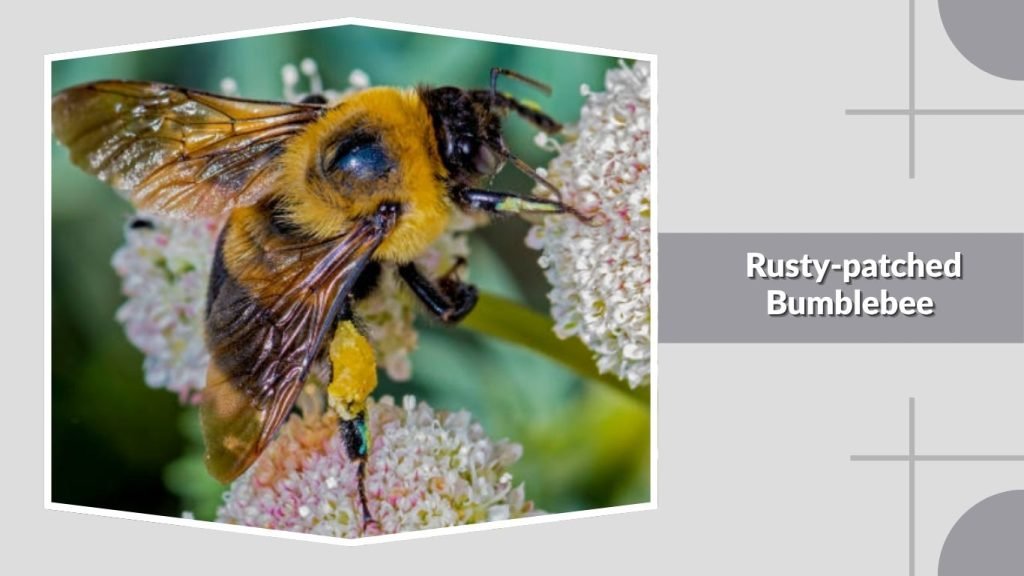
The Rusty-patched Bumblebee is a rare and endangered species known for the rusty-colored patch on its body. It was once common but has declined significantly in recent years.
Identification
- Medium-sized, fuzzy body
- Yellow and black coloration
- Distinct rusty-brown patch on abdomen
- Pale or yellowish tail
- Dense hair covering
Habitat and Distribution
This species is found mainly in North America. It prefers grasslands, prairies, woodlands, and gardens with abundant flowers.
Behavior and Diet
Rusty-patched Bumblebees live in colonies and are active from spring to late summer. They feed on nectar and collect pollen to support their young.
Importance in Pollination
They are highly effective pollinators of wildflowers and crops. Their decline is a concern, as it impacts biodiversity and agricultural ecosystems.
27. Nevada Bumblebee
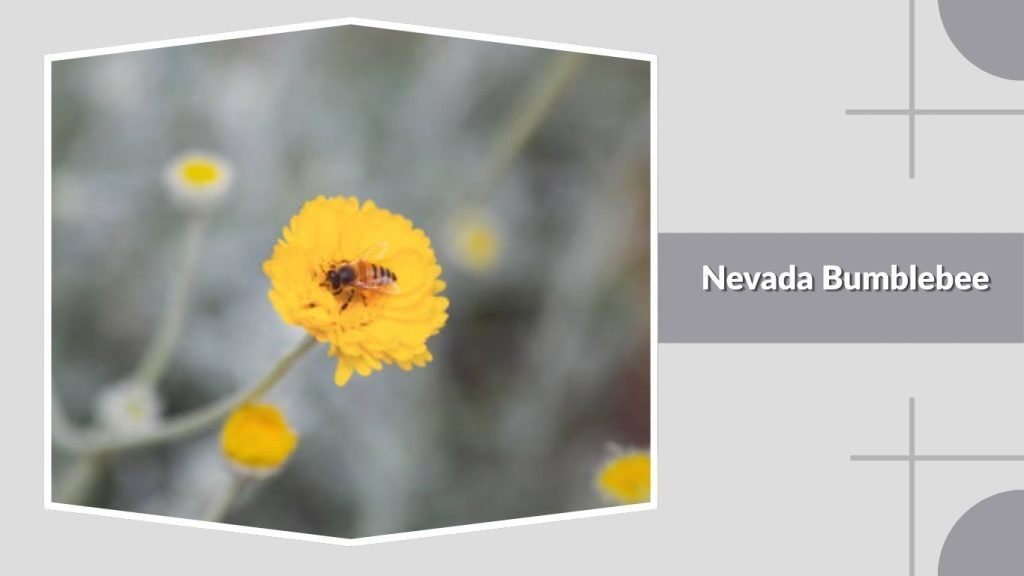
The Nevada Bumblebee is a lesser-known species found in parts of North America. It is adapted to dry and semi-arid environments and plays an important role in pollinating native plants.
Identification
- Medium-sized, fuzzy body
- Yellow and black banded coloration
- Pale or whitish tail
- Dense hair for protection
- Robust body shape
Habitat and Distribution
Nevada Bumblebees are primarily found in the western regions of North America, especially in dry grasslands, deserts, and open woodland areas. They are well adapted to warmer and drier climates.
Behavior and Diet
This species forms colonies and is active during the warmer months. They feed on nectar and collect pollen for their larvae. They often visit a variety of flowering plants in their habitat.
Importance in Pollination
Nevada Bumblebees are valuable pollinators of native plants in arid regions. Their activity supports local ecosystems and helps maintain plant diversity in challenging environments.
