
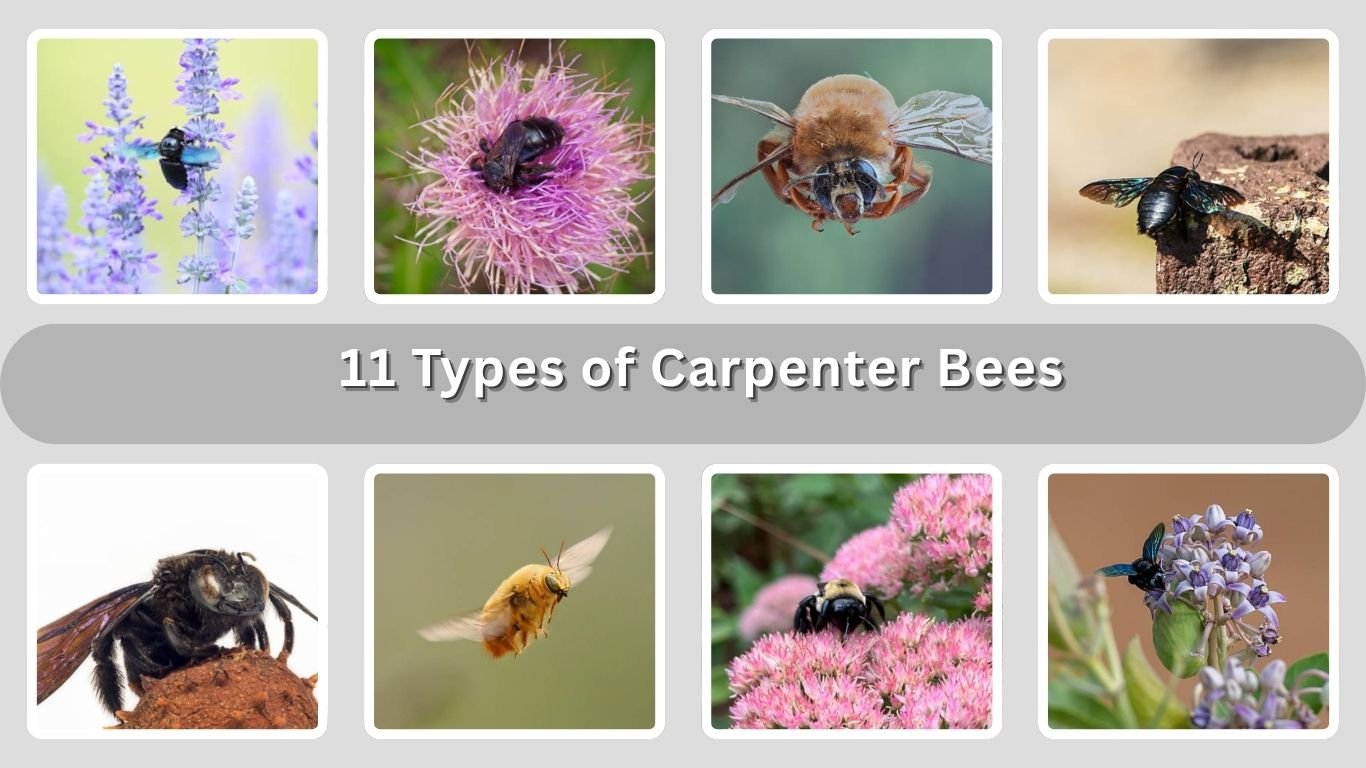
Carpenter bees are large, powerful pollinators known for their ability to drill into wood to create nests. They are found in many parts of the world and are often seen around gardens, forests, and wooden structures. Despite their size and loud buzzing, most species are not aggressive and play a vital role in pollination.
This list highlights 11 types of carpenter bees, focusing on their size, color, and diet. These bees vary in appearance, from shiny black species to brightly colored ones, but all contribute significantly to plant reproduction and ecosystem health.
1. Xylocopa virginica
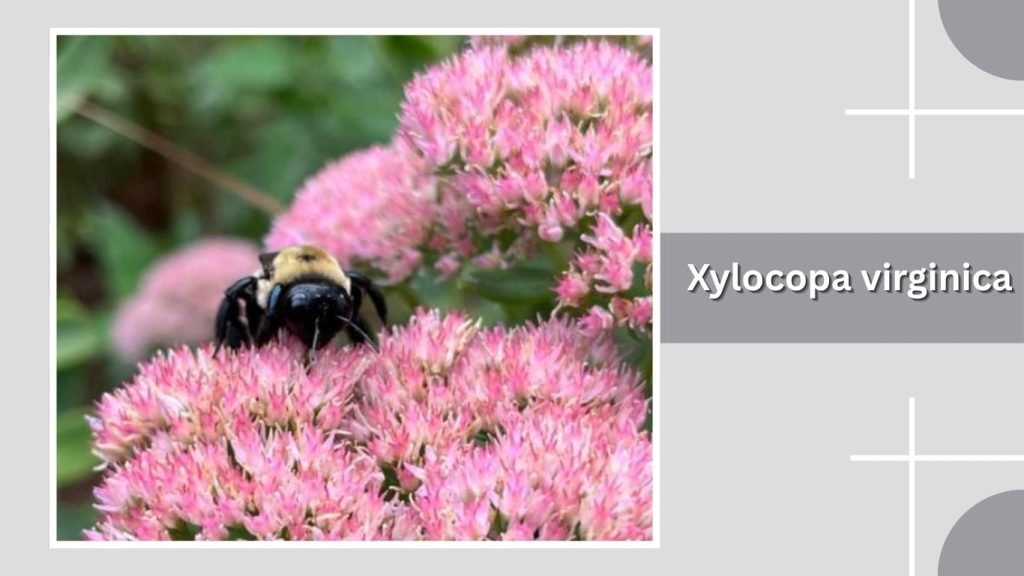
Xylocopa virginica, commonly known as the Eastern Carpenter Bee, is one of the most recognizable carpenter bee species. It is known for its large size and its habit of boring into wood to create nests. This bee is an important pollinator and is often seen around wooden structures, gardens, and forest edges.
Identification
- Large, robust body
- Shiny black abdomen
- Yellow and black hairy thorax
- Strong wings
- Loud buzzing flight
Size
Xylocopa virginica typically measures about 19 to 25 mm in length. It is one of the largest bee species in its region, making it easy to notice when flying or resting on surfaces.
Color
This species has a distinct color pattern with a black, smooth, and shiny abdomen, while the thorax is covered in yellow or golden hair. Males may have lighter markings on their faces.
Diet
It feeds on nectar for energy and collects pollen to feed its larvae. It visits a wide variety of flowers, including garden plants and wildflowers, making it a generalist pollinator.
ID
This bee can be identified by its large size, shiny black abdomen, and habit of drilling into wood. Its loud buzzing sound and frequent presence near wooden structures also help in recognition.
2. Xylocopa violacea
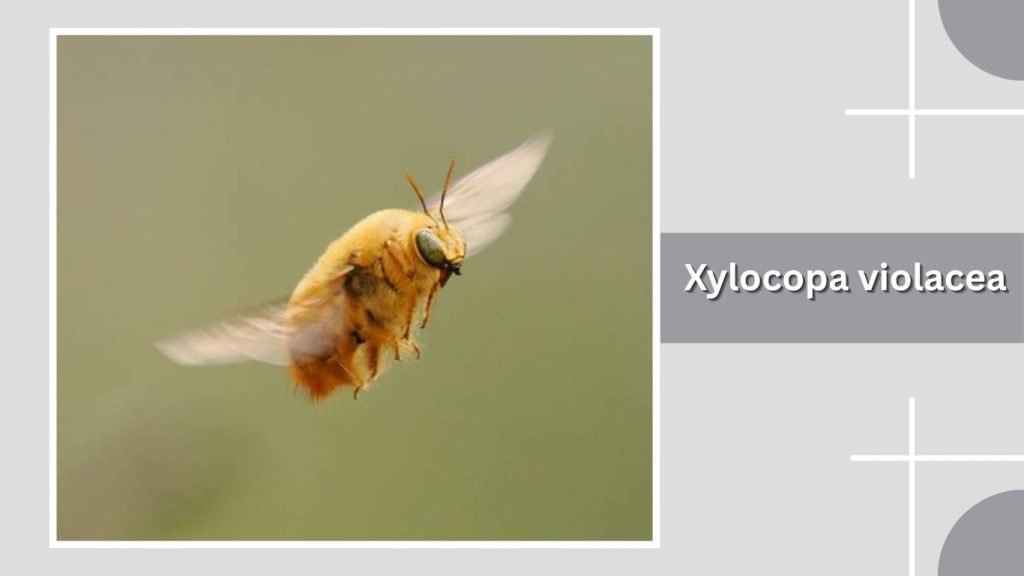
Xylocopa violacea, commonly known as the Violet Carpenter Bee, is a large and striking bee species known for its dark body and iridescent wings. It is an important pollinator and is often seen flying around gardens and wooded areas.
Identification
- Large, robust body
- Shiny black coloration
- Wings with violet or purple shine
- Smooth, less hairy abdomen
- Loud buzzing flight
Size
This species typically measures around 20 to 28 mm in length. Its large size makes it one of the most noticeable carpenter bees.
Color
Xylocopa violacea has a deep black body with wings that shimmer in violet or purple when light hits them. This gives it a unique and attractive appearance.
Diet
It feeds on nectar and collects pollen from a wide variety of flowers. It is a generalist pollinator and visits many garden and wild plants.
ID
It can be identified by its large size, black body, and distinctive violet-tinted wings. Its strong, loud flight and presence near wooden structures also help in recognition.
3. Xylocopa varipuncta
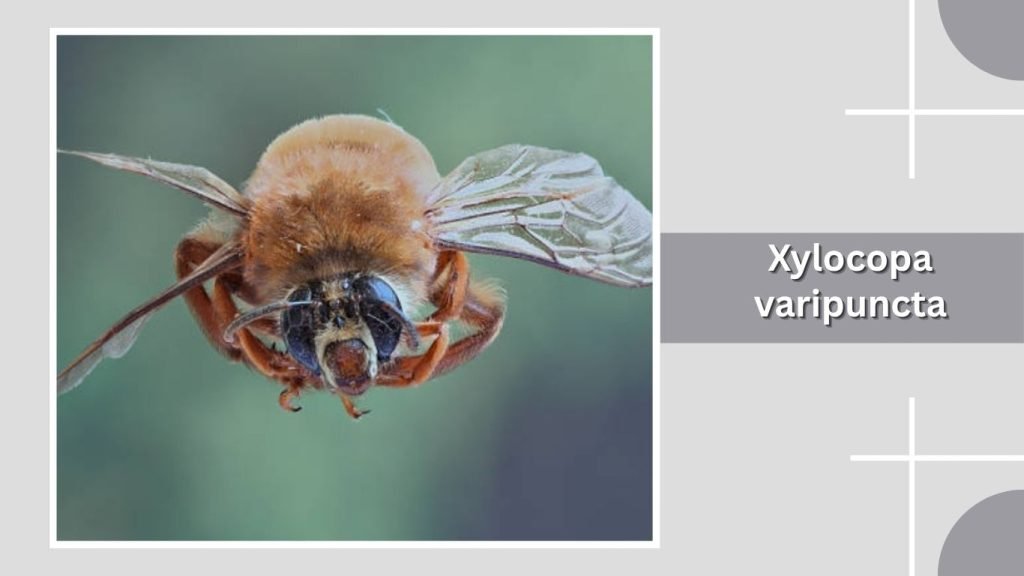
Xylocopa varipuncta, also known as the Valley Carpenter Bee, is a large species found in North America. It is notable for the difference in appearance between males and females.
Identification
- Large, robust body
- Females are black; males are golden
- Smooth, shiny abdomen
- Strong wings
- Loud buzzing flight
Size
This species typically measures about 19 to 25 mm in length. It is similar in size to other large carpenter bees.
Color
Females are mostly black with a shiny abdomen, while males are covered in golden or yellowish hair. This color difference makes them easy to distinguish.
Diet
It feeds on nectar and gathers pollen from flowers. It visits a variety of plants and is an effective pollinator.
ID
This bee can be identified by its size and the clear color difference between males and females. Its habit of nesting in wood and its loud buzzing sound are also key features.
4. Xylocopa pubescens
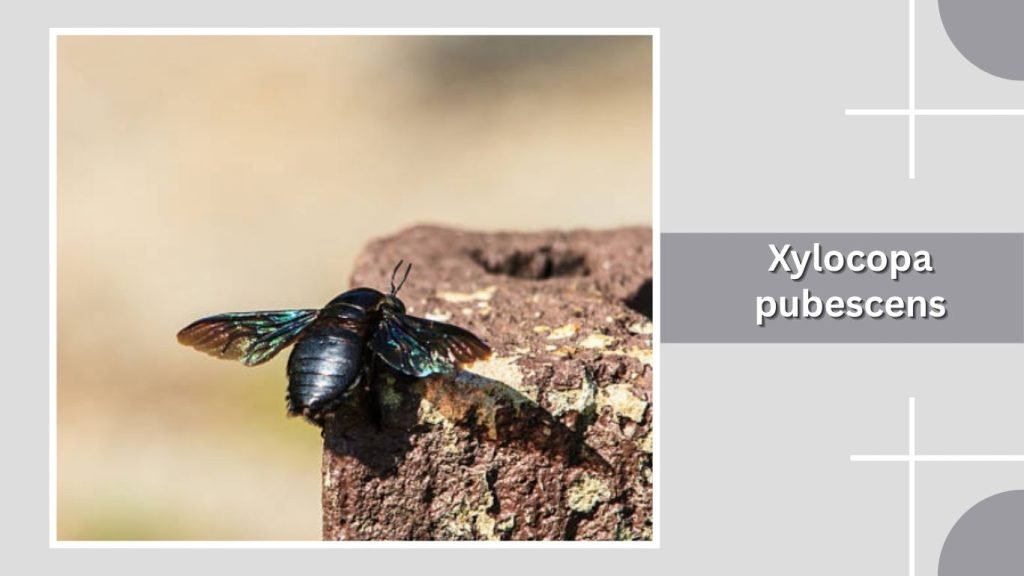
Xylocopa pubescens is a carpenter bee species commonly found in warm regions. It is known for its adaptability and ability to thrive in both natural and urban environments.
Identification
- Large, robust body
- Dense hair covering
- Black to dark brown coloration
- Slightly fuzzy appearance
- Strong wings
Size
This species typically measures around 20 to 25 mm in length. Its large size makes it easy to notice in flight.
Color
Xylocopa pubescens usually has a dark body with thick hair, giving it a more fuzzy look compared to some other carpenter bees. Color may vary slightly between individuals.
Diet
It feeds on nectar and collects pollen from various flowers. It is a generalist feeder and contributes to pollination in many habitats.
ID
It can be identified by its large, hairy body and dark coloration. Its nesting behavior in wood and strong buzzing flight also help in recognition.
5. Xylocopa brasilianorum
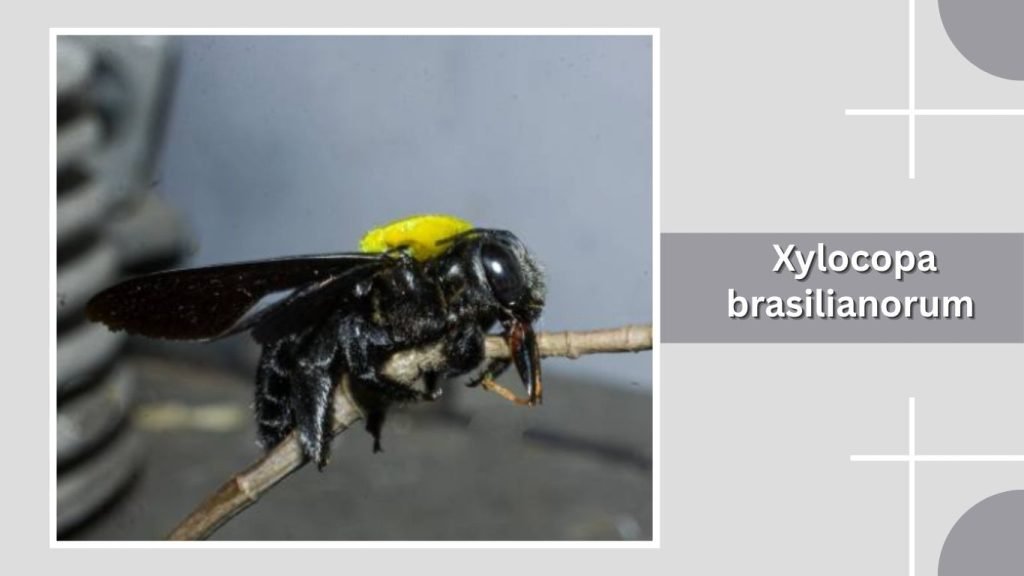
Xylocopa brasilianorum is a large carpenter bee species found in tropical regions. It is an important pollinator and is commonly seen in forests and gardens.
Identification
- Large, robust body
- Shiny black coloration
- Smooth abdomen
- Strong wings
- Loud buzzing flight
Size
This species typically measures about 20 to 28 mm in length. It is one of the larger carpenter bee species.
Color
Xylocopa brasilianorum has a mostly black body with a smooth and shiny abdomen. It lacks bright markings but stands out due to its size.
Diet
It feeds on nectar and collects pollen from a variety of flowers. It is an effective pollinator for many tropical plants.
ID
This bee can be identified by its large size, black shiny body, and wood-nesting behavior. Its loud flight and frequent visits to flowers also help in identification.
6. Xylocopa micans
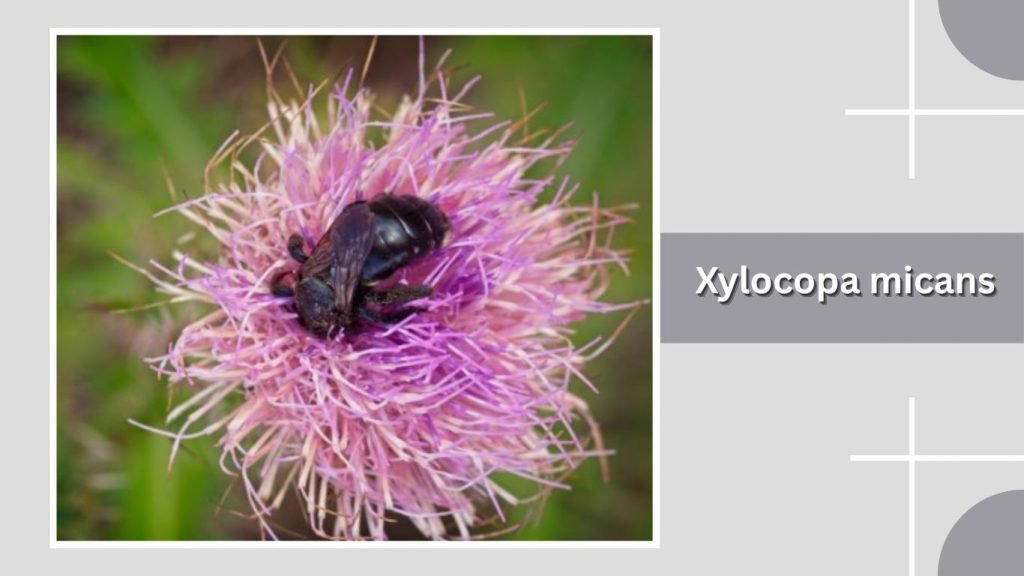
Xylocopa micans is a carpenter bee species commonly found in warmer regions. It is known for its shiny body and strong flight, making it a noticeable pollinator in its habitat.
Identification
- Large, robust body
- Shiny black coloration
- Smooth abdomen
- Strong wings
- Loud buzzing flight
Size
This species typically measures around 20 to 27 mm in length. Its large size makes it easy to observe while flying or visiting flowers.
Color
Xylocopa micans has a glossy black body that may show a slight metallic sheen in sunlight. It lacks bright markings but stands out due to its shine.
Diet
It feeds on nectar for energy and collects pollen for its larvae. It visits a wide range of flowers and is considered a generalist pollinator.
ID
It can be identified by its large size, shiny black body, and wood-boring nesting behavior. Its loud buzzing sound is also a key feature.
7. Xylocopa sonorina
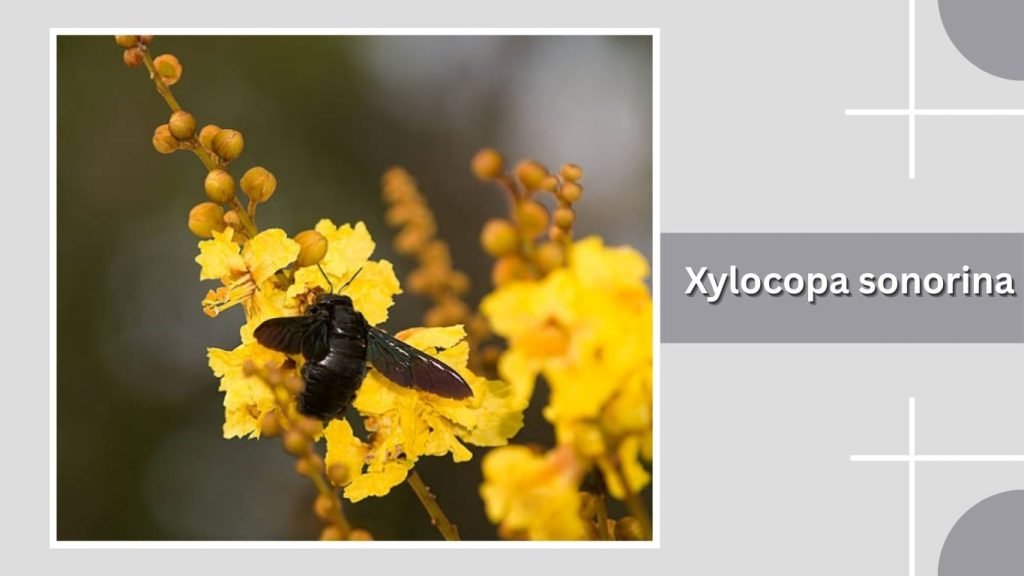
Xylocopa sonorina is a widely distributed carpenter bee species found in tropical and subtropical regions. It is known for its adaptability and importance in pollination.
Identification
- Large, sturdy body
- Dark brown to black coloration
- Slightly hairy thorax
- Smooth abdomen
- Strong wings
Size
This species typically measures about 20 to 26 mm in length. It is similar in size to other large carpenter bees.
Color
Xylocopa sonorina has a dark body, usually black or deep brown. The thorax may appear slightly fuzzy, while the abdomen is smoother.
Diet
It feeds on nectar and collects pollen from many types of flowers. It is a generalist pollinator and supports a wide range of plants.
ID
This bee can be identified by its large size, dark coloration, and nesting habit in wood. Its strong, buzzing flight also makes it easy to recognize.
8. Xylocopa caerulea
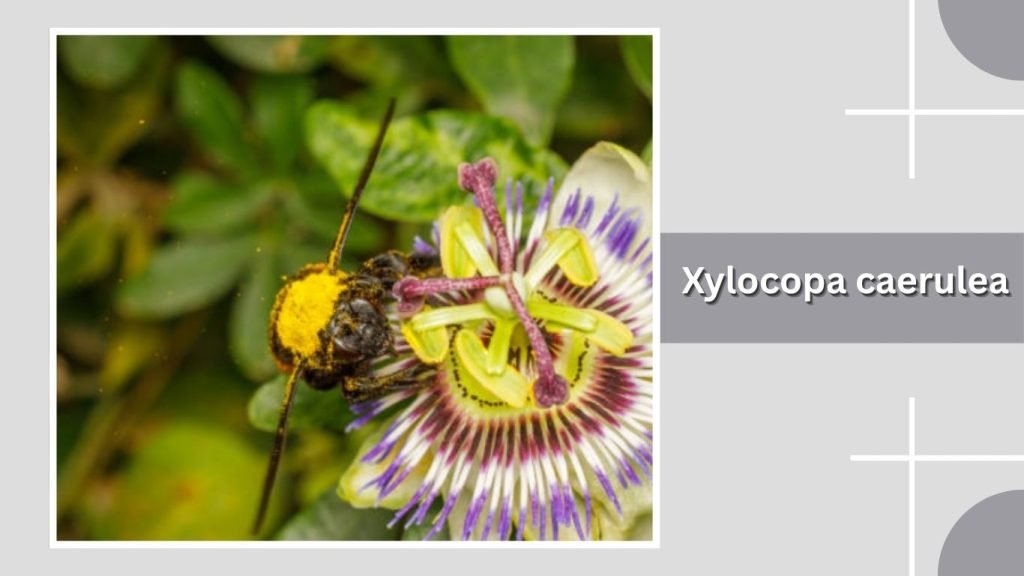
Xylocopa caerulea, also known as the Blue Carpenter Bee, is a striking species recognized for its bright blue coloration. It is one of the most visually unique carpenter bees and an important pollinator.
Identification
- Large, robust body
- Bright metallic blue coloration
- Hairy body
- Strong wings
- Loud buzzing flight
Size
This species typically measures around 20 to 28 mm in length. Its large size and vivid color make it easy to spot.
Color
Xylocopa caerulea has a brilliant blue body, often appearing metallic in sunlight. This unusual color makes it stand out from most other carpenter bees.
Diet
It feeds on nectar and collects pollen from a variety of flowers. It is a generalist pollinator and contributes to plant reproduction.
ID
It can be identified by its bright blue color and large size. Its wood-nesting behavior and loud buzzing flight also help in recognition.
9. Xylocopa latipes
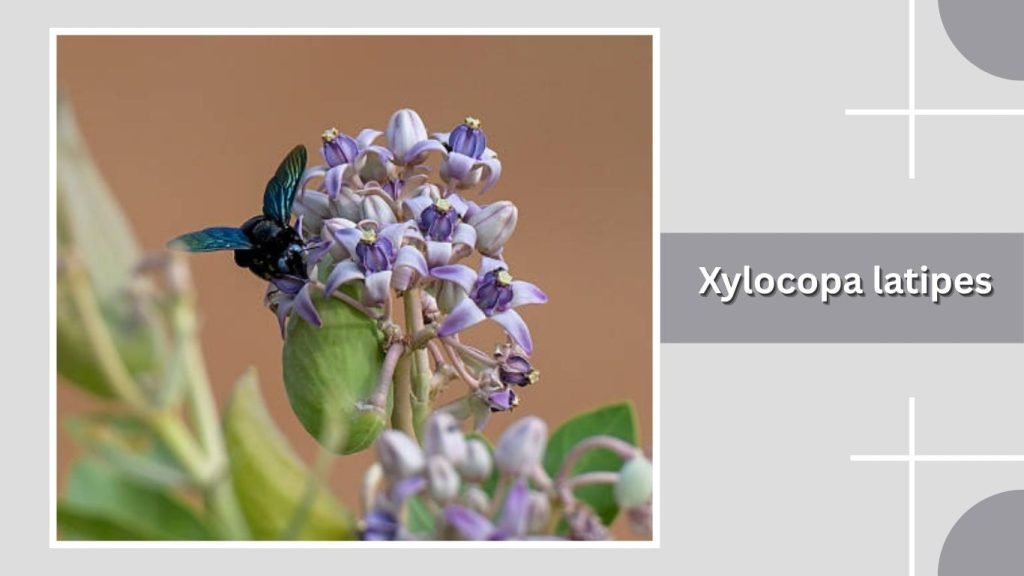
Xylocopa latipes is a large carpenter bee species commonly found in tropical regions. It is known for its size and strong pollination ability.
Identification
- Large, robust body
- Dark black coloration
- Slightly hairy thorax
- Smooth abdomen
- Strong wings
Size
This species typically measures about 22 to 30 mm in length. It is one of the larger carpenter bee species.
Color
Xylocopa latipes has a mostly black body with a slightly glossy appearance. It may have subtle hair on the thorax.
Diet
It feeds on nectar and gathers pollen from various flowering plants. It is an important pollinator in tropical ecosystems.
ID
This bee can be identified by its large size, black body, and nesting behavior in wood. Its loud buzzing sound and powerful flight are also key features.
10. Xylocopa darwini
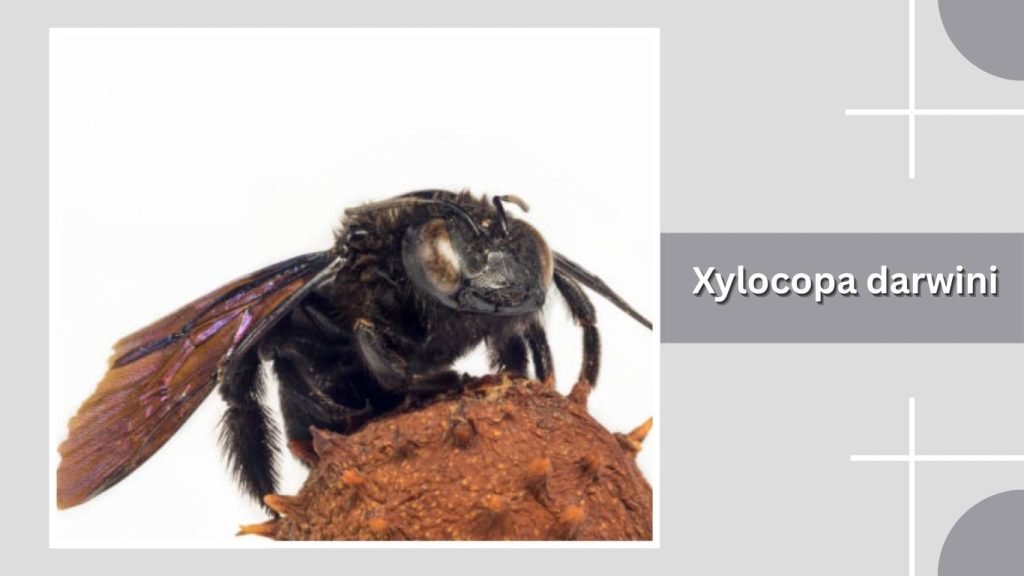
Xylocopa darwini is a carpenter bee species found in the Galápagos Islands. It is well adapted to island environments and plays a key role in pollinating native plants.
Identification
- Large, robust body
- Dark black coloration
- Slightly hairy thorax
- Smooth, shiny abdomen
- Strong wings
Size
This species typically measures around 20 to 25 mm in length. It is similar in size to other carpenter bees, making it easy to observe.
Color
Xylocopa darwini has a mostly black body with a smooth, shiny abdomen. It may appear slightly glossy in sunlight.
Diet
It feeds on nectar and collects pollen from native island plants. It visits a variety of flowers and helps support plant reproduction.
ID
This bee can be identified by its large size, black body, and wood-nesting behavior. Its presence in island habitats also helps distinguish it.
11. Xylocopa valga
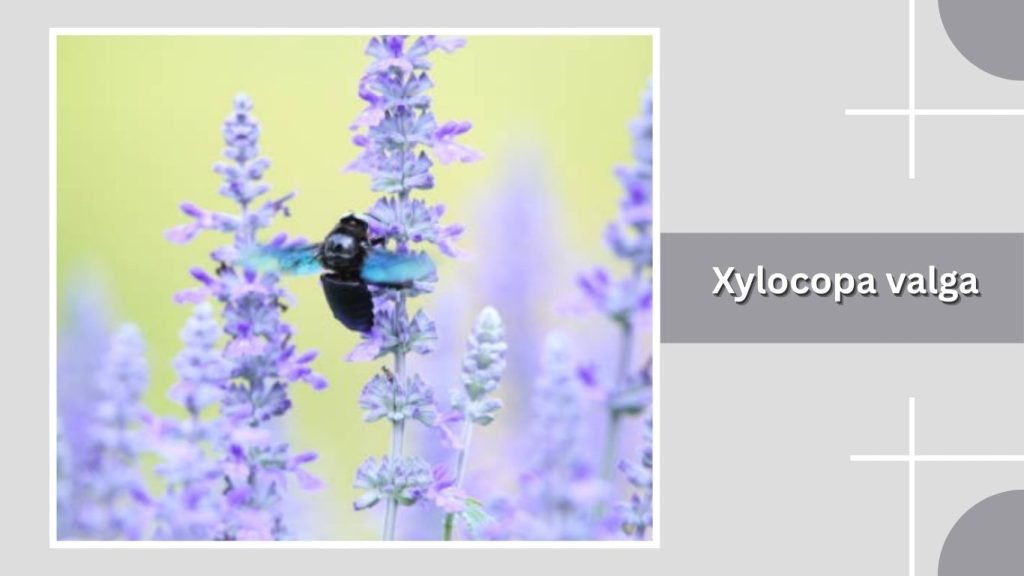
Xylocopa valga is a large carpenter bee species found across parts of Europe and Asia. It is known for its powerful flight and importance as a pollinator.
Identification
- Large, robust body
- Black coloration
- Slightly hairy thorax
- Smooth abdomen
- Loud buzzing flight
Size
This species typically measures about 22 to 30 mm in length. It is one of the larger carpenter bees in its range.
Color
Xylocopa valga has a deep black body with a slightly dull or semi-shiny appearance. It lacks bright markings but stands out due to its size.
Diet
It feeds on nectar and collects pollen from various flowers. It is a generalist pollinator and supports many plant species.
ID
This bee can be identified by its large size, black body, and habit of nesting in wood. Its loud buzzing sound and strong flight are also key features.
