
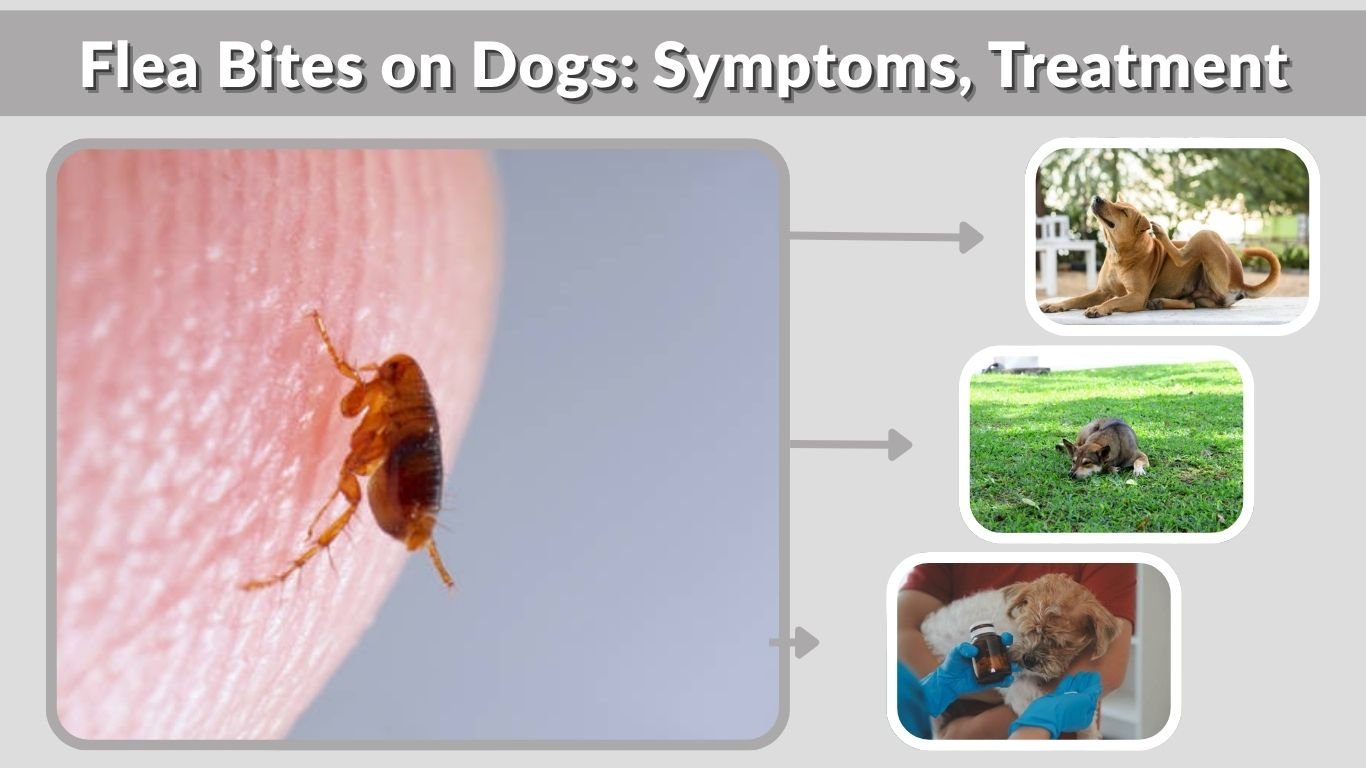
Flea bites are one of the most common problems dog owners face, especially in warm and humid climates. These tiny parasites feed on your dog’s blood, causing irritation, itching, and discomfort. While a few bites may seem minor at first, a flea infestation can quickly grow and lead to more serious health issues if left untreated.
Understanding flea bites on dogs is important for early detection and proper treatment. Recognizing the signs and knowing how fleas affect your pet can help you take quick action and keep your dog healthy and comfortable.
What Are Flea Bites on Dogs?
Flea bites occur when fleas attach to your dog’s skin and feed on their blood. Fleas are small, wingless insects that move quickly through your dog’s fur, making them difficult to spot.
How Fleas Bite Dogs
Fleas use their specialized mouthparts to pierce the skin and draw blood. During this process, they inject saliva into the skin, which can cause irritation and allergic reactions in some dogs. Even a single flea bite can trigger intense itching in sensitive pets.
Why Dogs Are Prone to Fleas
Dogs are especially vulnerable to fleas because their fur provides an ideal hiding place. Outdoor exposure, contact with other animals, and even indoor environments can increase the risk of infestation. Fleas can easily jump from one host to another, making it easy for dogs to pick them up during walks or playtime.
What Do Flea Bites Look Like on Dogs?
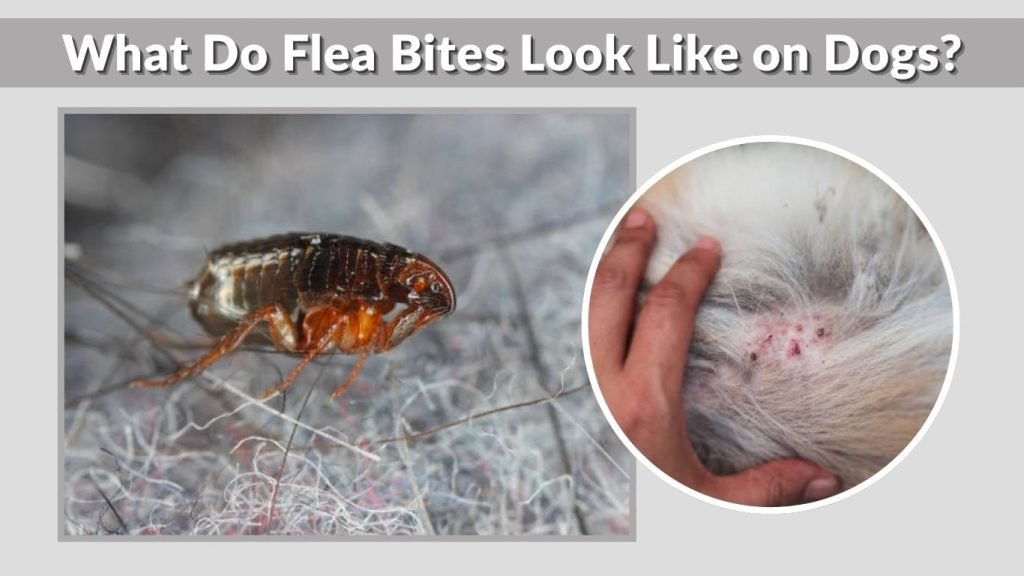
Flea bites can vary in appearance depending on the dog’s sensitivity and the severity of the infestation. However, there are common signs that most pet owners can recognize.
Common Symptoms
Flea bites typically appear as small red bumps on the skin. These bumps may become inflamed due to constant scratching or licking. Dogs often show signs of discomfort, such as excessive itching, biting at their skin, or restlessness. Over time, this can lead to hair loss and irritated patches of skin.
Areas Most Affected
Flea bites are commonly found in specific areas of a dog’s body. These include the base of the tail, the belly, inner thighs, and around the neck. These regions are easier for fleas to access and are often where dogs scratch the most.
Signs Your Dog Has Fleas
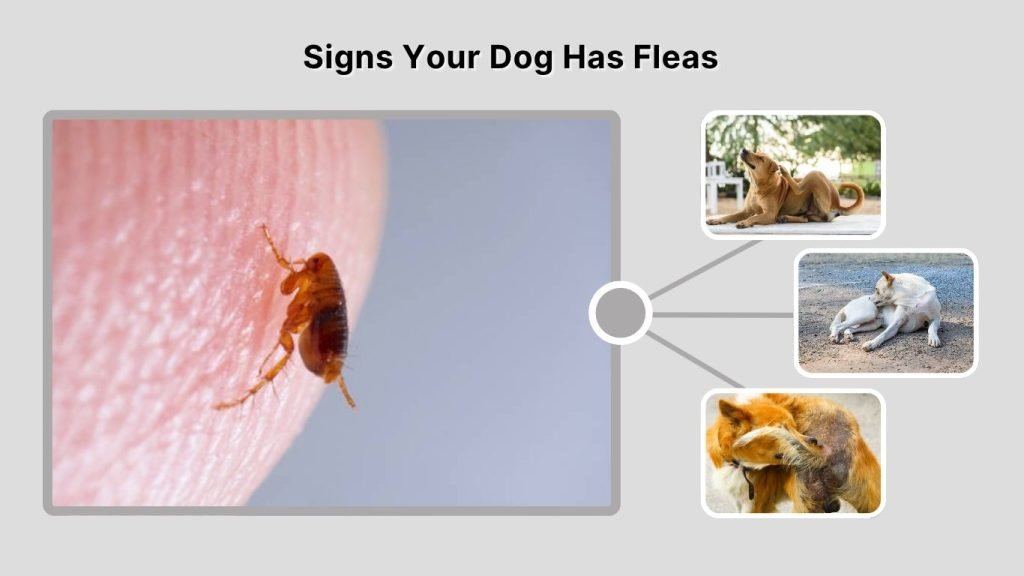
Identifying fleas early is key to preventing a full infestation. While fleas themselves are small and fast-moving, their presence can be detected through certain behavioral and physical signs.
Behavioral Signs
Dogs with fleas often scratch, bite, or lick their skin more than usual. This constant irritation can make them restless and uncomfortable. Some dogs may even have trouble sleeping due to the itching.
Physical Evidence
One of the most noticeable signs of fleas is flea dirt, which looks like tiny black specks in your dog’s fur. These specks are actually flea droppings and are often found near the skin. In some cases, you may also spot fleas moving quickly through the fur.
Causes of Flea Infestation
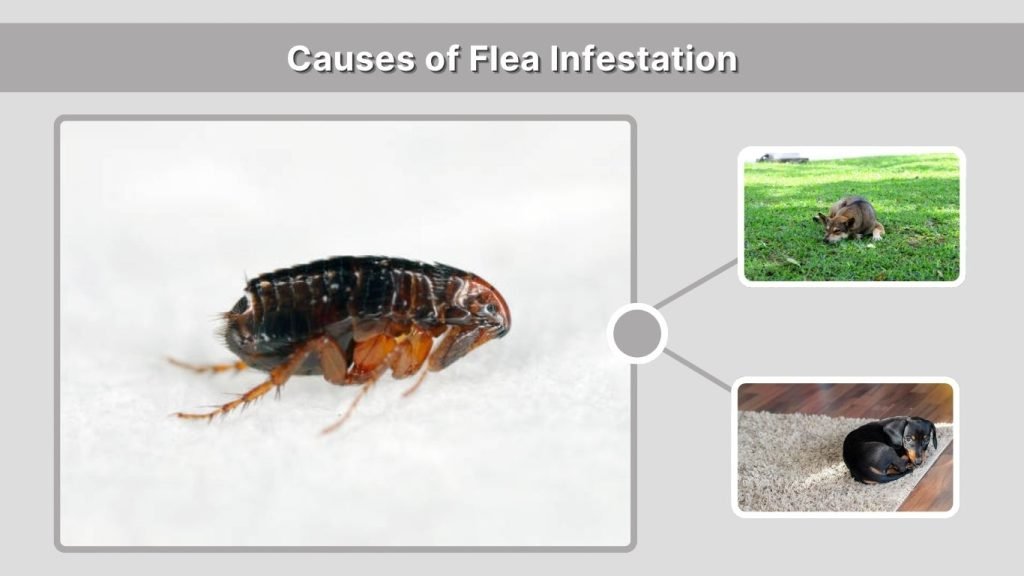
Flea infestations can occur in both outdoor and indoor environments. Understanding the causes can help you reduce the risk and prevent future problems.
Outdoor Exposure
Dogs often pick up fleas from grass, soil, or other animals. Parks, gardens, and wooded areas are common places where fleas thrive. Once a flea jumps onto your dog, it can quickly begin feeding and reproducing.
Indoor Infestation
Fleas can also live inside your home, hiding in carpets, bedding, and furniture. They lay eggs that fall off your dog and spread throughout the environment. These eggs can hatch later, leading to repeated infestations even after treatment.
Seasonal Factors
Fleas are more active during warm and humid seasons, which makes infestations more common during spring and summer. However, in indoor environments, fleas can survive year-round, especially in heated homes.
Flea Bite Allergies (Flea Allergy Dermatitis)
Some dogs are more sensitive to flea bites than others and may develop a condition known as flea allergy dermatitis. This is an allergic reaction to the saliva of fleas and can cause severe discomfort even from a small number of bites.
What Is Flea Allergy Dermatitis?
Flea allergy dermatitis occurs when a dog’s immune system reacts strongly to flea saliva. Even a single bite can trigger intense itching and inflammation, making the condition more severe than a typical flea problem.
Symptoms of Allergy
Dogs with this condition may experience extreme itching, red and inflamed skin, and significant hair loss. In severe cases, constant scratching can lead to open wounds and secondary infections, requiring veterinary care.
Are Flea Bites Dangerous for Dogs?
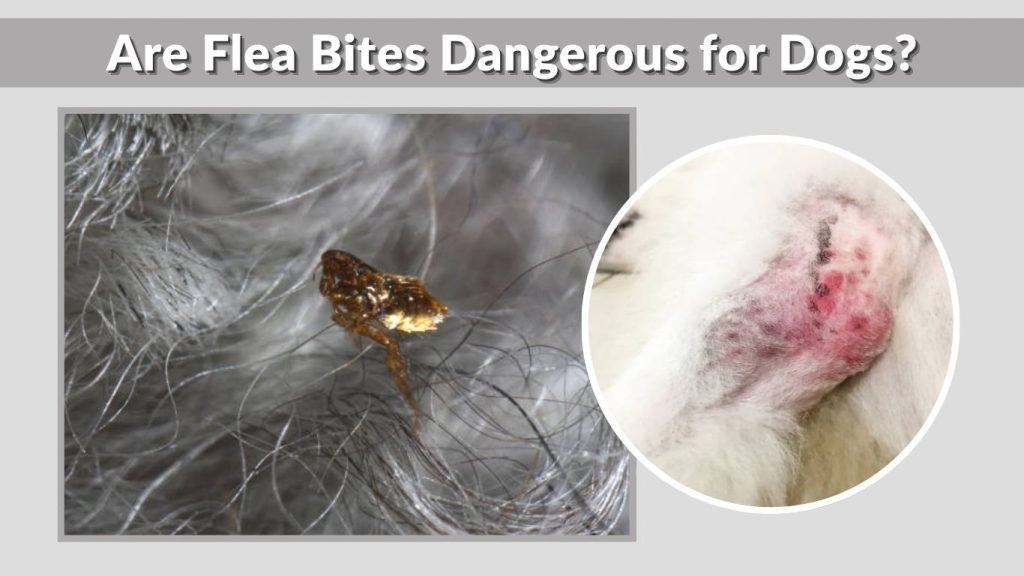
Flea bites may seem like a minor issue at first, but they can lead to serious health problems if not properly managed. The impact depends on the severity of the infestation and the dog’s overall health.
Skin Problems
Constant scratching and biting can damage your dog’s skin, leading to sores, scabs, and infections. Open wounds make it easier for bacteria to enter, which can worsen the condition and cause pain or discomfort.
Anemia Risk
In severe infestations, especially in puppies or small dogs, fleas can consume enough blood to cause anemia. This condition can make your dog weak, lethargic, and in extreme cases, life-threatening if not treated promptly.
Disease Transmission
Fleas can carry parasites such as tapeworms. Dogs may ingest infected fleas while grooming, leading to additional health issues. This makes flea control essential not only for comfort but also for overall health.
How to Treat Flea Bites on Dogs
Treating flea bites involves both relieving your dog’s symptoms and eliminating the fleas causing the problem.
Immediate Relief
Providing immediate comfort is important for your dog. Gentle bathing with soothing shampoos can help reduce itching and remove some fleas from the fur. Calming the skin can prevent excessive scratching and further irritation.
Veterinary Treatments
Veterinarians may recommend medicated creams, anti-itch treatments, or oral medications depending on the severity of the condition. In cases of infection or allergies, additional treatment may be necessary to heal the skin and control inflammation.
Home Remedies
Some natural methods, such as oatmeal baths, can help soothe irritated skin. While these remedies may provide temporary relief, they should be used alongside proper flea treatment to address the root cause.
How to Get Rid of Fleas on Dogs
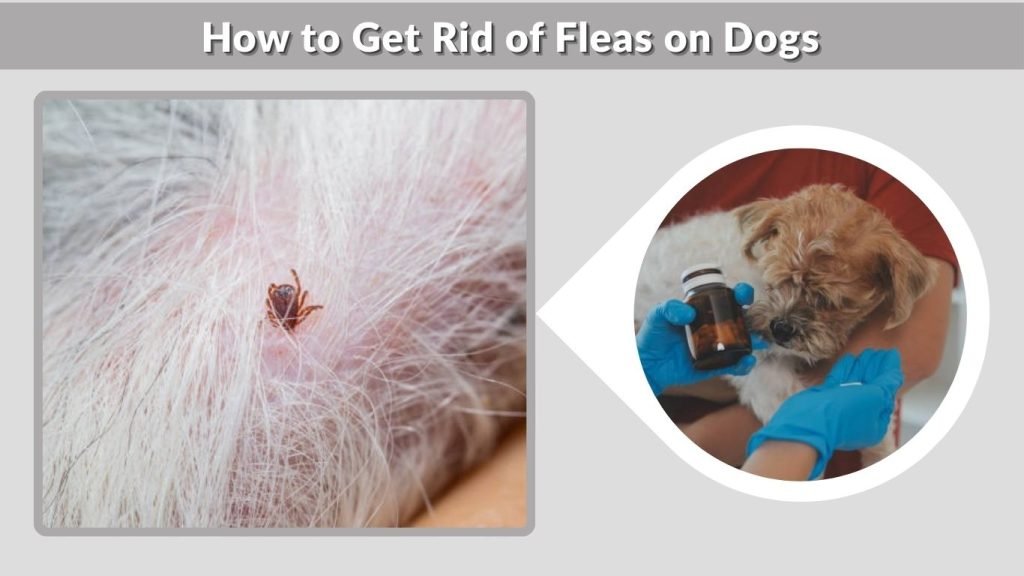
Eliminating fleas requires a comprehensive approach that targets both your dog and the surrounding environment.
Flea Treatments
There are several effective flea control options available, including topical treatments, oral medications, and flea collars. These treatments work by killing adult fleas and preventing new ones from developing.
Cleaning Your Home
Fleas can live and reproduce in your home, so cleaning is essential. Vacuuming carpets, washing bedding, and maintaining cleanliness can help remove eggs and larvae, reducing the chance of reinfestation.
Treating the Environment
Outdoor areas should also be managed to control fleas. Keeping grass trimmed and reducing shaded, moist areas can make your yard less suitable for flea development.
How to Prevent Flea Bites on Dogs
Prevention is the most effective way to protect your dog from flea bites and infestations.
Regular Grooming
Frequent brushing helps you check for fleas and remove dirt from your dog’s coat. Early detection allows you to act before the problem becomes severe.
Preventive Medications
Using veterinarian-approved flea prevention products on a regular basis can stop infestations before they start. These treatments are designed to protect your dog long-term.
Keeping Living Areas Clean
Maintaining a clean environment reduces the chances of fleas spreading in your home. Regular cleaning and hygiene practices are essential for ongoing prevention.
When to See a Veterinarian
While mild flea problems can often be managed at home, some situations require professional care.
Severe Symptoms
If your dog shows intense itching, open wounds, or signs of infection, a veterinarian should be consulted. These symptoms may indicate an allergic reaction or a more serious condition.
Persistent Infestation
If fleas continue to return despite treatment, professional advice may be needed to identify the source and apply more effective solutions.
FAQs
How do I know if my dog has flea bites?
Flea bites usually appear as small red bumps, often around the tail, belly, or neck. If your dog scratches excessively or you notice black specks in the fur, it is a strong sign of fleas.
Can flea bites make my dog sick?
Yes, flea bites can lead to allergies, infections, and even anemia in severe cases. Fleas can also transmit parasites like tapeworms, which makes treatment very important.
What is the fastest way to treat flea bites on dogs?
The fastest approach is to use veterinarian-recommended flea treatments along with soothing shampoos to relieve itching. Treating both the dog and the home environment is essential for effective results.
Can fleas live in my house?
Fleas can easily live in carpets, furniture, and bedding. Their eggs can spread throughout the home, which is why thorough cleaning is necessary during treatment.
How long does it take to get rid of fleas on dogs?
Getting rid of fleas can take several weeks depending on the severity of the infestation. Consistent treatment of your dog and cleaning of your home are necessary to completely eliminate all life stages of fleas.
Conclusion
Flea bites on dogs are a common but manageable issue that can affect your pet’s comfort and health. While the bites themselves cause irritation, the bigger concern lies in the potential complications such as allergies, infections, and parasites. With proper treatment, prevention, and regular care, you can protect your dog from fleas and ensure a healthier, happier life.
