
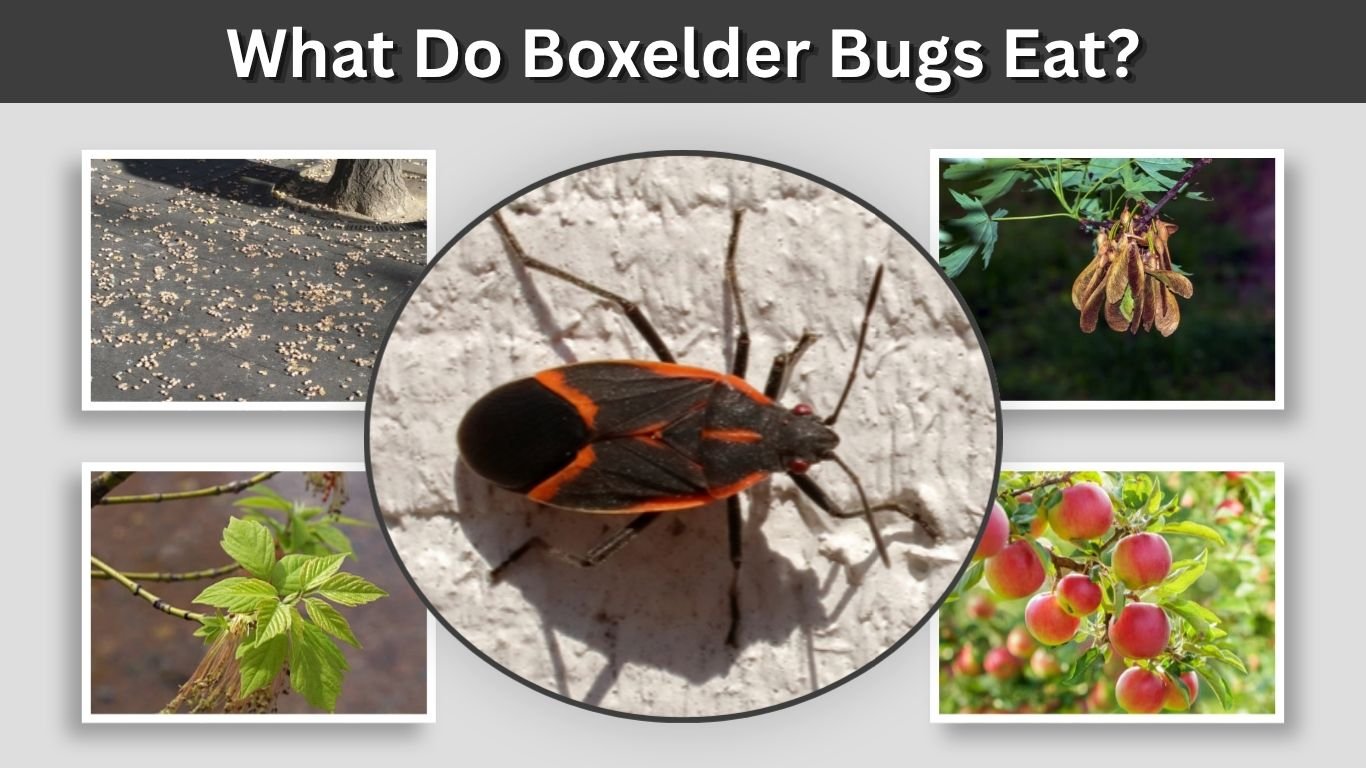
What Do Boxelder Bugs Eat? 10 Foods They Commonly Eat
Boxelder bugs mainly eat seeds and soft tissues from boxelder trees. They use piercing, sucking mouthparts to draw liquid from seeds, leaves, flowers, and developing … Read More
Boxelder bugs mainly eat seeds and soft tissues from boxelder trees. They use piercing, sucking mouthparts to draw liquid from seeds, leaves, flowers, and developing … Read More
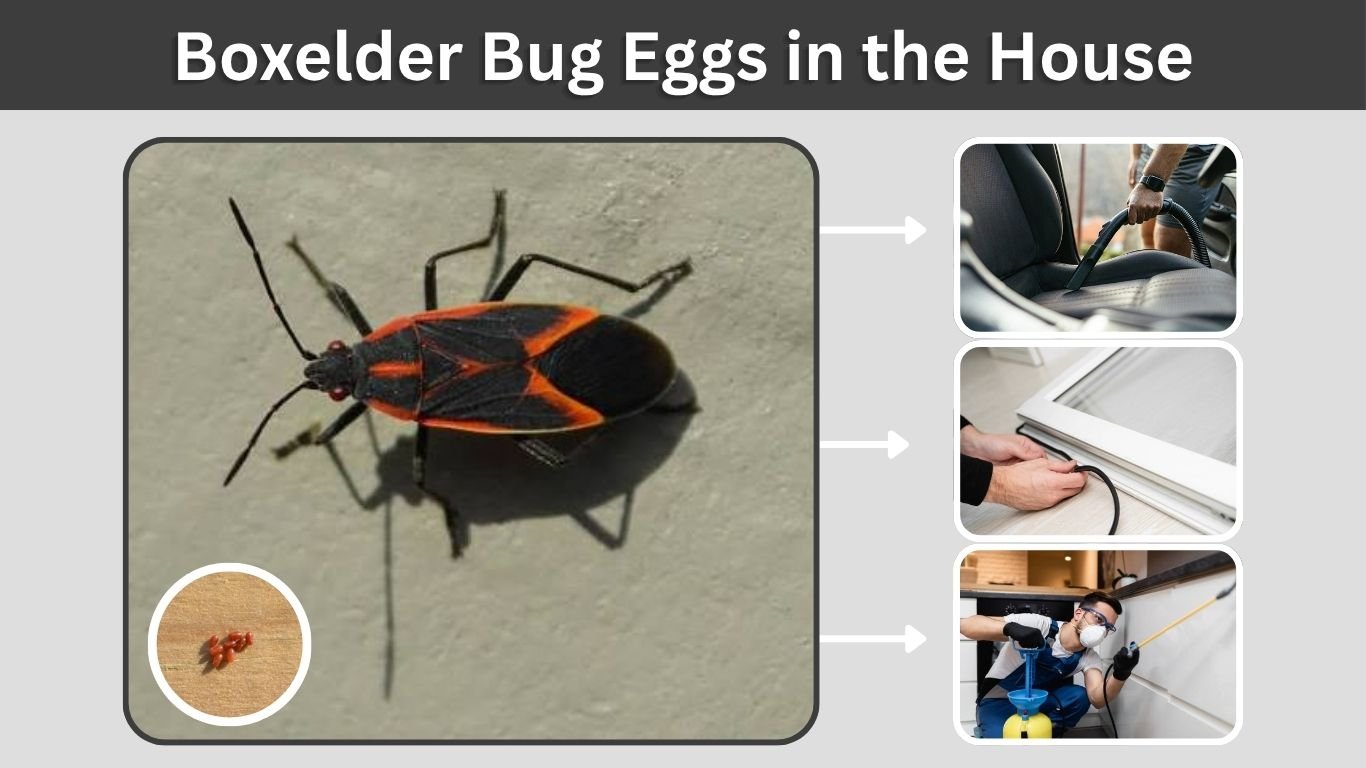
Finding tiny reddish eggs inside your house can be concerning, especially when boxelder bugs have already appeared around windows or walls. However, boxelder bugs normally … Read More
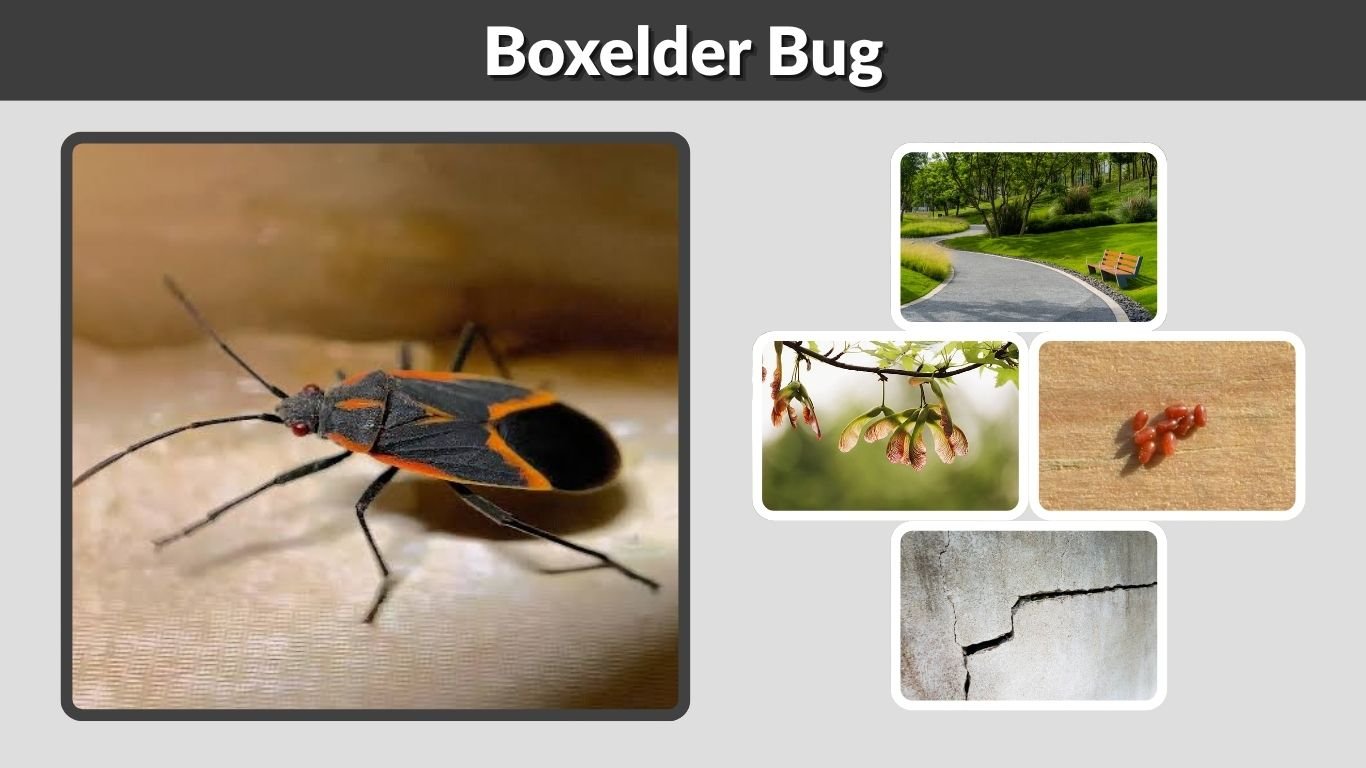
The boxelder bug is a black-and-red true bug commonly seen on trees, garden plants, and sunny exterior walls. Although it rarely causes serious plant or … Read More
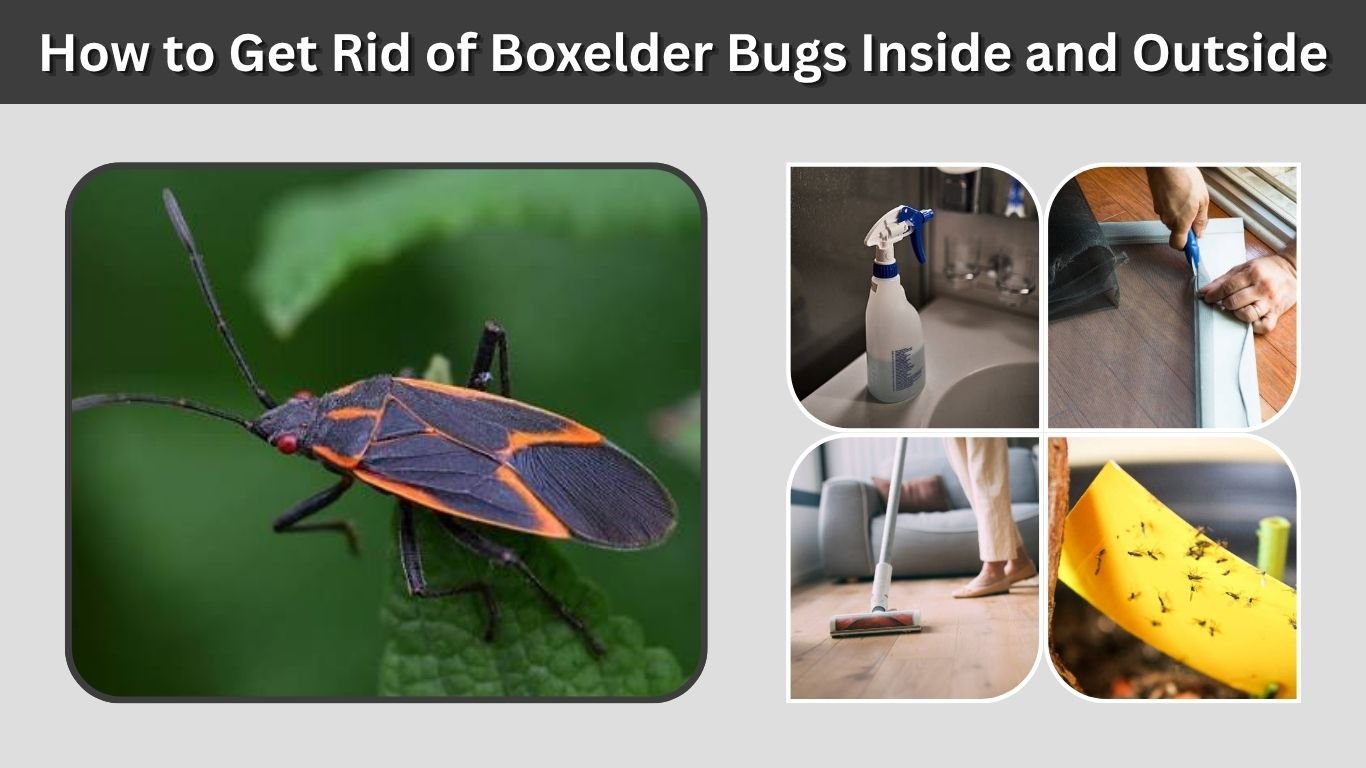
Boxelder bugs rarely damage homes, but hundreds of them crawling across siding, windows, and indoor walls can quickly become frustrating. These black-and-red insects gather on … Read More
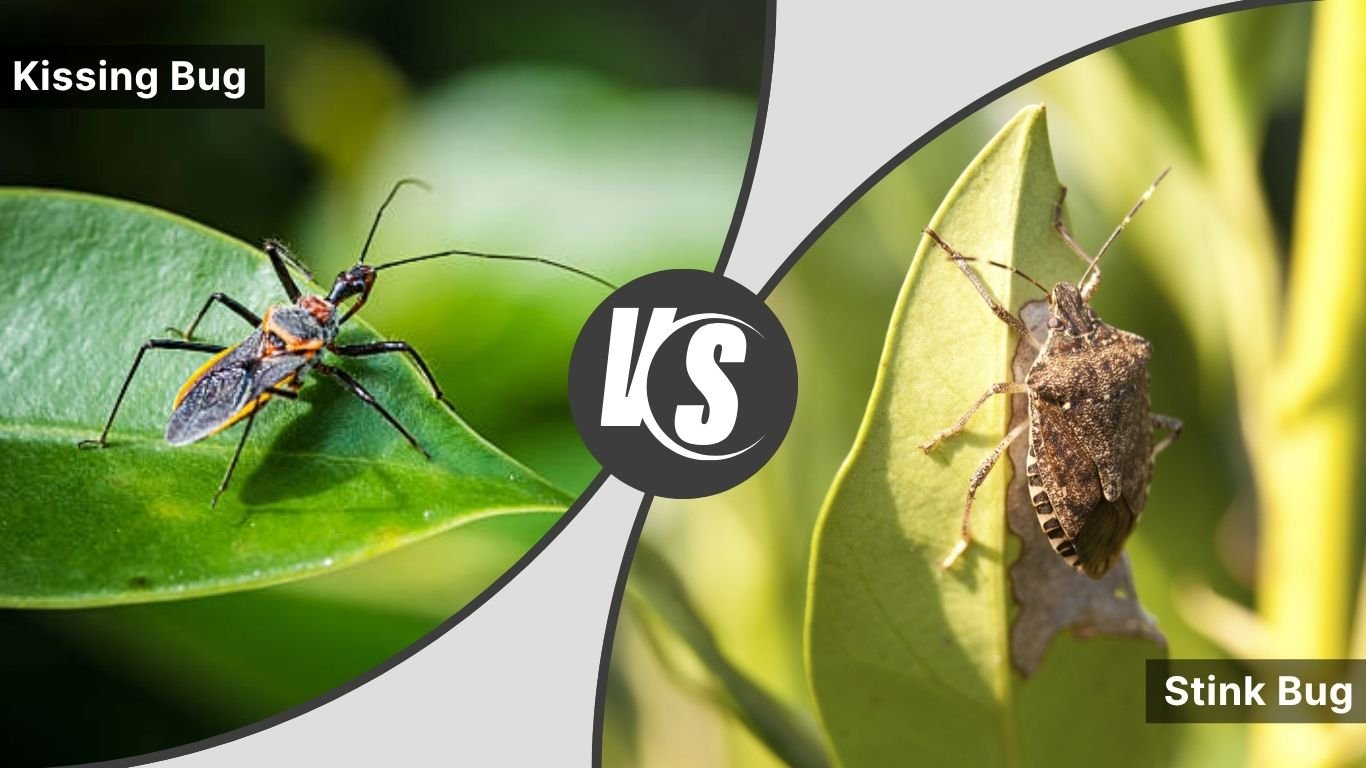
Kissing bugs and stink bugs may appear similar because both have six legs, long antennae, folded wings, and colored markings around the abdomen. However, they … Read More
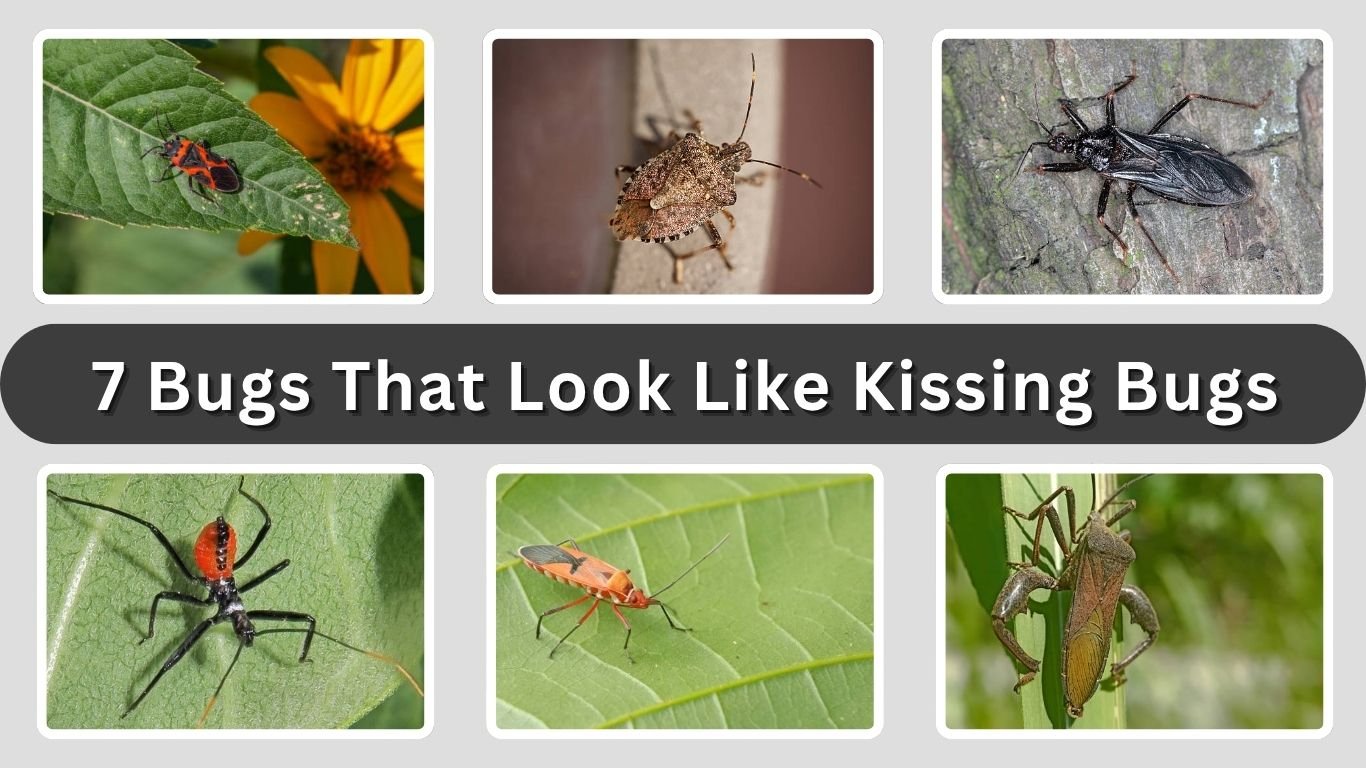
Kissing bugs are blood-feeding insects known for their narrow heads, dark bodies, and colored abdominal markings. However, several harmless or less dangerous insects share a … Read More
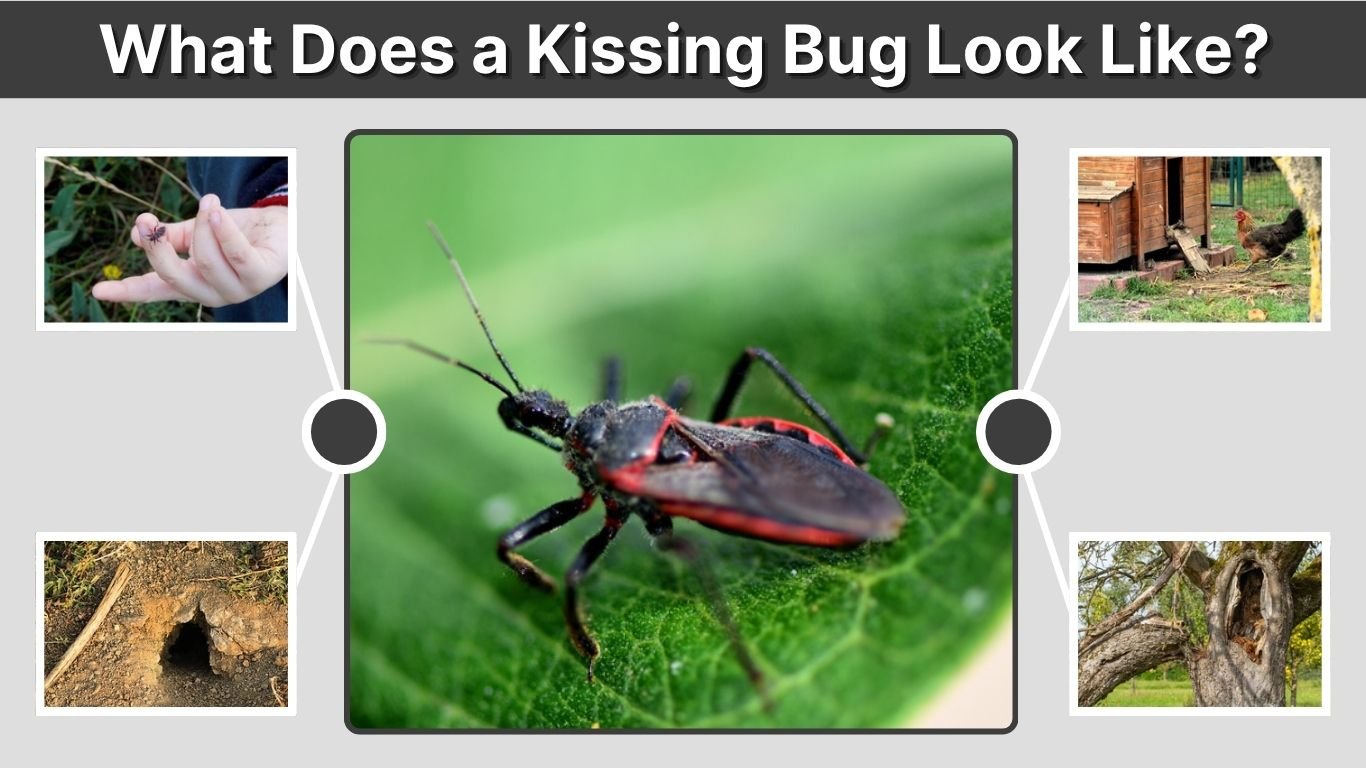
A kissing bug usually has a flattened, oval body, a long cone-shaped head, thin antennae, and slender legs. Most species are black or dark brown … Read More
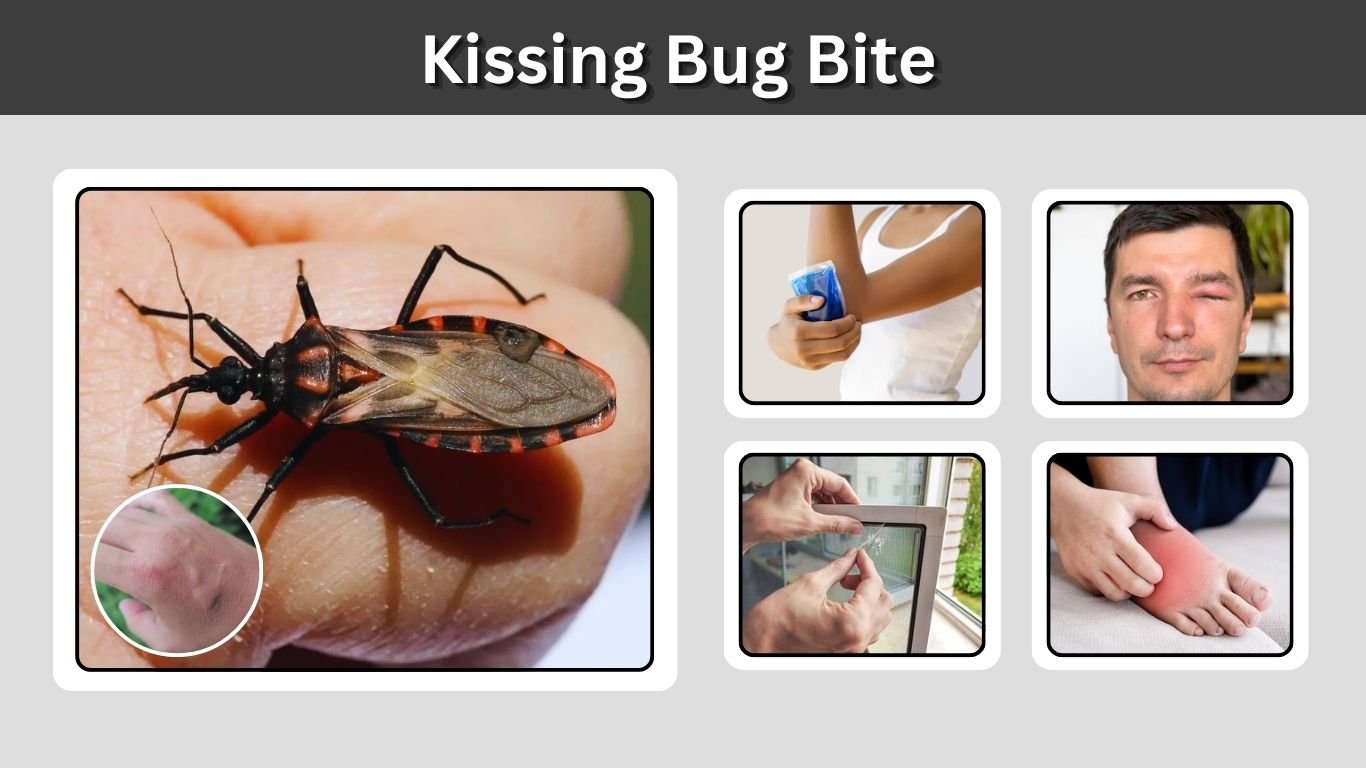
A kissing bug bite may leave an itchy, swollen red mark, but it often goes unnoticed while the insect is feeding. The appearance varies considerably, … Read More
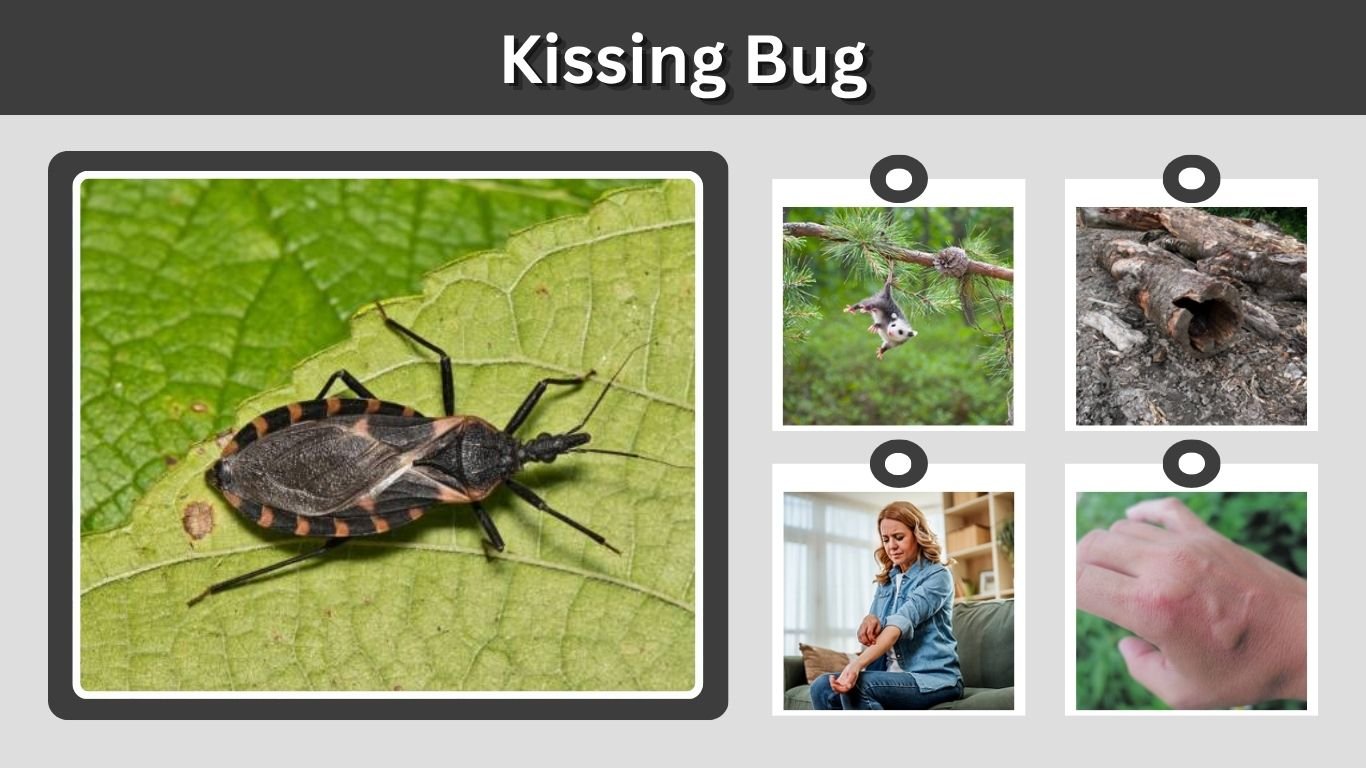
Kissing bugs are blood-feeding insects recognized by their narrow heads, long legs, dark bodies, and colored markings along the abdomen. They usually live outdoors near … Read More
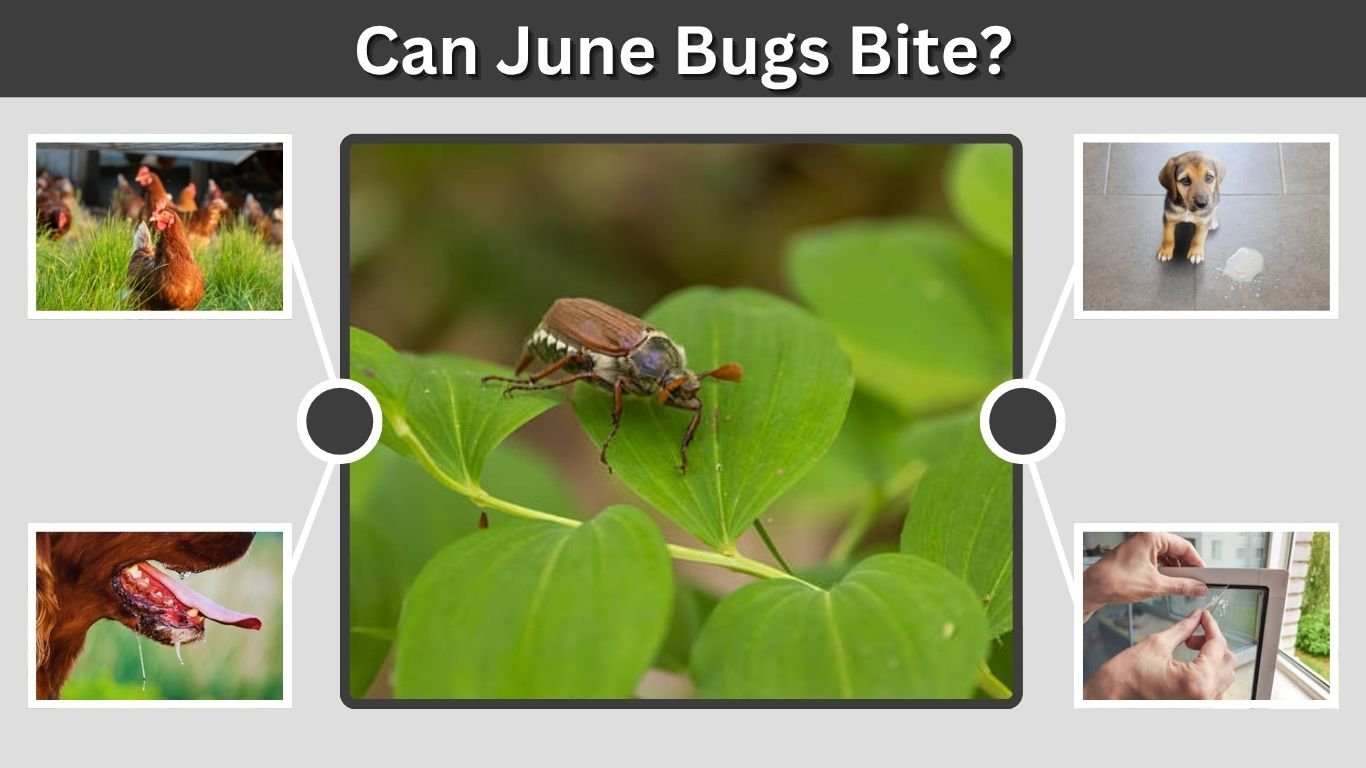
June bugs may look scary when they buzz around porch lights, but they are not dangerous insects. They can fly, crawl, cling to clothing, and … Read More