
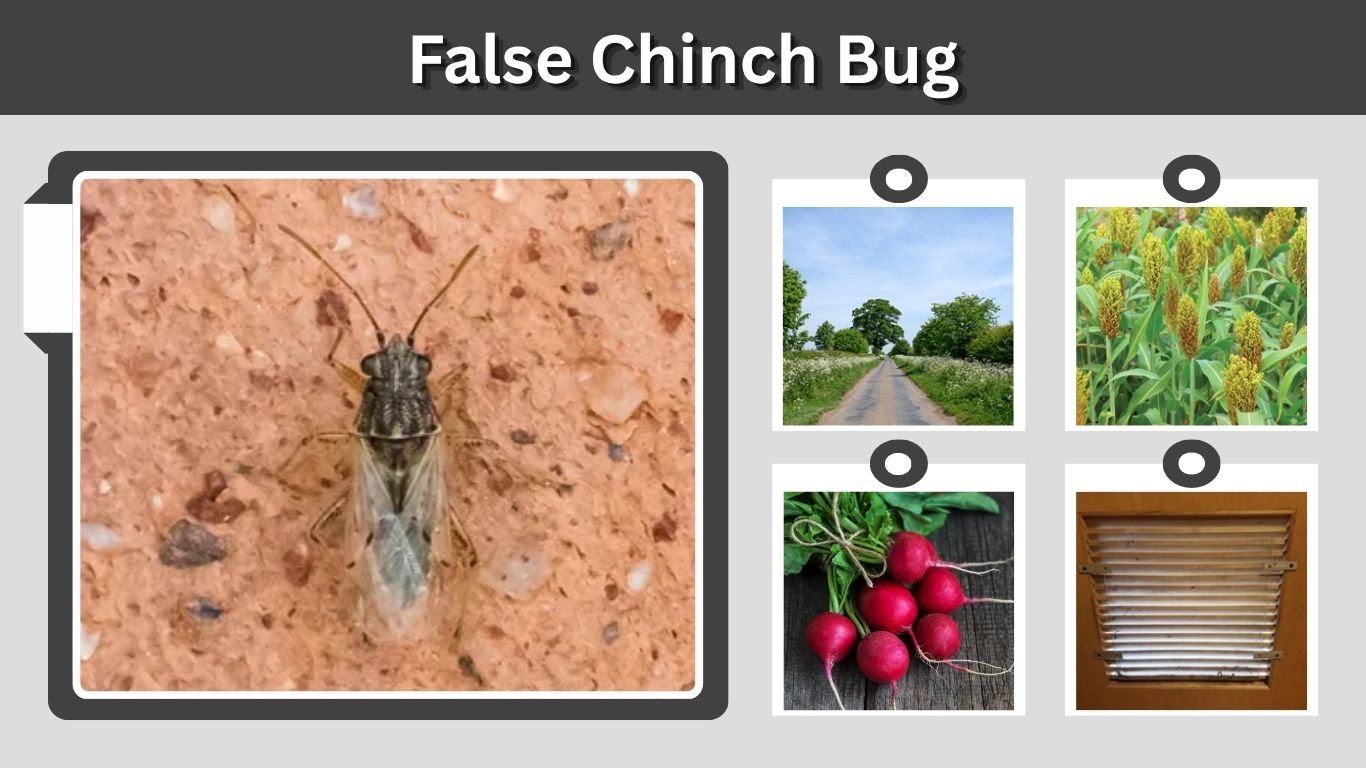
False Chinch Bug: Identification, Damage, and Control
False chinch bugs are tiny gray-brown insects that often gather in enormous numbers around weeds, gardens, agricultural fields, walls, and homes. Although they resemble true … Read More
False chinch bugs are tiny gray-brown insects that often gather in enormous numbers around weeds, gardens, agricultural fields, walls, and homes. Although they resemble true … Read More
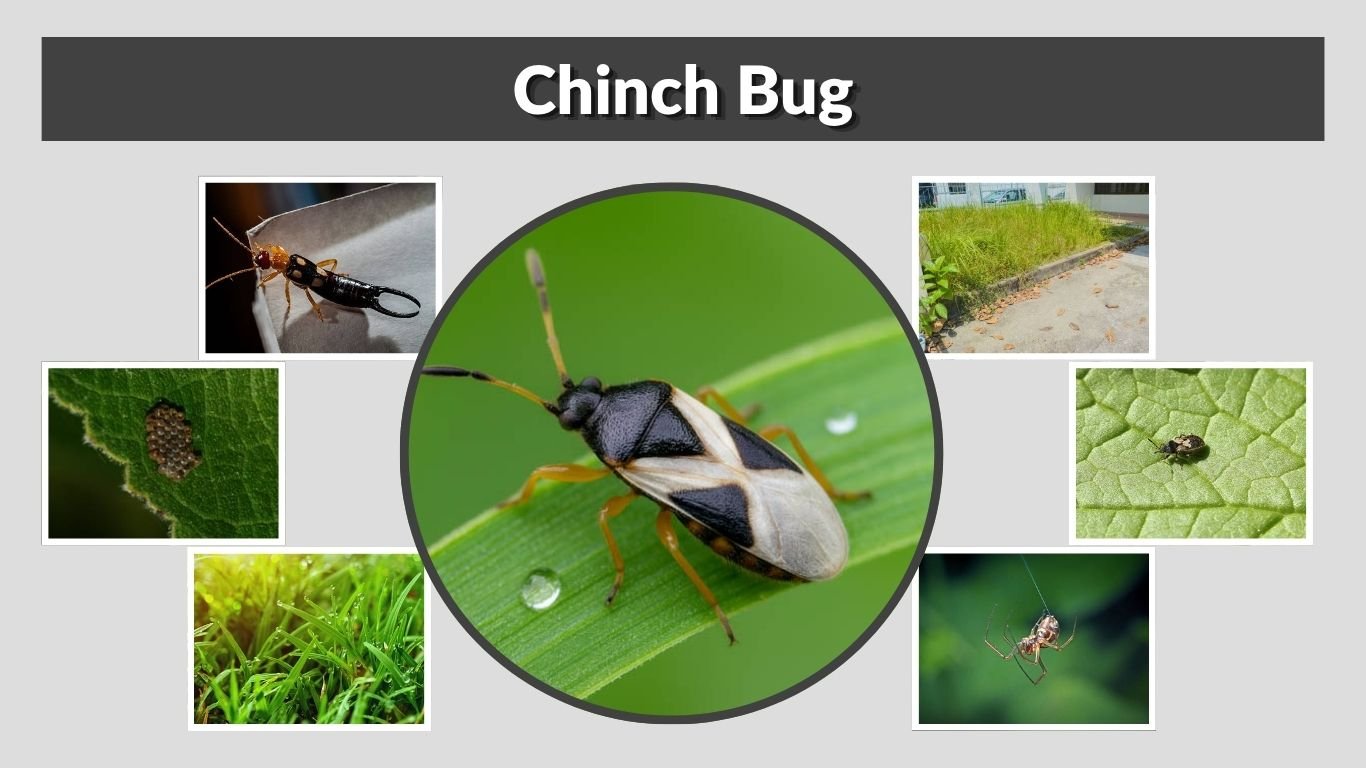
Chinch bugs are tiny plant-feeding insects best known for damaging lawns and agricultural grasses. They live close to the soil surface, hiding among grass stems, … Read More
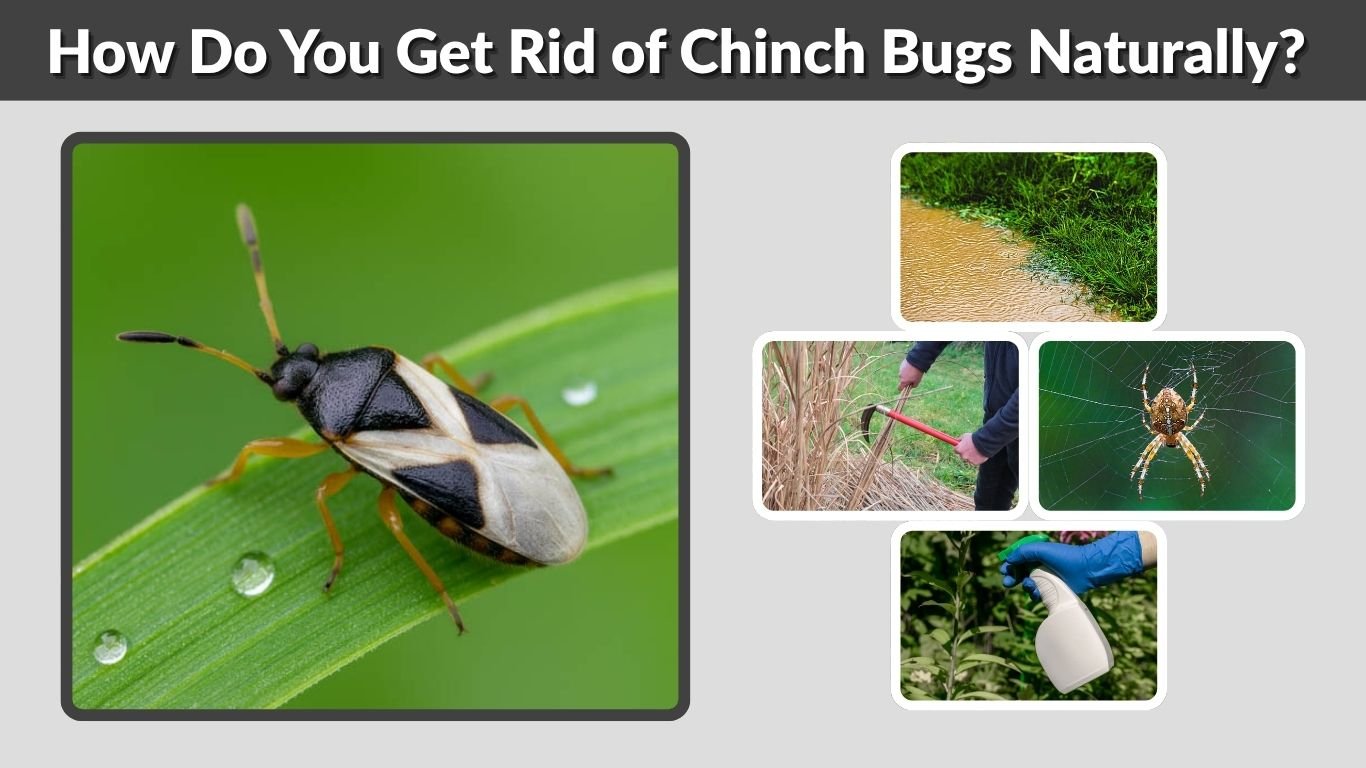
Chinch bugs are tiny lawn pests that feed on grass by piercing the blades and sucking out plant fluids. As their numbers increase, healthy turf … Read More
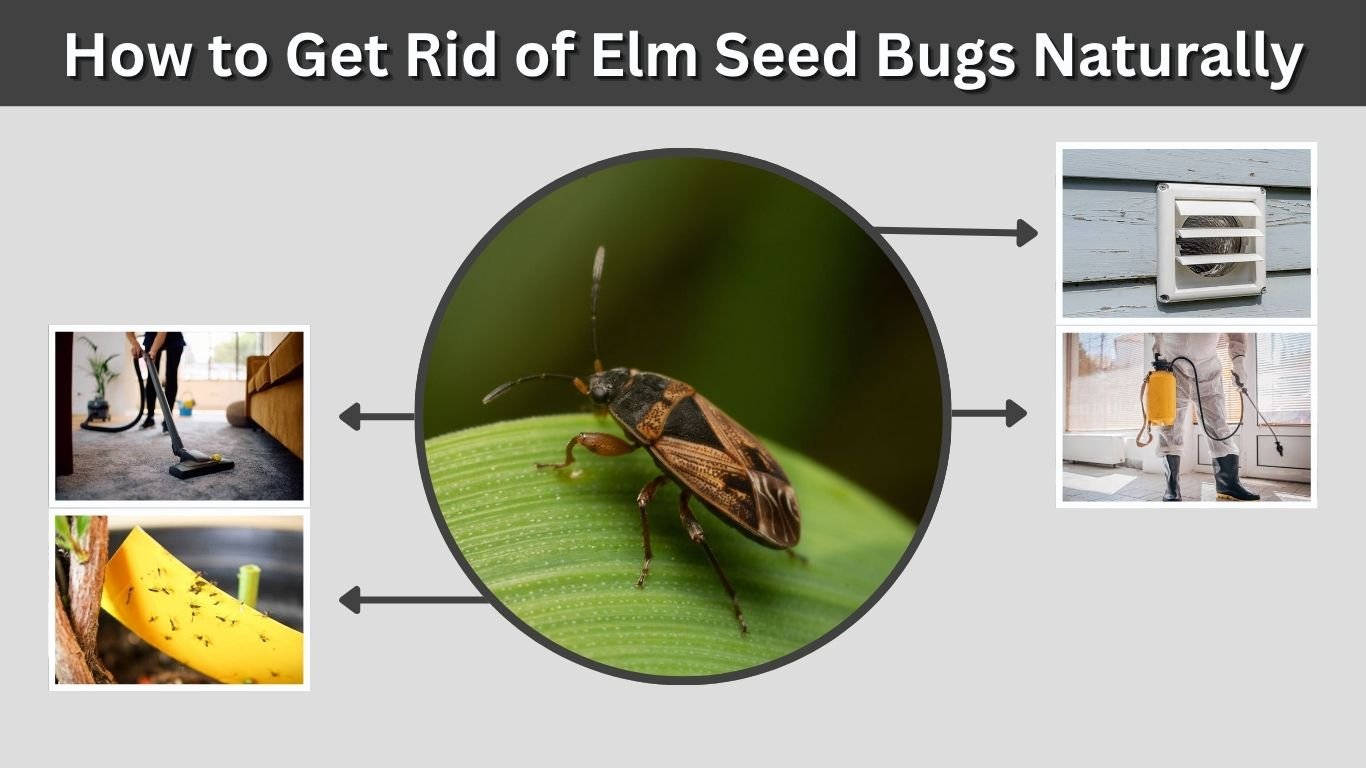
Elm seed bugs can gather on sunny walls and enter homes through gaps around windows, doors, vents, and siding. They do not reproduce indoors or … Read More
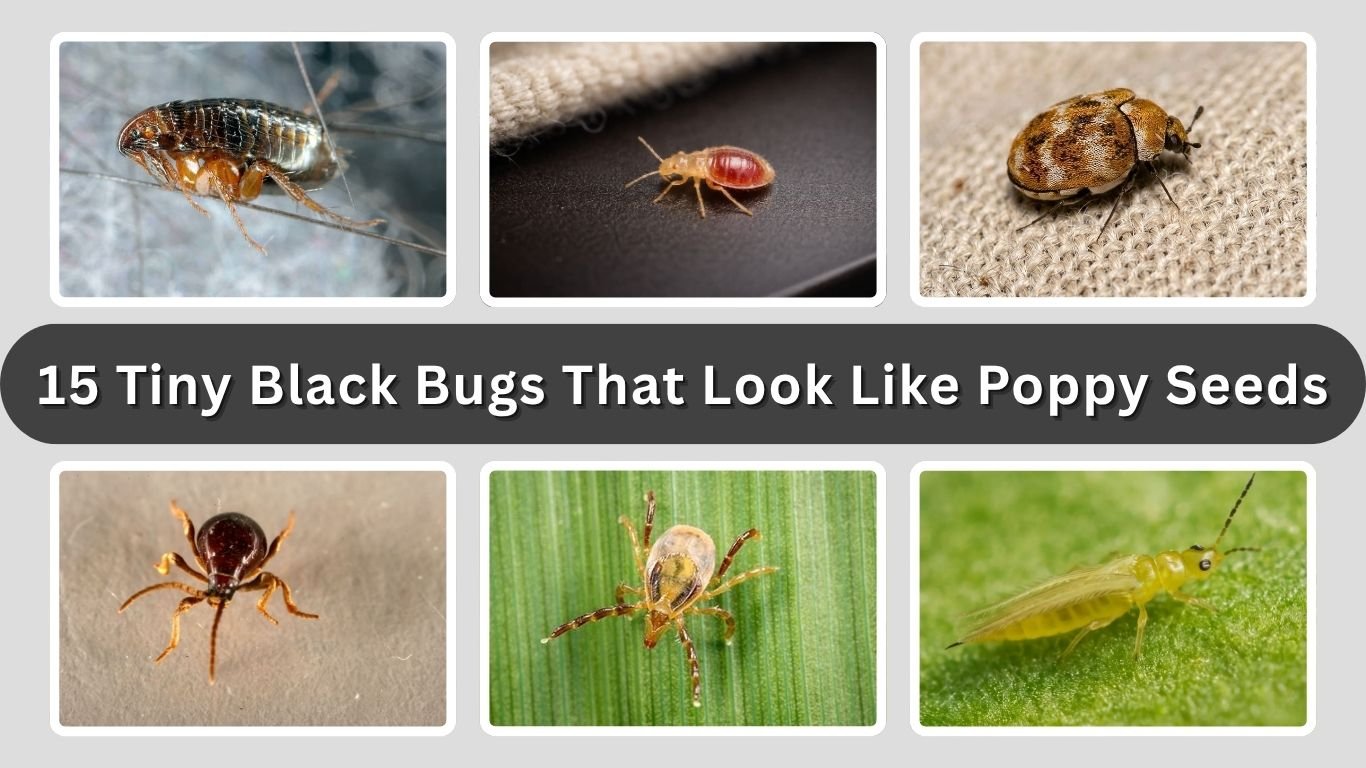
Tiny black bugs that resemble poppy seeds can appear on carpets, walls, windowsills, pantry shelves, houseplants, bedding, or pets. Some may jump, crawl, fly, or … Read More
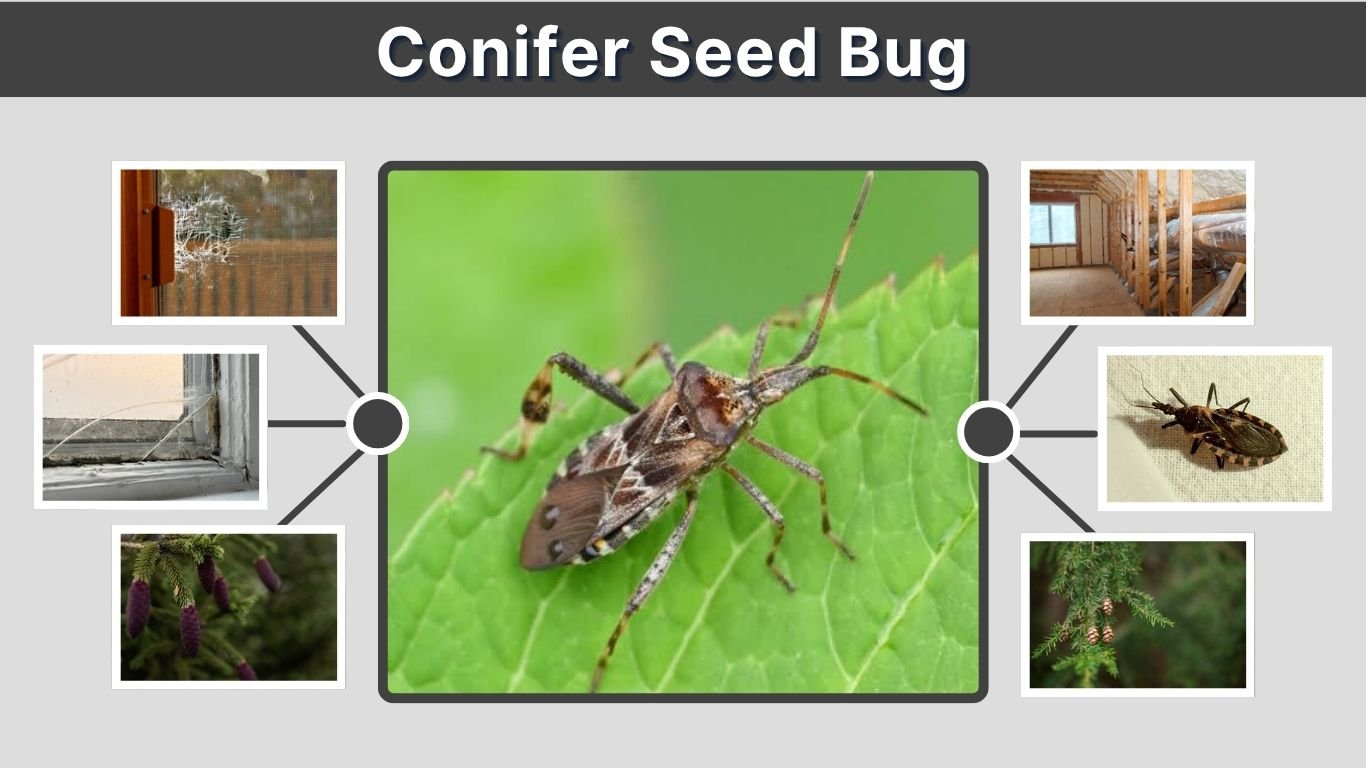
The conifer seed bug is a brown, long-legged insect that feeds on seeds developing inside pine, spruce, fir, and other conifer cones. The name most … Read More
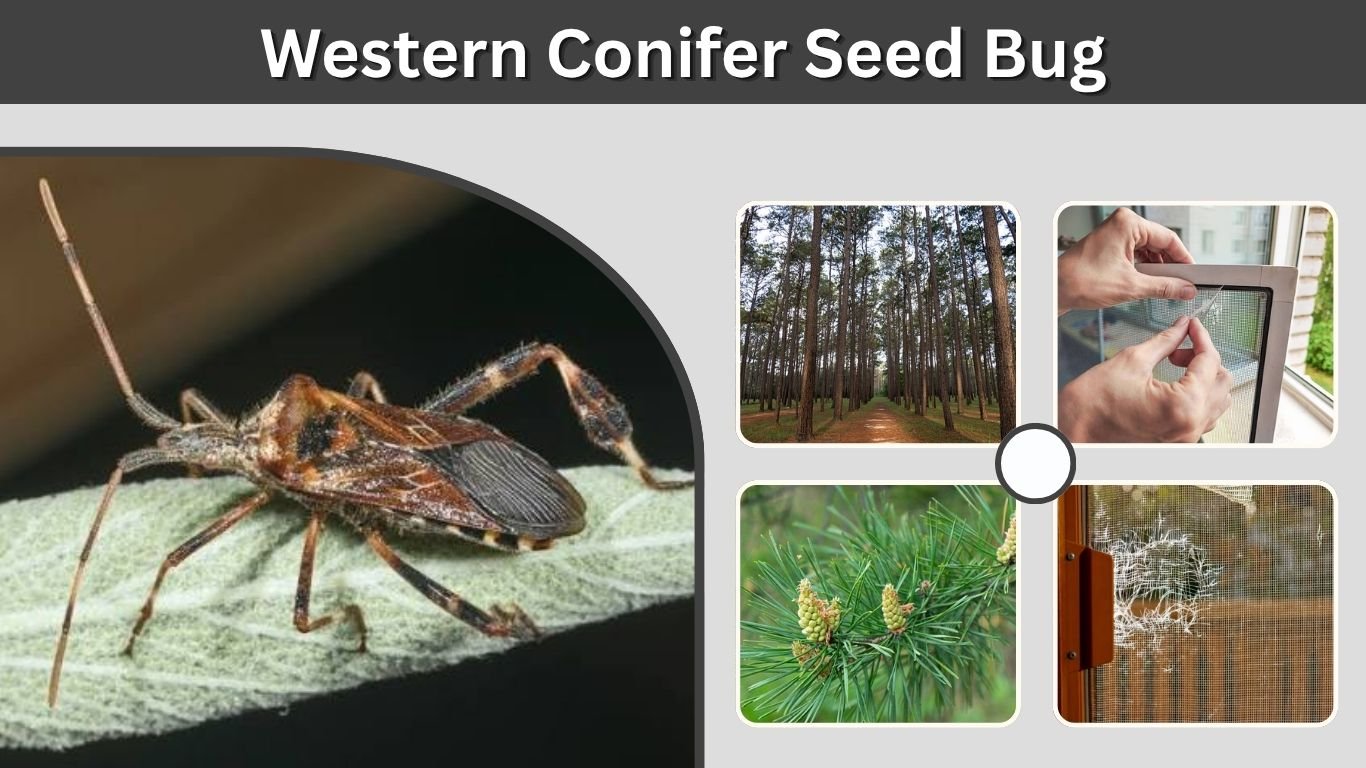
The western conifer seed bug is a large brown insect commonly found on pine trees and inside homes during fall and winter. Its long body, … Read More
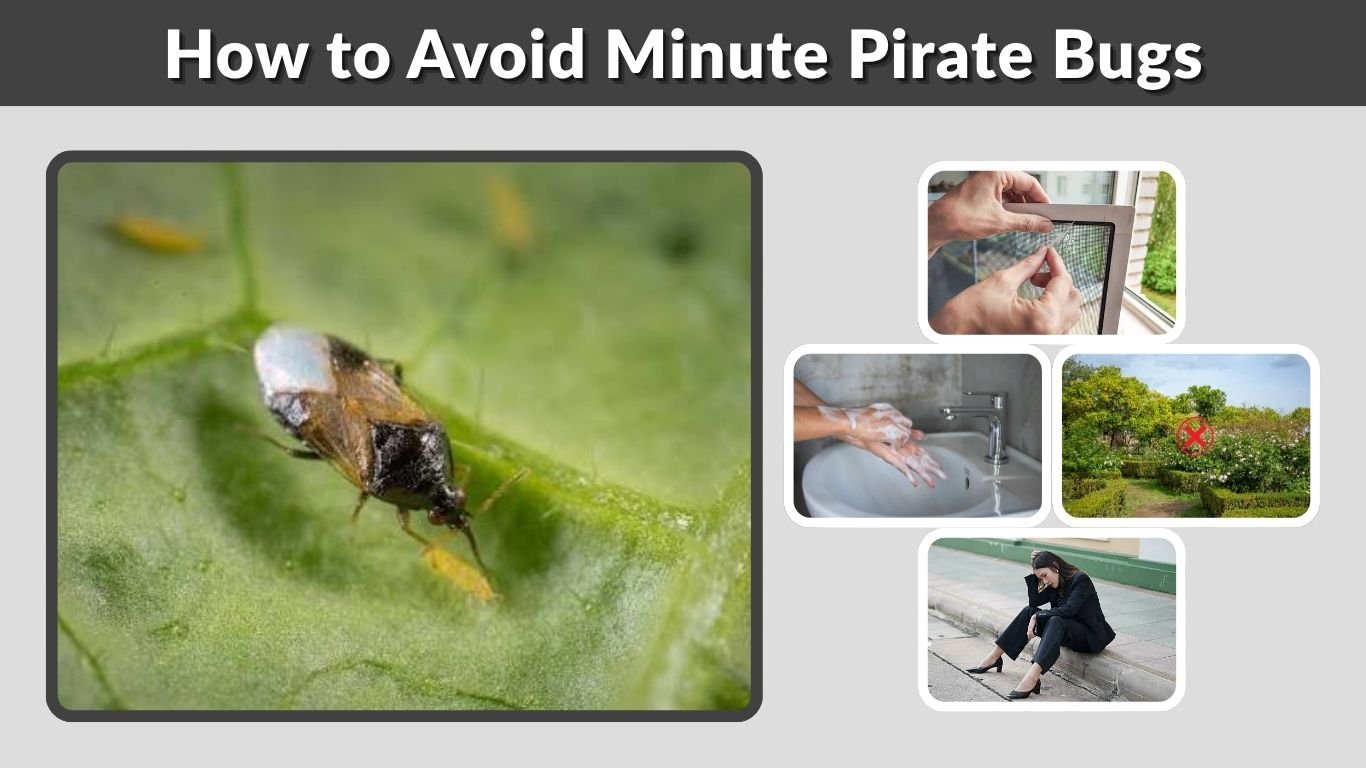
Minute pirate bugs are among the smallest beneficial insects found in gardens, fields, and flowering landscapes. Although they measure only a few millimeters long, they … Read More
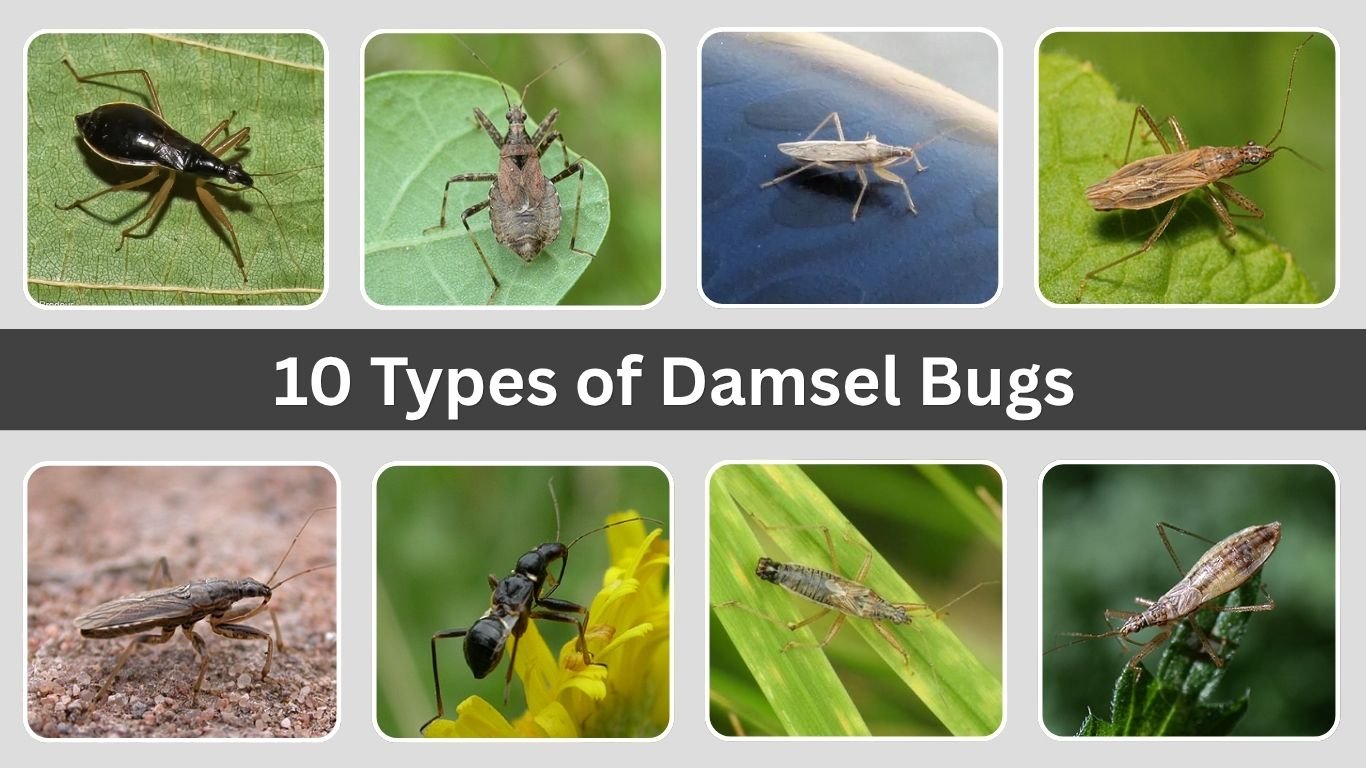
Damsel bugs are slender predatory insects known for hunting many common garden and crop pests. Belonging to the family Nabidae, these beneficial bugs use their … Read More
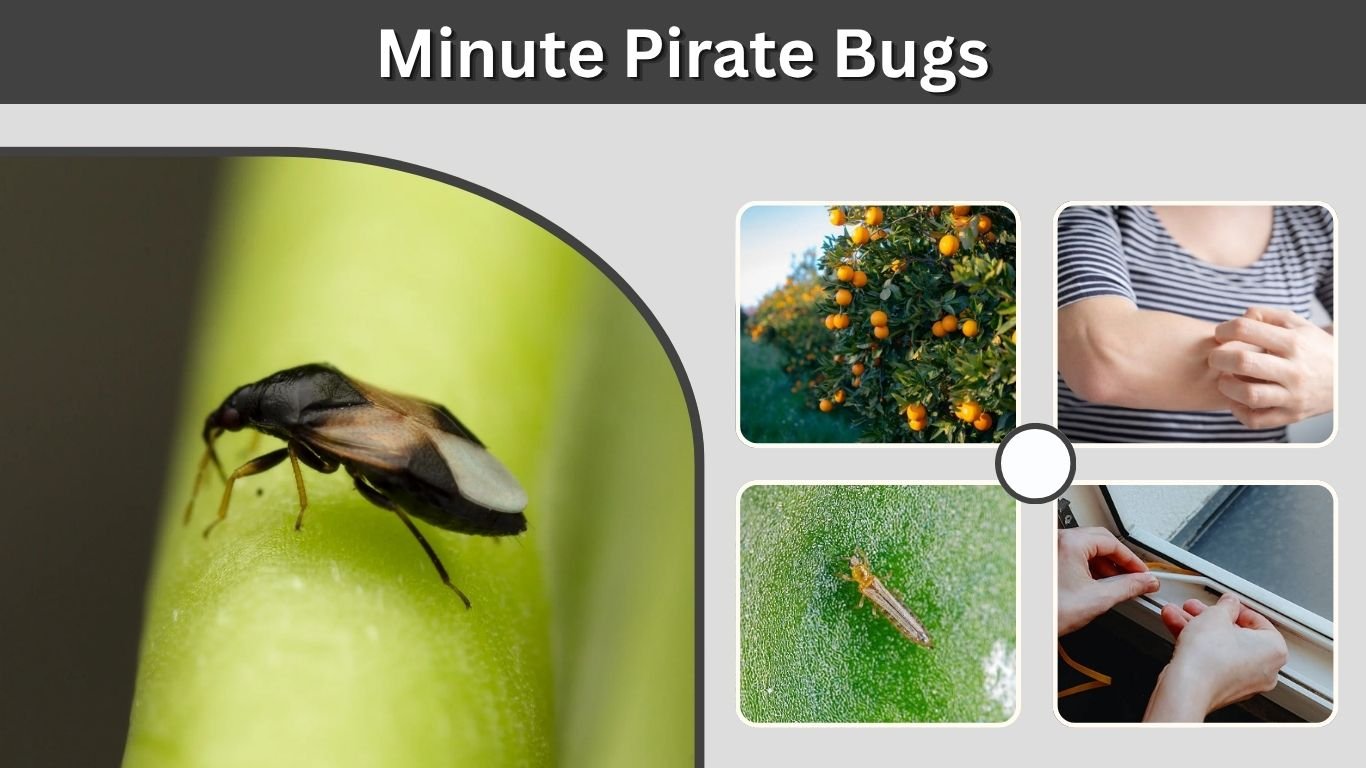
Minute pirate bugs are tiny black-and-white insects commonly found on flowers, crops, shrubs, and garden plants. They are beneficial predators that feed on thrips, aphids, … Read More