
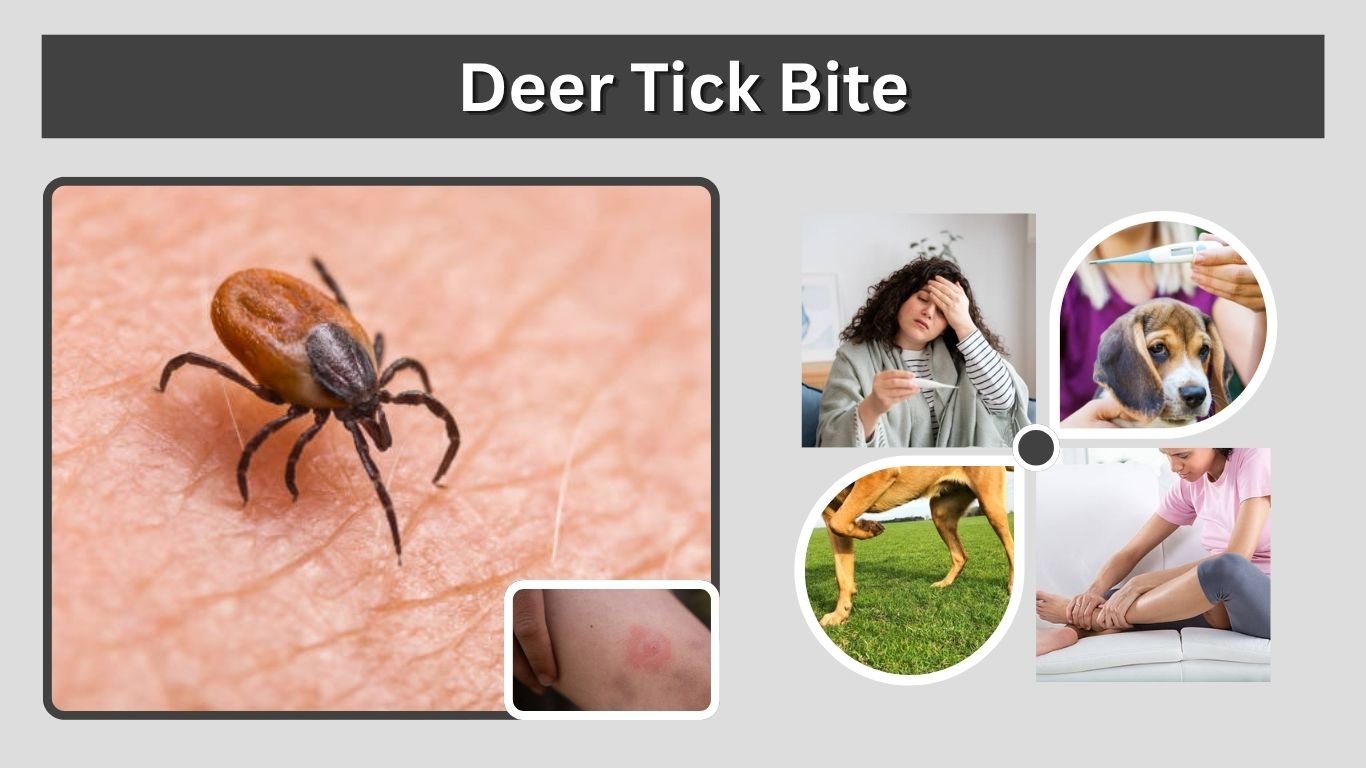
Deer Tick Bite: Symptoms, Treatment, and Lyme Disease Risk
A deer tick bite can be easy to miss because blacklegged ticks are extremely small and their bites are often painless. Most bites do not … Read More
A deer tick bite can be easy to miss because blacklegged ticks are extremely small and their bites are often painless. Most bites do not … Read More
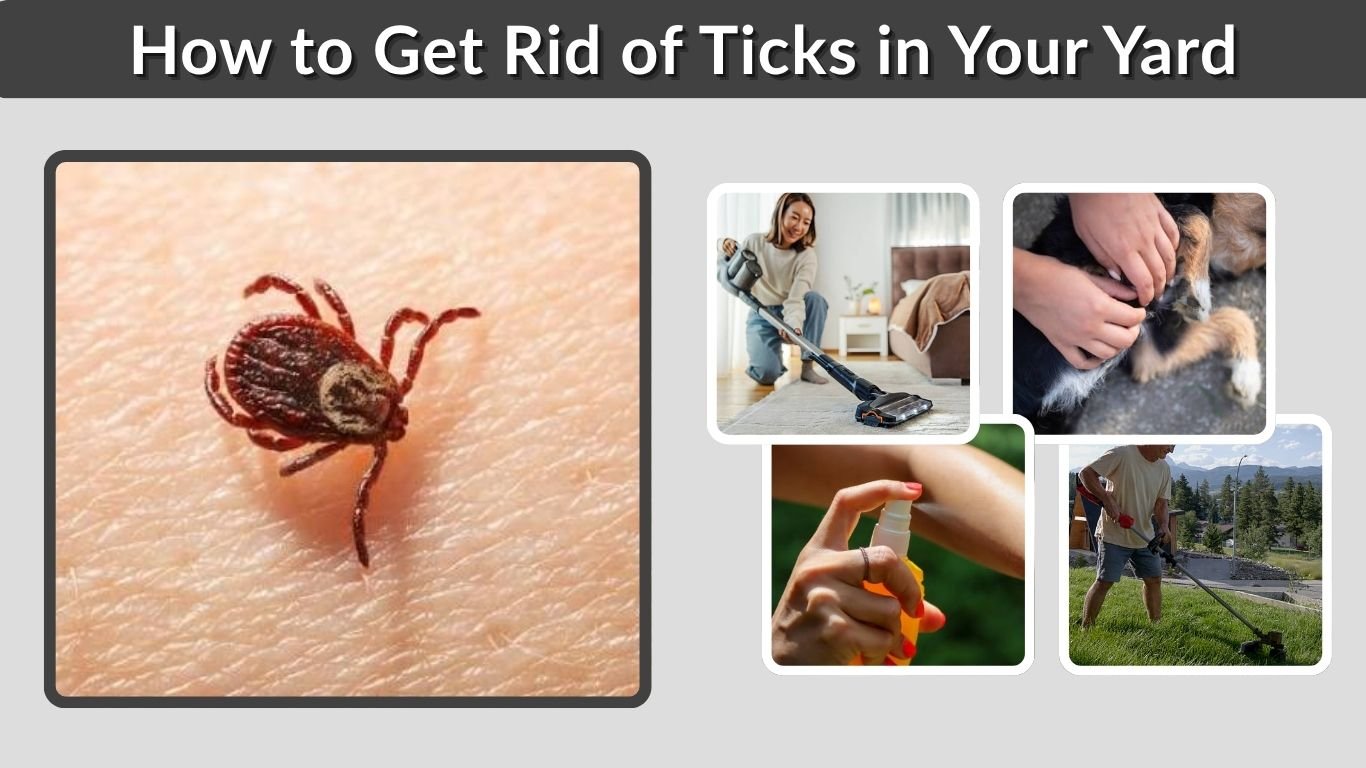
Ticks can become a serious nuisance when they appear around your yard, inside your home, or on pets and people. Because some tick species can … Read More
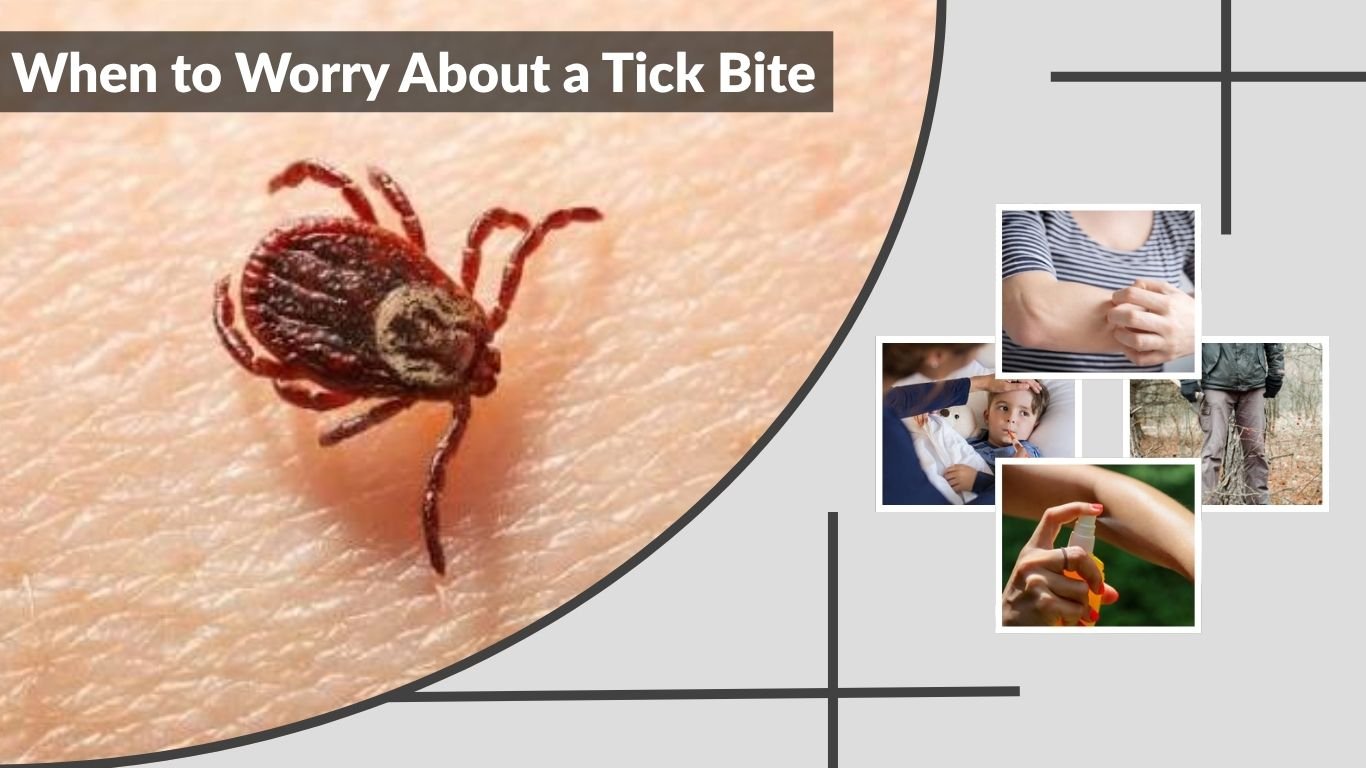
Most tick bites cause little more than mild redness or irritation, but some ticks can transmit infections such as Lyme disease, Rocky Mountain spotted fever, … Read More
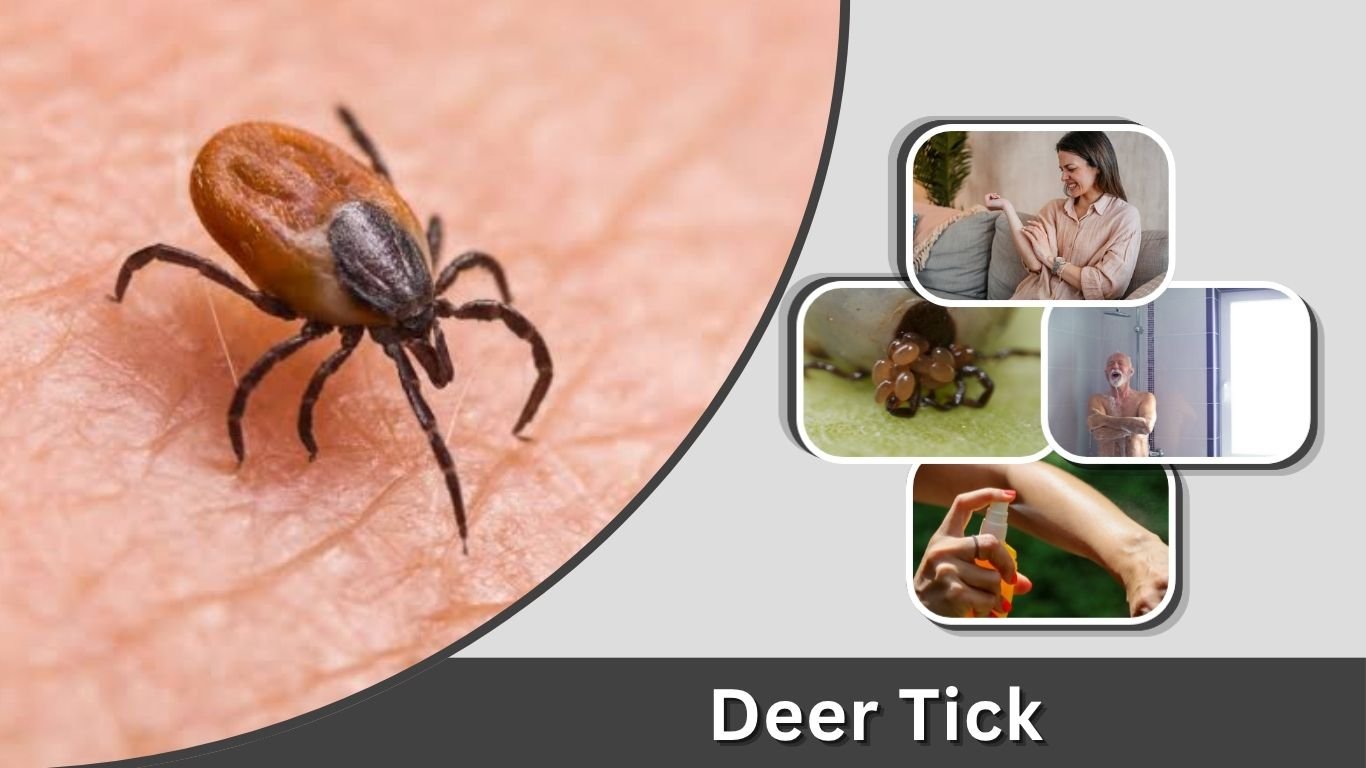
The deer tick is a tiny blood-feeding parasite best known for its connection to Lyme disease. Also called the blacklegged tick, it can attach to … Read More
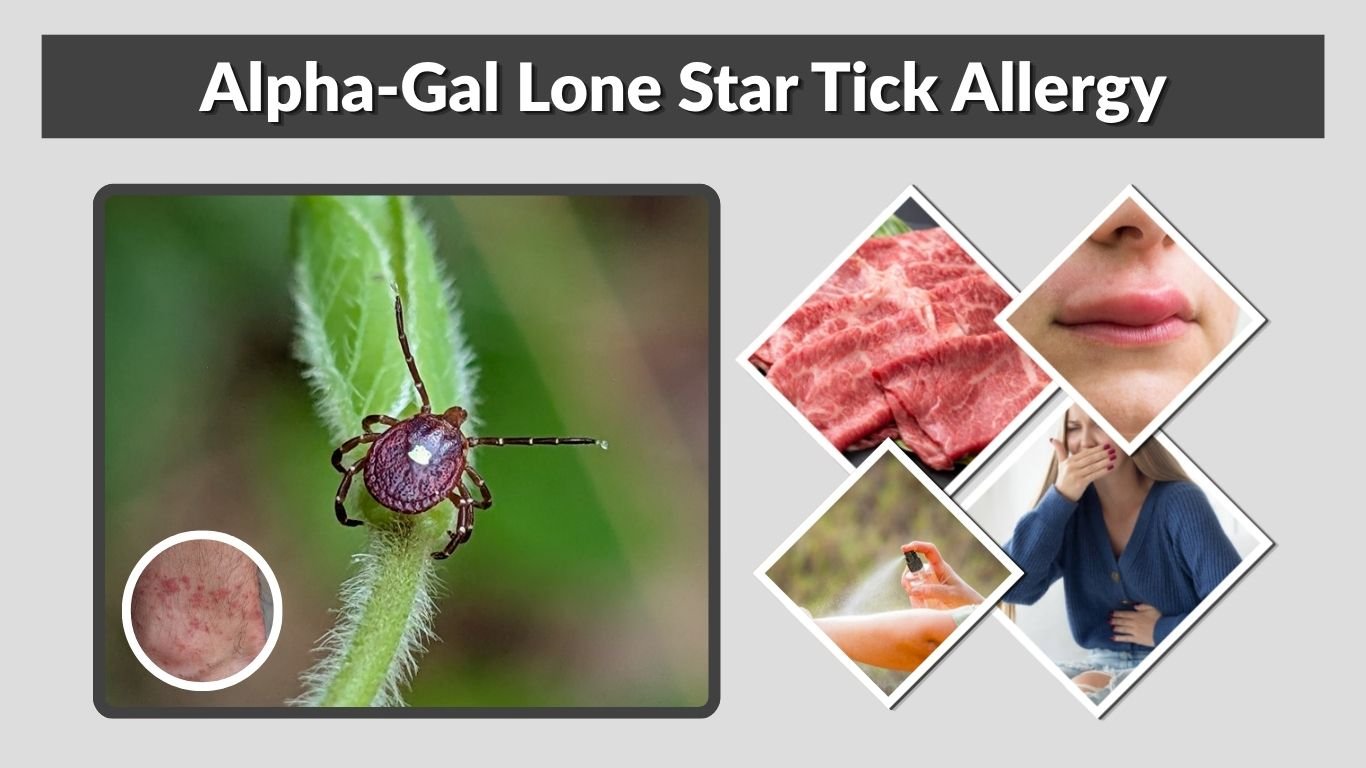
Alpha-gal syndrome (AGS) is an unusual allergy that can develop after certain tick bites, particularly bites from the lone star tick in the United States. … Read More
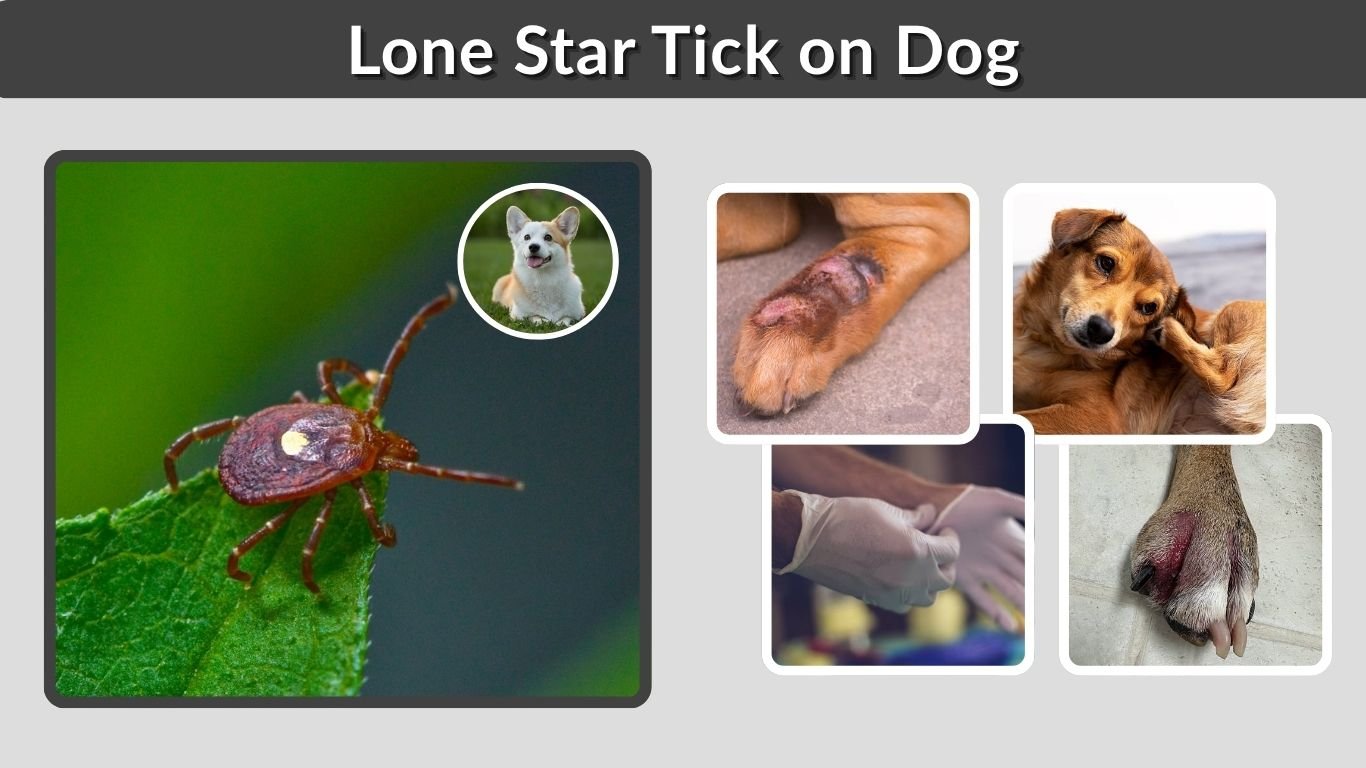
Finding a lone star tick on your dog can be concerning because these ticks can cause skin irritation and transmit certain infections. The lone star … Read More
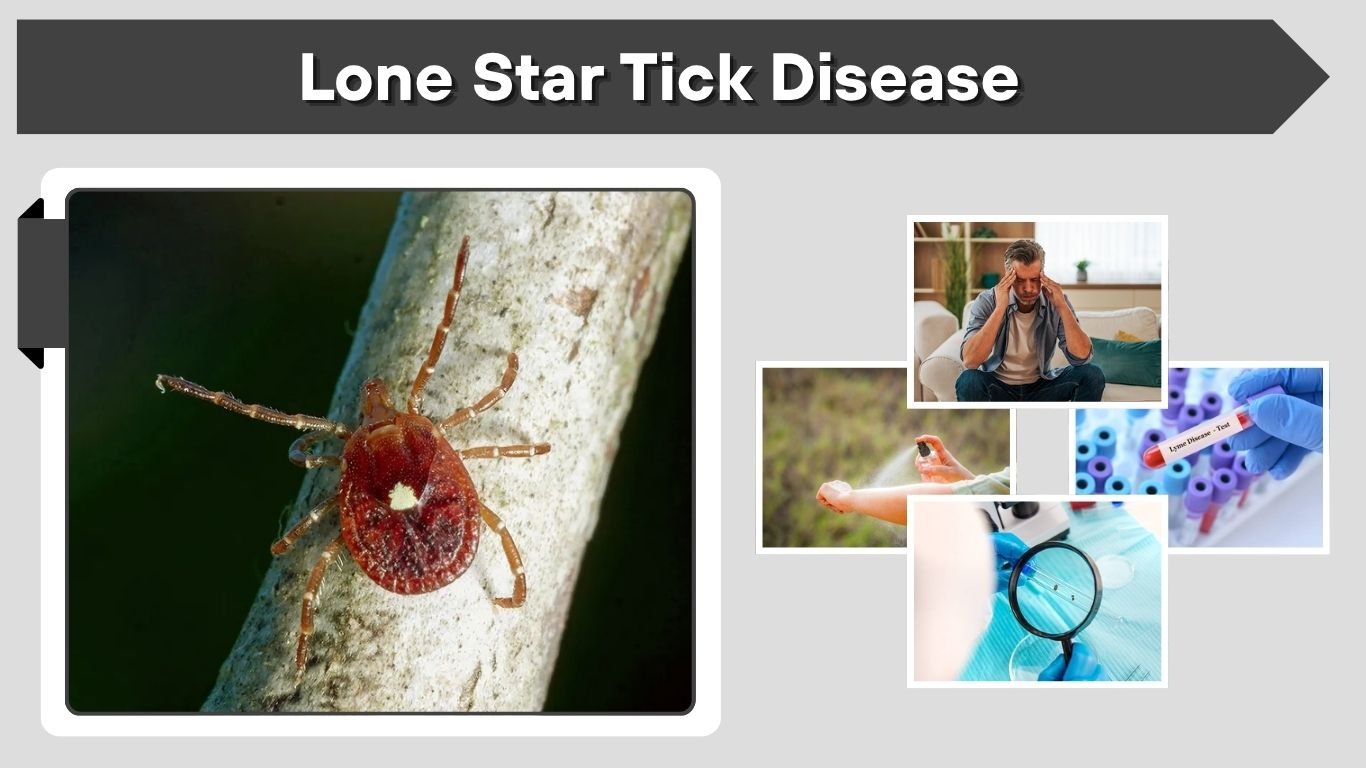
A lone star tick bite can expose people to several illnesses, but there is no single condition called “lone star tick disease.” These aggressive ticks … Read More
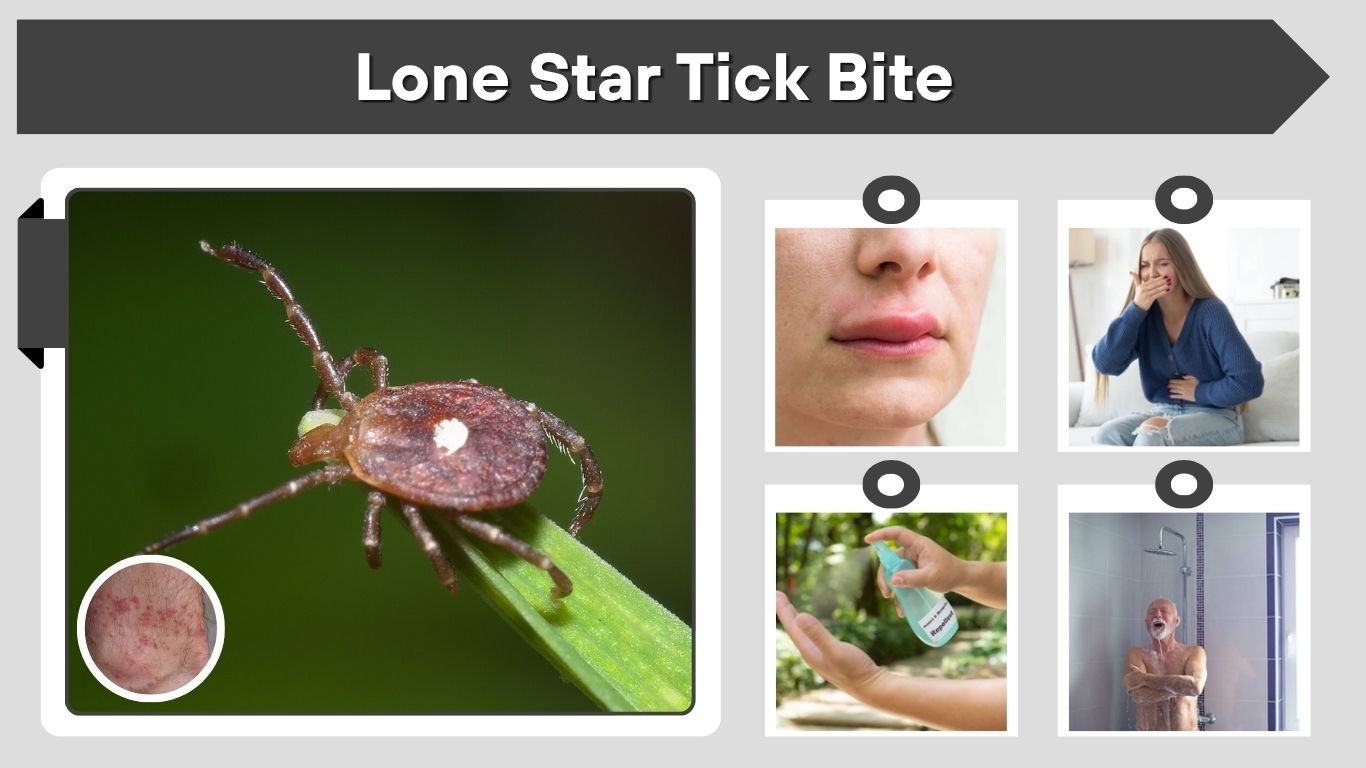
A lone star tick bite can cause anything from mild skin irritation to a tick-borne illness or, in some people, alpha-gal syndrome. The lone star … Read More
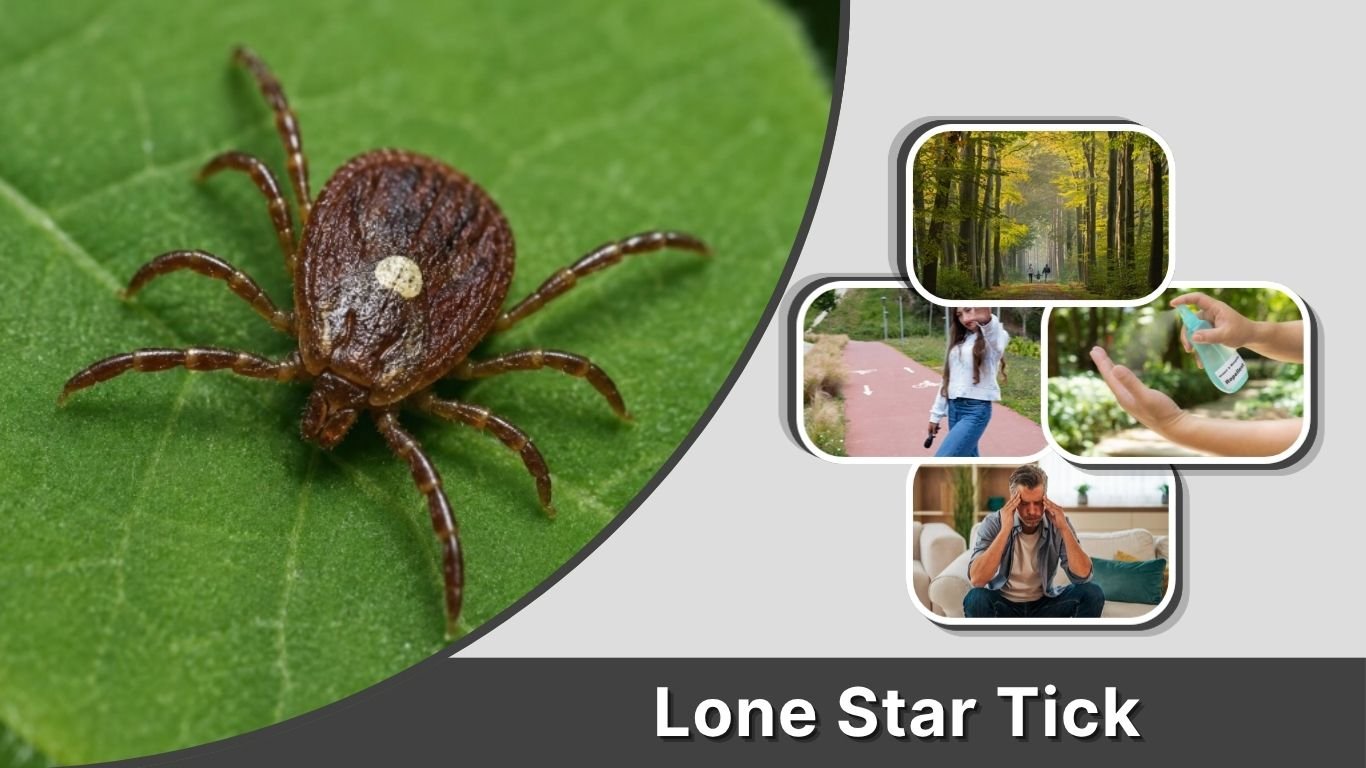
The lone star tick (Amblyomma americanum) is one of the most aggressive human-biting ticks in the United States. Easily recognized in adult females by a … Read More
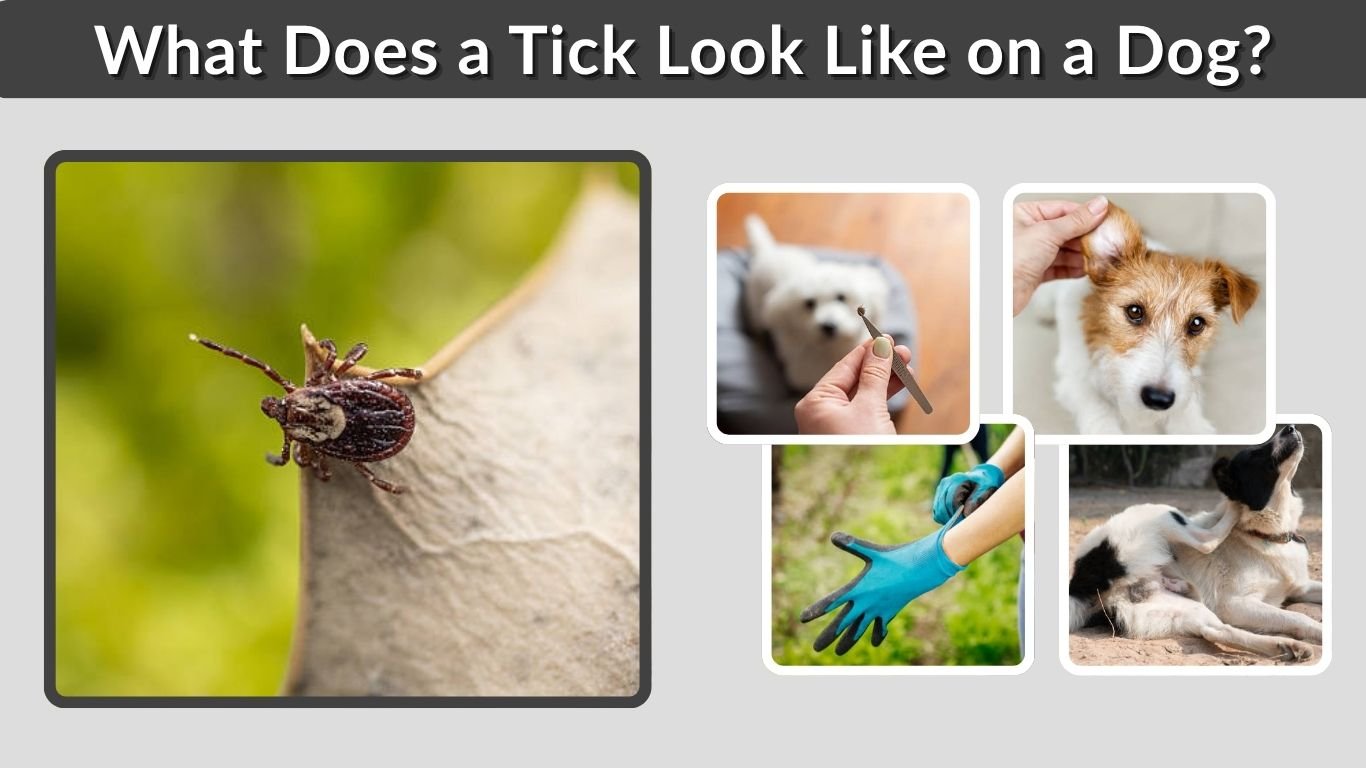
A tick on a dog often looks like a small brown, black, gray, or reddish bump attached tightly to the skin. Before feeding, ticks are … Read More