
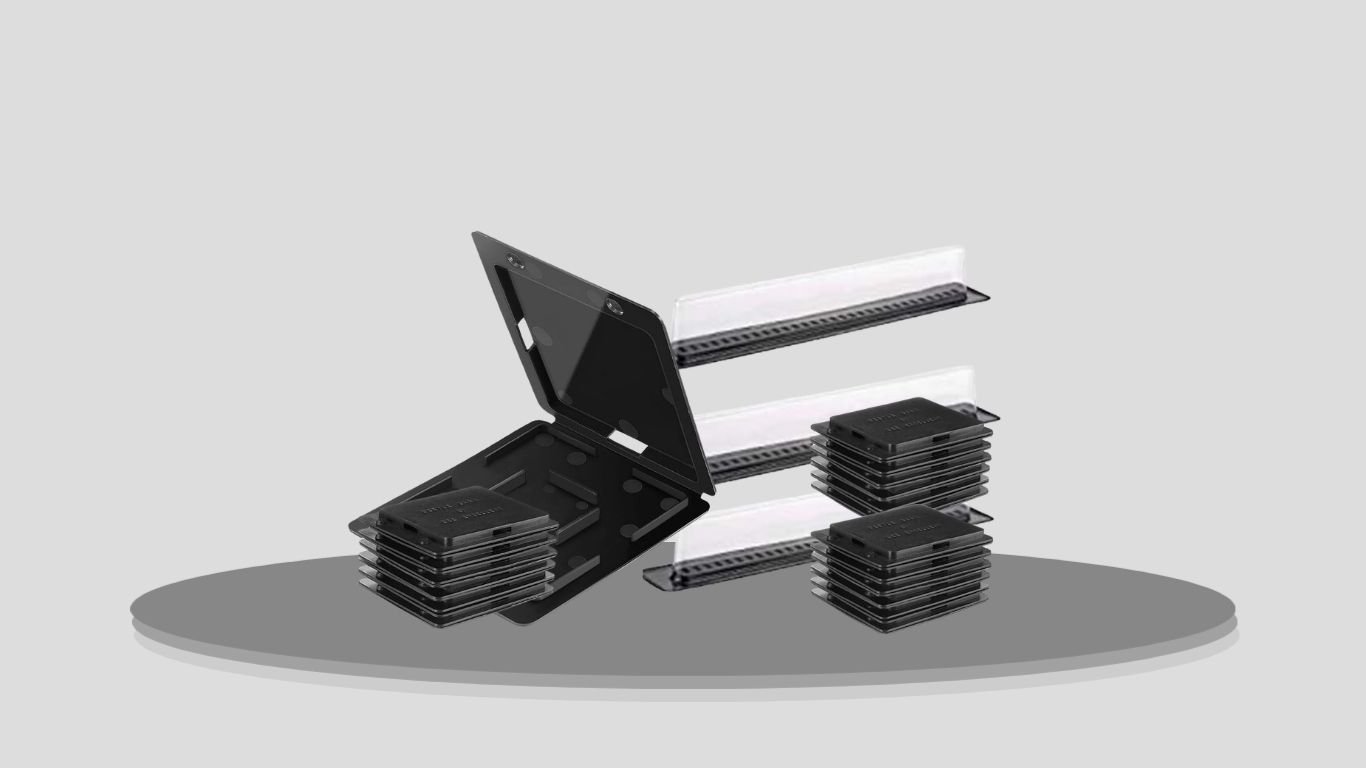
Small hive beetles can quickly become a serious problem inside bee colonies by damaging comb, contaminating honey, and stressing the hive. The best hive beetle traps are designed to capture or reduce beetle populations without disrupting normal bee activity. Many options fit between frames and use oil, bait, or enclosed channels to trap beetles where bees cannot reach them. In this guide, we review eight practical hive beetle traps that can help beekeepers improve hive maintenance, protect stored honey, and support healthier colony conditions throughout the season.
1. Reusable Plastic Hive Beetle Trap for Beekeeping

The Reusable Plastic Hive Beetle Trap for Beekeeping is designed to give beekeepers a simple, repeatable way to reduce small hive beetle activity inside the colony. Its compact plastic body fits within the hive without taking up excessive space, while the reusable design can help lower ongoing replacement costs. It is especially useful for beekeepers who want a straightforward maintenance tool that can be checked and cleaned during regular hive inspections.
Key Features
- Reusable plastic construction
- Designed for small hive beetle management
- Compact size for in-hive placement
- Easy to inspect during routine hive checks
- Suitable for repeated seasonal use
- Can be cleaned and reused
- Helps support ongoing hive maintenance
- Practical for beginner and experienced beekeepers
Why It Is Best for Routine Hive Maintenance
The strongest advantage of this trap is its simplicity. Rather than relying on a complicated mechanical system, it can be incorporated into normal hive inspections with minimal extra effort.
For beekeepers managing several colonies, that matters because any pest-control method that is too time-consuming can quickly become difficult to maintain. A reusable trap provides a practical way to keep beetle monitoring and removal as part of the regular inspection routine.
Performance and Practical Use
Small hive beetles tend to hide in narrow spaces where bees have difficulty reaching them, so compact traps are designed to take advantage of that behavior. Proper placement can help guide beetles into the trap while allowing normal bee activity to continue around it.
Because the unit is reusable, it can be emptied, cleaned, and placed back into service. That makes it more economical over time than fully disposable options, especially during warm months when beetle pressure may increase.
Overall Convenience and Value
For beekeepers looking for a straightforward first line of defense against small hive beetles, this reusable plastic trap offers a good balance of simplicity and practicality.
Its main appeal is not complexity but consistency. When used as part of a wider hive-management routine that includes strong colony health, clean equipment, and regular inspections, it can provide a useful extra layer of protection against ongoing beetle problems.
2. Witbee Beetle Blaster Plastic Hive Beetle Trap

The Witbee Beetle Blaster Plastic Hive Beetle Trap is a compact in-hive solution designed to help beekeepers manage small hive beetles without taking up much space between frames. Its narrow plastic body fits into the hive where beetles naturally seek dark hiding places, allowing the trap to become part of routine colony inspections and seasonal pest management.
Key Features
- Compact plastic beetle-blaster design
- Fits between compatible hive frames
- Designed for small hive beetle control
- Easy to inspect during hive checks
- Lightweight construction
- Suitable for repeated use as directed
- Helps reduce beetle activity inside the hive
- Simple installation with no complicated equipment
Why It Is Best for Between-Frame Placement
Small hive beetles frequently hide in narrow spaces where worker bees have difficulty reaching them. A slim trap positioned between frames takes advantage of that behavior by providing an accessible hiding point specifically designed to capture beetles.
This placement also keeps the trap close to active problem areas without occupying an entire frame position.
Performance and Hive Management
The Witbee trap can be checked during regular brood-box or super inspections, making beetle monitoring easy to incorporate into normal beekeeping routines.
Its simple construction means there are few mechanical parts to maintain. Correct placement and regular inspection are important, especially during warm weather when small hive beetle populations can increase quickly.
Overall Convenience and Value
For beekeepers who want a compact and uncomplicated small hive beetle trap, the Witbee Beetle Blaster is a practical option.
Its narrow profile, easy placement, and simple maintenance make it especially suitable for beekeepers who prefer straightforward equipment that can remain part of the hive-management routine throughout beetle season.
3. TIHOOD 12-Piece Beehive Beetle Trap Set
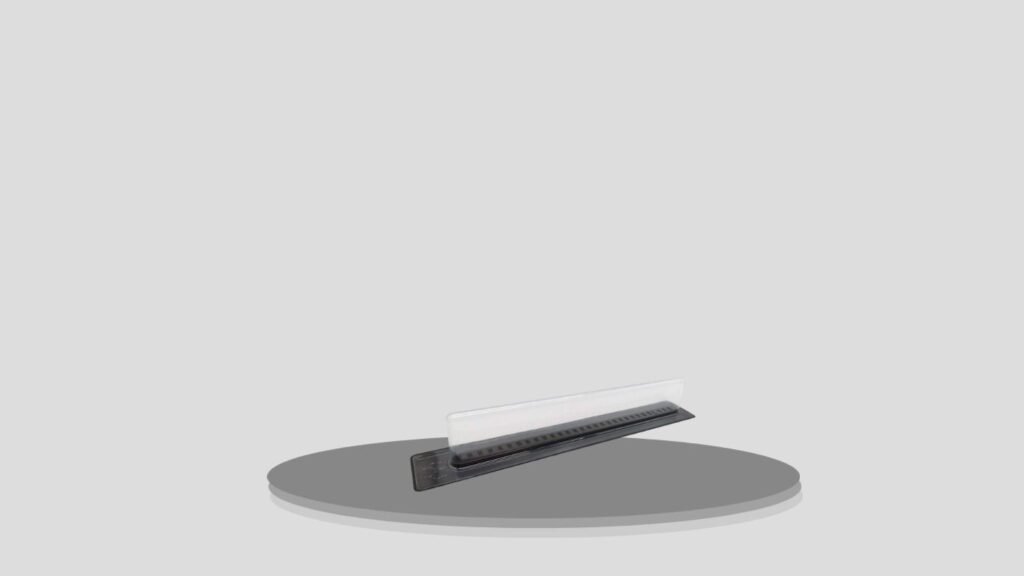
The TIHOOD 12-Piece Beehive Beetle Trap Set is designed for beekeepers who need enough traps to protect several colonies or place multiple traps throughout one hive. The larger quantity makes this set particularly convenient for apiaries where small hive beetle pressure occurs across more than one box or colony.
Key Features
- Includes 12 hive beetle traps
- Designed for small hive beetle management
- Compact in-hive construction
- Useful for multiple colonies
- Easy to distribute among several boxes
- Lightweight plastic design
- Suitable for routine hive inspections
- Convenient bulk package for apiary use
Why It Is Best for Multiple Hives
The main advantage of the TIHOOD set is quantity. A beekeeper running several colonies can place traps where beetle activity is highest without purchasing individual units separately.
Multiple traps can also be useful within one heavily affected hive, allowing different sections of the colony to receive additional monitoring and trapping coverage.
Performance and Practical Use
These traps are designed to work inside the hive, where small hive beetles naturally move between frames and sheltered spaces. Proper positioning can help concentrate beetles into areas where they can be removed more easily.
Regular inspection is important because trap effectiveness depends partly on maintenance. Checking them while inspecting brood frames or supers keeps beetle control integrated with normal colony care.
Overall Convenience and Value
For beekeepers managing several hives, a 12-piece set can offer better practical value than buying traps one at a time.
The TIHOOD set is especially useful for seasonal beetle management, new apiaries, and operations where several colonies may need protection at the same time. Its simple design also makes it accessible to beginning beekeepers.
4. Qualirey Reusable Hive Beetle Collecting Trap
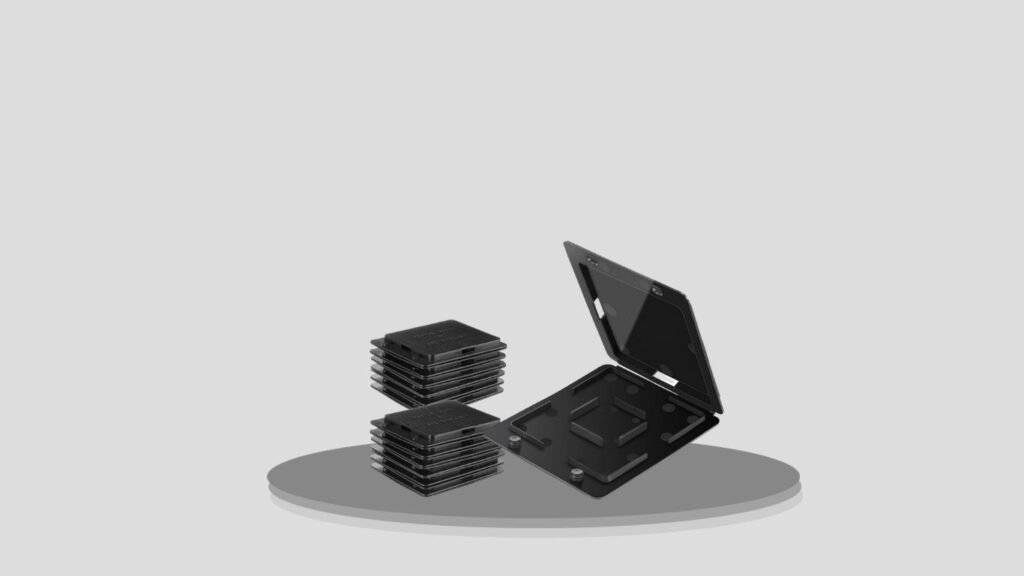
The Qualirey Reusable Hive Beetle Collecting Trap is designed for beekeepers who prefer a reusable system that can be inspected, cleaned, and returned to service. Its enclosed format helps collect small hive beetles inside the hive while allowing beekeepers to monitor activity during regular inspections.
Key Features
- Reusable hive beetle trap
- Designed for small hive beetle collection
- Plastic construction
- Suitable for repeated seasonal use
- Easy to inspect and maintain
- Compact size for in-hive placement
- Helps monitor beetle pressure
- Useful for both hobby and larger apiaries
Why It Is Best for Repeated Seasonal Use
Reusable equipment can be particularly valuable when small hive beetles appear every year. Instead of continually replacing disposable traps, beekeepers can clean the units and return them to the hive.
This reduces ongoing replacement needs and makes it easier to keep several traps available throughout the warmer months.
Performance and Maintenance
The trap works best when placed in locations where beetles naturally move or hide. Routine inspections allow beekeepers to see whether beetle activity is increasing and whether additional traps may be needed.
Cleaning the trap between uses also helps keep it functioning properly and prevents old debris from accumulating inside the hive.
Overall Convenience and Value
The Qualirey reusable collecting trap is a practical choice for beekeepers who value long-term usability over disposable convenience.
Its simple construction, compact format, and ability to be cleaned and reused make it suitable for ongoing hive beetle management. Combined with strong colony health and regular inspections, it can become a useful part of a broader control strategy.
5. Qualirey Plastic Beehive Beetle Trap
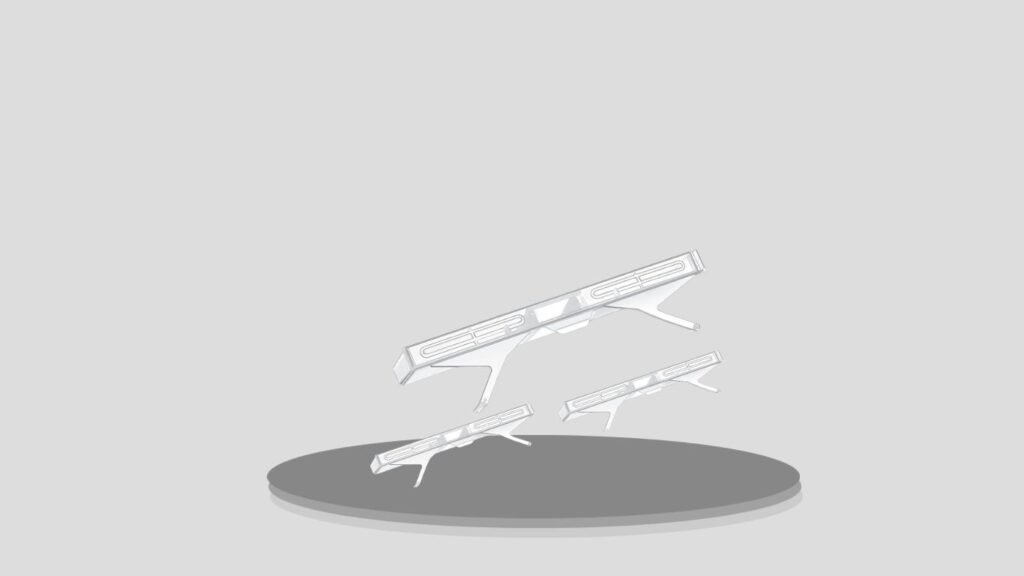
The Qualirey Plastic Beehive Beetle Trap offers a straightforward in-hive approach for reducing small hive beetle activity. Its compact plastic construction allows it to fit inside compatible hive setups without significantly interfering with normal bee movement, making it suitable for routine use during periods of increased beetle pressure.
Key Features
- Durable plastic construction
- Designed for small hive beetles
- Compact in-hive profile
- Easy to place and inspect
- Suitable for regular hive maintenance
- Lightweight and portable
- Useful for multiple hive types
- Simple design with minimal setup
Why It Is Best for Simple Beetle Control
Not every beekeeper wants a complicated pest-control system. This Qualirey trap focuses on simplicity, allowing it to be added to the hive with minimal disruption.
That can be especially helpful for newer beekeepers who want to begin monitoring hive beetles without adding complex equipment or treatments to their colony-management routine.
Performance and Hive Compatibility
The compact format makes the trap easy to position around areas where beetles are likely to hide. Because it does not require electricity or moving parts, maintenance is relatively straightforward.
Regular inspections remain important. Monitoring how many beetles are collected can give beekeepers a useful indication of whether pest pressure is increasing or decreasing over time.
Overall Convenience and Value
For routine beetle monitoring and control, the Qualirey Plastic Beehive Beetle Trap provides a simple and practical option.
Its compact size and easy setup make it particularly appealing for hobby beekeepers or anyone who wants an additional physical trapping method alongside good hive sanitation and colony management.
6. Qualirey Plastic Beetle Blaster Trap

The Qualirey Plastic Beetle Blaster Trap is designed to fit inside the hive where small hive beetles often seek narrow hiding spaces. Its slim profile makes it useful for positioning between compatible frames, helping beekeepers target beetles without sacrificing large amounts of internal hive space.
Key Features
- Beetle-blaster style plastic construction
- Slim design for in-hive placement
- Intended for small hive beetle control
- Fits between compatible frames
- Lightweight and easy to handle
- Simple to inspect during hive checks
- Suitable for seasonal beetle management
- No complicated installation required
Why It Is Best for Compact Hive Placement
The narrow design is the strongest feature of this trap. It allows beekeepers to introduce beetle-control equipment without adding bulky components to the brood box or honey super.
Because beetles often move into tight spaces to escape worker bees, a properly positioned blaster-style trap can take advantage of their natural hiding behavior.
Performance and Routine Use
The trap is most useful when incorporated into frequent hive inspections. Beekeepers can quickly check the unit, monitor beetle activity, and reposition it if another part of the hive shows greater pest pressure.
Its lightweight plastic construction also makes handling easy when frames need to be removed or rearranged.
Overall Convenience and Value
The Qualirey Plastic Beetle Blaster Trap is a useful choice for beekeepers who want targeted small hive beetle control without adding bulky equipment.
Its slim profile, straightforward placement, and minimal maintenance requirements make it well suited to routine apiary use. When used alongside healthy colony management and regular inspections, it can provide another effective physical barrier against beetle buildup.
7. Sunflower Beetle Blaster Beehive Trap
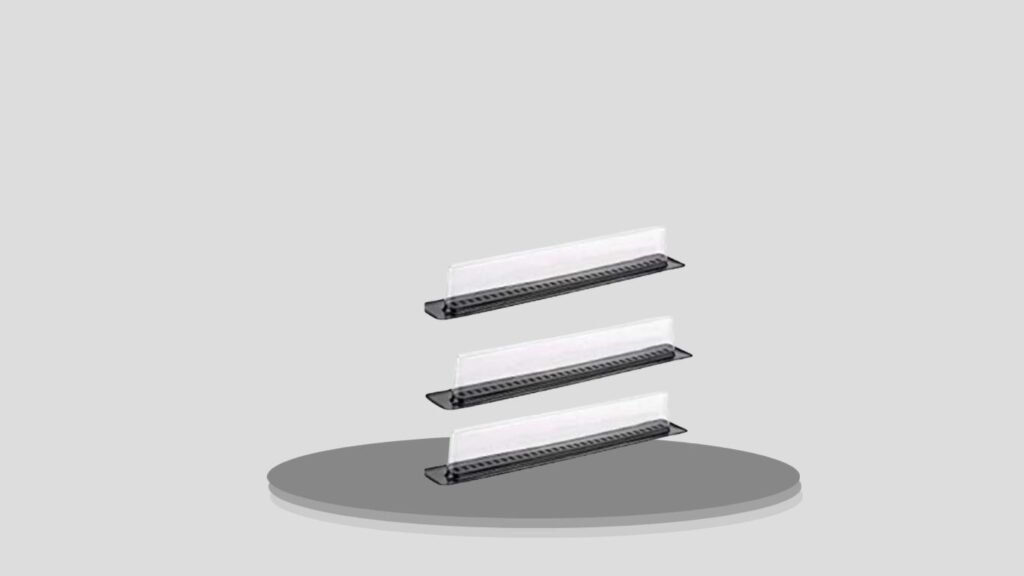
The Sunflower Beetle Blaster Beehive Trap is a compact in-hive tool designed to help beekeepers reduce small hive beetle populations with minimal disruption to the colony. Its narrow profile allows it to sit between compatible frames, where beetles often move while trying to avoid worker bees. The straightforward design also makes it easy to inspect during normal hive maintenance.
Key Features
- Slim beetle-blaster style design
- Fits between compatible hive frames
- Designed for small hive beetle control
- Lightweight plastic construction
- Easy to inspect during hive checks
- Compact enough for repeated in-hive use
- Simple setup without complicated equipment
- Useful for seasonal beetle monitoring
Why It Is Best for Between-Frame Beetle Control
The main advantage of this trap is its placement. Small hive beetles commonly move into tight spaces that bees cannot easily defend, so a narrow trap positioned between frames can take advantage of that behavior.
This makes the trap especially useful for beekeepers who want to target beetles inside the hive rather than relying only on external control methods.
Performance and Hive Maintenance
The Sunflower Beetle Blaster can be checked while frames are already being inspected, so it does not add much extra work to routine hive management.
Regular monitoring is still important because trap performance depends on placement and maintenance. During periods of high beetle pressure, using more than one trap in a hive may provide broader coverage.
Overall Convenience and Value
For beekeepers who prefer a simple physical trapping method, this Sunflower Beetle Blaster offers a practical balance of compact size and ease of use.
Its narrow design makes it suitable for ongoing seasonal management, especially when combined with strong colony health, good sanitation, and regular inspections.
8. Beehive Maintenance Hive Beetle Trap
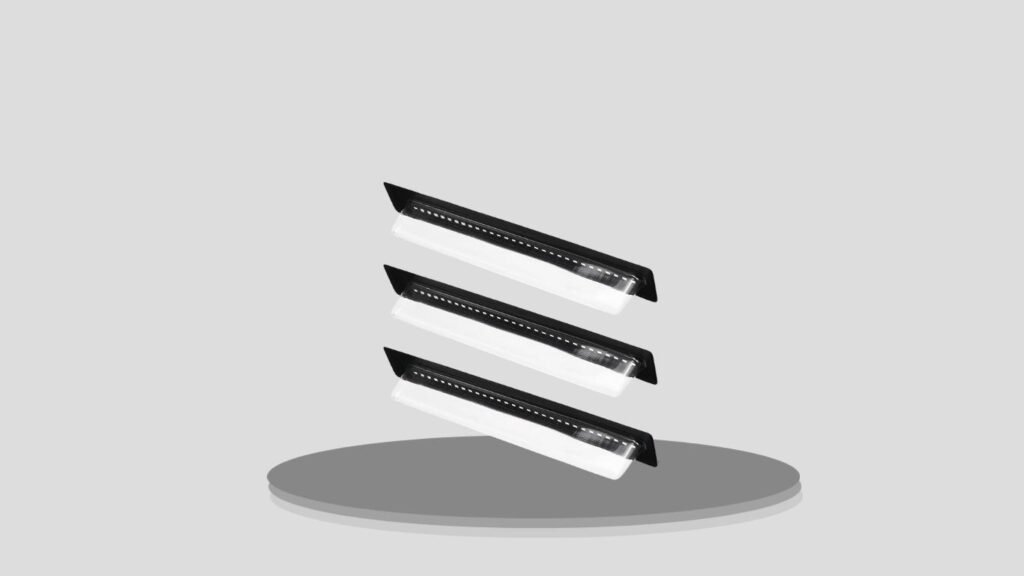
The Beehive Maintenance Hive Beetle Trap is designed as a straightforward pest-management accessory for controlling small hive beetles inside active colonies. Its compact in-hive format allows beekeepers to place it close to areas where beetles hide and travel, while the simple construction makes cleaning and routine inspection relatively easy.
Key Features
- Designed for small hive beetle management
- Compact in-hive construction
- Suitable for routine apiary maintenance
- Lightweight and easy to handle
- Can be inspected during normal hive checks
- Helps monitor beetle activity
- Simple installation
- Useful for beginner and experienced beekeepers
Why It Is Best for Routine Colony Monitoring
This trap is particularly useful for beekeepers who want to incorporate beetle control into their standard inspection schedule. Rather than creating a separate maintenance routine, the trap can be checked whenever frames, brood patterns, or honey stores are inspected.
That makes it a practical choice for hobby apiaries where simplicity is important.
Performance and Practical Use
Small hive beetles can multiply quickly when colony conditions are weak or hive sanitation is poor. A compact trap gives beekeepers an additional tool for reducing beetle numbers before infestations become more difficult to manage.
Placement should focus on areas with noticeable beetle activity, and the trap should be cleaned or serviced regularly according to its design.
Overall Convenience and Value
The Beehive Maintenance Hive Beetle Trap is a useful option for anyone who wants a straightforward physical control method without complicated equipment.
Its main value comes from ease of use and integration with routine hive inspections. When combined with strong colony management and clean equipment, it can help reduce ongoing beetle pressure.
FAQs
1. How do hive beetle traps work?
Hive beetle traps are designed to exploit the beetles’ tendency to hide in narrow spaces inside the hive. Many traps use oil, bait, or enclosed channels that beetles can enter but bees cannot easily access. Once inside, the beetles become trapped and can be removed during hive inspections.
2. Where should I place a hive beetle trap?
Placement depends on the trap design, but many beetle-blaster styles fit between frames near areas where beetles are frequently seen. Some beekeepers use more than one trap in a hive during periods of heavy beetle pressure.
3. How often should hive beetle traps be checked?
Check traps during normal hive inspections. During warm weather or periods of heavy infestation, more frequent checks may be useful. Traps should be emptied, cleaned, or replaced before they become overly full or ineffective.
4. Can hive beetle traps eliminate an infestation completely?
Traps can help reduce beetle numbers, but they work best as part of a broader management strategy. Strong colonies, proper hive sanitation, reduced excess space, and regular inspections are all important for controlling small hive beetles.
5. Are reusable hive beetle traps better than disposable traps?
Reusable traps can be more economical over time because they can be cleaned and placed back into service. Disposable traps may be more convenient because they require less maintenance. The better choice depends on hive numbers, beetle pressure, and how much time the beekeeper wants to spend cleaning equipment.
