
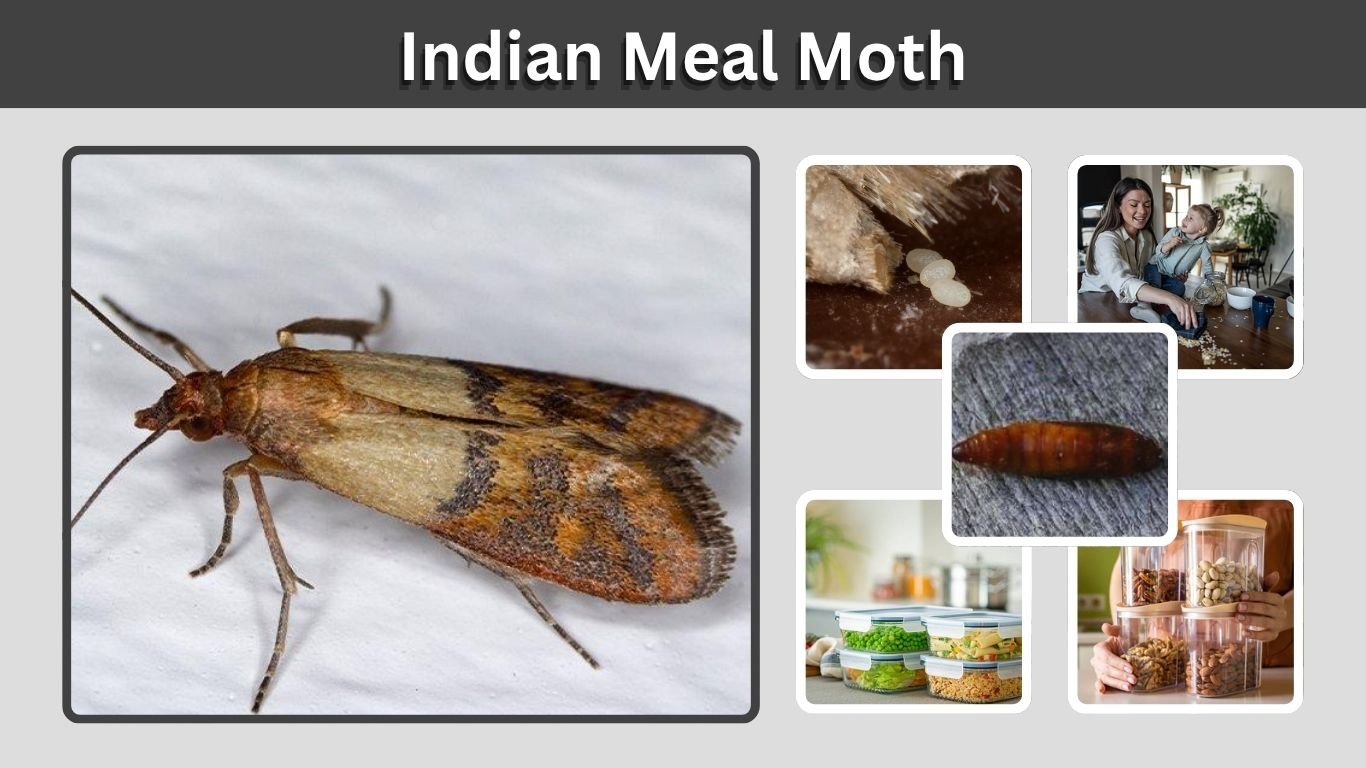
Indian Meal Moth: Identification, Larvae and Control
The Indian meal moth (Plodia interpunctella) is one of the most common pantry pests worldwide. Its larvae infest rice, flour, cereal, nuts, spices, dried fruit, … Read More
The Indian meal moth (Plodia interpunctella) is one of the most common pantry pests worldwide. Its larvae infest rice, flour, cereal, nuts, spices, dried fruit, … Read More
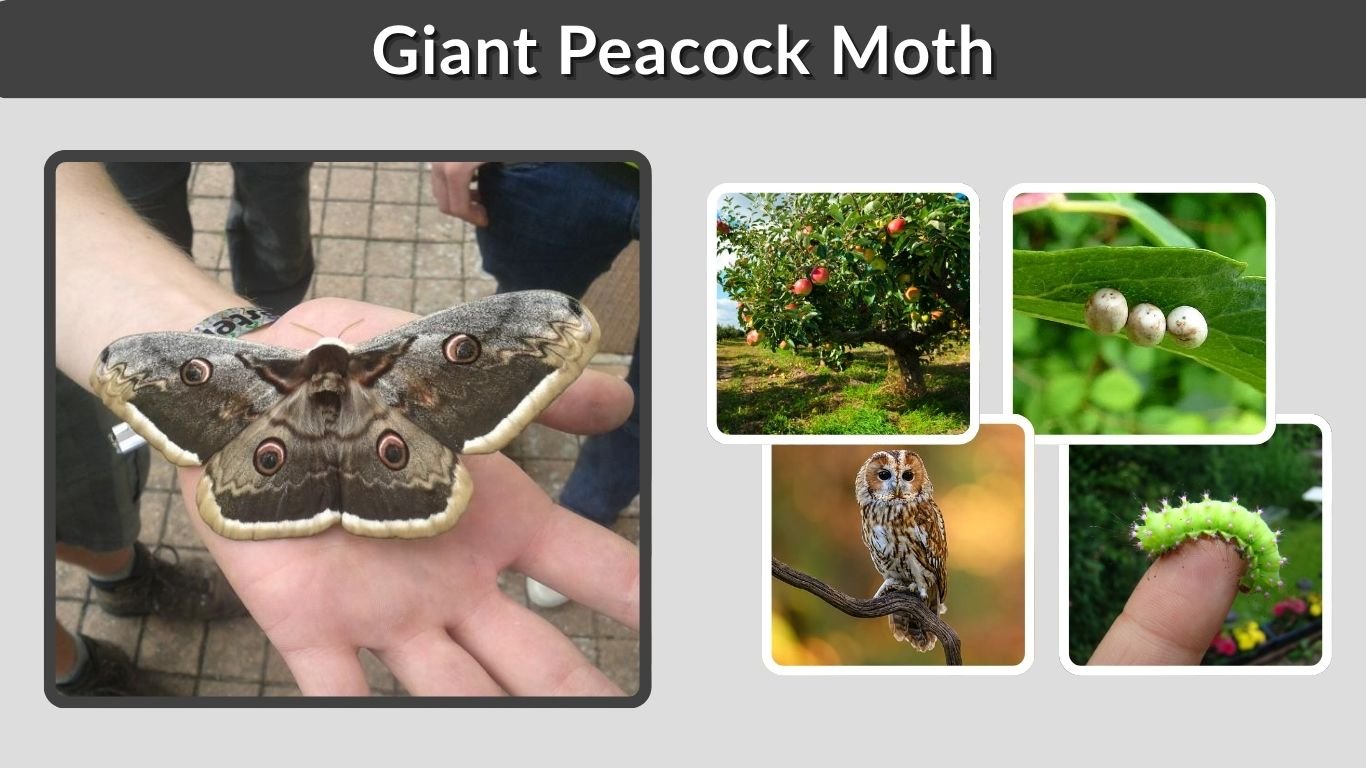
The giant peacock moth (Saturnia pyri) is Europe’s largest native moth, with a wingspan that can exceed 16 cm. Each brown-grey wing carries a colorful … Read More
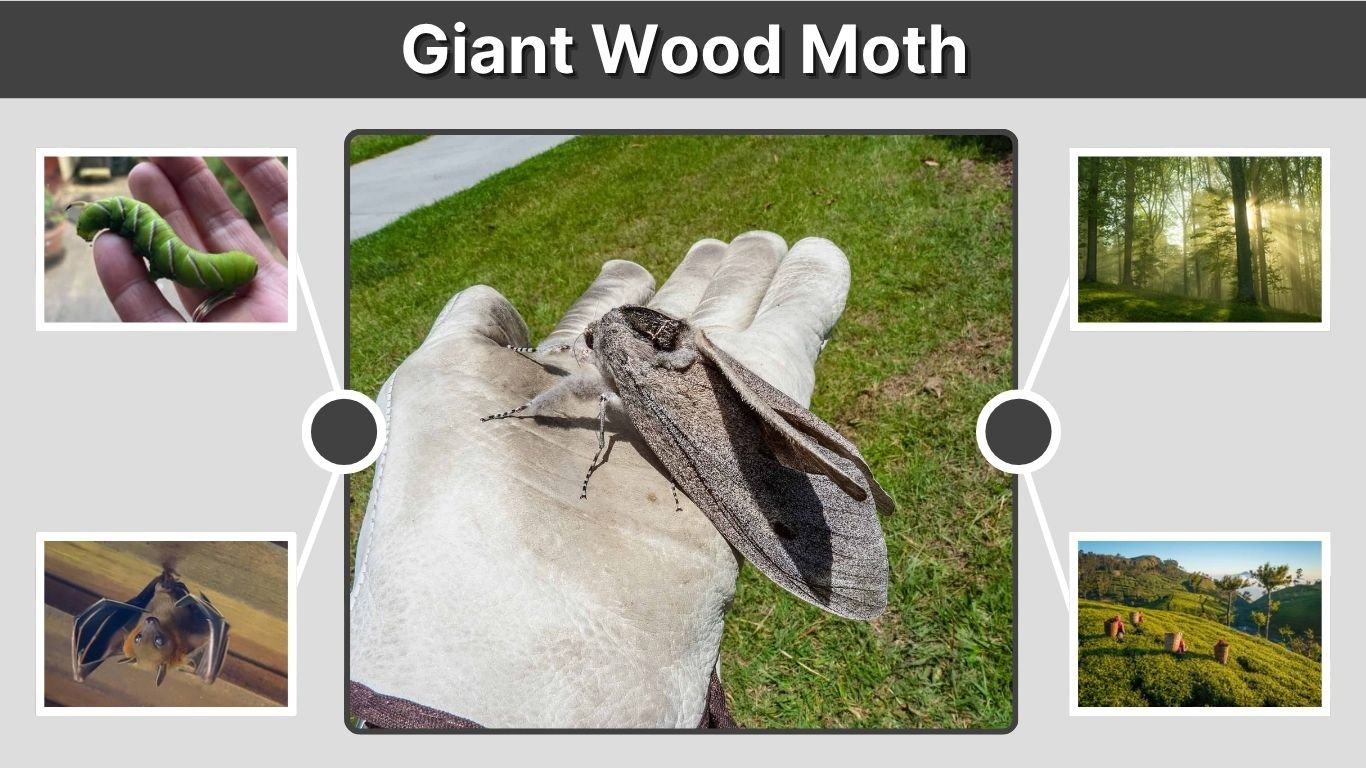
The giant wood moth (Endoxyla cinereus) is an enormous Australian insect recognized as the world’s heaviest moth. Large females can weigh around 30 grams and … Read More
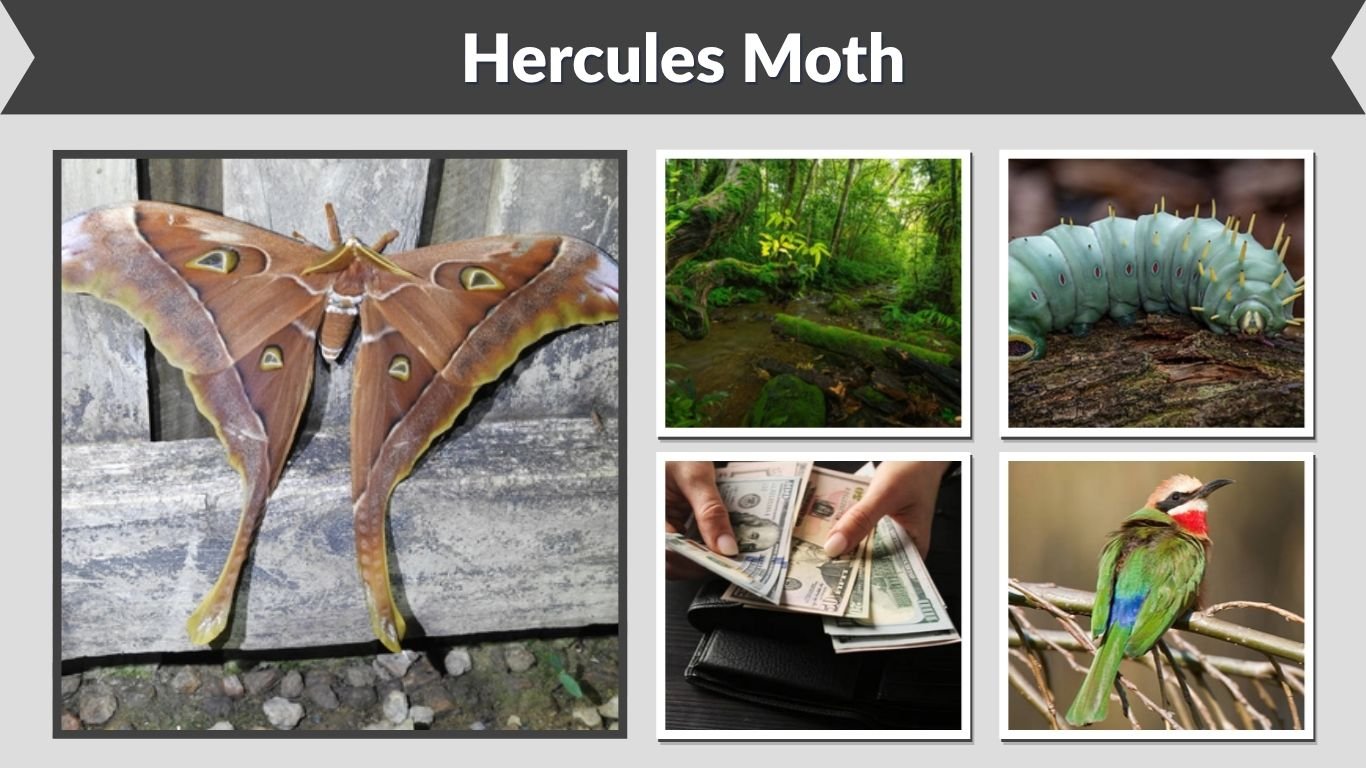
The Hercules moth (Coscinocera hercules) is an enormous silk moth native to northern Australia and New Guinea. It holds the record for the greatest wing … Read More
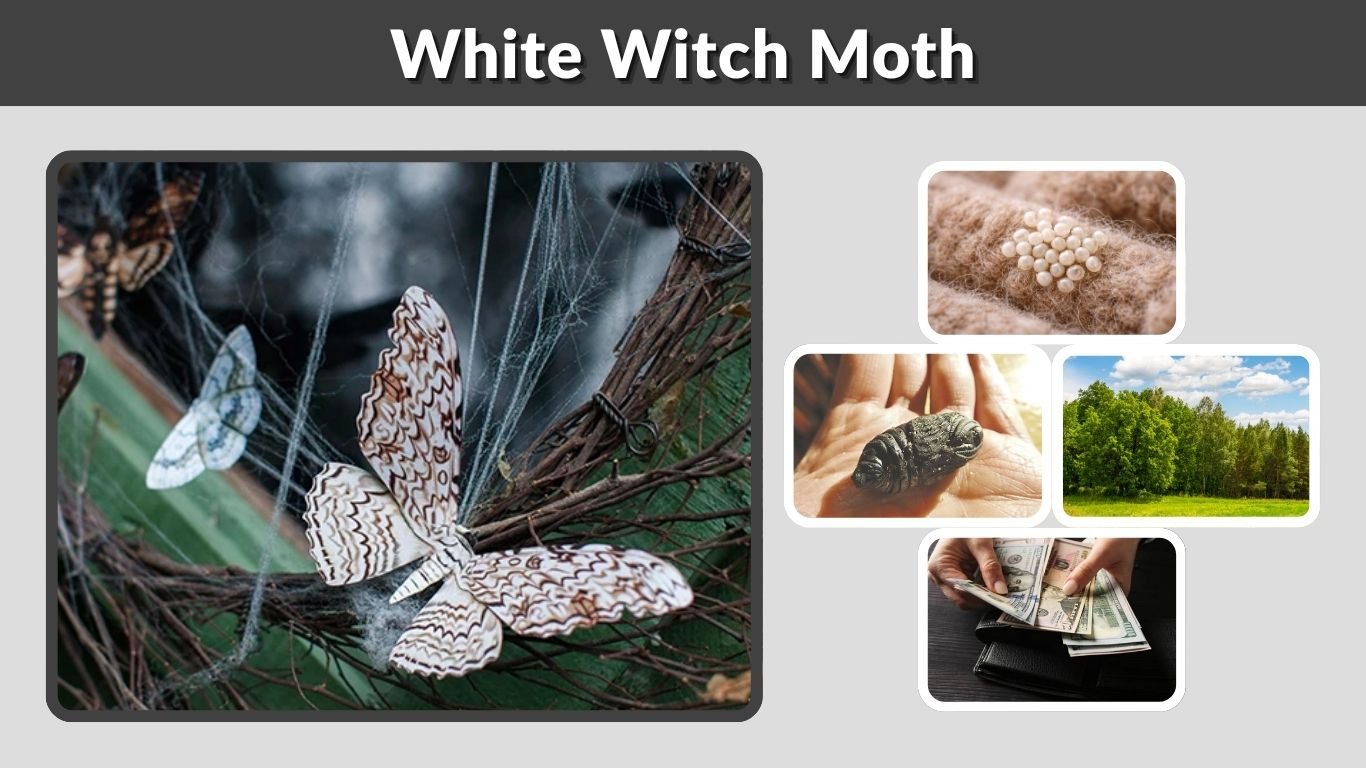
The white witch moth (Thysania agrippina) is a giant tropical moth famous for having the greatest verified wingspan of any moth. Its broad white-to-grey wings … Read More
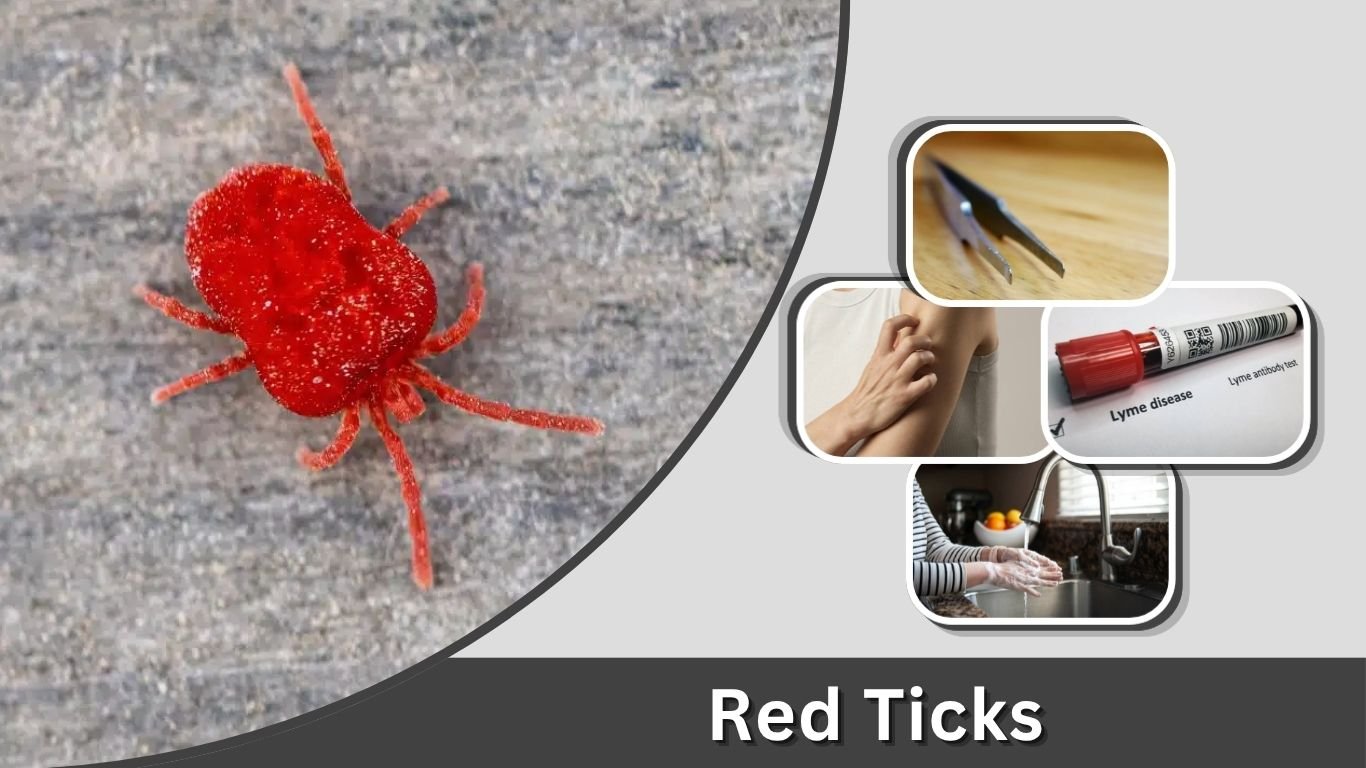
Red ticks are not one single tick species. Several ticks can look reddish, reddish-brown, orange-red, or red-and-black depending on their species, sex, life stage, and … Read More
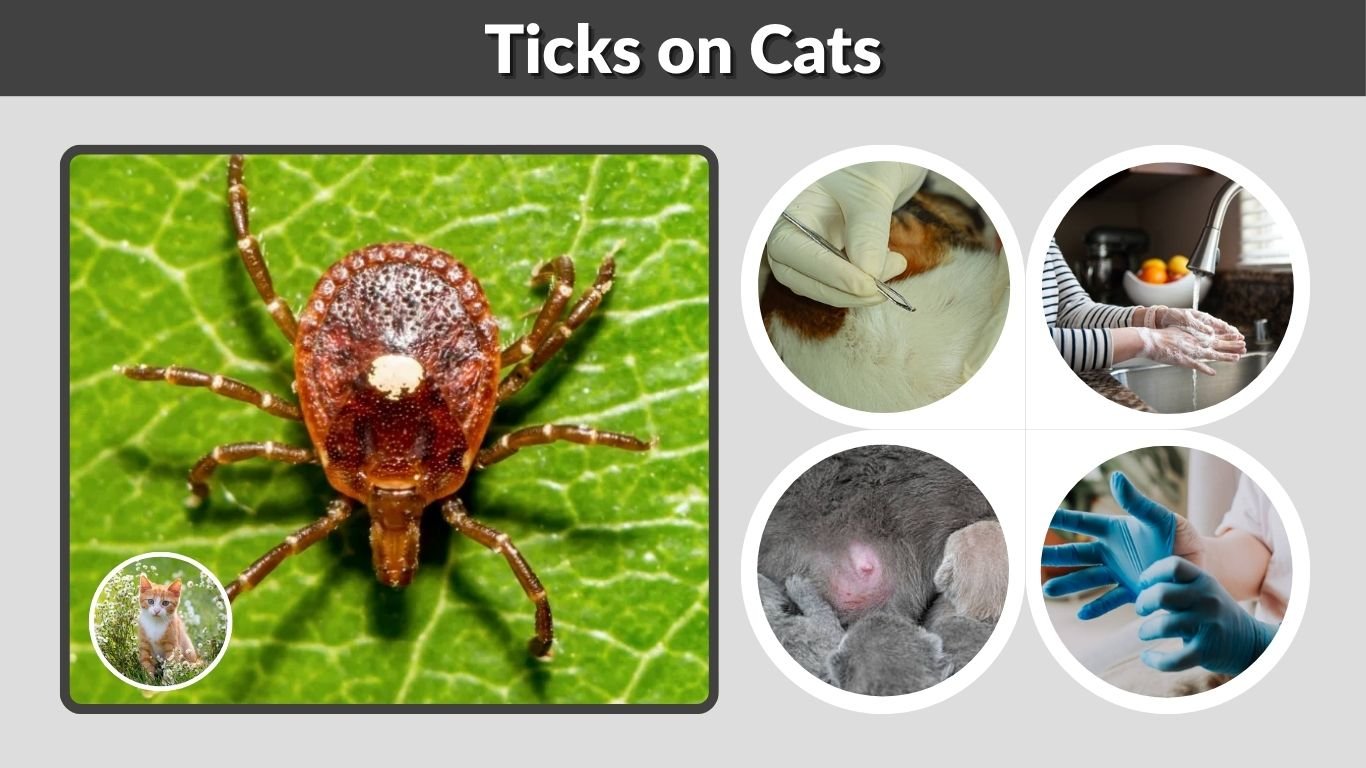
Ticks on cats are blood-feeding parasites that attach to the skin and can remain hidden beneath the fur for several days. Outdoor cats are at … Read More
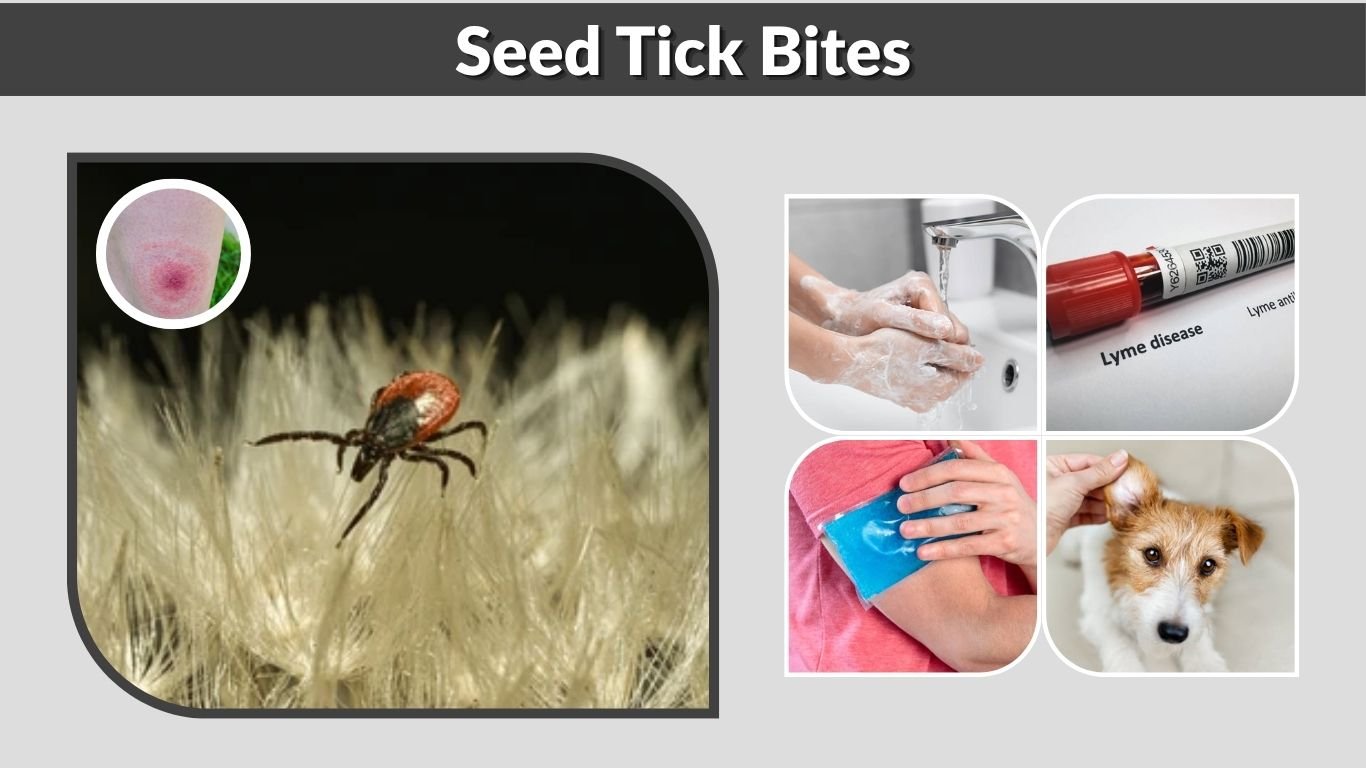
Seed tick bites often appear as clusters of tiny red, itchy bumps after a person brushes against grass, leaf litter, or low vegetation containing newly … Read More
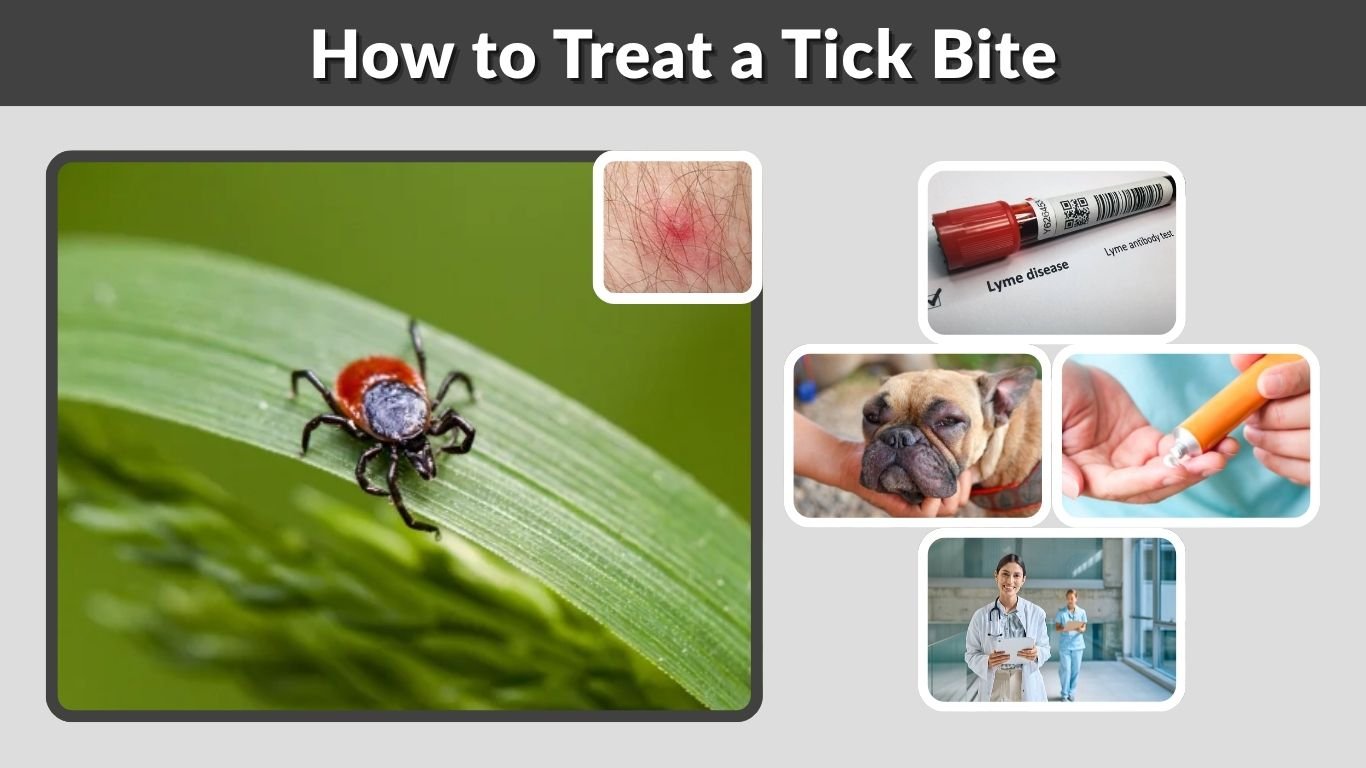
Knowing how to treat a tick bite starts with removing the tick correctly and as quickly as possible. After removal, most minor bites need only … Read More
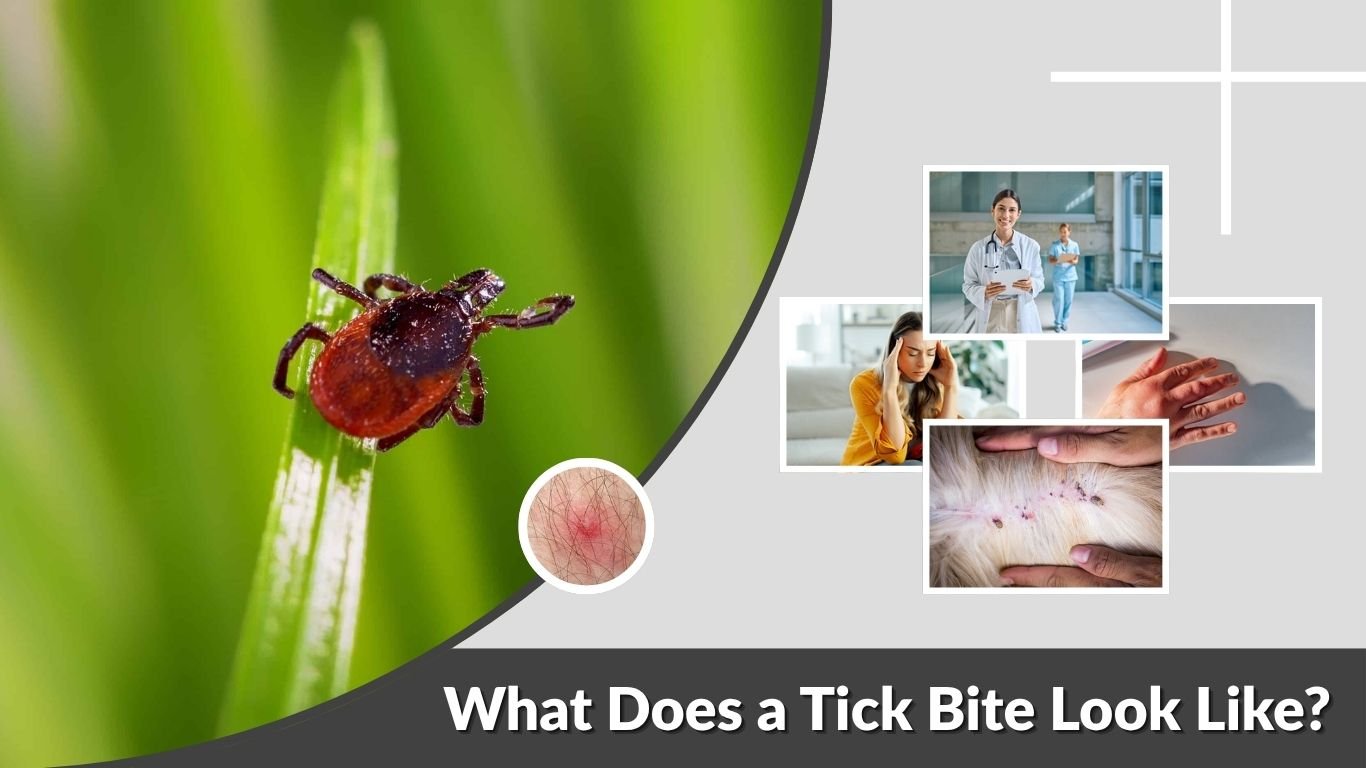
A tick bite may initially look like a small red bump similar to a mosquito bite. Some people notice little or no skin reaction, especially … Read More