
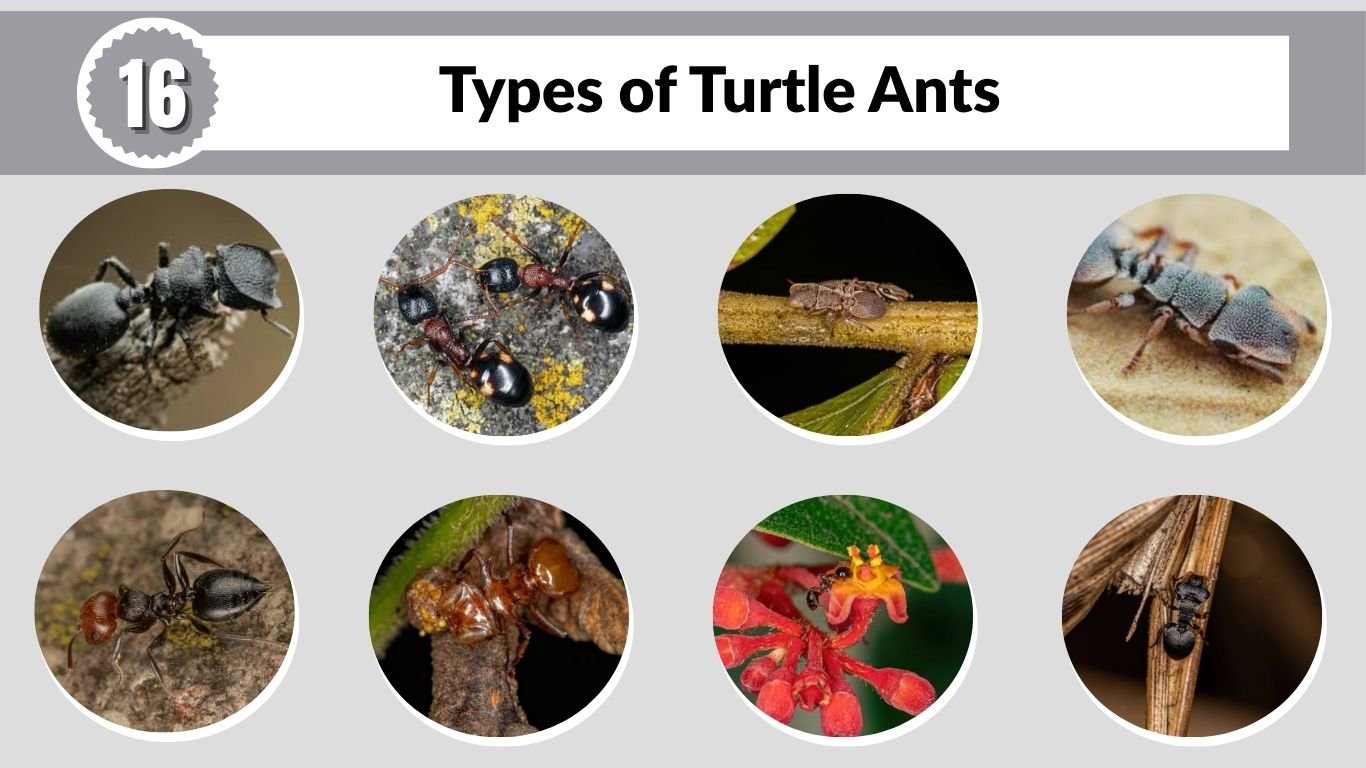
Turtle ants are unusual arboreal ants known for their flattened armored bodies and impressive gliding abilities. Most turtle ants belong to the genus Cephalotes and are commonly found in tropical forests across Central and South America. These ants spend nearly their entire lives in tree canopies, nesting inside hollow branches and feeding on nectar, fungi, and organic particles. From Cephalotes atratus to Cephalotes wheeleri, each species has unique body structures, behaviors, and adaptations that help them survive high above the forest floor.
1. Cephalotes atratus

Cephalotes atratus is one of the largest and most recognizable turtle ant species found in the tropical forests of Central and South America. Turtle ants are famous for their flattened, armored bodies and their ability to glide through the air when falling from trees. Cephalotes atratus lives mainly in forest canopies, where it moves along branches and feeds on plant materials, nectar, and tiny insects. Its dark coloration and strong protective body structure make it one of the best-known species in the turtle ant group.
Identification
Cephalotes atratus has a large black to dark brown body with a flattened and heavily armored appearance. Workers possess wide shield-like heads and spiny body edges that help protect them from predators. The legs are long and strong, allowing efficient movement across tree bark and branches. This species also has a broad thorax and segmented body adapted for arboreal life.
Characteristics
- Large flattened armored body
- Black or dark brown coloration
- Tree-dwelling arboreal lifestyle
- Ability to glide when falling
- Wide shield-like protective head
Habitat and Behavior
This species inhabits tropical rainforests and woodland canopies where colonies nest inside hollow branches and tree cavities. Cephalotes atratus spends most of its life high above the ground searching for food along tree trunks and branches. Workers are slow-moving but highly defensive due to their armored bodies. When falling from trees, they can control their descent by gliding back toward the trunk.
Interesting Facts
Cephalotes atratus is famous for its controlled gliding ability, which helps reduce the risk of landing on the forest floor where predators are more common. Scientists study this species to better understand insect gliding mechanics and arboreal adaptations.
2. Cephalotes varians
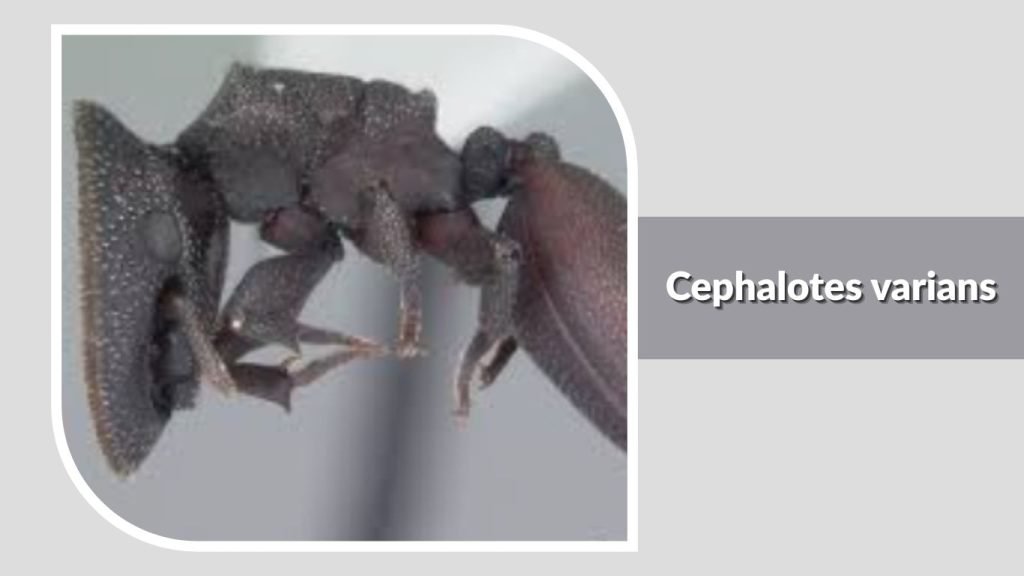
Cephalotes varians is a small but highly distinctive turtle ant species commonly found in tropical and subtropical regions of the Americas. Like other turtle ants, this species is known for its flattened armored body and its ability to glide through the air when falling from trees. Cephalotes varians spends most of its life in forest canopies, moving along branches and feeding on plant-based materials, nectar, and tiny organic particles. Its unusual body shape provides excellent protection against predators.
Identification
Cephalotes varians has a flattened reddish-brown to dark brown body with a hard exoskeleton. Workers possess broad heads and spiny body edges that create a shield-like appearance. The legs are relatively long and adapted for climbing tree bark and branches. This species is smaller than many other turtle ants but still displays the typical armored features of the genus.
Characteristics
- Flattened armored body structure
- Reddish-brown to dark brown coloration
- Arboreal tree-dwelling lifestyle
- Controlled gliding ability
- Broad protective head shape
Habitat and Behavior
This species inhabits tropical forests, mangroves, and woodland canopies where colonies nest inside hollow twigs and tree cavities. Cephalotes varians rarely comes to the ground and spends most of its time searching for food in trees. Workers move slowly but remain highly alert to predators. If they fall from branches, they can steer themselves through the air and return toward the tree trunk.
Interesting Facts
Cephalotes varians is one of the best-studied gliding ants in the world. Scientists research this species to understand how insects control aerial movement and survive in complex forest canopy environments.
3. Cephalotes rohweri

Cephalotes rohweri is a fascinating turtle ant species native to warm forest and desert-edge habitats in the Americas. This species is known for its armored body, unusual head shape, and tree-dwelling behavior. Like many turtle ants, Cephalotes rohweri spends most of its life high above the ground and can glide back toward trees if it accidentally falls.
Identification
Cephalotes rohweri has a dark brown to blackish body with a flattened and heavily armored appearance. Workers possess broad shield-like heads and short spines along the sides of the body. Its hard exoskeleton provides protection from predators and environmental hazards. The legs are adapted for gripping bark and climbing branches efficiently.
Characteristics
- Flattened armored exoskeleton
- Broad shield-like head structure
- Tree-dwelling arboreal lifestyle
- Ability to glide during falls
- Strong defensive body armor
Habitat and Behavior
This species commonly inhabits woodland canopies, dry forests, and warm tree-covered environments. Colonies usually nest inside hollow branches, dead wood, or tree cavities. Cephalotes rohweri feeds on nectar, plant secretions, fungi, and small organic particles collected from bark surfaces. Workers are slow-moving and rely heavily on camouflage and armor for protection.
Interesting Facts
Cephalotes rohweri demonstrates remarkable aerial control when falling from trees. Researchers study this species to better understand gliding behavior, arboreal survival strategies, and the evolution of armored ants.
4. Cephalotes texanus

Cephalotes texanus is a unique turtle ant species commonly found in parts of the southern United States and Mexico. This species is recognized for its flattened armored body and unusual head structure that helps protect the colony. Like other turtle ants, Cephalotes texanus spends most of its life in trees, where it searches for food and nests inside hollow branches and cavities.
Identification
Cephalotes texanus has a dark brown to black body with a flattened and compact appearance. Workers possess broad heads and short spines along the edges of the thorax and abdomen. Its body armor gives the ant a turtle-like look, which inspired the common name “turtle ant.” The species also has strong legs adapted for climbing bark and branches.
Characteristics
- Flattened turtle-like armored body
- Dark brown or black coloration
- Broad protective head structure
- Tree-dwelling arboreal lifestyle
- Ability to glide during falls
Habitat and Behavior
This species inhabits woodlands, dry forests, and tree-rich environments in warm climates. Colonies are commonly found inside hollow twigs, dead branches, and natural tree cavities. Cephalotes texanus feeds on nectar, plant secretions, fungi, and tiny organic particles gathered from bark surfaces. Workers move slowly and depend on camouflage and armor for protection against predators.
Interesting Facts
Cephalotes texanus can steer itself while falling from trees, helping it return to the trunk instead of landing on the dangerous forest floor. Scientists study this species to understand aerial control and survival strategies in arboreal ants.
5. Cephalotes goniodontus
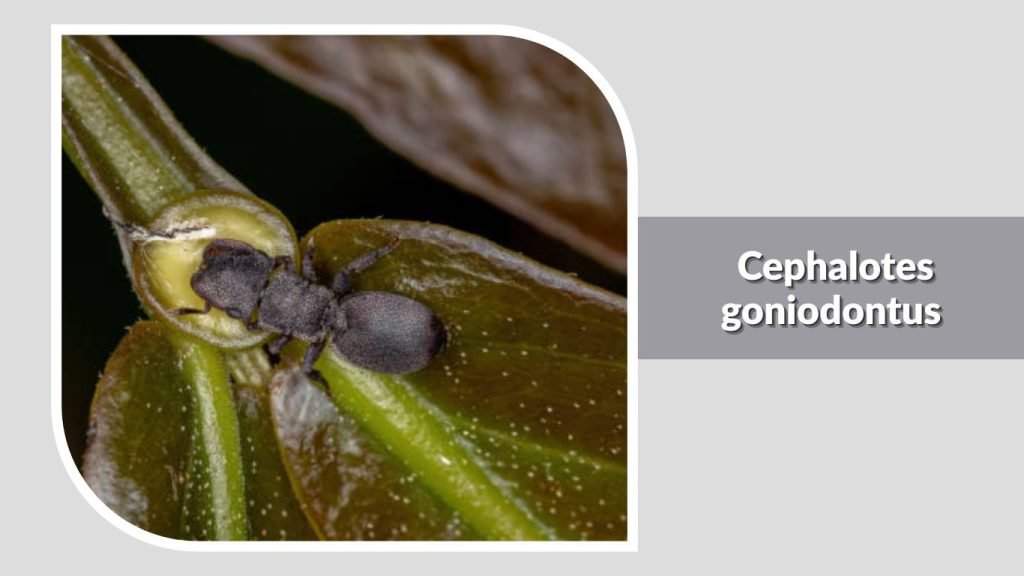
Cephalotes goniodontus is a remarkable turtle ant species native to tropical forests in the Americas. It is known for its armored exoskeleton, unusual body shape, and tree-dwelling lifestyle. Like other turtle ants, this species spends nearly all of its life in forest canopies where it travels across branches and tree bark searching for food.
Identification
Cephalotes goniodontus has a dark reddish-brown to black body with a flattened and heavily armored appearance. Workers possess broad heads and pointed spines around the body edges that provide protection from predators. The legs are long and strong, allowing the ant to climb efficiently across rough bark surfaces and narrow branches.
Characteristics
- Flattened heavily armored body
- Spiny protective body edges
- Tree-dwelling canopy lifestyle
- Controlled gliding ability
- Broad shield-like head shape
Habitat and Behavior
This species inhabits tropical rainforests and humid woodland canopies. Colonies usually nest inside hollow branches or cavities within living trees. Cephalotes goniodontus feeds on nectar, fungi, pollen, and small organic materials found on bark surfaces. Workers are slow-moving but highly adapted for life in trees. If they fall, they can glide through the air and direct themselves back toward the trunk.
Interesting Facts
Cephalotes goniodontus is part of a highly specialized group of arboreal ants with impressive aerial abilities. Researchers study this species to learn more about gliding insects, forest canopy ecosystems, and the evolution of defensive body armor in ants.
6. Cephalotes pallens
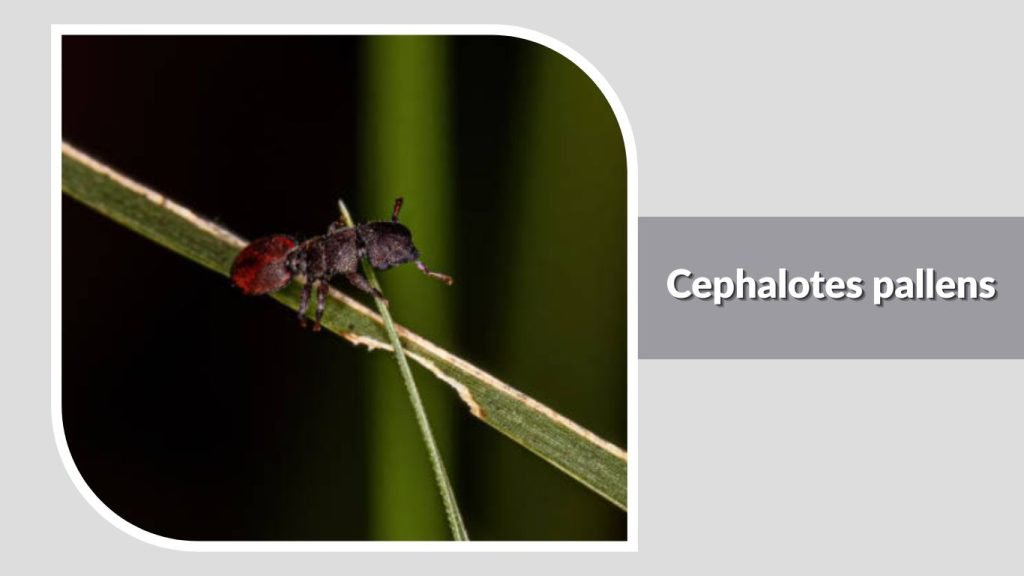
Cephalotes pallens is a small and distinctive turtle ant species commonly found in tropical forests of Central and South America. Like other turtle ants, this species is known for its flattened armored body and arboreal lifestyle. Cephalotes pallens spends most of its life high in forest canopies, moving along branches and feeding on plant secretions, fungi, and small organic particles.
Identification
Cephalotes pallens has a pale brown to yellowish-brown body with a flattened and compact appearance. Workers possess broad heads and lightly spined body edges that provide protection from predators. Its hard exoskeleton gives the ant a turtle-like shape. The species also has long legs adapted for gripping bark and climbing narrow branches efficiently.
Characteristics
- Flattened armored body structure
- Pale brown or yellowish coloration
- Broad shield-like protective head
- Arboreal tree-dwelling behavior
- Controlled gliding ability
Habitat and Behavior
This species inhabits tropical rainforests, woodland canopies, and humid tree-covered environments. Colonies usually nest inside hollow twigs, dead branches, or natural cavities within trees. Cephalotes pallens rarely travels to the ground and spends most of its time foraging in trees. Workers move slowly and rely heavily on camouflage and body armor for protection.
Interesting Facts
Cephalotes pallens can glide through the air if it falls from a branch, helping it return to the tree trunk safely. Scientists study this species to understand aerial movement and survival adaptations in arboreal ants.
7. Cephalotes pusillus
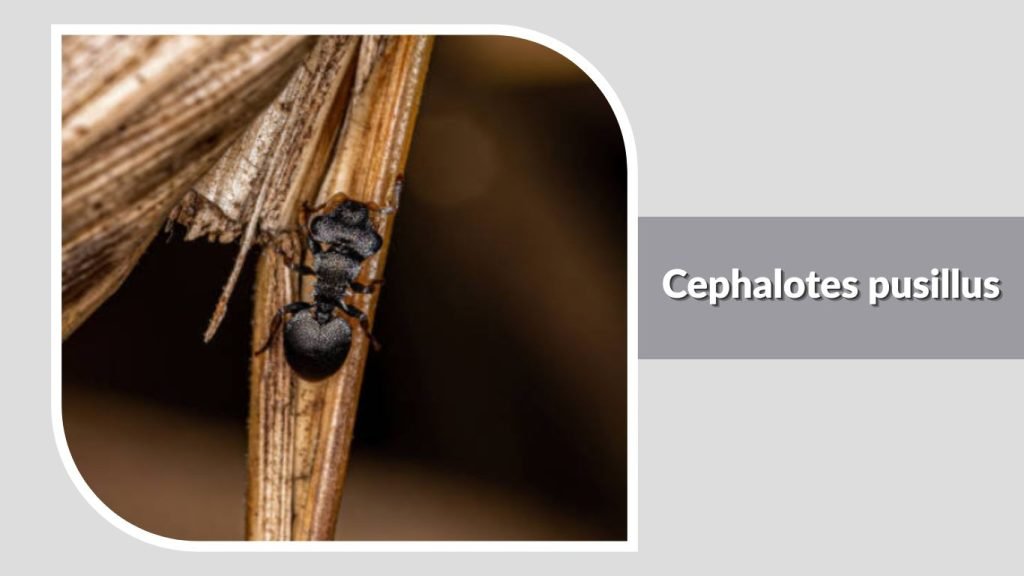
Cephalotes pusillus is a fascinating turtle ant species known for its small size and highly specialized tree-dwelling lifestyle. This species lives mainly in tropical forest canopies where it nests inside hollow branches and searches for food among bark and leaves. Like other turtle ants, Cephalotes pusillus has a flattened armored body that provides excellent protection against predators.
Identification
Cephalotes pusillus has a dark brown to blackish body with a flattened and compact structure. Workers are relatively small and possess broad heads with short spines along the body edges. The hard exoskeleton creates a turtle-like appearance, while strong legs help the ants move efficiently across rough bark surfaces.
Characteristics
- Small flattened armored body
- Dark brown or black coloration
- Broad protective head structure
- Tree-dwelling arboreal lifestyle
- Ability to glide during falls
Habitat and Behavior
This species prefers tropical forests with dense tree cover and humid environments. Colonies are commonly built inside hollow twigs, dead branches, and tree cavities. Cephalotes pusillus feeds on nectar, fungi, pollen, and tiny organic materials collected from bark surfaces. Workers are slow-moving and highly adapted to life above the ground.
Interesting Facts
Cephalotes pusillus demonstrates controlled gliding behavior when falling from trees, reducing the chance of landing on the forest floor where predators are more common. Researchers study this species to better understand gliding mechanics and arboreal insect evolution.
8. Cephalotes umbraculatus
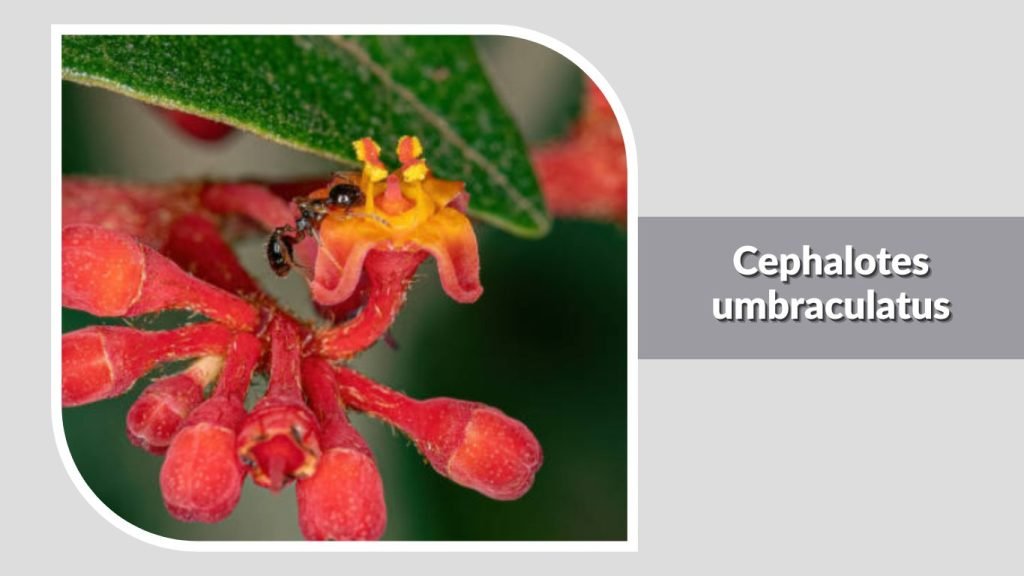
Cephalotes umbraculatus is a remarkable turtle ant species found in tropical forests of Central and South America. This species is known for its flattened armored body, unusual head structure, and arboreal lifestyle. Like other turtle ants, Cephalotes umbraculatus spends nearly all of its life in trees, where it nests inside hollow branches and searches for food along bark surfaces and leaves.
Identification
Cephalotes umbraculatus has a dark brown to blackish body with a flattened and heavily armored appearance. Workers possess broad shield-like heads and spiny edges around the thorax and abdomen. Its hard exoskeleton protects the ant from predators and environmental hazards. Long legs allow efficient movement across tree bark and narrow branches.
Characteristics
- Flattened heavily armored body
- Dark brown or black coloration
- Broad shield-like protective head
- Arboreal tree-dwelling behavior
- Controlled gliding ability
Habitat and Behavior
This species inhabits humid tropical forests with dense tree canopies. Colonies are commonly found inside hollow twigs, dead branches, and natural tree cavities. Cephalotes umbraculatus feeds on nectar, pollen, fungi, and tiny organic particles gathered from bark surfaces. Workers move slowly and depend on camouflage and armor for defense against predators.
Interesting Facts
Cephalotes umbraculatus can glide through the air when falling from branches, helping it return safely to the tree trunk. Scientists study this species to better understand aerial navigation and the evolution of arboreal insects.
9. Cephalotes basalis

Cephalotes basalis is a distinctive turtle ant species native to tropical forests in the Americas. It is recognized for its compact armored body and specialized adaptations for life in trees. Like many turtle ants, Cephalotes basalis rarely comes to the ground and spends most of its life moving through forest canopies in search of food.
Identification
Cephalotes basalis has a reddish-brown to dark brown body with a flattened and compact structure. Workers possess broad heads and short protective spines along the body edges. Its strong exoskeleton provides protection against predators and helps create the typical turtle-like appearance associated with the genus.
Characteristics
- Flattened armored body structure
- Reddish-brown to dark brown coloration
- Broad protective head shape
- Arboreal canopy-dwelling lifestyle
- Ability to glide when falling
Habitat and Behavior
This species thrives in humid tropical forests with dense vegetation and abundant tree cover. Colonies usually nest inside hollow branches, dead wood, or tree cavities. Cephalotes basalis feeds on nectar, fungi, pollen, and organic particles collected from bark surfaces. Workers are slow-moving and rely heavily on camouflage, armor, and gliding behavior for survival.
Interesting Facts
Cephalotes basalis demonstrates excellent aerial control while falling from trees. Researchers study this species to understand how arboreal ants evolved specialized body armor and gliding abilities for survival in forest canopies.
10. Cephalotes clypeatus
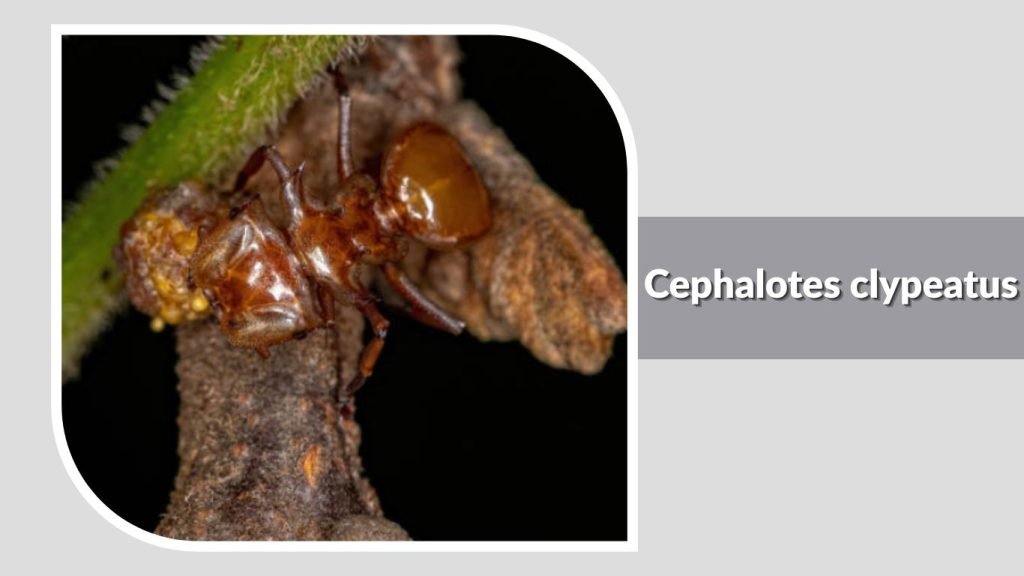
Cephalotes clypeatus is a fascinating turtle ant species known for its armored body and highly specialized tree-dwelling lifestyle. This species is commonly found in tropical forests where it spends most of its life in forest canopies. Like other turtle ants, Cephalotes clypeatus rarely travels to the ground and instead moves along branches and bark surfaces searching for food and nesting spaces.
Identification
Cephalotes clypeatus has a dark brown to blackish body with a flattened and compact structure. Workers possess a broad shield-like head and short spines along the sides of the thorax and abdomen. Its hard exoskeleton provides strong protection from predators while also giving the species its turtle-like appearance. Long legs help the ant climb efficiently across bark and narrow branches.
Characteristics
- Flattened armored body structure
- Broad shield-like head shape
- Dark brown or black coloration
- Arboreal tree-dwelling lifestyle
- Controlled gliding ability
Habitat and Behavior
This species inhabits tropical forests with dense tree cover and humid conditions. Colonies are commonly built inside hollow twigs, branches, and natural cavities in trees. Cephalotes clypeatus feeds on nectar, fungi, pollen, and tiny organic particles collected from bark surfaces. Workers are slow-moving and depend on camouflage and armor for defense.
Interesting Facts
Cephalotes clypeatus can direct its body while falling from trees, allowing it to glide back toward the trunk instead of landing on the forest floor. Scientists study this species to understand aerial control and arboreal insect adaptations.
11. Cephalotes grandinosus
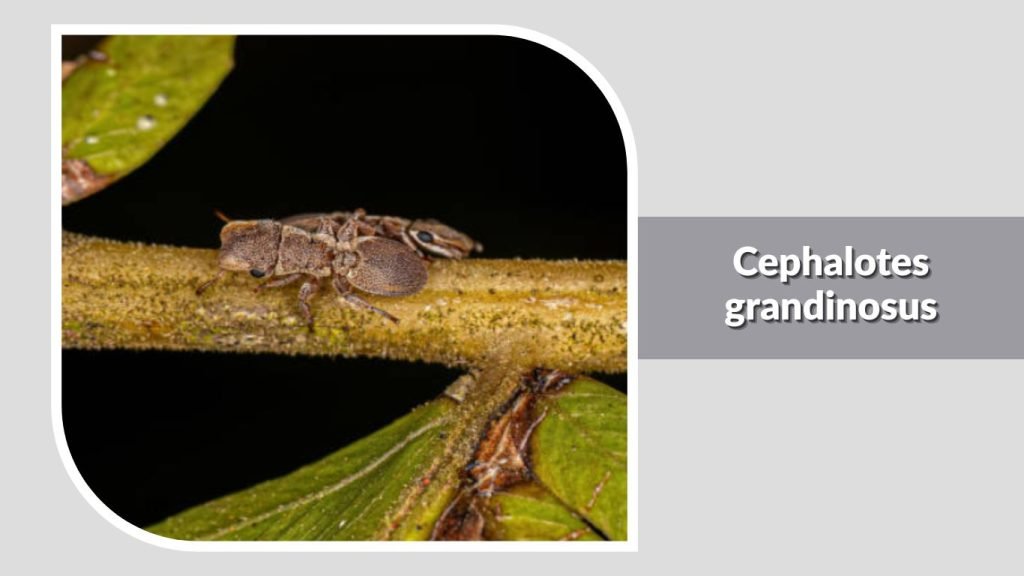
Cephalotes grandinosus is a large and heavily armored turtle ant species native to tropical regions of the Americas. It is recognized for its broad body, protective spines, and tree-dwelling lifestyle. Like many turtle ants, this species spends most of its life in forest canopies where it nests in hollow branches and searches for food high above the ground.
Identification
Cephalotes grandinosus has a dark reddish-brown to black body with a broad flattened structure. Workers possess large shield-like heads and pronounced spines around the thorax and abdomen. Its thick exoskeleton provides excellent defense against predators and environmental dangers. Strong legs allow efficient movement across rough bark surfaces.
Characteristics
- Large flattened armored body
- Broad spiny protective structure
- Dark reddish-brown coloration
- Arboreal canopy-dwelling lifestyle
- Ability to glide during falls
Habitat and Behavior
This species inhabits humid tropical forests with dense vegetation and abundant tree cover. Colonies are commonly located inside hollow branches, dead wood, and natural cavities within trees. Cephalotes grandinosus feeds on nectar, fungi, pollen, and organic particles gathered from bark and leaves. Workers are slow-moving but highly adapted to life in trees.
Interesting Facts
Cephalotes grandinosus is known for its strong body armor and impressive aerial control while falling from branches. Researchers study this species to learn more about gliding ants, arboreal ecosystems, and the evolution of defensive insect structures.
12. Cephalotes minutus
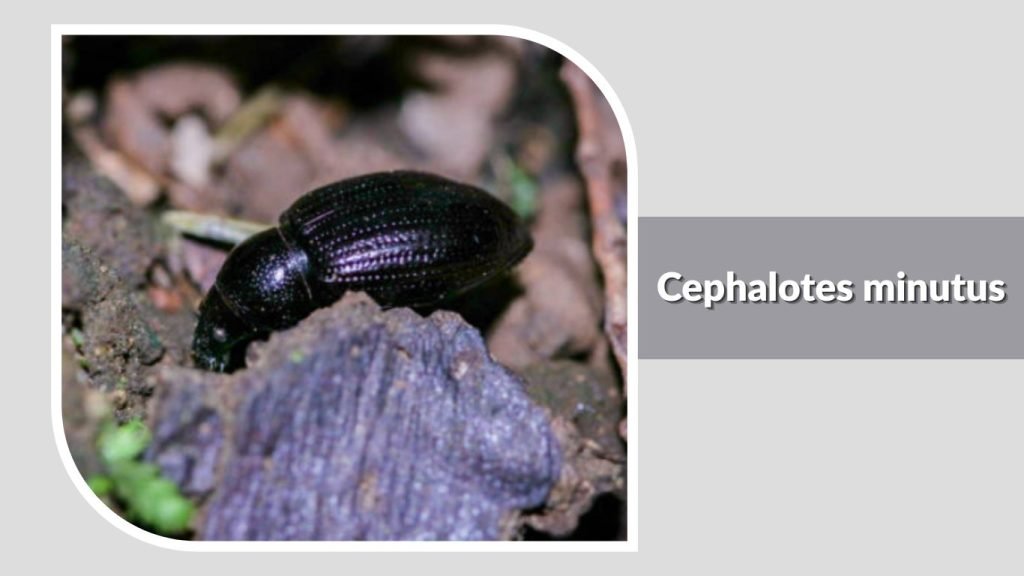
Cephalotes minutus is a small but highly specialized turtle ant species found in tropical forests across the Americas. This species is known for its flattened armored body and arboreal lifestyle. Like other turtle ants, Cephalotes minutus spends most of its life in tree canopies where it searches for food and nests inside hollow branches and natural tree cavities.
Identification
Cephalotes minutus has a dark brown to blackish body with a compact and flattened appearance. Workers are relatively small and possess broad heads with short protective spines along the body edges. Its hard exoskeleton creates the characteristic turtle-like appearance associated with the genus. Long legs allow efficient climbing across bark and branches.
Characteristics
- Small flattened armored body
- Broad protective head structure
- Dark brown or black coloration
- Tree-dwelling arboreal lifestyle
- Controlled gliding ability
Habitat and Behavior
This species inhabits humid tropical forests with dense tree cover and warm climates. Colonies are usually built inside hollow twigs, branches, and tree cavities. Cephalotes minutus feeds on nectar, fungi, pollen, and tiny organic materials gathered from bark surfaces. Workers move slowly and rely heavily on camouflage and body armor for defense.
Interesting Facts
Cephalotes minutus can glide through the air when falling from trees, helping it safely return to the trunk instead of landing on the forest floor. Scientists study this species to better understand gliding behavior and arboreal insect survival strategies.
13. Cephalotes persimilis
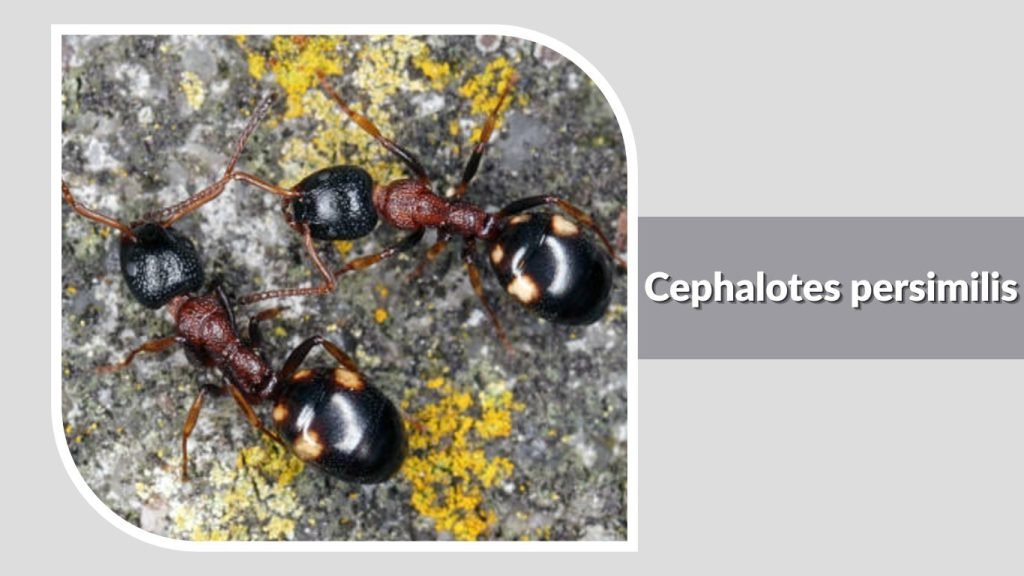
Cephalotes persimilis is a fascinating turtle ant species recognized for its armored body and highly adapted life in forest canopies. This species spends nearly all of its life above the ground, moving along branches and bark surfaces in search of food. Like other turtle ants, Cephalotes persimilis uses its flattened body and gliding ability to survive in complex arboreal habitats.
Identification
Cephalotes persimilis has a reddish-brown to dark brown body with a flattened and heavily armored structure. Workers possess broad shield-like heads and protective spines along the thorax and abdomen. Its strong exoskeleton helps defend against predators and environmental hazards. Long legs provide stability while climbing across tree bark and narrow branches.
Characteristics
- Flattened heavily armored body
- Broad shield-like protective head
- Reddish-brown to dark brown coloration
- Arboreal canopy-dwelling lifestyle
- Ability to glide during falls
Habitat and Behavior
This species thrives in tropical forests with dense vegetation and humid conditions. Colonies are commonly hidden inside hollow branches, dead wood, and natural cavities within trees. Cephalotes persimilis feeds on nectar, fungi, pollen, and small organic particles collected from bark surfaces. Workers move slowly but are highly specialized for tree life.
Interesting Facts
Cephalotes persimilis demonstrates excellent aerial steering abilities when falling from branches. Researchers study this species to understand how arboreal ants evolved gliding behavior and defensive body armor for survival in forest canopy ecosystems.
14. Cephalotes pinelii
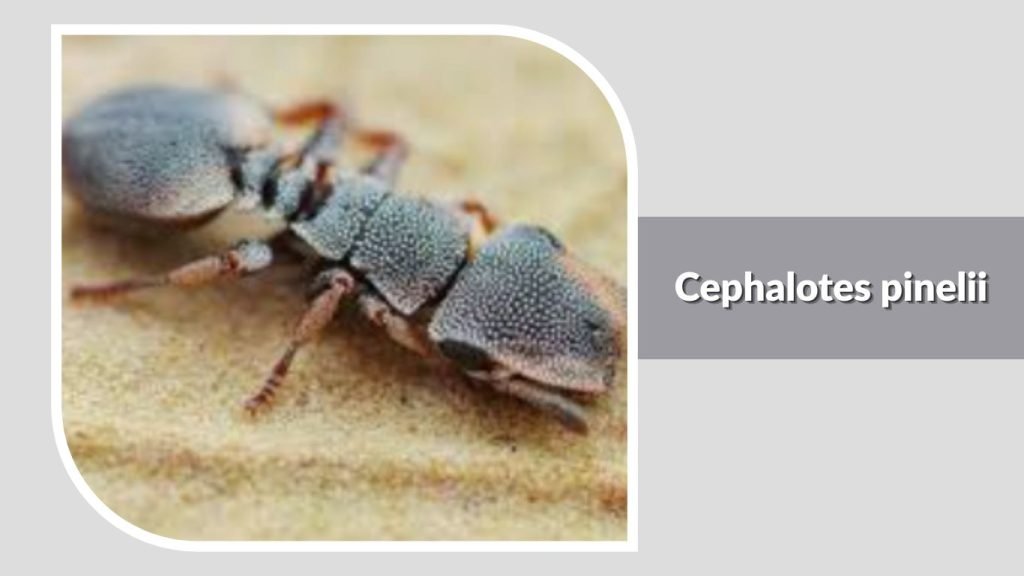
Cephalotes pinelii is a unique turtle ant species found in tropical forests of Central and South America. This species is known for its flattened armored body, broad protective head, and arboreal lifestyle. Like other turtle ants, Cephalotes pinelii spends most of its life high in forest canopies, moving along branches and tree bark while searching for food and nesting sites.
Identification
Cephalotes pinelii has a dark reddish-brown to black body with a flattened and compact structure. Workers possess broad shield-like heads and small spines around the edges of the thorax and abdomen. Its thick exoskeleton provides strong protection from predators and gives the ant its turtle-like appearance. Strong legs help it climb efficiently across bark surfaces and narrow branches.
Characteristics
- Flattened armored body structure
- Broad shield-like protective head
- Dark reddish-brown coloration
- Arboreal tree-dwelling lifestyle
- Controlled gliding ability
Habitat and Behavior
This species inhabits humid tropical forests with dense vegetation and abundant tree cover. Colonies are usually found inside hollow twigs, dead branches, and natural tree cavities. Cephalotes pinelii feeds on nectar, fungi, pollen, and tiny organic particles gathered from bark surfaces. Workers move slowly and rely on camouflage and armor for protection against predators.
Interesting Facts
Cephalotes pinelii can glide through the air when falling from trees, helping it safely return to the trunk instead of landing on the forest floor. Scientists study this species to understand gliding insects and arboreal survival adaptations.
15. Cephalotes solidus
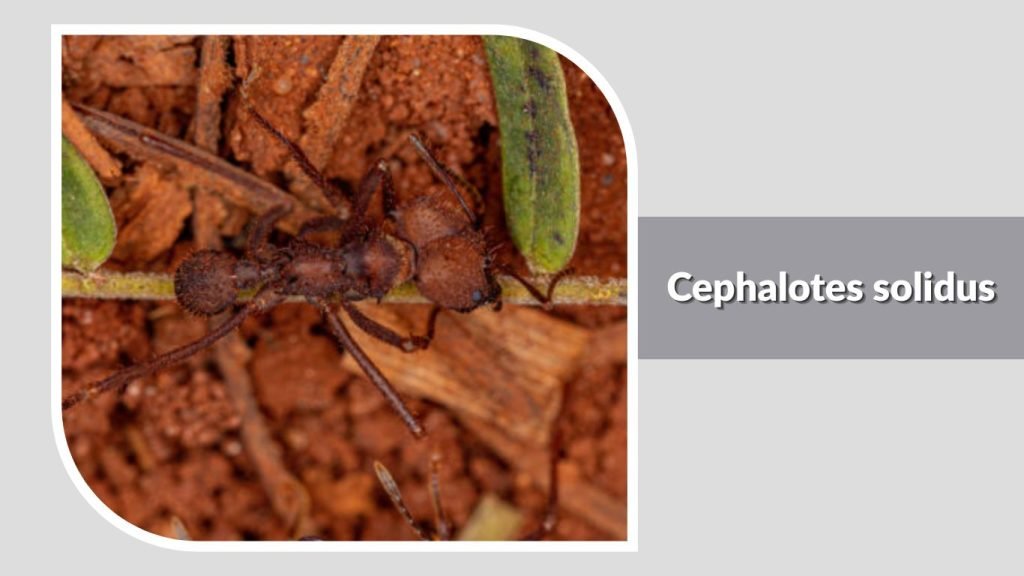
Cephalotes solidus is a heavily armored turtle ant species recognized for its strong body structure and highly specialized tree-dwelling lifestyle. This species lives mainly in tropical forest canopies where it nests inside hollow branches and searches for food among bark, leaves, and tree surfaces.
Identification
Cephalotes solidus has a dark brown to blackish body with a broad flattened appearance. Workers possess thick shield-like heads and sturdy protective spines along the thorax and abdomen. Its hard exoskeleton creates a strong defensive barrier against predators and environmental dangers. Long legs allow secure movement across rough bark and branches.
Characteristics
- Broad heavily armored body
- Thick shield-like head structure
- Dark brown or black coloration
- Arboreal canopy-dwelling behavior
- Ability to glide during falls
Habitat and Behavior
This species thrives in tropical forests with warm humid conditions and dense tree cover. Colonies are commonly built inside hollow branches, dead wood, and natural cavities in trees. Cephalotes solidus feeds on nectar, fungi, pollen, and organic particles collected from bark surfaces. Workers are slow-moving but highly adapted for life above the ground.
Interesting Facts
Cephalotes solidus is admired for its exceptionally strong body armor and aerial steering abilities. Researchers study this species to better understand the evolution of defensive structures and gliding behavior in arboreal ants.
16. Cephalotes wheeleri
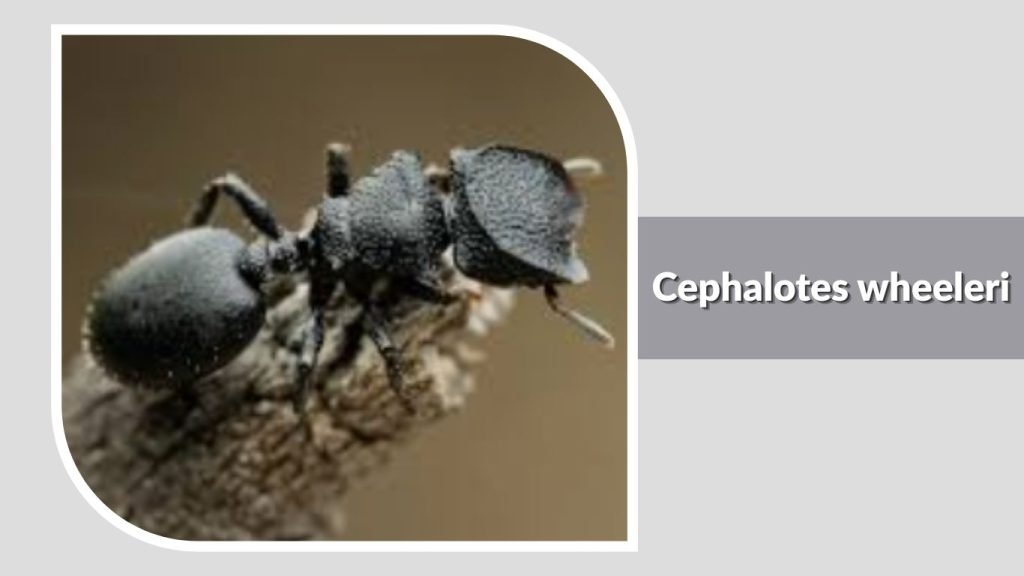
Cephalotes wheeleri is a fascinating turtle ant species known for its armored body and specialized life in tropical forest canopies. Like other members of the turtle ant group, this species spends most of its life high above the ground inside trees and branches. Cephalotes wheeleri is well adapted for climbing, gliding, and surviving in complex arboreal environments where predators and environmental challenges are common.
Identification
Cephalotes wheeleri has a dark brown to blackish body with a flattened and compact appearance. Workers possess broad shield-like heads and short spines along the edges of the thorax and abdomen. Its thick exoskeleton provides excellent protection and creates the turtle-like appearance typical of the genus. Long legs help the ant grip bark and move efficiently across narrow branches.
Characteristics
- Flattened armored body structure
- Broad shield-like protective head
- Dark brown or black coloration
- Arboreal tree-dwelling lifestyle
- Controlled gliding ability
Habitat and Behavior
This species inhabits tropical forests with dense vegetation and warm humid conditions. Colonies are commonly found inside hollow twigs, dead branches, and natural cavities within trees. Cephalotes wheeleri feeds on nectar, fungi, pollen, and tiny organic particles collected from bark surfaces. Workers are slow-moving and rely heavily on camouflage, armor, and aerial control for survival.
Interesting Facts
Cephalotes wheeleri can steer itself while falling from branches, allowing it to glide back toward the tree trunk instead of dropping to the forest floor. Scientists study this species to better understand gliding behavior, arboreal adaptation, and the evolution of defensive body armor in ants.
FAQs
What are turtle ants?
Turtle ants are arboreal ants belonging mainly to the genus Cephalotes. They are known for their flattened armored bodies, broad heads, and ability to glide through the air when falling from trees.
Where do turtle ants live?
Turtle ants mainly live in tropical and subtropical forests of Central and South America. They spend most of their lives in tree canopies, nesting inside hollow branches and tree cavities.
Why are they called turtle ants?
They are called turtle ants because their flattened armored bodies resemble a turtle shell. Their hard exoskeleton helps protect them from predators and environmental hazards.
Can turtle ants really glide?
Yes, turtle ants can glide. When they fall from branches, they steer their bodies through the air to return toward the tree trunk instead of dropping to the forest floor.
What do turtle ants eat?
Turtle ants feed on nectar, pollen, fungi, plant secretions, and tiny organic particles found on bark and leaves. They are not active hunters like many other ant species.
Are turtle ants dangerous to humans?
Turtle ants are not dangerous to humans. They are generally slow-moving, non-aggressive ants that prefer staying high in trees and rarely come into contact with people.
