
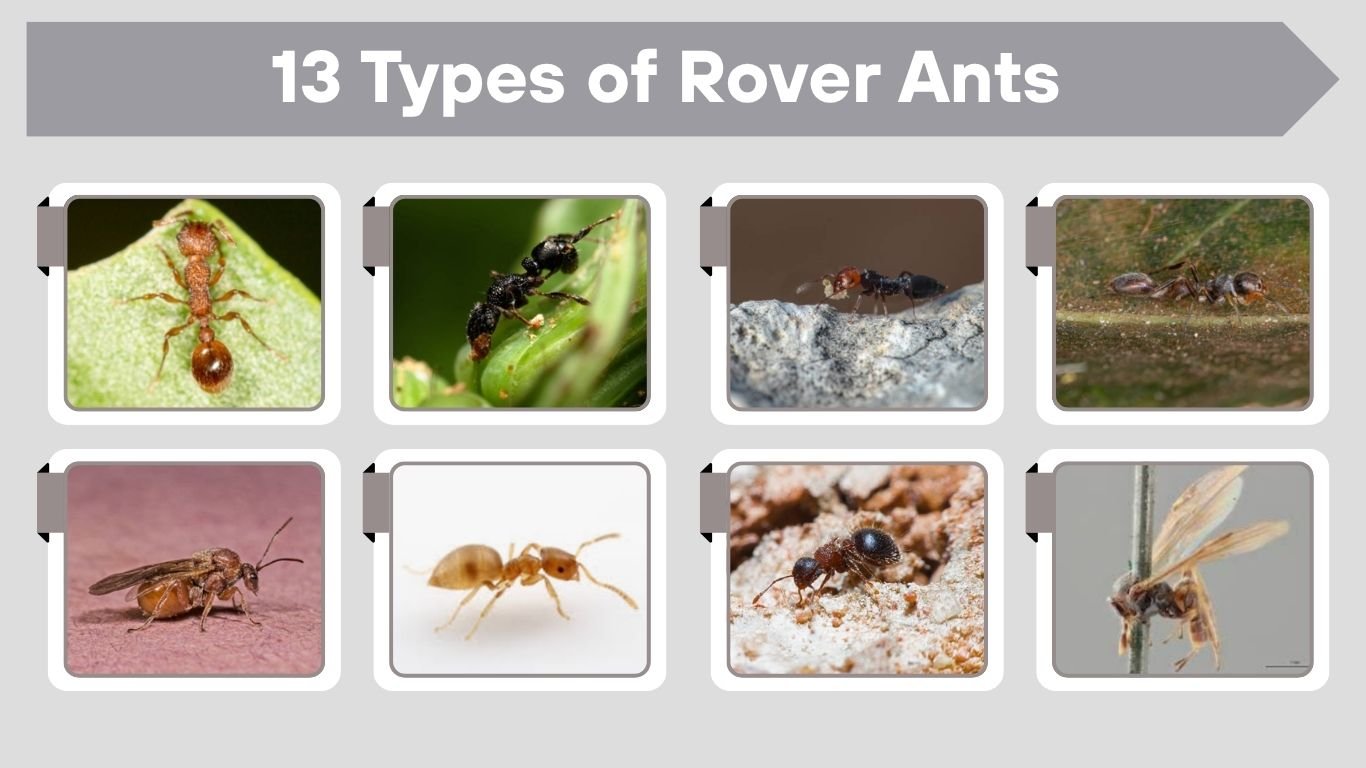
Rover ants are tiny fast-moving ants commonly found in tropical, subtropical, and warm temperate regions around the world. Most rover ants belong to the genus Brachymyrmex, a group known for its small size, flexible nesting habits, and ability to thrive in both natural and urban environments. These ants often build colonies beneath stones, mulch, leaf litter, and wall cracks while searching for sugary foods and moisture. From Brachymyrmex patagonicus to Brachymyrmex simplex, each rover ant species has unique characteristics, behaviors, and habitat preferences that make them interesting subjects for insect research and identification.
1. Brachymyrmex patagonicus
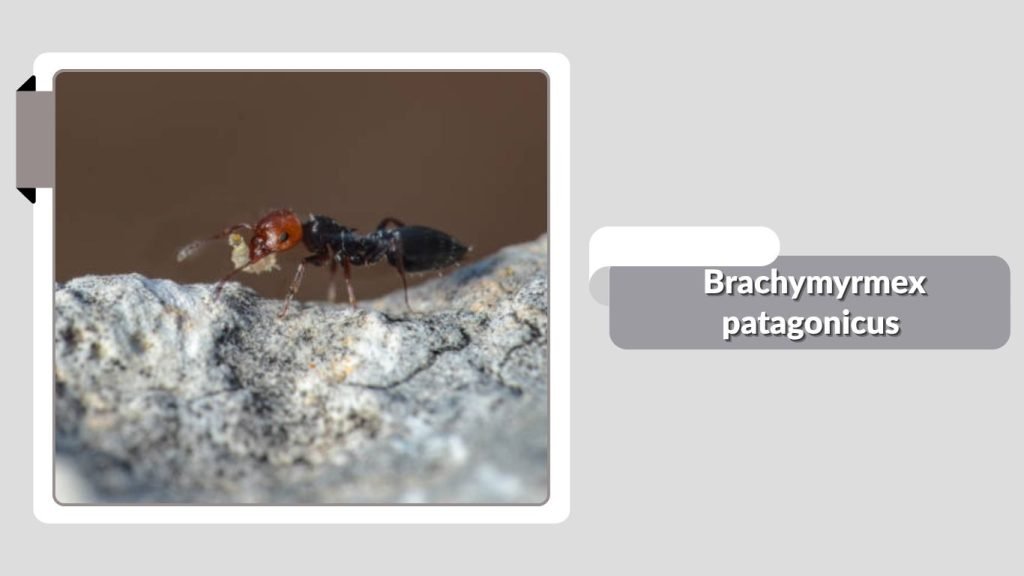
Brachymyrmex patagonicus, commonly known as the Dark Rover Ant, is one of the most widespread rover ant species found in warm regions around the world. Native to South America, this tiny ant has expanded into many urban and suburban environments. It is well known for invading homes, buildings, and outdoor structures in search of food and moisture. Despite its small size, Brachymyrmex patagonicus is highly adaptable and forms large colonies in a variety of habitats.
Identification
Brachymyrmex patagonicus is a very small ant species with a dark brown to black body. Workers usually measure around 1 to 2 millimeters long and have a smooth shiny appearance. One of its distinguishing features is its nine-segmented antennae without a club. The body is slender, and the legs are relatively long for its size, allowing quick movement.
Characteristics
- Very small dark-colored body
- Fast-moving foraging behavior
- Nine-segmented antennae
- Common household invading species
- Highly adaptable colony structure
Habitat and Behavior
This species thrives in warm climates and is commonly found in urban areas, gardens, lawns, and buildings. Colonies are usually established beneath rocks, inside wall voids, under mulch, or within cracks in structures. Brachymyrmex patagonicus feeds on sugary substances, insects, and household food crumbs. Workers move rapidly in loose trails while searching for food and water.
Interesting Facts
The Dark Rover Ant has become an invasive species in many regions outside its native range. Scientists study this ant because of its rapid spread, flexible nesting habits, and ability to survive in both natural and human-made environments.
2. Brachymyrmex obscurior
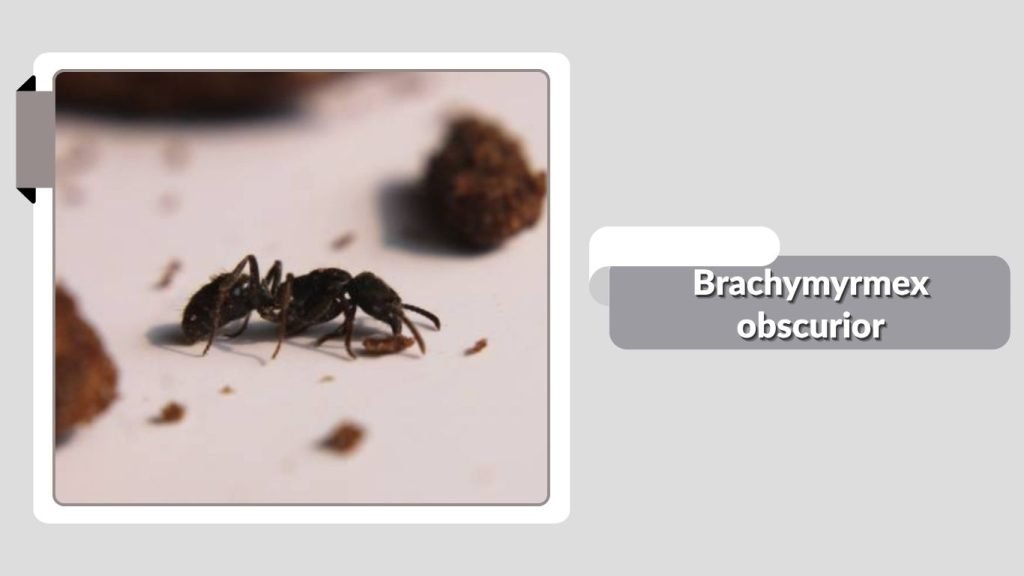
Brachymyrmex obscurior is a small rover ant species commonly found in tropical and subtropical regions. This ant is known for its fast movement, flexible nesting habits, and ability to survive in both natural and urban environments. Like many rover ants, it often enters homes and buildings while searching for food and moisture. Although tiny in size, Brachymyrmex obscurior can form active colonies with large numbers of workers.
Identification
Brachymyrmex obscurior has a light brown to dark brown body with a smooth and shiny appearance. Workers are extremely small, usually measuring around 1 to 2 millimeters long. The species has slender legs, elongated antennae, and a narrow body shape that allows quick movement through cracks and small spaces. Its antennae contain nine segments without a distinct club.
Characteristics
- Tiny light to dark brown body
- Fast-moving scouting behavior
- Nine-segmented antennae
- Adaptable nesting habits
- Common indoor invading ant
Habitat and Behavior
This species prefers warm and humid environments such as gardens, lawns, forests, and urban structures. Colonies are commonly found under stones, inside rotting wood, beneath mulch, or within wall cracks. Brachymyrmex obscurior mainly feeds on sugary substances, dead insects, and food scraps. Workers travel quickly in loose foraging trails while searching for water and nutrition.
Interesting Facts
Brachymyrmex obscurior is highly adaptable and capable of surviving in disturbed urban habitats. Researchers study this species because its flexible nesting behavior and rapid colony expansion help explain how small ants become successful invasive pests.
3. Brachymyrmex depilis
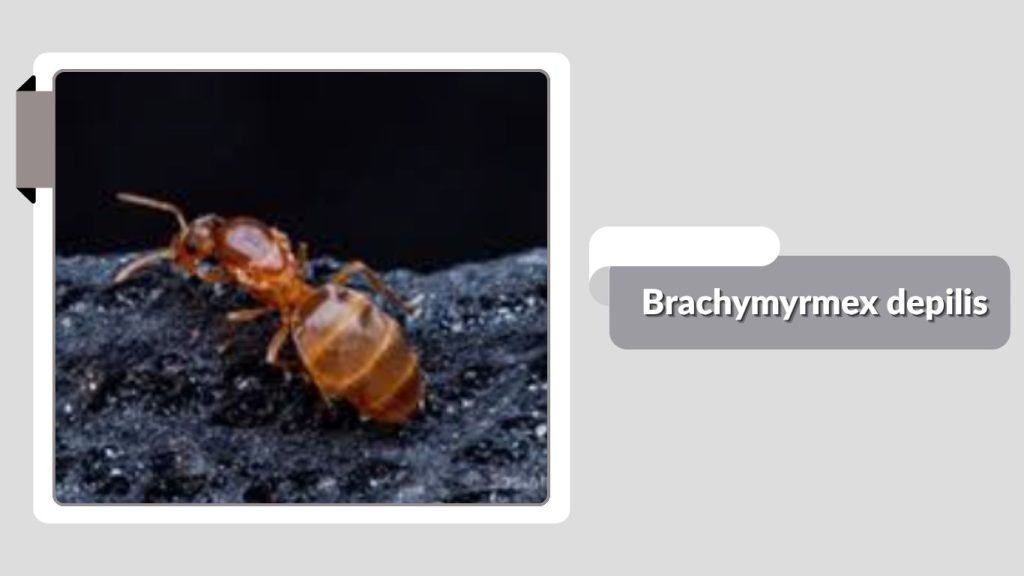
Brachymyrmex depilis is a tiny rover ant species known for its active foraging behavior and preference for warm climates. This species is commonly found in tropical and subtropical habitats where it nests in soil, leaf litter, and decaying wood. Like other rover ants, Brachymyrmex depilis often enters homes and buildings while searching for food and moisture sources.
Identification
Brachymyrmex depilis has a pale brown to yellowish-brown body with a smooth and glossy texture. Workers are very small, usually measuring between 1 and 2 millimeters long. The species has slender legs and elongated antennae that assist with navigation and food detection. Its tiny body size allows it to move easily through narrow openings and cracks.
Characteristics
- Tiny pale brown body coloration
- Smooth shiny body surface
- Rapid movement and foraging behavior
- Nine-segmented antennae structure
- Flexible nesting environments
Habitat and Behavior
This species prefers humid environments with loose soil and organic debris. Colonies are often established beneath stones, mulch, rotting logs, or inside structural cracks. Brachymyrmex depilis feeds on sugary liquids, dead insects, and household food particles. Workers are highly active and travel in scattered trails while exploring for food and water.
Interesting Facts
Brachymyrmex depilis is considered an opportunistic species capable of adapting to many environments. Scientists study this ant because its small size and flexible colony structure make it highly effective at surviving in both natural and urban ecosystems.
4. Brachymyrmex heeri

Brachymyrmex heeri is a small rover ant species widely distributed in warm and temperate regions. This species is known for its fast-moving workers and adaptable nesting behavior. It commonly lives in soil, gardens, forests, and urban environments where it searches for food and moisture. Like many rover ants, Brachymyrmex heeri can occasionally become a nuisance indoors when colonies expand near homes and buildings.
Identification
Brachymyrmex heeri has a pale yellowish-brown to light brown body with a smooth and shiny appearance. Workers are extremely small, usually around 1 to 2 millimeters long. The species has slender legs, elongated antennae, and a narrow body that allows it to move rapidly through small cracks and narrow spaces. Its antennae contain nine segments without a visible club.
Characteristics
- Tiny pale brown body color
- Fast-moving worker ants
- Smooth shiny exoskeleton
- Nine-segmented antennae
- Adaptable nesting behavior
Habitat and Behavior
This species thrives in warm environments such as lawns, forests, gardens, and urban landscapes. Colonies are commonly hidden beneath stones, mulch, decaying wood, or inside wall crevices. Brachymyrmex heeri mainly feeds on sugary substances, tiny insects, and food crumbs. Workers forage actively and often travel in loose scattered trails while searching for resources.
Interesting Facts
Brachymyrmex heeri is capable of surviving in both natural and highly disturbed urban habitats. Scientists study this species because its adaptability and colony flexibility help explain the successful spread of rover ants across different climates and environments.
5. Brachymyrmex musculus
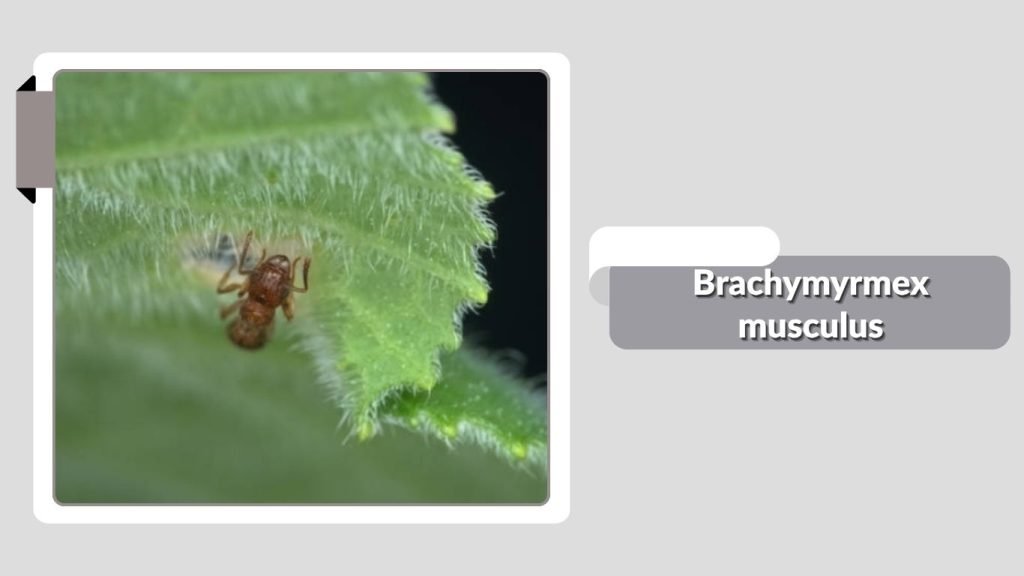
Brachymyrmex musculus is a tiny rover ant species commonly found in tropical and subtropical regions. This species is recognized for its quick movement, small body size, and ability to establish colonies in a wide range of habitats. Like other rover ants, Brachymyrmex musculus often enters buildings while searching for food and moisture, especially during warm weather conditions.
Identification
Brachymyrmex musculus has a light brown to reddish-brown body with a smooth and glossy surface. Workers are extremely small, usually measuring about 1 to 2 millimeters long. The species has long slender legs and elongated antennae that assist with rapid movement and food detection. Its compact body allows it to travel easily through tiny openings and narrow cracks.
Characteristics
- Very small reddish-brown body
- Rapid active foraging behavior
- Smooth shiny body texture
- Long slender legs and antennae
- Flexible colony nesting habits
Habitat and Behavior
This species prefers warm humid environments with loose soil and organic debris. Colonies are commonly located beneath stones, inside rotting wood, under mulch, or within structural gaps. Brachymyrmex musculus feeds on sugary liquids, dead insects, and household food particles. Workers move quickly in loose trails while searching for food and water sources.
Interesting Facts
Brachymyrmex musculus is highly adaptable and can survive in both outdoor and indoor environments. Researchers study this species because its tiny size and flexible behavior make it successful at spreading into urban areas and disturbed habitats.
6. Brachymyrmex admotus
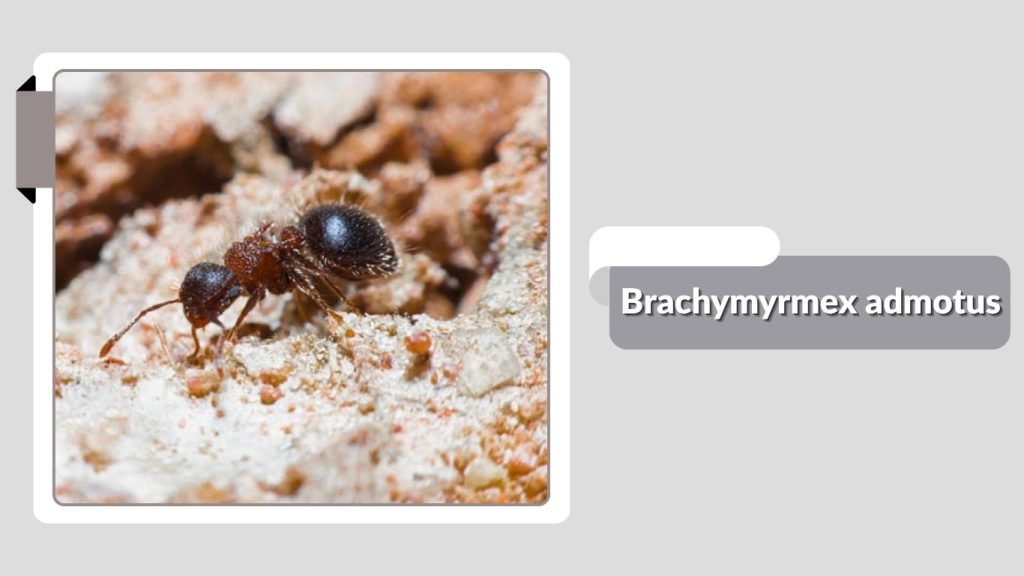
Brachymyrmex admotus is a small rover ant species commonly found in warm tropical and subtropical environments. This species is known for its fast foraging activity and ability to adapt to many different habitats. Like other rover ants, Brachymyrmex admotus often nests close to human structures and may enter homes while searching for food and moisture.
Identification
Brachymyrmex admotus has a pale brown to yellowish-brown body with a smooth and shiny appearance. Workers are extremely small, usually measuring between 1 and 2 millimeters long. The species has slender legs, elongated antennae, and a narrow body shape that allows quick movement through tiny cracks and openings. Its antennae contain nine segments without a club.
Characteristics
- Tiny pale brown body coloration
- Fast-moving foraging workers
- Smooth glossy body texture
- Nine-segmented antennae
- Flexible nesting behavior
Habitat and Behavior
This species prefers humid environments such as gardens, lawns, forests, and urban landscapes. Colonies are commonly hidden beneath stones, mulch, decaying wood, or inside wall cracks. Brachymyrmex admotus feeds mainly on sugary substances, dead insects, and household food particles. Workers travel rapidly in scattered trails while searching for food and water sources.
Interesting Facts
Brachymyrmex admotus is considered highly adaptable because it can survive in both natural habitats and heavily developed urban areas. Scientists study this species to better understand how tiny invasive ants spread successfully across different environments.
7. Brachymyrmex brevicornis

Brachymyrmex brevicornis is a tiny rover ant species recognized for its active movement and adaptable nesting habits. It is commonly found in tropical and subtropical regions where it lives in soil, leaf litter, and areas close to buildings. Like many rover ants, this species can occasionally invade homes while searching for food and moisture.
Identification
Brachymyrmex brevicornis has a light brown to reddish-brown body with a smooth and glossy surface. Workers are very small, generally measuring about 1 to 2 millimeters long. The species has short antennae compared to some related rover ants, which inspired its scientific name “brevicornis,” meaning “short-horned.” Its slender body and long legs help it move rapidly through narrow spaces.
Characteristics
- Tiny reddish-brown body color
- Short antennae structure
- Smooth shiny exoskeleton
- Rapid foraging movement
- Adaptable urban nesting habits
Habitat and Behavior
This species thrives in warm humid environments including gardens, forests, lawns, and urban areas. Colonies are often established beneath stones, inside mulch, under decaying wood, or within wall voids. Brachymyrmex brevicornis feeds on sugary liquids, food crumbs, and dead insects. Workers are highly active and move quickly in loose trails while exploring for resources.
Interesting Facts
Brachymyrmex brevicornis is capable of surviving in a wide variety of habitats because of its flexible colony structure and rapid reproduction. Researchers study this species to better understand the spread and ecological impact of tiny urban ant species.
8. Brachymyrmex cavernicola
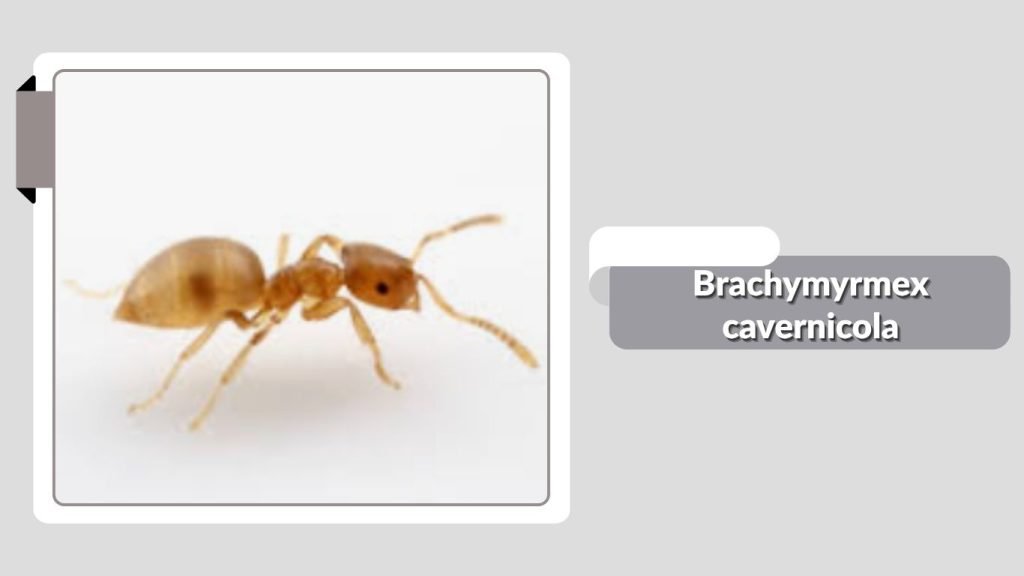
Brachymyrmex cavernicola is a rare rover ant species known for living in dark and sheltered environments. The species name “cavernicola” means “cave dweller,” reflecting its preference for hidden habitats such as caves, underground spaces, and protected forest areas. Like other rover ants, it is tiny, fast-moving, and highly adaptable to humid conditions.
Identification
Brachymyrmex cavernicola has a pale brown to yellowish-brown body with a smooth and glossy appearance. Workers are extremely small, usually around 1 to 2 millimeters long. The species has slender legs and elongated antennae that help it move quickly through narrow underground spaces. Its small eyes are adapted for dimly lit environments where visibility is limited.
Characteristics
- Tiny pale brown body color
- Adapted to dark sheltered habitats
- Fast-moving worker ants
- Smooth shiny body texture
- Nine-segmented antennae
Habitat and Behavior
This species prefers humid underground environments such as caves, soil tunnels, forest litter, and spaces beneath stones or rotting wood. Colonies are often hidden in moist protected areas with little sunlight. Brachymyrmex cavernicola feeds on sugary substances, dead insects, and organic debris. Workers forage actively in loose trails while searching for food and water.
Interesting Facts
Brachymyrmex cavernicola is considered an unusual rover ant because of its association with cave-like habitats. Scientists study this species to better understand how tiny ants adapt to underground environments with low light and high humidity.
9. Brachymyrmex cordemoyi
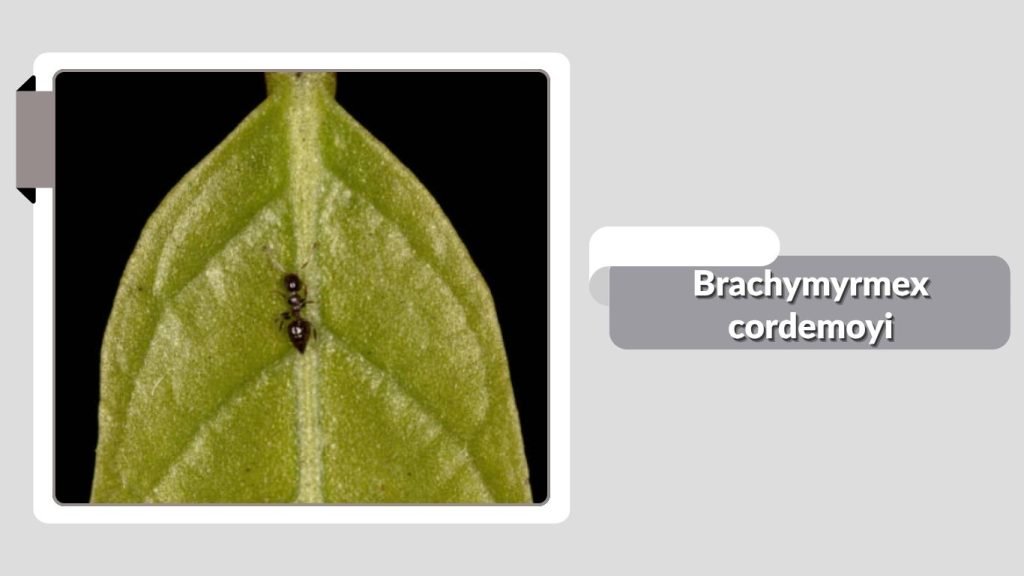
Brachymyrmex cordemoyi is a small rover ant species commonly found in tropical and subtropical regions. This species is recognized for its rapid movement, flexible nesting habits, and ability to thrive in disturbed environments. Like many rover ants, Brachymyrmex cordemoyi often lives close to human settlements and may enter buildings in search of food and moisture.
Identification
Brachymyrmex cordemoyi has a light brown to dark brown body with a smooth and shiny exoskeleton. Workers are extremely small, usually measuring about 1 to 2 millimeters long. The species has slender legs, elongated antennae, and a narrow body that allows it to move easily through tiny cracks and narrow spaces.
Characteristics
- Tiny light to dark brown body
- Rapid foraging and scouting behavior
- Smooth glossy body appearance
- Slender legs and antennae
- Adaptable nesting environments
Habitat and Behavior
This species thrives in warm humid habitats such as gardens, forests, lawns, and urban areas. Colonies are commonly hidden beneath stones, mulch, leaf litter, or inside structural cracks. Brachymyrmex cordemoyi feeds on sugary liquids, insects, and household food particles. Workers move quickly in loose trails while searching for food and water sources.
Interesting Facts
Brachymyrmex cordemoyi is highly adaptable and capable of spreading into both natural and urban environments. Researchers study this species because its flexible nesting habits and fast colony growth make it successful in many different ecosystems.
10. Brachymyrmex longicornis
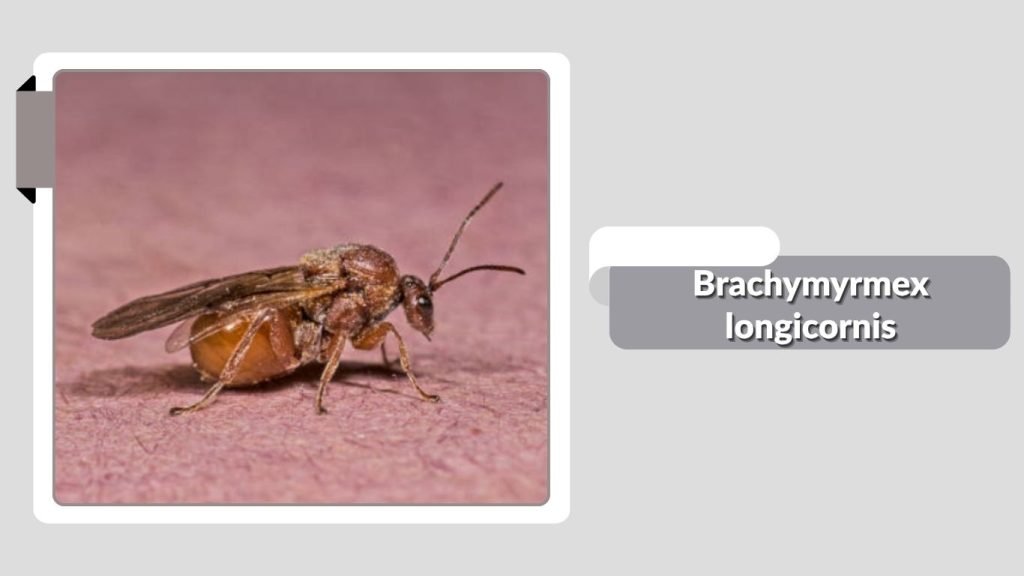
Brachymyrmex longicornis is a tiny rover ant species recognized for its long antennae and fast-moving behavior. This species is commonly found in tropical and subtropical environments where it nests in soil, leaf litter, gardens, and urban structures. Like many rover ants, Brachymyrmex longicornis is highly adaptable and often enters homes and buildings while searching for food and moisture.
Identification
Brachymyrmex longicornis has a pale brown to reddish-brown body with a smooth shiny appearance. Workers are extremely small, usually measuring between 1 and 2 millimeters long. The species is best known for its unusually long antennae, which help detect food sources and navigate narrow spaces. Its slender legs and compact body allow rapid movement across surfaces.
Characteristics
- Tiny reddish-brown body color
- Long antennae for navigation
- Fast-moving foraging behavior
- Smooth glossy body texture
- Adaptable nesting habits
Habitat and Behavior
This species prefers warm humid habitats such as gardens, forests, lawns, and urban environments. Colonies are commonly hidden beneath stones, inside mulch, under decaying wood, or within wall cracks. Brachymyrmex longicornis feeds on sugary substances, dead insects, and food crumbs. Workers travel quickly in loose trails while searching for water and nutrition.
Interesting Facts
The name “longicornis” means “long-horned,” referring to the species’ elongated antennae. Scientists study Brachymyrmex longicornis because its sensory adaptations and flexible nesting behavior help it survive in many different environments.
11. Brachymyrmex minutus
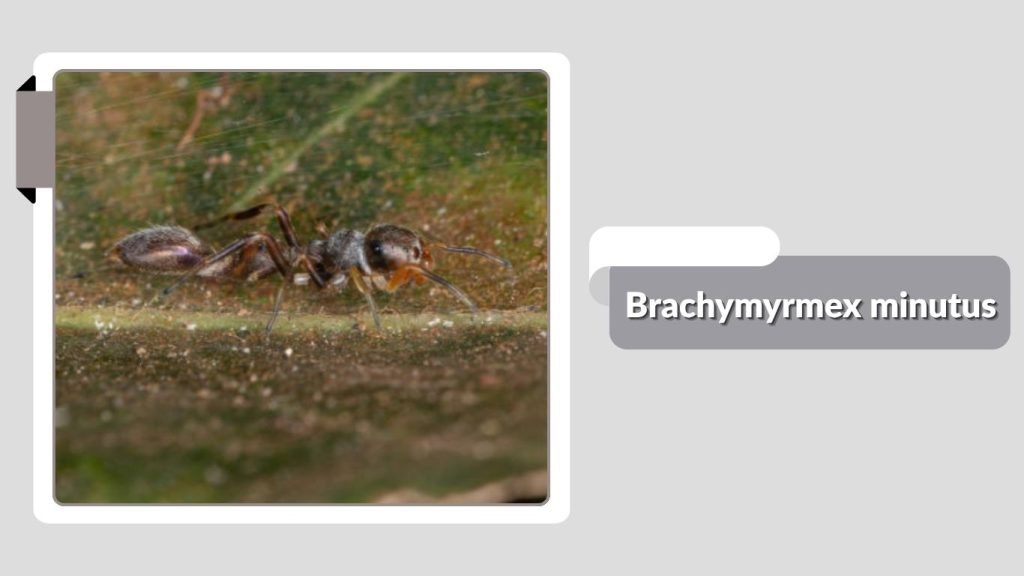
Brachymyrmex minutus is one of the smallest rover ant species found in tropical and subtropical regions. Despite its tiny size, this species is highly active and capable of forming successful colonies in both natural and urban habitats. Like other rover ants, Brachymyrmex minutus frequently searches for sugary foods and moisture near homes and buildings.
Identification
Brachymyrmex minutus has a pale yellowish-brown to light brown body with a smooth and shiny surface. Workers are extremely tiny, usually measuring close to 1 millimeter long. The species has slender legs, narrow antennae, and a compact body shape that allows movement through very small openings and cracks.
Characteristics
- Extremely tiny body size
- Pale yellowish-brown coloration
- Smooth shiny exoskeleton
- Rapid active movement
- Flexible nesting behavior
Habitat and Behavior
This species thrives in warm humid environments such as forests, gardens, lawns, and urban landscapes. Colonies are commonly hidden beneath stones, mulch, leaf litter, or inside structural crevices. Brachymyrmex minutus feeds on sugary liquids, dead insects, and tiny food particles. Workers move rapidly in loose foraging trails while searching for food and water.
Interesting Facts
The scientific name “minutus” refers to the species’ extremely small body size. Researchers study Brachymyrmex minutus because its miniature structure and adaptability help explain how tiny ants successfully survive in crowded and changing environments.
12. Brachymyrmex pilipes

Brachymyrmex pilipes is a small rover ant species commonly found in tropical and subtropical environments. This species is known for its active movement, flexible nesting behavior, and ability to survive in both natural and urban habitats. Like many rover ants, Brachymyrmex pilipes often enters buildings while searching for food and moisture, especially in warm weather conditions.
Identification
Brachymyrmex pilipes has a pale brown to reddish-brown body with a smooth and glossy appearance. Workers are extremely small, usually measuring around 1 to 2 millimeters long. The species is recognized by the fine hair-like structures on its legs, which inspired the name “pilipes,” meaning “hairy-footed.” Its slender body and long legs allow rapid movement across surfaces.
Characteristics
- Tiny reddish-brown body color
- Fine hair-like leg structures
- Fast-moving worker ants
- Smooth shiny exoskeleton
- Adaptable colony nesting habits
Habitat and Behavior
This species thrives in warm humid habitats such as forests, gardens, lawns, and urban landscapes. Colonies are commonly hidden beneath stones, mulch, rotting wood, or inside structural cracks. Brachymyrmex pilipes feeds on sugary liquids, dead insects, and household food crumbs. Workers move quickly in loose foraging trails while searching for food and water sources.
Interesting Facts
The tiny hair-like structures on the legs of Brachymyrmex pilipes may help improve movement and sensory detection in humid environments. Scientists study this species to better understand how small physical adaptations improve survival in changing habitats.
13. Brachymyrmex simplex
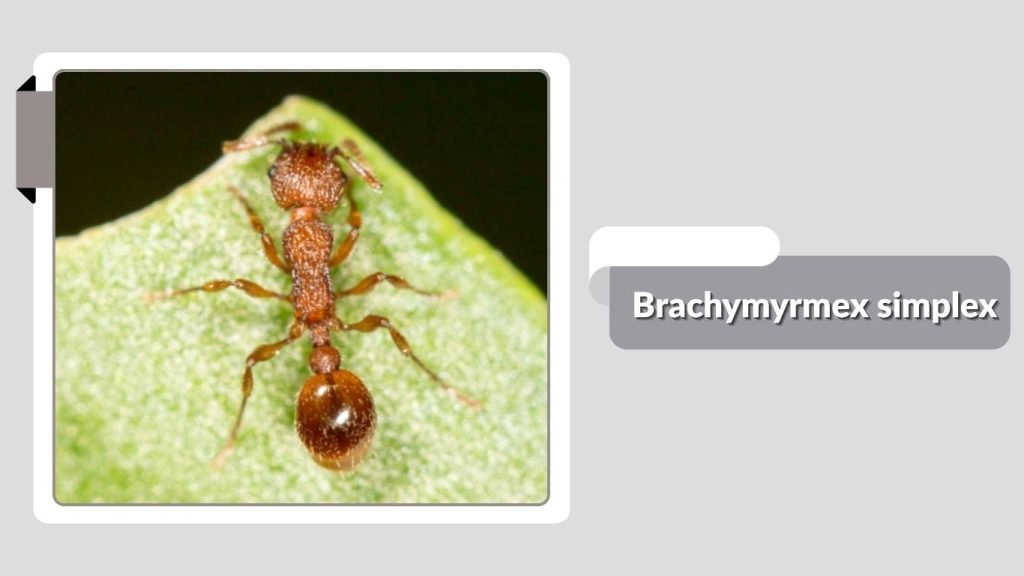
Brachymyrmex simplex is a tiny rover ant species known for its simple body structure and highly adaptable behavior. This species commonly inhabits warm tropical and subtropical regions where it nests in soil, leaf litter, gardens, and urban areas. Like other rover ants, Brachymyrmex simplex frequently searches for food and moisture near homes and buildings.
Identification
Brachymyrmex simplex has a pale yellowish-brown to light brown body with a smooth and shiny texture. Workers are extremely small, usually around 1 to 2 millimeters long. The species has slender legs, elongated antennae, and a narrow body shape that allows it to move easily through tiny cracks and openings.
Characteristics
- Tiny pale brown body coloration
- Smooth glossy exoskeleton
- Rapid active foraging behavior
- Slender legs and antennae
- Flexible nesting environments
Habitat and Behavior
This species prefers warm humid habitats such as lawns, forests, gardens, and urban environments. Colonies are commonly located beneath stones, inside mulch, under decaying wood, or within wall crevices. Brachymyrmex simplex feeds on sugary substances, food crumbs, and dead insects. Workers travel quickly in loose trails while exploring for food and water sources.
Interesting Facts
The name “simplex” refers to the species’ relatively simple body structure compared to some related ants. Researchers study Brachymyrmex simplex because its adaptability and rapid colony growth make it successful in a wide variety of environments.
FAQs
What are rover ants?
Rover ants are tiny fast-moving ants that mainly belong to the genus Brachymyrmex. They are known for their small size, flexible nesting habits, and ability to thrive in both natural and urban environments.
Where do rover ants live?
Rover ants commonly live in warm tropical and subtropical regions. They build nests beneath stones, mulch, leaf litter, rotting wood, soil, and wall cracks near homes and buildings.
Are rover ants harmful to humans?
Rover ants are generally harmless to humans because they rarely bite or sting. However, they can become nuisance pests when large numbers enter homes searching for food and moisture.
What do rover ants eat?
Rover ants mainly feed on sugary substances, food crumbs, dead insects, and organic debris. They are active foragers that constantly search for water and sweet food sources.
Why are rover ants found inside houses?
Rover ants often enter homes while searching for moisture, sugary foods, and shelter. Cracks, wall gaps, kitchens, and damp areas provide ideal conditions for their foraging activities.
How can rover ants be identified?
Rover ants are usually very small, light brown to dark brown in color, and fast-moving. Most species have smooth shiny bodies and antennae with nine segments without a club.
