
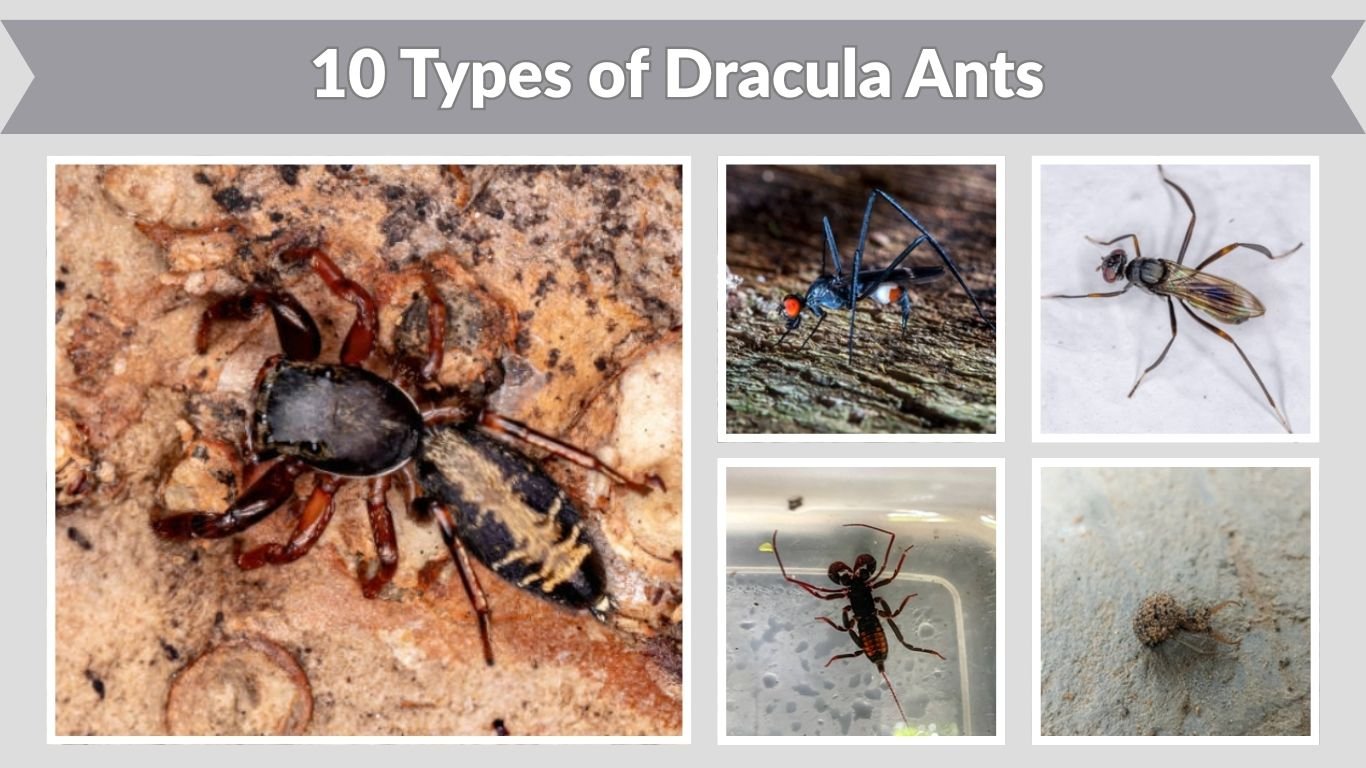
Dracula ants are some of the strangest and most fascinating ants in the insect world. Most species belong to the genus Adetomyrma and are mainly found in the tropical forests of Madagascar. These ants are famous for their unusual feeding behavior, where adult ants drink nutrient-rich fluids from their own larvae without killing them. Dracula ants are also considered one of the most primitive ant groups still alive today. From Adetomyrma bressleri to Adetomyrma caudapinniger, each species has unique characteristics, underground lifestyles, and evolutionary traits that make them important for scientific research and insect studies.
1. Adetomyrma bressleri
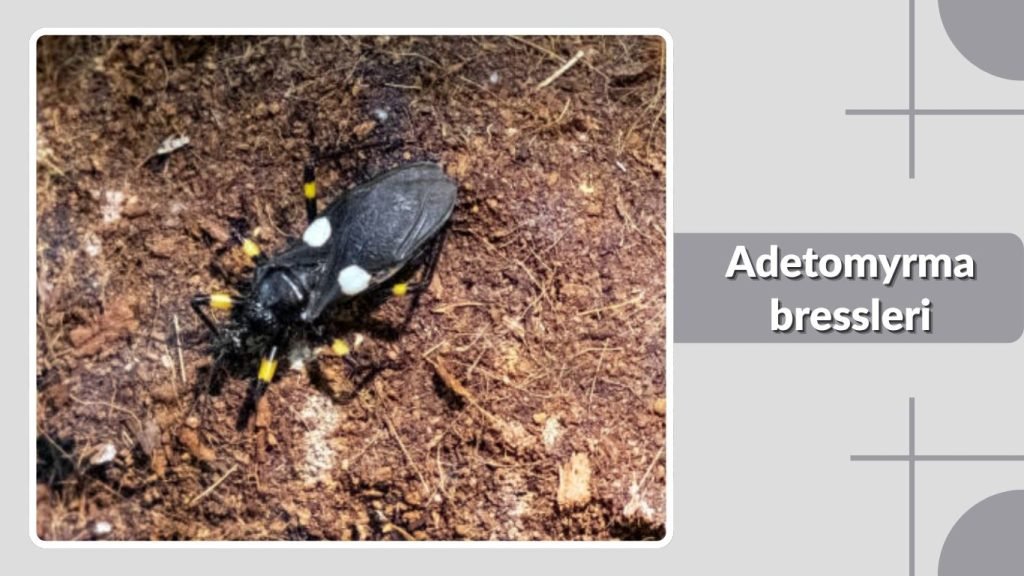
Adetomyrma bressleri is a rare species of Dracula ant native to Madagascar. Dracula ants are famous for their unusual feeding behavior, where adult ants drink the blood-like body fluids of their own larvae without harming them. This species belongs to a primitive group of ants known for their hidden underground lifestyle and unique evolutionary traits. Adetomyrma bressleri mainly lives in humid forest environments with rich soil and decaying organic matter.
Identification
Adetomyrma bressleri has a dark reddish-brown to brown body with a smooth appearance. Workers are small to medium-sized and possess long curved mandibles designed for gripping prey rather than chewing food. The species has reduced eyesight because it spends most of its life underground or beneath forest litter. Its elongated body and antennae help it move efficiently through narrow tunnels.
Characteristics
- Native to Madagascar forests
- Dark reddish-brown body coloration
- Long curved predatory mandibles
- Primitive underground ant species
- Unique larval fluid feeding behavior
Habitat and Behavior
This species prefers humid tropical forests with loose soil and heavy leaf litter. Colonies are usually hidden underground, beneath stones, or inside rotting wood. Adetomyrma bressleri hunts small arthropods and insects in dark environments. Unlike many other ants, adult Dracula ants cannot consume solid food directly and instead rely on nutrient-rich fluids taken from larvae.
Interesting Facts
Dracula ants are considered some of the oldest evolutionary ant lineages still alive today. Adetomyrma bressleri attracts scientific interest because its unusual feeding behavior and primitive body structure provide valuable insight into ant evolution and social insect biology.
2. Adetomyrma caputleae
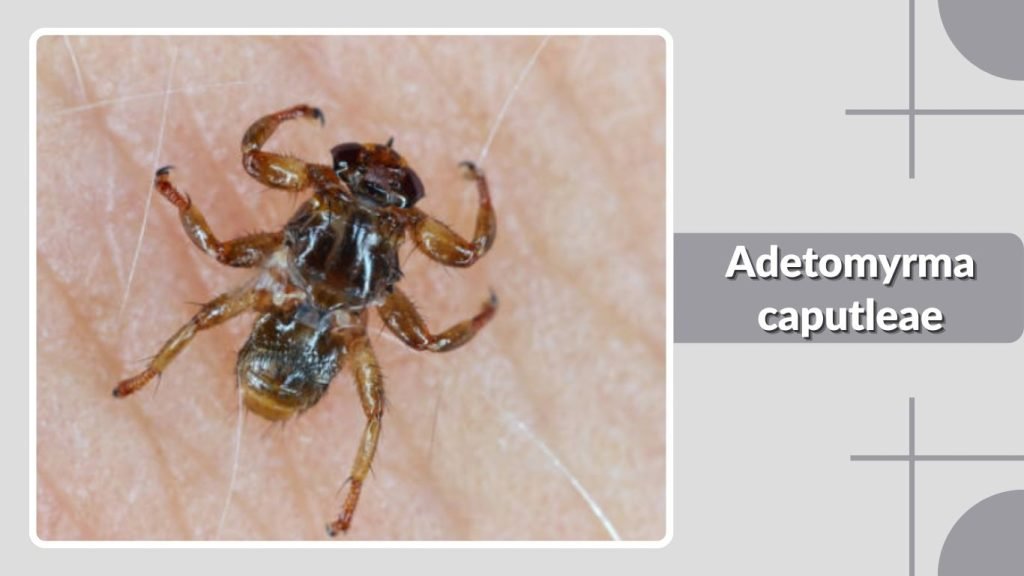
Adetomyrma caputleae is a fascinating Dracula ant species found in the tropical forests of Madagascar. Like other Dracula ants, this species is known for its unusual feeding behavior in which adult ants consume nutrient-rich fluids from their larvae without killing them. These ants are secretive and spend most of their lives hidden underground or beneath forest debris. Their primitive features and unique lifestyle make them an important species for scientific research on ant evolution.
Identification
Adetomyrma caputleae has a reddish-brown to dark brown body with a slender and elongated shape. Workers are relatively small and possess long curved mandibles adapted for capturing prey. The species has tiny eyes because it mainly lives in dark underground habitats. Its long antennae and flexible body help it navigate through soil and narrow tunnels efficiently.
Characteristics
- Endemic to Madagascar forests
- Long curved hunting mandibles
- Small eyes adapted for darkness
- Primitive underground ant species
- Larval fluid feeding behavior
Habitat and Behavior
This species prefers humid rainforest habitats with loose soil, rotting wood, and thick leaf litter. Colonies are commonly found underground or hidden beneath logs and stones. Adetomyrma caputleae hunts small insects and arthropods in dark environments. Adult ants cannot properly consume solid food, so they depend on liquid nutrients obtained from larvae and prey fluids.
Interesting Facts
Adetomyrma caputleae belongs to one of the most ancient groups of ants still living today. Scientists study this species because its primitive anatomy and feeding habits may help explain how early ants evolved millions of years ago.
3. Adetomyrma cilium
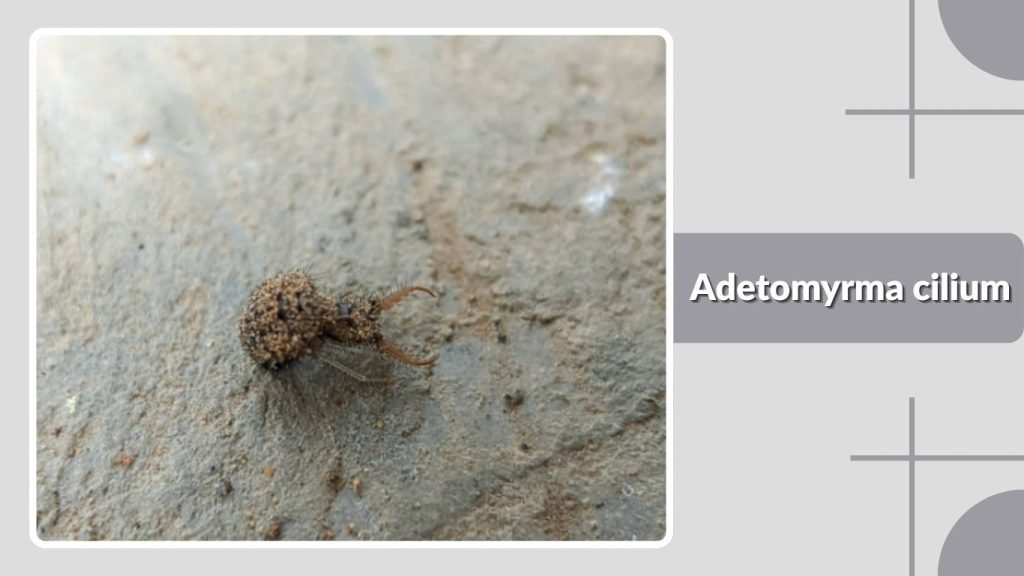
Adetomyrma cilium is a rare Dracula ant species native to Madagascar’s tropical forests. This species is part of a primitive ant group known for its hidden underground lifestyle and unusual feeding habits. Like other Dracula ants, adults feed on nutrient-rich fluids taken from their own larvae without seriously harming them. Adetomyrma cilium is highly secretive and is rarely seen above ground, making it one of the lesser-known ant species in the world.
Identification
Adetomyrma cilium has a dark brown to reddish-brown body with a slim and elongated structure. Workers are small and possess long curved mandibles used for capturing tiny prey. The species has reduced eyesight because it mainly lives in dark underground environments. Its antennae are long and sensitive, helping it detect movement and navigate through narrow tunnels and leaf litter.
Characteristics
- Native to Madagascar rainforests
- Slender dark reddish-brown body
- Long curved predatory mandibles
- Small eyes adapted to darkness
- Unique larval fluid feeding behavior
Habitat and Behavior
This species prefers humid tropical forests with rich soil, decaying wood, and thick leaf litter. Colonies are usually hidden underground or beneath fallen logs and stones. Adetomyrma cilium hunts small arthropods and insects in concealed environments. Adult ants rely heavily on liquid nutrition because they are unable to process solid food effectively.
Interesting Facts
Adetomyrma cilium belongs to one of the oldest ant lineages still existing today. Scientists study this species because its primitive behavior and body structure may provide important clues about the early evolution of ants and social insects.
4. Adetomyrma clarivida
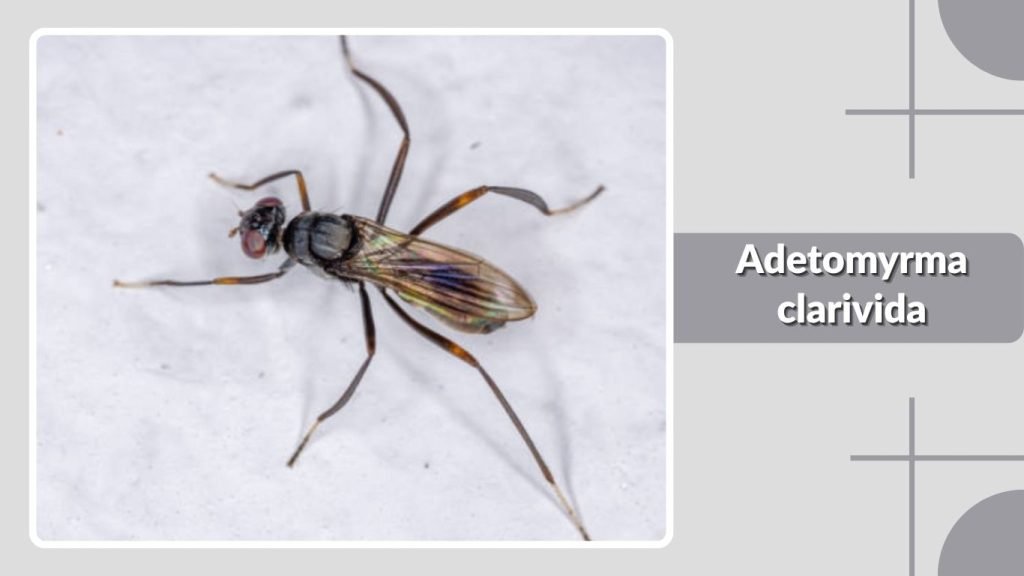
Adetomyrma clarivida is an unusual Dracula ant species discovered in the tropical forests of Madagascar. This species belongs to a primitive group of ants famous for their hidden underground lifestyle and strange feeding behavior. Like other Dracula ants, adult workers feed on nutrient-rich fluids from their larvae instead of consuming solid food directly. Adetomyrma clarivida is rarely observed in the wild because it spends most of its life beneath soil, leaf litter, and decaying wood.
Identification
Adetomyrma clarivida has a reddish-brown to dark brown body with a narrow and elongated appearance. Workers are small and possess long curved mandibles designed for gripping prey. Unlike many Dracula ants with poor vision, this species has relatively clearer and more developed eyes, which inspired its scientific name. Long antennae help the ant move through underground tunnels and locate prey in dark habitats.
Characteristics
- Native to Madagascar rainforests
- More developed eyes than related species
- Long curved predatory mandibles
- Slender reddish-brown body
- Unique larval fluid feeding behavior
Habitat and Behavior
This species inhabits humid tropical forests with loose soil and dense leaf litter. Colonies are commonly hidden underground, beneath rotting logs, or under stones. Adetomyrma clarivida hunts tiny arthropods and insects in concealed environments. Adult ants depend on liquid nutrients from larvae because they cannot efficiently process solid food particles.
Interesting Facts
The name “clarivida” refers to the species’ relatively clearer vision compared to many other Dracula ants. Scientists are interested in Adetomyrma clarivida because it may help explain how eyesight evolved in primitive underground ant species.
5. Adetomyrma fungoides
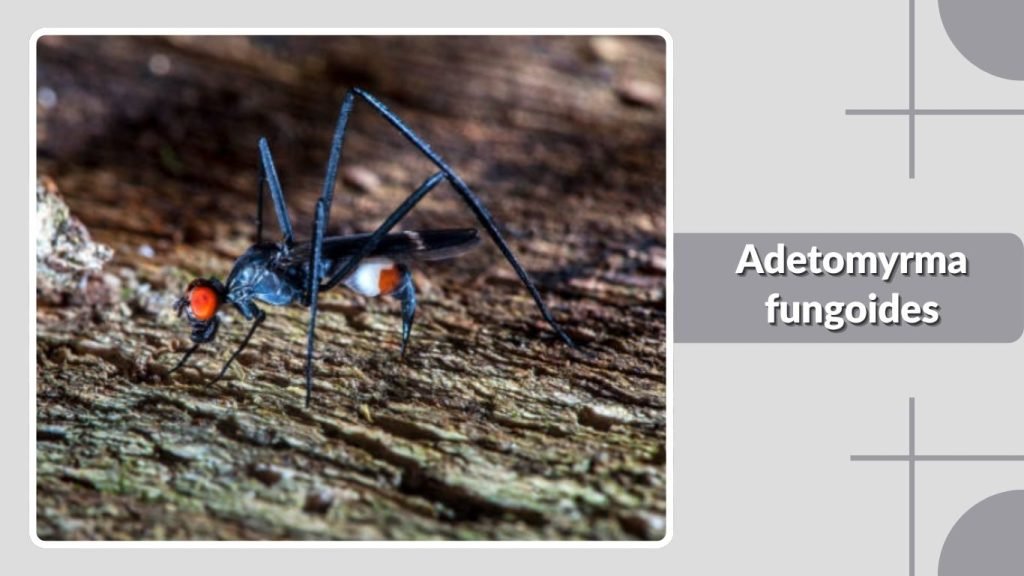
Adetomyrma fungoides is a rare species of Dracula ant found in the humid forests of Madagascar. This species belongs to a primitive group of ants known for their secretive underground lifestyle and unusual feeding habits. Like other Dracula ants, adults feed on nutrient-rich fluids taken from their larvae without killing them. Adetomyrma fungoides spends most of its life hidden beneath soil, rotting wood, and thick leaf litter in dark forest environments.
Identification
Adetomyrma fungoides has a dark reddish-brown to brown body with a slender and elongated shape. Workers are small and possess long curved mandibles designed for capturing tiny prey. The species has small eyes because it mainly lives underground where vision is less important. Its body structure allows it to move efficiently through narrow tunnels and decaying organic material.
Characteristics
- Native to Madagascar tropical forests
- Slender reddish-brown body structure
- Long curved hunting mandibles
- Small eyes adapted for underground life
- Unique larval fluid feeding behavior
Habitat and Behavior
This species prefers moist rainforest habitats with loose soil and abundant decaying vegetation. Colonies are commonly hidden beneath logs, stones, or underground chambers. Adetomyrma fungoides hunts tiny insects and arthropods in concealed spaces. Adult ants mainly depend on liquid nutrients because they are unable to consume solid food effectively.
Interesting Facts
The name “fungoides” is believed to refer to the species’ association with damp forest environments rich in fungal growth and decaying matter. Scientists study Adetomyrma fungoides to better understand the evolution of primitive ants and their unusual social feeding systems.
6. Adetomyrma goblin
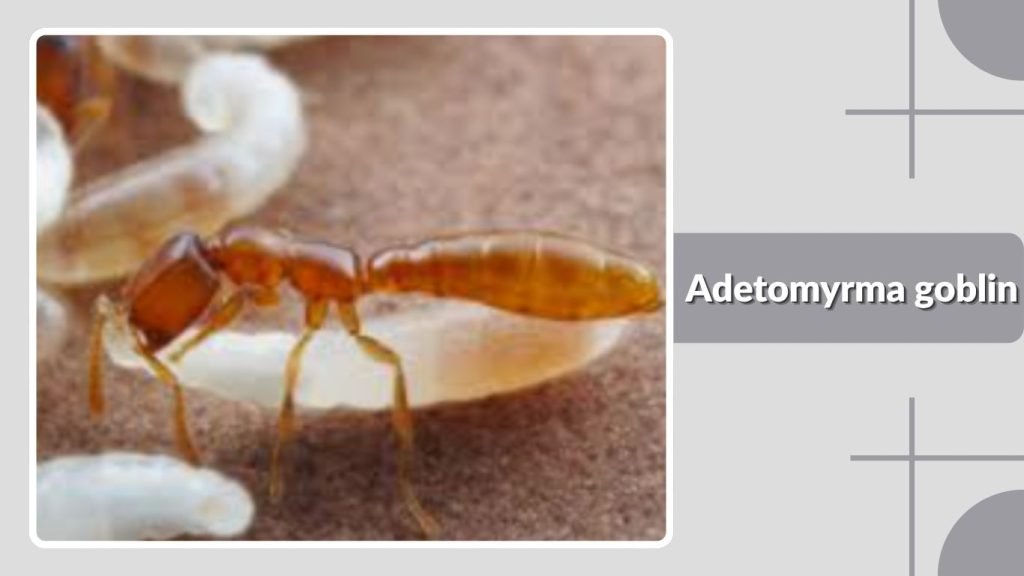
Adetomyrma goblin is one of the most unusual Dracula ant species discovered in Madagascar. It gained attention because of its strange appearance and primitive characteristics that resemble ancient ant lineages. Like other Dracula ants, this species survives by feeding on nutrient-rich fluids taken from its larvae rather than eating solid food directly. Adetomyrma goblin is highly secretive and spends most of its life underground or beneath forest litter in humid tropical habitats.
Identification
Adetomyrma goblin has a dark reddish-brown to brown body with a thin and elongated shape. Workers are small and possess long curved mandibles designed for gripping prey. The species has reduced eyesight because it mainly lives in dark underground tunnels. Its unusual facial structure and body proportions contributed to the “goblin” name given by researchers.
Characteristics
- Native to Madagascar rainforests
- Strange primitive body appearance
- Long curved predatory mandibles
- Small eyes adapted for darkness
- Larval fluid feeding behavior
Habitat and Behavior
This species inhabits humid tropical forests with loose soil, leaf litter, and decaying wood. Colonies are commonly hidden underground or beneath stones and fallen logs. Adetomyrma goblin hunts small insects and arthropods in dark concealed environments. Adult ants rely heavily on liquid nutrients from larvae because they cannot properly process solid food.
Interesting Facts
Adetomyrma goblin belongs to one of the oldest evolutionary ant groups still living today. Scientists consider this species important for studying primitive ant evolution and understanding how early social insects adapted to underground life millions of years ago.
7. Adetomyrma hoodoo
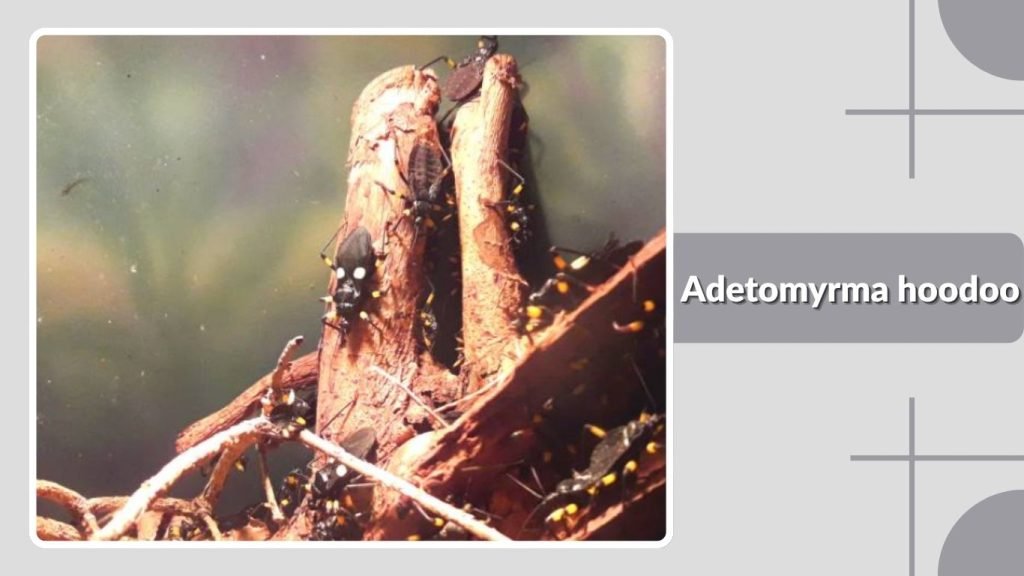
Adetomyrma hoodoo is a mysterious Dracula ant species native to the tropical forests of Madagascar. This species belongs to a primitive ant lineage known for its unusual feeding habits and underground lifestyle. Like other Dracula ants, adult workers feed on nutrient-rich fluids extracted from their larvae without causing serious harm. Adetomyrma hoodoo is rarely seen because it spends most of its life hidden beneath soil, rotting wood, and forest litter.
Identification
Adetomyrma hoodoo has a dark brown to reddish-brown body with a slender and elongated structure. Workers are small and possess long curved mandibles used for catching tiny prey. The species has very small eyes because it mainly lives in dark underground environments where vision is less important. Long antennae help the ants navigate narrow tunnels and locate food sources efficiently.
Characteristics
- Native to Madagascar rainforests
- Primitive underground ant species
- Long curved hunting mandibles
- Small eyes adapted for darkness
- Unique larval fluid feeding behavior
Habitat and Behavior
This species prefers humid tropical forests with loose soil, thick leaf litter, and decaying organic material. Colonies are usually hidden beneath stones, fallen logs, or underground chambers. Adetomyrma hoodoo hunts tiny arthropods and insects in concealed environments. Adult ants depend mainly on liquid nutrients from larvae because they cannot efficiently consume solid food.
Interesting Facts
The name “hoodoo” reflects the strange and mysterious appearance of this species. Scientists study Adetomyrma hoodoo because its primitive anatomy and social feeding behavior provide valuable insight into the evolution of early ants and underground insect societies.
8. Adetomyrma maryae
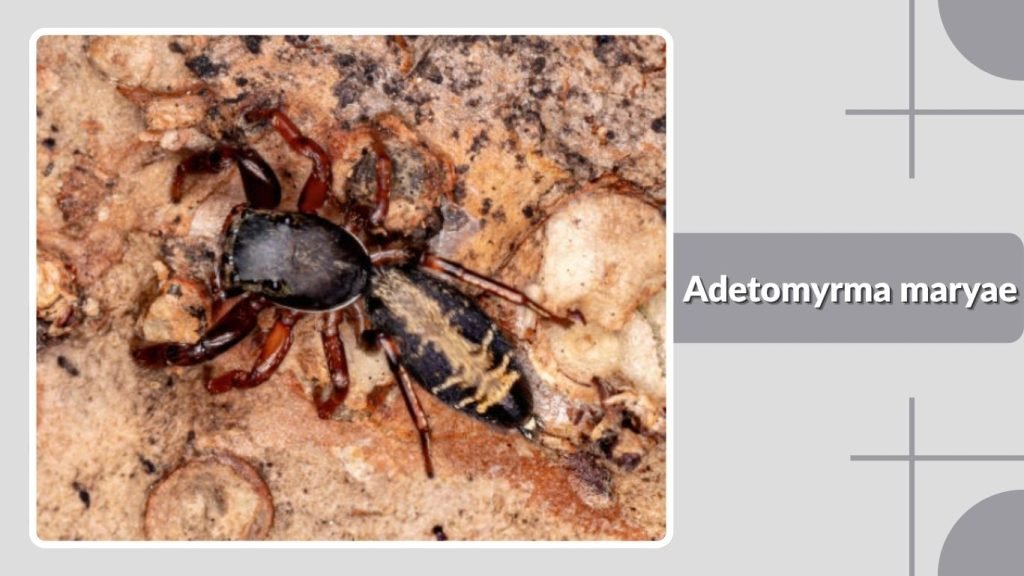
Adetomyrma maryae is a rare Dracula ant species discovered in the tropical forests of Madagascar. This species belongs to one of the most primitive ant groups still alive today. Like other Dracula ants, adult workers feed on nutrient-rich fluids taken from their larvae instead of consuming solid food directly. Adetomyrma maryae is highly secretive and spends most of its life hidden underground or beneath decaying forest material.
Identification
Adetomyrma maryae has a reddish-brown to dark brown body with a narrow and elongated appearance. Workers are small and possess long curved mandibles designed for gripping prey. The species has reduced eyesight because it mainly lives in dark underground habitats. Long antennae and a flexible body help the ants move through soil, tunnels, and thick leaf litter.
Characteristics
- Native to Madagascar forests
- Primitive underground ant species
- Long curved predatory mandibles
- Small eyes adapted to darkness
- Unique larval fluid feeding behavior
Habitat and Behavior
This species prefers humid rainforest environments with loose soil, rotting wood, and heavy leaf litter. Colonies are commonly hidden beneath logs, stones, or underground chambers. Adetomyrma maryae hunts tiny insects and arthropods in concealed habitats. Adult ants rely heavily on liquid nutrients from larvae because they are unable to properly process solid food.
Interesting Facts
Adetomyrma maryae belongs to an ancient evolutionary ant lineage that may closely resemble some of the earliest ants on Earth. Scientists study this species to better understand the evolution of ant societies, feeding systems, and underground survival adaptations.
9. Adetomyrma venatrix
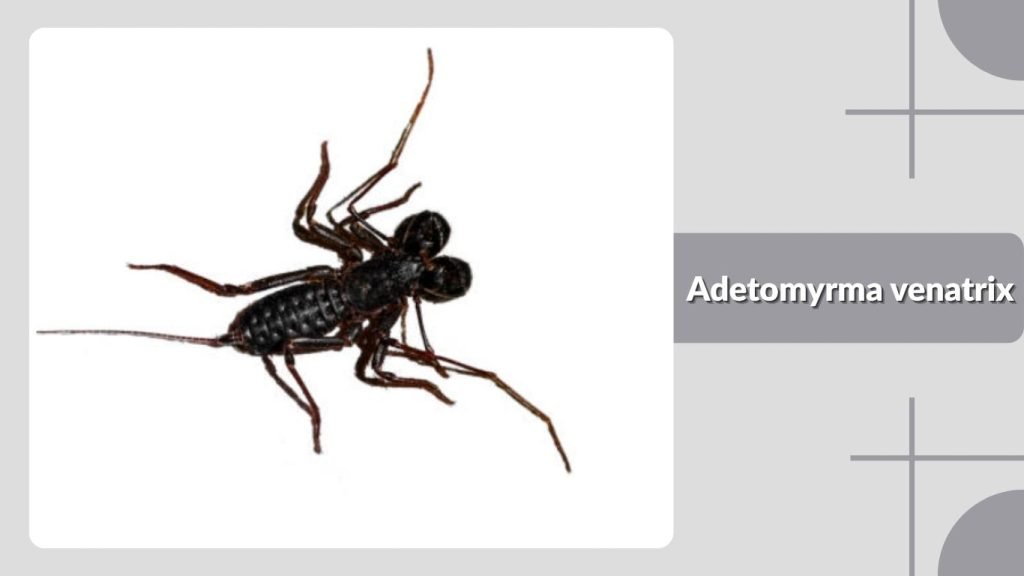
Adetomyrma venatrix is a fascinating Dracula ant species native to Madagascar’s tropical forests. The species name “venatrix” means “hunter,” reflecting its active predatory behavior in dark underground environments. Like other Dracula ants, adult workers survive by feeding on nutrient-rich fluids taken from their larvae instead of eating solid food directly. Adetomyrma venatrix is rarely seen because it spends most of its life hidden beneath soil, forest litter, and decaying wood.
Identification
Adetomyrma venatrix has a dark reddish-brown to brown body with a slender and elongated shape. Workers are small and possess long curved mandibles designed for gripping and subduing tiny prey. The species has very small eyes because it mainly lives underground where vision is limited. Its long antennae help it sense movement and navigate through narrow tunnels efficiently.
Characteristics
- Native to Madagascar rainforests
- Active predatory underground behavior
- Long curved hunting mandibles
- Small eyes adapted for darkness
- Unique larval fluid feeding behavior
Habitat and Behavior
This species prefers humid tropical forests with loose soil, thick leaf litter, and decaying organic material. Colonies are usually hidden beneath stones, rotting logs, or underground chambers. Adetomyrma venatrix hunts small arthropods and insects in concealed habitats. Adult ants mainly rely on liquid nutrients from larvae because they cannot process solid food effectively.
Interesting Facts
Adetomyrma venatrix belongs to one of the oldest ant lineages still surviving today. Scientists study this species because its primitive anatomy, hunting behavior, and unusual feeding system may provide valuable insight into the early evolution of ants and social insects.
10. Adetomyrma caudapinniger
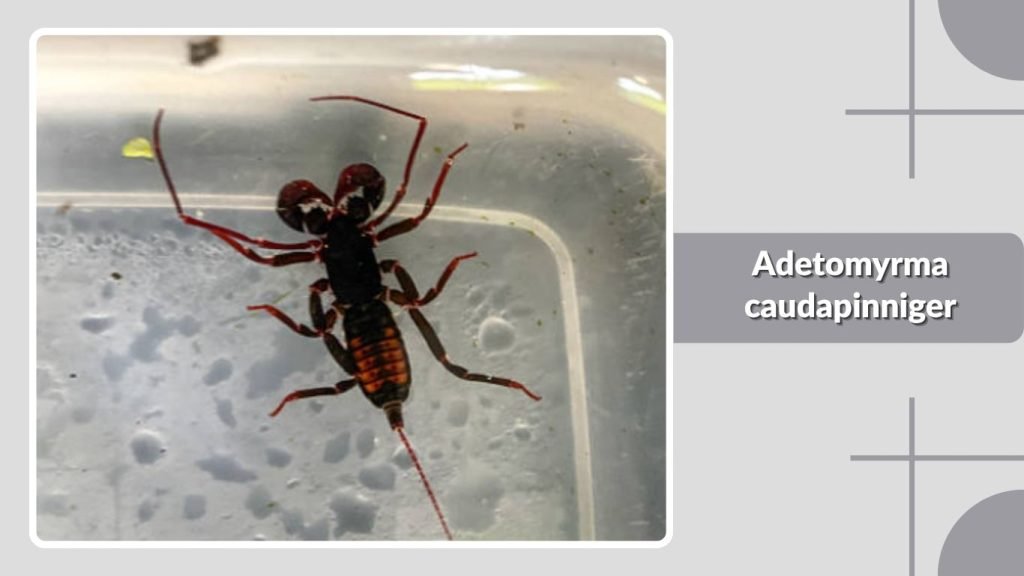
Adetomyrma caudapinniger is a rare Dracula ant species found in the tropical rainforests of Madagascar. This species belongs to a primitive ant lineage known for its unusual feeding habits and underground lifestyle. Like other Dracula ants, adult workers feed on nutrient-rich fluids taken from their larvae without seriously harming them. Adetomyrma caudapinniger is highly secretive and spends most of its life hidden beneath leaf litter, soil, and decaying wood in humid forest environments.
Identification
Adetomyrma caudapinniger has a dark reddish-brown to brown body with a slender and elongated structure. Workers are small and possess long curved mandibles used for capturing tiny prey. The species has reduced eyesight because it mainly lives in dark underground habitats. One distinctive feature is its specialized body structure near the rear segments, which inspired its scientific name.
Characteristics
- Native to Madagascar tropical forests
- Slender reddish-brown body shape
- Long curved predatory mandibles
- Small eyes adapted for underground life
- Unique larval fluid feeding behavior
Habitat and Behavior
This species thrives in humid rainforest habitats with loose soil, rotting wood, and dense leaf litter. Colonies are commonly hidden beneath stones, logs, or underground chambers. Adetomyrma caudapinniger hunts tiny arthropods and insects in concealed environments. Adult ants mainly depend on liquid nutrients from larvae because they cannot properly consume solid food.
Interesting Facts
Adetomyrma caudapinniger belongs to one of the oldest known ant groups still surviving today. Scientists study this species because its primitive anatomy and unusual feeding behavior provide important clues about the evolution of ants and early insect societies.
FAQs
What are Dracula ants?
Dracula ants are primitive ants mainly belonging to the genus Adetomyrma. They are famous for their unusual feeding behavior in which adult ants drink nutrient-rich fluids from their larvae without killing them.
Where are Dracula ants found?
Most Dracula ant species are native to Madagascar. They usually live in humid tropical forests with loose soil, thick leaf litter, and decaying wood where they remain hidden underground.
Why are they called Dracula ants?
They are called Dracula ants because of their vampire-like feeding behavior. Adult ants puncture larvae gently and consume body fluids instead of eating solid food directly.
Do Dracula ants eat solid food?
Adult Dracula ants cannot properly process solid food. Instead, they feed on liquid nutrients from larvae and prey fluids, while the larvae consume solid food brought back to the colony.
Are Dracula ants dangerous to humans?
Dracula ants are not considered dangerous to humans. They are secretive underground insects and rarely come into contact with people. Their small size also makes them less threatening than many other ant species.
Why are scientists interested in Dracula ants?
Scientists study Dracula ants because they belong to one of the oldest ant lineages still alive today. Their primitive anatomy, feeding behavior, and underground lifestyle help researchers understand ant evolution and early social insect development.
