
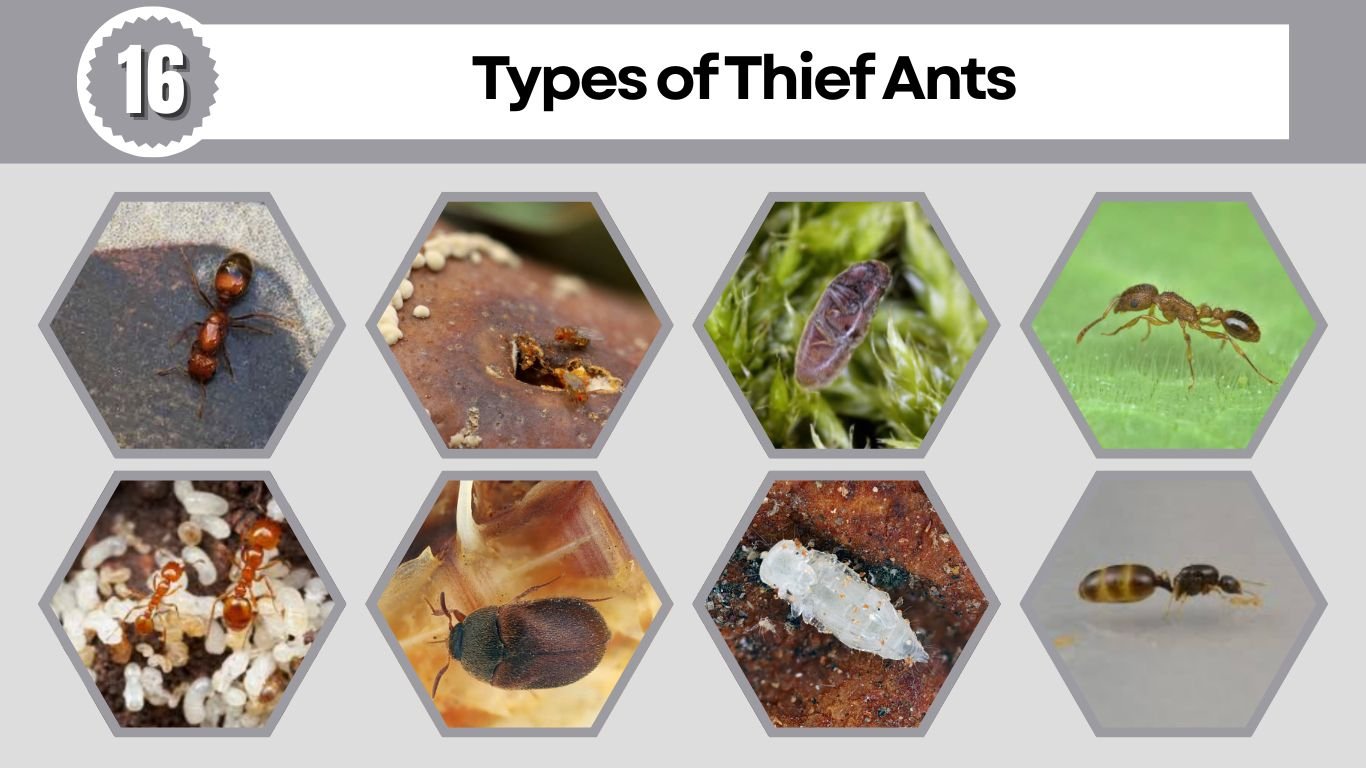
Thief ants are tiny secretive ants best known for stealing food, larvae, and pupae from neighboring ant colonies. Most species belong to the genus Solenopsis and are closely related to fire ants, although they are much smaller and less aggressive. These ants commonly live underground, beneath stones, inside wall cracks, and near larger ant nests where they can secretly access food resources. Thief ants are found in many parts of the world, especially in warm and humid regions. From Solenopsis molesta to Solenopsis molesta validiuscula, each species has unique behaviors, habitats, and characteristics that make them fascinating social insects.
1. Solenopsis molesta

Solenopsis molesta, commonly known as the Thief Ant, is one of the most widespread and well-known thief ant species in North America. These tiny ants are famous for their habit of stealing food, larvae, and pupae from neighboring ant colonies, which is how they earned their common name. Thief ants are extremely small and secretive, often nesting near larger ant species and entering their nests through tiny tunnels unnoticed.
Identification
Solenopsis molesta has a pale yellow to light brown body with a smooth and shiny appearance. Workers are very small, usually measuring only 1.5 to 2 millimeters long. The species has short antennae with a distinct club at the end and relatively small eyes. Its tiny size makes it difficult to notice indoors and outdoors.
Characteristics
- Extremely small body size
- Pale yellow to light brown coloration
- Steals food and brood from other ants
- Builds hidden underground tunnels
- Common indoor household pest
Habitat and Behavior
This species commonly lives in soil, beneath rocks, inside wall cracks, and near foundations. Solenopsis molesta often nests close to larger ant colonies to steal food resources efficiently. These ants feed on grease, dead insects, seeds, and organic materials. Indoors, they are attracted to oily foods and can invade kitchens and storage areas.
Interesting Facts
Solenopsis molesta is known for creating tiny hidden tunnels that allow it to invade neighboring ant nests undetected. Because of their small size and secretive habits, thief ants are often mistaken for Pharaoh ants in homes and buildings.
2. Solenopsis carolinensis
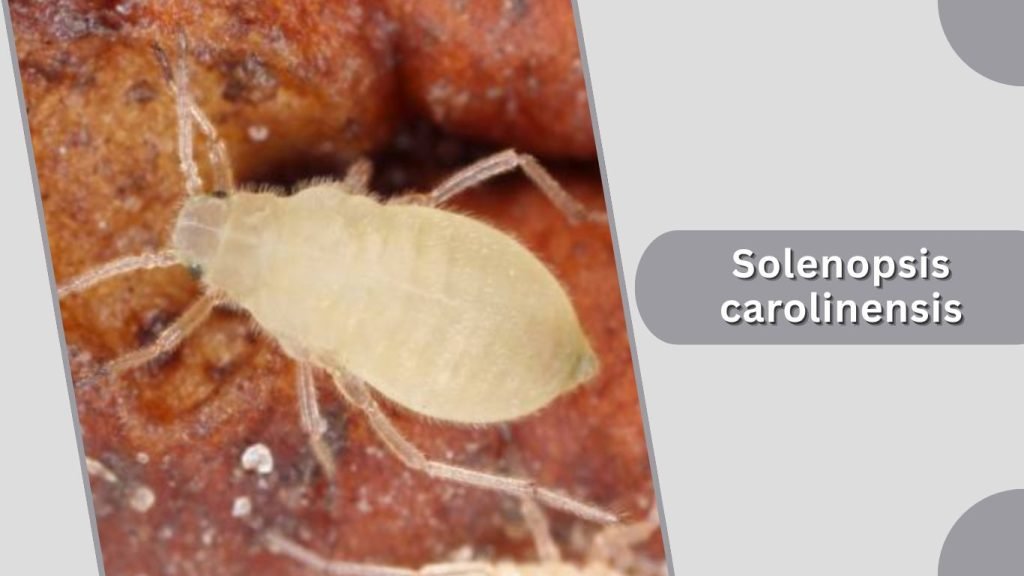
Solenopsis carolinensis is a small thief ant species commonly found in the southeastern United States. Like other thief ants, this species is known for stealing food, larvae, and pupae from neighboring ant colonies. Its tiny size and hidden nesting habits make it difficult to detect in natural habitats and inside buildings. Solenopsis carolinensis often lives close to larger ant species so it can access food resources without much competition.
Identification
Solenopsis carolinensis has a pale yellow to light brown body with a soft and shiny appearance. Workers are extremely small, usually measuring between 1.5 and 2 millimeters long. The species has segmented antennae with a small club at the tip and relatively tiny eyes. Its body is delicate and narrow, helping it move easily through small cracks and underground tunnels.
Characteristics
- Very small pale yellow body
- Secretive underground nesting behavior
- Steals food from nearby ant colonies
- Attracted to greasy and oily foods
- Common in warm southeastern regions
Habitat and Behavior
This species prefers warm environments with loose soil, leaf litter, and decaying organic matter. Colonies are often hidden beneath stones, logs, sidewalks, or building foundations. Solenopsis carolinensis frequently nests near larger ants and creates tiny tunnels leading into neighboring colonies. These ants feed on dead insects, seeds, grease, and stored food products. Indoors, they are sometimes considered pests because of their attraction to oily foods.
Interesting Facts
Solenopsis carolinensis is so small that entire colonies can remain hidden inside walls and floors without being noticed. Scientists study thief ants like this species because of their unusual parasitic behavior and highly organized colony systems.
3. Solenopsis texana
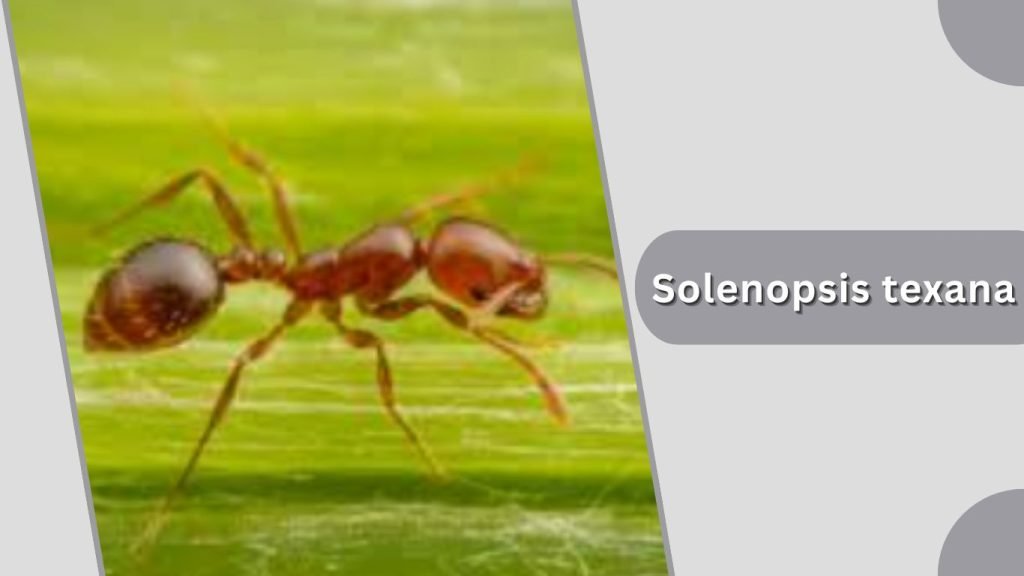
Solenopsis texana is a thief ant species native to parts of the southern United States, especially Texas and nearby warm regions. This tiny ant is known for its secretive behavior and habit of stealing food and brood from other ant colonies. Like many thief ants, Solenopsis texana often builds nests near larger ant species and uses hidden tunnels to invade neighboring colonies unnoticed.
Identification
Solenopsis texana has a pale yellow to amber-colored body with a smooth and shiny surface. Workers are extremely small, typically measuring about 1.5 to 2 millimeters long. The species has short antennae ending in a small club and relatively small eyes. Its tiny body allows it to move through narrow underground tunnels and tiny cracks easily.
Characteristics
- Tiny pale yellow body coloration
- Hidden tunneling and nesting behavior
- Steals larvae and food from ants
- Common in warm southern climates
- Attracted to greasy food sources
Habitat and Behavior
This species commonly inhabits warm dry environments with sandy or loose soil. Colonies are usually found beneath rocks, logs, sidewalks, or building foundations. Solenopsis texana frequently nests close to larger ant colonies to gain access to food resources. These ants feed on grease, dead insects, seeds, and stored foods. Indoors, they may invade kitchens and pantries searching for oily substances.
Interesting Facts
Solenopsis texana is considered one of the more secretive thief ant species because of its hidden underground lifestyle. Its tiny tunnels are often nearly impossible to detect, allowing colonies to survive unnoticed for long periods in both outdoor and indoor environments.
4. Solenopsis fugax

Solenopsis fugax is one of the best-known thief ant species in Europe and parts of Asia. This tiny ant is famous for its secretive nesting behavior and its habit of stealing food, larvae, and pupae from neighboring ant colonies. Because of its extremely small size, Solenopsis fugax can enter the nests of larger ants through tiny underground tunnels without being noticed. The species is highly adaptable and can survive in a wide range of habitats.
Identification
Solenopsis fugax has a pale yellow to light amber body with a smooth and shiny appearance. Workers are extremely small, usually measuring around 1.5 to 2.5 millimeters long. The species has short antennae with a clubbed tip and very small eyes. Its tiny slender body allows it to move easily through cracks, soil tunnels, and narrow nest openings.
Characteristics
- Tiny pale yellow body coloration
- Secretive underground tunnel builder
- Steals brood and food from ants
- Common in Europe and Asia
- Attracted to greasy food sources
Habitat and Behavior
This species commonly inhabits grasslands, gardens, forests, and areas near buildings. Colonies are usually hidden beneath stones, logs, sidewalks, or underground soil chambers. Solenopsis fugax often nests close to larger ant colonies to gain easier access to food supplies. These ants feed on dead insects, grease, seeds, and organic materials. Indoors, they may invade kitchens and storage areas searching for oily foods.
Interesting Facts
Solenopsis fugax is considered one of the classic thief ant species because of its highly specialized stealing behavior. Scientists have observed these ants creating hidden tunnels directly into neighboring colonies to steal food and brood without triggering attacks.
5. Solenopsis pergandei
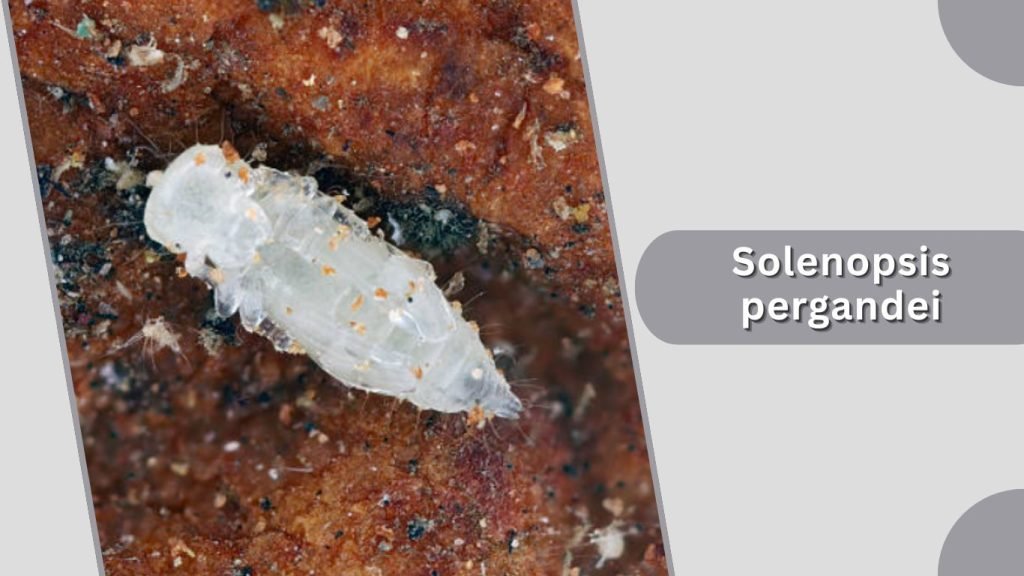
Solenopsis pergandei is a small thief ant species commonly found in warm and dry regions of North America. Like other thief ants, this species survives partly by stealing food and brood from nearby ant colonies. Its tiny size and hidden underground lifestyle make it difficult to detect in natural habitats. Solenopsis pergandei is especially common in sandy soils and open environments.
Identification
Solenopsis pergandei has a pale yellow to light brown body with a smooth and glossy surface. Workers are extremely small, usually measuring less than 2 millimeters long. The species has short antennae ending in a small club and relatively tiny eyes. Its narrow body allows it to move efficiently through underground tunnels and narrow spaces.
Characteristics
- Tiny pale yellow body structure
- Prefers warm sandy environments
- Steals food from nearby ants
- Secretive underground nesting behavior
- Attracted to oily organic materials
Habitat and Behavior
This species mainly inhabits sandy grasslands, dry forests, and open soil habitats. Colonies are often hidden beneath stones, logs, or underground tunnels near larger ant nests. Solenopsis pergandei commonly feeds on dead insects, seeds, grease, and food stolen from neighboring colonies. Indoors, it may occasionally appear near kitchens or food storage areas.
Interesting Facts
Solenopsis pergandei is highly adapted for underground survival and can remain unnoticed because of its tiny size. Researchers study this species to better understand parasitic ant behavior and the complex relationships between thief ants and neighboring colonies.
6. Solenopsis abdita
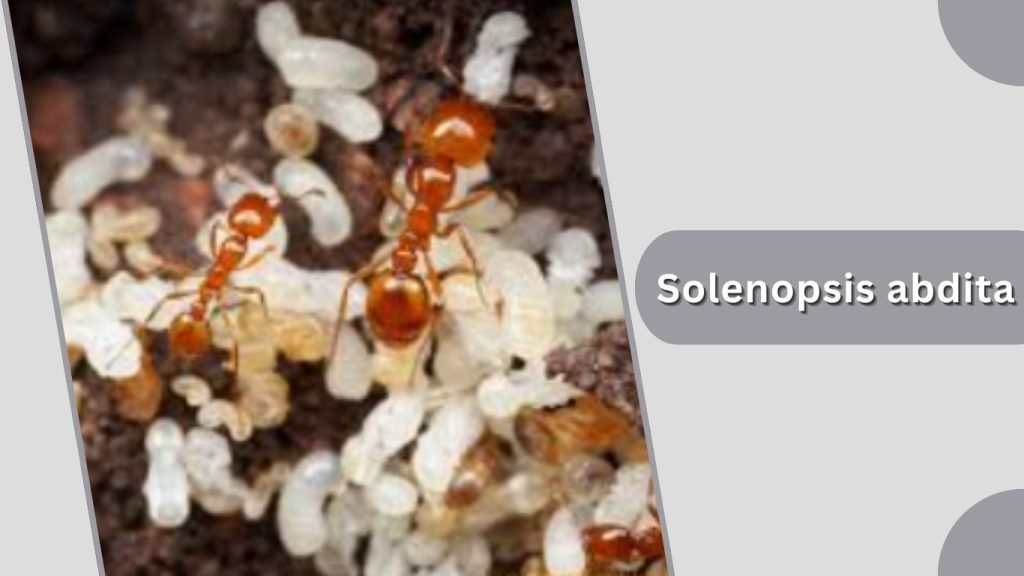
Solenopsis abdita is a tiny thief ant species commonly found in warm regions of North America and the Caribbean. Like other thief ants, this species is known for stealing food and brood from neighboring ant colonies. Its extremely small size and hidden underground lifestyle make it difficult to detect in both natural and urban environments. Solenopsis abdita often nests close to larger ants to gain easier access to food resources.
Identification
Solenopsis abdita has a pale yellow to light brown body with a smooth and shiny appearance. Workers are extremely small, usually measuring between 1.5 and 2 millimeters long. The species has short antennae with a small club at the end and tiny eyes adapted for underground living. Its narrow body allows it to move easily through fine soil tunnels and wall cracks.
Characteristics
- Tiny pale yellow body coloration
- Hidden underground nesting behavior
- Steals brood and food from ants
- Attracted to greasy food materials
- Common in warm humid climates
Habitat and Behavior
This species prefers warm habitats with loose soil, leaf litter, and decaying organic material. Colonies are often hidden beneath rocks, logs, sidewalks, and building foundations. Solenopsis abdita frequently nests near larger ant colonies and creates tiny tunnels into neighboring nests to steal food resources. Indoors, these ants may invade kitchens and storage spaces searching for oily substances and crumbs.
Interesting Facts
Solenopsis abdita is often difficult to distinguish from other thief ants because of its tiny size and similar coloration. Researchers study this species to understand how thief ants successfully survive through stealth, tunneling, and parasitic food-stealing behavior.
7. Solenopsis debilis
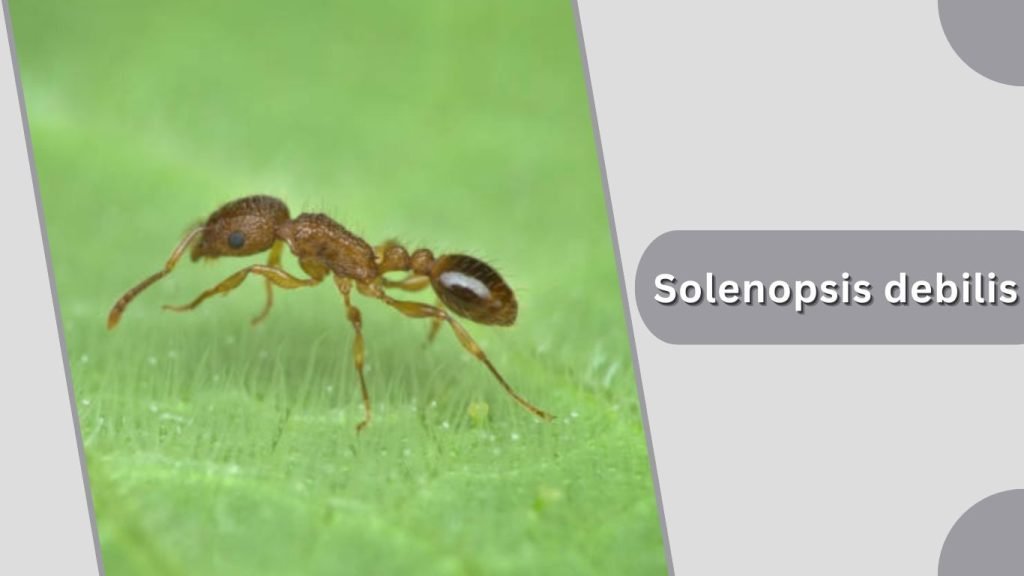
Solenopsis debilis is a small thief ant species native to warm regions of the Americas. This species is well known for its secretive behavior and tendency to steal food and brood from nearby ant colonies. Like many thief ants, Solenopsis debilis builds hidden underground tunnels that allow it to move unnoticed between nests and food sources.
Identification
Solenopsis debilis has a pale yellow to amber-colored body with a smooth glossy surface. Workers are very small, usually measuring around 1.5 to 2 millimeters long. The species has short antennae ending in a club-like tip and relatively tiny eyes. Its slender body helps it navigate narrow tunnels and cracks efficiently.
Characteristics
- Extremely small pale amber body
- Secretive underground tunnel builder
- Steals food from nearby ant colonies
- Common in warm tropical regions
- Attracted to oily and greasy foods
Habitat and Behavior
This species commonly inhabits warm forests, grasslands, gardens, and urban environments. Colonies are usually hidden beneath stones, logs, sidewalks, or inside wall spaces. Solenopsis debilis often nests close to larger ants so it can access food supplies more easily. These ants feed on dead insects, seeds, grease, and food stolen from neighboring colonies.
Interesting Facts
Solenopsis debilis is highly successful because its tiny size allows it to avoid detection by larger ants. Scientists study this species to better understand the evolution of parasitic food-stealing behavior and underground colony organization in ants.
8. Solenopsis tonsa
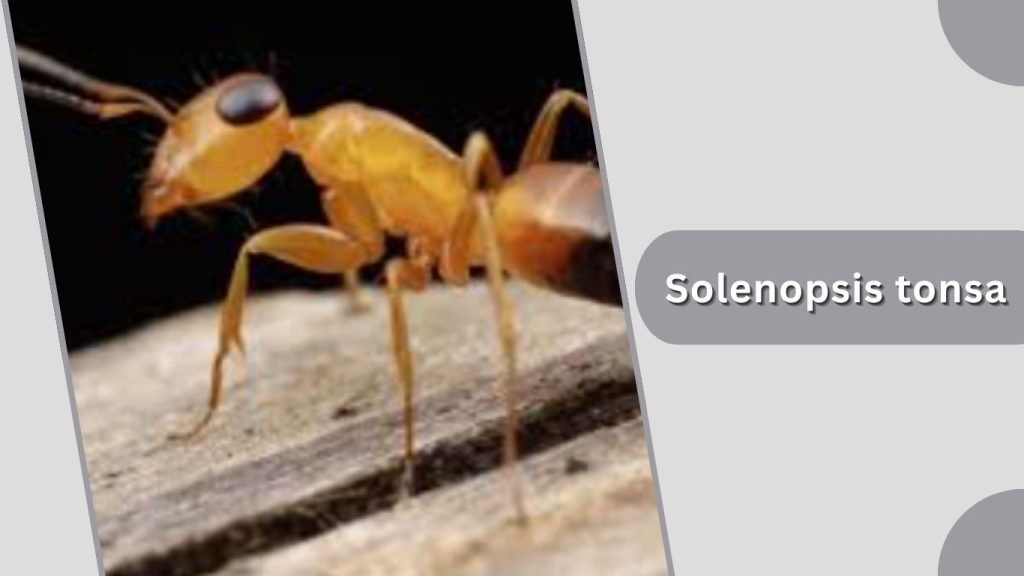
Solenopsis tonsa is a small thief ant species commonly found in warm regions of North America. Like other thief ants, this species is known for stealing food, larvae, and pupae from neighboring ant colonies. Its tiny body size and underground lifestyle help it remain hidden from both predators and larger ants. Solenopsis tonsa often nests near other ant species so it can easily access stolen food resources.
Identification
Solenopsis tonsa has a pale yellow to light brown body with a smooth and shiny appearance. Workers are extremely small, usually measuring less than 2 millimeters long. The species has short segmented antennae ending in a small club and very small eyes. Its narrow body shape allows it to travel efficiently through tiny tunnels and cracks underground.
Characteristics
- Extremely small pale yellow body
- Secretive underground nesting habits
- Steals brood and food from ants
- Smooth shiny body surface
- Common in warm dry environments
Habitat and Behavior
This species prefers sandy soils, grasslands, forests, and areas near buildings. Colonies are usually hidden beneath stones, logs, sidewalks, or underground chambers. Solenopsis tonsa commonly builds nests close to larger ant colonies and creates hidden tunnels for stealing food resources. Indoors, these ants may appear in kitchens and storage spaces searching for oily foods and crumbs.
Interesting Facts
Solenopsis tonsa survives largely through stealth and hidden movement rather than direct aggression. Researchers study this species because its successful parasitic behavior demonstrates how tiny ants can exploit much larger neighboring colonies.
9. Solenopsis nickersoni

Solenopsis nickersoni is a rare thief ant species found mainly in warm southeastern regions of the United States. This species is known for its tiny size, hidden nesting behavior, and habit of stealing food and brood from nearby ant colonies. Like other thief ants, Solenopsis nickersoni uses narrow underground tunnels to enter neighboring nests unnoticed.
Identification
Solenopsis nickersoni has a pale yellow to light amber body with a smooth glossy appearance. Workers are extremely small, usually measuring about 1.5 to 2 millimeters long. The species has short antennae with a small club at the tip and tiny eyes adapted for underground life. Its delicate body structure allows efficient movement through narrow soil passages.
Characteristics
- Tiny pale amber body coloration
- Hidden underground tunnel systems
- Steals food from nearby ant nests
- Common in warm humid climates
- Attracted to greasy food materials
Habitat and Behavior
This species commonly inhabits forests, gardens, grasslands, and urban environments with loose soil. Colonies are often hidden beneath rocks, rotting wood, or building foundations. Solenopsis nickersoni frequently nests near larger ants and secretly steals food, larvae, and pupae from neighboring colonies. Indoors, it may invade kitchens and food storage areas in search of oily substances.
Interesting Facts
Solenopsis nickersoni is rarely noticed because of its extremely small size and secretive habits. Scientists study this species to better understand how thief ants develop complex underground tunnel systems and maintain parasitic relationships with other ant colonies.
10. Solenopsis pollux
Solenopsis pollux is a small and secretive thief ant species commonly found in warm regions of North America. Like other thief ants, this species is known for stealing food, larvae, and pupae from neighboring ant colonies. Its tiny size and underground lifestyle help it avoid detection while searching for food resources. Solenopsis pollux often establishes nests close to larger ant species so it can secretly access nearby colonies.
Identification
Solenopsis pollux has a pale yellow to light brown body with a smooth and glossy appearance. Workers are extremely small, usually measuring around 1.5 to 2 millimeters long. The species has short antennae ending in a club-like tip and very small eyes suited for underground living. Its slender body shape allows it to travel through narrow tunnels and tiny cracks easily.
Characteristics
- Extremely small pale yellow body
- Hidden underground nesting behavior
- Steals food and brood from ants
- Smooth shiny body appearance
- Attracted to greasy food materials
Habitat and Behavior
This species commonly inhabits grasslands, forests, gardens, and urban environments with loose soil. Colonies are usually hidden beneath stones, logs, sidewalks, or building foundations. Solenopsis pollux frequently nests near larger ant colonies and creates tiny tunnels leading into neighboring nests. These ants feed on dead insects, grease, seeds, and stolen organic material. Indoors, they may appear in kitchens and pantry areas searching for oily foods.
Interesting Facts
Solenopsis pollux survives successfully because its tiny body allows it to remain unnoticed by much larger ants. Researchers study this species to better understand underground nesting systems and the evolution of parasitic food-stealing behavior in ants.
11. Solenopsis validiuscula
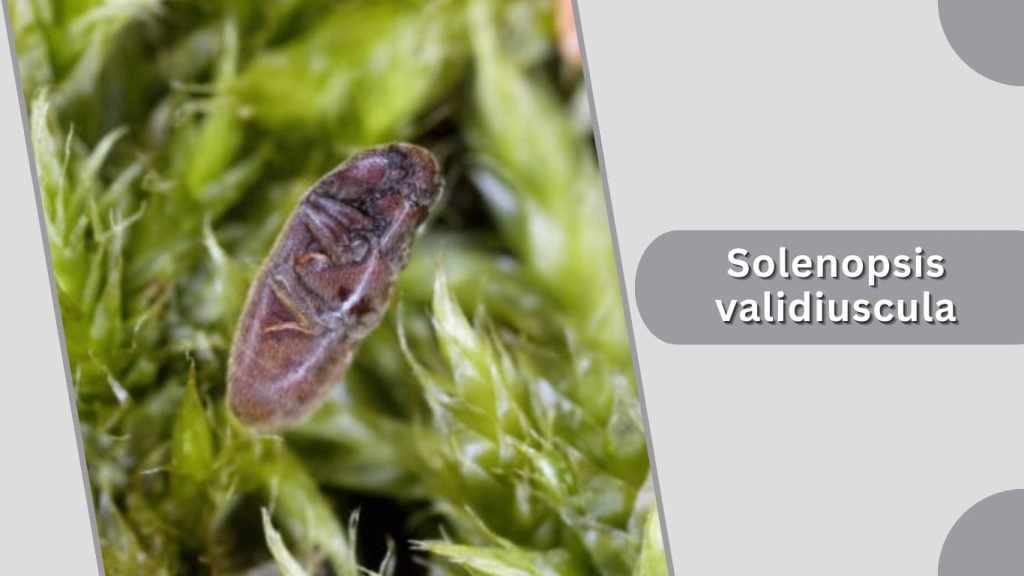
Solenopsis validiuscula is a rare thief ant species found in warm regions of the Americas. This species is known for its hidden lifestyle and unusual habit of stealing food and brood from neighboring ant colonies. Like other thief ants, Solenopsis validiuscula uses narrow underground tunnels to invade nearby nests without being detected.
Identification
Solenopsis validiuscula has a pale yellow to amber-colored body with a smooth and shiny surface. Workers are extremely small, generally measuring less than 2 millimeters long. The species has short segmented antennae with a clubbed tip and tiny eyes adapted for life underground. Its narrow body structure helps it move quickly through soil tunnels and small cracks.
Characteristics
- Tiny pale amber body coloration
- Secretive underground tunnel builder
- Steals brood and food from ants
- Common in warm tropical climates
- Attracted to oily organic materials
Habitat and Behavior
This species prefers warm habitats with sandy soil, leaf litter, and decaying organic matter. Colonies are commonly hidden beneath stones, logs, sidewalks, or underground chambers near larger ant colonies. Solenopsis validiuscula feeds on grease, dead insects, seeds, and food stolen from neighboring nests. Indoors, these ants may invade kitchens and storage spaces searching for oily foods and crumbs.
Interesting Facts
Solenopsis validiuscula is rarely observed because of its tiny size and highly secretive behavior. Scientists study this species to understand how thief ants successfully survive through stealth, underground tunneling, and specialized parasitic feeding strategies.
12. Solenopsis wasmanni
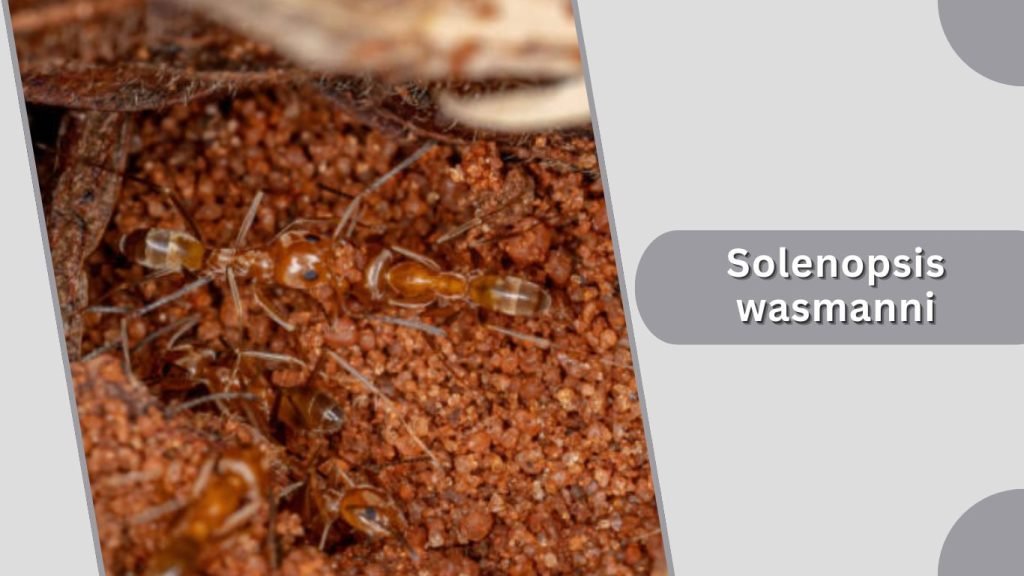
Solenopsis wasmanni is a tiny thief ant species known for its secretive underground lifestyle and food-stealing behavior. This species is commonly found in warm tropical and subtropical regions where it lives close to larger ant colonies. Like other thief ants, Solenopsis wasmanni survives partly by stealing larvae, pupae, and stored food from neighboring nests through hidden underground tunnels.
Identification
Solenopsis wasmanni has a pale yellow to light amber body with a smooth and glossy appearance. Workers are extremely small, usually measuring around 1.5 to 2 millimeters long. The species has short antennae with a small club at the tip and very small eyes adapted for underground living. Its narrow body allows it to move easily through tiny tunnels and narrow spaces.
Characteristics
- Tiny pale amber body coloration
- Hidden underground tunnel systems
- Steals brood and food from ants
- Smooth shiny body surface
- Common in warm humid regions
Habitat and Behavior
This species commonly inhabits forests, grasslands, gardens, and urban environments with loose soil and organic debris. Colonies are usually hidden beneath rocks, rotting logs, sidewalks, or building foundations. Solenopsis wasmanni often nests near larger ant colonies to access food resources more easily. These ants feed on grease, dead insects, seeds, and stolen organic materials.
Interesting Facts
Solenopsis wasmanni is named after the famous entomologist Erich Wasmann, who studied ants and social insects extensively. Scientists are interested in this species because it demonstrates advanced stealth-based survival strategies among tiny parasitic ants.
13. Solenopsis corticalis
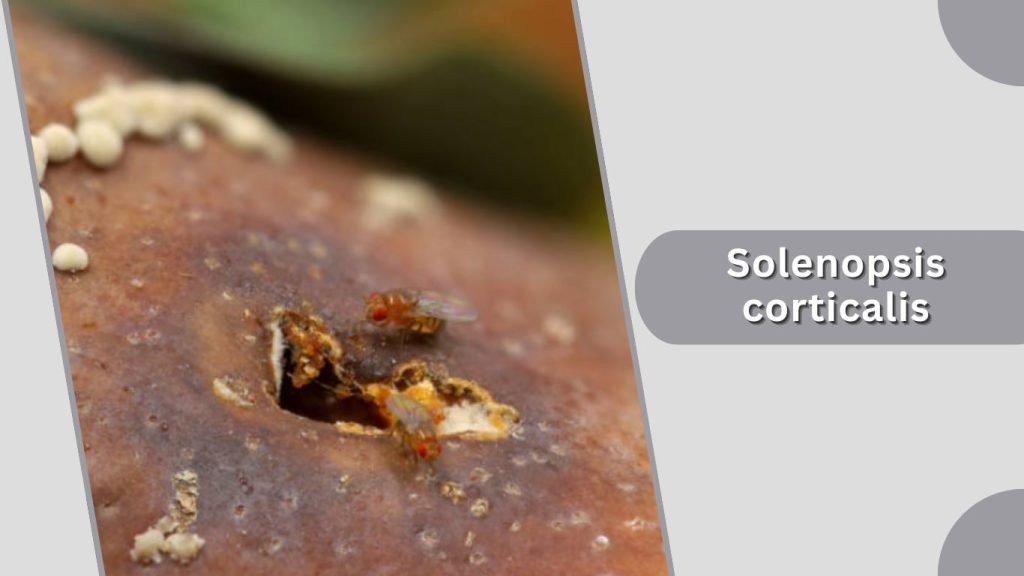
Solenopsis corticalis is a small thief ant species commonly associated with wooded habitats and decaying tree bark. Like many thief ants, this species is known for stealing food and brood from nearby ant colonies while remaining hidden underground or beneath bark layers. Its tiny body size and secretive behavior make it difficult to detect in natural environments.
Identification
Solenopsis corticalis has a pale yellow to light brown body with a smooth shiny appearance. Workers are extremely small, generally measuring less than 2 millimeters long. The species has short antennae ending in a club-like tip and tiny eyes suited for dim underground conditions. Its narrow body helps it move efficiently through bark crevices and underground tunnels.
Characteristics
- Tiny pale yellow body structure
- Common beneath bark and wood
- Secretive underground nesting behavior
- Steals food from nearby ant colonies
- Attracted to greasy organic materials
Habitat and Behavior
This species prefers forests, wooded areas, and habitats with decaying trees and loose bark. Colonies are often hidden beneath logs, under bark layers, or in underground chambers near other ant nests. Solenopsis corticalis commonly steals food, larvae, and pupae from neighboring colonies. Indoors, it may occasionally appear near damp wooden structures and food storage areas.
Interesting Facts
The name “corticalis” refers to the species’ strong association with tree bark and wooded habitats. Researchers study Solenopsis corticalis to understand how thief ants adapt to forest ecosystems and maintain hidden parasitic relationships with larger ants.
14. Solenopsis globularia
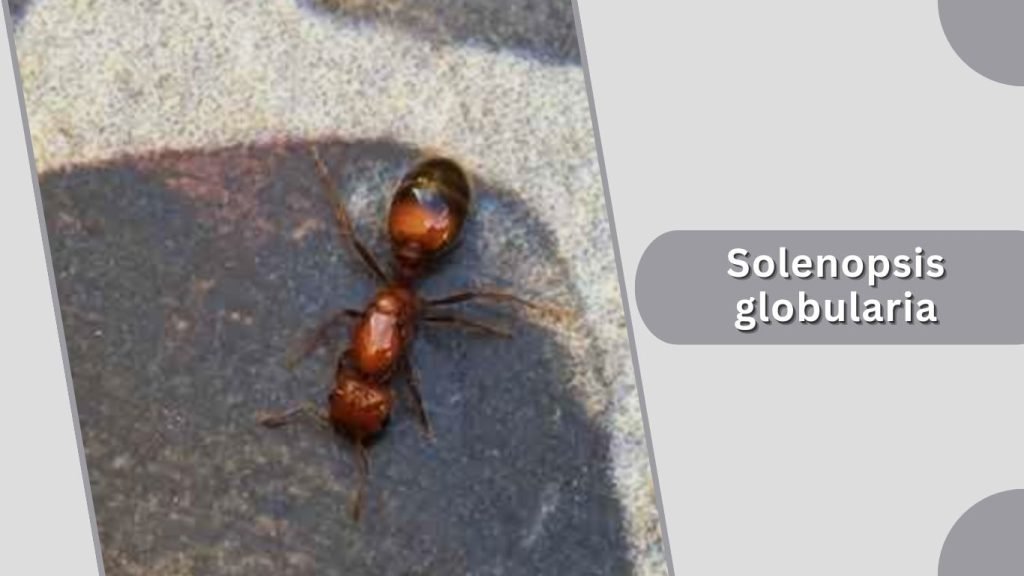
Solenopsis globularia is a small thief ant species commonly found in tropical and subtropical regions of the Americas. This species is known for its secretive nesting behavior and its habit of stealing food and brood from neighboring ant colonies. Like other thief ants, Solenopsis globularia survives by remaining hidden underground and using tiny tunnels to access nearby nests unnoticed.
Identification
Solenopsis globularia has a pale yellow to amber-colored body with a smooth and glossy appearance. Workers are extremely small, usually measuring between 1.5 and 2 millimeters long. The species has short antennae with a clubbed tip and tiny eyes adapted for underground environments. Its slender body structure allows it to travel efficiently through narrow soil tunnels and cracks.
Characteristics
- Tiny pale amber body coloration
- Secretive underground tunnel builder
- Steals brood and food from ants
- Smooth shiny body appearance
- Common in tropical warm climates
Habitat and Behavior
This species commonly inhabits forests, grasslands, gardens, and areas with loose soil and decaying organic matter. Colonies are usually hidden beneath stones, logs, sidewalks, or underground chambers near larger ant colonies. Solenopsis globularia feeds on grease, dead insects, seeds, and stolen food resources. Indoors, it may occasionally invade kitchens and food storage spaces searching for oily materials.
Interesting Facts
Solenopsis globularia is highly successful because of its ability to remain unnoticed by larger neighboring ants. Scientists study this species to better understand parasitic ant relationships and underground colony organization in thief ants.
15. Solenopsis helena
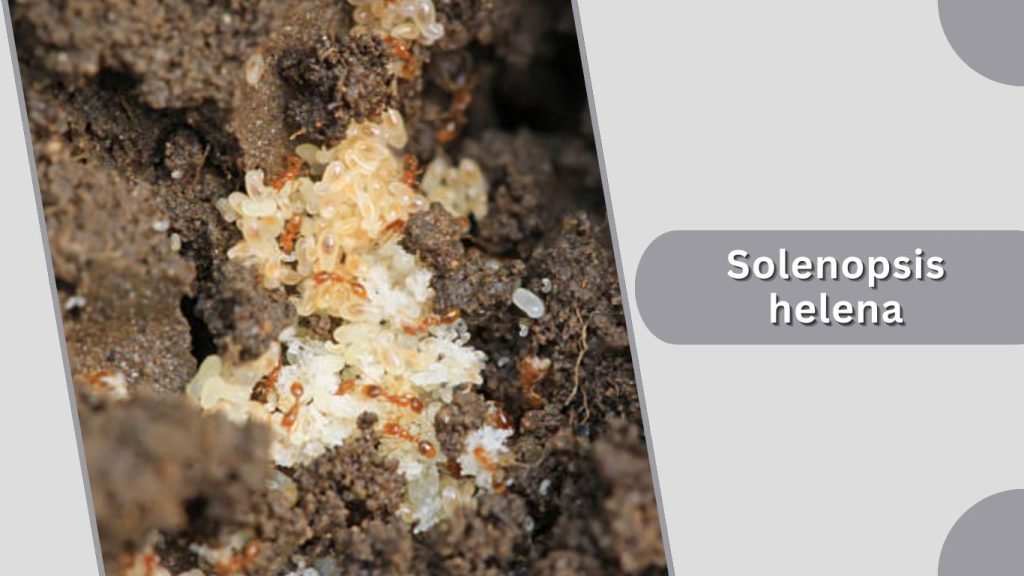
Solenopsis helena is a rare thief ant species found in warm tropical and subtropical habitats. Like other thief ants, this species is known for stealing food, larvae, and pupae from nearby ant colonies. Its extremely small size and hidden underground lifestyle help it survive without attracting attention from predators or larger ants.
Identification
Solenopsis helena has a pale yellow to light brown body with a smooth and shiny surface. Workers are very small, usually measuring less than 2 millimeters long. The species has short antennae ending in a small club and tiny eyes suited for underground living. Its delicate narrow body allows easy movement through small tunnels and cracks.
Characteristics
- Extremely small pale yellow body
- Hidden underground nesting habits
- Steals food from nearby ants
- Smooth glossy body structure
- Common in warm humid regions
Habitat and Behavior
This species prefers loose soil, leaf litter, forests, gardens, and urban habitats. Colonies are commonly hidden beneath logs, stones, sidewalks, or building foundations. Solenopsis helena often nests close to larger ant colonies and secretly steals food resources through narrow underground tunnels. Indoors, these ants may appear near kitchens and pantry areas searching for grease and oily foods.
Interesting Facts
Solenopsis helena is rarely noticed because of its tiny body size and secretive behavior. Researchers study this species to understand how thief ants use stealth and underground tunneling to survive alongside much larger and more aggressive ant colonies.
16. Solenopsis molesta validiuscula
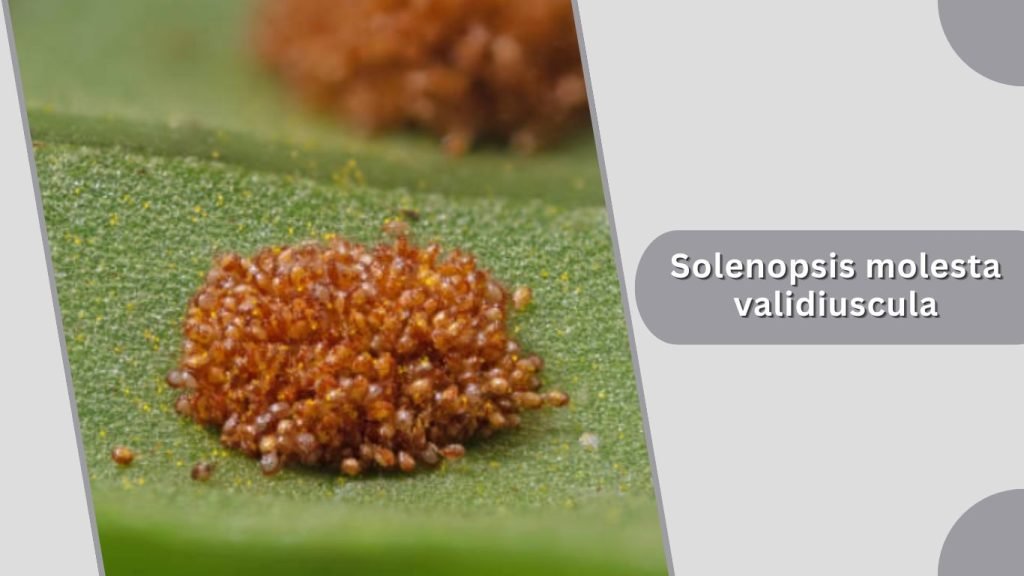
Solenopsis molesta validiuscula is a tiny thief ant closely related to the common thief ant, Solenopsis molesta. This species is known for its hidden underground lifestyle and its habit of stealing food, larvae, and pupae from neighboring ant colonies. Because of its extremely small size and secretive behavior, it often remains unnoticed in both natural habitats and human structures.
Identification
Solenopsis molesta validiuscula has a pale yellow to light amber body with a smooth and shiny appearance. Workers are extremely small, usually measuring less than 2 millimeters long. The species has short antennae with a clubbed tip and very small eyes adapted for underground living. Its narrow body shape allows it to move through tiny soil tunnels and cracks efficiently.
Characteristics
- Extremely small pale amber body
- Hidden underground nesting behavior
- Steals brood and food from ants
- Smooth shiny body appearance
- Common in warm dry environments
Habitat and Behavior
This species commonly inhabits loose soil, grasslands, forests, gardens, and urban areas. Colonies are usually hidden beneath rocks, logs, sidewalks, or building foundations. Solenopsis molesta validiuscula often nests near larger ant colonies to access stolen food resources more easily. These ants feed on dead insects, grease, seeds, and oily organic materials. Indoors, they may invade kitchens and storage spaces searching for food.
Interesting Facts
Solenopsis molesta validiuscula survives mainly through stealth rather than direct aggression. Scientists study this species to better understand how tiny thief ants successfully coexist with larger neighboring colonies while maintaining complex underground tunnel systems.
FAQs
What are thief ants?
Thief ants are tiny ants belonging mainly to the genus Solenopsis. They are known for stealing food, larvae, and pupae from neighboring ant colonies through hidden underground tunnels.
Why are they called thief ants?
They are called thief ants because they secretly invade nearby ant nests and steal resources such as food and developing brood without directly fighting larger ants.
Where do thief ants live?
Thief ants commonly live in soil, under rocks, beneath logs, inside wall cracks, and near building foundations. They prefer warm environments with loose soil and access to nearby ant colonies.
Are thief ants harmful to humans?
Thief ants are generally not dangerous to humans because they are very small and not highly aggressive. However, they can become household pests when they invade kitchens and food storage areas.
What do thief ants eat?
Thief ants feed on grease, oily foods, seeds, dead insects, and organic materials. They also steal larvae, pupae, and stored food from neighboring ant colonies.
How can thief ants enter homes?
Their extremely small size allows them to enter homes through tiny cracks, wall gaps, and foundation openings. They are especially attracted to greasy foods and crumbs in kitchens and pantries.
How are thief ants different from fire ants?
Although thief ants are related to fire ants, they are much smaller and less aggressive. Fire ants are known for painful stings, while thief ants mainly survive through stealth and food stealing behavior.
Why are scientists interested in thief ants?
Scientists study thief ants because of their unusual parasitic behavior, underground tunnel systems, and complex social interactions with neighboring ant colonies.
