
Lady beetles, also known as ladybugs, are among the most familiar and beneficial insects in the world. They belong to the family Coccinellidae and are found in a wide range of habitats, including gardens, forests, farms, and urban areas. While many species are known for their bright colors and spotted patterns, they can vary greatly in appearance.
This guide explores 20 different types of lady beetles, focusing on their identification, habitat, behavior, and life cycle. Most species are helpful predators that feed on pests like aphids and mites, making them valuable for natural pest control. However, a few species are plant feeders and can become agricultural pests. This list will help you identify and better understand these diverse and fascinating beetles.
1. Coccinella septempunctata
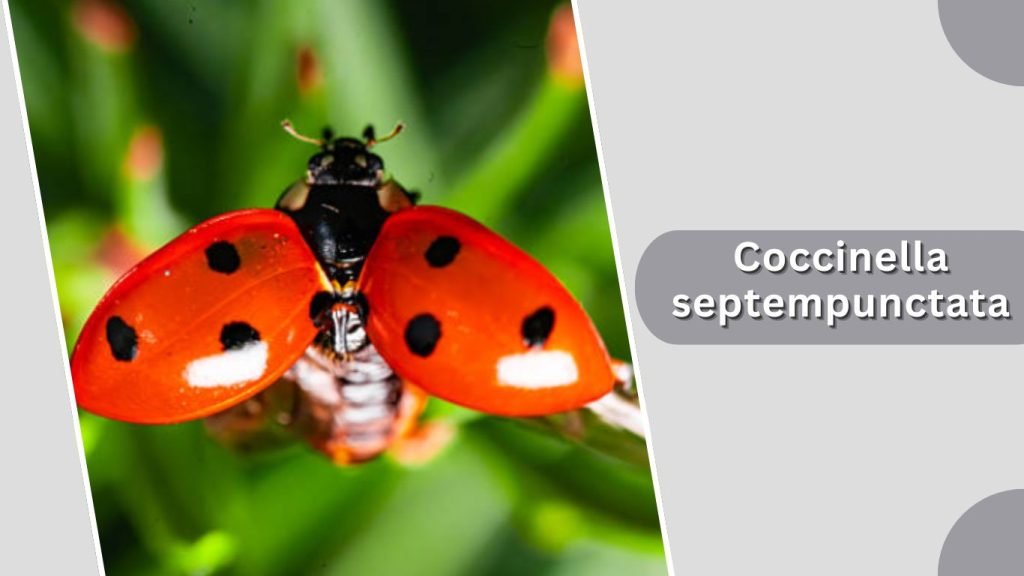
Coccinella septempunctata, commonly known as the seven-spotted lady beetle, is one of the most recognizable and widespread lady beetle species. It is highly valued for its role in controlling agricultural pests, especially aphids.
Identification
- Medium size, about 6–8 mm long
- Bright red or orange wing covers (elytra)
- Seven distinct black spots on the elytra
- Black head with small white patches on the sides
- Rounded, dome-shaped body
- Legs and underside are black
Habitat and Distribution
This species is native to Europe but is now widely distributed across North America, Asia, and other regions due to intentional introduction for pest control. It is commonly found in gardens, farmlands, grasslands, and forests where aphids and other soft-bodied insects are present.
Behavior and Diet
Coccinella septempunctata is a beneficial predator. Both adults and larvae feed heavily on aphids, making them important for natural pest control. They are active during the day and can often be seen on plants where prey is abundant. During colder months, they may gather in groups to overwinter in sheltered places.
Life Cycle
This beetle undergoes complete metamorphosis: egg, larva, pupa, and adult. Eggs are laid in clusters on plant leaves near aphid colonies. Larvae are elongated and spiny, feeding aggressively on pests. After pupation, adults emerge and continue feeding and reproducing, completing multiple generations per year in favorable conditions.
2. Harmonia axyridis
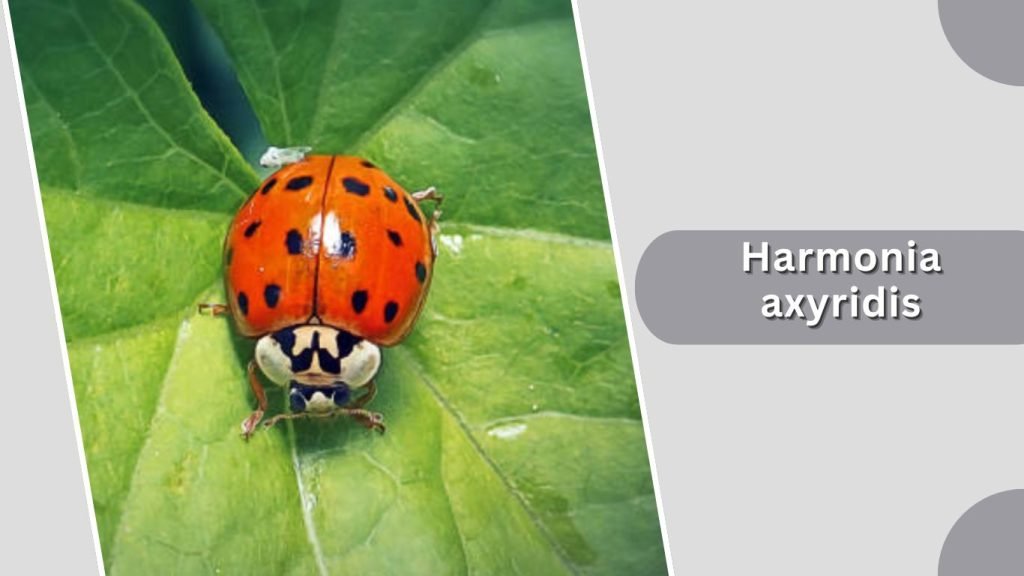
Harmonia axyridis, commonly known as the Asian lady beetle or harlequin ladybird, is a highly adaptable and widely distributed species. It is often introduced for biological pest control but has become invasive in many regions.
Identification
- Medium size, about 5–8 mm long
- Highly variable coloration (orange, red, yellow, or black)
- Spots vary widely in number or may be absent
- Pronotum typically has a black “M” or “W” shaped marking
- Rounded, dome-shaped body
- Legs and underside usually dark
Habitat and Distribution
Native to Asia, this species is now found across North America, Europe, and other parts of the world. It thrives in gardens, forests, agricultural fields, and urban areas. It is especially common where aphids and similar pests are abundant.
Behavior and Diet
Harmonia axyridis is a voracious predator of aphids and other soft-bodied insects. It is active during the day and often found on plants. However, it can outcompete native species and may become a nuisance when it enters homes in large numbers during colder months.
Life Cycle
This beetle undergoes complete metamorphosis. Eggs are laid near food sources, and larvae feed actively on pests. After pupation, adults emerge and continue feeding and reproducing. Multiple generations can occur annually depending on climate conditions.
3. Adalia bipunctata
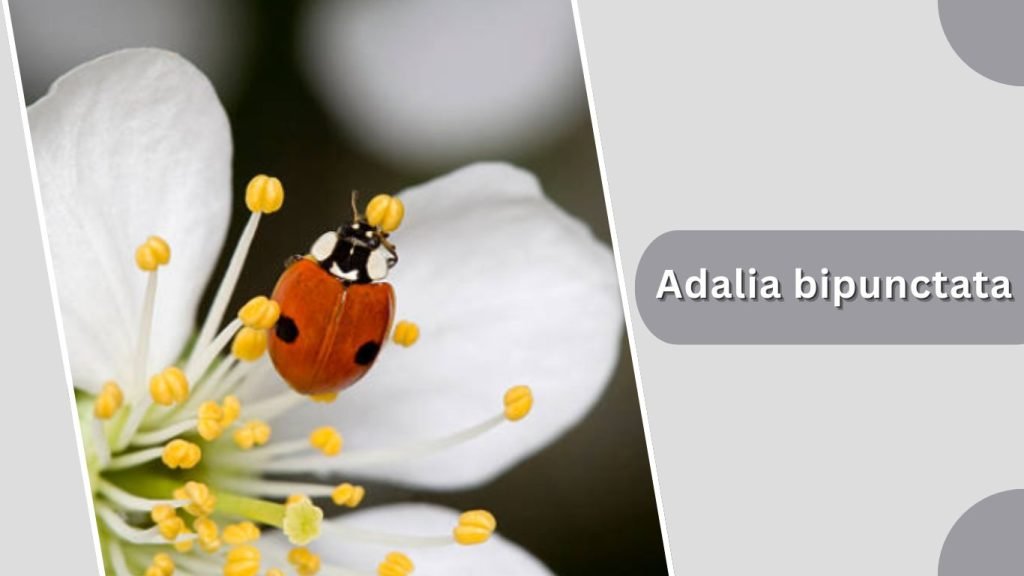
Adalia bipunctata, commonly known as the two-spotted lady beetle, is a well-known species valued for its pest control abilities and simple, distinctive appearance.
Identification
- Small to medium size, about 4–6 mm long
- Red or orange elytra with two black spots (one on each wing cover)
- Some color variations may occur, including black forms with red spots
- Rounded, dome-shaped body
- Head black with small white markings
- Elytra smooth and glossy
Habitat and Distribution
This species is native to Europe but is also found in North America and parts of Asia. It commonly inhabits gardens, forests, parks, and agricultural areas where aphids are present. It adapts well to both natural and urban environments.
Behavior and Diet
Adalia bipunctata is a beneficial predator, feeding mainly on aphids. Both larvae and adults actively hunt prey on plants. It is diurnal and often seen on leaves and stems. This species is widely used in biological pest control programs.
Life Cycle
The beetle follows complete metamorphosis. Eggs are laid in clusters near aphid colonies. Larvae hatch and feed intensively before pupating. Adults emerge and continue feeding and reproducing, often producing several generations in a single growing season.
4. Hippodamia convergens
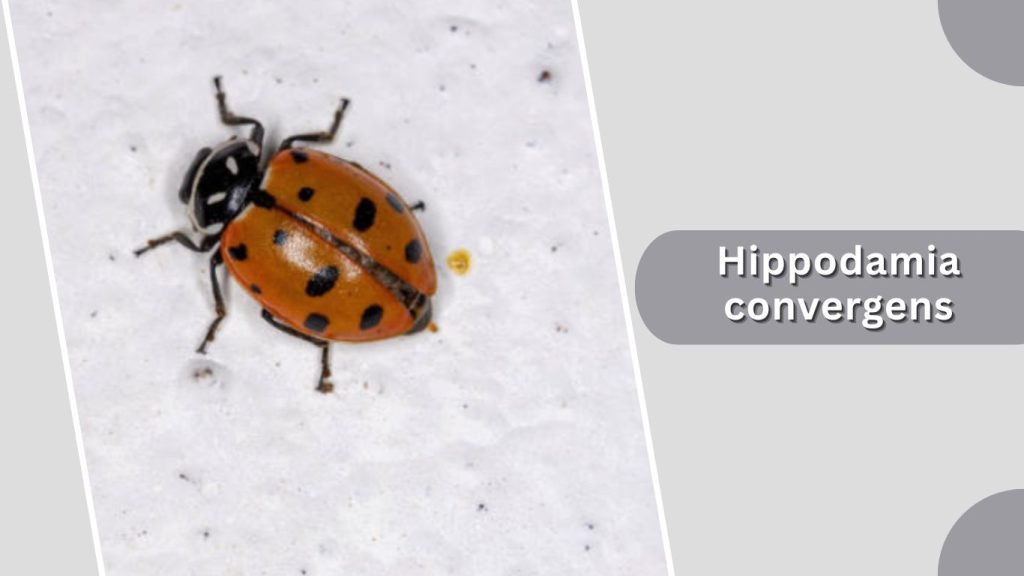
Hippodamia convergens, commonly known as the convergent lady beetle, is a widely recognized species in North America. It is especially valued for its role in natural pest control and is often sold for use in gardens.
Identification
- Medium size, about 5–7 mm long
- Orange to red elytra with multiple black spots
- Distinctive converging white lines on the pronotum
- Elongated, slightly oval body compared to rounder species
- Black head with white markings
- Elytra smooth and moderately shiny
Habitat and Distribution
This species is native to North America and is commonly found in gardens, agricultural fields, grasslands, and forests. It prefers areas with abundant aphid populations. During winter, large groups gather in mountainous regions to overwinter.
Behavior and Diet
Hippodamia convergens is a strong predator of aphids and other soft-bodied insects. Both larvae and adults are active hunters. They are most active during the day and can travel long distances in search of food. This species is frequently used in biological pest control.
Life Cycle
The beetle undergoes complete metamorphosis. Eggs are laid near aphid colonies. Larvae hatch and feed aggressively before entering the pupal stage. Adults emerge and continue feeding and reproducing, often producing multiple generations in warm seasons.
5. Coleomegilla maculata
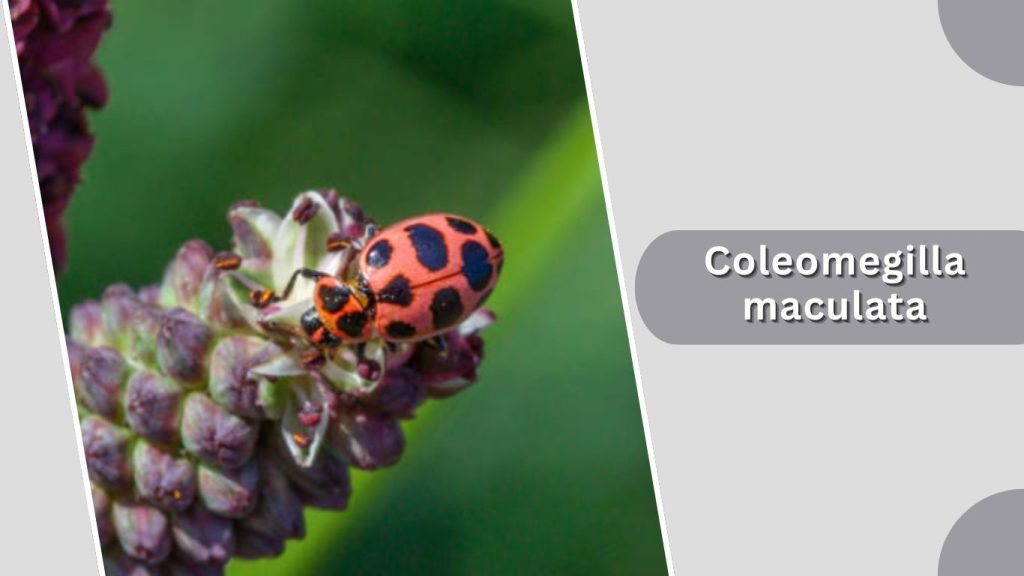
Coleomegilla maculata, commonly known as the spotted pink lady beetle, is a beneficial species recognized for its ability to feed on both pests and plant-based food.
Identification
- Medium size, about 5–6 mm long
- Pink to reddish coloration
- Six black spots on the elytra (three on each side)
- Body slightly elongated compared to rounder lady beetles
- Head black with lighter markings
- Elytra smooth and slightly glossy
Habitat and Distribution
This species is widely distributed across North America. It is commonly found in agricultural fields, gardens, and meadows. It thrives in areas with mixed vegetation and is often present where aphids and pollen sources are available.
Behavior and Diet
Coleomegilla maculata is unique because it feeds on both insects and plant material. While it preys on aphids, it also consumes pollen, making it more adaptable when prey is scarce. It is active during the day and plays a useful role in pest control.
Life Cycle
This beetle follows complete metamorphosis. Eggs are laid on plant surfaces, and larvae feed on aphids and other small insects. After pupation, adults emerge and continue feeding. The ability to use pollen as a food source supports multiple generations per year.
6. Cycloneda munda
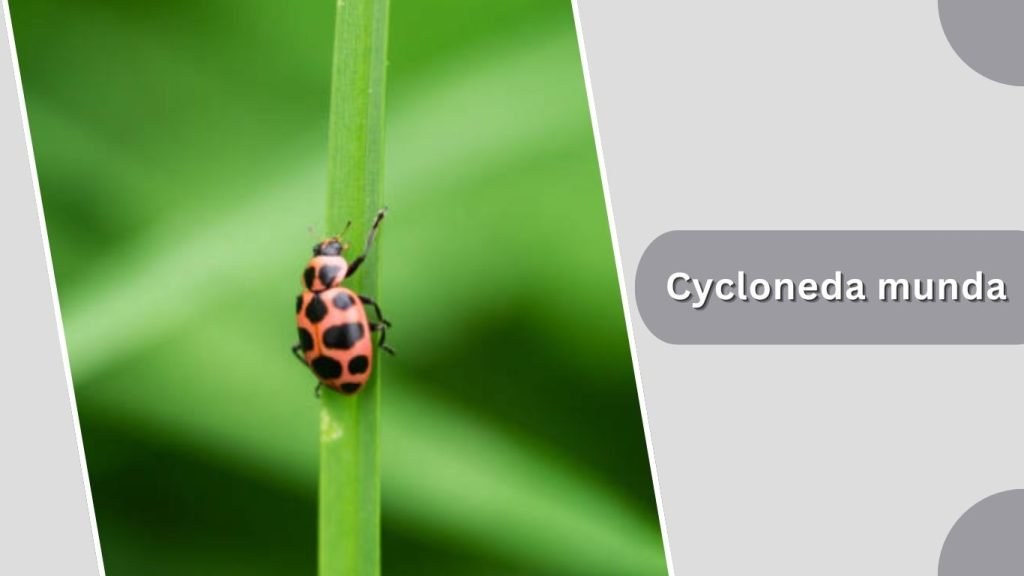
Cycloneda munda, commonly known as the spotless lady beetle, is a distinctive species recognized for its clean, unspotted appearance. Unlike many other lady beetles, it lacks the typical black spots, making it easier to identify in the field.
Identification
- Medium size, about 4–6 mm long
- Bright red or orange elytra without spots
- Smooth, glossy wing covers
- Rounded, dome-shaped body
- Head black with pale or white markings
- Pronotum often has light-colored borders
Habitat and Distribution
This species is widely distributed across North America and is commonly found in gardens, agricultural fields, grasslands, and forest edges. It prefers areas with abundant vegetation where aphids and other prey are available. Cycloneda munda adapts well to both natural and cultivated environments, making it a frequent visitor in crop fields.
Behavior and Diet
Cycloneda munda is a beneficial predator that primarily feeds on aphids and other soft-bodied insects. Both larvae and adults are active hunters and contribute significantly to natural pest control. They are diurnal and can often be seen on leaves and stems searching for prey. Unlike some species, they rely heavily on insect prey and do not commonly consume plant material.
Life Cycle
This beetle undergoes complete metamorphosis, including egg, larva, pupa, and adult stages. Eggs are laid in clusters near aphid colonies to ensure food availability for the larvae. After hatching, larvae feed intensively and grow through several stages before pupating on plant surfaces. Adults emerge and continue feeding and reproducing. Multiple generations can occur each year under favorable conditions.
7. Propylea quatuordecimpunctata
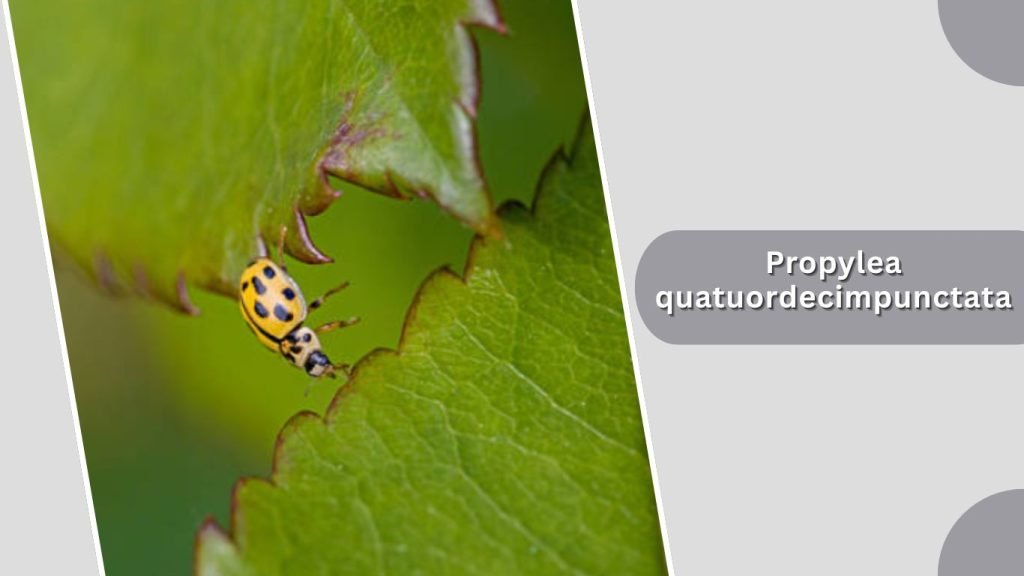
Propylea quatuordecimpunctata, commonly known as the fourteen-spotted lady beetle, is a small but highly variable species known for its distinctive pattern. It is widely distributed and plays an important role in controlling pest populations.
Identification
- Small size, about 3.5–5 mm long
- Yellow to cream-colored elytra
- Black markings forming a pattern of spots or fused patches
- Pattern may appear as 14 distinct spots or irregular shapes
- Body slightly oval and less dome-shaped than some species
- Head and pronotum often show contrasting black and pale markings
Habitat and Distribution
This species is native to Europe and Asia but has been introduced to North America for biological control. It is commonly found in grasslands, agricultural fields, gardens, and hedgerows. It prefers areas with dense vegetation and high populations of aphids and other small insects.
Behavior and Diet
Propylea quatuordecimpunctata is an active predator of aphids, scale insects, and other soft-bodied pests. Both larvae and adults feed continuously and are effective in reducing pest populations. It is active during the day and can often be seen moving quickly across plant surfaces. Its adaptability allows it to thrive in a variety of habitats.
Life Cycle
The species follows complete metamorphosis. Eggs are laid on plants near prey colonies. Larvae hatch and feed aggressively before entering the pupal stage. Adults emerge and continue feeding and reproduction. Several generations may occur annually, especially in warmer climates where food is abundant.
8. Olla v-nigrum
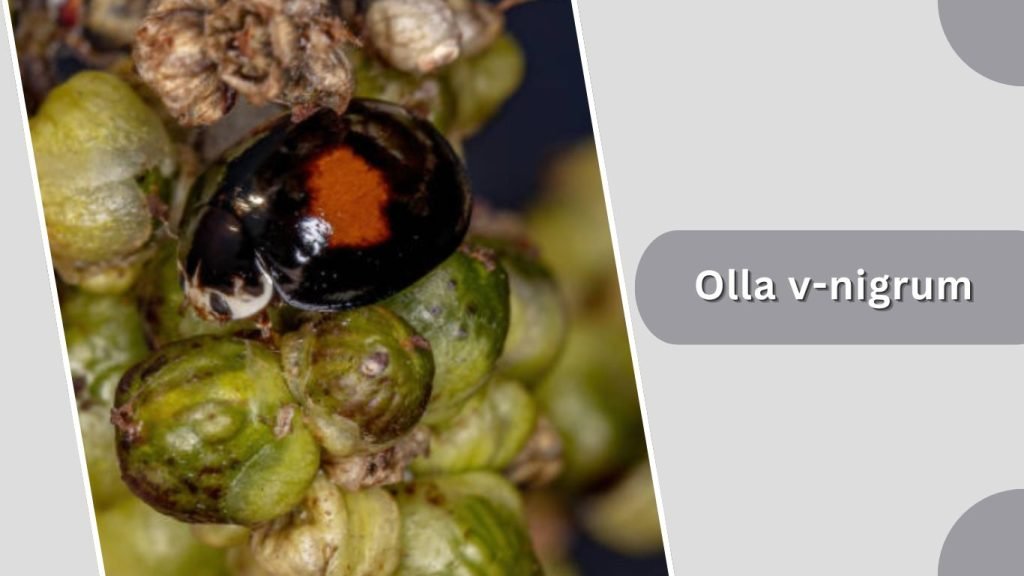
Olla v-nigrum, commonly known as the ashy gray lady beetle, is a variable and widespread species known for its adaptability and role in pest control. Its appearance can differ significantly between individuals, making identification slightly challenging.
Identification
- Medium size, about 4–6 mm long
- Color varies from light gray to black
- Elytra may have dark spots or be completely spotless
- Pronotum often shows a distinctive dark “V” or “M” marking
- Rounded, dome-shaped body
- Surface smooth and slightly glossy
Habitat and Distribution
This species is found across North and South America. It commonly inhabits gardens, forests, orchards, and agricultural fields. It is especially abundant in areas where aphids and scale insects are present. Olla v-nigrum adapts well to different environments, including urban landscapes.
Behavior and Diet
Olla v-nigrum is a beneficial predator that feeds on aphids, scale insects, and other soft-bodied pests. Both larvae and adults are active hunters. They are usually seen on plants during the day, searching for food. This species plays an important role in controlling pest populations naturally.
Life Cycle
The beetle undergoes complete metamorphosis. Eggs are laid on plant surfaces near prey. Larvae hatch and feed actively before pupating. Adults emerge and continue feeding and reproduction. Multiple generations can occur each year depending on environmental conditions.
9. Chilocorus stigma
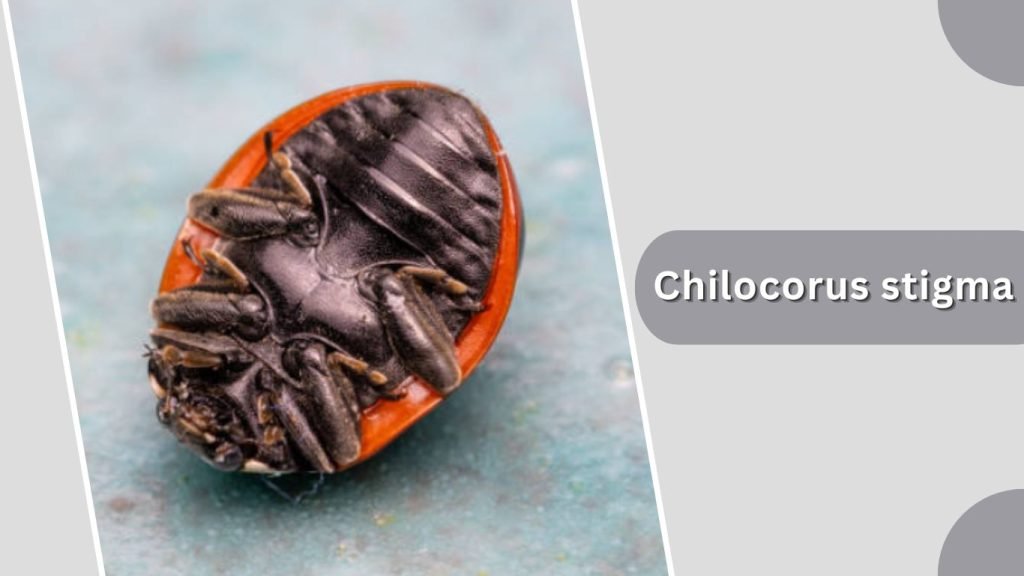
Chilocorus stigma, commonly known as the twice-stabbed lady beetle, is a distinctive species valued for its effectiveness in controlling scale insects.
Identification
- Medium size, about 4–5 mm long
- Shiny black, rounded body
- Two bright red or orange spots on the elytra
- Smooth, glossy surface
- Body more circular than many other lady beetles
- Head small and mostly hidden from above
Habitat and Distribution
This species is native to North America and is commonly found in forests, orchards, and ornamental plantings. It is especially associated with trees and shrubs where scale insects are abundant. It prefers areas with woody vegetation rather than open fields.
Behavior and Diet
Chilocorus stigma specializes in feeding on scale insects, making it highly valuable for biological control. Both larvae and adults consume large numbers of these pests. They are active during the day and are often found on bark or leaves where scale insects are present.
Life Cycle
Chilocorus stigma follows complete metamorphosis. Eggs are laid near colonies of scale insects. Larvae hatch and feed intensively before pupating on plant surfaces. Adults emerge and continue feeding and reproduction, helping maintain balance in pest populations.
10. Anatis labiculata
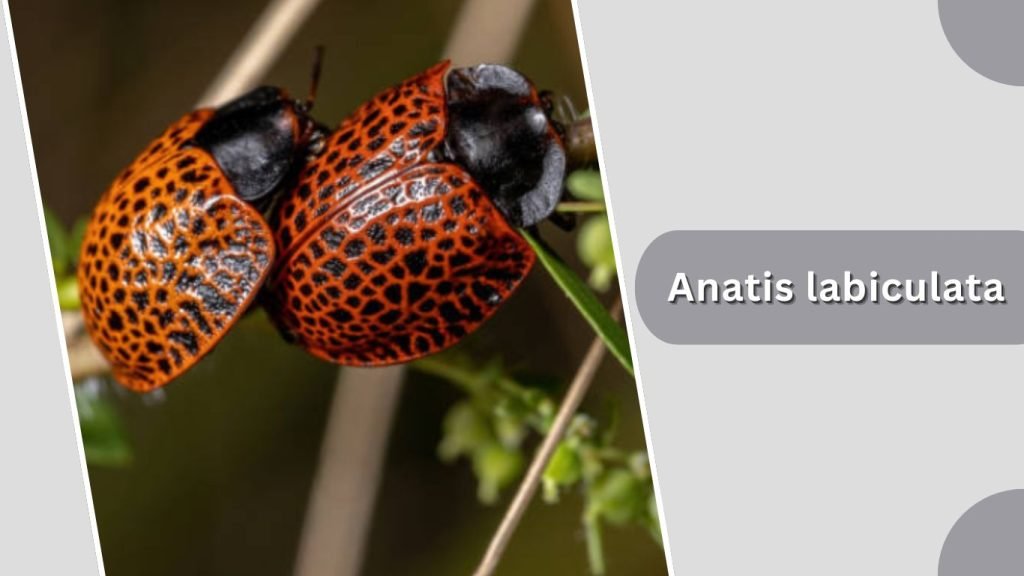
Anatis labiculata, commonly known as the spotless lady beetle, is one of the larger lady beetle species found in North America. Despite its name, some individuals may show faint markings, but it is generally recognized by its plain appearance.
Identification
- Large size, about 7–10 mm long
- Bright red to orange elytra, usually without spots
- Smooth, glossy wing covers
- Broad, dome-shaped body
- Head black with pale markings
- Pronotum with light margins and darker center
Habitat and Distribution
This species is native to North America and is commonly found in forests, especially coniferous and mixed woodlands. It is often associated with trees such as pine, spruce, and fir. It may also appear in gardens and parks where suitable prey is available.
Behavior and Diet
Anatis labiculata is a beneficial predator that feeds mainly on aphids and other soft-bodied insects found on trees. Both larvae and adults are active hunters. They are typically seen on foliage and branches during the day, contributing to natural pest control in forest ecosystems.
Life Cycle
This beetle undergoes complete metamorphosis. Eggs are laid on plant surfaces near prey colonies. Larvae hatch and feed actively before pupating on leaves or bark. Adults emerge and continue feeding and reproduction, with development time depending on environmental conditions.
11. Coccinella novemnotata
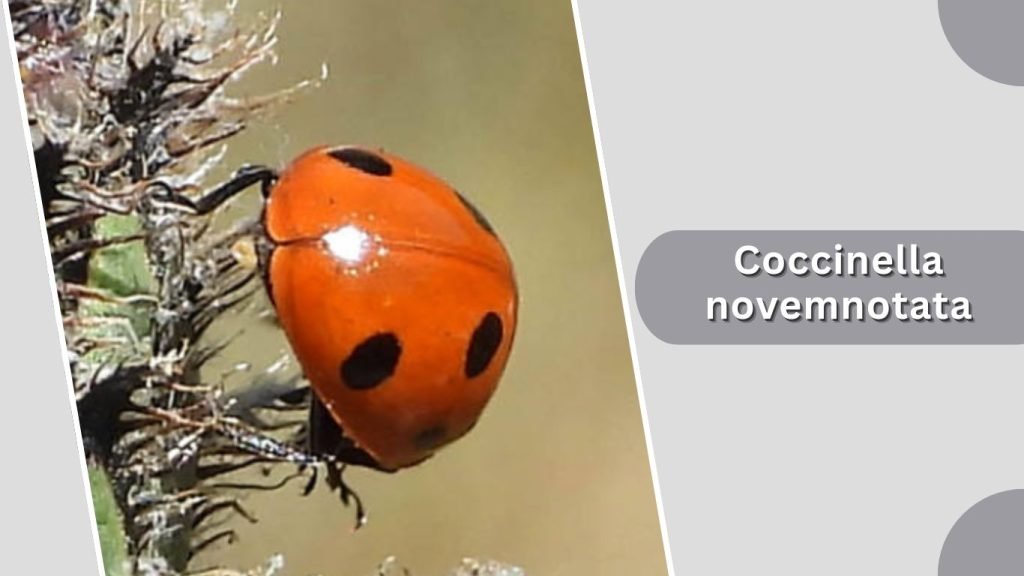
Coccinella novemnotata, commonly known as the nine-spotted lady beetle, was once one of the most common lady beetles in North America. It is now considered rare in many areas.
Identification
- Medium size, about 5–7 mm long
- Orange to red elytra
- Typically nine black spots (though variation may occur)
- Rounded, dome-shaped body
- Head black with small white patches
- Elytra smooth and slightly glossy
Habitat and Distribution
This species is native to North America and was historically widespread across fields, grasslands, and agricultural areas. Today, its population has declined significantly, and it is rarely observed in many regions where it was once common.
Behavior and Diet
Coccinella novemnotata is a predator of aphids and other small insects. Both larvae and adults feed actively on pest species. It was once an important natural control agent in agricultural systems.
Life Cycle
Like other lady beetles, it undergoes complete metamorphosis. Eggs are laid near aphid colonies. Larvae feed and grow before pupating. Adults emerge and continue the cycle, though populations are now much lower than in the past.
12. Psyllobora vigintimaculata

Psyllobora vigintimaculata, commonly known as the twenty-spotted lady beetle, is unique among lady beetles because it feeds primarily on fungi rather than insects. Its pale coloration and numerous spots make it easy to distinguish.
Identification
- Small size, about 3–4 mm long
- Pale yellow to cream-colored body
- Approximately 20 small black spots on the elytra
- Rounded, dome-shaped body
- Elytra smooth and slightly glossy
- Head pale with darker markings
Habitat and Distribution
This species is found across North America, particularly in areas with abundant vegetation. It prefers gardens, forests, and fields where mildew and fungi grow on plant surfaces. It is often seen on leaves affected by fungal growth.
Behavior and Diet
Unlike most lady beetles, Psyllobora vigintimaculata feeds on powdery mildew and other fungi. This makes it beneficial for controlling plant diseases rather than insect pests. It is active during the day and moves slowly across leaf surfaces while feeding.
Life Cycle
The beetle undergoes complete metamorphosis. Eggs are laid on leaves with fungal growth. Larvae feed on fungi and develop through several stages before pupating. Adults emerge and continue feeding, often producing multiple generations per year.
13. Exochomus quadripustulatus
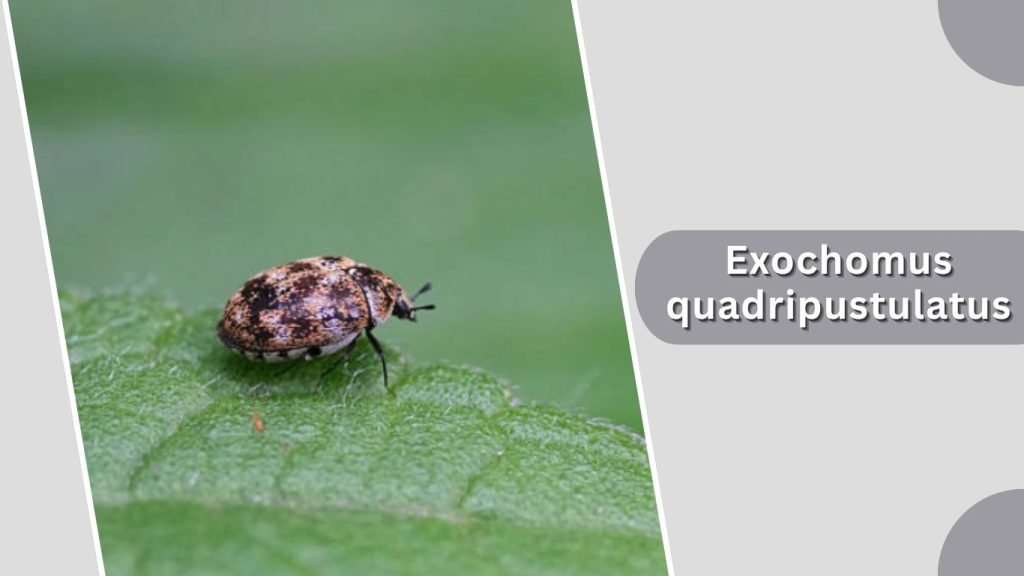
Exochomus quadripustulatus, commonly known as the pine lady beetle, is a small but distinctive species often found in coniferous forests. It is valued for its role in controlling aphids and scale insects.
Identification
- Small size, about 3–5 mm long
- Black, rounded body
- Four red or orange spots on the elytra
- Smooth, glossy surface
- Body compact and dome-shaped
- Head small and mostly hidden from above
Habitat and Distribution
This species is native to Europe and parts of Asia but has been introduced to North America. It is commonly found in coniferous forests, especially on pine trees. It may also appear in gardens and parks with suitable host plants.
Behavior and Diet
Exochomus quadripustulatus is a predator of aphids and scale insects. Both larvae and adults actively hunt on tree bark and foliage. It is particularly useful in controlling pests on conifer trees and is often seen during the warmer months.
Life Cycle
This beetle follows complete metamorphosis. Eggs are laid near colonies of prey insects. Larvae hatch and feed intensively before pupating on plant surfaces. Adults emerge and continue feeding and reproduction, helping regulate pest populations naturally.
14. Hyperaspis undulata
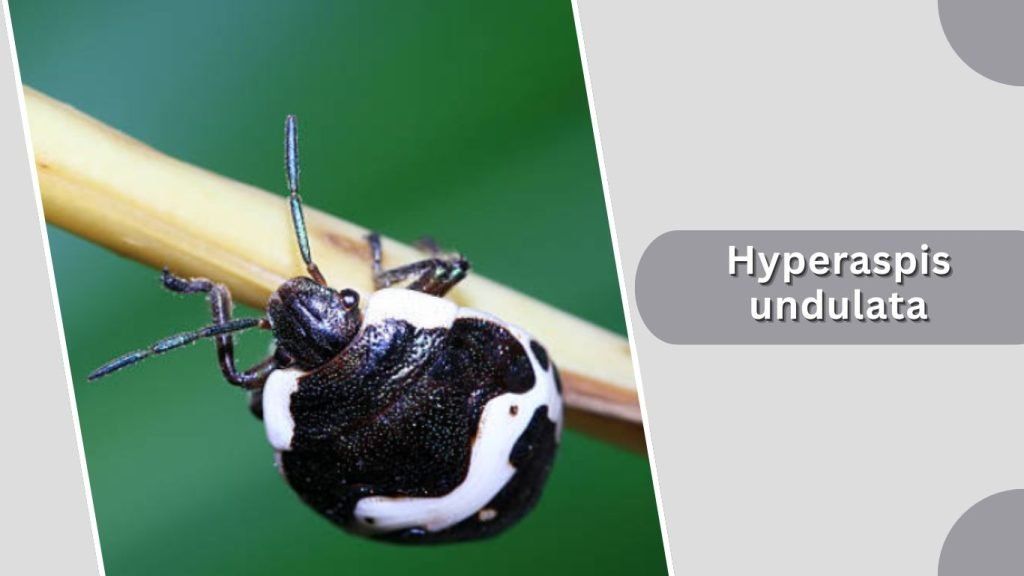
Hyperaspis undulata is a small lady beetle species known for its subtle coloration and effectiveness as a predator of scale insects and aphids. It is less noticeable than brightly colored species but still important in pest control.
Identification
- Small size, about 2–4 mm long
- Oval, compact body
- Dark brown to black coloration
- Elytra may have faint reddish or pale markings
- Surface smooth and slightly shiny
- Head small with short antennae
Habitat and Distribution
This species is found across North America in a variety of habitats, including forests, grasslands, gardens, and agricultural areas. It is commonly associated with plants that host aphids and scale insects.
Behavior and Diet
Hyperaspis undulata is a beneficial predator, feeding mainly on scale insects and aphids. Both larvae and adults actively search for prey on plant surfaces. Due to its small size, it often goes unnoticed despite its important ecological role.
Life Cycle
The beetle undergoes complete metamorphosis. Eggs are laid near prey colonies. Larvae hatch and feed intensively before pupating. Adults emerge and continue feeding and reproduction, often producing multiple generations per year.
15. Scymnus spp.
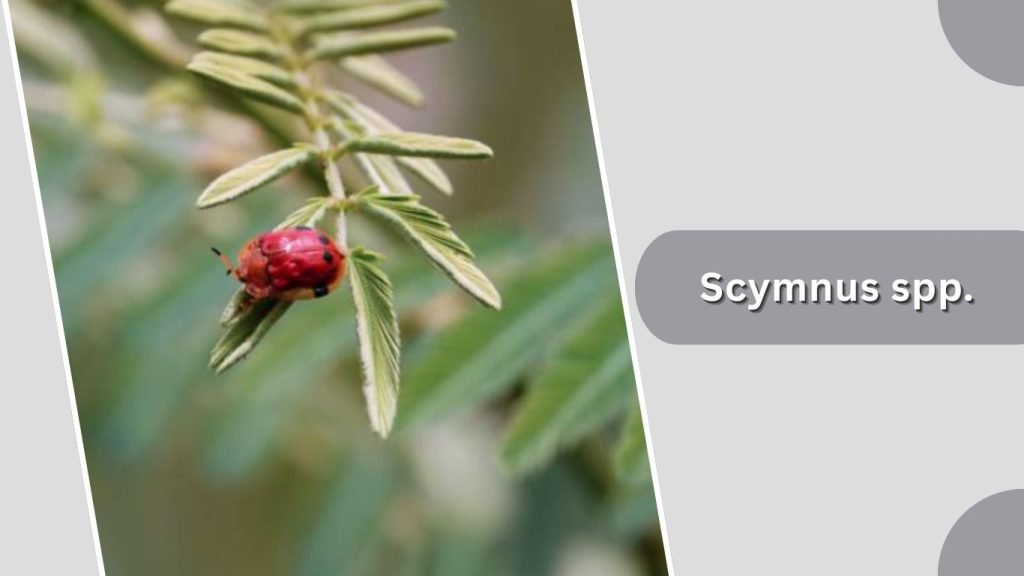
Scymnus is a large genus of small lady beetles commonly referred to as “dusky lady beetles.” These species are important biological control agents but are often overlooked due to their size and less vivid coloration.
Identification
- Very small size, about 1.5–3 mm long
- Oval, slightly elongated body
- Brown, gray, or black coloration
- Body often covered with fine hairs, giving a fuzzy appearance
- Elytra smooth beneath the fine hairs
- Head small and partially hidden
Habitat and Distribution
Scymnus species are widely distributed worldwide. They are found in gardens, forests, agricultural fields, and grasslands. They commonly inhabit areas with high populations of aphids, scale insects, and other small pests.
Behavior and Diet
These beetles are active predators of aphids, scale insects, and mites. Both larvae and adults feed on pests, making them valuable for natural pest control. Their small size allows them to access tight spaces where prey may hide.
Life Cycle
Scymnus beetles follow complete metamorphosis. Eggs are laid near prey sources. Larvae, often covered in waxy filaments, feed actively before pupating. Adults emerge and continue feeding and reproduction, contributing to pest population control.
16. Stethorus punctillum
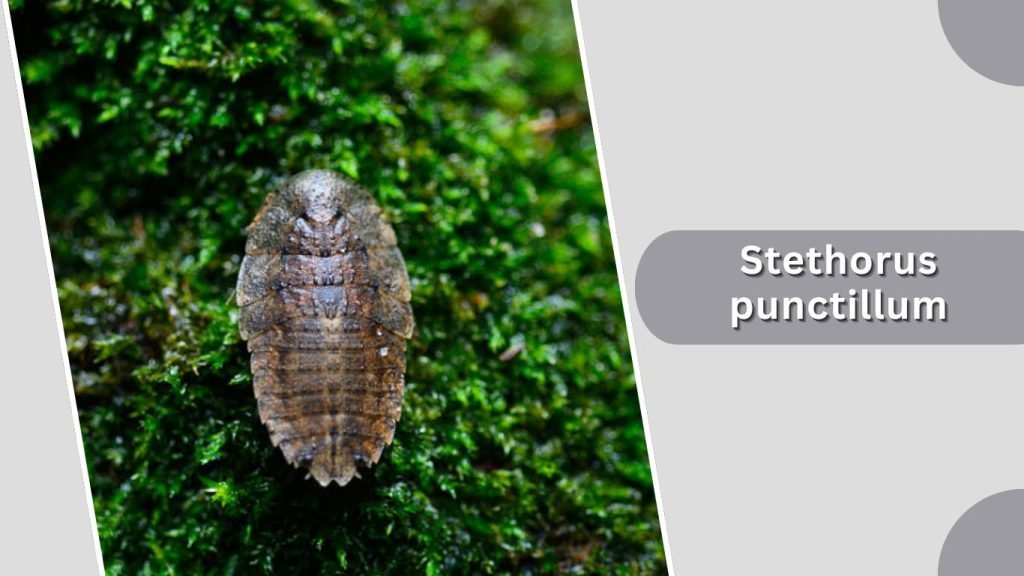
Stethorus punctillum, commonly known as the spider mite destroyer, is a tiny but highly effective lady beetle species. It is especially valued in agriculture for controlling spider mite infestations.
Identification
- Very small size, about 1–2 mm long
- Oval, compact body
- Dark brown to black coloration
- Elytra smooth and slightly shiny
- Body appears slightly hairy under magnification
- Head small with short antennae
Habitat and Distribution
This species is found worldwide, particularly in agricultural fields, orchards, gardens, and greenhouses. It thrives in environments where spider mites are present, often on crops such as vegetables, fruit trees, and ornamental plants.
Behavior and Diet
Stethorus punctillum is a specialized predator that feeds almost exclusively on spider mites. Both larvae and adults consume large numbers of mites daily. It is highly active and plays a crucial role in biological pest control, especially in controlled environments like greenhouses.
Life Cycle
This beetle undergoes complete metamorphosis. Eggs are laid near mite colonies. Larvae hatch and begin feeding immediately, developing through several stages before pupating. Adults emerge and continue feeding and reproduction, often completing multiple generations quickly in warm conditions.
17. Cryptolaemus montrouzieri
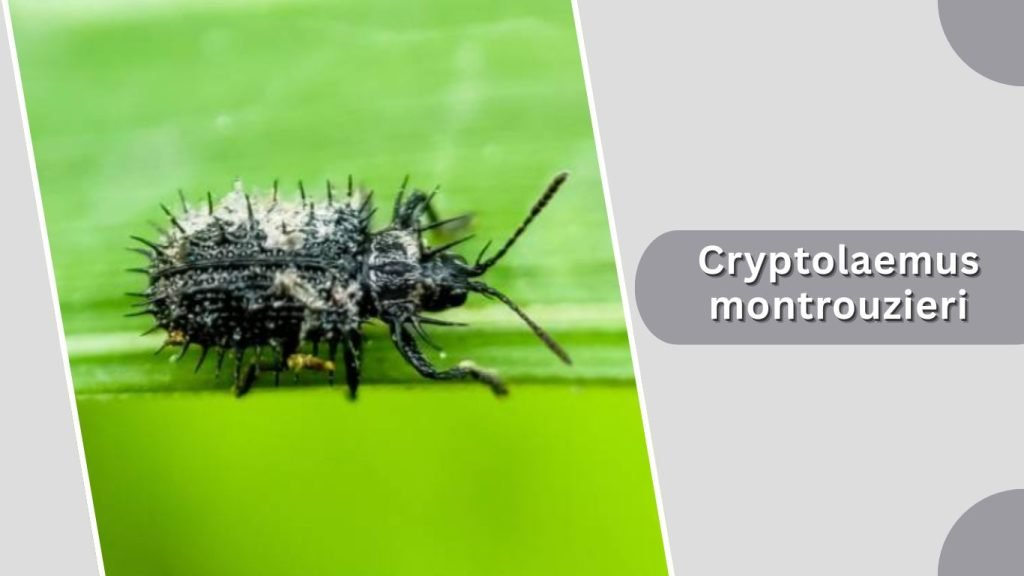
Cryptolaemus montrouzieri, commonly known as the mealybug destroyer, is a well-known biological control agent used worldwide to manage mealybug infestations.
Identification
- Medium size, about 4–6 mm long
- Dark brown to black body with orange head and thorax
- Elytra smooth and slightly shiny
- Body elongated compared to typical round lady beetles
- Larvae covered with white waxy filaments, resembling mealybugs
- Antennae short and segmented
Habitat and Distribution
Native to Australia, this species has been introduced globally for pest control. It is commonly found in gardens, orchards, greenhouses, and agricultural areas where mealybugs are present.
Behavior and Diet
Cryptolaemus montrouzieri feeds primarily on mealybugs. Both larvae and adults are aggressive predators. The larvae mimic mealybugs in appearance, which helps them avoid detection by predators while feeding. This species is highly effective in reducing pest populations.
Life Cycle
The beetle follows complete metamorphosis. Eggs are laid near mealybug colonies. Larvae feed extensively before pupating in sheltered areas. Adults emerge and continue feeding and reproduction. Under favorable conditions, multiple generations can occur each year.
18. Rodolia cardinalis
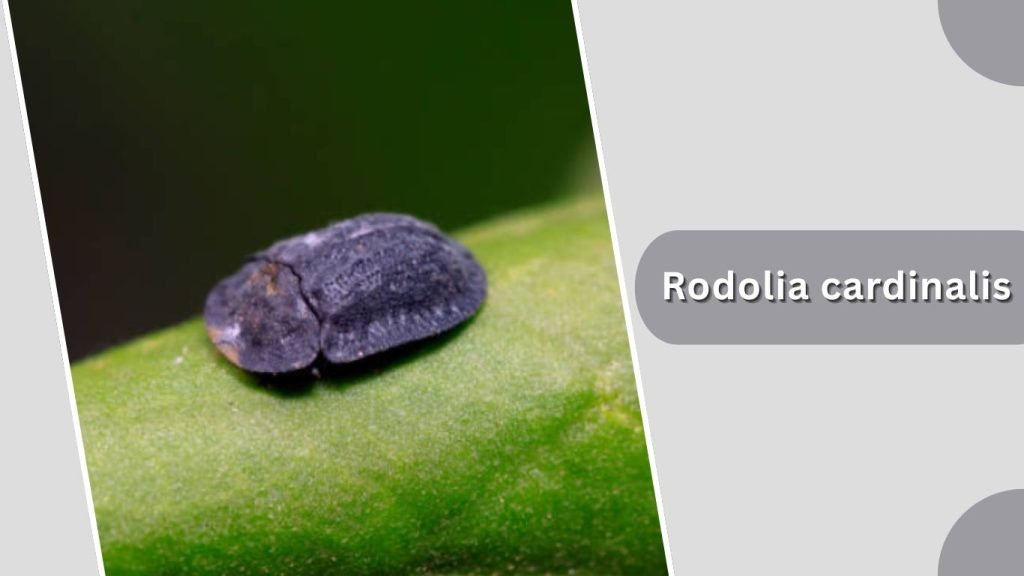
Rodolia cardinalis, commonly known as the vedalia beetle, is one of the most famous lady beetles due to its success in biological pest control. It played a historic role in saving citrus crops from destructive pests.
Identification
- Small size, about 3–4 mm long
- Rounded, dome-shaped body
- Bright red coloration with black markings
- Elytra smooth and glossy
- Head partially hidden from above
- Legs and underside dark
Habitat and Distribution
Native to Australia, Rodolia cardinalis has been introduced worldwide, especially in regions where citrus crops are grown. It is commonly found in orchards, gardens, and agricultural areas where its prey is present. It thrives in warm climates and is often associated with citrus trees.
Behavior and Diet
This species is a specialized predator of cottony cushion scale insects. Both larvae and adults feed actively on these pests, making it one of the most effective biological control agents. It is usually seen on infested plants, where it helps reduce pest populations naturally.
Life Cycle
Rodolia cardinalis undergoes complete metamorphosis. Eggs are laid near scale insect colonies. Larvae hatch and feed intensively before pupating on plant surfaces. Adults emerge and continue feeding and reproduction, often completing several generations in favorable conditions.
19. Henosepilachna vigintioctopunctata
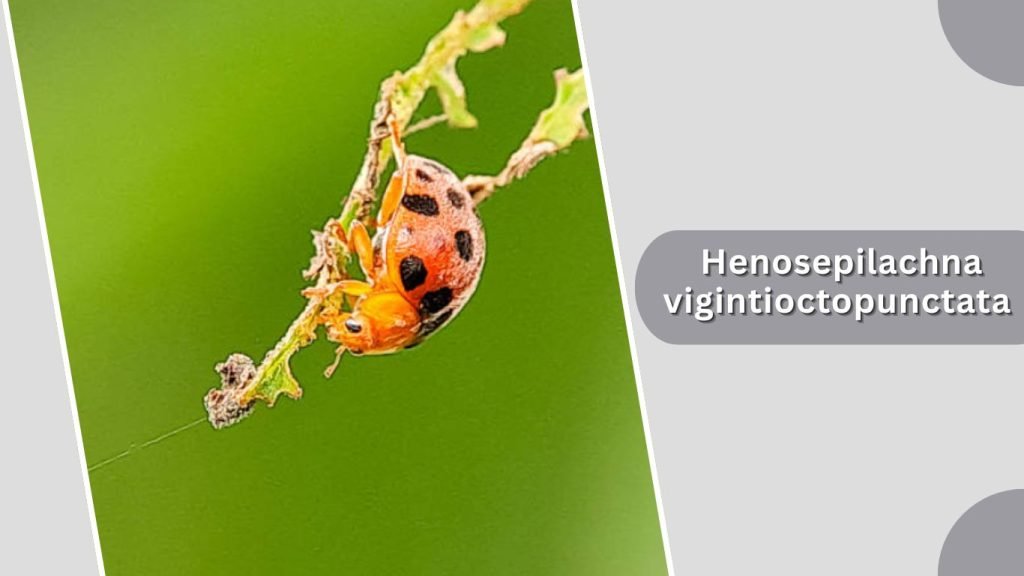
Henosepilachna vigintioctopunctata, commonly known as the 28-spotted lady beetle, is unusual because it is a plant-feeding species rather than a predator. It is considered an agricultural pest in many regions.
Identification
- Medium size, about 6–8 mm long
- Yellow to orange body color
- Elytra covered with 28 black spots
- Body more oval and slightly less domed than predatory species
- Surface covered with fine hairs, giving a dull appearance
- Head small with short antennae
Habitat and Distribution
This species is widely distributed across Asia and parts of Oceania. It is commonly found in agricultural fields, especially where crops like eggplant, potato, and other solanaceous plants are grown. It prefers warm, humid environments.
Behavior and Diet
Unlike most lady beetles, Henosepilachna vigintioctopunctata feeds on plant leaves. Both larvae and adults consume leaf tissue, creating holes and reducing plant health. Heavy infestations can cause significant crop damage, making it a pest species.
Life Cycle
The beetle follows complete metamorphosis. Eggs are laid on the underside of leaves. Larvae feed on plant material and grow through several stages before pupating. Adults emerge and continue feeding and reproduction, often leading to multiple generations in a single growing season.
20. Epilachna varivestis

Epilachna varivestis, commonly known as the Mexican bean beetle, is a plant-feeding lady beetle and a well-known agricultural pest. Unlike most lady beetles that are beneficial predators, this species feeds directly on crops.
Identification
- Medium size, about 6–8 mm long
- Yellow to copper-colored body
- Elytra marked with multiple black spots (usually 16)
- Oval, slightly elongated shape
- Body covered with fine hairs, giving a dull appearance
- Head small with short antennae
Habitat and Distribution
This species is native to Central America but is now widely found in North America, especially in regions where beans are cultivated. It is commonly seen in gardens, farms, and agricultural fields, particularly on bean plants.
Behavior and Diet
Epilachna varivestis feeds on the leaves of bean plants and related crops. Both larvae and adults consume leaf tissue, often leaving a skeletonized appearance. This feeding can significantly reduce crop yield, making it a serious pest in agriculture.
Life Cycle
The beetle undergoes complete metamorphosis. Eggs are laid in clusters on the underside of leaves. Larvae hatch and feed actively on plant tissue before pupating on the plant. Adults emerge and continue feeding and reproduction, often producing several generations during the growing season.
