
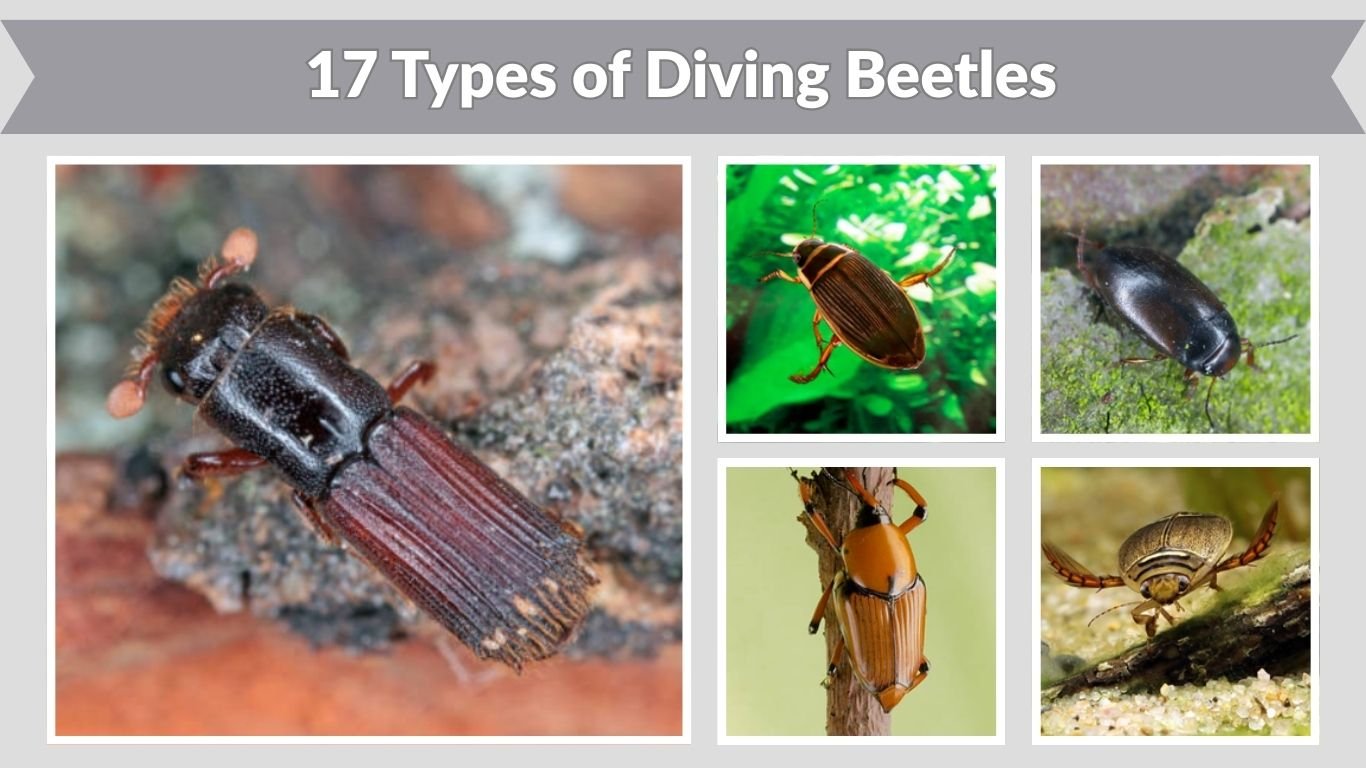
Diving beetles are a fascinating group of aquatic insects known for their excellent swimming ability and predatory nature. Belonging to the family Dytiscidae, they are commonly found in freshwater habitats such as ponds, lakes, marshes, and slow-moving streams. Their streamlined bodies and specially adapted hind legs make them powerful swimmers.
This guide explores 17 different types of diving beetles, focusing on their identification features, habitats, behaviors, and life cycles. While many species are beneficial predators that help control aquatic insect populations, they can also impact small aquatic animals. This list will help you better recognize and understand these unique water-dwelling beetles.
1. Dytiscus marginalis
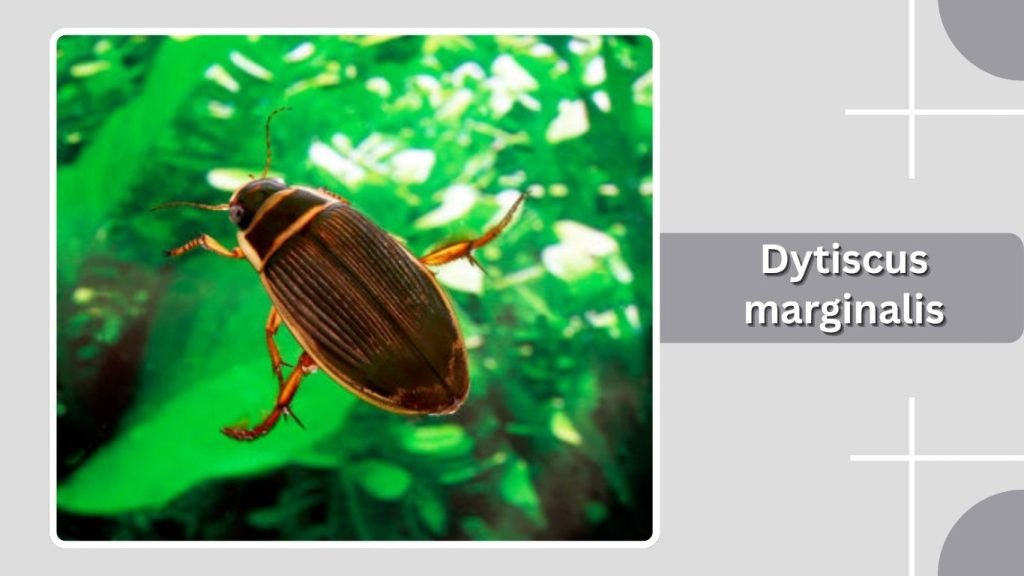
Dytiscus marginalis, commonly known as the great diving beetle, is one of the largest and most recognizable aquatic beetles. It is a powerful swimmer and an active predator, commonly found in freshwater habitats such as ponds and lakes.
Identification
- Large size, about 27–35 mm long
- Oval, streamlined body adapted for swimming
- Dark brown to black coloration with yellow margins along the body
- Smooth, glossy elytra
- Hind legs flattened and fringed with hairs for swimming
- Males have smooth elytra, while females often have grooved wing covers
Habitat and Distribution
This species is widely distributed across Europe and parts of Asia. It inhabits still or slow-moving freshwater environments such as ponds, lakes, marshes, and ditches. It prefers areas with abundant aquatic vegetation, which provides shelter and hunting grounds.
Behavior and Diet
Dytiscus marginalis is a strong predator. Both adults and larvae feed on other aquatic organisms, including insects, tadpoles, and even small fish. They are excellent swimmers and surface periodically to breathe air, storing it under their wing covers.
Life Cycle
The beetle undergoes complete metamorphosis. Eggs are laid in aquatic plants. Larvae, often called “water tigers,” are aggressive predators. After completing development, they leave the water to pupate in soil. Adults emerge and return to water, continuing the cycle.
2. Dytiscus latissimus
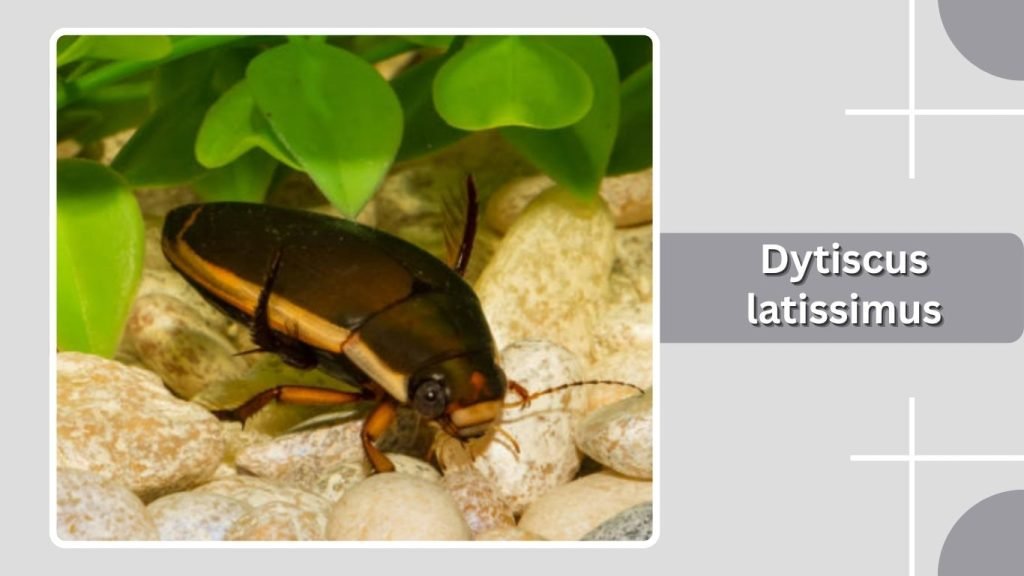
Dytiscus latissimus, commonly known as the broad-bodied diving beetle, is one of the largest and rarest diving beetles in the world. It is closely related to Dytiscus marginalis but can be distinguished by its broader body and conservation status, as it is considered threatened in many regions.
Identification
- Very large size, about 35–45 mm long
- Broad, oval, and flattened body
- Dark brown to black coloration with lighter margins
- Elytra smooth, with females often showing longitudinal grooves
- Hind legs wide, flattened, and fringed with swimming hairs
- Body appears wider and more robust than other Dytiscus species
Habitat and Distribution
This species is found in parts of Europe and northern Asia, though its range has declined significantly. It prefers clean, well-vegetated freshwater habitats such as lakes, ponds, and slow-moving waters. The presence of aquatic plants is important for shelter, breeding, and hunting. Due to habitat loss and pollution, it has become rare in many areas and is protected in several countries.
Behavior and Diet
Dytiscus latissimus is an active aquatic predator. Both adults and larvae feed on a variety of prey, including aquatic insects, small fish, and amphibian larvae. Like other diving beetles, it surfaces to breathe air, storing oxygen beneath its elytra. It is generally more elusive than smaller species and may be less frequently observed due to its rarity.
Life Cycle
This beetle undergoes complete metamorphosis. Eggs are laid in aquatic vegetation. The larvae, often referred to as “water tigers,” are highly predatory and grow rapidly. Once mature, larvae leave the water to pupate in moist soil near the water’s edge. Adults emerge and return to the aquatic environment. The life cycle may take longer than that of smaller species, depending on environmental conditions.
3. Cybister lateralimarginalis
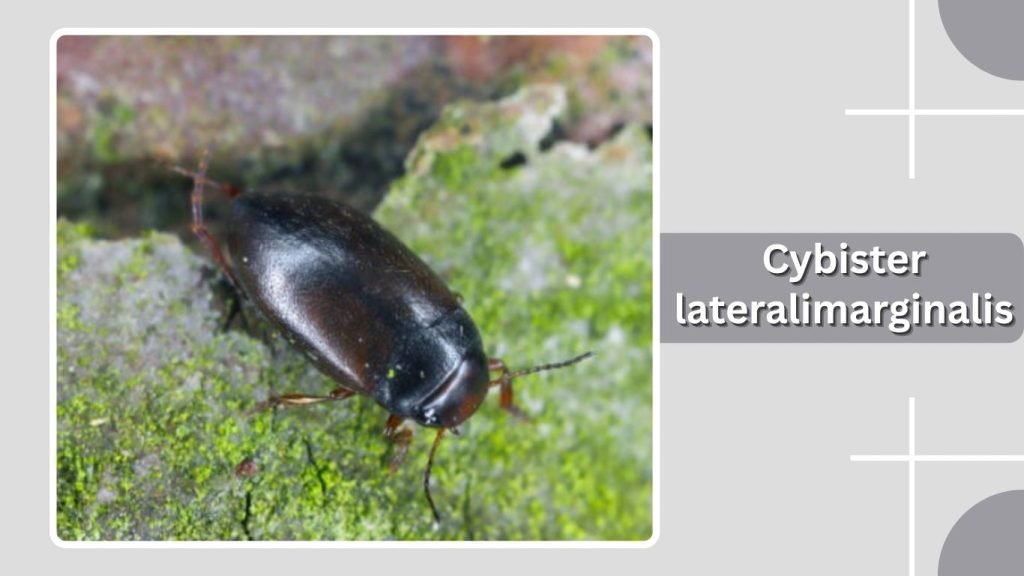
Cybister lateralimarginalis is a large and powerful diving beetle commonly found in freshwater habitats. It is known for its strong swimming ability and predatory behavior, making it one of the dominant aquatic insects in its environment.
Identification
- Large size, about 30–40 mm long
- Elongated oval, streamlined body
- Dark brown to black coloration with lighter margins
- Elytra smooth and shiny
- Hind legs long, flattened, and fringed with hairs
- Body more elongated compared to Dytiscus species
Habitat and Distribution
This species is widely distributed across Europe, Asia, and parts of Africa. It inhabits a variety of freshwater environments, including ponds, lakes, marshes, and slow-moving rivers. It prefers habitats with vegetation and sufficient prey availability.
Behavior and Diet
Cybister lateralimarginalis is a strong predator. Both adults and larvae feed on aquatic insects, tadpoles, and small fish. It is an efficient swimmer, using its hind legs like paddles. The beetle surfaces regularly to replenish its air supply, storing oxygen under its wing covers.
Life Cycle
The species undergoes complete metamorphosis. Eggs are laid in aquatic plants. Larvae develop in water and are highly predatory. Once fully grown, they leave the water to pupate in soil near the shoreline. Adults emerge and return to aquatic habitats, continuing the cycle.
4. Cybister fimbriolatus
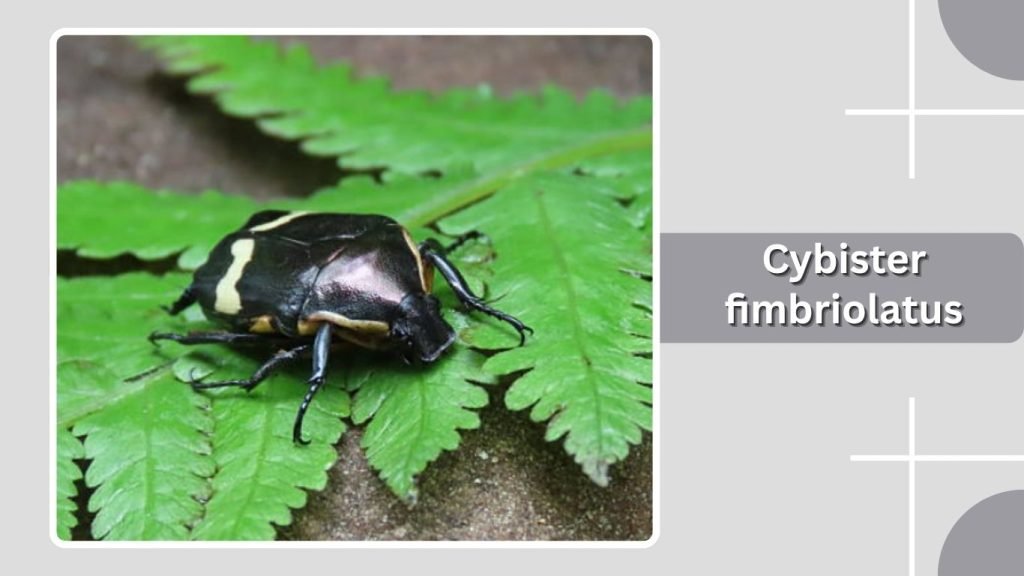
Cybister fimbriolatus, commonly known as the giant diving beetle, is one of the largest aquatic beetles in North America. It is a strong swimmer and an important predator in freshwater ecosystems.
Identification
- Large size, about 30–45 mm long
- Elongated, oval, streamlined body
- Dark brown to black coloration
- Elytra smooth and glossy
- Hind legs long, flattened, and fringed with hairs for swimming
- Body appears robust and slightly tapered toward the rear
Habitat and Distribution
This species is widely distributed across North America. It inhabits ponds, lakes, marshes, and slow-moving streams. It prefers freshwater environments with vegetation and abundant prey. It is commonly found in both natural and man-made water bodies.
Behavior and Diet
Cybister fimbriolatus is a powerful predator. Both adults and larvae feed on aquatic insects, tadpoles, and small fish. It is an excellent swimmer and hunts actively in water. Like other diving beetles, it surfaces to collect air, storing it under its wing covers.
Life Cycle
The beetle undergoes complete metamorphosis. Eggs are laid in aquatic plants. Larvae develop in water and are aggressive predators. Once mature, larvae leave the water to pupate in soil near the edge. Adults emerge and return to aquatic habitats.
5. Acilius sulcatus
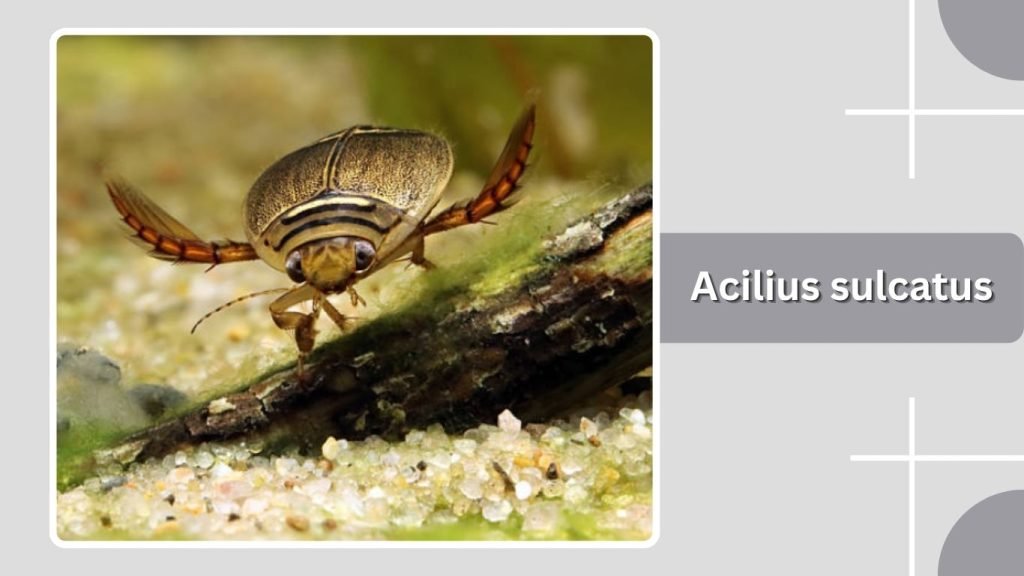
Acilius sulcatus is a medium-sized diving beetle known for its distinctive grooved wing covers, especially in females. It is commonly found in freshwater habitats with dense vegetation.
Identification
- Medium size, about 12–18 mm long
- Oval, streamlined body
- Brown to dark brown coloration with lighter markings
- Elytra grooved in females, smoother in males
- Hind legs flattened and fringed with swimming hairs
- Body slightly rounded compared to larger species
Habitat and Distribution
This species is found across Europe and parts of Asia. It inhabits ponds, lakes, marshes, and ditches with abundant aquatic plants. It prefers still or slow-moving water where it can find shelter and prey.
Behavior and Diet
Acilius sulcatus is a predatory beetle. Both adults and larvae feed on small aquatic organisms, including insect larvae and other invertebrates. It is an active swimmer and surfaces periodically to breathe air.
Life Cycle
Acilius sulcatus follows complete metamorphosis. Eggs are laid in aquatic vegetation. Larvae develop in water and feed actively. When fully grown, they leave the water to pupate in moist soil. Adults emerge and return to the water to continue the cycle.
6. Acilius canaliculatus
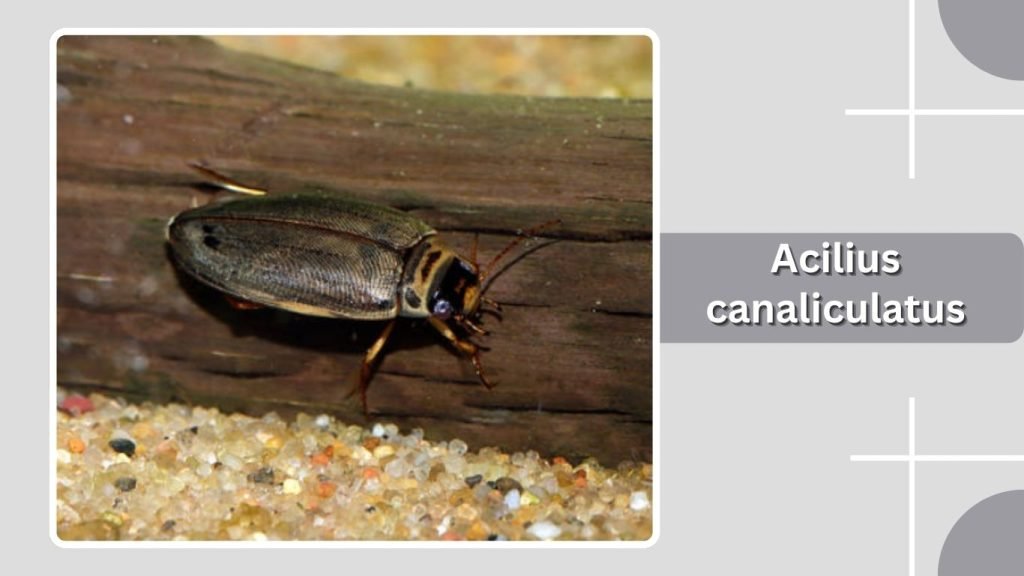
Acilius canaliculatus is a medium-sized diving beetle closely related to Acilius sulcatus. It is known for its streamlined body and adaptation to freshwater habitats, where it serves as an active predator.
Identification
- Medium size, about 10–16 mm long
- Oval, smooth, and streamlined body
- Brown to dark brown coloration with lighter patterns
- Elytra often show subtle grooves, more visible in females
- Hind legs flattened and fringed with hairs for swimming
- Body slightly narrower compared to Acilius sulcatus
Habitat and Distribution
This species is widely distributed across Europe and parts of Asia. It inhabits ponds, marshes, lakes, and slow-moving freshwater bodies. It prefers environments rich in aquatic vegetation, which provide both shelter and hunting grounds. It is commonly found in still or gently flowing waters where oxygen levels and food sources are stable.
Behavior and Diet
Acilius canaliculatus is an active predator throughout both its larval and adult stages. It feeds on small aquatic organisms such as insect larvae, tiny crustaceans, and other invertebrates. The beetle swims efficiently using its hind legs, which act like paddles. Like other diving beetles, it surfaces regularly to collect air, storing it beneath its wing covers for underwater use.
Life Cycle
The species undergoes complete metamorphosis. Eggs are laid within aquatic plants, providing protection and access to food once larvae hatch. The larvae are aggressive predators, growing rapidly in nutrient-rich environments. Once fully developed, they leave the water and burrow into moist soil near the shoreline to pupate. After metamorphosis, adults emerge and return to the water, continuing the life cycle.
7. Hydaticus seminiger
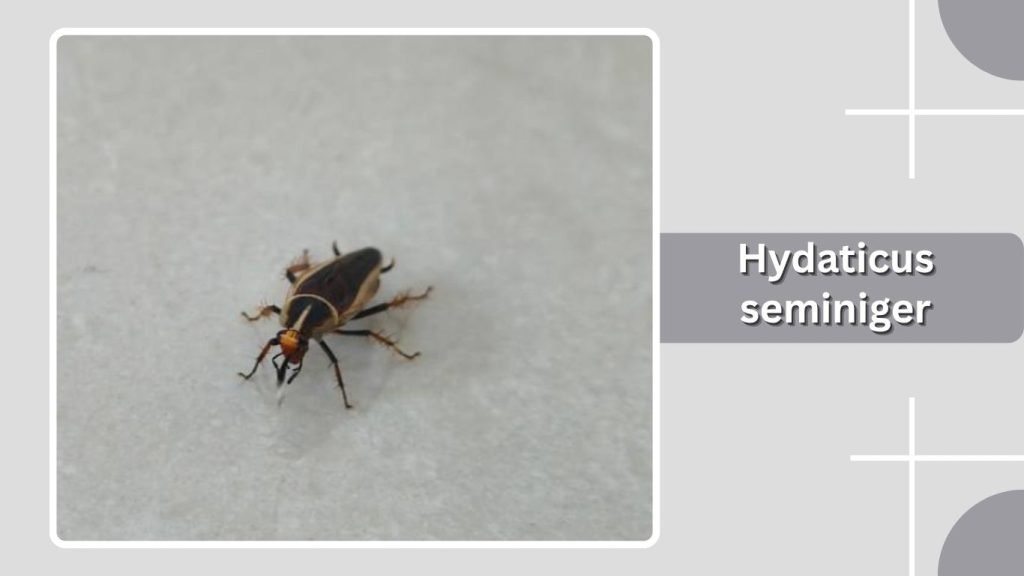
Hydaticus seminiger is a sleek and fast-swimming diving beetle recognized for its contrasting coloration and efficient predatory behavior. It is commonly found in warm freshwater habitats.
Identification
- Medium size, about 12–18 mm long
- Elongated, streamlined oval body
- Dark brown to black coloration with lighter yellow or orange markings
- Elytra smooth and glossy
- Distinct contrasting pattern along the edges of the body
- Hind legs long, flattened, and fringed with hairs
Habitat and Distribution
This species is found across parts of Europe, Asia, and Africa. It inhabits a wide range of freshwater environments, including ponds, lakes, marshes, and slow-moving rivers. It prefers warm climates and is often associated with vegetated water bodies where prey is abundant.
Behavior and Diet
Hydaticus seminiger is a highly active predator. Both adults and larvae hunt aquatic insects, larvae, and small invertebrates. It is a fast swimmer, capable of quick movements to capture prey. Like other diving beetles, it relies on atmospheric oxygen and must surface periodically to breathe.
Life Cycle
Hydaticus seminiger follows complete metamorphosis. Eggs are laid in aquatic vegetation. The larvae develop in water and are aggressive hunters, often referred to as “water tigers.” Once mature, they leave the water to pupate in moist soil. Adults emerge and return to aquatic habitats, where they continue feeding and reproducing.
8. Hydaticus transversalis
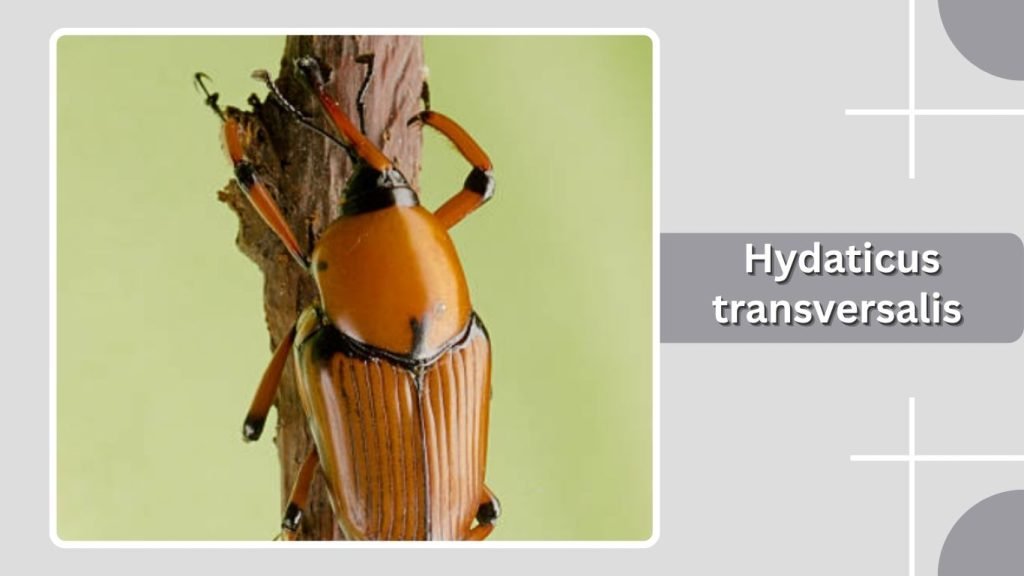
Hydaticus transversalis is a medium-sized diving beetle known for its distinctive banded appearance and active swimming behavior. It is commonly found in warm freshwater habitats and is an efficient aquatic predator.
Identification
- Medium size, about 12–20 mm long
- Oval, streamlined body shape
- Dark brown to black coloration with yellow or pale transverse bands
- Elytra smooth and glossy
- Hind legs flattened and fringed with hairs for swimming
- Body appears slightly broader than related Hydaticus species
Habitat and Distribution
This species is widely distributed across Asia and parts of Africa. It inhabits ponds, lakes, marshes, and slow-moving water bodies. It prefers warm environments with abundant aquatic vegetation, which provides both shelter and feeding opportunities.
Behavior and Diet
Hydaticus transversalis is a strong and active predator. Both adults and larvae feed on aquatic insects, larvae, and small invertebrates. It swims rapidly using its hind legs and captures prey with quick movements. Like other diving beetles, it surfaces to breathe and stores air under its wing covers.
Life Cycle
The beetle undergoes complete metamorphosis. Eggs are laid in aquatic plants. Larvae develop in water and are aggressive feeders. Once fully grown, they leave the water to pupate in moist soil near the edge. Adults emerge and return to aquatic habitats.
9. Graphoderus cinereus

Graphoderus cinereus is a relatively large diving beetle known for its patterned body and preference for clean freshwater habitats. It is less common than some other species but plays an important role in aquatic ecosystems.
Identification
- Medium to large size, about 14–20 mm long
- Oval, slightly flattened body
- Brown to dark coloration with lighter markings or patterns
- Elytra smooth with subtle texture
- Hind legs long, flattened, and fringed with swimming hairs
- Body often appears patterned or mottled
Habitat and Distribution
This species is found in parts of Europe and Asia. It prefers clean, well-vegetated freshwater habitats such as lakes, ponds, and marshes. It is often associated with stable ecosystems and may be less common in polluted or disturbed waters.
Behavior and Diet
Graphoderus cinereus is a predatory beetle. Both adults and larvae feed on aquatic insects and other small organisms. It is a capable swimmer and hunts actively in vegetation-rich waters. Like other diving beetles, it surfaces periodically to breathe air.
Life Cycle
Graphoderus cinereus follows complete metamorphosis. Eggs are laid in aquatic plants. Larvae develop in water and are active predators. When mature, they leave the water to pupate in moist soil. Adults emerge and return to the water, continuing the cycle.
10. Graphoderus zonatus

Graphoderus zonatus is a medium-sized diving beetle known for its patterned body and preference for well-vegetated freshwater habitats. It is closely related to other Graphoderus species but can be distinguished by its markings and distribution.
Identification
- Medium size, about 13–18 mm long
- Oval, slightly flattened body
- Dark brown to black coloration with pale or yellowish bands
- Elytra smooth with visible patterning
- Hind legs flattened and fringed with hairs
- Body appears slightly broader with distinct markings
Habitat and Distribution
This species is found across parts of Europe and Asia. It prefers clean, still or slow-moving freshwater habitats such as ponds, lakes, and marshes. It is often associated with areas rich in aquatic vegetation, which provide shelter and hunting grounds.
Behavior and Diet
Graphoderus zonatus is a predatory beetle. Both adults and larvae feed on aquatic insects, larvae, and small invertebrates. It is an efficient swimmer and hunts among aquatic plants. Like other diving beetles, it surfaces periodically to collect air.
Life Cycle
The beetle undergoes complete metamorphosis. Eggs are laid in aquatic vegetation. Larvae develop in water and are active predators. Once fully grown, they leave the water to pupate in moist soil. Adults emerge and return to aquatic habitats.
11. Colymbetes fuscus
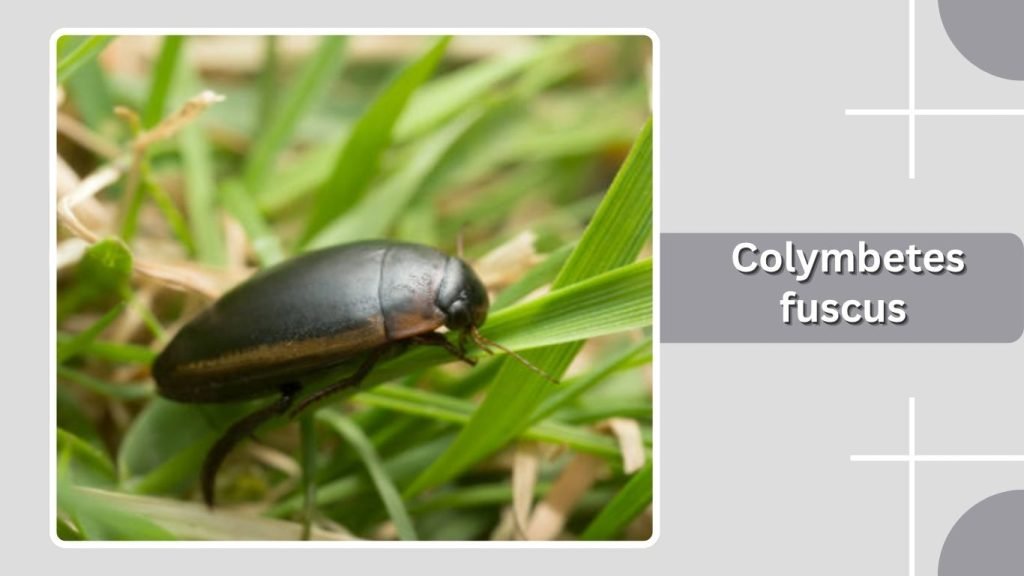
Colymbetes fuscus is a common diving beetle found in a variety of freshwater environments. It is known for its adaptability and strong swimming ability.
Identification
- Medium size, about 14–18 mm long
- Oval, streamlined body
- Dark brown to black coloration, sometimes with lighter margins
- Elytra smooth and slightly glossy
- Hind legs long, flattened, and fringed with hairs
- Body shape well adapted for fast swimming
Habitat and Distribution
This species is widely distributed across Europe and parts of Asia. It inhabits ponds, lakes, marshes, and slow-moving streams. It is tolerant of different environmental conditions and can be found in both natural and artificial water bodies.
Behavior and Diet
Colymbetes fuscus is a predator that feeds on aquatic insects and other small organisms. Both adults and larvae are active hunters. It swims efficiently and surfaces regularly to breathe, storing air under its wing covers.
Life Cycle
Colymbetes fuscus follows complete metamorphosis. Eggs are laid in aquatic plants. Larvae develop in water and feed actively. When mature, they leave the water to pupate in soil near the edge. Adults emerge and return to aquatic habitats.
12. Colymbetes paykulli
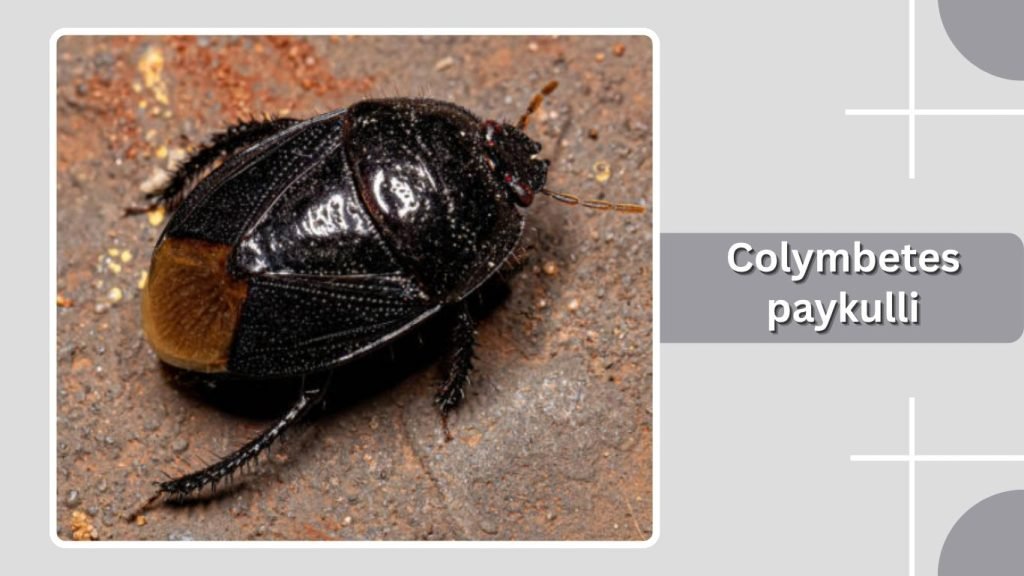
Colymbetes paykulli is a medium-sized diving beetle known for its strong swimming ability and preference for cool, well-vegetated freshwater habitats. It is less commonly encountered than some related species but plays a similar ecological role as an aquatic predator.
Identification
- Medium size, about 13–17 mm long
- Oval, streamlined body shape
- Dark brown to black coloration with a slightly glossy surface
- Elytra smooth, sometimes with faint lighter margins
- Hind legs flattened and fringed with hairs for efficient swimming
- Body appears compact and well-adapted for aquatic movement
Habitat and Distribution
This species is found across parts of Europe and northern Asia. It prefers clean, still or slow-moving freshwater habitats such as ponds, lakes, and marshes. It is often associated with cooler climates and is commonly found in water bodies with abundant aquatic vegetation, which provides both shelter and feeding opportunities.
Behavior and Diet
Colymbetes paykulli is an active predator throughout its life stages. Both adults and larvae feed on aquatic insects, larvae, and other small invertebrates. It swims smoothly using its hind legs and hunts among submerged plants. Like other diving beetles, it periodically surfaces to collect air, storing it beneath its wing covers for underwater respiration.
Life Cycle
The species undergoes complete metamorphosis. Eggs are laid within aquatic vegetation, where they are protected from predators. Larvae hatch and grow in the water, feeding actively and developing quickly under favorable conditions. Once mature, they leave the water to pupate in moist soil near the edge. Adults emerge and return to aquatic environments, continuing the life cycle.
13. Agabus bipustulatus

Agabus bipustulatus is a small to medium-sized diving beetle that is widely distributed and commonly found in a variety of freshwater habitats. It is known for its adaptability and ability to survive in different environmental conditions.
Identification
- Small to medium size, about 6–10 mm long
- Oval, compact body shape
- Dark brown to black coloration
- Often features small reddish or lighter spots near the rear
- Elytra smooth and slightly shiny
- Hind legs flattened and fringed with fine hairs
Habitat and Distribution
This species is widely distributed across Europe, Asia, and parts of North Africa. It inhabits ponds, marshes, ditches, and even temporary water bodies. Agabus bipustulatus is highly adaptable and can survive in a range of conditions, including cooler climates and shallow waters.
Behavior and Diet
Agabus bipustulatus is a predatory beetle that feeds on small aquatic organisms such as insect larvae and tiny invertebrates. It is an active swimmer and hunts among aquatic vegetation. Like other diving beetles, it must surface regularly to breathe air, which it stores beneath its wing covers.
Life Cycle
Agabus bipustulatus follows complete metamorphosis. Eggs are laid in aquatic plants. Larvae develop in water and are active predators. When fully grown, they leave the water to pupate in moist soil. Adults emerge and return to aquatic habitats, where they continue feeding and reproducing.
14. Agabus sturmii

Agabus sturmii is a small diving beetle commonly found in freshwater habitats across temperate regions. It is less noticeable than larger species but plays an important role as a predator in aquatic ecosystems.
Identification
- Small size, about 6–9 mm long
- Oval, compact, and streamlined body
- Dark brown to black coloration
- Elytra smooth with a slightly glossy finish
- Hind legs flattened and fringed with fine hairs
- Body shape adapted for quick swimming
Habitat and Distribution
This species is distributed across Europe and parts of Asia. It inhabits ponds, marshes, ditches, and slow-moving waters. Agabus sturmii prefers shallow water with vegetation, which provides both cover and access to prey. It can also be found in temporary water bodies.
Behavior and Diet
Agabus sturmii is an active predator. Both adults and larvae feed on small aquatic insects and invertebrates. It swims efficiently using its hind legs and hunts among submerged plants. Like other diving beetles, it surfaces periodically to breathe air.
Life Cycle
The beetle undergoes complete metamorphosis. Eggs are laid in aquatic vegetation. Larvae develop in water and are predatory. Once mature, they leave the water to pupate in moist soil near the edge. Adults emerge and return to the water to continue the cycle.
15. Ilybius fenestratus
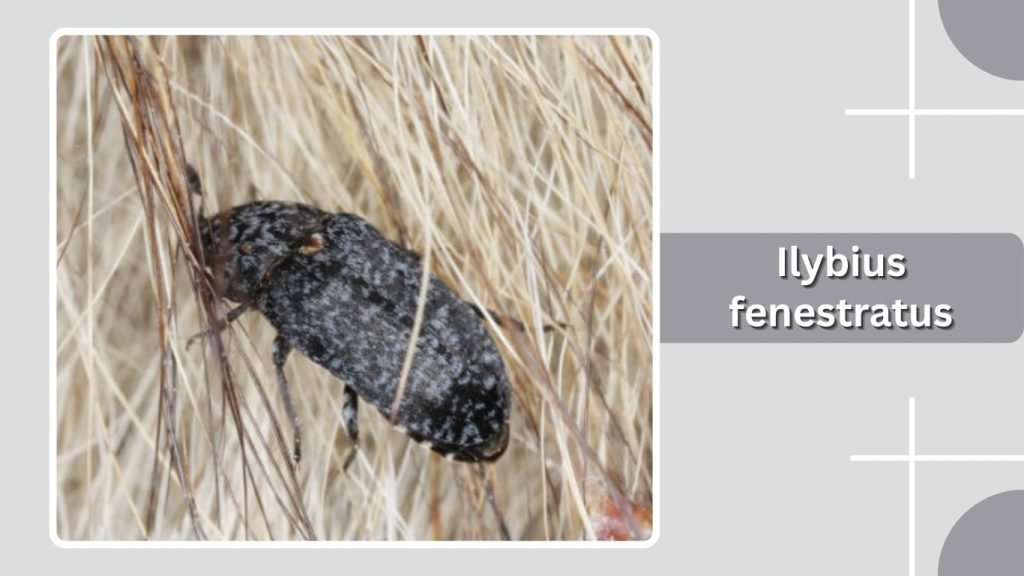
Ilybius fenestratus is a medium-sized diving beetle known for its adaptability and presence in a variety of freshwater habitats. It is commonly encountered in still or slow-moving water bodies.
Identification
- Medium size, about 10–14 mm long
- Oval, smooth, and streamlined body
- Dark brown to black coloration
- Elytra smooth with subtle lighter markings
- Hind legs flattened and fringed with hairs
- Body slightly more elongated than smaller species
Habitat and Distribution
This species is found across Europe and parts of northern Asia. It inhabits ponds, lakes, marshes, and slow-moving streams. It prefers freshwater environments with vegetation and is often found in both permanent and temporary water bodies.
Behavior and Diet
Ilybius fenestratus is a predatory beetle that feeds on aquatic insects and small invertebrates. It is an efficient swimmer and hunts actively in water. Like other diving beetles, it surfaces regularly to collect air for respiration.
Life Cycle
Ilybius fenestratus follows complete metamorphosis. Eggs are laid in aquatic plants. Larvae develop in water and feed actively. When fully grown, they leave the water to pupate in moist soil. Adults emerge and return to aquatic habitats, continuing the life cycle.
16. Rhantus suturalis
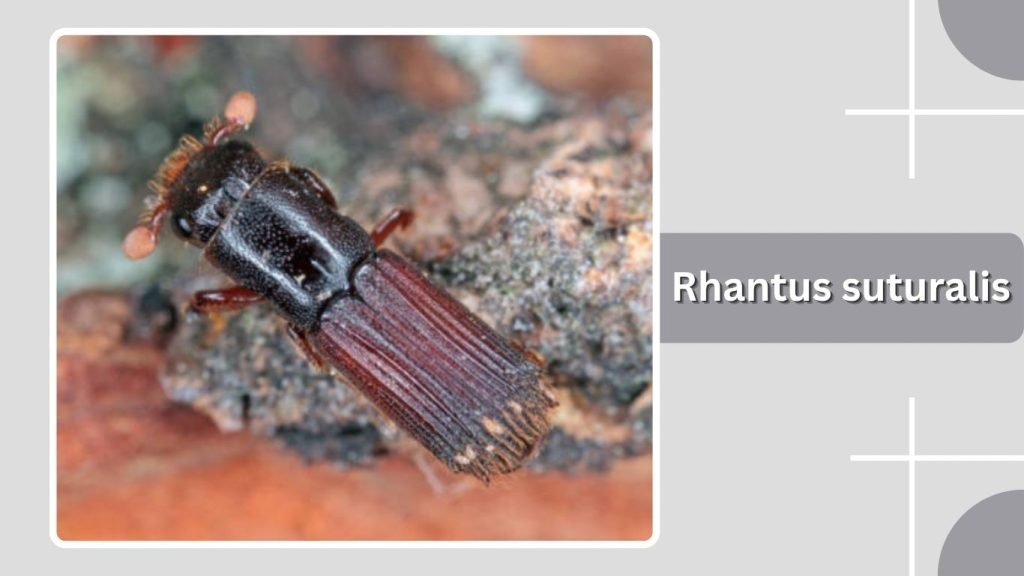
Rhantus suturalis is a small to medium-sized diving beetle known for its agility and adaptability. It is commonly found in a wide range of freshwater habitats and is one of the more frequently encountered species in its group.
Identification
- Small to medium size, about 8–12 mm long
- Oval, streamlined body
- Brown to yellowish-brown coloration with darker markings
- Elytra often show a pale line along the suture
- Hind legs flattened and fringed with hairs for swimming
- Body appears slightly narrower compared to related species
Habitat and Distribution
This species is widely distributed across Europe, Asia, and parts of Africa. It inhabits ponds, lakes, marshes, and temporary water bodies. Rhantus suturalis is highly adaptable and can survive in a variety of freshwater environments, including shallow and seasonal waters.
Behavior and Diet
Rhantus suturalis is an active predator. Both adults and larvae feed on small aquatic organisms such as insect larvae and tiny invertebrates. It swims quickly and hunts among aquatic vegetation. Like other diving beetles, it surfaces regularly to breathe air.
Life Cycle
The species undergoes complete metamorphosis. Eggs are laid in aquatic plants. Larvae develop in water and are predatory. Once mature, they leave the water to pupate in moist soil near the edge. Adults emerge and return to aquatic habitats.
17. Noterus clavicornis
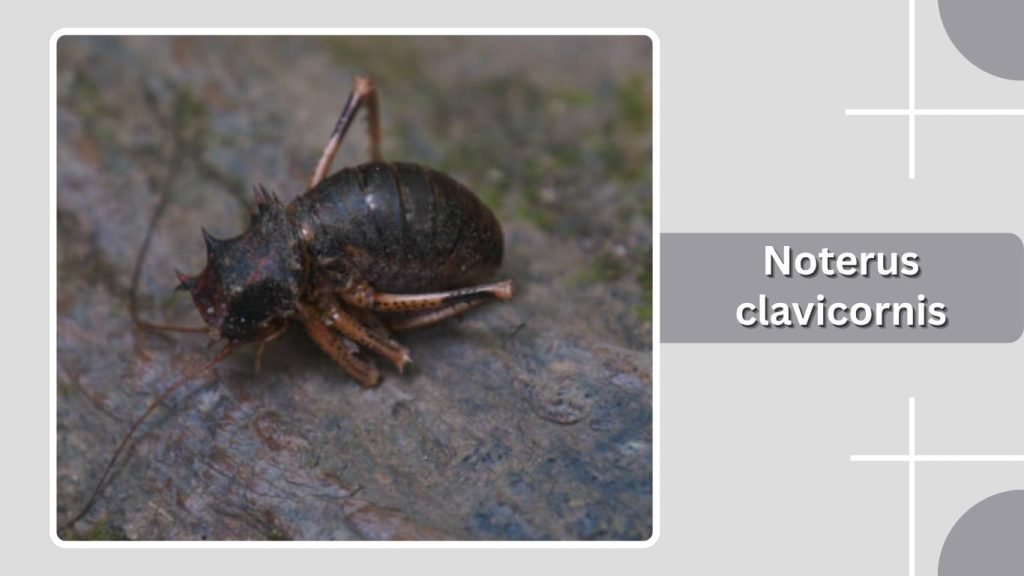
Noterus clavicornis is a small diving beetle belonging to a different subgroup within aquatic beetles. It is known for its compact body and preference for shallow, vegetated water.
Identification
- Small size, about 4–6 mm long
- Oval, compact body shape
- Yellowish-brown to dark brown coloration
- Elytra smooth and slightly shiny
- Antennae short with a slightly clubbed appearance
- Hind legs adapted for swimming but less pronounced than larger species
Habitat and Distribution
This species is found across Europe and parts of Asia. It inhabits shallow ponds, marshes, and slow-moving waters with dense vegetation. It is often found near the edges of water bodies where plant cover is abundant.
Behavior and Diet
Noterus clavicornis is a predator that feeds on very small aquatic organisms. It is less aggressive than larger diving beetles but still plays a role in controlling populations of tiny invertebrates. It moves actively through vegetation and surfaces to breathe air.
Life Cycle
Noterus clavicornis follows complete metamorphosis. Eggs are laid in aquatic plants. Larvae develop in water and feed on small prey. After reaching maturity, they leave the water to pupate in moist soil. Adults emerge and return to aquatic environments.
