
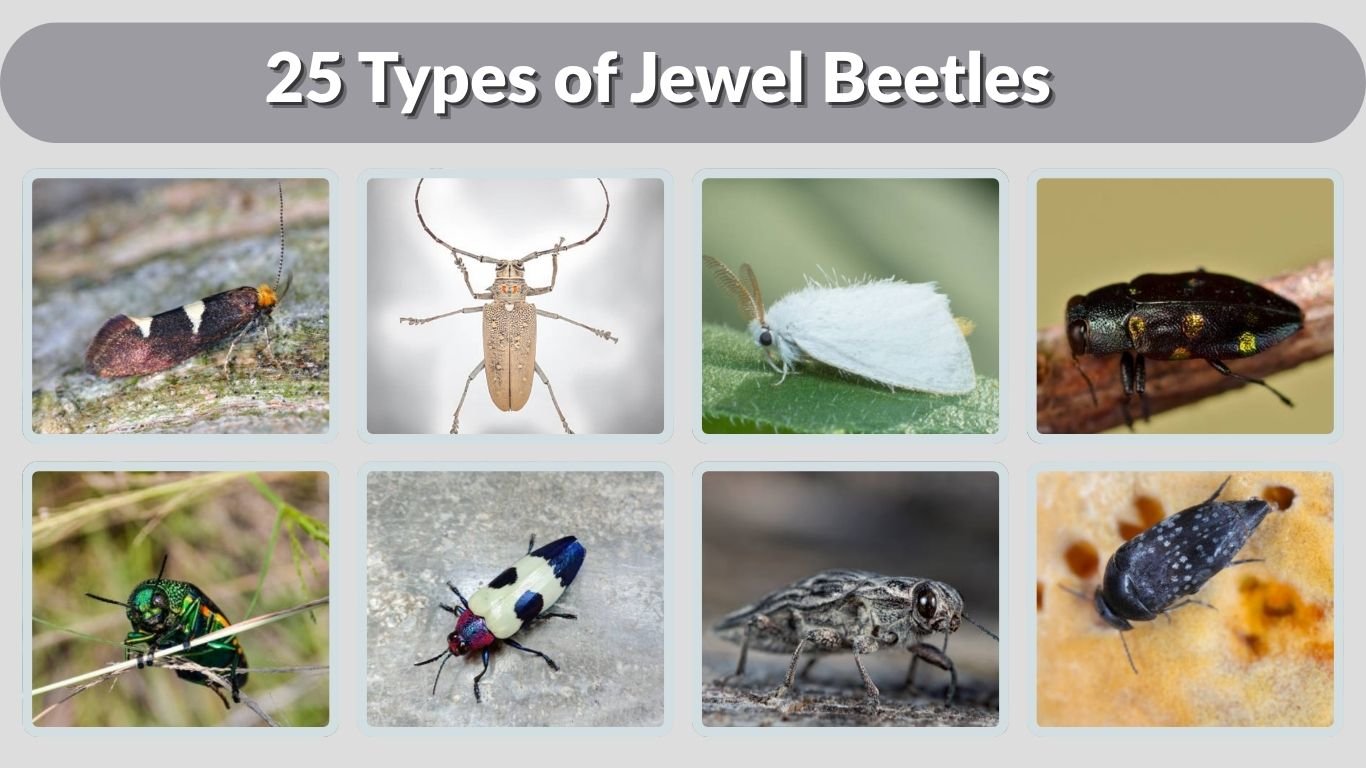
Jewel beetles, belonging to the family Buprestidae, are among the most visually stunning insects in the world. Known for their brilliant metallic colors and iridescent bodies, these beetles are found in a wide range of habitats, from tropical forests to dry woodlands. Their shimmering appearance often makes them easy to recognize, but identifying individual species can still be challenging due to their diversity.
This guide covers 25 different types of jewel beetles, highlighting their key identification features, habitats, behaviors, and life cycles. Some species are harmless and play a role in decomposition, while others are known pests that damage trees and crops. Whether you are a nature enthusiast, student, or researcher, this list will help you better understand and identify these fascinating beetles.
1. Agrilus planipennis
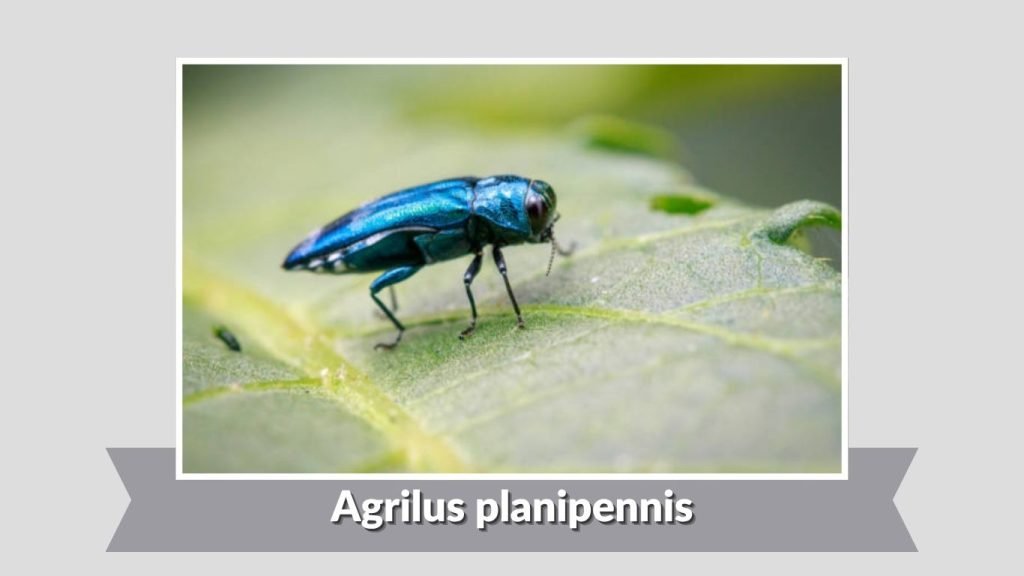
Agrilus planipennis, commonly known as the emerald ash borer, is a highly destructive jewel beetle famous for its metallic green color. Native to Asia, it has become an invasive species in many parts of the world, causing severe damage to ash trees.
Identification
- Small size, about 8–14 mm long
- Slender, elongated body shape
- Bright metallic emerald green coloration
- Elytra narrow and tapering toward the end
- Head relatively flat with large black eyes
- Underside may show a purplish or coppery tone
Habitat and Distribution
This beetle is native to northeastern Asia but has spread widely to North America and parts of Europe. It primarily inhabits areas where ash trees (Fraxinus species) are present, including forests, urban landscapes, and plantations. Infestations are often found in both natural and human-managed environments.
Behavior and Diet
Adults feed on ash leaves, causing minor damage. However, the larvae are the most harmful stage, boring into the inner bark and disrupting the tree’s ability to transport water and nutrients. This feeding behavior eventually leads to tree death. Adults are active during warmer months.
Life Cycle
Agrilus planipennis undergoes complete metamorphosis. Eggs are laid on the bark of ash trees. After hatching, larvae tunnel beneath the bark, creating distinctive S-shaped galleries. They overwinter inside the tree, pupate, and emerge as adults, typically completing one life cycle per year depending on climate.
2. Agrilus biguttatus
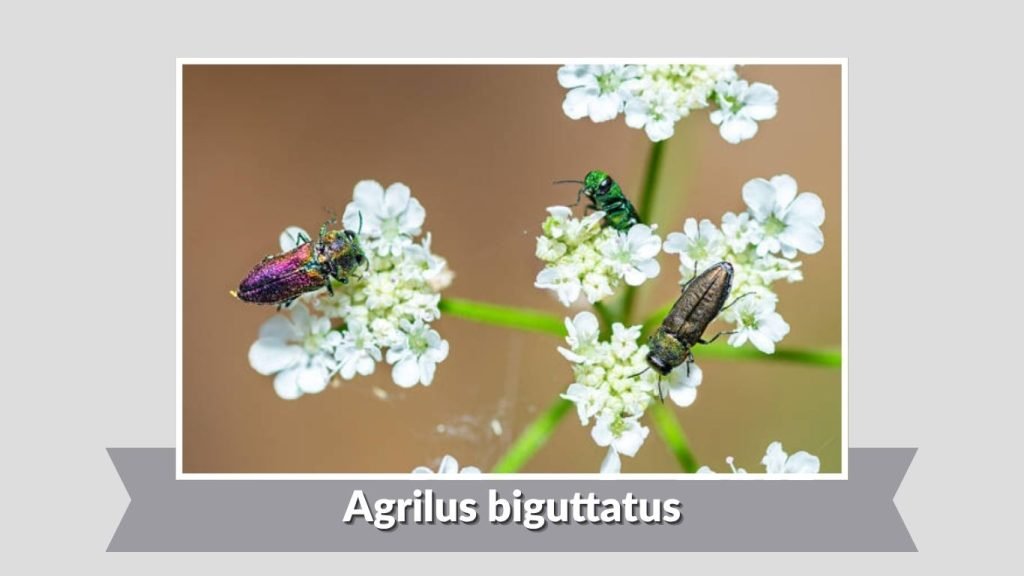
Agrilus biguttatus, commonly known as the two-spotted oak borer, is a jewel beetle recognized for its metallic sheen and association with oak trees. It plays a role in forest ecology but can become problematic when populations increase, especially in stressed or weakened trees.
Identification
- Medium size, about 8–13 mm long
- Slender, elongated body typical of jewel beetles
- Dark metallic green to bronze coloration
- Two distinct pale or whitish spots near the rear of the elytra
- Elytra smooth and slightly tapered toward the end
- Antennae short and serrated
Habitat and Distribution
This species is primarily found across Europe and parts of western Asia. It inhabits deciduous forests, particularly those dominated by oak trees (Quercus species). It is more commonly found in warmer regions and areas where trees are under environmental stress, such as drought-affected forests. The beetle prefers mature woodlands but may also appear in parks and managed landscapes.
Behavior and Diet
Adult beetles feed on oak leaves, usually causing minimal visible damage. The larvae, however, live beneath the bark of oak trees, where they feed on the inner tissues. This feeding creates winding galleries that disrupt the tree’s vascular system. While healthy trees can often tolerate low infestations, weakened trees may suffer significant damage, making this species an indicator of declining forest health.
Life Cycle
Agrilus biguttatus undergoes complete metamorphosis. Females lay eggs in bark crevices of oak trees. After hatching, larvae bore into the cambium layer and feed while creating tunnels. The larval stage can last one to two years depending on environmental conditions. Pupation occurs within the tree, and adults emerge through small exit holes, typically during late spring or summer.
3. Agrilus anxius
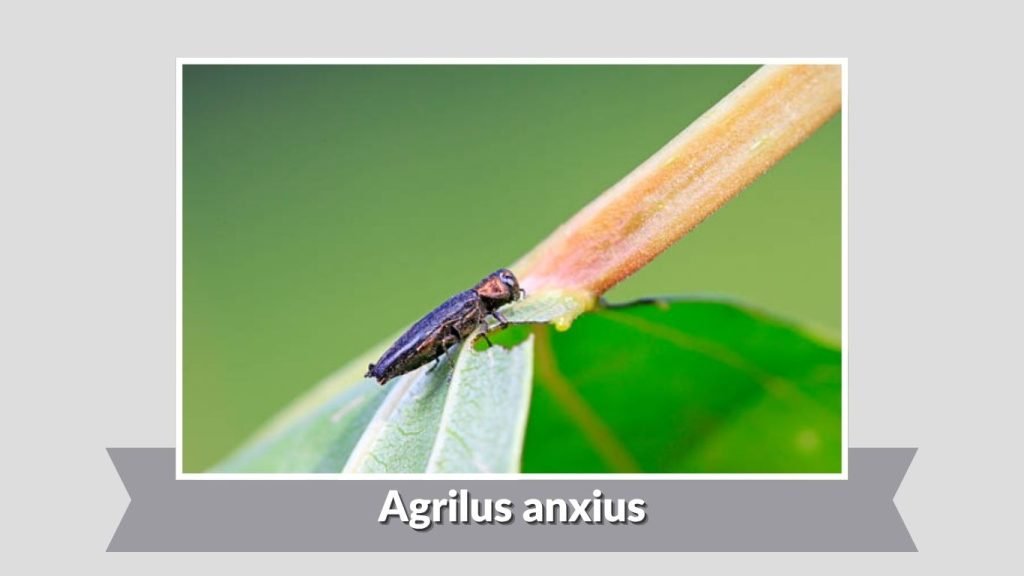
Agrilus anxius, known as the bronze birch borer, is a destructive jewel beetle that primarily targets birch trees. It is native to North America and is considered a serious pest, especially for ornamental and stressed birch species.
Identification
- Small to medium size, about 6–12 mm long
- Slender, elongated body
- Bronze to dark metallic brown coloration
- Elytra narrow and tapering toward the tip
- Head slightly flattened with noticeable eyes
- Exit holes are D-shaped, a key identification sign
Habitat and Distribution
This beetle is widespread across North America, particularly in regions where birch trees (Betula species) are common. It is frequently found in forests, urban landscapes, and residential areas where birch trees are planted. The species tends to infest trees that are stressed due to drought, poor soil, or environmental conditions.
Behavior and Diet
Adult beetles feed on birch leaves, causing only minor damage. The larvae are the primary threat, as they tunnel beneath the bark and disrupt the flow of nutrients and water. Infested trees often show signs such as dieback, thinning canopy, and eventual death. The beetle is especially harmful to non-native birch species.
Life Cycle
Agrilus anxius follows complete metamorphosis. Eggs are laid on the bark of birch trees. Larvae hatch and bore into the tree, feeding in the cambium layer and forming serpentine galleries. The larval stage may last one or two years. Pupation occurs within the tree, and adults emerge through characteristic D-shaped exit holes during warmer months.
4. Chrysochroa fulgidissima
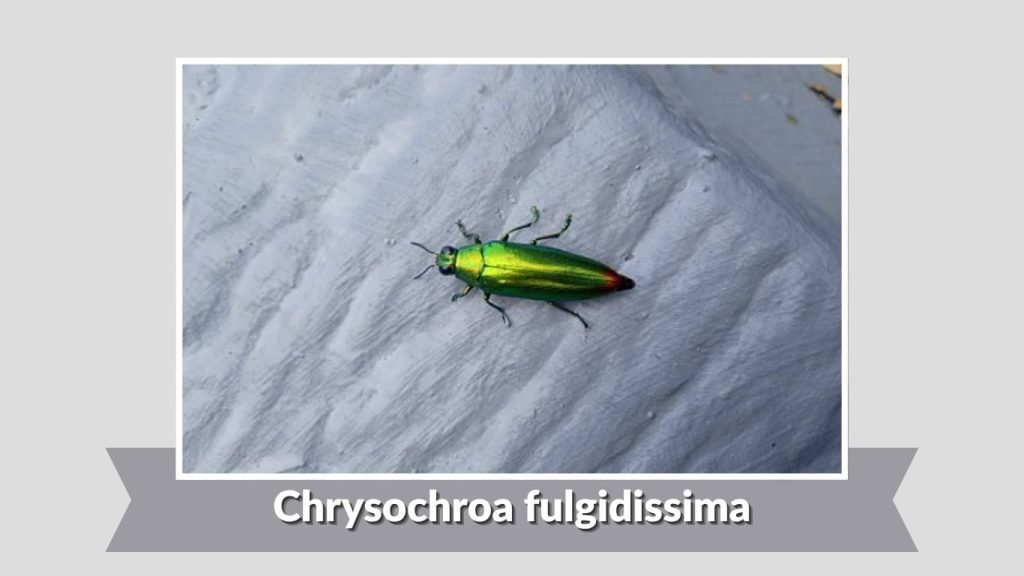
Chrysochroa fulgidissima, commonly known as the jewel beetle or “tamamushi,” is one of the most visually striking species due to its brilliant iridescent colors. It has cultural significance in Japan, where its wing covers have been used in traditional art and decoration.
Identification
- Medium size, about 20–40 mm long
- Elongated, robust body
- Bright metallic green with iridescent rainbow reflections
- Elytra smooth and highly glossy
- Head small compared to body, with short antennae
- Underside often coppery or purplish
Habitat and Distribution
This species is native to East Asia, particularly Japan, China, and Korea. It is commonly found in forests, especially areas with dead or dying trees. It prefers warm, temperate climates and is often seen resting on tree trunks or flying during sunny weather.
Behavior and Diet
Adults feed on tree sap and foliage, though they are not considered serious pests. Larvae develop inside dead or weakened wood, feeding on internal tissues. This makes them important contributors to wood decomposition and nutrient recycling in forest ecosystems.
Life Cycle
The beetle undergoes complete metamorphosis. Eggs are laid on bark, and larvae bore into wood where they develop over several months or even years. After pupation inside the wood, adults emerge and are most active during warm seasons.
5. Chalcophora virginiensis
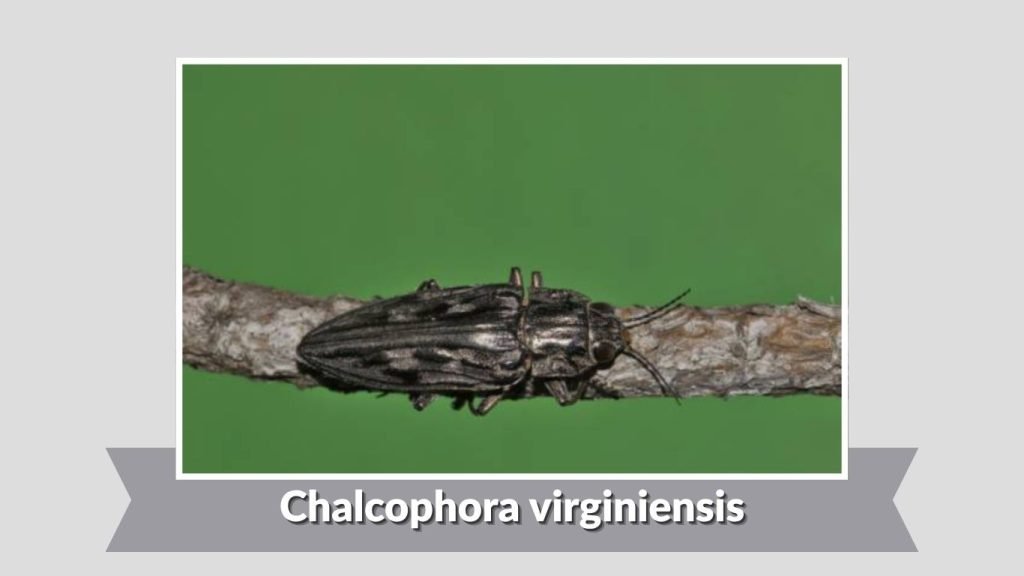
Chalcophora virginiensis, commonly known as the sculptured pine borer, is one of the largest jewel beetles in North America. It is notable for its rugged, textured appearance and association with pine trees.
Identification
- Large size, about 20–35 mm long
- Flattened, elongated body
- Dark brown to black coloration with bronze highlights
- Elytra deeply ridged and sculptured
- Surface appears rough and textured
- Antennae short and serrated
Habitat and Distribution
This species is widely distributed across North America, especially in regions with abundant pine forests. It prefers coniferous woodlands and is commonly found on or near pine trees, particularly those that are recently dead or weakened.
Behavior and Diet
Adults are often seen resting on tree bark, where their coloration provides excellent camouflage. They feed lightly on foliage or bark. Larvae bore into dead or dying pine wood, creating tunnels as they feed. While they can occasionally infest weakened trees, they primarily target already compromised wood.
Life Cycle
Chalcophora virginiensis undergoes complete metamorphosis. Eggs are laid on bark, and larvae tunnel into wood, where they develop over one to two years. Pupation occurs within the wood, and adults emerge through oval exit holes, usually during late spring or summer.
6. Buprestis aurulenta
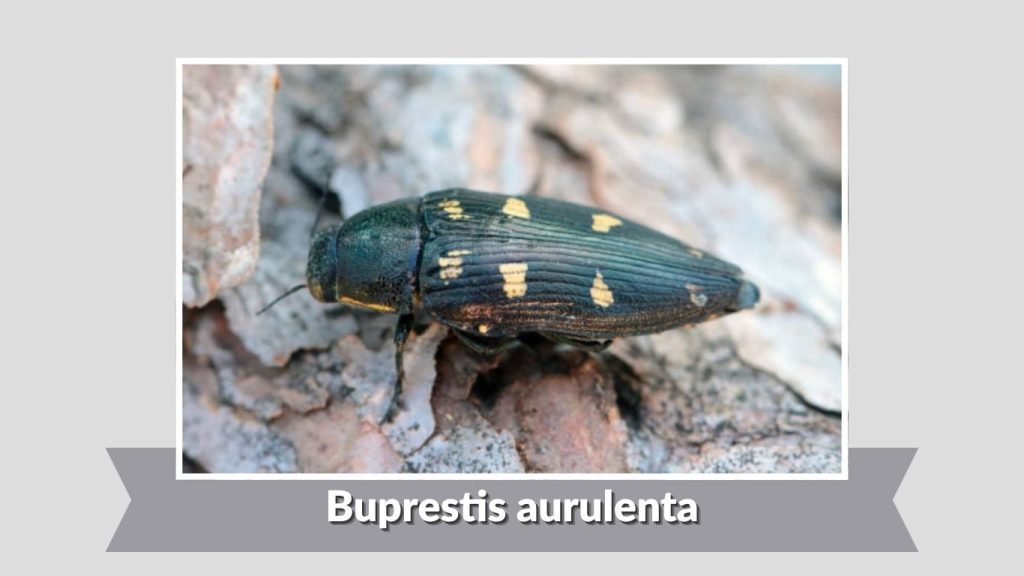
Buprestis aurulenta, commonly known as the golden jewel beetle, is a striking species recognized for its metallic sheen and long lifespan. It is famous for occasionally emerging from wooden structures years after the wood was harvested.
Identification
- Medium to large size, about 12–25 mm long
- Elongated, narrow body shape
- Metallic green with golden or reddish longitudinal stripes
- Elytra smooth and shiny
- Head small with short, serrated antennae
- Underside often coppery or metallic
Habitat and Distribution
This species is found in North America, particularly in coniferous forests. It is commonly associated with pine, fir, and other softwood trees. Larvae develop in dead or dying wood and may remain inside processed timber, which explains their occasional emergence from wooden buildings or furniture.
Behavior and Diet
Adults feed on foliage, though they cause minimal damage. The larvae bore deep into wood, feeding on the internal tissues of dead or weakened trees. They are important in the decomposition process but can be surprising when they emerge from structural wood long after construction.
Life Cycle
Buprestis aurulenta undergoes complete metamorphosis. Eggs are laid on bark, and larvae tunnel into wood where they develop slowly. The larval stage can last several years. After pupation within the wood, adults emerge, sometimes decades later under unusual conditions.
7. Buprestis octoguttata
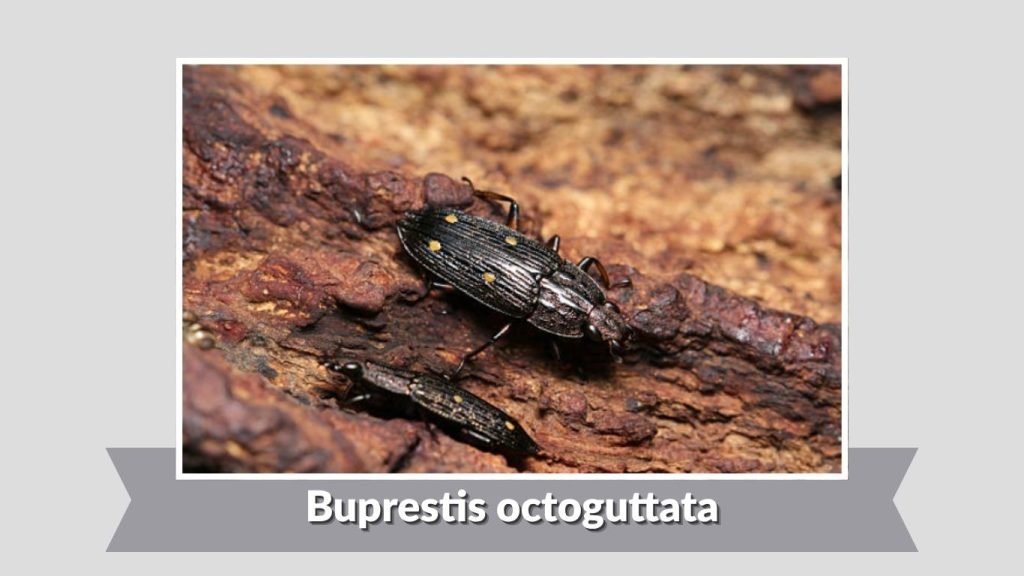
Buprestis octoguttata, often called the eight-spotted jewel beetle, is known for its distinctive markings and metallic coloration. It is commonly found in forested regions and is associated with conifer trees.
Identification
- Medium size, about 12–20 mm long
- Elongated, slightly flattened body
- Dark metallic green or blue coloration
- Elytra marked with bright yellow or orange spots (usually eight)
- Smooth and glossy surface
- Antennae short and serrated
Habitat and Distribution
This species is native to North America and is typically found in coniferous forests. It prefers habitats with pine and fir trees, especially areas where trees are dead, dying, or recently cut. It is often seen on logs or tree trunks during warm months.
Behavior and Diet
Adults are active during sunny weather and may be seen resting on wood surfaces. They feed lightly on foliage. Larvae bore into conifer wood, feeding on internal tissues and contributing to wood breakdown. They are generally not considered serious pests.
Life Cycle
The beetle undergoes complete metamorphosis. Eggs are laid on bark, and larvae tunnel into wood where they develop over one or more years. Pupation occurs within the wood, and adults emerge through exit holes, usually during late spring or summer.
8. Julodis onopordi
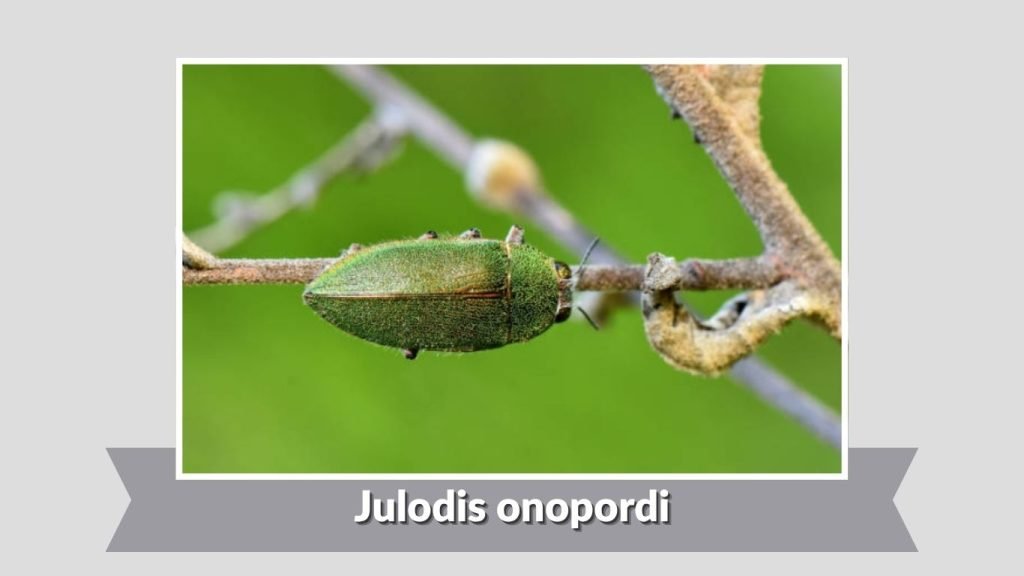
Julodis onopordi is a large and visually striking jewel beetle commonly found in arid and semi-arid regions. It is well known for its robust body and textured, often dusty appearance, which helps it blend into dry environments.
Identification
- Large size, about 25–40 mm long
- Broad, robust, and slightly flattened body
- Dark bronze to black coloration, often covered with fine dust or coating
- Elytra rough, with small pits or textures
- Antennae short and slightly serrated
- Legs strong and adapted for walking on hot ground
Habitat and Distribution
This species is primarily found in North Africa, the Middle East, and parts of southern Europe. It prefers dry habitats such as deserts, scrublands, and open plains. Julodis onopordi is often seen on the ground or on low vegetation, especially in sunny, exposed areas where it can tolerate high temperatures.
Behavior and Diet
Adults are active during the day and are often observed basking in sunlight. They feed mainly on plant material, particularly leaves and flowers. The larvae develop inside plant stems or roots, depending on the host plant. Their tough outer body and slow movement help them survive in harsh, dry conditions with minimal water.
Life Cycle
Julodis onopordi undergoes complete metamorphosis. Eggs are laid on or near host plants. After hatching, larvae bore into plant tissue where they develop and feed. Pupation occurs within the plant or soil. Adults emerge during warm seasons and are most active in hot, sunny conditions.
9. Sternocera aequisignata
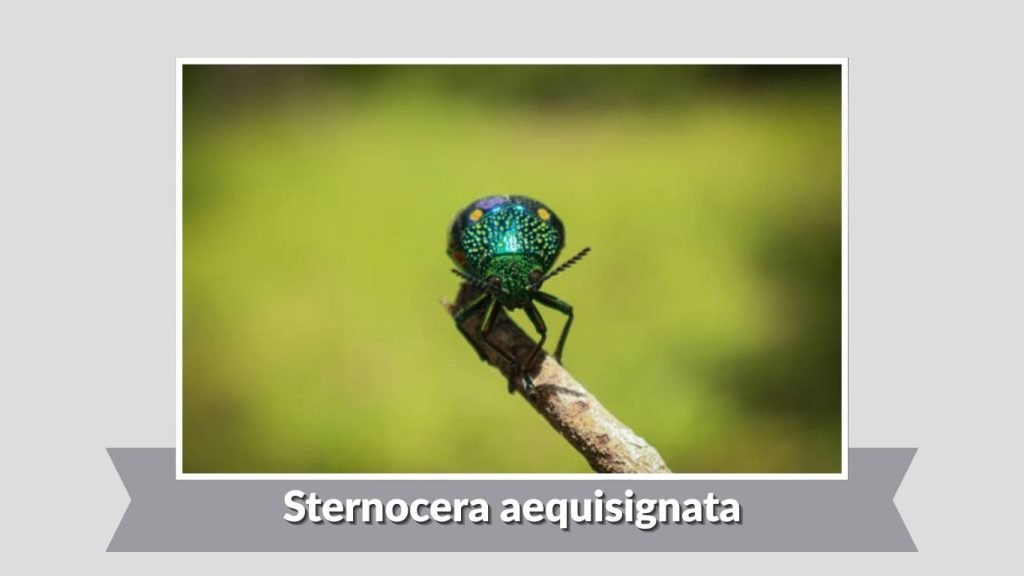
Sternocera aequisignata is a beautiful jewel beetle admired for its bright metallic coloration. It is commonly used in jewelry and decorative art due to its vivid and durable wing covers.
Identification
- Medium to large size, about 25–35 mm long
- Broad, oval, and slightly flattened body
- Bright metallic green or blue coloration
- Elytra smooth, shiny, and highly reflective
- Head small with short antennae
- Body appears compact and sturdy
Habitat and Distribution
This species is found in South and Southeast Asia, including countries like India, Thailand, and surrounding regions. It inhabits forests, grasslands, and agricultural areas where host plants are available. It is often seen on vegetation during warm seasons.
Behavior and Diet
Adults feed on leaves of host plants, particularly legumes and shrubs. They are active during the day and are attracted to sunlight. Larvae live inside plant stems or roots, feeding internally. While generally not considered a major pest, they can occasionally affect crops depending on population levels.
Life Cycle
Sternocera aequisignata follows complete metamorphosis. Eggs are laid on host plants, and larvae bore into stems or roots to develop. After completing their growth, they pupate within the plant or soil. Adults emerge and continue the cycle, with activity peaking during warm months.
10. Sternocera chrysis
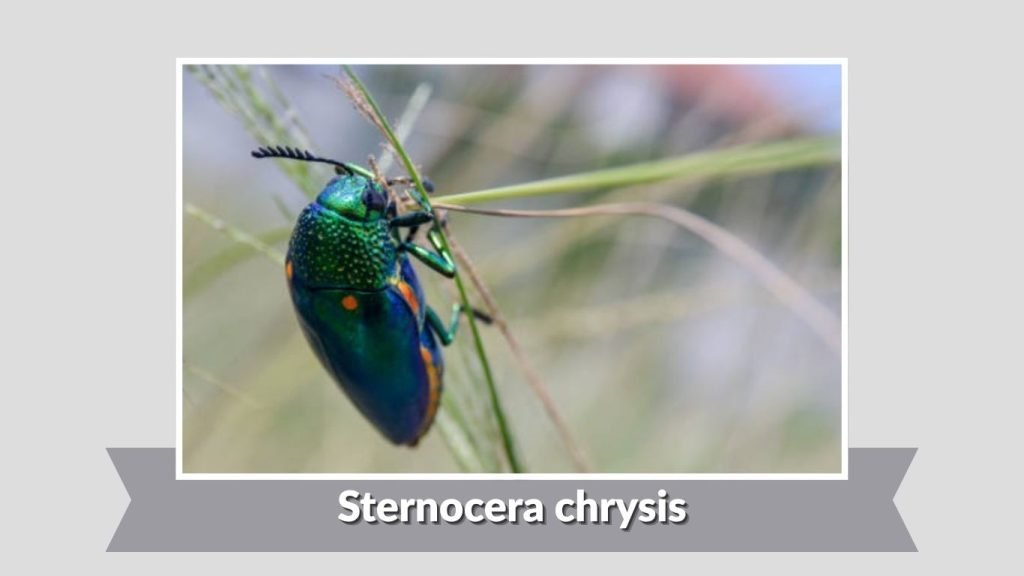
Sternocera chrysis is a highly attractive jewel beetle known for its brilliant metallic coloration. It is closely related to other Sternocera species and is widely appreciated for its use in decorative art and traditional ornaments.
Identification
- Medium to large size, about 20–30 mm long
- Broad, oval, and compact body
- Bright metallic green, blue, or golden coloration
- Elytra smooth, glossy, and highly reflective
- Head small with short, serrated antennae
- Underside often shows a coppery or purplish tone
Habitat and Distribution
This species is commonly found in South and Southeast Asia, including regions of India, Thailand, and neighboring countries. It inhabits forests, grasslands, and agricultural landscapes where suitable host plants are available. Adults are typically seen on foliage during warm, sunny periods.
Behavior and Diet
Adults feed on leaves and tender plant material, usually causing minimal damage. They are diurnal and most active in bright sunlight. Larvae develop within plant stems or roots, feeding internally. Their activity contributes to plant decomposition but may occasionally impact cultivated plants.
Life Cycle
Sternocera chrysis undergoes complete metamorphosis. Eggs are laid on host plants, and larvae bore into plant tissue where they develop. After completing larval growth, pupation occurs within the plant or nearby soil. Adults emerge during warm seasons and continue the reproductive cycle.
11. Trachykele blondeli
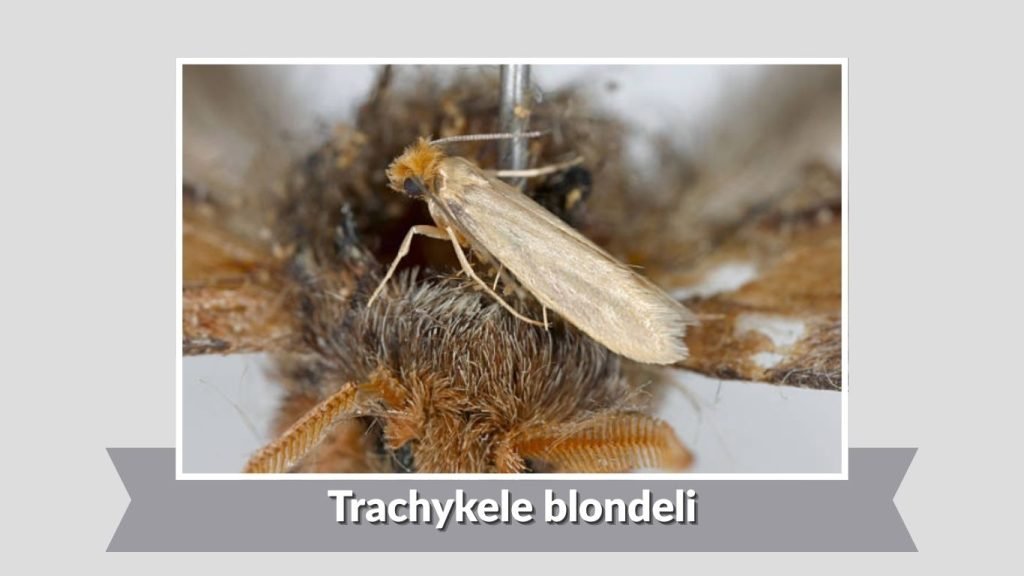
Trachykele blondeli is a lesser-known but distinctive jewel beetle species recognized for its elongated form and metallic coloration. It is typically associated with forested environments and woody host plants.
Identification
- Medium size, about 15–25 mm long
- Elongated, cylindrical body shape
- Dark metallic green to bronze coloration
- Elytra smooth with subtle texture or fine lines
- Antennae short and serrated
- Body appears slightly tapered toward the rear
Habitat and Distribution
This species is primarily found in North America, especially in regions with mixed or coniferous forests. It is associated with trees where larvae can develop in wood. Adults are often seen on tree trunks or resting on vegetation during warm months.
Behavior and Diet
Adults are active during the day and may feed lightly on foliage or bark. Larvae bore into wood, feeding on internal tissues of dead or weakened trees. This behavior makes them important contributors to the natural process of wood decomposition in forest ecosystems.
Life Cycle
Trachykele blondeli follows complete metamorphosis. Eggs are laid on bark surfaces, and larvae tunnel into wood where they develop over time. After pupation within the wood, adults emerge through exit holes, usually during late spring or summer, depending on environmental conditions.
12. Acmaeodera pulchella
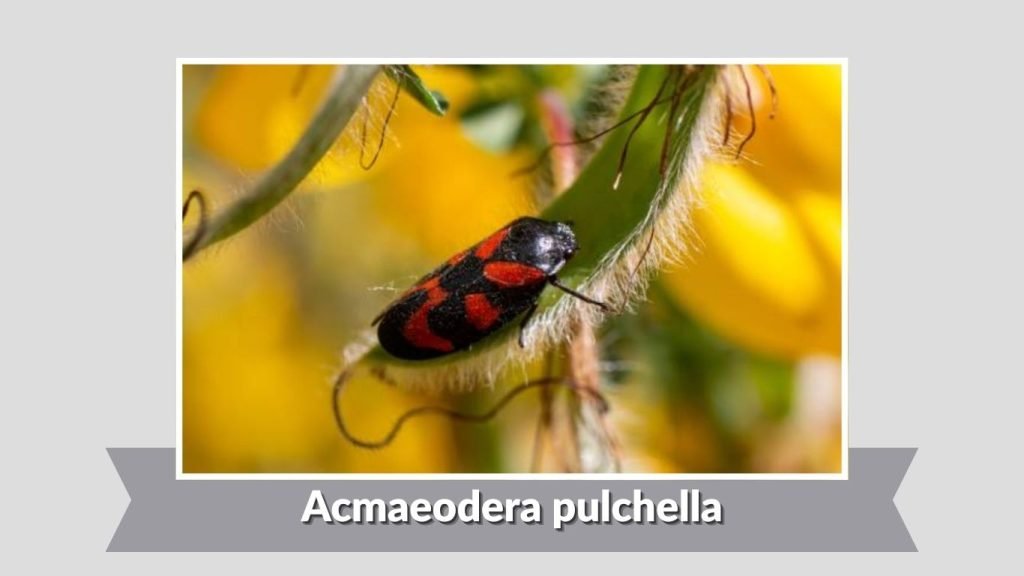
Acmaeodera pulchella is a small but colorful jewel beetle known for its patterned appearance and association with flowering plants. It belongs to a diverse genus with many visually distinct species.
Identification
- Small size, about 5–10 mm long
- Oval to slightly elongated body
- Brightly patterned with red, yellow, and black markings
- Elytra often spotted or banded
- Surface slightly textured or rough
- Antennae short and serrated
Habitat and Distribution
This species is found in parts of North America, particularly in dry and open habitats such as grasslands, deserts, and scrub areas. It is often seen on flowers where it feeds and rests during warm, sunny days.
Behavior and Diet
Adults are active during the day and frequently visit flowers to feed on pollen and nectar. Larvae develop in dead or dying wood, especially small branches and twigs. They play a role in breaking down woody material in their environment.
Life Cycle
Acmaeodera pulchella undergoes complete metamorphosis. Eggs are laid on or near suitable host material. Larvae bore into wood and develop internally. After pupation, adults emerge and are most active during warmer months.
13. Melanophila acuminata
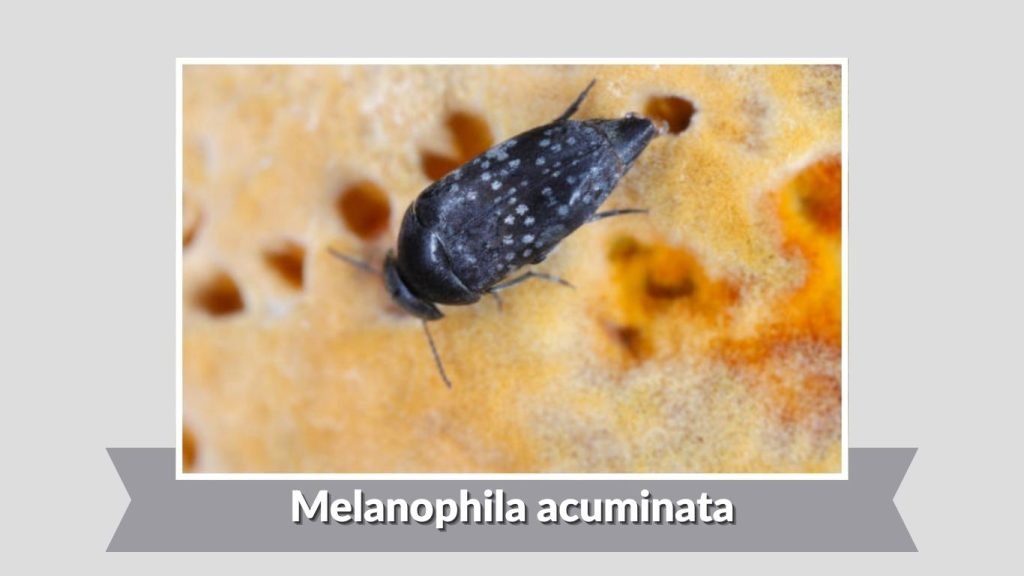
Melanophila acuminata, commonly known as the fire beetle, is a unique jewel beetle that is strongly attracted to recently burned forests. It is known for its ability to detect heat from fires.
Identification
- Medium size, about 6–13 mm long
- Elongated, slightly flattened body
- Dark metallic bronze to black coloration
- Elytra smooth with subtle ridges
- Body streamlined and tapered at the end
- Specialized heat-sensing organs near the thorax
Habitat and Distribution
This species is widely distributed across North America and parts of Europe and Asia. It is most commonly found in areas affected by forest fires, where it locates freshly burned wood for reproduction.
Behavior and Diet
Adults are strongly attracted to heat and smoke, often arriving quickly at burned areas. They lay eggs in recently damaged or burned trees. Larvae feed on the wood beneath the bark, taking advantage of reduced competition and defenses in fire-affected trees.
Life Cycle
Melanophila acuminata undergoes complete metamorphosis. Eggs are laid on burned wood, where larvae hatch and bore into the tree. After feeding and developing, they pupate within the wood. Adults emerge and continue the cycle, often seeking out new fire-affected habitats.
14. Capnodis tenebrionis
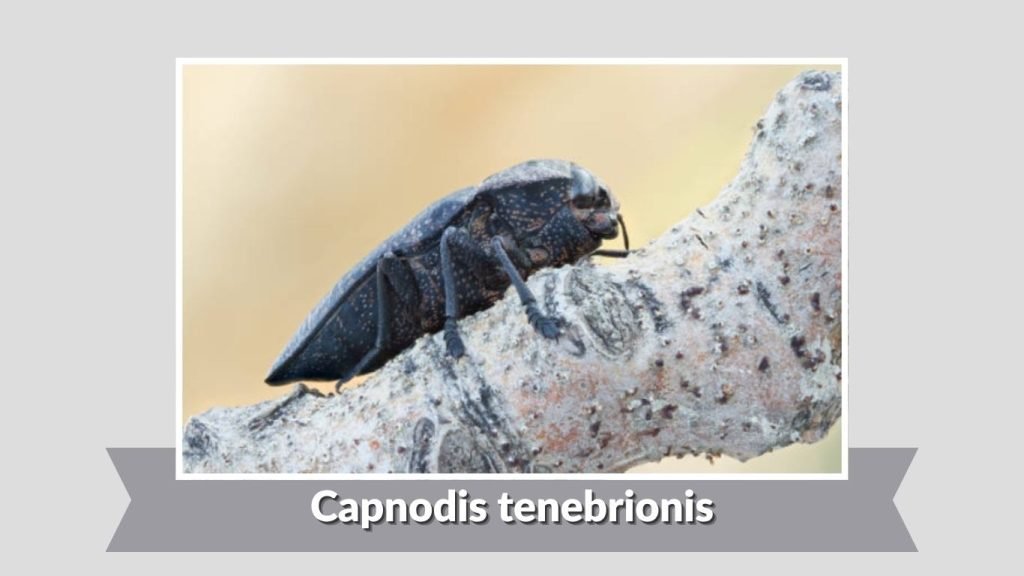
Capnodis tenebrionis, commonly known as the Mediterranean flatheaded root borer, is a serious pest of fruit trees. It is particularly harmful in orchards where it can cause significant economic damage.
Identification
- Medium to large size, about 15–30 mm long
- Broad, flattened body
- Dark gray to black coloration with a dusty or matte appearance
- Elytra rough with fine patterns or textures
- Head partially hidden under the pronotum
- Strong legs adapted for ground movement
Habitat and Distribution
This species is widely distributed in the Mediterranean region, including southern Europe, North Africa, and parts of the Middle East. It is commonly found in orchards, especially those with stone fruit trees like apricot, peach, and cherry.
Behavior and Diet
Adults feed on leaves and bark, but the main damage is caused by larvae. Larvae bore into roots and lower trunks, disrupting water and nutrient flow. Infestations can weaken or kill trees, especially young or stressed ones.
Life Cycle
Capnodis tenebrionis undergoes complete metamorphosis. Eggs are laid in soil near host plants. Larvae hatch and burrow into roots, where they develop over time. After pupation in the soil or root area, adults emerge and continue the cycle.
15. Capnodis cariosa
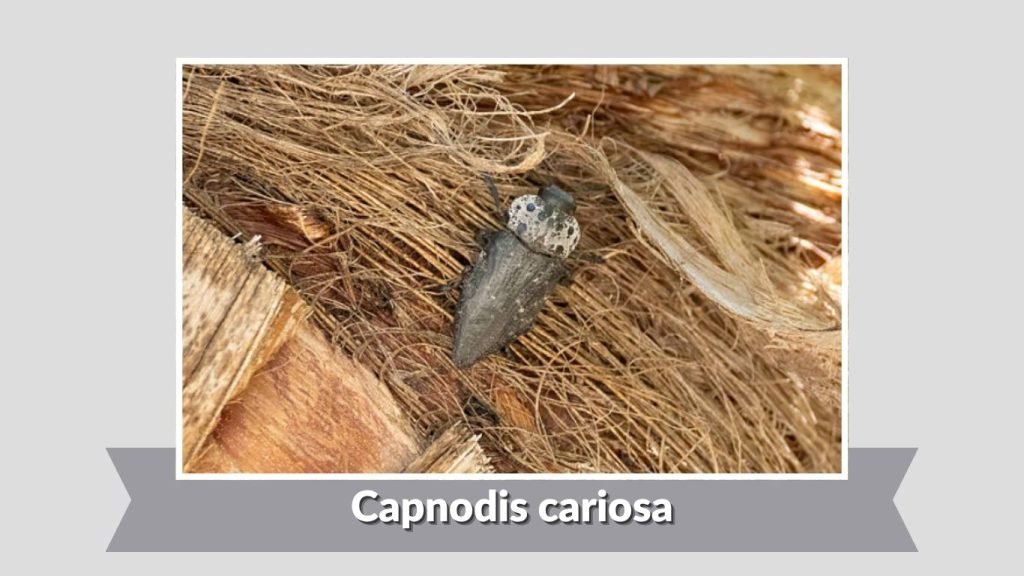
Capnodis cariosa is closely related to Capnodis tenebrionis and is also known for its impact on fruit trees. It shares many characteristics but differs slightly in distribution and host preference.
Identification
- Medium to large size, about 15–28 mm long
- Flattened, robust body
- Dark brown to black coloration
- Elytra rough with subtle patterns
- Head partly concealed beneath the thorax
- Antennae short and serrated
Habitat and Distribution
This species is found in parts of the Middle East, Central Asia, and surrounding regions. It prefers dry, warm climates and is commonly associated with orchards and cultivated areas where host plants are available.
Behavior and Diet
Adults feed on leaves and tender plant parts. Larvae are the most damaging stage, feeding inside roots and lower stems. This internal feeding weakens trees and can lead to decline or death, especially in young plants.
Life Cycle
Capnodis cariosa follows complete metamorphosis. Eggs are deposited in soil near host plants. Larvae bore into roots and develop internally. After pupation, adults emerge and continue the reproductive cycle, typically during warmer months.
16. Dicerca divaricata
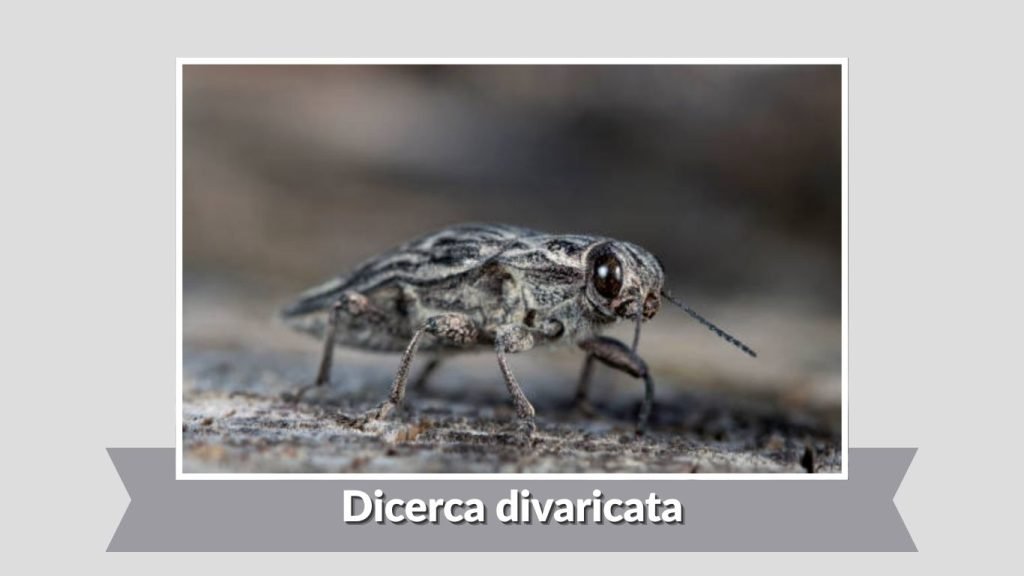
Dicerca divaricata is a robust jewel beetle species commonly found in forested areas. It is known for its association with hardwood trees and its role in decomposing weakened or dead wood.
Identification
- Medium to large size, about 15–25 mm long
- Broad, somewhat flattened body
- Dark metallic bronze or black coloration
- Elytra rough with ridges and irregular texture
- Body appears sturdy and slightly tapered
- Antennae short and serrated
Habitat and Distribution
This species is found in North America, especially in deciduous forests. It is commonly associated with hardwood trees such as oak and maple. Adults are often seen on tree trunks, logs, or recently cut wood during warm seasons.
Behavior and Diet
Adults feed lightly on foliage or bark, causing minimal damage. Larvae develop inside wood, boring into weakened or dead trees. They contribute to the natural breakdown of wood, playing an important ecological role in nutrient recycling.
Life Cycle
Dicerca divaricata undergoes complete metamorphosis. Eggs are laid on bark surfaces, and larvae tunnel into wood where they develop over one or more years. After pupation within the wood, adults emerge through exit holes and become active during warmer months.
17. Dicerca lurida
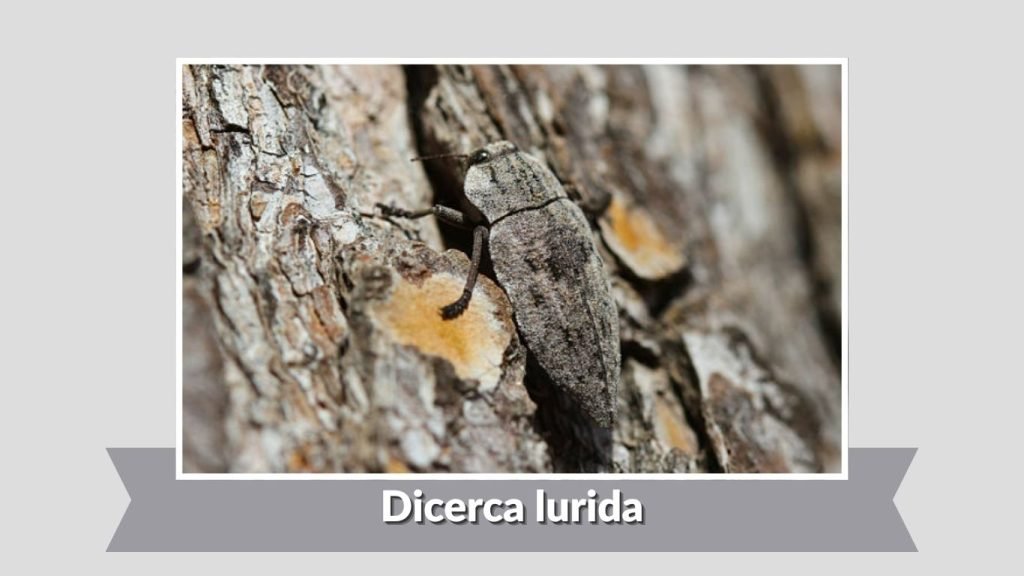
Dicerca lurida is another species within the Dicerca genus, similar in appearance and behavior but slightly smaller and more subdued in coloration. It is also associated with hardwood forests.
Identification
- Medium size, about 12–20 mm long
- Elongated, slightly flattened body
- Dark bronze to dull brown coloration
- Elytra textured with fine ridges
- Body less shiny compared to related species
- Antennae short and segmented
Habitat and Distribution
This species is distributed across North America and is commonly found in deciduous forests. It prefers habitats with abundant dead or dying hardwood trees, where larvae can develop safely within the wood.
Behavior and Diet
Adults are usually seen on tree trunks or logs, where they blend well with bark. They feed minimally on foliage. Larvae bore into wood and feed internally, contributing to decomposition and the recycling of forest nutrients.
Life Cycle
Dicerca lurida follows complete metamorphosis. Eggs are laid on tree bark, and larvae tunnel into wood to grow. After completing development, they pupate within the wood. Adults emerge through exit holes, typically during late spring or summer, depending on environmental conditions.
18. Poecilonota cyanipes
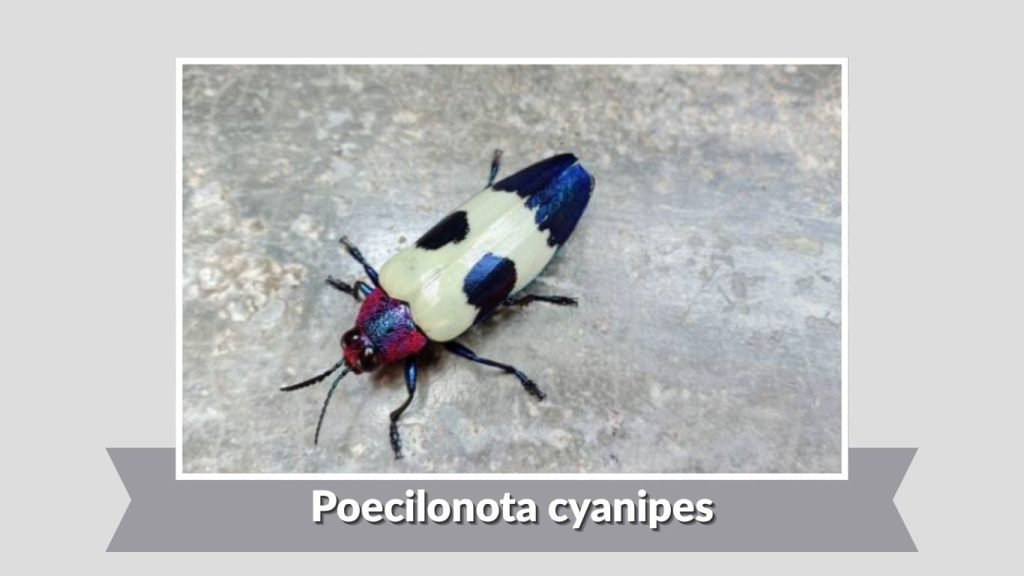
Poecilonota cyanipes is a distinctive jewel beetle known for its metallic coloration and association with coniferous trees. It is often found in forested regions where it contributes to the natural breakdown of wood.
Identification
- Medium size, about 10–18 mm long
- Elongated, slightly flattened body
- Metallic green to bronze coloration
- Legs often show a bluish tint
- Elytra smooth with fine texture
- Antennae short and serrated
Habitat and Distribution
This species is found across parts of Europe and Asia, particularly in coniferous forests. It is commonly associated with pine and spruce trees, especially those that are weakened or recently dead. Adults are typically seen on tree trunks during warm weather.
Behavior and Diet
Adults feed lightly on foliage or bark but cause minimal damage. Larvae develop beneath the bark of host trees, feeding on inner tissues. This activity helps decompose wood and recycle nutrients within forest ecosystems.
Life Cycle
Poecilonota cyanipes undergoes complete metamorphosis. Eggs are laid on bark, and larvae tunnel beneath the surface where they develop. After pupation within the wood, adults emerge through exit holes and become active during warmer months.
19. Chrysobothris femorata
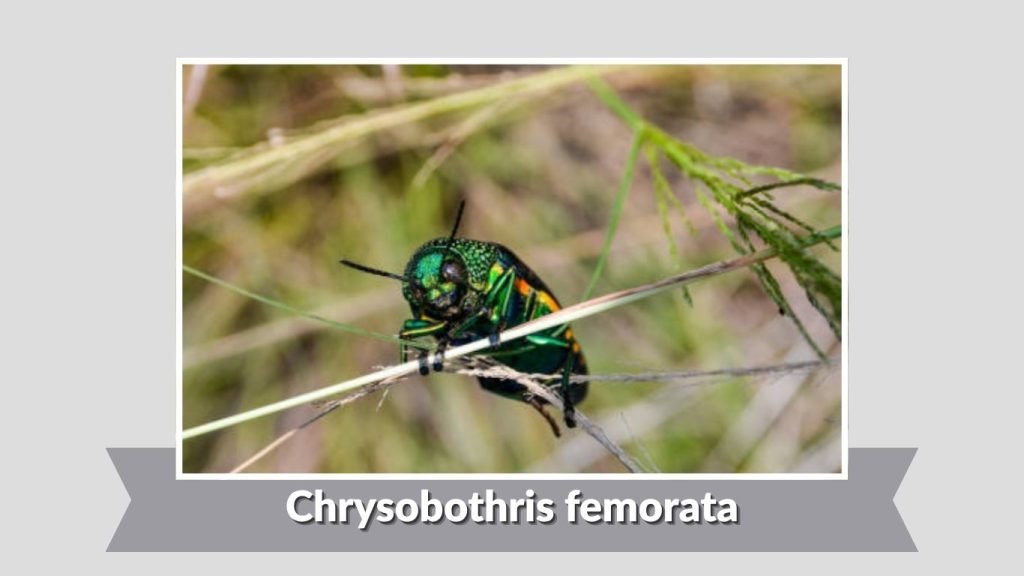
Chrysobothris femorata, commonly known as the flatheaded appletree borer, is a well-known jewel beetle that can become a serious pest in orchards and ornamental plantings.
Identification
- Medium size, about 8–19 mm long
- Flattened, elongated body
- Dark brown to black coloration with subtle metallic sheen
- Elytra marked with irregular lighter spots or patterns
- Head broad with noticeable eyes
- Distinctive flatheaded larval stage
Habitat and Distribution
This species is widely distributed across North America. It is commonly found in orchards, gardens, and forests where fruit trees and hardwoods are present. It often targets stressed or recently transplanted trees.
Behavior and Diet
Adults feed on leaves, causing minor damage. Larvae are the destructive stage, boring into trunks and branches. Their feeding disrupts nutrient flow, leading to weakened growth or tree death. It is especially problematic in young or stressed trees.
Life Cycle
Chrysobothris femorata follows complete metamorphosis. Eggs are laid on bark, and larvae bore into the tree, creating winding tunnels. Development may take one or two years. After pupation within the wood, adults emerge through characteristic exit holes.
20. Chrysobothris sexsignata

Chrysobothris sexsignata is a lesser-known species within the Chrysobothris genus, sharing many characteristics with related flatheaded borers. It is associated with woody plants and contributes to both decomposition and, occasionally, plant damage.
Identification
- Medium size, about 8–16 mm long
- Flattened, elongated body
- Dark brown to black coloration with metallic hints
- Elytra marked with pale or yellowish spots (often six markings)
- Surface slightly rough or textured
- Head broad with short antennae
Habitat and Distribution
This species is found in North America, particularly in forested and semi-urban areas. It is commonly associated with hardwood trees and shrubs, especially those that are weakened, stressed, or recently damaged.
Behavior and Diet
Adults feed on foliage, usually causing minimal harm. Larvae are wood borers, feeding beneath the bark and creating tunnels in the inner layers of trees. This feeding behavior can weaken plants and, in some cases, lead to decline if infestations are heavy.
Life Cycle
Chrysobothris sexsignata undergoes complete metamorphosis. Eggs are laid on bark surfaces, and larvae bore into the wood where they develop. After completing their growth, they pupate inside the tree. Adults emerge through exit holes, typically during warm seasons.
21. Paracupta varennesi
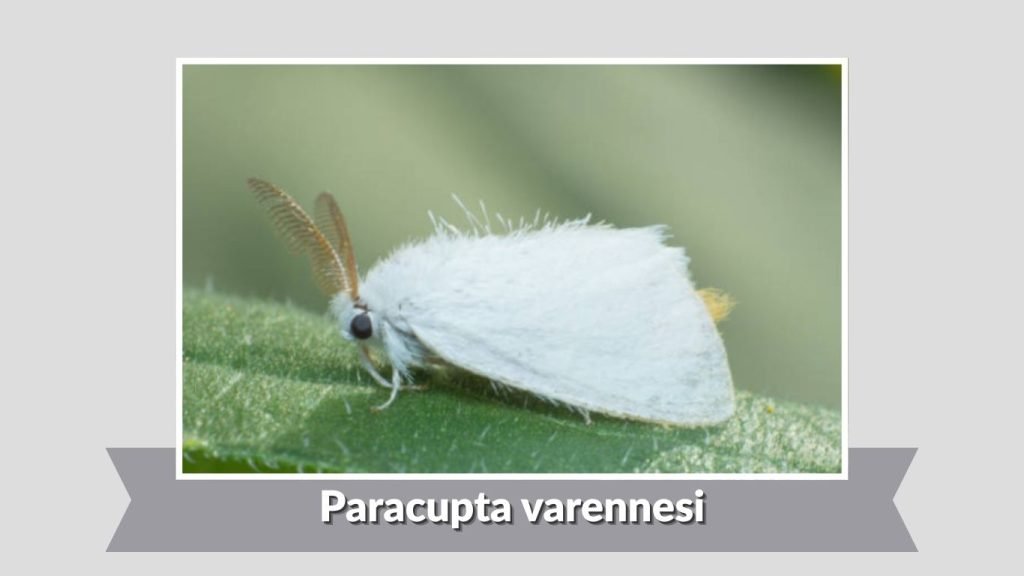
Paracupta varennesi is a visually striking jewel beetle species known for its vibrant metallic coloration. It is less commonly documented but valued for its appearance and ecological role.
Identification
- Medium size, about 15–25 mm long
- Elongated, slightly oval body
- Bright metallic green, blue, or mixed iridescent colors
- Elytra smooth and highly reflective
- Body surface sleek and glossy
- Antennae short and serrated
Habitat and Distribution
This species is primarily found in Southeast Asia, including tropical forest regions. It inhabits areas with abundant vegetation and suitable host plants for larval development. Adults are often seen on foliage during warm and humid conditions.
Behavior and Diet
Adults feed on plant leaves and are active during the day, especially in sunlight. Larvae develop within plant tissues, typically boring into stems or wood. While not widely known as a pest, they contribute to plant decomposition and ecosystem balance.
Life Cycle
Paracupta varennesi follows complete metamorphosis. Eggs are laid on host plants, and larvae bore into plant material to grow. After pupation within the plant or nearby substrate, adults emerge and continue the life cycle, usually during favorable climatic conditions.
22. Ptosima gibbicollis

Ptosima gibbicollis is a distinctive jewel beetle known for its association with fruit trees and ornamental plants. It is recognized by its compact body and subtle metallic sheen.
Identification
- Small to medium size, about 6–12 mm long
- Oval, slightly convex body shape
- Dark bronze to black coloration with faint metallic shine
- Elytra smooth with fine punctures
- Pronotum slightly raised or humped
- Antennae short and serrated
Habitat and Distribution
This species is found across Europe, North Africa, and parts of Asia. It is commonly associated with orchards, gardens, and woodland edges where fruit trees such as plum and cherry are present. It prefers warm, temperate climates.
Behavior and Diet
Adults feed on leaves, buds, and young shoots, sometimes causing noticeable damage to plants. Larvae develop inside branches and stems, boring into wood and disrupting plant growth. It can be considered a minor pest in fruit-growing regions.
Life Cycle
Ptosima gibbicollis undergoes complete metamorphosis. Eggs are laid on plant surfaces, and larvae bore into twigs or branches where they develop. After pupation within the wood, adults emerge, usually during spring or early summer.
23. Coraebus florentinus
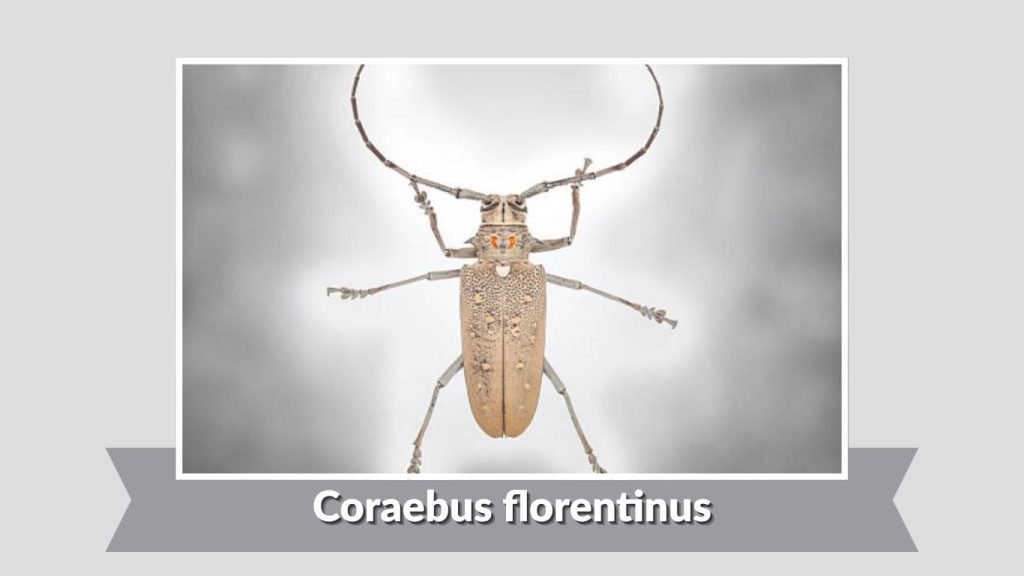
Coraebus florentinus is a well-known jewel beetle species associated with oak trees. It is notable for its role as a wood borer and occasional pest in forest ecosystems.
Identification
- Medium size, about 10–18 mm long
- Slender, elongated body
- Metallic green to bronze coloration
- Elytra smooth with subtle longitudinal lines
- Body slightly flattened
- Antennae short and segmented
Habitat and Distribution
This species is widely distributed in southern Europe, North Africa, and parts of the Middle East. It is commonly found in oak forests and woodland areas where suitable host trees are available.
Behavior and Diet
Adults feed on oak leaves, typically causing minimal damage. Larvae bore into branches and stems, creating tunnels that can weaken trees. In some cases, heavy infestations may affect tree health, especially in stressed environments.
Life Cycle
Coraebus florentinus follows complete metamorphosis. Eggs are laid on bark, and larvae bore into wood where they develop over time. After pupation inside the plant, adults emerge and continue the cycle, usually during warm seasons.
24. Acanthophorus spp.
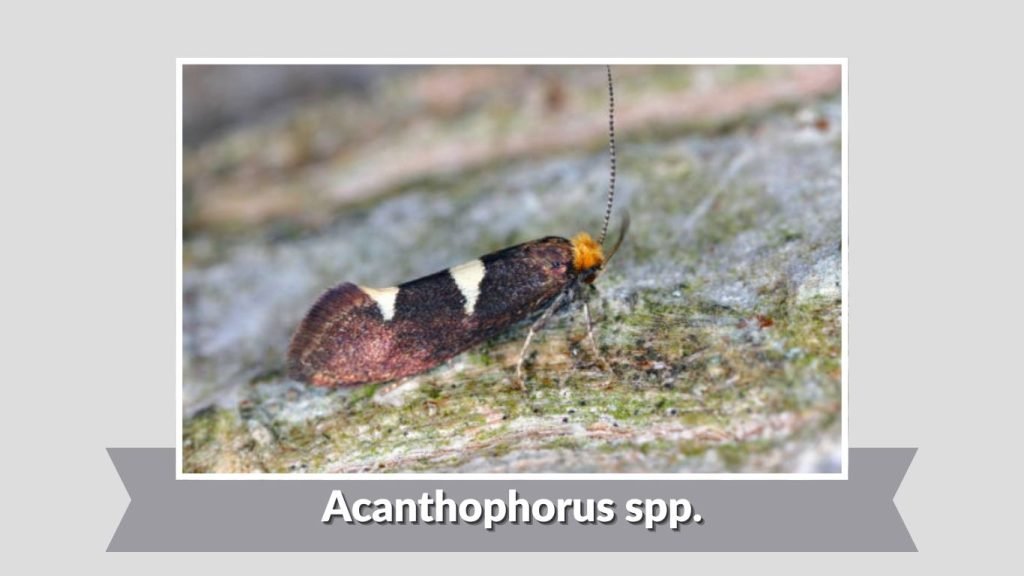
Acanthophorus is a genus of jewel beetles known for their elongated bodies and association with woody plants. Although not as widely recognized as some other genera, they are important in forest ecosystems.
Identification
- Medium to large size, about 15–30 mm long
- Elongated, cylindrical body shape
- Dark metallic green, bronze, or black coloration
- Elytra smooth with slight ridges or fine texture
- Body often appears slightly tapered at the rear
- Antennae short and serrated
Habitat and Distribution
Acanthophorus species are primarily found in tropical and subtropical regions, including parts of Africa and Asia. They inhabit forests, woodlands, and areas with abundant trees where larvae can develop within wood.
Behavior and Diet
Adults are usually active during the day and may be seen on tree trunks or foliage. They feed lightly on plant material. Larvae bore into wood, feeding on internal tissues of dead or weakened trees, contributing to decomposition.
Life Cycle
Acanthophorus beetles undergo complete metamorphosis. Eggs are laid on bark surfaces, and larvae tunnel into wood where they develop. After pupation within the wood, adults emerge and continue the life cycle during favorable conditions.
25. Euchroma gigantea
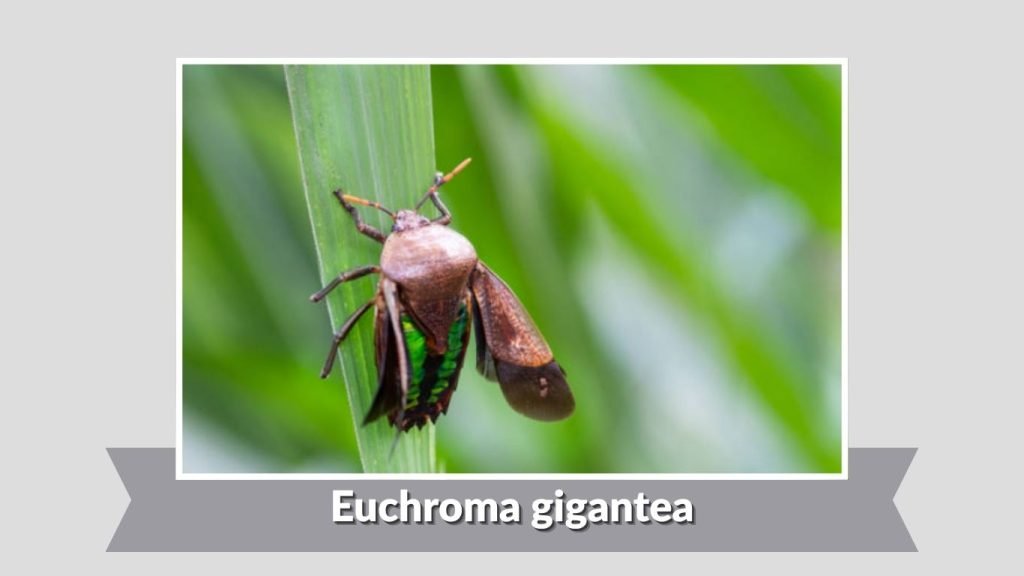
Euchroma gigantea, commonly known as the giant jewel beetle, is one of the largest and most spectacular species in the Buprestidae family. It is admired for its vivid metallic coloration and impressive size.
Identification
- Large size, about 30–50 mm long
- Broad, elongated body
- Bright metallic green with gold, blue, or copper reflections
- Elytra smooth, shiny, and highly iridescent
- Head relatively small compared to body
- Strong legs and short, serrated antennae
Habitat and Distribution
This species is native to Central and South America, including regions like the Amazon rainforest. It inhabits tropical forests where large trees provide suitable conditions for larval development.
Behavior and Diet
Adults are active during the day and may be seen flying or resting on tree trunks. They feed on sap, leaves, or decaying plant material. Larvae develop within wood, particularly in dead or dying trees, aiding in decomposition.
Life Cycle
Euchroma gigantea follows complete metamorphosis. Eggs are laid on tree bark, and larvae bore into wood where they grow over time. After pupation within the wood, adults emerge and become active in warm, humid conditions.
