
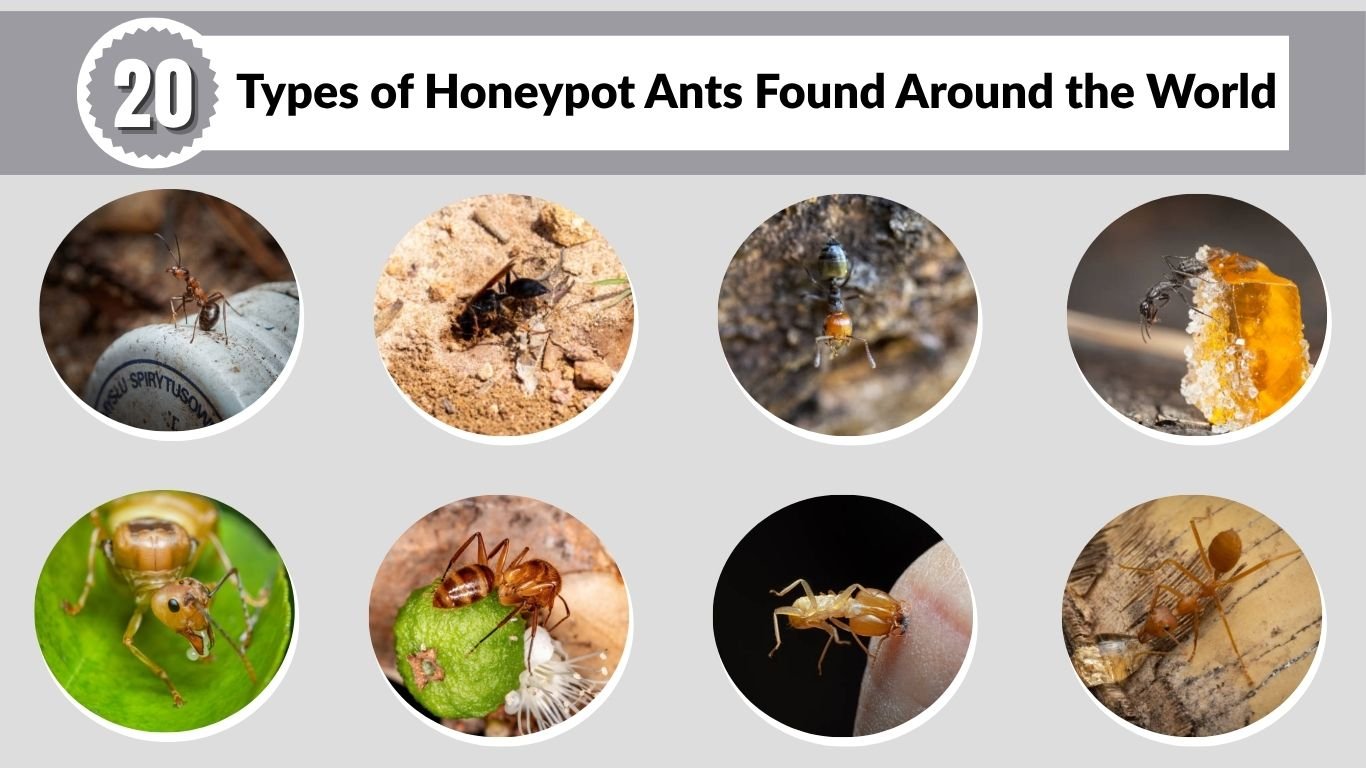
Honeypot Ants are some of the most unusual and fascinating ants found in nature. These ants are famous for their specialized workers called repletes, which store nectar and sugary liquids inside their swollen abdomens. Honeypot Ants are mainly found in deserts, grasslands, woodlands, and arid environments across Australia, North America, and other warm regions. Their unique food-storage system helps colonies survive during droughts and food shortages. From the colorful Golden Honeypot Ant to the desert-adapted Mexican Honeypot Ant, each species has unique characteristics, habitats, behaviors, and colony structures worth exploring.
1. Mexican Honeypot Ant
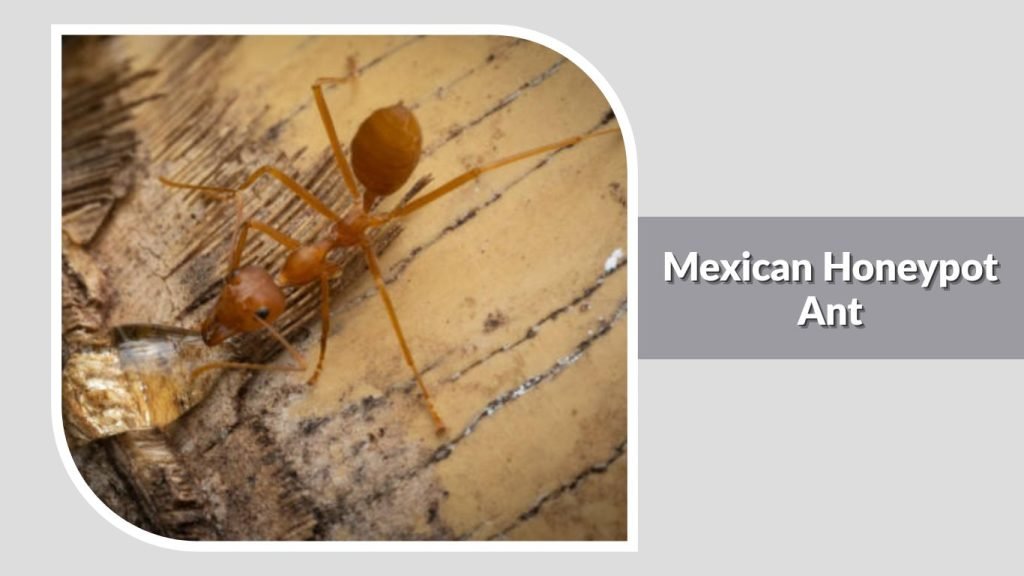
The Mexican Honeypot Ant is one of the most well-known honeypot ant species found in arid and desert regions of North America. These fascinating ants are famous for their specialized worker ants called repletes, which store liquid food inside their swollen abdomens. Belonging mainly to the Myrmecocystus genus, Mexican Honeypot Ants play an important role in desert ecosystems by storing nectar and sugary liquids that help sustain the colony during food shortages.
Identification
- Golden brown or reddish-brown body coloration
- Small to medium body size
- Swollen replete workers filled with stored liquid
- Long legs adapted for desert movement
- Segmented antennae and strong mandibles
- Smooth and shiny body appearance
Habitat and Distribution
Mexican Honeypot Ants are commonly found in deserts, dry grasslands, and arid environments across Mexico and the southwestern United States. Their nests are usually built underground in sandy or loose soil where temperatures remain more stable.
Behavior and Diet
These ants are active foragers that collect nectar, honeydew, dead insects, and sugary plant substances. Replete workers remain inside the nest and act as living food storage units, providing nourishment for the colony during dry periods or food shortages.
Colony Structure
The colony of Mexican Honeypot Ants contains worker ants, reproductive ants, and specialized repletes. Repletes hang from the ceilings of underground chambers while storing liquid food in their enlarged abdomens for the survival of the colony.
2. Red Honeypot Ant
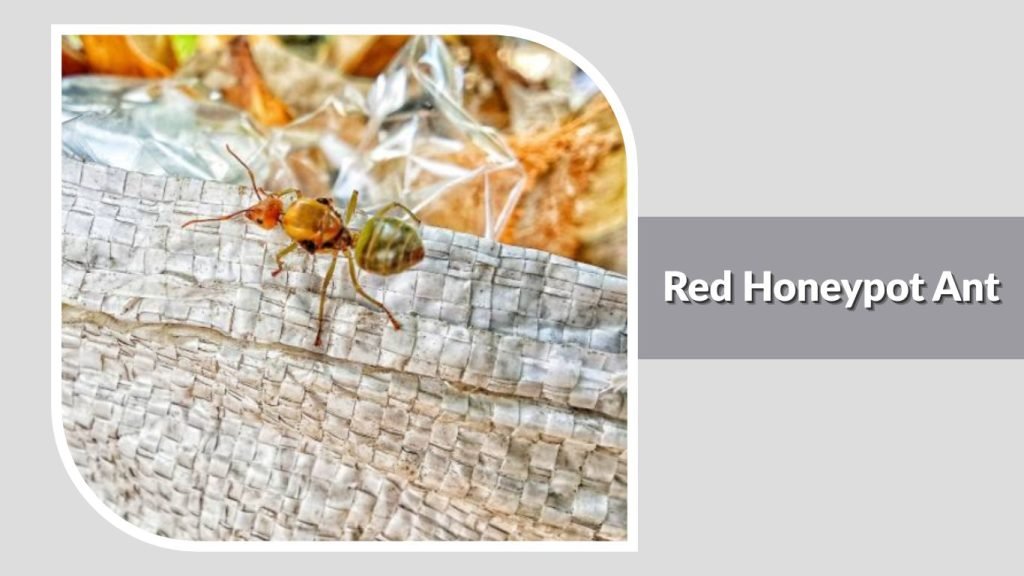
The Red Honeypot Ant is a desert-dwelling ant species recognized for its reddish body coloration and unique food-storing behavior. Like other honeypot ants, this species contains specialized workers called repletes that store nectar and sugary liquids inside their swollen abdomens. Red Honeypot Ants are highly adapted to dry environments and help their colonies survive long periods without food. They are commonly found in arid regions where resources can be limited throughout the year.
Identification
- Reddish or reddish-brown body coloration
- Small to medium body size
- Swollen replete workers used for food storage
- Long legs suited for desert environments
- Smooth and shiny outer body surface
- Strong mandibles and segmented antennae
Habitat and Distribution
Red Honeypot Ants are commonly found in deserts, dry grasslands, and arid regions of North America and Australia. Their underground nests are usually built in sandy or loose soil that provides protection from extreme heat.
Behavior and Diet
These ants actively forage for nectar, honeydew, plant liquids, and small insects. Replete workers remain deep inside the nest and store liquid food that can later be shared with other colony members during food shortages.
Colony Structure
The colony includes worker ants, queens, reproductive ants, and specialized repletes. Repletes serve as living storage containers and hang from underground nest chambers while holding large amounts of stored liquid food.
3. Desert Honeypot Ant
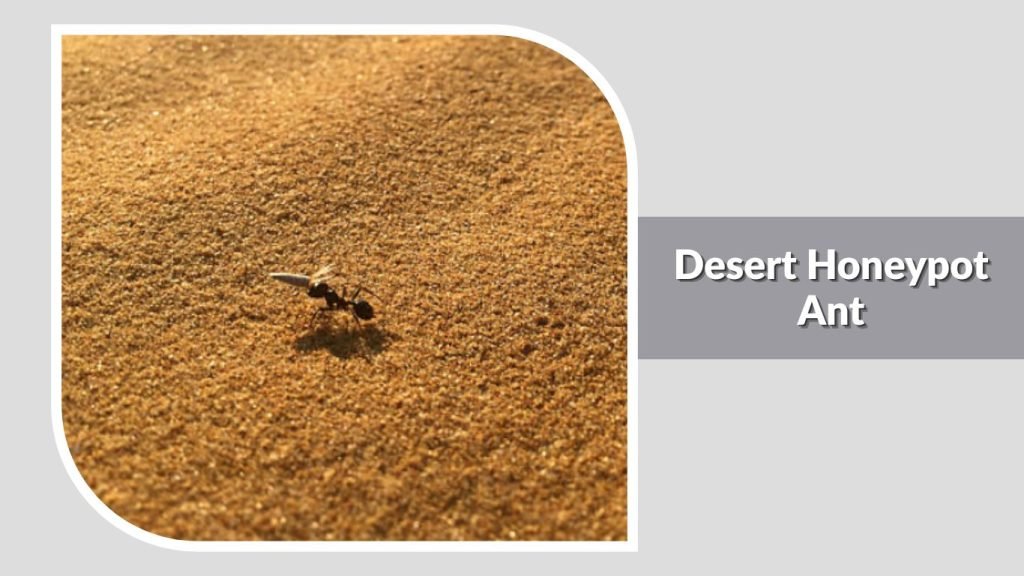
The Desert Honeypot Ant is a highly specialized ant species adapted to survive in hot and dry desert environments. Known for its remarkable food-storage system, this ant species contains replete workers that store nectar and sugary liquids inside their enlarged abdomens. Desert Honeypot Ants play an important role in desert ecosystems by helping colonies survive harsh conditions and long periods without reliable food sources in arid landscapes.
Identification
- Light brown, reddish, or golden body coloration
- Small to medium body size
- Swollen replete workers filled with liquid food
- Long legs adapted for movement on hot ground
- Smooth and shiny body texture
- Strong mandibles and segmented antennae
Habitat and Distribution
Desert Honeypot Ants are commonly found in arid deserts, sandy plains, and dry grasslands across North America and Australia. Their nests are usually built deep underground in loose sandy soil to protect the colony from extreme desert temperatures.
Behavior and Diet
These ants forage for nectar, honeydew, sugary plant liquids, and small insects during cooler parts of the day. Replete workers store collected liquids inside their bodies and provide nourishment to the colony during times of food scarcity.
Colony Structure
The colony contains queens, worker ants, reproductive ants, and specialized repletes. Repletes remain inside underground chambers where they hang from the ceiling while storing large amounts of liquid food for the colony’s survival.
4. Golden Honeypot Ant
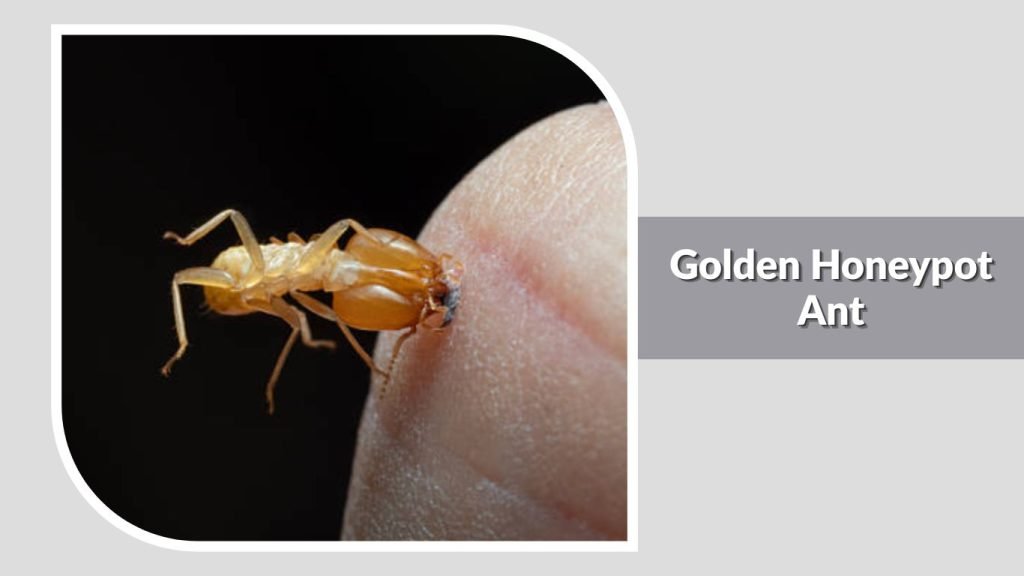
The Golden Honeypot Ant is a striking ant species known for its golden-colored body and specialized food-storage workers called repletes. These ants are highly adapted to dry and desert environments where food availability can change throughout the year. Golden Honeypot Ants collect nectar and sugary liquids, storing them inside swollen worker ants for future use. Their unique survival strategy makes them one of the most fascinating ant species in arid ecosystems.
Identification
- Golden yellow or amber body coloration
- Small to medium-sized body
- Swollen replete workers filled with stored liquid
- Long slender legs for desert movement
- Smooth and shiny outer body surface
- Segmented antennae with strong mandibles
Habitat and Distribution
Golden Honeypot Ants are commonly found in deserts, dry woodlands, and arid grasslands across North America and Australia. Their underground nests are usually built in sandy or loose soil where underground temperatures remain cooler.
Behavior and Diet
These ants actively forage for nectar, honeydew, sugary plant liquids, and dead insects. Repeated workers remain inside the nest storing food and later share the stored liquid with the rest of the colony during food shortages.
Colony Structure
The colony includes queens, workers, reproductive ants, and specialized repletes. Repletes hang from underground nest chambers and act as living food reservoirs that help sustain the colony during harsh environmental conditions.
5. Honey-Bellied Ant
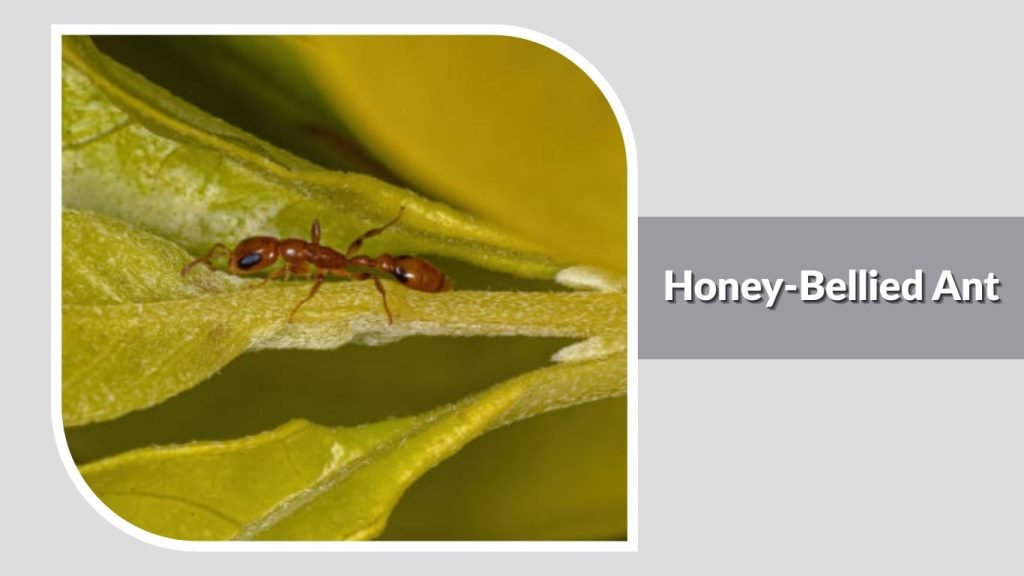
The Honey-Bellied Ant is a unique honeypot ant species famous for its swollen abdomen filled with stored nectar and sugary liquids. These specialized ants, called repletes, act as living food storage units for the colony. Honey-Bellied Ants are well adapted to dry and arid environments where food supplies may become limited. Their unusual appearance and survival strategy make them one of the most fascinating ant species in desert ecosystems.
Identification
- Large swollen abdomen in replete workers
- Golden brown, amber, or reddish coloration
- Small to medium-sized body
- Smooth and shiny body surface
- Long legs and segmented antennae
- Strong mandibles for gathering food
Habitat and Distribution
Honey-Bellied Ants are commonly found in deserts, dry grasslands, and arid environments in North America and Australia. Their nests are usually built underground in sandy or loose soil that protects the colony from extreme temperatures.
Behavior and Diet
These ants forage for nectar, honeydew, sugary plant liquids, and small insects. Replete workers remain deep inside the nest while storing large amounts of liquid food that can later be shared with other colony members.
Colony Structure
The colony contains queens, workers, reproductive ants, and specialized repletes. Repletes hang from underground chambers and serve as living storage containers that provide food reserves during periods of drought or food scarcity.
6. Western Honeypot Ant
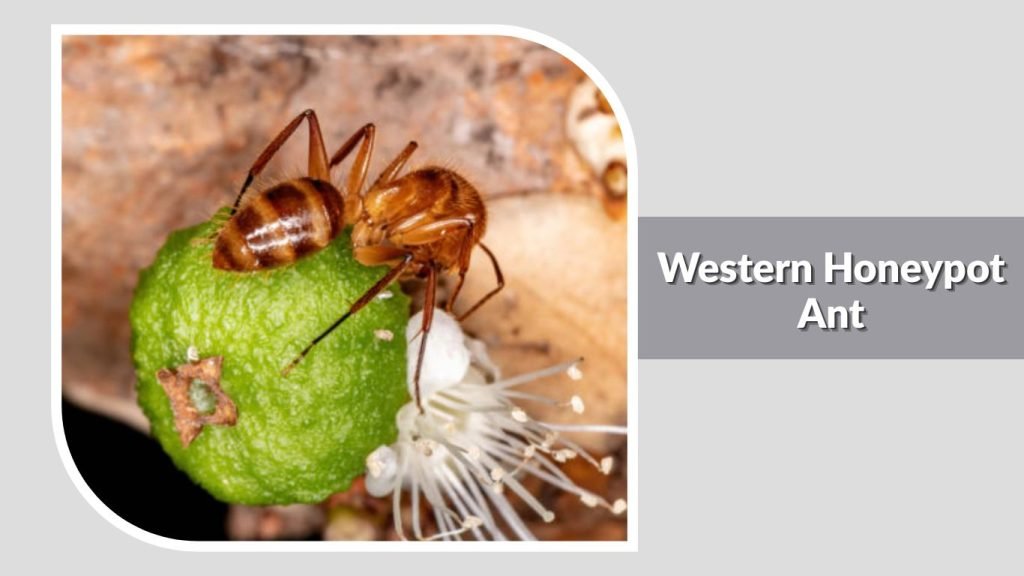
The Western Honeypot Ant is a desert-adapted ant species commonly found in the western regions of North America. Known for its remarkable food-storage system, this ant species contains specialized workers called repletes that store nectar and sugary liquids inside their enlarged abdomens. Western Honeypot Ants help their colonies survive harsh environmental conditions and long dry periods. Their unique behavior and underground nesting habits make them an important part of desert ecosystems.
Identification
- Light brown, reddish, or golden body coloration
- Small to medium body size
- Swollen replete workers used for liquid storage
- Long slender legs adapted for desert movement
- Smooth and shiny body appearance
- Segmented antennae with strong mandibles
Habitat and Distribution
Western Honeypot Ants are commonly found in deserts, dry plains, and arid grasslands in the western United States and northern Mexico. Their nests are usually built underground in sandy or loose soil.
Behavior and Diet
These ants actively forage for nectar, honeydew, sugary plant liquids, and small insects. Replete workers remain inside underground chambers storing liquid food that is shared with the colony during periods of limited food availability.
Colony Structure
The colony consists of queens, worker ants, reproductive ants, and specialized repletes. Repletes act as living food reservoirs by hanging from nest chamber ceilings while storing large amounts of liquid nourishment for the colony.
7. Australian Honeypot Ant
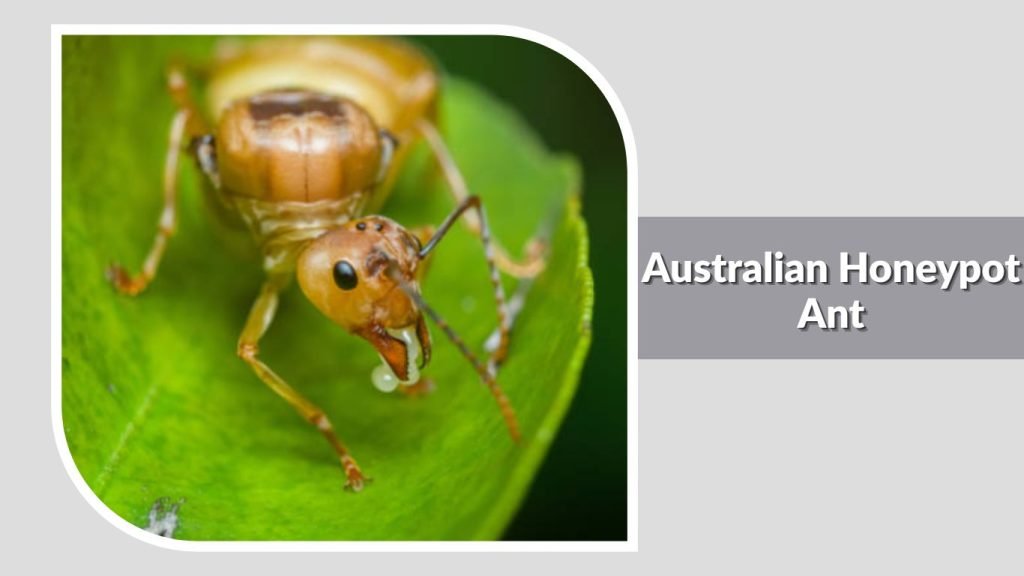
The Australian Honeypot Ant is a fascinating ant species native to the arid and semi-arid regions of Australia. These ants are famous for their specialized replete workers that store nectar and sugary liquids inside their swollen abdomens. Indigenous communities in Australia have traditionally used these ants as a natural food source. Australian Honeypot Ants are highly adapted to harsh desert environments and play an important role in maintaining ecological balance within dry habitats.
Identification
- Golden brown, reddish, or amber body coloration
- Swollen replete workers filled with liquid food
- Small to medium-sized body
- Long legs adapted for desert movement
- Smooth and shiny body surface
- Strong mandibles and segmented antennae
Habitat and Distribution
Australian Honeypot Ants are commonly found in deserts, dry grasslands, scrublands, and arid regions throughout central Australia. Their nests are usually constructed underground in sandy or loose soil where underground temperatures remain cooler.
Behavior and Diet
These ants forage for nectar, honeydew, plant liquids, and small insects during cooler periods of the day. Replete workers remain deep inside the nest storing liquid food that helps sustain the colony during droughts and food shortages.
Colony Structure
The colony contains queens, workers, reproductive ants, and specialized repletes. Repletes hang from underground nest chambers and serve as living food storage units that provide nourishment for the colony when resources become scarce.
8. Black Honeypot Ant
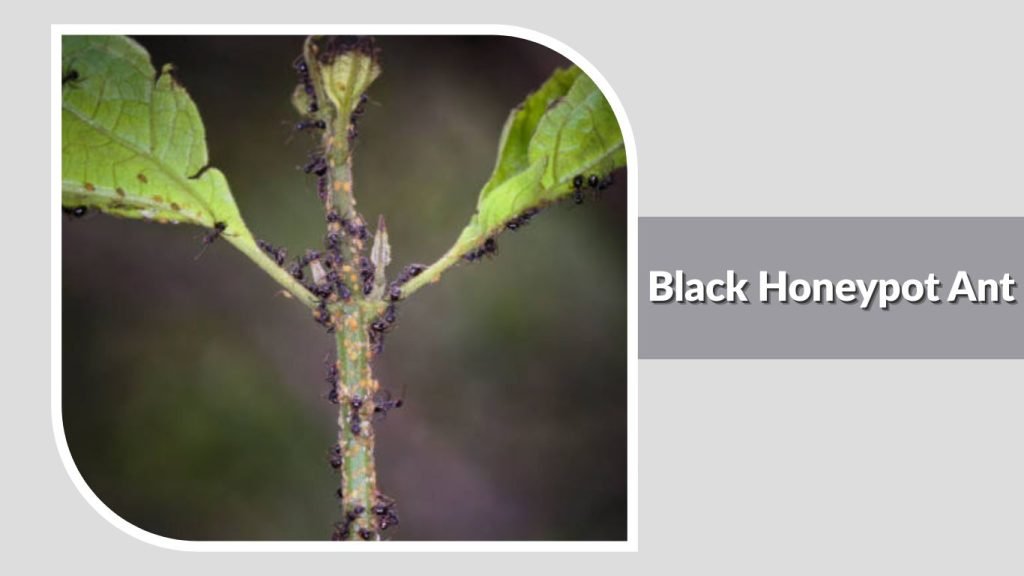
The Black Honeypot Ant is a distinctive honeypot ant species recognized for its dark body coloration and unique food-storage behavior. Like other honeypot ants, this species contains specialized workers called repletes that store nectar and sugary liquids inside their swollen abdomens. Black Honeypot Ants are well adapted to dry environments and underground living. Their ability to preserve food resources helps the colony survive harsh weather conditions and long periods without reliable food sources.
Identification
- Dark brown or black body coloration
- Small to medium-sized body
- Swollen replete workers filled with stored liquid
- Smooth and shiny outer body surface
- Long legs adapted for ground movement
- Strong mandibles and segmented antennae
Habitat and Distribution
Black Honeypot Ants are commonly found in deserts, dry woodlands, and arid grasslands in parts of North America and Australia. Their nests are usually built underground in sandy or loose soil that provides protection from extreme temperatures.
Behavior and Diet
These ants actively forage for nectar, honeydew, sugary plant liquids, and dead insects. Replete workers remain inside underground nest chambers and store food that can later be shared with the colony during food shortages.
Colony Structure
The colony includes queens, workers, reproductive ants, and specialized repletes. Repletes act as living food reservoirs by hanging from the ceilings of underground chambers while storing large amounts of liquid nourishment for the colony.
9. Amber Honeypot Ant
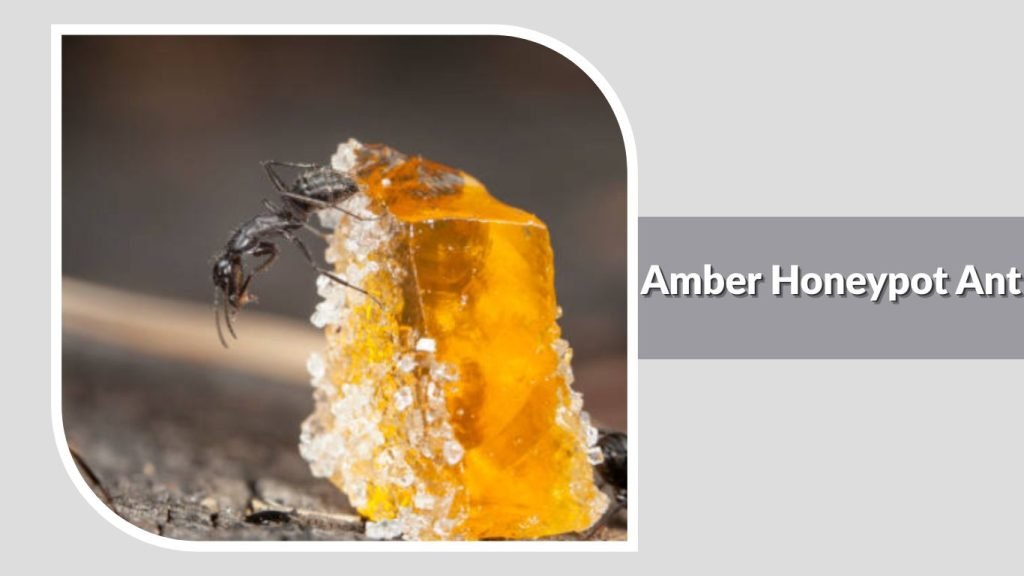
The Amber Honeypot Ant is a beautiful honeypot ant species known for its amber-colored body and specialized food-storage workers. These ants are adapted to survive in dry and arid environments where food can become scarce for long periods. Like other honeypot ants, they use replete workers to store nectar and sugary liquids inside enlarged abdomens. Amber Honeypot Ants play an important ecological role by helping maintain balance in desert and grassland ecosystems.
Identification
- Amber, golden, or light brown body coloration
- Small to medium body size
- Swollen replete workers used for liquid storage
- Smooth and shiny body surface
- Long slender legs for desert movement
- Strong mandibles and segmented antennae
Habitat and Distribution
Amber Honeypot Ants are commonly found in deserts, dry plains, and arid grasslands across North America and Australia. Their nests are usually built underground in sandy or loose soil with stable underground temperatures.
Behavior and Diet
These ants forage for nectar, honeydew, sugary plant liquids, and small insects. Replete workers remain inside underground nest chambers storing food that can later be shared with other colony members during periods of food scarcity.
Colony Structure
The colony consists of queens, workers, reproductive ants, and specialized repletes. Repletes hang from the ceilings of underground chambers and function as living food reservoirs that help sustain the colony during harsh environmental conditions.
10. Sand Dune Honeypot Ant
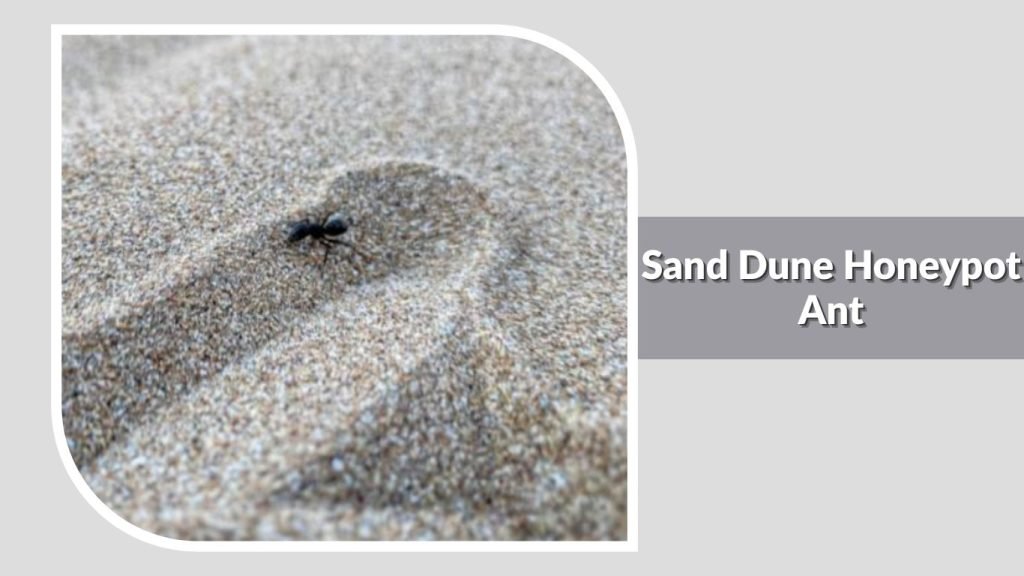
The Sand Dune Honeypot Ant is a desert-adapted ant species commonly associated with sandy dune environments and arid landscapes. These ants are famous for their specialized replete workers that store nectar and sugary liquids inside their swollen abdomens. Sand Dune Honeypot Ants are highly adapted to hot climates and underground living. Their food-storage ability allows the colony to survive during long dry periods when food resources become limited.
Identification
- Sandy brown, golden, or reddish body coloration
- Small to medium-sized body
- Swollen replete workers filled with liquid food
- Long legs adapted for walking on sand
- Smooth and shiny body appearance
- Segmented antennae with strong mandibles
Habitat and Distribution
Sand Dune Honeypot Ants are commonly found in sandy deserts, dunes, dry grasslands, and arid environments in North America and Australia. Their nests are usually built deep underground in loose sandy soil.
Behavior and Diet
These ants actively forage for nectar, honeydew, sugary plant liquids, and dead insects. Repeated workers remain inside underground chambers storing food that supports the colony during droughts and food shortages.
Colony Structure
The colony contains queens, workers, reproductive ants, and specialized repletes. Repletes serve as living food reservoirs by hanging from underground nest chambers while storing large amounts of liquid nourishment for the colony.
11. Giant Honeypot Ant
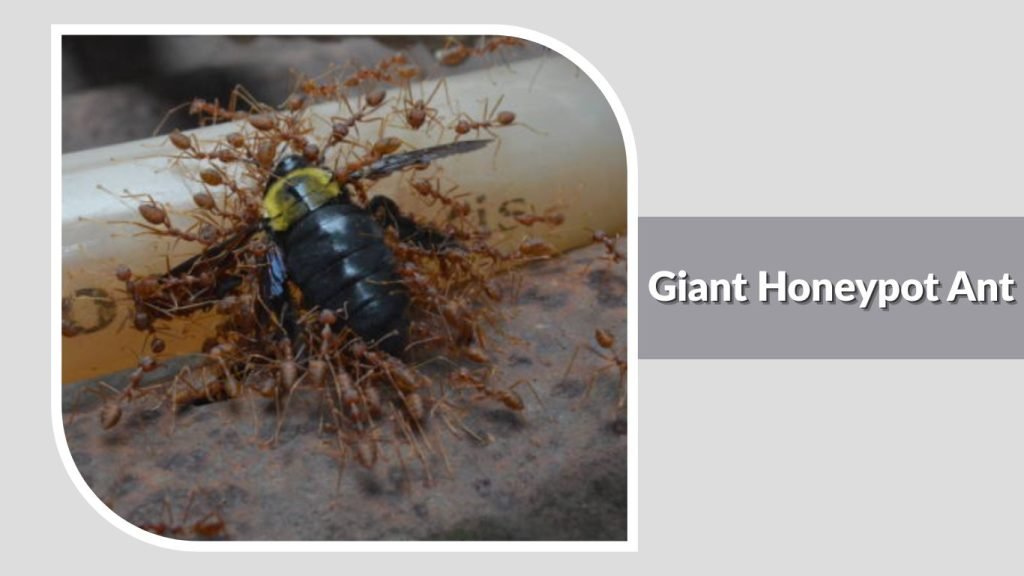
The Giant Honeypot Ant is one of the larger honeypot ant species known for its impressive size and specialized food-storage behavior. Like other honeypot ants, this species contains replete workers that store nectar and sugary liquids inside their enlarged abdomens. Giant Honeypot Ants are well adapted to dry and arid environments where food supplies may become limited. Their underground colonies and unique survival strategies help them thrive in harsh desert ecosystems.
Identification
- Larger body size compared to other honeypot ants
- Golden brown, reddish, or dark-colored body
- Swollen replete workers filled with stored liquid
- Long powerful legs for desert movement
- Smooth and shiny outer body surface
- Strong mandibles and segmented antennae
Habitat and Distribution
Giant Honeypot Ants are commonly found in deserts, dry grasslands, and arid environments in parts of North America and Australia. Their nests are usually built underground in sandy or loose soil where temperatures remain more stable.
Behavior and Diet
These ants forage for nectar, honeydew, sugary plant liquids, and small insects. Replete workers remain inside the nest storing liquid food that can later be distributed to other members of the colony during periods of food scarcity.
Colony Structure
The colony includes queens, workers, reproductive ants, and specialized repletes. Repletes hang from underground nest chambers and act as living food reservoirs that help sustain the colony during harsh environmental conditions and droughts.
12. Small Honeypot Ant

The Small Honeypot Ant is a tiny but highly specialized ant species known for its remarkable food-storage system. Like other honeypot ants, this species contains replete workers that store nectar and sugary liquids inside their swollen abdomens. Despite their smaller size, these ants are highly efficient at surviving in dry environments with limited food resources. Small Honeypot Ants are commonly found in arid and semi-arid habitats where underground nesting provides protection from extreme temperatures.
Identification
- Small body size compared to other honeypot ants
- Light brown, reddish, or golden coloration
- Swollen replete workers filled with stored liquid
- Smooth and shiny body appearance
- Long slender legs for quick movement
- Segmented antennae with strong mandibles
Habitat and Distribution
Small Honeypot Ants are commonly found in deserts, dry grasslands, and semi-arid regions across North America and Australia. Their nests are usually built underground in loose sandy soil that helps regulate nest temperature.
Behavior and Diet
These ants actively forage for nectar, honeydew, sugary plant liquids, and small insects. Replete workers remain inside underground chambers storing food that can later be shared with the rest of the colony during food shortages.
Colony Structure
The colony consists of queens, workers, reproductive ants, and specialized repletes. Repletes function as living storage containers by hanging from nest chamber ceilings while storing liquid nourishment for the survival of the colony.
13. Yellow Honeypot Ant
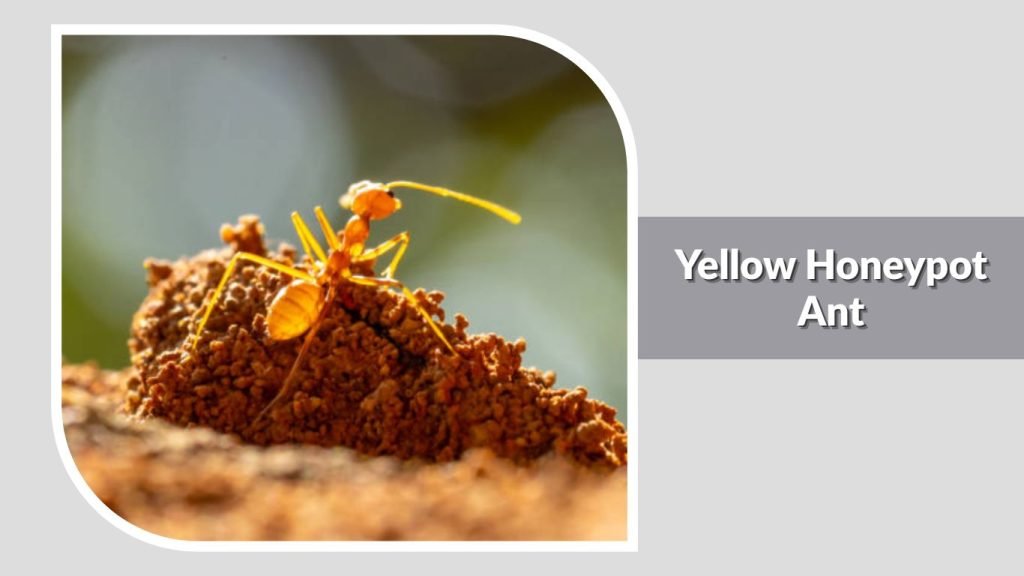
The Yellow Honeypot Ant is a brightly colored honeypot ant species recognized for its yellow or golden body and unique food-storage behavior. These ants contain specialized workers called repletes that store nectar and sugary liquids inside their enlarged abdomens. Yellow Honeypot Ants are highly adapted to dry and arid environments where food sources may become scarce. Their underground colonies and efficient storage system help them survive harsh environmental conditions throughout the year.
Identification
- Yellow, golden, or light amber body coloration
- Small to medium-sized body
- Swollen replete workers used for liquid storage
- Smooth and shiny outer body surface
- Long slender legs adapted for dry environments
- Segmented antennae with strong mandibles
Habitat and Distribution
Yellow Honeypot Ants are commonly found in deserts, dry grasslands, and semi-arid regions across North America and Australia. Their nests are usually built underground in sandy or loose soil where temperatures remain cooler and more stable.
Behavior and Diet
These ants actively forage for nectar, honeydew, sugary plant liquids, and small insects. Replete workers stay deep inside the nest storing food that can later be distributed to the colony during periods of drought or food shortages.
Colony Structure
The colony includes queens, worker ants, reproductive ants, and specialized repletes. Repletes act as living food reservoirs by hanging from underground nest chambers while storing large amounts of liquid nourishment for the colony.
14. Brown Honeypot Ant
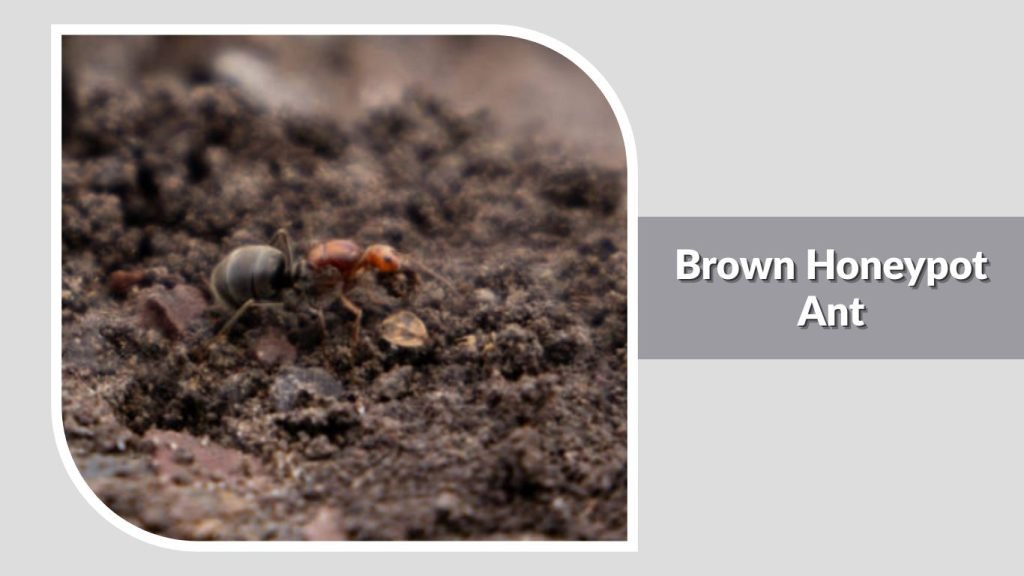
The Brown Honeypot Ant is a desert-adapted ant species known for its brown body coloration and specialized food-storage workers called repletes. These ants survive in harsh environments by storing nectar and sugary liquids inside the swollen abdomens of selected workers. Brown Honeypot Ants are highly efficient foragers and play an important role in dry ecosystems. Their underground nesting habits and food-storage abilities help the colony survive during long periods of drought and limited food availability.
Identification
- Brown or dark brown body coloration
- Small to medium-sized body
- Swollen replete workers filled with stored liquid
- Smooth and shiny body surface
- Long legs adapted for desert movement
- Strong mandibles and segmented antennae
Habitat and Distribution
Brown Honeypot Ants are commonly found in deserts, dry grasslands, scrublands, and semi-arid environments in North America and Australia. Their nests are usually built underground in sandy or loose soil where temperatures remain more stable.
Behavior and Diet
These ants forage for nectar, honeydew, sugary plant liquids, and small insects. Replete workers remain inside underground chambers storing food that can later be shared with other colony members during periods of food scarcity.
Colony Structure
The colony contains queens, worker ants, reproductive ants, and specialized repletes. Repletes act as living food reservoirs by hanging from the ceilings of underground chambers while storing large amounts of liquid nourishment for the colony.
15. Northern Honeypot Ant
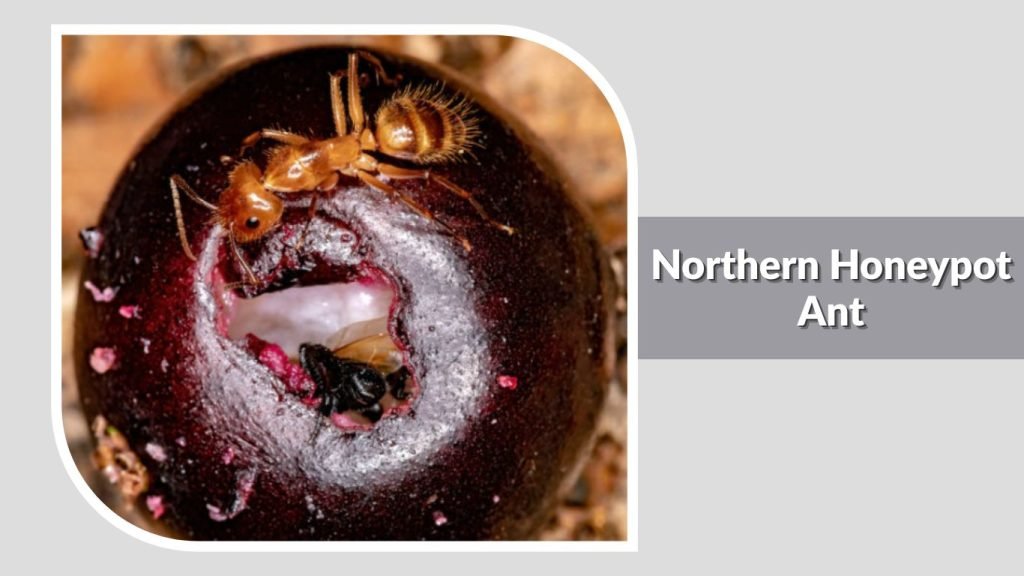
The Northern Honeypot Ant is a specialized honeypot ant species commonly found in northern desert and semi-arid regions. These ants are well known for their unique replete workers that store nectar and sugary liquids inside enlarged abdomens. Northern Honeypot Ants are highly adapted to harsh climates where food resources may become limited for long periods. Their underground colonies and efficient food-storage system help ensure the survival of the colony during droughts and extreme environmental conditions.
Identification
- Light brown, reddish, or golden body coloration
- Small to medium body size
- Swollen replete workers used for liquid storage
- Smooth and shiny body surface
- Long slender legs adapted for dry terrain
- Segmented antennae with strong mandibles
Habitat and Distribution
Northern Honeypot Ants are commonly found in northern deserts, dry plains, grasslands, and semi-arid environments across parts of North America. Their nests are usually built underground in sandy or loose soil that provides protection from extreme heat.
Behavior and Diet
These ants actively forage for nectar, honeydew, sugary plant liquids, and small insects. Replete workers remain deep inside underground chambers storing liquid food that can later be distributed throughout the colony during food shortages.
Colony Structure
The colony consists of queens, worker ants, reproductive ants, and specialized repletes. Repletes function as living food reservoirs by hanging from underground nest chambers while storing large amounts of liquid nourishment for the colony’s survival.
16. Southern Honeypot Ant
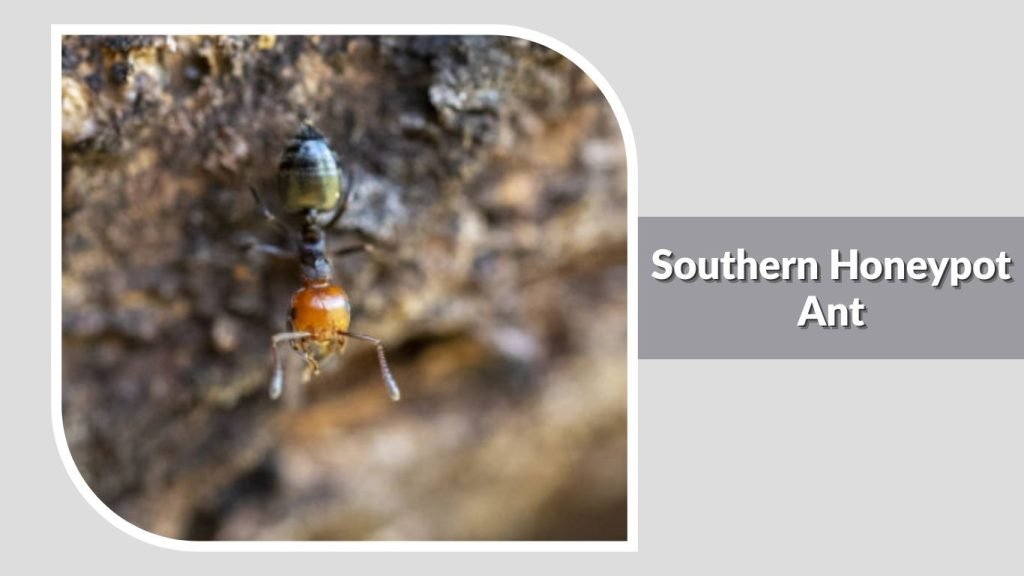
The Southern Honeypot Ant is a fascinating ant species adapted to dry and semi-arid environments in southern regions. Like other honeypot ants, this species contains specialized replete workers that store nectar and sugary liquids inside their swollen abdomens. Southern Honeypot Ants are important for desert ecosystems because their food-storage system helps colonies survive harsh conditions and long periods without reliable food sources in underground nesting habitats.
Identification
- Brown, reddish, or amber body coloration
- Small to medium-sized body
- Swollen replete workers filled with stored liquid
- Smooth and shiny outer body surface
- Long slender legs for movement on dry ground
- Strong mandibles and segmented antennae
Habitat and Distribution
Southern Honeypot Ants are commonly found in southern deserts, dry grasslands, scrublands, and semi-arid environments in Australia and North America. Their nests are usually constructed underground in sandy or loose soil with stable temperatures.
Behavior and Diet
These ants actively forage for nectar, honeydew, sugary plant substances, and small insects. Replete workers remain inside underground nest chambers where they store liquid food that can later be shared with the colony during food shortages.
Colony Structure
The colony includes queens, worker ants, reproductive ants, and specialized repletes. Repletes act as living food reservoirs by hanging from the ceilings of underground chambers while storing large amounts of liquid nourishment for the survival of the colony.
17. Arid Land Honeypot Ant
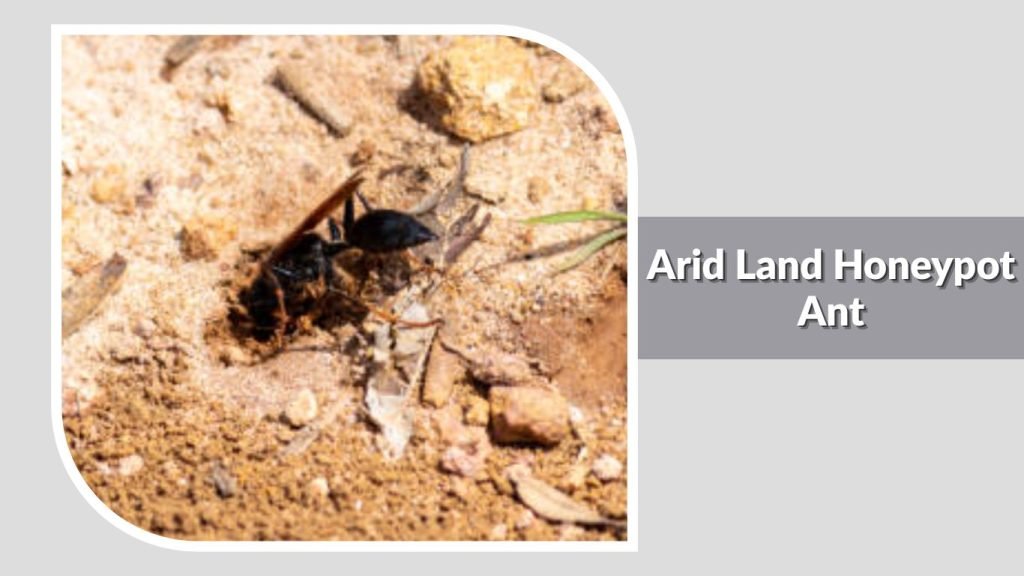
The Arid Land Honeypot Ant is a highly specialized ant species adapted to survive in extremely dry and harsh environments. These ants are famous for their unique replete workers that store nectar and sugary liquids inside swollen abdomens for future use. Arid Land Honeypot Ants help their colonies endure long droughts and food shortages. Their underground nesting habits and efficient food-storage system make them well suited for life in desert and semi-arid ecosystems.
Identification
- Light brown, reddish, or sandy-colored body
- Small to medium body size
- Swollen replete workers filled with liquid food
- Smooth and shiny outer body surface
- Long legs adapted for movement on hot ground
- Strong mandibles and segmented antennae
Habitat and Distribution
Arid Land Honeypot Ants are commonly found in deserts, dry plains, scrublands, and semi-arid regions across Australia and North America. Their nests are usually built underground in sandy or loose soil to protect the colony from extreme temperatures.
Behavior and Diet
These ants actively forage for nectar, honeydew, sugary plant liquids, and small insects. Replete workers remain inside underground chambers storing food that can later be distributed to other colony members during droughts and periods of limited food availability.
Colony Structure
The colony contains queens, worker ants, reproductive ants, and specialized repletes. Repletes hang from underground nest chambers and act as living food reservoirs that provide nourishment for the colony during harsh environmental conditions.
18. Woodland Honeypot Ant
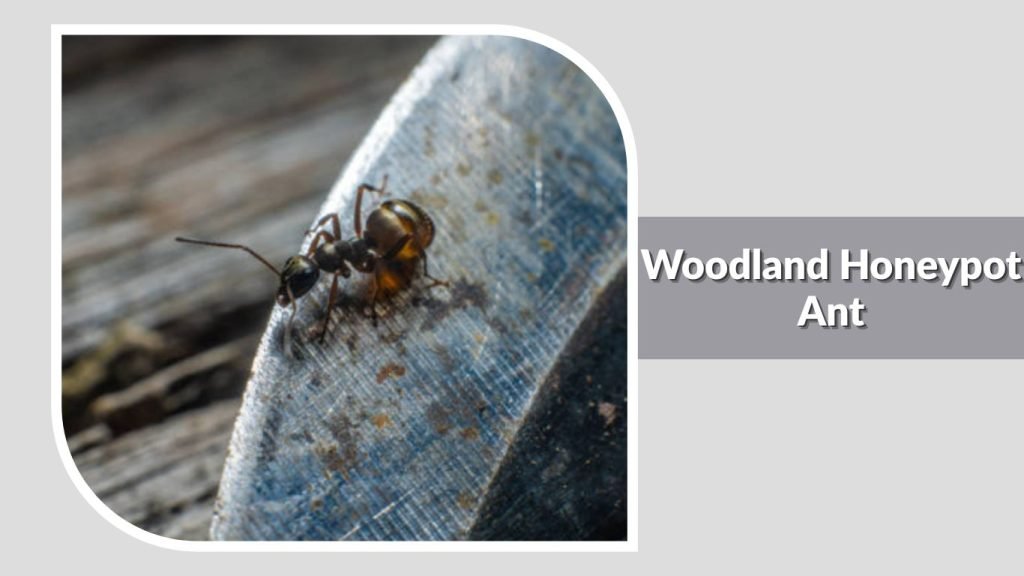
The Woodland Honeypot Ant is a unique honeypot ant species adapted to wooded and semi-arid forest environments. Like other honeypot ants, this species contains specialized replete workers that store nectar and sugary liquids inside swollen abdomens. Woodland Honeypot Ants help their colonies survive during periods when food becomes difficult to find. Their underground nests and efficient storage system allow them to thrive in woodland habitats with changing environmental conditions.
Identification
- Brown, amber, or reddish body coloration
- Small to medium-sized body
- Swollen replete workers used for liquid storage
- Smooth and shiny outer body surface
- Long slender legs for movement through woodland terrain
- Strong mandibles and segmented antennae
Habitat and Distribution
Woodland Honeypot Ants are commonly found in woodlands, dry forests, scrublands, and semi-arid regions across Australia and North America. Their nests are usually built underground beneath loose soil, tree roots, rocks, or leaf litter.
Behavior and Diet
These ants actively forage for nectar, honeydew, sugary plant liquids, and small insects. Replete workers remain inside underground nest chambers where they store liquid food that can later be shared with the colony during food shortages.
Colony Structure
The colony includes queens, worker ants, reproductive ants, and specialized repletes. Repletes act as living food reservoirs by hanging from underground chambers while storing large amounts of liquid nourishment for the survival of the colony.
19. Tropical Honeypot Ant
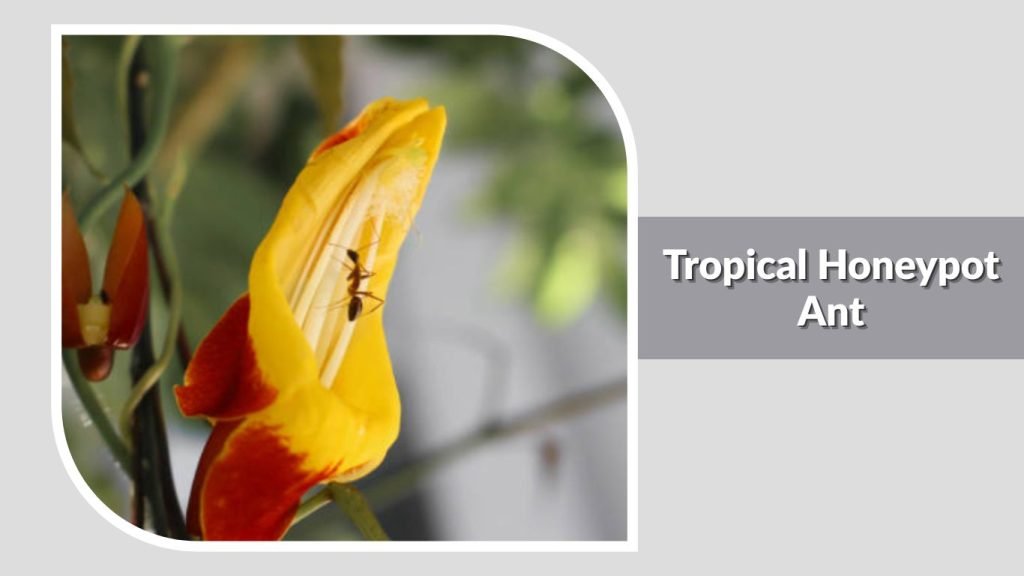
The Tropical Honeypot Ant is a fascinating honeypot ant species adapted to warm tropical and semi-tropical environments. These ants are known for their specialized replete workers that store nectar and sugary liquids inside swollen abdomens for future use. Tropical Honeypot Ants help their colonies survive periods of limited food availability and changing weather conditions. Their underground nests and efficient food-storage system make them highly successful in tropical ecosystems.
Identification
- Golden brown, reddish, or amber body coloration
- Small to medium body size
- Swollen replete workers filled with stored liquid
- Smooth and shiny body surface
- Long slender legs adapted for tropical terrain
- Strong mandibles and segmented antennae
Habitat and Distribution
Tropical Honeypot Ants are commonly found in tropical forests, warm grasslands, scrublands, and semi-arid regions in parts of Australia and Central America. Their nests are usually built underground in loose soil with stable moisture levels.
Behavior and Diet
These ants actively forage for nectar, honeydew, sugary plant liquids, fruits, and small insects. Replete workers remain inside underground chambers storing food that can later be distributed throughout the colony during periods of food scarcity.
Colony Structure
The colony consists of queens, worker ants, reproductive ants, and specialized repletes. Repletes function as living food reservoirs by hanging from underground nest chambers while storing large amounts of liquid nourishment for the colony’s survival.
20. Mountain Honeypot Ant
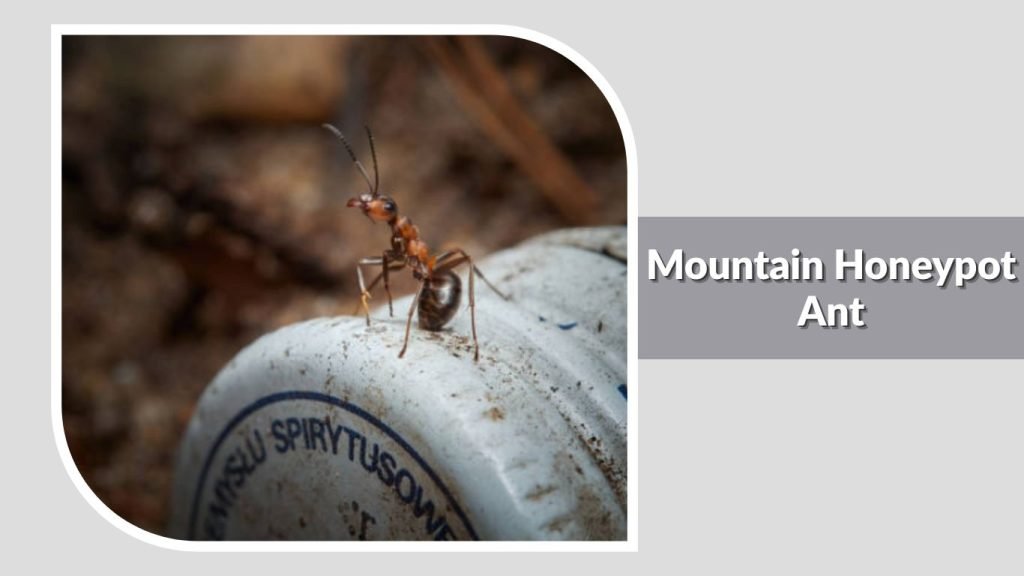
The Mountain Honeypot Ant is a specialized honeypot ant species adapted to cooler mountainous and highland environments. Like other honeypot ants, this species contains replete workers that store nectar and sugary liquids inside their enlarged abdomens. Mountain Honeypot Ants survive in areas where weather conditions and food availability can change rapidly. Their underground nesting behavior and food-storage system help the colony remain stable during colder seasons and periods of limited resources.
Identification
- Dark brown, reddish, or amber body coloration
- Small to medium-sized body
- Swollen replete workers used for food storage
- Smooth and shiny outer body surface
- Long legs adapted for rocky terrain
- Strong mandibles and segmented antennae
Habitat and Distribution
Mountain Honeypot Ants are commonly found in mountainous grasslands, rocky woodlands, and highland environments in parts of Australia and North America. Their nests are usually built underground beneath rocks, roots, or loose mountain soil.
Behavior and Diet
These ants actively forage for nectar, honeydew, sugary plant liquids, and small insects. Repeated workers remain inside underground chambers storing liquid food that can later be shared with the colony during cold seasons or food shortages.
Colony Structure
The colony includes queens, worker ants, reproductive ants, and specialized repletes. Repletes act as living food reservoirs by hanging from underground nest chambers while storing large amounts of liquid nourishment for the survival of the colony.
FAQs
What are Honeypot Ants?
Honeypot Ants are specialized ants known for their unique food-storage system. Certain worker ants, called repletes, store nectar and sugary liquids inside their swollen abdomens to provide food for the colony during shortages.
Where are Honeypot Ants found?
Honeypot Ants are commonly found in deserts, grasslands, woodlands, and arid environments in Australia, North America, Mexico, and some tropical regions. They usually build underground nests in sandy or loose soil.
What do Honeypot Ants eat?
Honeypot Ants feed on nectar, honeydew, sugary plant liquids, fruits, and small insects. Worker ants collect food from outside the nest and transfer liquid nourishment to replete workers for storage.
What are repletes in Honeypot Ant colonies?
Repletes are specialized worker ants that act as living food reservoirs. Their abdomens become greatly enlarged as they store liquid food, which can later be shared with the rest of the colony when needed.
Are Honeypot Ants dangerous to humans?
Honeypot Ants are generally not considered dangerous to humans. While they may bite or sting if threatened, most species are not highly aggressive and usually avoid direct contact with people.
