
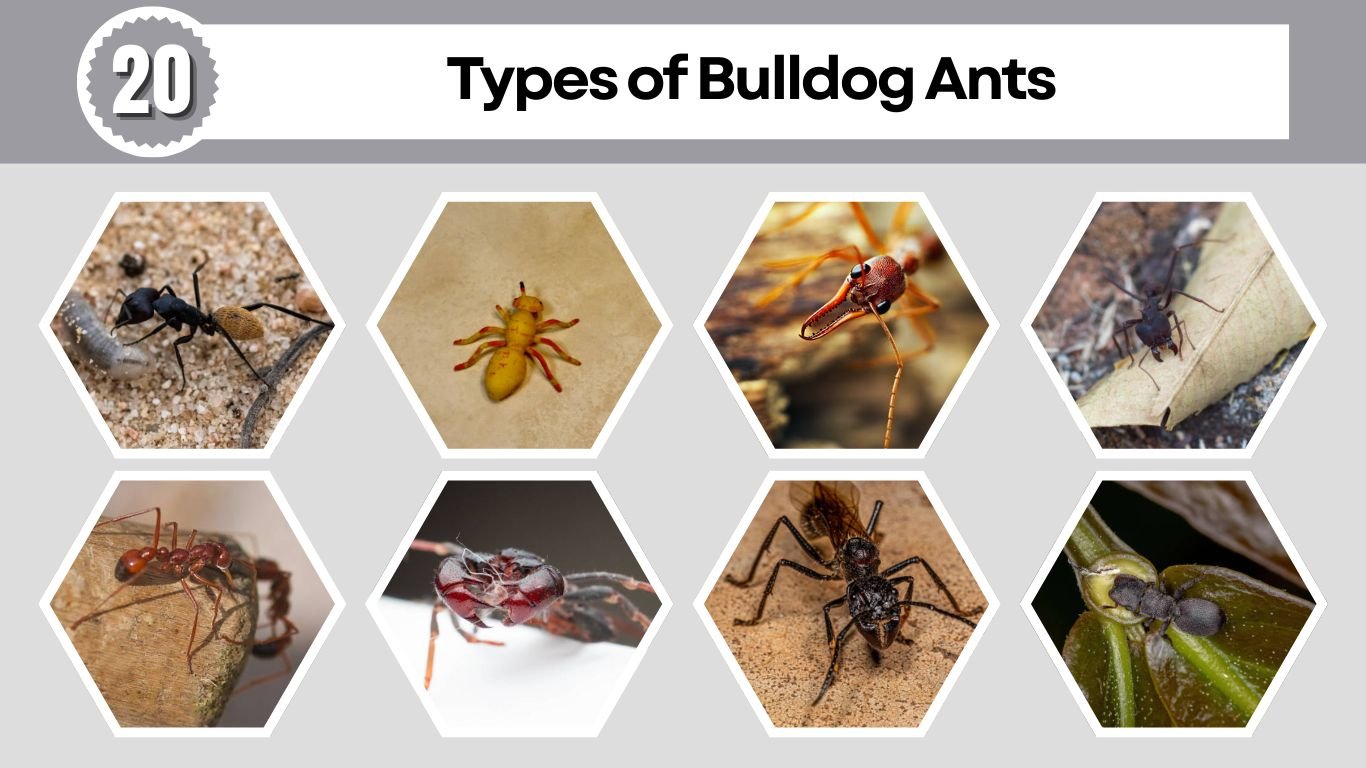
Bulldog Ants are among the most fascinating and dangerous ants in the world. Native mainly to Australia, these ants are famous for their large size, aggressive behavior, painful sting, and excellent eyesight. Most Bulldog Ant species belong to the Myrmecia genus and are active hunters that rely on vision instead of scent trails. They inhabit a wide range of environments, including forests, grasslands, deserts, and woodlands. From the brightly colored Scarlet Bulldog Ant to the powerful Giant Bulldog Ant, each species has unique characteristics, behaviors, and habitats that make them interesting to study and observe.
1. Red Bulldog Ant

The Red Bulldog Ant is one of the largest and most aggressive ant species found in Australia. Belonging to the Myrmecia genus, this ant is famous for its painful sting, sharp mandibles, and excellent eyesight. It is an active predator that hunts during the day and often lives in forests, grasslands, and open woodland environments across different Australian regions.
Identification
- Bright reddish-orange body
- Large body size compared to ordinary ants
- Long legs and strong mandibles
- Large black eyes with sharp vision
- Powerful sting at the end of the abdomen
- Fast and aggressive movement
Habitat
Red Bulldog Ants mainly inhabit forests, open woodlands, dry grasslands, and rural areas throughout Australia. Their nests are commonly built underground beneath rocks, fallen logs, or loose soil in sunny locations.
Behavior
These ants are highly territorial and aggressive when threatened. Unlike many other ant species, they rely heavily on eyesight for hunting and navigation. Worker ants actively patrol their surroundings during daylight hours.
Diet
The Red Bulldog Ant feeds on insects, nectar, and sweet plant substances. Workers hunt live prey and transport food back to the colony to support larvae and other members of the nest.
Sting and Danger
The sting of a Red Bulldog Ant is extremely painful and may cause swelling, burning sensations, and allergic reactions. In some cases, severe reactions can occur, making these ants potentially dangerous to sensitive individuals.
2. Black Bulldog Ant
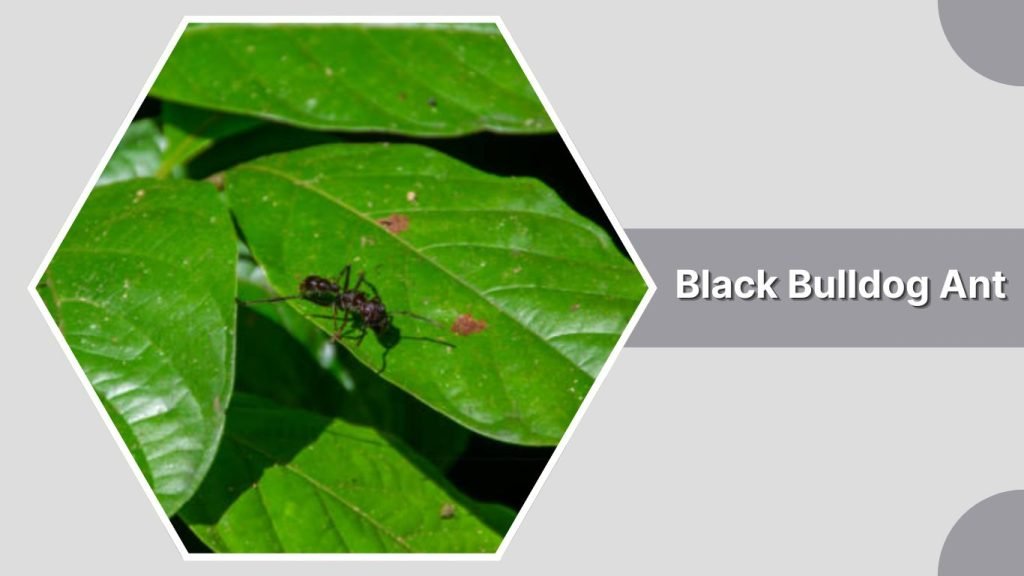
The Black Bulldog Ant is a large and powerful ant species native to Australia. Known for its dark body coloration and aggressive defensive behavior, this ant belongs to the Myrmecia genus. It possesses strong mandibles, a painful sting, and excellent eyesight that helps it hunt effectively during the daytime. Black Bulldog Ants are commonly seen in forests, woodlands, and dry natural habitats.
Identification
- Shiny black or dark brown body
- Large size with long legs
- Strong jaws for hunting and defense
- Large eyes with excellent vision
- Sharp and painful stinger
- Fast and alert movement
Habitat
Black Bulldog Ants are commonly found in forests, grasslands, and woodland regions across Australia. Their nests are usually built underground in dry soil, near rocks, logs, or tree roots in sunny areas.
Behavior
These ants are highly territorial and quickly react to disturbances near their nest. They are solitary hunters and use their eyesight rather than scent trails to locate prey and navigate their surroundings.
Diet
Black Bulldog Ants feed on insects, nectar, and sugary plant materials. Worker ants actively hunt small prey and gather food resources to support the colony and developing larvae.
Sting and Danger
The sting of a Black Bulldog Ant is very painful and can produce swelling, redness, and irritation. Some individuals may experience serious allergic reactions, requiring immediate medical attention after multiple stings.
3. Jack Jumper Ant
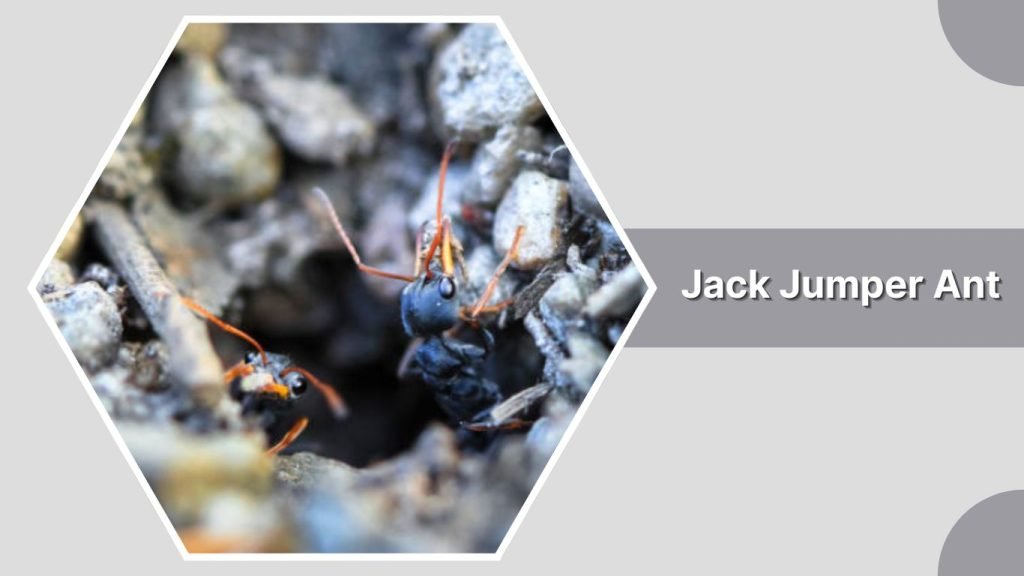
The Jack Jumper Ant is a dangerous and highly active ant species native to Australia. It belongs to the Myrmecia genus and is widely recognized for its jumping ability, aggressive behavior, and extremely painful sting. These ants are excellent hunters with strong vision and quick movement. Jack Jumper Ants usually inhabit forests, grasslands, and rural environments where they actively search for food during the day.
Identification
- Black body with orange or reddish legs
- Medium to large body size
- Strong mandibles and long legs
- Large eyes with sharp eyesight
- Capable of jumping short distances
- Painful stinger beneath the abdomen
Habitat
Jack Jumper Ants commonly live in forests, open woodlands, grasslands, and suburban areas across Australia. Their nests are often located underground in soil, beneath rocks, or around decaying wood.
Behavior
These ants are extremely active during daylight hours and aggressively defend their nests. They rely heavily on vision for hunting and can quickly jump toward threats or prey when disturbed.
Diet
Jack Jumper Ants feed on insects, nectar, and sweet substances produced by plants. Workers actively hunt small insects and carry food resources back to the colony for feeding larvae and other ants.
Sting and Danger
The sting of a Jack Jumper Ant is extremely painful and medically significant. Some people may develop severe allergic reactions, including anaphylaxis, making this species one of the most dangerous ants in Australia.
4. Eastern Bulldog Ant
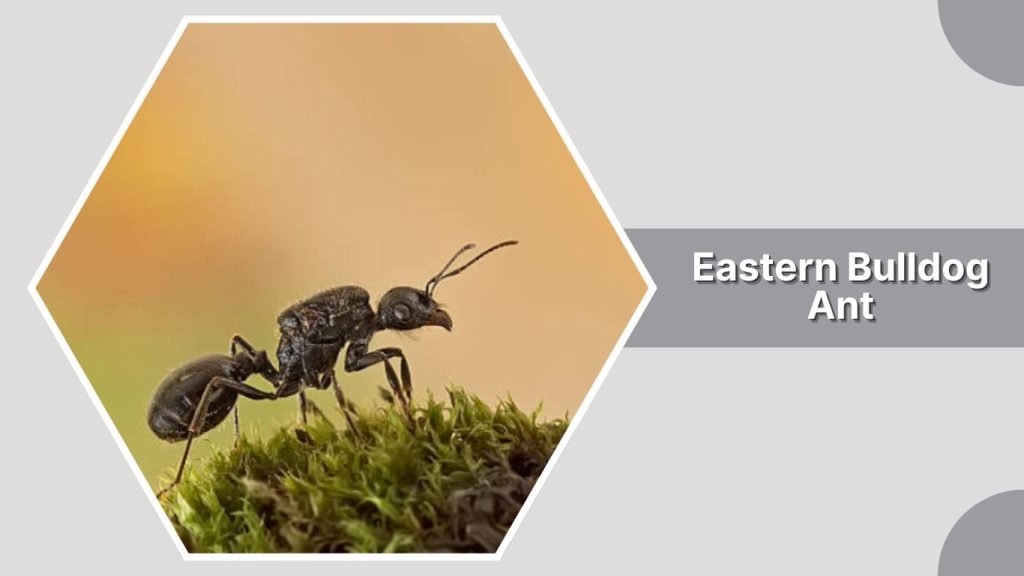
The Eastern Bulldog Ant is a large and aggressive ant species commonly found in eastern parts of Australia. As a member of the Myrmecia genus, it is known for its strong jaws, sharp sting, and excellent eyesight. These ants are active daytime hunters that move quickly while searching for prey. Eastern Bulldog Ants typically inhabit forests, woodlands, and grassy environments with dry soil conditions.
Identification
- Reddish-brown or dark-colored body
- Large body with long legs
- Strong mandibles for hunting prey
- Large eyes with excellent vision
- Sharp and painful stinger
- Fast-moving and highly alert behavior
Habitat
Eastern Bulldog Ants are mainly found in forests, open woodlands, and grassland regions in eastern Australia. Their nests are usually built underground beneath rocks, logs, or loose soil in warm sunny locations.
Behavior
These ants are solitary hunters and rely more on vision than scent trails. They are highly defensive and may aggressively attack when their nest is disturbed or threatened by intruders.
Diet
Eastern Bulldog Ants feed on insects, nectar, and sugary plant liquids. Worker ants hunt small prey during the day and transport food back to the colony to feed larvae and other ants.
Sting and Danger
The sting of an Eastern Bulldog Ant is very painful and may cause swelling, irritation, and redness. In sensitive individuals, severe allergic reactions can occur, requiring immediate medical treatment.
5. Giant Bulldog Ant
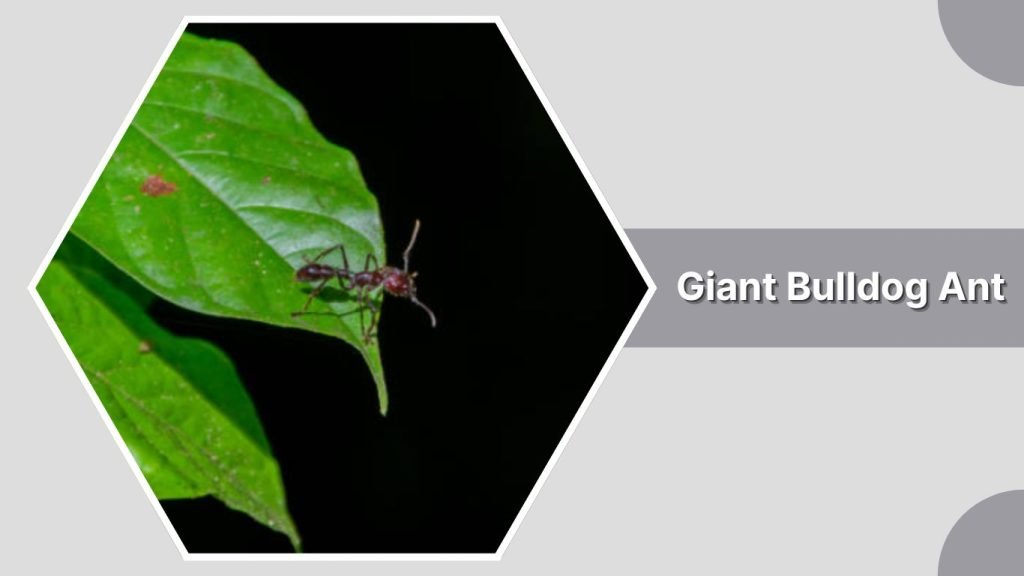
The Giant Bulldog Ant is one of the largest ant species in Australia and is famous for its intimidating appearance and aggressive nature. Belonging to the Myrmecia genus, this ant has strong mandibles, excellent eyesight, and a painful sting used for defense and hunting. Giant Bulldog Ants are active predators that hunt during the day and commonly inhabit forests, woodlands, and dry natural environments.
Identification
- Very large body size
- Reddish-brown or black coloration
- Long legs and powerful mandibles
- Large eyes with sharp vision
- Strong and painful stinger
- Fast and aggressive movement
Habitat
Giant Bulldog Ants are commonly found in forests, dry woodlands, and grassy regions throughout Australia. Their nests are usually constructed underground beneath rocks, logs, or loose soil in warm and sunny locations.
Behavior
These ants are highly territorial and aggressively defend their colony from threats. They are solitary hunters that depend heavily on eyesight rather than chemical trails for navigation and locating prey.
Diet
Giant Bulldog Ants feed on insects, nectar, and sugary plant substances. Worker ants actively hunt live prey and transport food back to the colony to support larvae and adult ants.
Sting and Danger
The sting of a Giant Bulldog Ant is extremely painful and may cause swelling, redness, and severe discomfort. Some individuals can experience dangerous allergic reactions that may require urgent medical attention.
6. Golden-Tailed Bulldog Ant
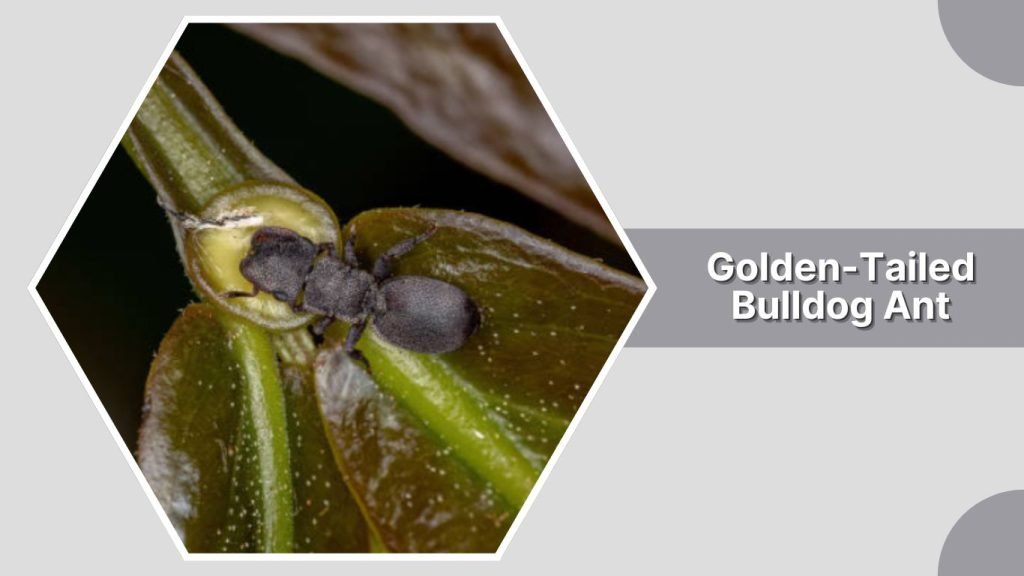
The Golden-Tailed Bulldog Ant is a striking Australian ant species recognized for its golden-colored abdomen and aggressive behavior. As part of the Myrmecia genus, this ant is known for its powerful sting, strong jaws, and excellent eyesight. It is an active daytime hunter that searches for prey independently. Golden-Tailed Bulldog Ants usually inhabit forests, woodlands, and open grassy regions with warm environmental conditions.
Identification
- Dark body with a golden or yellowish tail
- Large body size with long legs
- Strong mandibles for hunting and defense
- Large prominent eyes with excellent vision
- Sharp and painful stinger
- Quick and highly alert movement
Habitat
Golden-Tailed Bulldog Ants are commonly found in forests, grasslands, and open woodland habitats throughout Australia. Their nests are usually built underground in dry soil beneath rocks, logs, or tree roots.
Behavior
These ants are solitary hunters and are very aggressive when threatened. They rely mainly on eyesight for navigation and can quickly attack intruders that approach their nesting area.
Diet
Golden-Tailed Bulldog Ants feed on insects, nectar, and sweet plant liquids. Workers actively hunt small prey and gather sugary food sources to support the colony and developing larvae.
Sting and Danger
The sting of a Golden-Tailed Bulldog Ant is extremely painful and can cause swelling, redness, and irritation. In some cases, allergic reactions may occur, making caution necessary around their nests.
7. Coastal Bulldog Ant
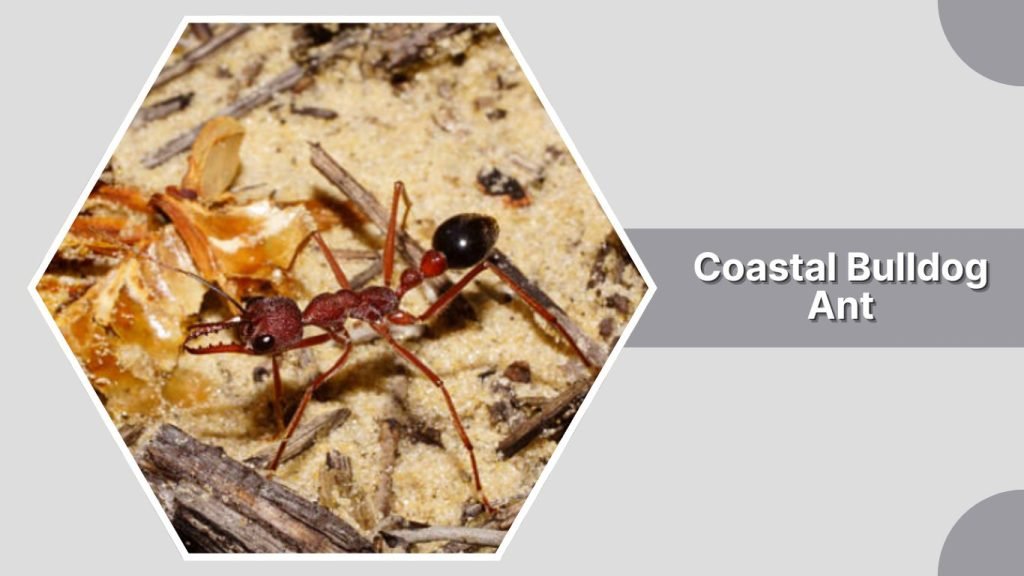
The Coastal Bulldog Ant is a large and aggressive ant species commonly found near coastal regions of Australia. It belongs to the Myrmecia genus and is known for its powerful sting, strong mandibles, and sharp eyesight. These ants are active hunters that forage during the daytime and often live in sandy or dry coastal habitats. Their fast movement and defensive nature make them highly noticeable in the wild.
Identification
- Dark brown or reddish body coloration
- Long legs and large body size
- Strong mandibles for capturing prey
- Large eyes with excellent daytime vision
- Painful stinger beneath the abdomen
- Fast-moving and highly defensive behavior
Habitat
Coastal Bulldog Ants mainly inhabit sandy coastal forests, dunes, grasslands, and open woodland areas in Australia. Their nests are usually constructed underground in dry soil near rocks, shrubs, or fallen wood.
Behavior
These ants are aggressive and highly territorial when defending their nests. They hunt alone instead of following scent trails and depend heavily on eyesight to locate prey and identify threats.
Diet
Coastal Bulldog Ants feed on insects, nectar, and sugary plant substances. Worker ants actively hunt small prey and gather food resources to support the colony and developing larvae.
Sting and Danger
The sting of a Coastal Bulldog Ant is very painful and may cause swelling, burning sensations, and irritation. Some individuals may experience allergic reactions that require immediate medical attention after being stung.
8. Inland Bulldog Ant
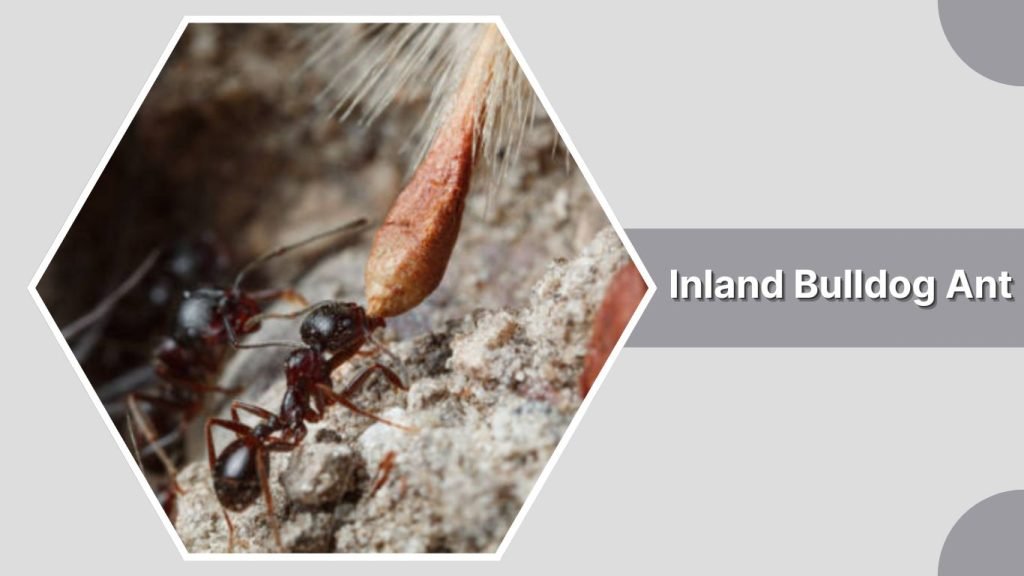
The Inland Bulldog Ant is a strong and aggressive ant species that lives in the dry inland regions of Australia. As a member of the Myrmecia genus, it is recognized for its large body, sharp mandibles, painful sting, and excellent vision. These ants are active daytime hunters that move quickly while searching for food. Inland Bulldog Ants commonly inhabit grasslands, woodlands, and dry open environments.
Identification
- Dark brown, reddish, or black body
- Large size with long powerful legs
- Strong mandibles for hunting prey
- Large eyes with excellent eyesight
- Sharp and painful stinger
- Fast and alert movement
Habitat
Inland Bulldog Ants are commonly found in dry grasslands, inland forests, woodlands, and arid regions of Australia. Their nests are usually built underground in loose soil beneath rocks, logs, or shrubs.
Behavior
These ants are highly territorial and aggressive when defending their nest. They hunt alone rather than using scent trails and rely heavily on their sharp vision to locate prey and detect danger.
Diet
Inland Bulldog Ants feed on insects, nectar, and sweet plant substances. Worker ants actively hunt live prey and collect sugary food sources to support the colony and developing larvae.
Sting and Danger
The sting of an Inland Bulldog Ant is extremely painful and may cause swelling, redness, and irritation. In sensitive individuals, severe allergic reactions can occur and may require urgent medical treatment.
9. Green-Headed Bulldog Ant
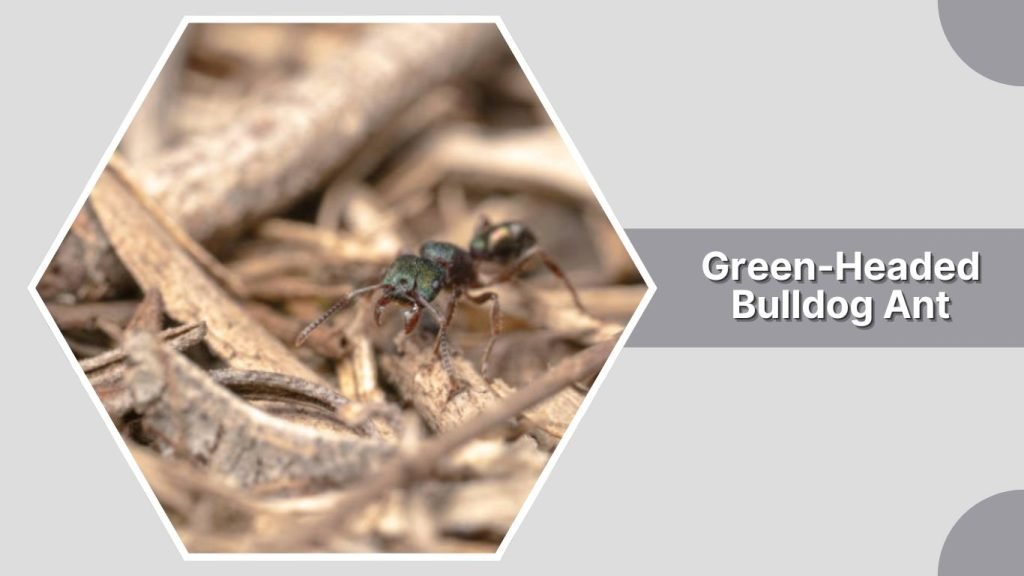
The Green-Headed Bulldog Ant is a colorful and aggressive ant species found in Australia. It belongs to the Myrmecia genus and is known for its metallic green head, strong mandibles, painful sting, and excellent eyesight. These ants are active daytime hunters that move quickly while searching for prey. Green-Headed Bulldog Ants usually inhabit forests, woodlands, and grassy environments with warm and dry conditions.
Identification
- Metallic green or greenish head
- Reddish-brown or dark-colored body
- Large size with long legs
- Strong mandibles for hunting prey
- Large eyes with excellent vision
- Sharp and painful stinger
Habitat
Green-Headed Bulldog Ants are commonly found in forests, woodlands, grasslands, and open natural habitats throughout Australia. Their nests are usually built underground beneath rocks, logs, or dry soil in sunny areas.
Behavior
These ants are solitary hunters and highly defensive when disturbed. They depend mainly on eyesight instead of scent trails for hunting and navigation and can aggressively attack intruders near their nest.
Diet
Green-Headed Bulldog Ants feed on insects, nectar, and sugary plant liquids. Worker ants actively hunt live prey and gather food resources for the colony and developing larvae.
Sting and Danger
The sting of a Green-Headed Bulldog Ant is very painful and may cause swelling, irritation, and redness. Some people may experience severe allergic reactions, making these ants potentially dangerous in certain situations.
10. Broad-Headed Bulldog Ant
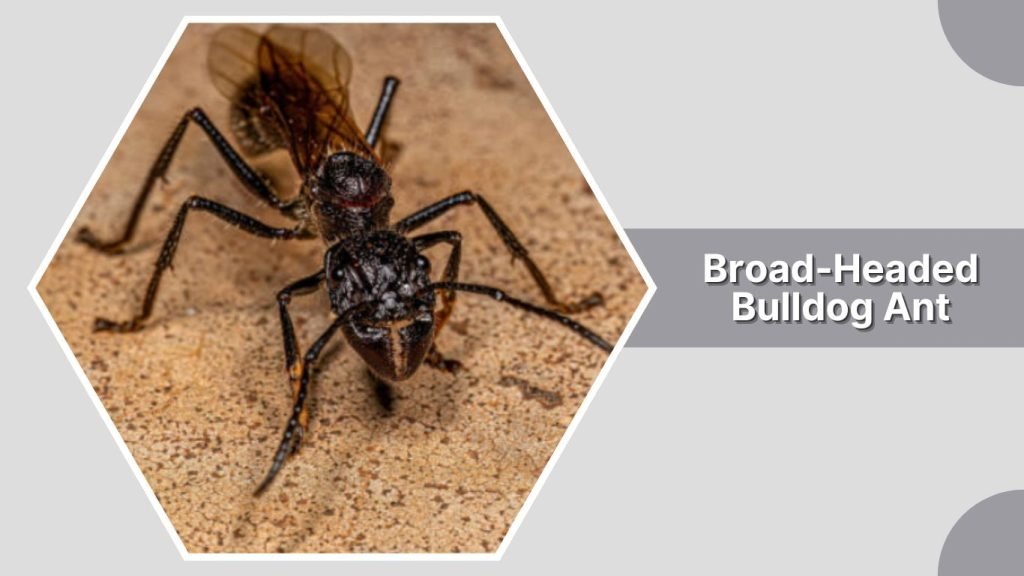
The Broad-Headed Bulldog Ant is a powerful Australian ant species recognized for its unusually wide head and aggressive nature. As part of the Myrmecia genus, this ant possesses strong mandibles, a painful sting, and excellent eyesight that helps it hunt effectively during the daytime. These ants are active predators commonly found in forests, grasslands, and open woodland habitats with dry environmental conditions.
Identification
- Broad and noticeably wide head
- Dark brown, reddish, or black body
- Large body size with long legs
- Strong mandibles for defense and hunting
- Large eyes with sharp vision
- Painful stinger beneath the abdomen
Habitat
Broad-Headed Bulldog Ants are commonly found in forests, woodlands, grasslands, and dry natural areas throughout Australia. Their nests are usually constructed underground beneath rocks, logs, or loose soil in warm and sunny locations.
Behavior
These ants are highly territorial and aggressive when their nest is threatened. They hunt alone rather than using scent trails and rely heavily on eyesight to locate prey and navigate their surroundings.
Diet
Broad-Headed Bulldog Ants feed on insects, nectar, and sugary plant substances. Worker ants actively hunt small prey and transport food back to the colony to support larvae and adult ants.
Sting and Danger
The sting of a Broad-Headed Bulldog Ant is extremely painful and may result in swelling, redness, and irritation. Some individuals can develop severe allergic reactions that may require immediate medical attention.
11. Tasmanian Bulldog Ant
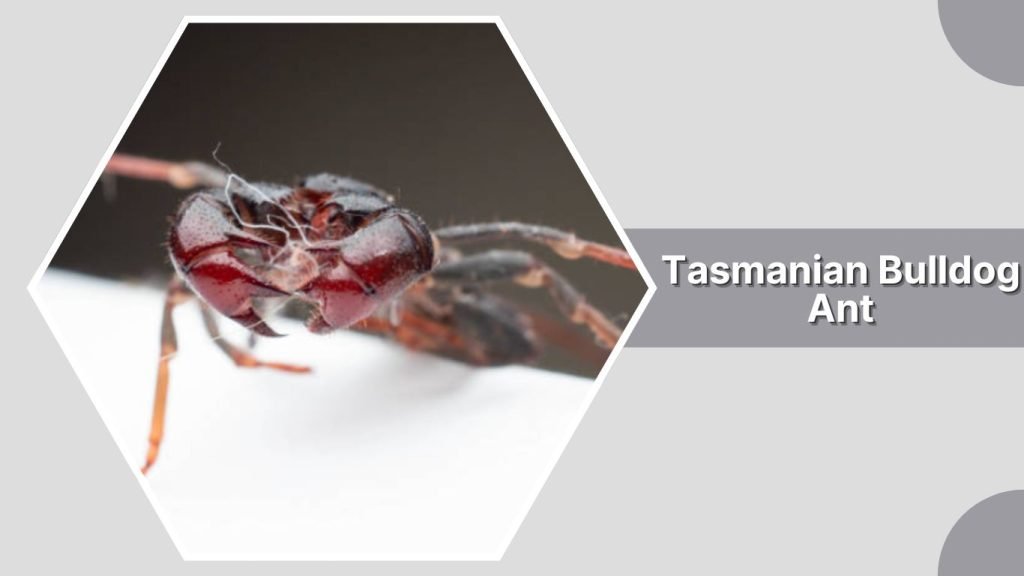
The Tasmanian Bulldog Ant is a large and aggressive ant species commonly found in Tasmania and nearby regions of Australia. Belonging to the Myrmecia genus, this ant is known for its strong mandibles, painful sting, and excellent eyesight. It is an active daytime hunter that searches for prey independently. Tasmanian Bulldog Ants usually inhabit forests, grasslands, and cool woodland environments with loose soil conditions.
Identification
- Dark brown, black, or reddish body
- Large size with long powerful legs
- Strong mandibles for hunting prey
- Large eyes with sharp vision
- Sharp and painful stinger
- Fast-moving and highly defensive behavior
Habitat
Tasmanian Bulldog Ants are mainly found in forests, grasslands, and woodland habitats across Tasmania and southern Australia. Their nests are commonly built underground beneath rocks, logs, or dry soil in open sunny areas.
Behavior
These ants are highly territorial and aggressive when disturbed near their nest. They hunt alone rather than following scent trails and depend heavily on their excellent eyesight for navigation and locating prey.
Diet
Tasmanian Bulldog Ants feed on insects, nectar, and sugary plant substances. Worker ants actively hunt live prey and collect food resources to support the colony and developing larvae.
Sting and Danger
The sting of a Tasmanian Bulldog Ant is extremely painful and may cause swelling, redness, and irritation. In sensitive individuals, severe allergic reactions can occur and may require urgent medical treatment.
12. Brown Bulldog Ant
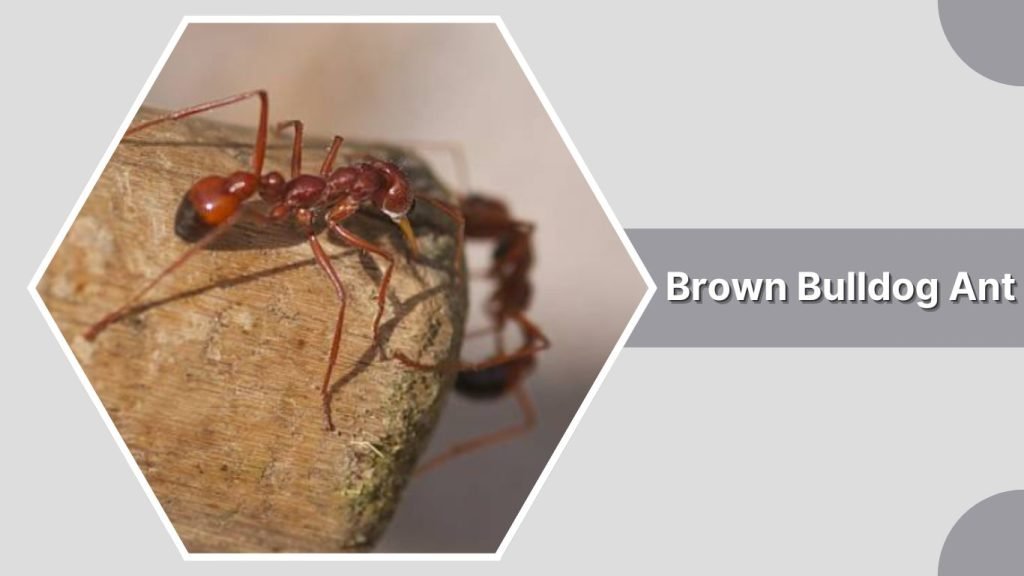
The Brown Bulldog Ant is a large and aggressive ant species native to Australia. It belongs to the Myrmecia genus and is recognized for its brown body coloration, strong mandibles, painful sting, and excellent eyesight. These ants are active daytime hunters that search for prey independently. Brown Bulldog Ants commonly inhabit forests, woodlands, grasslands, and dry natural environments with loose soil and warm conditions.
Identification
- Brown or dark brown body coloration
- Large body size with long legs
- Strong mandibles for hunting and defense
- Large eyes with excellent vision
- Sharp and painful stinger
- Fast-moving and alert behavior
Habitat
Brown Bulldog Ants are commonly found in forests, open woodlands, grasslands, and rural areas across Australia. Their nests are usually built underground beneath rocks, logs, or loose dry soil in sunny locations.
Behavior
These ants are highly territorial and aggressive when their nest is disturbed. They rely heavily on eyesight instead of scent trails for hunting, navigation, and detecting threats in their environment.
Diet
Brown Bulldog Ants feed on insects, nectar, and sugary plant liquids. Worker ants actively hunt live prey and gather food resources to support larvae and other colony members.
Sting and Danger
The sting of a Brown Bulldog Ant is very painful and may cause swelling, redness, burning sensations, and irritation. Some individuals can experience severe allergic reactions that require immediate medical attention.
13. Scarlet Bulldog Ant
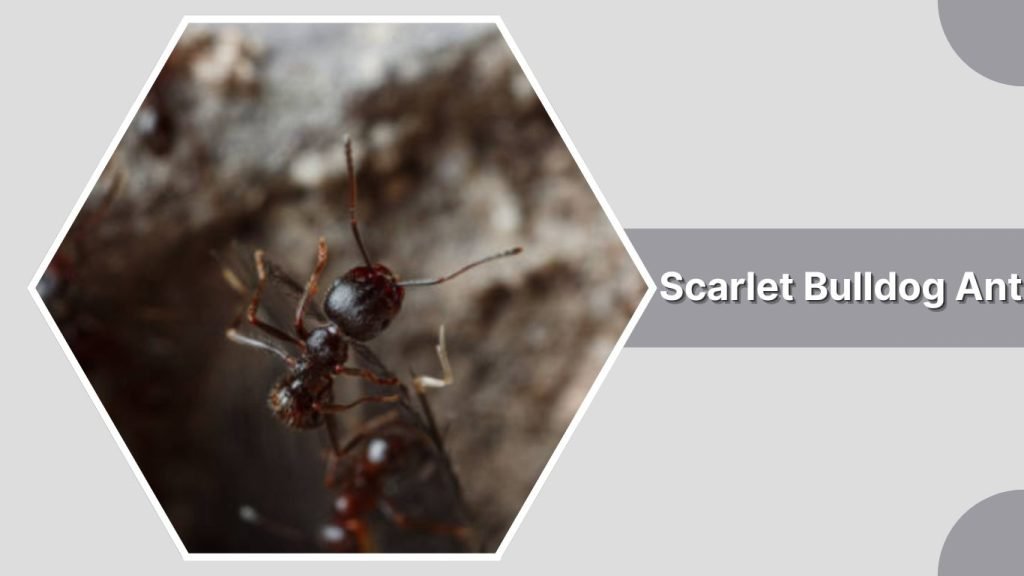
The Scarlet Bulldog Ant is a brightly colored and aggressive ant species found in Australia. As a member of the Myrmecia genus, it is known for its vivid scarlet or reddish body, strong mandibles, painful sting, and excellent eyesight. These ants are active daytime predators that hunt alone rather than in groups. Scarlet Bulldog Ants commonly inhabit forests, woodlands, and grassy environments with warm and dry conditions.
Identification
- Bright scarlet or reddish body coloration
- Large size with long legs
- Strong mandibles for capturing prey
- Large eyes with excellent daytime vision
- Sharp and painful stinger
- Fast-moving and highly defensive behavior
Habitat
Scarlet Bulldog Ants are commonly found in forests, open woodlands, grasslands, and dry natural habitats throughout Australia. Their nests are usually built underground beneath rocks, logs, or loose soil in sunny locations.
Behavior
These ants are highly territorial and aggressive when defending their nest. They hunt independently and rely heavily on eyesight instead of scent trails for navigation and locating prey during the daytime.
Diet
Scarlet Bulldog Ants feed on insects, nectar, and sweet plant substances. Worker ants actively hunt small prey and gather food resources to support the colony and developing larvae.
Sting and Danger
The sting of a Scarlet Bulldog Ant is extremely painful and can cause swelling, redness, irritation, and burning sensations. In some individuals, severe allergic reactions may occur and require urgent medical treatment.
14. Long-Mandibled Bulldog Ant
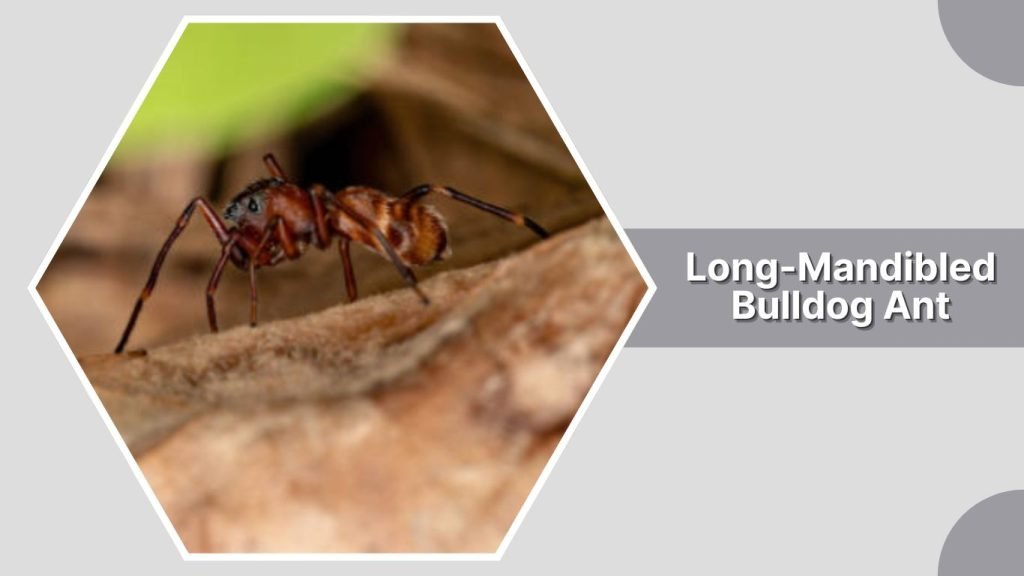
The Long-Mandibled Bulldog Ant is a distinctive Australian ant species recognized for its unusually long and powerful jaws. Belonging to the Myrmecia genus, this ant is an aggressive predator with excellent eyesight and a painful sting. It actively hunts during the daytime and relies on speed and vision to capture prey. Long-Mandibled Bulldog Ants are commonly found in forests, woodlands, and open grassy habitats across Australia.
Identification
- Long and curved mandibles
- Large body with long legs
- Dark brown, black, or reddish coloration
- Large eyes with sharp vision
- Strong and painful stinger
- Fast-moving and aggressive behavior
Habitat
Long-Mandibled Bulldog Ants are commonly found in forests, grasslands, and woodland environments throughout Australia. Their nests are usually constructed underground beneath rocks, logs, or loose soil in warm and sunny areas.
Behavior
These ants are solitary hunters that depend heavily on eyesight rather than scent trails. They are highly territorial and quickly attack intruders that come close to their nesting area.
Diet
Long-Mandibled Bulldog Ants feed on insects, nectar, and sugary plant liquids. Worker ants actively hunt live prey using their strong mandibles and carry food back to the colony.
Sting and Danger
The sting of a Long-Mandibled Bulldog Ant is extremely painful and may cause swelling, irritation, and redness. Some people can experience severe allergic reactions that may require immediate medical attention.
15. Small Bulldog Ant
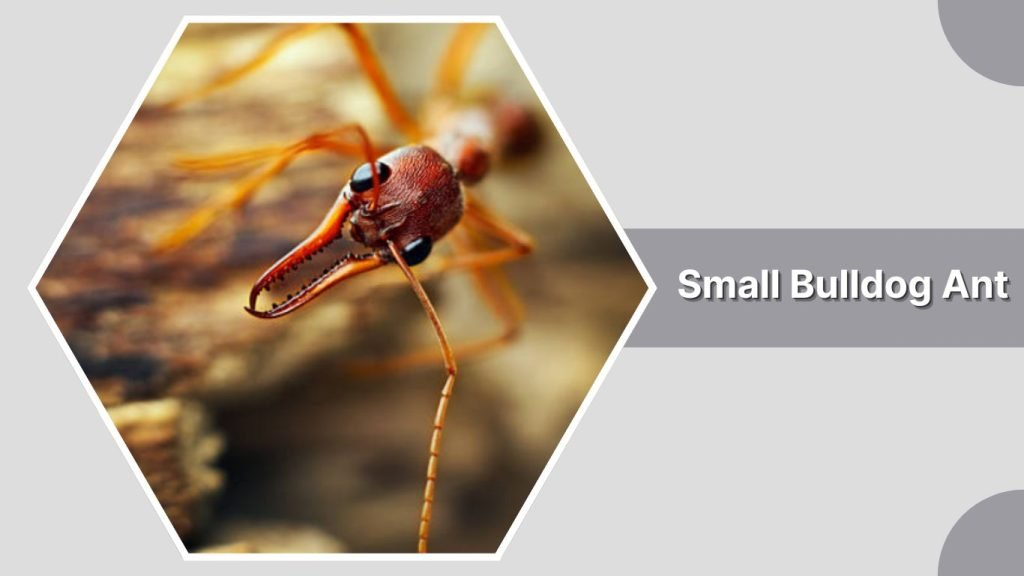
The Small Bulldog Ant is a smaller member of the Myrmecia genus but still possesses the aggressive behavior and painful sting typical of Bulldog ants. Native to Australia, this ant is an active daytime hunter with strong mandibles and excellent eyesight. Despite its smaller size compared to other Bulldog ants, it remains highly territorial and defensive. Small Bulldog Ants commonly inhabit forests, grasslands, and open woodland environments.
Identification
- Smaller size than most Bulldog ants
- Brown, reddish, or black body coloration
- Long legs and strong mandibles
- Large eyes with sharp vision
- Painful stinger beneath the abdomen
- Fast and alert movement
Habitat
Small Bulldog Ants are commonly found in forests, grasslands, woodlands, and rural regions across Australia. Their nests are usually built underground in dry soil beneath rocks, logs, or leaf litter.
Behavior
These ants are active hunters that rely heavily on eyesight instead of scent trails. They are highly defensive and may aggressively attack when their nest or territory is disturbed.
Diet
Small Bulldog Ants feed on insects, nectar, and sugary plant substances. Worker ants actively hunt small prey and gather food resources to support the colony and developing larvae.
Sting and Danger
The sting of a Small Bulldog Ant is very painful despite its smaller body size. It may cause swelling, redness, irritation, and allergic reactions in sensitive individuals.
16. Large Bulldog Ant
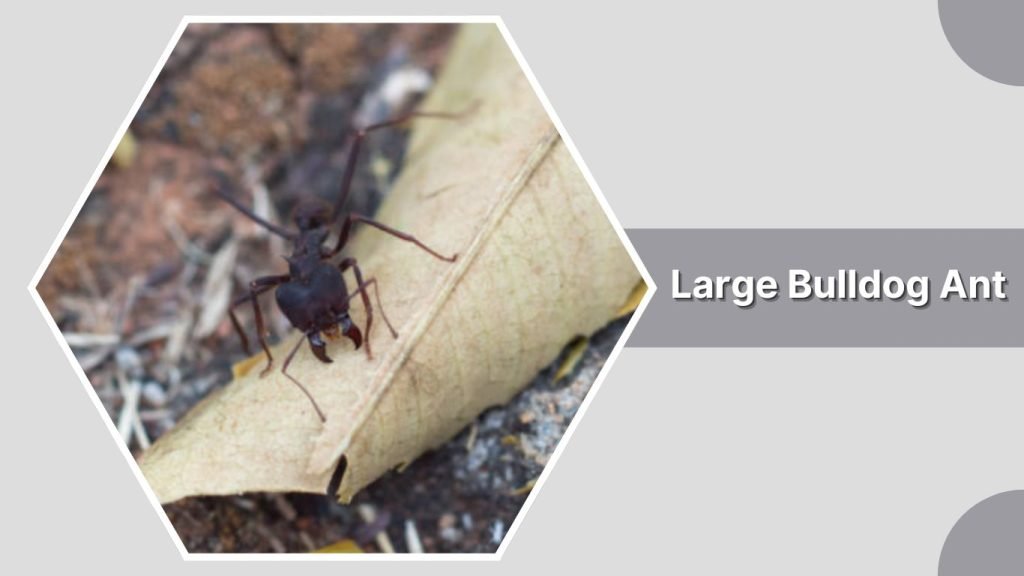
The Large Bulldog Ant is a massive and aggressive ant species native to Australia. As a member of the Myrmecia genus, it is known for its impressive body size, strong mandibles, painful sting, and excellent eyesight. These ants are active daytime hunters that rely on speed and vision to locate prey. Large Bulldog Ants commonly inhabit forests, woodlands, grasslands, and other warm natural environments across Australia.
Identification
- Very large and powerful body
- Dark brown, black, or reddish coloration
- Long legs with strong mandibles
- Large eyes with excellent vision
- Sharp and painful stinger
- Fast-moving and highly aggressive behavior
Habitat
Large Bulldog Ants are commonly found in forests, open woodlands, grasslands, and dry natural habitats throughout Australia. Their nests are usually constructed underground beneath rocks, logs, or loose soil in sunny areas.
Behavior
These ants are highly territorial and aggressive when defending their nest. They hunt independently rather than following scent trails and depend heavily on eyesight to locate prey and identify threats.
Diet
Large Bulldog Ants feed on insects, nectar, and sweet plant substances. Worker ants actively hunt live prey and collect food resources to support larvae and adult members of the colony.
Sting and Danger
The sting of a Large Bulldog Ant is extremely painful and may cause swelling, redness, irritation, and burning sensations. Severe allergic reactions can occur in some individuals and may require urgent medical attention.
17. Hairy Bulldog Ant
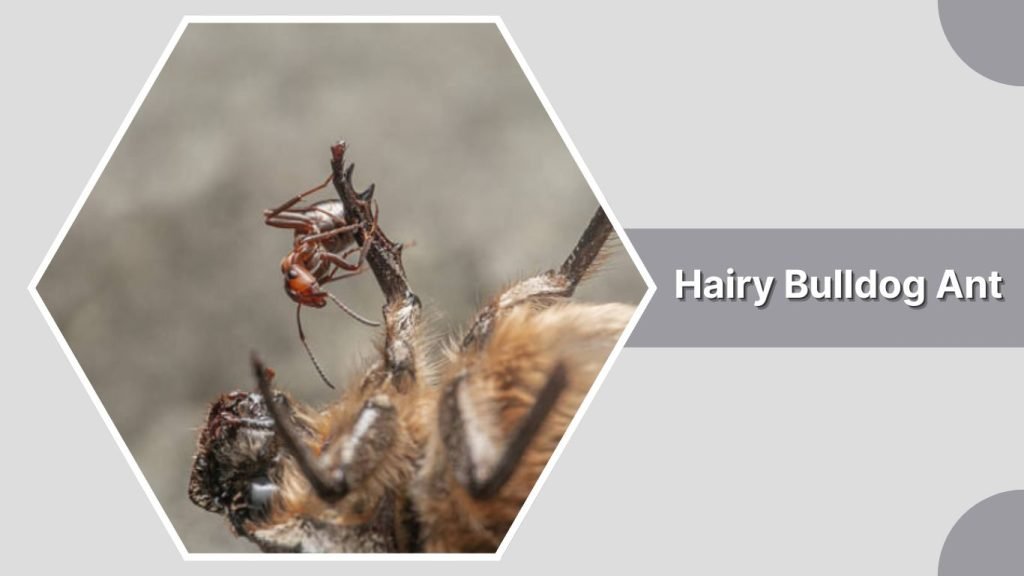
The Hairy Bulldog Ant is a unique Australian ant species recognized for the fine hair-like structures covering parts of its body. Belonging to the Myrmecia genus, this ant is known for its aggressive nature, strong mandibles, painful sting, and excellent eyesight. It is an active daytime hunter that searches for prey alone. Hairy Bulldog Ants commonly inhabit forests, woodlands, grasslands, and other dry natural environments across Australia.
Identification
- Fine hair-like covering on the body
- Dark brown, reddish, or black coloration
- Large body size with long legs
- Strong mandibles for hunting prey
- Large eyes with sharp vision
- Painful stinger beneath the abdomen
Habitat
Hairy Bulldog Ants are commonly found in forests, grasslands, woodlands, and rural regions throughout Australia. Their nests are usually built underground beneath rocks, logs, or loose dry soil in sunny areas.
Behavior
These ants are highly territorial and defensive when disturbed near their nest. They hunt independently instead of following scent trails and rely heavily on their excellent eyesight for navigation and locating prey.
Diet
Hairy Bulldog Ants feed on insects, nectar, and sugary plant substances. Worker ants actively hunt live prey and gather food resources to support the colony and developing larvae.
Sting and Danger
The sting of a Hairy Bulldog Ant is very painful and may cause swelling, redness, irritation, and burning sensations. Some individuals may experience severe allergic reactions that require immediate medical treatment.
18. Yellow Bulldog Ant
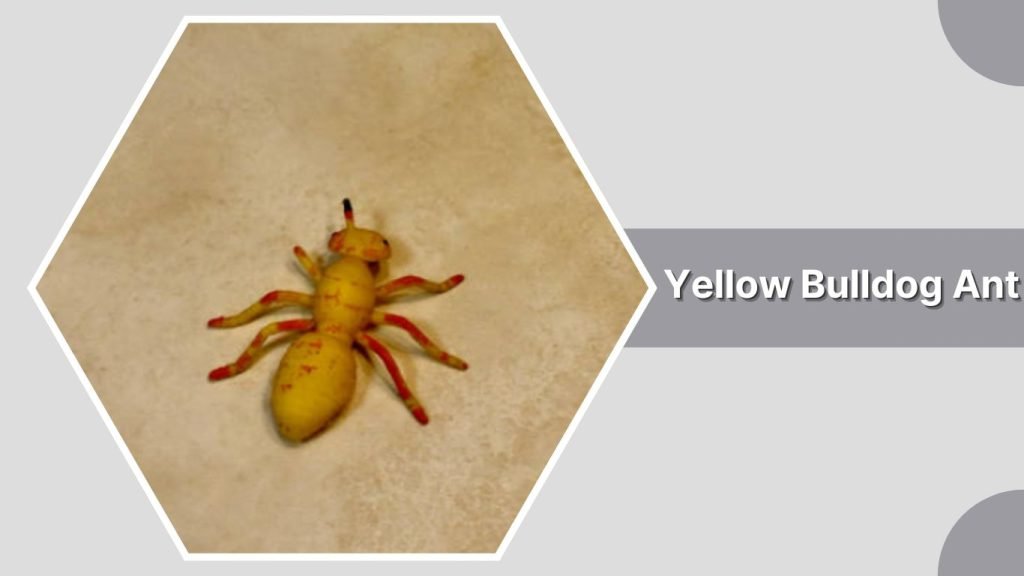
The Yellow Bulldog Ant is a brightly colored and aggressive ant species native to Australia. As part of the Myrmecia genus, this ant is known for its yellow or golden body coloration, strong mandibles, painful sting, and excellent eyesight. It is an active daytime predator that hunts independently rather than in groups. Yellow Bulldog Ants commonly inhabit forests, grasslands, woodlands, and other warm natural environments throughout Australia.
Identification
- Yellow or golden body coloration
- Large size with long legs
- Strong mandibles for hunting prey
- Large eyes with excellent vision
- Sharp and painful stinger
- Fast-moving and alert behavior
Habitat
Yellow Bulldog Ants are commonly found in forests, open woodlands, grasslands, and dry rural areas across Australia. Their nests are usually built underground beneath rocks, logs, or loose soil in sunny locations.
Behavior
These ants are highly territorial and defensive when their nest is disturbed. They rely heavily on eyesight instead of scent trails for hunting, navigation, and detecting nearby threats during the daytime.
Diet
Yellow Bulldog Ants feed on insects, nectar, and sugary plant substances. Worker ants actively hunt small prey and gather food resources to support larvae and adult ants within the colony.
Sting and Danger
The sting of a Yellow Bulldog Ant is extremely painful and may cause swelling, redness, irritation, and burning sensations. In some cases, severe allergic reactions can occur and may require urgent medical attention.
19. Forest Bulldog Ant
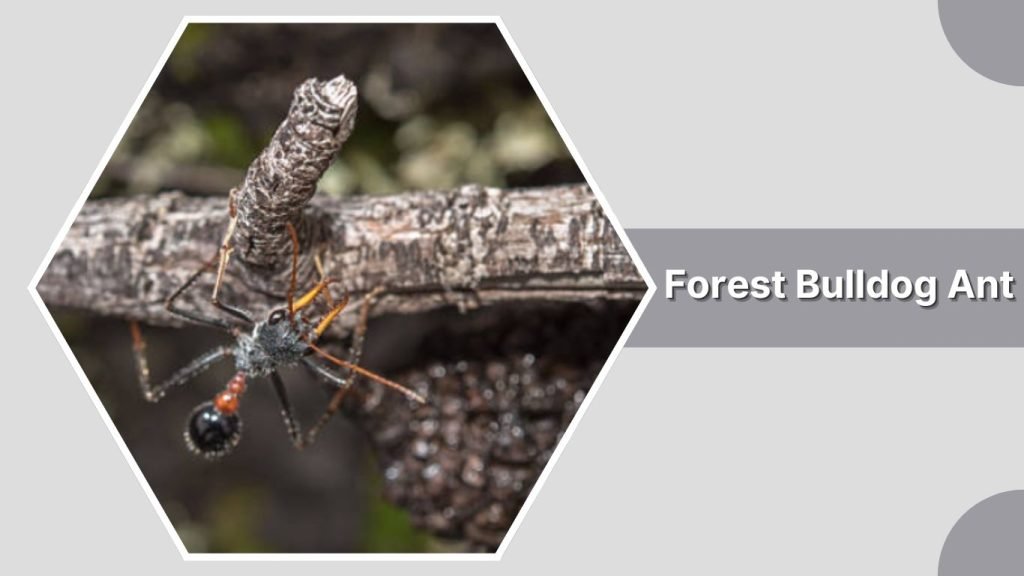
The Forest Bulldog Ant is a large and aggressive ant species commonly found in Australian forest environments. Belonging to the Myrmecia genus, this ant is known for its strong mandibles, painful sting, and excellent eyesight. It is an active daytime hunter that searches for prey independently. Forest Bulldog Ants usually inhabit wooded regions with loose soil, fallen logs, and dense vegetation that provide suitable nesting conditions.
Identification
- Dark brown, black, or reddish body
- Large body size with long legs
- Strong mandibles for hunting and defense
- Large eyes with sharp vision
- Painful stinger beneath the abdomen
- Fast-moving and highly alert behavior
Habitat
Forest Bulldog Ants mainly inhabit forests, woodland regions, and heavily vegetated natural areas across Australia. Their nests are commonly built underground beneath rocks, fallen logs, tree roots, or leaf-covered soil.
Behavior
These ants are highly territorial and aggressive when defending their nest. They hunt alone rather than using scent trails and rely heavily on their excellent eyesight to locate prey and detect threats.
Diet
Forest Bulldog Ants feed on insects, nectar, and sweet plant substances. Worker ants actively hunt live prey and gather food resources to support the colony and developing larvae.
Sting and Danger
The sting of a Forest Bulldog Ant is extremely painful and may cause swelling, redness, irritation, and burning sensations. Some individuals can develop severe allergic reactions that require immediate medical attention.
20. Desert Bulldog Ant
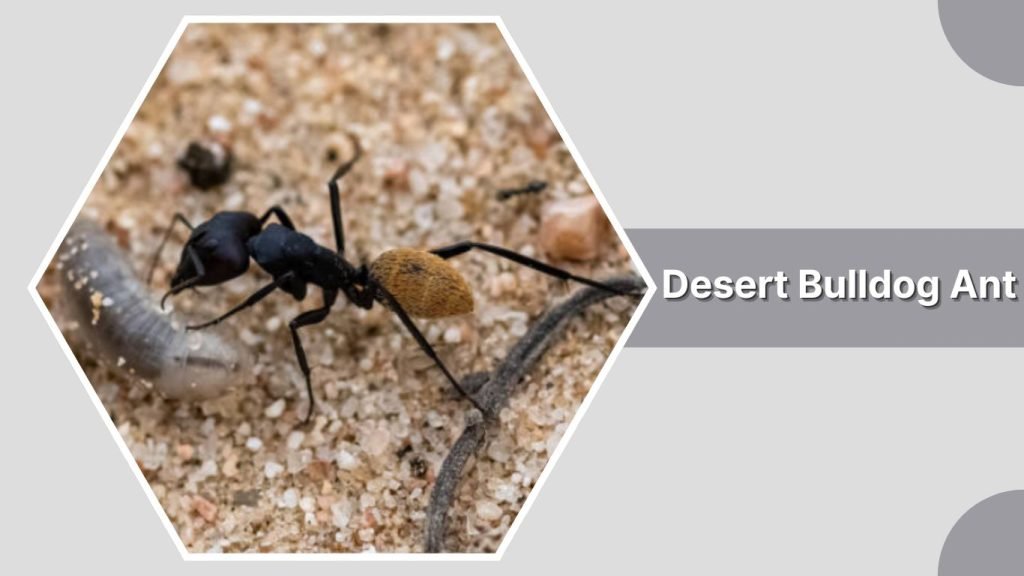
The Desert Bulldog Ant is a tough and aggressive ant species adapted to the hot and dry desert regions of Australia. As a member of the Myrmecia genus, it is known for its strong mandibles, painful sting, and excellent eyesight. These ants are active daytime hunters that move quickly across dry landscapes while searching for prey. Desert Bulldog Ants commonly inhabit arid grasslands, scrublands, and sandy desert environments.
Identification
- Dark brown, reddish, or sandy-colored body
- Large size with long powerful legs
- Strong mandibles for hunting prey
- Large eyes with excellent daytime vision
- Sharp and painful stinger
- Fast-moving and highly defensive behavior
Habitat
Desert Bulldog Ants are commonly found in arid deserts, dry grasslands, scrublands, and sandy regions across Australia. Their nests are usually built underground in loose dry soil beneath rocks or sparse vegetation.
Behavior
These ants are highly territorial and aggressive when their nest is disturbed. They hunt independently instead of following scent trails and rely heavily on eyesight for navigation and locating prey in open desert landscapes.
Diet
Desert Bulldog Ants feed on insects, nectar, and sugary plant substances. Worker ants actively hunt small prey and gather food resources to support the colony and developing larvae.
Sting and Danger
The sting of a Desert Bulldog Ant is extremely painful and may cause swelling, redness, irritation, and burning sensations. Severe allergic reactions may occur in sensitive individuals and can require immediate medical treatment.
FAQs
What are Bulldog Ants?
Bulldog Ants are large and aggressive ants that belong to the Myrmecia genus. They are mainly found in Australia and are known for their strong jaws, painful sting, excellent eyesight, and active hunting behavior during the daytime.
Are Bulldog Ants dangerous to humans?
Yes, Bulldog Ants can be dangerous because their sting is extremely painful. Some people may also experience severe allergic reactions, including anaphylaxis, which may require immediate medical attention after being stung.
Where do Bulldog Ants live?
Bulldog Ants commonly live in forests, woodlands, grasslands, deserts, and rural regions across Australia. Their nests are usually built underground beneath rocks, logs, tree roots, or loose soil in sunny locations.
What do Bulldog Ants eat?
Bulldog Ants mainly feed on insects, nectar, and sugary plant substances. Worker ants actively hunt live prey and collect food resources to support the colony and developing larvae.
How do Bulldog Ants hunt?
Bulldog Ants are solitary hunters that rely heavily on their excellent eyesight instead of scent trails. They move quickly, chase prey actively, and use their strong mandibles and painful sting for capturing and defending themselves.
