
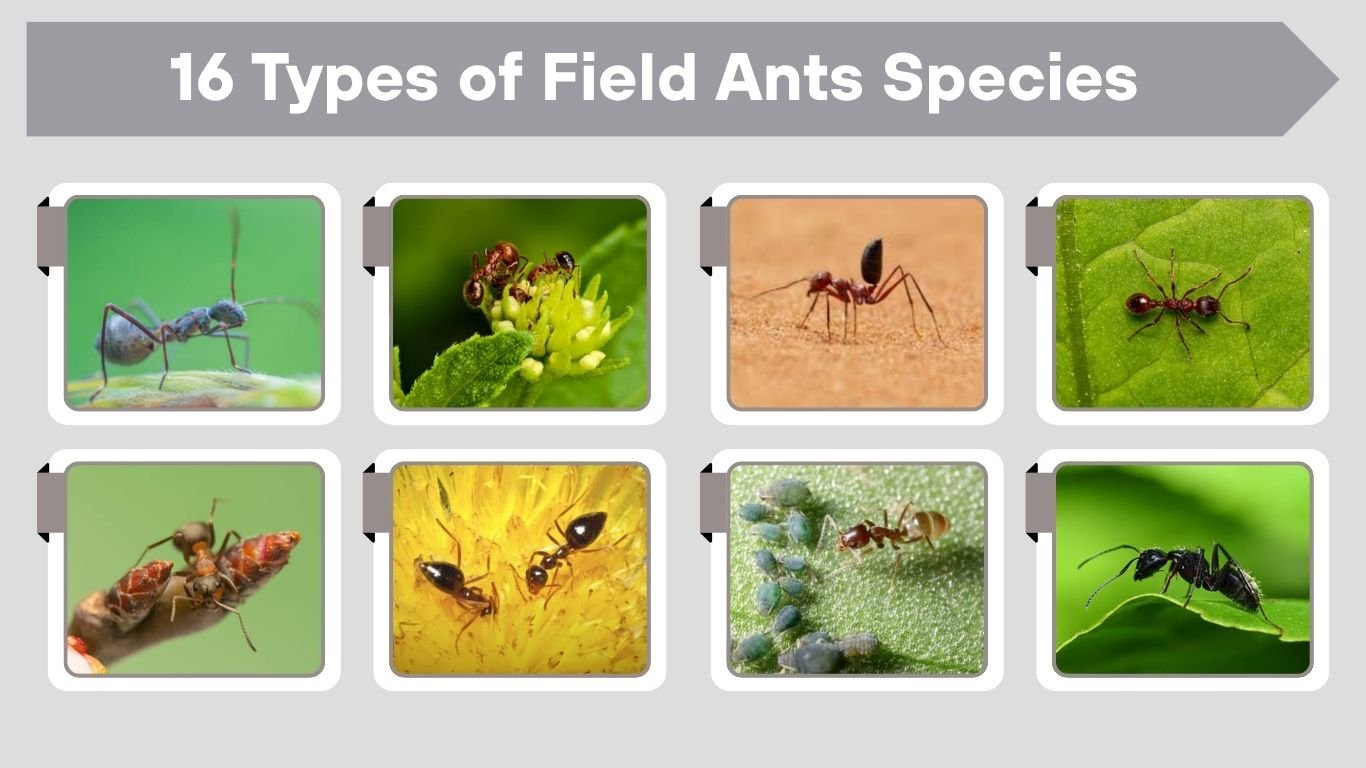
Field Ants are among the most common and hardworking ants found in grasslands, forests, gardens, meadows, and open countryside habitats worldwide. Most Field Ant species belong to the Formica genus and are known for their organized colonies, underground nests, and active foraging behavior. These ants play an important ecological role by improving soil aeration, recycling organic matter, controlling insect populations, and supporting healthy plant growth. From the dark-colored Black Field Ant to the adaptable European Field Ant, each species has unique features, habitats, behaviors, and ecological importance that make them fascinating insects to study.
1. Black Field Ant
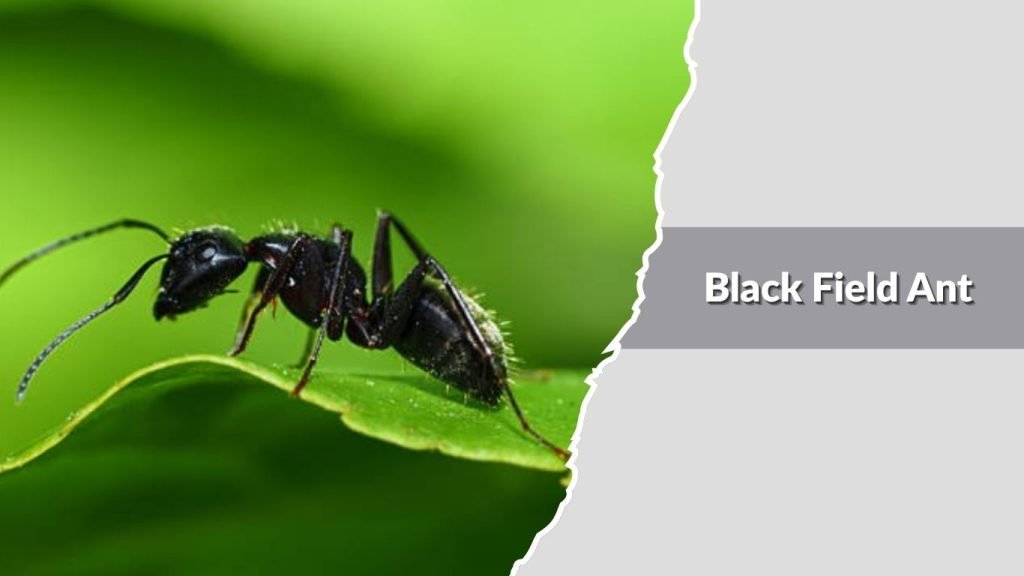
The Black Field Ant is a common ant species widely found in grasslands, gardens, forests, and open fields. Known for its dark body coloration and hardworking nature, this ant belongs mainly to the Formica genus. Black Field Ants are important to ecosystems because they help aerate soil, recycle organic matter, and control small insect populations. These ants are social insects that live in organized colonies and actively forage for food during warmer months.
Identification
- Shiny black or dark brown body coloration
- Medium-sized body with long legs
- Segmented antennae and strong mandibles
- Smooth and slightly glossy body surface
- Six legs adapted for fast ground movement
- Clearly divided head, thorax, and abdomen
Habitat
Black Field Ants are commonly found in grasslands, meadows, forests, gardens, parks, and open fields. Their nests are usually built underground in soil, beneath rocks, logs, or near plant roots in sunny locations.
Behavior
These ants are highly social and live in organized colonies led by one or more queens. Worker ants actively gather food, protect the nest, and care for larvae. They communicate using chemical scent trails to guide colony members.
Diet
Black Field Ants feed on insects, nectar, honeydew, seeds, and decaying organic matter. Worker ants often collect sugary substances from aphids and transport food back to the colony for feeding larvae and other ants.
Role in the Ecosystem
Black Field Ants play an important ecological role by improving soil quality, spreading seeds, and controlling insect populations. Their tunneling activities help aerate the soil and support healthy plant growth in natural environments.
2. Red Field Ant
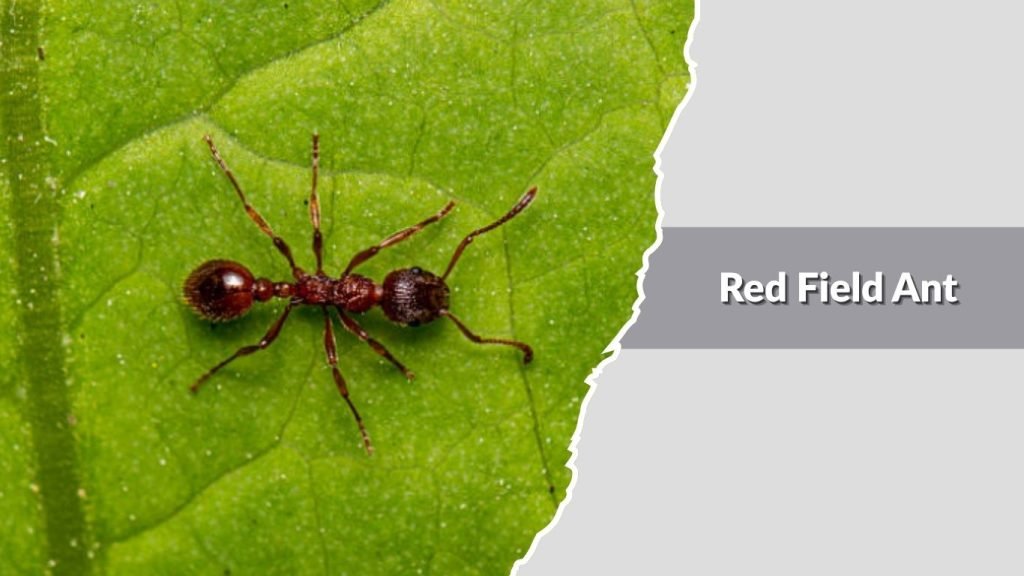
The Red Field Ant is a hardworking and aggressive ant species commonly found in forests, grasslands, and open fields. Known for its reddish body coloration and active colony behavior, this ant belongs mainly to the Formica genus. Red Field Ants are important for maintaining ecological balance because they help control insect populations and improve soil conditions. These ants live in organized colonies and actively forage for food throughout warm seasons.
Identification
- Reddish-brown or red body coloration
- Medium-sized body with long legs
- Segmented antennae and strong mandibles
- Slightly shiny body surface
- Clearly divided body sections
- Fast-moving and active behavior
Habitat
Red Field Ants are commonly found in forests, meadows, grasslands, parks, and woodland edges. Their nests are usually built underground or in soil mounds near trees, rocks, logs, or open sunny areas.
Behavior
These ants are highly social and live in organized colonies with worker ants, queens, and larvae. Worker ants actively gather food, defend the nest, and maintain colony activities using chemical scent trails for communication.
Diet
Red Field Ants feed on insects, honeydew, nectar, seeds, and organic matter. They often protect aphids to collect sugary honeydew and also hunt small insects as a protein source for the colony.
Role in the Ecosystem
Red Field Ants help improve soil aeration, recycle organic material, and control pest insect populations. Their nest-building and foraging activities contribute to healthier ecosystems in forests and grasslands.
3. Common Field Ant
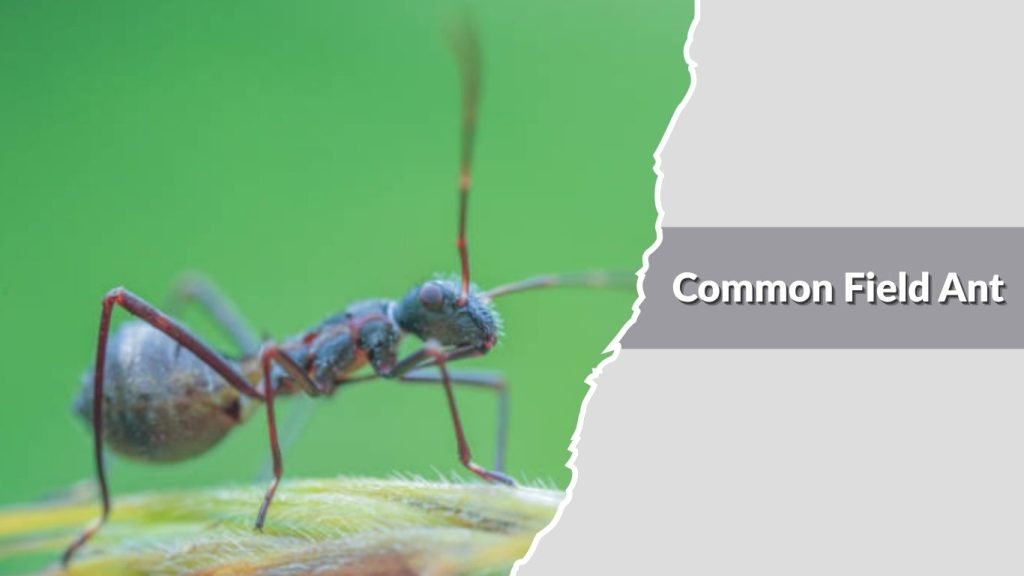
The Common Field Ant is one of the most widespread ant species found in fields, gardens, forests, and grassy landscapes. Known for its adaptability and organized colony structure, this ant belongs mainly to the Formica genus. Common Field Ants are important for the environment because they help recycle organic matter, improve soil quality, and control small insect populations. These ants are active foragers and are commonly seen during warm weather searching for food around their nests.
Identification
- Brown, black, or reddish body coloration
- Medium-sized body with long legs
- Segmented antennae and strong mandibles
- Smooth and slightly shiny body surface
- Clearly separated head, thorax, and abdomen
- Fast-moving and highly active behavior
Habitat
Common Field Ants are commonly found in grasslands, gardens, parks, forests, and open countryside areas. Their nests are usually built underground in soil, beneath rocks, logs, or near plant roots in sunny locations.
Behavior
These ants are highly social insects that live in organized colonies with queens, workers, and larvae. Worker ants actively gather food, maintain the nest, and defend the colony using chemical communication through scent trails.
Diet
Common Field Ants feed on insects, nectar, honeydew, seeds, and decaying organic matter. They often collect sugary liquids from aphids and hunt small insects to provide protein for the colony.
Role in the Ecosystem
Common Field Ants play an important role in ecosystems by improving soil aeration, spreading seeds, recycling organic material, and helping control insect populations in natural habitats.
4. Large Field Ant
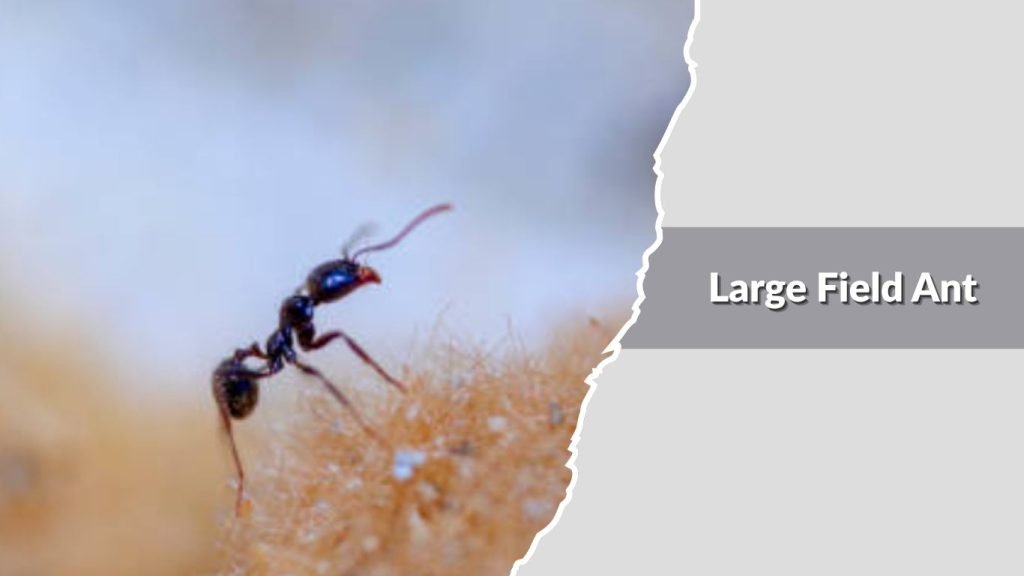
The Large Field Ant is a strong and active ant species commonly found in grasslands, forests, gardens, and open countryside areas. Known for its larger body size and organized colony structure, this ant belongs mainly to the Formica genus. Large Field Ants help improve soil conditions and control insect populations in natural ecosystems.
Identification
- Large body size compared to other field ants
- Black, brown, or reddish coloration
- Long legs and segmented antennae
- Strong mandibles for carrying food
- Smooth and slightly shiny body surface
- Clearly divided body sections
Habitat
Large Field Ants commonly inhabit grasslands, forests, parks, meadows, and rural fields. Their nests are usually built underground in loose soil or beneath rocks, logs, and plant roots. These ants prefer sunny environments where colony members can forage efficiently and maintain stable nest temperatures during warmer parts of the year.
Behavior
Large Field Ants are highly social insects that live in organized colonies with queens, workers, and larvae. Worker ants gather food, defend the nest, and care for young ants. They communicate through chemical scent trails and actively patrol areas around the colony to detect food sources and possible threats nearby.
Diet
Large Field Ants feed on insects, honeydew, nectar, seeds, and decaying organic matter. Worker ants often protect aphids to collect sugary honeydew and also hunt small insects for protein. Their varied diet helps support colony growth and provides essential nutrients needed for larvae and adult ants throughout the year.
Role in the Ecosystem
Large Field Ants play an important ecological role by improving soil aeration and recycling organic material. Their tunneling activities help enrich soil quality, while their feeding behavior helps control insect populations. These ants also contribute to seed dispersal, supporting plant growth in forests, grasslands, and natural habitats.
5. Small Field Ant
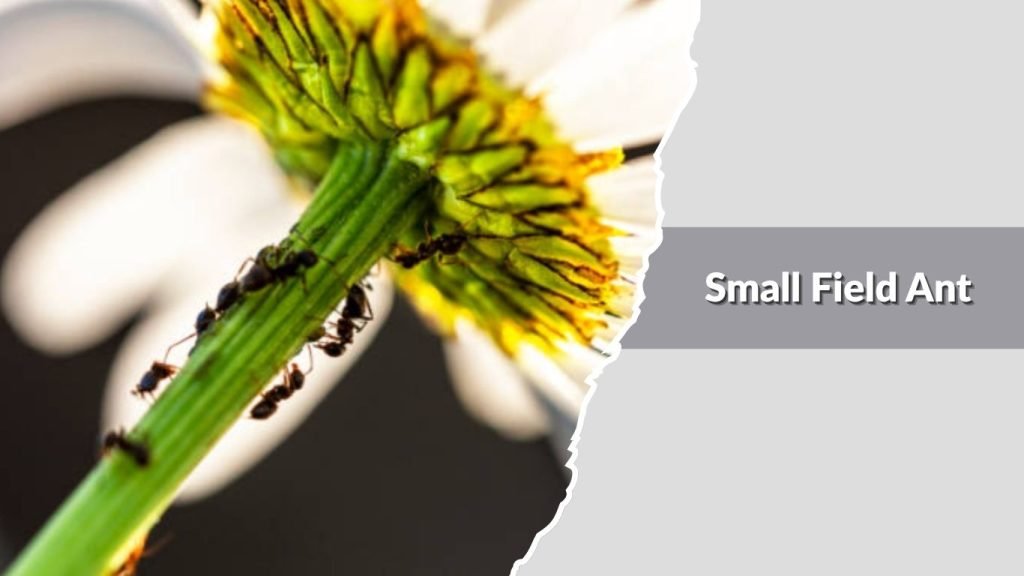
The Small Field Ant is a common and adaptable ant species found in gardens, grasslands, forests, and open fields. Despite its smaller size, this ant is highly active and plays an important role in maintaining healthy ecosystems. Small Field Ants live in organized colonies and are frequently seen foraging for food during warm daytime conditions.
Identification
- Small body size compared to larger field ants
- Brown, black, or reddish body coloration
- Long legs and segmented antennae
- Smooth and slightly shiny body surface
- Strong mandibles for carrying food
- Clearly separated body sections
Habitat
Small Field Ants commonly live in grasslands, gardens, forests, parks, and rural environments. Their nests are usually built underground in loose soil, beneath stones, logs, or plant roots. These ants prefer warm and sunny areas where food sources are easily available and colony activities can continue throughout the warmer seasons.
Behavior
Small Field Ants are social insects that live in organized colonies with queens, workers, and larvae. Worker ants gather food, protect the nest, and care for young ants. They communicate through chemical scent trails and actively search surrounding areas for food while avoiding larger predators and environmental dangers nearby.
Diet
Small Field Ants feed on insects, nectar, honeydew, seeds, and organic matter. They often collect sugary liquids from aphids and hunt tiny insects for protein. Their varied diet supports colony growth and provides the nutrients needed for worker ants, larvae, and reproductive members living inside the underground nest chambers.
Role in the Ecosystem
Small Field Ants help improve ecosystems by aerating soil, recycling organic materials, and controlling insect populations. Their tunneling behavior enriches soil quality and supports plant growth. These ants also contribute to seed dispersal and help maintain ecological balance in forests, grasslands, gardens, and other natural habitats.
6. Brown Field Ant
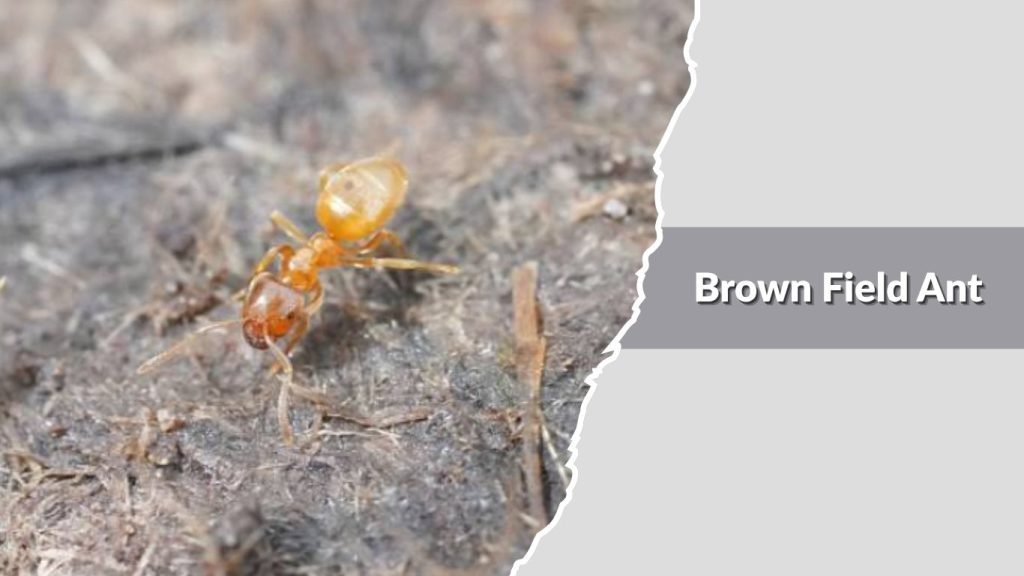
The Brown Field Ant is a widespread ant species commonly found in grasslands, forests, gardens, and open countryside habitats. Known for its brown body coloration and active colony behavior, this ant plays an important role in improving soil quality and controlling insect populations. Brown Field Ants are social insects that live in organized underground colonies throughout warm environments.
Identification
- Brown or dark brown body coloration
- Medium-sized body with long legs
- Segmented antennae and strong mandibles
- Smooth and slightly glossy body surface
- Clearly divided head, thorax, and abdomen
- Active and fast-moving behavior
Habitat
Brown Field Ants commonly inhabit grasslands, forests, parks, gardens, and open rural fields. Their nests are usually constructed underground beneath rocks, logs, or plant roots in warm sunny locations. These ants prefer loose soil conditions that allow easier tunneling and provide stable temperatures for colony survival throughout the active seasons.
Behavior
Brown Field Ants are highly social insects living in colonies with queens, workers, and larvae. Worker ants actively gather food, defend the nest, and maintain colony organization. They communicate using chemical scent trails and work together efficiently while searching for food sources and protecting the colony from nearby threats or predators.
Diet
Brown Field Ants feed on insects, nectar, honeydew, seeds, and organic material. Worker ants often collect sugary liquids from aphids and hunt small insects for protein. Their flexible feeding habits help provide balanced nutrition for larvae, queens, and worker ants while supporting the overall growth and survival of the colony.
Role in the Ecosystem
Brown Field Ants contribute to healthy ecosystems by improving soil aeration and recycling organic matter. Their tunneling activities help enrich soil quality, while their feeding behavior assists with natural insect control. These ants also support seed dispersal and play an important role in maintaining balance within forests and grassland habitats.
7. Hairy Field Ant
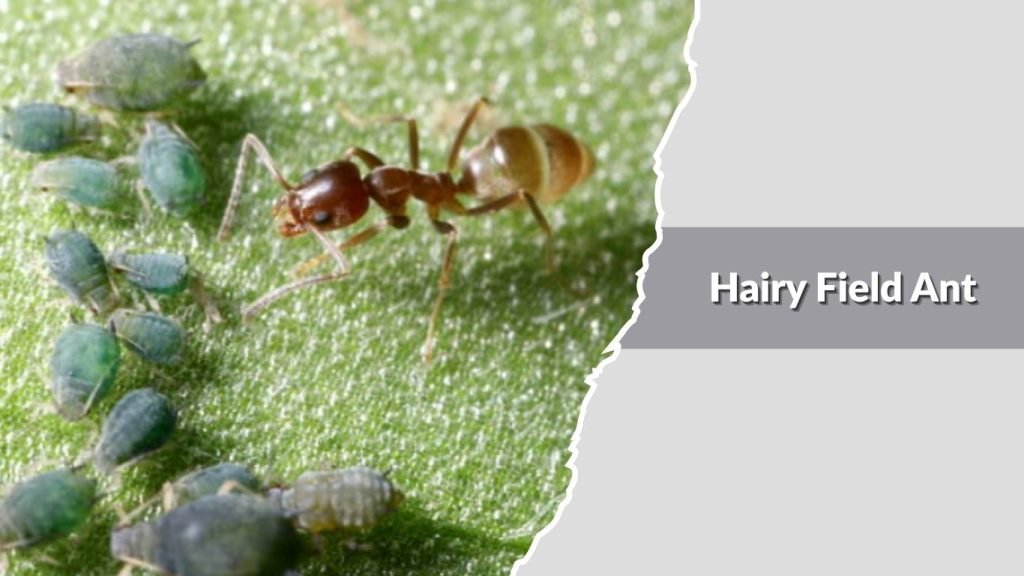
The Hairy Field Ant is a distinctive ant species recognized for the fine hair-like covering on parts of its body. Commonly found in grasslands, forests, and open fields, this ant is an active forager that lives in organized colonies. Hairy Field Ants play an important role in ecosystems by improving soil conditions and controlling insect populations naturally.
Identification
- Fine hair-like covering on the body
- Brown, black, or reddish coloration
- Medium-sized body with long legs
- Segmented antennae and strong mandibles
- Smooth but slightly textured body surface
- Clearly separated body sections
Habitat
Hairy Field Ants commonly inhabit grasslands, forests, gardens, meadows, and rural areas. Their nests are usually built underground in loose soil beneath rocks, logs, or plant roots. These ants prefer warm environments with access to sunlight, food sources, and stable soil conditions that support active colony development and daily foraging activities.
Behavior
Hairy Field Ants are highly social insects living in colonies with queens, workers, and larvae. Worker ants gather food, maintain the nest, and defend colony members from predators. They communicate through chemical scent trails and actively patrol surrounding areas while searching for food and protecting important nest entrances from possible threats.
Diet
Hairy Field Ants feed on insects, nectar, honeydew, seeds, and decaying organic matter. Worker ants often collect sugary liquids from aphids and hunt small insects to provide protein for the colony. Their varied feeding habits support healthy colony growth and provide essential nutrients for larvae and adult ants throughout the year.
Role in the Ecosystem
Hairy Field Ants help maintain healthy ecosystems by improving soil aeration and recycling organic material. Their tunneling activities enrich soil quality and support plant growth. These ants also contribute to natural pest control by reducing insect populations and assist with seed dispersal in forests, grasslands, and other natural environments.
8. Yellow Field Ant
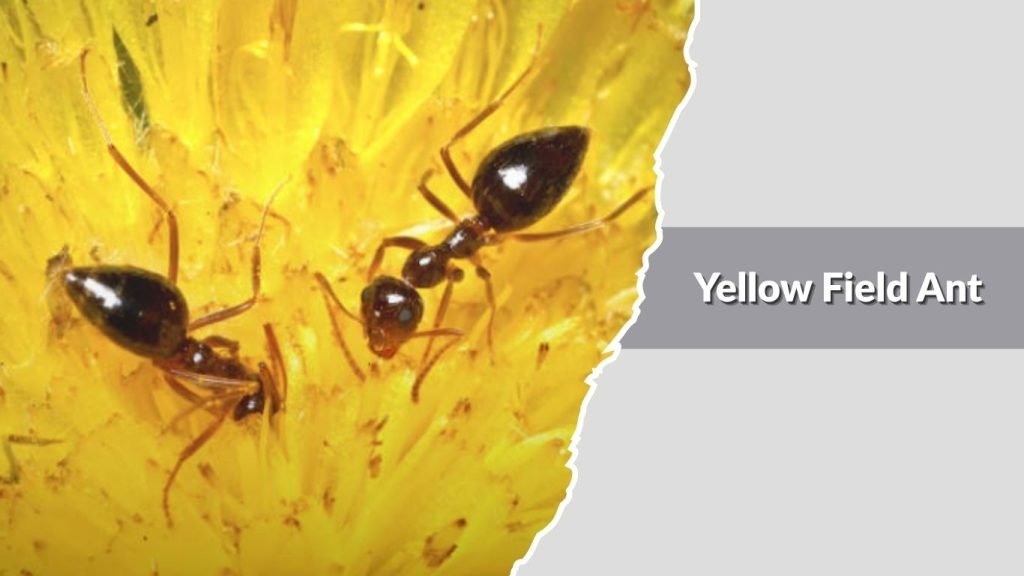
The Yellow Field Ant is a small and active ant species commonly found in grasslands, meadows, gardens, and open countryside habitats. Known for its yellowish body coloration and underground nesting behavior, this ant helps improve soil quality and maintain ecological balance. Yellow Field Ants are social insects that live in organized colonies and actively forage during warm seasons.
Identification
- Yellow or pale golden body coloration
- Small to medium-sized body
- Long legs and segmented antennae
- Smooth and slightly shiny body surface
- Strong mandibles for carrying food
- Clearly separated body sections
Habitat
Yellow Field Ants commonly inhabit grasslands, meadows, gardens, parks, and rural environments. Their nests are usually built underground in loose soil, often beneath rocks, plant roots, or grassy areas. These ants prefer warm and sunny locations where food sources are available and underground conditions remain stable for colony development and survival.
Behavior
Yellow Field Ants are social insects that live in organized colonies with queens, workers, and larvae. Worker ants gather food, protect the nest, and care for young ants. They communicate using chemical scent trails and actively search surrounding areas for food while avoiding predators and environmental dangers near the colony.
Diet
Yellow Field Ants feed on insects, nectar, honeydew, seeds, and organic material. Worker ants often collect sugary liquids from aphids and hunt tiny insects for protein. Their varied diet provides important nutrients for larvae, queens, and worker ants while supporting healthy colony growth throughout the active seasons of the year.
Role in the Ecosystem
Yellow Field Ants play an important ecological role by improving soil aeration and recycling organic matter. Their tunneling behavior helps enrich soil quality and supports healthy plant growth. These ants also help control insect populations and contribute to seed dispersal in grasslands, gardens, forests, and other natural environments.
9. Woodland Field Ant

The Woodland Field Ant is a hardworking ant species commonly found in forests, woodlands, meadows, and natural grassy habitats. Known for its organized colony structure and active foraging behavior, this ant helps maintain ecological balance by improving soil quality and controlling insect populations. Woodland Field Ants live in underground colonies and remain active throughout warmer seasons of the year.
Identification
- Brown, black, or reddish body coloration
- Medium-sized body with long legs
- Segmented antennae and strong mandibles
- Smooth and slightly glossy body surface
- Clearly separated body sections
- Fast-moving and active behavior
Habitat
Woodland Field Ants commonly inhabit forests, woodlands, grassy clearings, and rural environments. Their nests are usually built underground beneath logs, rocks, tree roots, or leaf litter. These ants prefer shaded or partially sunny areas with stable soil conditions, abundant vegetation, and easy access to food resources throughout the active seasons.
Behavior
Woodland Field Ants are highly social insects living in organized colonies with queens, workers, and larvae. Worker ants gather food, defend the nest, and maintain colony activities. They communicate through chemical scent trails and actively patrol surrounding woodland areas while searching for food and protecting the colony from nearby threats.
Diet
Woodland Field Ants feed on insects, nectar, honeydew, seeds, and decaying organic material. Worker ants often collect sugary substances from aphids and hunt small insects for protein. Their varied feeding habits provide essential nutrients for larvae, queens, and workers while supporting healthy colony growth and long-term survival in woodland habitats.
Role in the Ecosystem
Woodland Field Ants play an important ecological role by improving soil aeration and recycling organic matter. Their tunneling activities enrich forest soil and support healthy plant growth. These ants also contribute to natural pest control and seed dispersal, helping maintain balance within woodland and forest ecosystems.
10. Prairie Field Ant
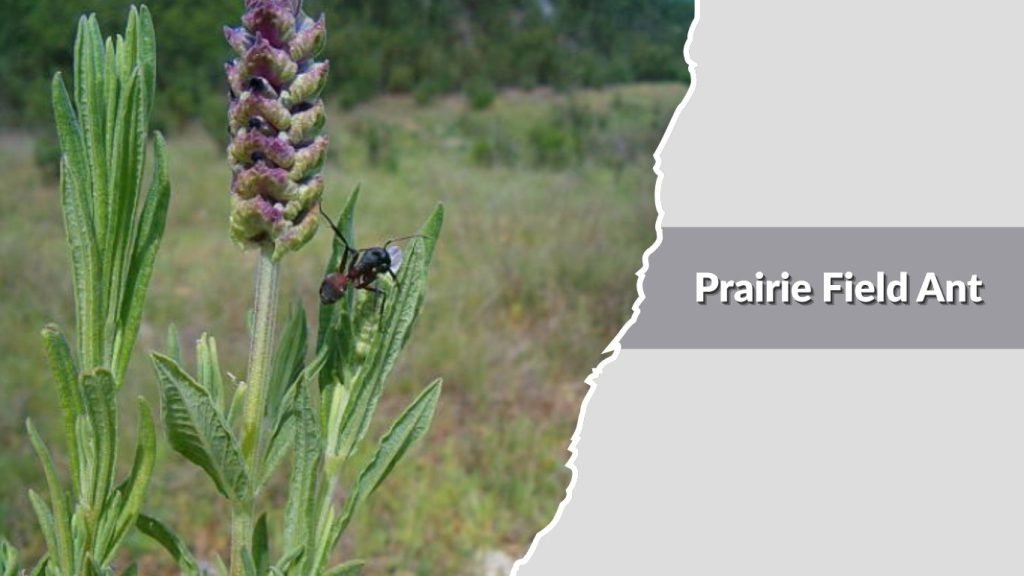
The Prairie Field Ant is a common ant species found in grasslands, prairies, meadows, and open countryside habitats. Known for its active colony behavior and efficient foraging abilities, this ant plays an important role in maintaining healthy ecosystems. Prairie Field Ants improve soil conditions, recycle organic matter, and help control insect populations in natural grassland environments throughout warmer seasons.
Identification
- Brown, black, or reddish body coloration
- Medium-sized body with long legs
- Segmented antennae and strong mandibles
- Smooth and slightly shiny body surface
- Clearly divided body sections
- Active and fast-moving behavior
Habitat
Prairie Field Ants commonly inhabit prairies, grasslands, meadows, parks, and open rural environments. Their nests are usually built underground in loose soil beneath grass, rocks, or plant roots. These ants prefer sunny areas with dry soil conditions and abundant vegetation that supports active colony growth and daily foraging activities.
Behavior
Prairie Field Ants are highly social insects living in organized colonies with queens, workers, and larvae. Worker ants gather food, defend the nest, and maintain colony organization. They communicate using chemical scent trails and actively search surrounding grasslands for food while protecting the colony from predators and environmental threats nearby.
Diet
Prairie Field Ants feed on insects, nectar, honeydew, seeds, and organic matter. Worker ants often collect sugary liquids from aphids and hunt small insects for protein. Their varied feeding habits provide essential nutrients for larvae, queens, and workers while supporting healthy colony growth throughout the active months of the year.
Role in the Ecosystem
Prairie Field Ants contribute to healthy ecosystems by improving soil aeration and recycling organic material. Their tunneling activities help enrich prairie soil and support plant growth. These ants also assist with natural pest control and seed dispersal, helping maintain ecological balance in grasslands and open countryside habitats.
11. Northern Field Ant
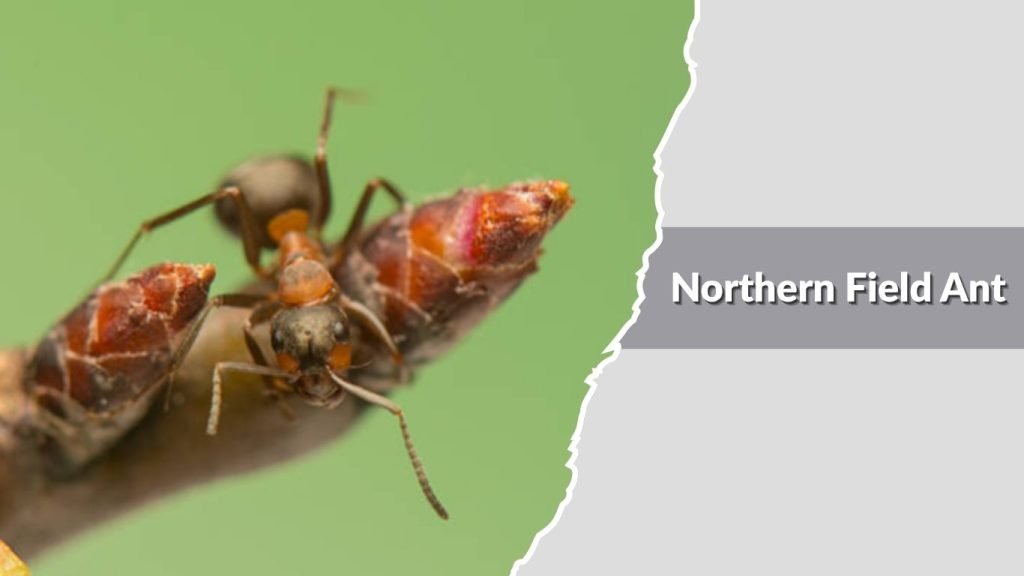
The Northern Field Ant is a resilient ant species commonly found in cooler grasslands, forests, meadows, and northern countryside habitats. Known for its organized colonies and active foraging behavior, this ant helps maintain ecological balance by improving soil quality and controlling insect populations. Northern Field Ants remain highly active during warmer months and live in underground nesting systems.
Identification
- Dark brown, black, or reddish body coloration
- Medium-sized body with long legs
- Segmented antennae and strong mandibles
- Smooth and slightly glossy body surface
- Clearly divided body sections
- Fast-moving and highly active behavior
Habitat
Northern Field Ants commonly inhabit northern forests, meadows, grasslands, parks, and rural environments. Their nests are usually built underground beneath rocks, logs, grass, or plant roots. These ants prefer cool to moderate climates with stable soil conditions, abundant vegetation, and access to food resources throughout the active seasons of the year.
Behavior
Northern Field Ants are highly social insects living in organized colonies with queens, workers, and larvae. Worker ants gather food, protect the nest, and care for developing young ants. They communicate through chemical scent trails and actively patrol surrounding areas while searching for food and defending colony territories from nearby threats.
Diet
Northern Field Ants feed on insects, nectar, honeydew, seeds, and organic matter. Worker ants often collect sugary substances from aphids and hunt small insects for protein. Their varied feeding habits provide essential nutrients for colony growth and help support the health and survival of larvae, queens, and worker ants year-round.
Role in the Ecosystem
Northern Field Ants play an important ecological role by improving soil aeration and recycling organic material. Their tunneling behavior enriches soil quality and supports healthy plant growth. These ants also help control insect populations and contribute to seed dispersal, maintaining ecological balance in forests, meadows, and grassland ecosystems.
12. Southern Field Ant
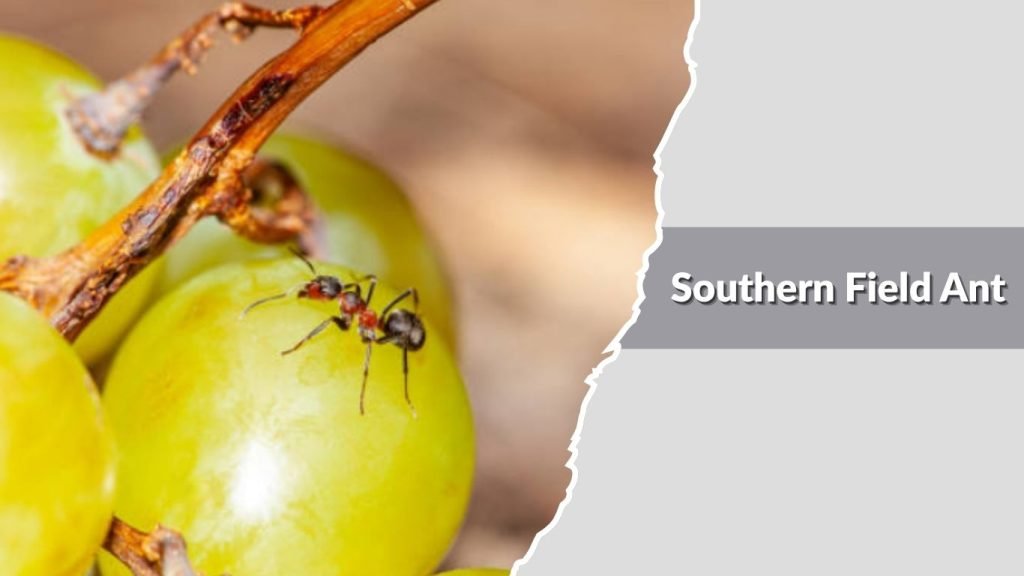
The Southern Field Ant is an active and adaptable ant species commonly found in warm grasslands, forests, gardens, and open countryside habitats. Known for its organized colonies and efficient foraging behavior, this ant helps maintain ecological balance by improving soil conditions and controlling insect populations. Southern Field Ants live in underground nests and remain highly active during warmer seasons.
Identification
- Brown, reddish, or black body coloration
- Medium-sized body with long legs
- Segmented antennae and strong mandibles
- Smooth and slightly shiny body surface
- Clearly divided body sections
- Fast-moving and highly active behavior
Habitat
Southern Field Ants commonly inhabit southern grasslands, forests, gardens, parks, and rural areas. Their nests are usually built underground beneath rocks, logs, or plant roots in warm sunny environments. These ants prefer loose soil conditions and areas with abundant vegetation that provide reliable food sources and stable nesting conditions year-round.
Behavior
Southern Field Ants are highly social insects living in organized colonies with queens, workers, and larvae. Worker ants gather food, maintain the nest, and defend the colony from threats. They communicate through chemical scent trails and actively patrol nearby areas while searching for food and protecting important nest entrances from predators.
Diet
Southern Field Ants feed on insects, nectar, honeydew, seeds, and decaying organic matter. Worker ants often collect sugary liquids from aphids and hunt small insects for protein. Their varied diet provides important nutrients for larvae, queens, and worker ants while supporting healthy colony growth and long-term survival in warm environments.
Role in the Ecosystem
Southern Field Ants play an important ecological role by improving soil aeration and recycling organic material. Their tunneling activities help enrich soil quality and support healthy plant growth. These ants also contribute to natural pest control and seed dispersal, helping maintain ecological balance in grasslands, forests, and rural habitats.
13. Meadow Field Ant
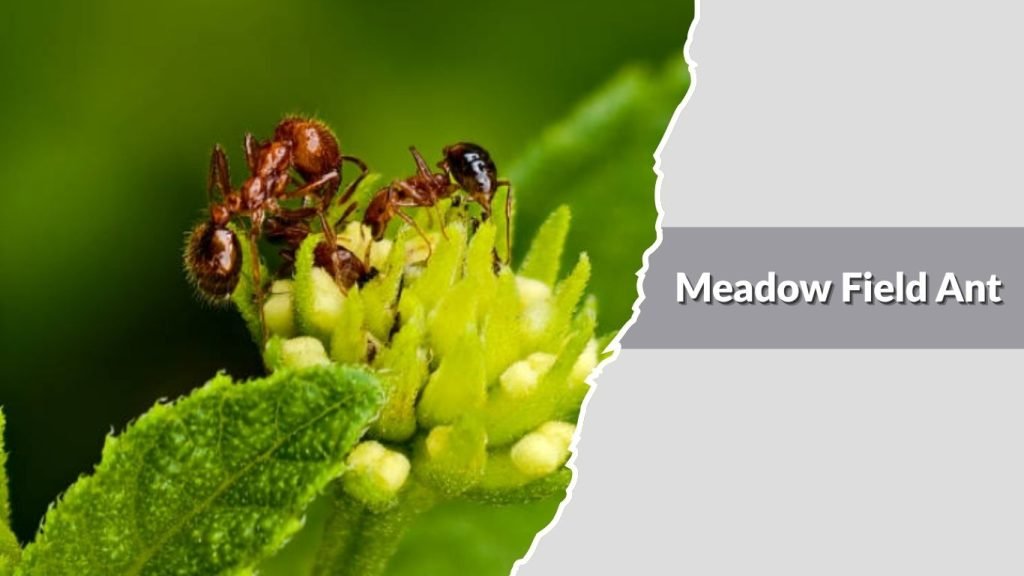
The Meadow Field Ant is a common ant species found in grassy meadows, open fields, gardens, and countryside habitats. Known for its active colony structure and hardworking behavior, this ant helps improve soil quality and maintain ecological balance. Meadow Field Ants are social insects that live in underground nests and remain highly active throughout the warmer parts of the year.
Identification
- Brown, black, or reddish body coloration
- Medium-sized body with long legs
- Segmented antennae and strong mandibles
- Smooth and slightly glossy body surface
- Clearly divided body sections
- Fast-moving and active behavior
Habitat
Meadow Field Ants commonly inhabit grassy meadows, fields, parks, gardens, and open countryside areas. Their nests are usually built underground beneath grass, rocks, logs, or plant roots. These ants prefer sunny environments with loose soil conditions and abundant vegetation that support stable colony growth and regular food availability throughout warmer seasons.
Behavior
Meadow Field Ants are highly social insects living in organized colonies with queens, workers, and larvae. Worker ants gather food, maintain the nest, and defend the colony from threats. They communicate using chemical scent trails and actively search nearby meadow areas for food while protecting important nest entrances from predators and disturbances.
Diet
Meadow Field Ants feed on insects, nectar, honeydew, seeds, and decaying organic matter. Worker ants often collect sugary substances from aphids and hunt small insects for protein. Their varied diet provides important nutrients for larvae, queens, and worker ants while supporting healthy colony growth and survival throughout active seasons of the year.
Role in the Ecosystem
Meadow Field Ants play an important ecological role by improving soil aeration and recycling organic material. Their tunneling activities enrich soil quality and help support healthy plant growth. These ants also assist with natural pest control and seed dispersal, helping maintain ecological balance within meadow and grassland ecosystems.
14. Sandy Field Ant
The Sandy Field Ant is a ground-dwelling ant species commonly found in sandy grasslands, dunes, open fields, and dry countryside habitats. Known for its adaptability and active foraging behavior, this ant plays an important role in maintaining healthy ecosystems. Sandy Field Ants live in organized underground colonies and remain highly active during warm and sunny weather conditions.
Identification
- Light brown, sandy, or reddish body coloration
- Medium-sized body with long legs
- Segmented antennae and strong mandibles
- Smooth and slightly shiny body surface
- Clearly divided body sections
- Fast-moving and active behavior
Habitat
Sandy Field Ants commonly inhabit sandy grasslands, dunes, dry meadows, coastal plains, and open countryside areas. Their nests are usually built underground in loose sandy soil beneath rocks, grass, or plant roots. These ants prefer dry and sunny environments where soil conditions allow easier tunneling and stable underground colony development.
Behavior
Sandy Field Ants are highly social insects living in organized colonies with queens, workers, and larvae. Worker ants gather food, maintain nest structures, and defend the colony from threats. They communicate using chemical scent trails and actively search surrounding sandy environments for food while protecting nest entrances from predators and disturbances nearby.
Diet
Sandy Field Ants feed on insects, nectar, honeydew, seeds, and organic material. Worker ants often collect sugary substances from aphids and hunt small insects for protein. Their varied diet provides essential nutrients for larvae, queens, and worker ants while supporting healthy colony growth and long-term survival in dry environments.
Role in the Ecosystem
Sandy Field Ants help maintain healthy ecosystems by improving soil aeration and recycling organic matter. Their tunneling activities enrich sandy soil and support plant growth. These ants also contribute to natural pest control and seed dispersal, helping maintain ecological balance in dunes, grasslands, and dry countryside habitats.
15. Dark Field Ant
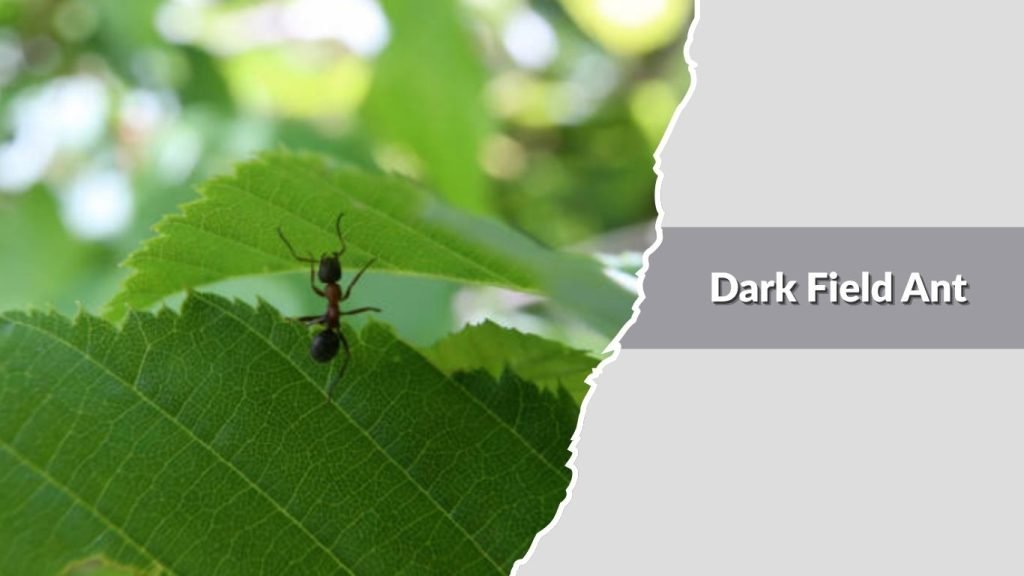
The Dark Field Ant is a common ant species recognized for its dark body coloration and active colony behavior. Commonly found in grasslands, forests, gardens, and open countryside habitats, this ant helps maintain ecological balance by improving soil quality and controlling insect populations. Dark Field Ants live in organized underground colonies and actively forage during warmer seasons throughout the year.
Identification
- Dark brown or black body coloration
- Medium-sized body with long legs
- Segmented antennae and strong mandibles
- Smooth and slightly glossy body surface
- Clearly divided body sections
- Fast-moving and highly active behavior
Habitat
Dark Field Ants commonly inhabit forests, grasslands, gardens, meadows, and rural environments. Their nests are usually built underground beneath rocks, logs, grass, or plant roots. These ants prefer warm sunny areas with loose soil conditions that support tunneling, stable colony development, and easy access to food sources during active seasons of the year.
Behavior
Dark Field Ants are highly social insects living in organized colonies with queens, workers, and larvae. Worker ants gather food, defend the nest, and maintain colony activities. They communicate using chemical scent trails and actively patrol surrounding areas while searching for food and protecting important nest entrances from nearby predators or threats.
Diet
Dark Field Ants feed on insects, nectar, honeydew, seeds, and decaying organic matter. Worker ants often collect sugary liquids from aphids and hunt small insects for protein. Their varied feeding habits provide essential nutrients for larvae, queens, and workers while supporting healthy colony growth and long-term survival throughout the active months.
Role in the Ecosystem
Dark Field Ants play an important ecological role by improving soil aeration and recycling organic material. Their tunneling activities enrich soil quality and support healthy plant growth. These ants also contribute to natural pest control and seed dispersal, helping maintain ecological balance in forests, grasslands, and countryside environments.
16. European Field Ant
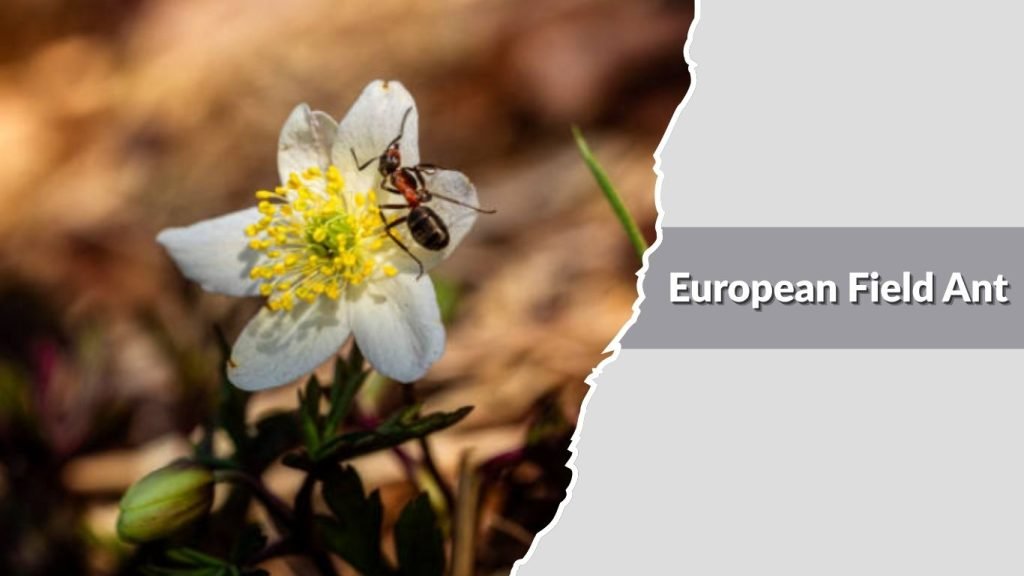
The European Field Ant is a widespread ant species commonly found across grasslands, forests, meadows, and countryside habitats throughout Europe. Known for its organized colonies and active foraging behavior, this ant plays an important role in maintaining ecological balance. European Field Ants improve soil quality, recycle organic matter, and help naturally control insect populations in many environments.
Identification
- Brown, reddish, or black body coloration
- Medium-sized body with long legs
- Segmented antennae and strong mandibles
- Smooth and slightly shiny body surface
- Clearly divided body sections
- Fast-moving and active behavior
Habitat
European Field Ants commonly inhabit forests, meadows, grasslands, gardens, and rural environments throughout Europe. Their nests are usually built underground beneath rocks, logs, grass, or plant roots. These ants prefer mild climates, loose soil conditions, and areas with abundant vegetation that provide reliable food sources and stable nesting environments year-round.
Behavior
European Field Ants are highly social insects living in organized colonies with queens, workers, and larvae. Worker ants gather food, maintain the nest, and defend the colony from threats. They communicate using chemical scent trails and actively patrol nearby areas while searching for food and protecting important colony entrances from disturbances.
Diet
European Field Ants feed on insects, nectar, honeydew, seeds, and decaying organic matter. Worker ants often collect sugary substances from aphids and hunt small insects for protein. Their varied diet provides essential nutrients for larvae, queens, and worker ants while supporting healthy colony growth and survival throughout the active seasons.
Role in the Ecosystem
European Field Ants play an important ecological role by improving soil aeration and recycling organic material. Their tunneling activities enrich soil quality and support healthy plant growth. These ants also contribute to natural pest control and seed dispersal, helping maintain ecological balance in forests, meadows, and grassland ecosystems.
FAQs
What are Field Ants?
Field Ants are social ants commonly found in grasslands, forests, gardens, meadows, and open countryside habitats. Most belong to the Formica genus and are known for their organized colonies, underground nests, and active foraging behavior during warm seasons throughout the year.
Where do Field Ants build their nests?
Field Ants usually build their nests underground in loose soil beneath rocks, logs, grass, leaf litter, or plant roots. Some species also create soil mounds in sunny locations where colony members can maintain stable nest temperatures and easily access nearby food sources.
What do Field Ants eat?
Field Ants feed on insects, nectar, honeydew, seeds, and decaying organic matter. Worker ants often collect sugary liquids from aphids and hunt small insects for protein. Their varied diet provides important nutrients needed for colony growth, larvae development, and the survival of worker ants.
Are Field Ants harmful to humans?
Field Ants are generally not dangerous to humans. Some species may bite or spray formic acid when threatened, causing mild irritation or discomfort. However, they are usually harmless and avoid direct contact unless their nest or colony is disturbed by nearby activity.
Why are Field Ants important to ecosystems?
Field Ants help improve soil aeration, recycle organic material, and naturally control insect populations. Their tunneling activities enrich soil quality and support healthy plant growth. They also contribute to seed dispersal, helping maintain ecological balance in forests, grasslands, meadows, and rural habitats.
