Carrion beetles are fascinating insects known for their role in decomposing dead animals and recycling nutrients back into the ecosystem. Found in forests, grasslands, and open habitats, these beetles are essential for maintaining environmental balance. This guide introduces 13 different types, helping you identify them through their unique features, habitats, and behaviors.
1. American Carrion Beetle

A large and commonly recognized carrion beetle known for its important role in decomposition. It is frequently found around dead animals, where it helps recycle nutrients back into the ecosystem by feeding on decaying matter.
Characteristics
- Large beetle with a robust, oval-shaped body
- Black coloration with distinct pale or yellow markings on the thorax
- Strong antennae with clubbed ends
- Elytra (wing covers) may appear slightly shortened
- Emits a noticeable odor when disturbed
Habitat and Distribution
The American Carrion Beetle is widely distributed across North America. It is commonly found in forests, grasslands, and open fields where animal remains may be present. It prefers areas with loose soil, which is useful for burrowing and reproduction.
Behavior and Diet
This beetle primarily feeds on decaying animal carcasses. It may also consume maggots and other insects found on carrion. It is often active at night and uses its strong sense of smell to locate food from a distance.
Life Cycle
Females lay eggs near or on decomposing animals. The larvae feed on the carrion and develop through several stages. In some related species, adults may bury small carcasses to provide food for their young. After pupation in the soil, adult beetles emerge to continue the cycle.
2. Burying Beetle
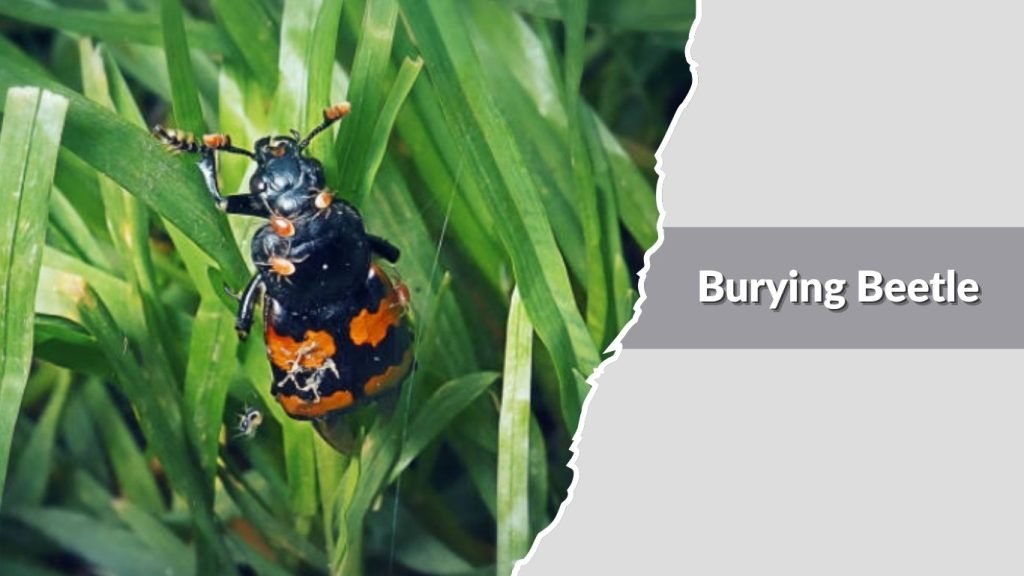
A well-known carrion beetle famous for its unique behavior of burying small animal carcasses. This species plays a vital role in decomposition and nutrient recycling, making it an important part of many terrestrial ecosystems.
Characteristics
- Medium to large beetle with a stout, compact body
- Black coloration with bright orange or red markings
- Strong, clubbed antennae adapted for detecting odors
- Elytra are short, leaving part of the abdomen exposed
- Powerful legs designed for digging and burying
Habitat and Distribution
Burying Beetles are found across North America, Europe, and parts of Asia. They typically inhabit forests, grasslands, and open areas where small animal carcasses are available. They prefer loose, moist soil that allows easy burial of carrion.
Behavior and Diet
These beetles are best known for their cooperative behavior. A male and female pair often work together to bury a small carcass, such as a rodent or bird. They feed on the carrion and also prepare it as a food source for their larvae. Adults may also consume insects found on the carcass.
Life Cycle
After burying a carcass, the female lays eggs nearby. Both parents may guard and prepare the food by removing fur or feathers. Larvae hatch and feed directly on the preserved carcass. After completing development, they pupate in the soil and emerge as adults to repeat the cycle.
3. Sexton Beetle
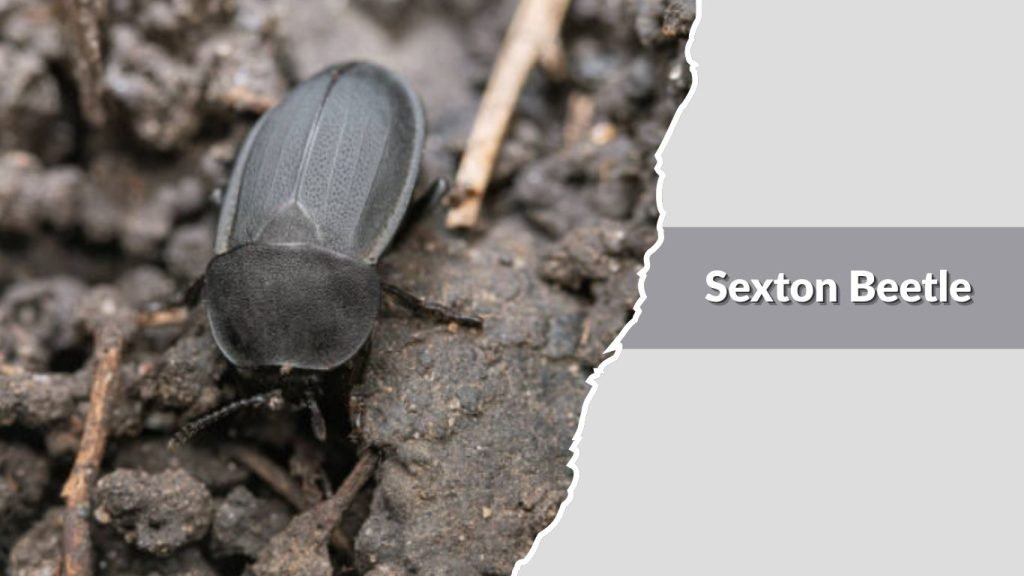
A fascinating carrion beetle known for its burial behavior and strong parental care. Often grouped with burying beetles, it plays a crucial role in decomposition by locating and utilizing small animal carcasses as both food and breeding sites.
Characteristics
- Medium-sized beetle with a sturdy, oval body
- Black base color with bold orange or red markings
- Short wing covers exposing part of the abdomen
- Clubbed antennae specialized for detecting carrion odors
- Strong legs adapted for digging and handling carcasses
Habitat and Distribution
Sexton Beetles are widely distributed across Europe, Asia, and North America. They are commonly found in forests, grasslands, and rural areas. These beetles prefer environments with soft soil and access to small dead animals for feeding and reproduction.
Behavior and Diet
This species is well known for its cooperative behavior, often working in pairs to bury small carcasses. They feed on decaying flesh and may also consume larvae or other insects found on carrion. They are mostly active at night and rely heavily on their sense of smell to locate food.
Life Cycle
After securing a carcass, the female lays eggs nearby while both parents may prepare the food source. The larvae hatch and feed on the buried carcass, often receiving care from the adults. Once fully developed, they pupate in the soil and later emerge as adult beetles.
4. Margined Carrion Beetle
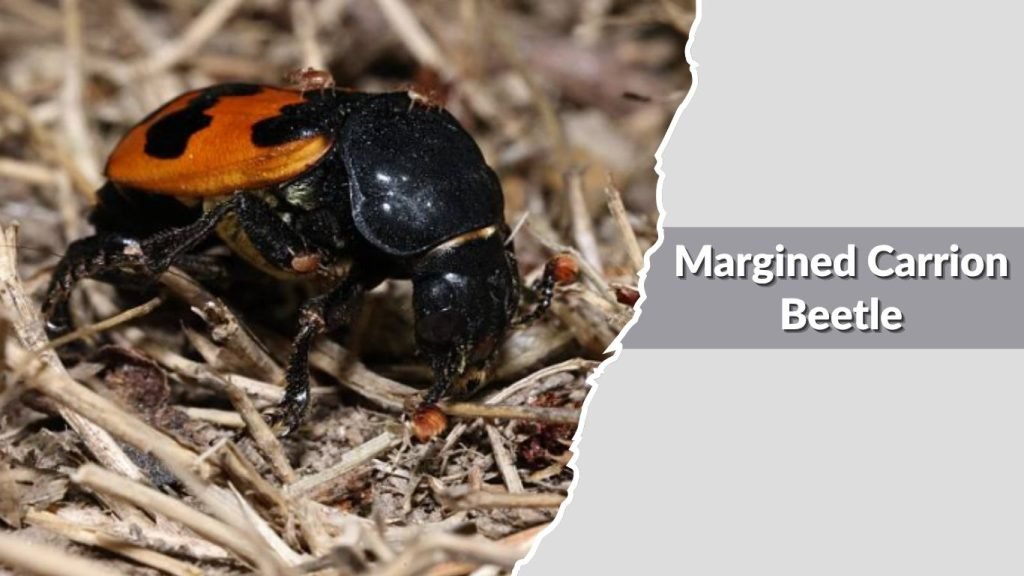
A distinctive carrion beetle recognized by the lighter margins along its body. It is commonly found in areas where decaying animal matter is present and plays an essential role in breaking down organic remains in terrestrial ecosystems.
Characteristics
- Medium-sized beetle with an oval, slightly flattened body
- Dark coloration with lighter or pale edges along the wing covers
- Smooth but slightly textured outer surface
- Clubbed antennae adapted for detecting odors
- Elytra cover most of the abdomen but may appear slightly shortened
Habitat and Distribution
The Margined Carrion Beetle is found across parts of Europe, Asia, and North America. It prefers habitats such as forests, grasslands, and woodland edges where carrion is available. It is often seen under decaying animal remains or hiding in nearby soil and leaf litter.
Behavior and Diet
This beetle feeds primarily on decomposing animal matter. It may also consume maggots and other insects associated with carrion. It is generally active during cooler parts of the day or at night and uses its strong sense of smell to locate food sources from a distance.
Life Cycle
Females lay eggs in or near decomposing carcasses. The larvae feed on the carrion and develop through several stages. Unlike some burying beetles, this species does not typically bury carcasses but uses them directly. After completing development, larvae pupate in the soil before emerging as adults.
5. Black Carrion Beetle
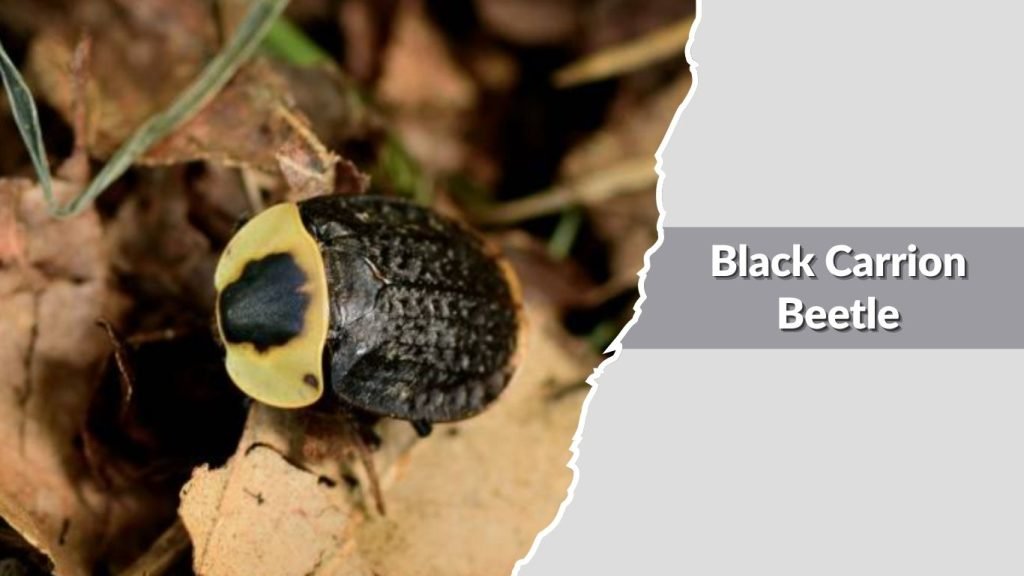
A common carrion beetle known for its entirely dark body and strong association with decaying animal matter. It plays a key role in decomposition by helping break down carcasses and recycling nutrients back into the ecosystem.
Characteristics
- Medium-sized beetle with a solid black, oval-shaped body
- Slightly flattened form for moving under carcasses
- Smooth or lightly textured outer surface
- Clubbed antennae used to detect odors
- Elytra usually cover most of the abdomen
Habitat and Distribution
The Black Carrion Beetle is widely distributed across Europe, Asia, and North America. It is commonly found in forests, grasslands, and open fields where animal remains are present. It often hides in soil, leaf litter, or beneath carcasses during the day.
Behavior and Diet
This species feeds mainly on decaying animal tissue. It may also consume maggots and other insects found on carrion. The beetle is usually active at night and relies on its keen sense of smell to locate food sources from long distances.
Life Cycle
Females lay eggs in or near decomposing animal matter. The larvae feed on the carrion as they grow through several stages. After reaching maturity, they move into the soil to pupate. Adult beetles emerge later and continue the cycle of feeding and reproduction.
6. Red-lined Carrion Beetle
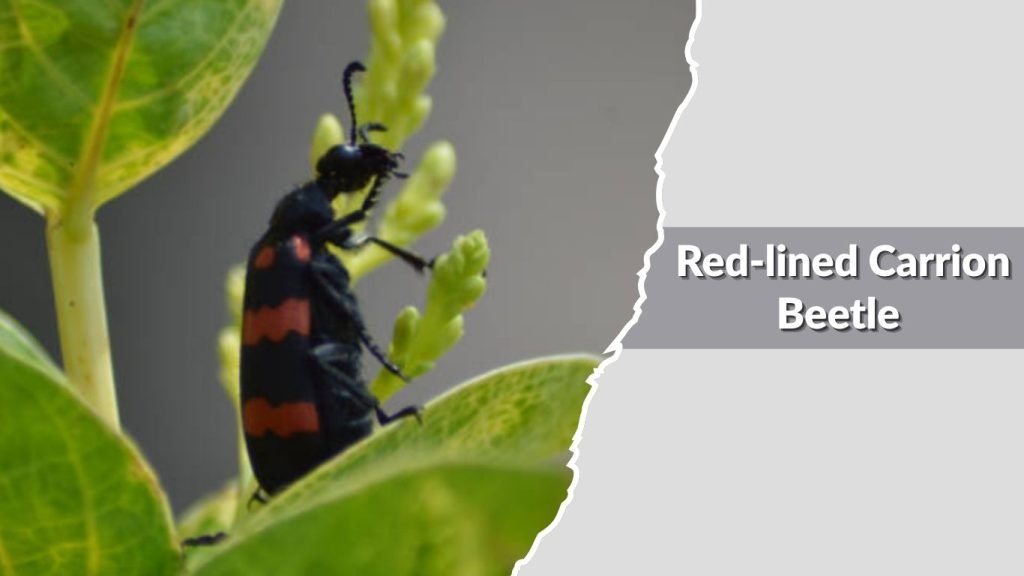
A noticeable carrion beetle identified by its dark body marked with thin red or orange lines. It is commonly associated with decomposing animals and contributes significantly to the natural recycling process in terrestrial ecosystems.
Characteristics
- Medium-sized beetle with an elongated oval body
- Black coloration with distinct red or orange lines on the wing covers
- Smooth, slightly glossy outer surface
- Clubbed antennae adapted for detecting carrion
- Elytra cover most of the abdomen
Habitat and Distribution
The Red-lined Carrion Beetle is found in various regions across Europe, Asia, and parts of North America. It inhabits forests, grasslands, and rural areas where animal remains are available. It is often found beneath carcasses, in soil, or within leaf litter.
Behavior and Diet
This beetle primarily feeds on decomposing animal matter. It may also consume maggots and other insects found on carrion. It is generally nocturnal and uses its strong sense of smell to locate food. It often stays hidden during the day to avoid predators.
Life Cycle
Females lay eggs near or directly on carrion. The larvae feed on the decaying material and grow through several stages. Once fully developed, they move into the soil to pupate. After metamorphosis, adult beetles emerge and return to feeding and reproduction.
7. Gold-necked Carrion Beetle
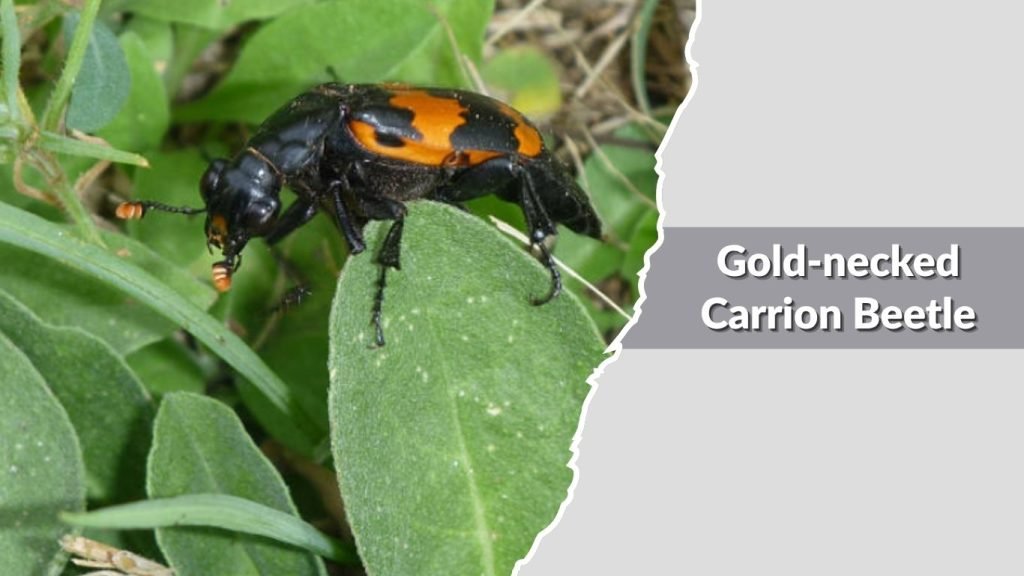
A striking carrion beetle known for the golden or yellowish coloration around its neck region. It is commonly found near decomposing animal matter and plays an important role in breaking down organic remains in natural environments.
Characteristics
- Medium-sized beetle with a robust, oval body
- Dark body with a distinct golden or yellow patch near the thorax
- Smooth, slightly glossy outer surface
- Clubbed antennae adapted for detecting odors
- Elytra typically cover most of the abdomen
Habitat and Distribution
The Gold-necked Carrion Beetle is distributed across parts of Europe and Asia. It is commonly found in forests, grasslands, and woodland edges where animal carcasses are present. It prefers areas with loose soil and leaf litter, which provide shelter and breeding sites.
Behavior and Diet
This beetle feeds mainly on decomposing animal matter. It may also consume maggots and other insects found on carrion. It is often active during the night and relies heavily on its sense of smell to locate food sources from a distance.
Life Cycle
Females lay eggs near decomposing carcasses. The larvae feed on the carrion and develop through several growth stages. After reaching maturity, they move into the soil to pupate. Adult beetles emerge after metamorphosis and continue the cycle of feeding and reproduction.
8. Orange-marked Carrion Beetle
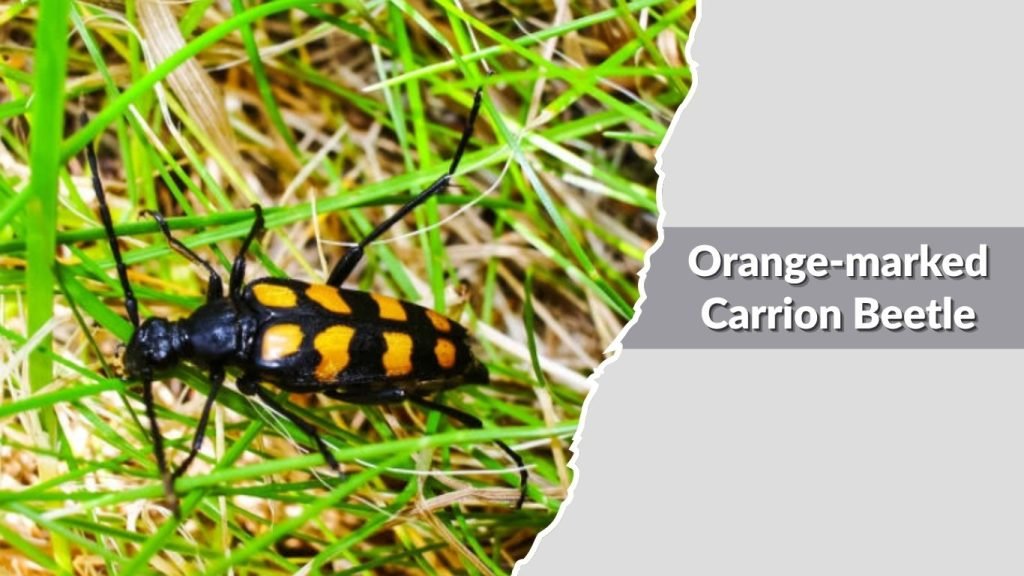
A visually distinctive carrion beetle recognized by its dark body with bright orange markings. It is commonly associated with decomposing animal remains and plays an important ecological role in breaking down organic matter.
Characteristics
- Medium-sized beetle with an oval, slightly flattened body
- Black coloration with bold orange patches on the wing covers
- Smooth and moderately glossy outer surface
- Clubbed antennae specialized for detecting odors
- Elytra may appear slightly shortened, exposing part of the abdomen
Habitat and Distribution
The Orange-marked Carrion Beetle is found across parts of North America and Europe. It typically inhabits forests, grasslands, and open countryside where animal carcasses are available. It is often found beneath carrion or hiding in nearby soil and leaf litter.
Behavior and Diet
This beetle primarily feeds on decomposing animal matter. It may also consume maggots and other insects associated with carrion. It is mostly active at night and uses its strong sense of smell to locate food. During the day, it tends to remain hidden.
Life Cycle
Females lay eggs on or near decaying carcasses. The larvae feed on the carrion and grow through several stages. Once fully developed, they move into the soil to pupate. Adult beetles emerge after metamorphosis and return to feeding and reproduction.
9. Small Carrion Beetle
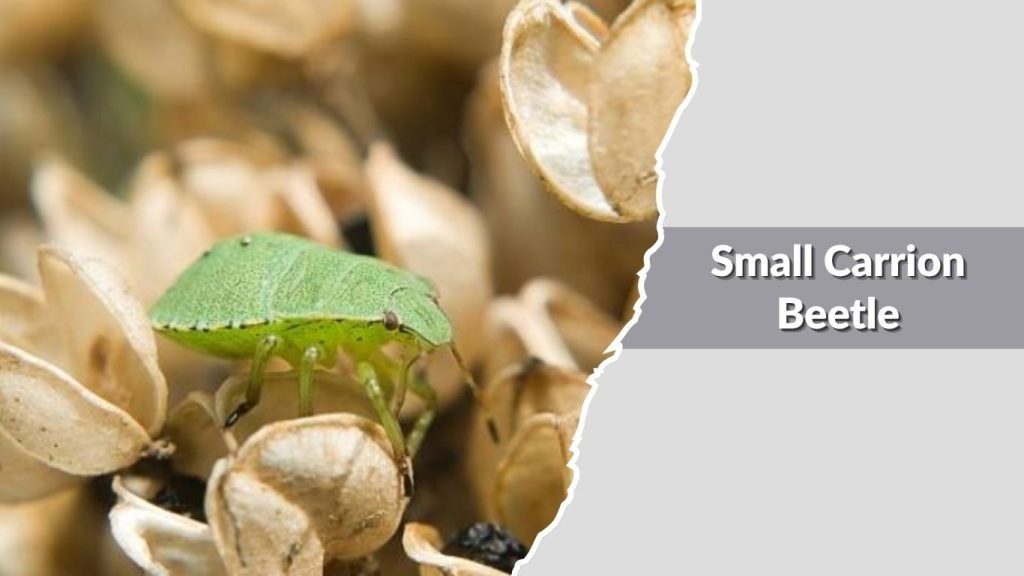
A smaller species of carrion beetle commonly found around decaying animal matter. Despite its size, it plays an important role in decomposition by helping break down organic remains and supporting nutrient recycling in the ecosystem.
Characteristics
- Small beetle with a compact, oval-shaped body
- Dark brown to black coloration
- Smooth or slightly textured outer surface
- Clubbed antennae used for detecting carrion odors
- Elytra usually cover most of the abdomen
Habitat and Distribution
The Small Carrion Beetle is widely distributed across Europe, Asia, and North America. It is commonly found in forests, grasslands, and open habitats where dead animals are present. It often hides beneath carcasses, in soil, or within leaf litter.
Behavior and Diet
This species primarily feeds on decomposing animal tissue. It may also consume maggots and other small insects found on carrion. It is generally active during cooler periods, especially at night, and uses its strong sense of smell to locate food sources.
Life Cycle
Females lay eggs near or on decomposing animal matter. The larvae feed on the carrion and pass through several developmental stages. After reaching maturity, they move into the soil to pupate. Adult beetles later emerge and continue the cycle of feeding and reproduction.
10. Brown Carrion Beetle
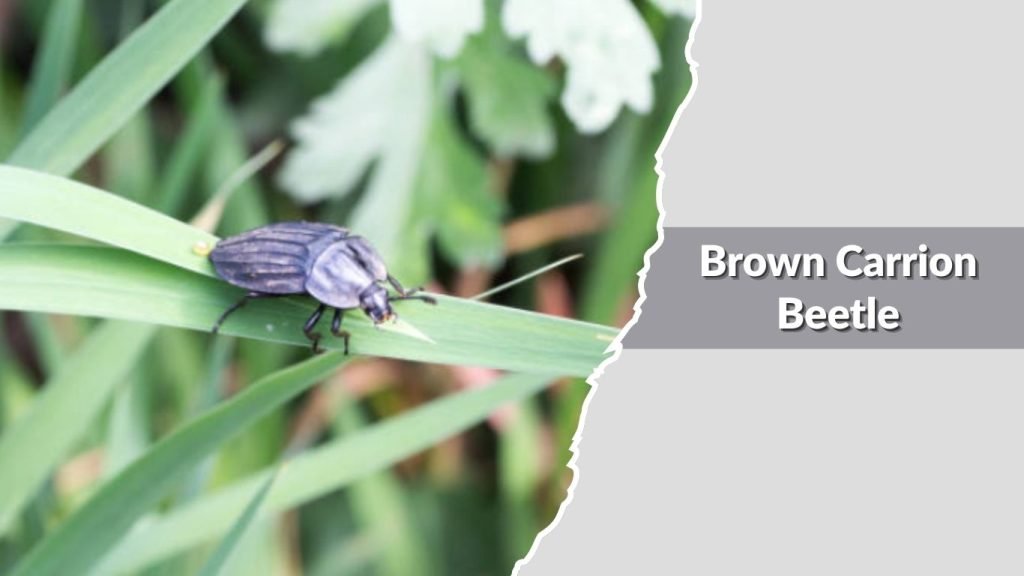
A common carrion beetle with a brownish body coloration, often found around decomposing animal remains. It contributes significantly to nutrient recycling by breaking down organic matter in terrestrial ecosystems.
Characteristics
- Medium-sized beetle with a broad, oval-shaped body
- Brown to dark brown coloration
- Slightly rough or textured outer surface
- Clubbed antennae for detecting carrion odors
- Elytra generally cover most of the abdomen
Habitat and Distribution
The Brown Carrion Beetle is distributed across many regions, including Europe, Asia, and North America. It prefers forests, grasslands, and open habitats where carrion is available. It is often found beneath carcasses or hidden in nearby soil and leaf litter.
Behavior and Diet
This beetle feeds mainly on decomposing animal matter. It may also consume maggots and other insects associated with carrion. It is typically nocturnal and relies on its strong sense of smell to locate food from a distance.
Life Cycle
Females lay eggs near or on decomposing carcasses. The larvae feed on the carrion as they develop through several stages. Once mature, they move into the soil to pupate. Adult beetles emerge after metamorphosis and continue the cycle.
11. Hairy Carrion Beetle
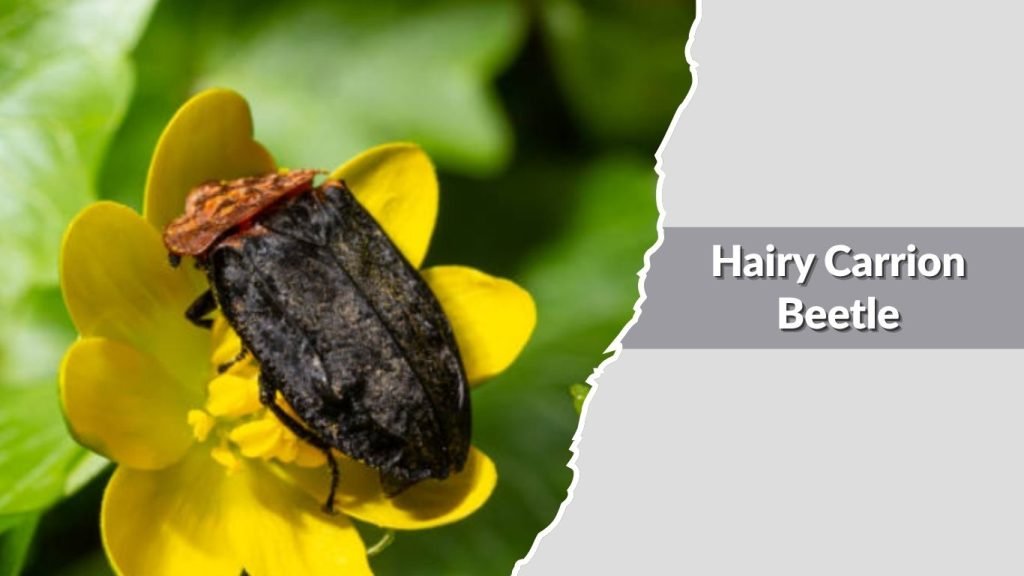
A distinctive carrion beetle known for the fine hair-like structures covering parts of its body. It is commonly found around decomposing animals and plays an important role in breaking down organic matter in natural environments.
Characteristics
- Medium-sized beetle with a slightly elongated oval body
- Dark coloration with visible fine hairs on the body surface
- Textured outer shell giving a rough appearance
- Clubbed antennae adapted for detecting carrion
- Elytra cover most of the abdomen
Habitat and Distribution
The Hairy Carrion Beetle is found across regions of Europe, Asia, and North America. It inhabits forests, grasslands, and areas where animal remains are present. It is often found under carcasses, within soil, or in leaf litter where it can remain concealed.
Behavior and Diet
This beetle primarily feeds on decomposing animal matter. It may also consume maggots and other insects associated with carrion. It is generally active during the night and relies on its strong sense of smell to locate food sources efficiently.
Life Cycle
Females lay eggs near decomposing carcasses. The larvae feed on the carrion and develop through several stages. After reaching maturity, they move into the soil to pupate. Adult beetles emerge after metamorphosis and return to feeding and reproduction.
12. Large Carrion Beetle
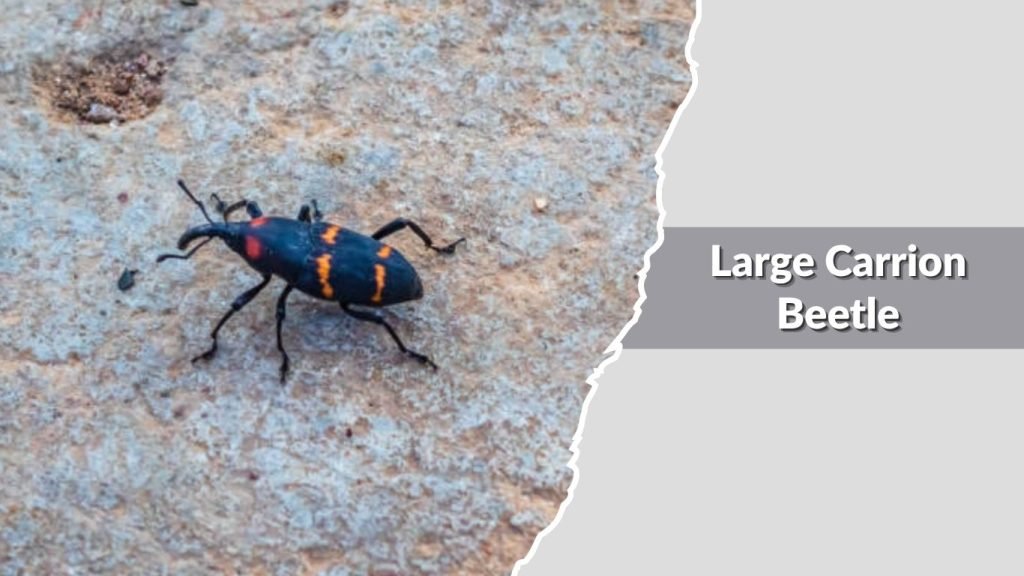
A relatively big carrion beetle known for its strong build and efficiency in locating and consuming decaying animal matter. It plays a major role in decomposition, helping recycle nutrients back into the ecosystem.
Characteristics
- Large beetle with a broad, robust oval body
- Dark brown to black coloration
- Thick, durable outer shell
- Clubbed antennae highly sensitive to odors
- Elytra cover most of the abdomen
Habitat and Distribution
The Large Carrion Beetle is widely distributed across Europe, Asia, and North America. It is commonly found in forests, grasslands, and rural areas where animal remains are present. It prefers environments with loose soil and organic debris.
Behavior and Diet
This beetle feeds mainly on decomposing animal tissue. It may also consume maggots and other insects found on carrion. It is typically active at night and uses its strong sense of smell to detect carcasses from a distance.
Life Cycle
Females lay eggs near or on decomposing carcasses. The larvae feed on the carrion and grow through multiple stages. Once mature, they move into the soil to pupate. Adult beetles emerge after metamorphosis and continue the cycle of feeding and reproduction.
13. Striped Carrion Beetle
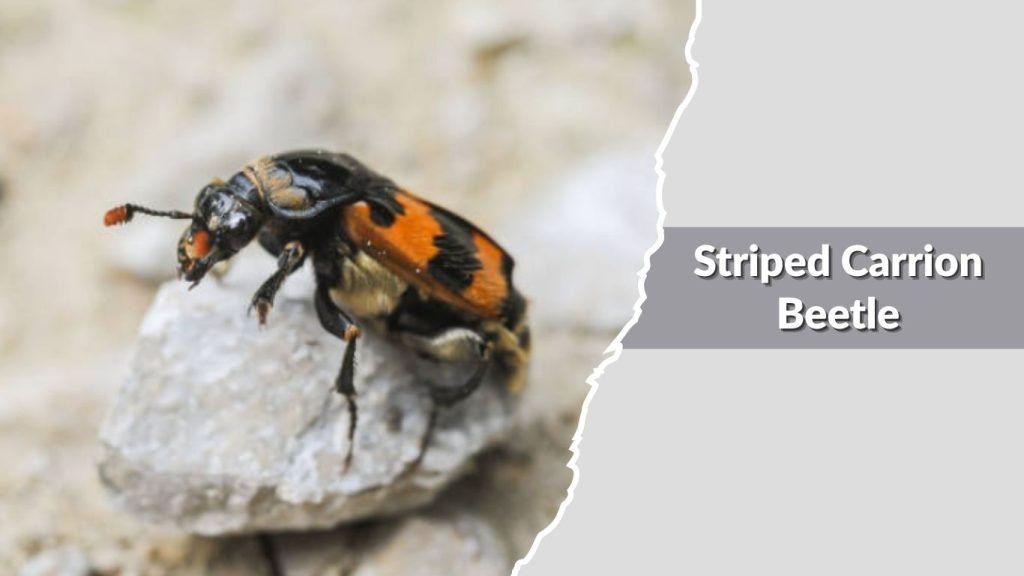
A recognizable carrion beetle known for the striped patterns on its body. It is commonly associated with decomposing animal matter and plays an essential role in breaking down organic remains and recycling nutrients in natural ecosystems.
Characteristics
- Medium-sized beetle with an oval, slightly flattened body
- Dark base color with visible stripe patterns on the wing covers
- Smooth to slightly textured outer surface
- Clubbed antennae adapted for detecting carrion odors
- Elytra typically cover most of the abdomen
Habitat and Distribution
The Striped Carrion Beetle is found across various regions, including Europe, Asia, and North America. It prefers forests, grasslands, and open habitats where animal carcasses are present. It is often found beneath carrion or hidden in soil and leaf litter.
Behavior and Diet
This beetle primarily feeds on decomposing animal matter. It may also consume maggots and other insects associated with carrion. It is generally nocturnal and relies on its strong sense of smell to locate food sources efficiently.
Life Cycle
Females lay eggs near or on decomposing carcasses. The larvae feed on the carrion and develop through several stages. After reaching maturity, they move into the soil to pupate. Adult beetles emerge after metamorphosis and continue the cycle of feeding and reproduction.
FAQs
What are carrion beetles?
Carrion beetles are insects that feed on decomposing animal matter. They belong to the family Silphidae and are commonly found near dead animals. These beetles play a crucial role in breaking down organic material and recycling nutrients back into the ecosystem.
Are carrion beetles harmful to humans?
Carrion beetles are generally harmless to humans. They do not bite or sting and are not dangerous. While they are attracted to dead animals and may have a strong odor, they do not pose any direct threat to people.
What do carrion beetles eat?
Carrion beetles mainly feed on decaying animal tissue. Some species also eat maggots, fly larvae, and other insects found on carcasses. This feeding behavior helps speed up the decomposition process and reduces the spread of harmful bacteria.
Where can carrion beetles be found?
They are commonly found in forests, grasslands, and open environments where dead animals are present. They often hide under carcasses, in soil, or within leaf litter during the day and become more active at night.
Why are carrion beetles important?
Carrion beetles are important because they help decompose dead animals and recycle nutrients into the soil. This process supports plant growth and maintains ecosystem health by preventing the buildup of decaying organic matter.