
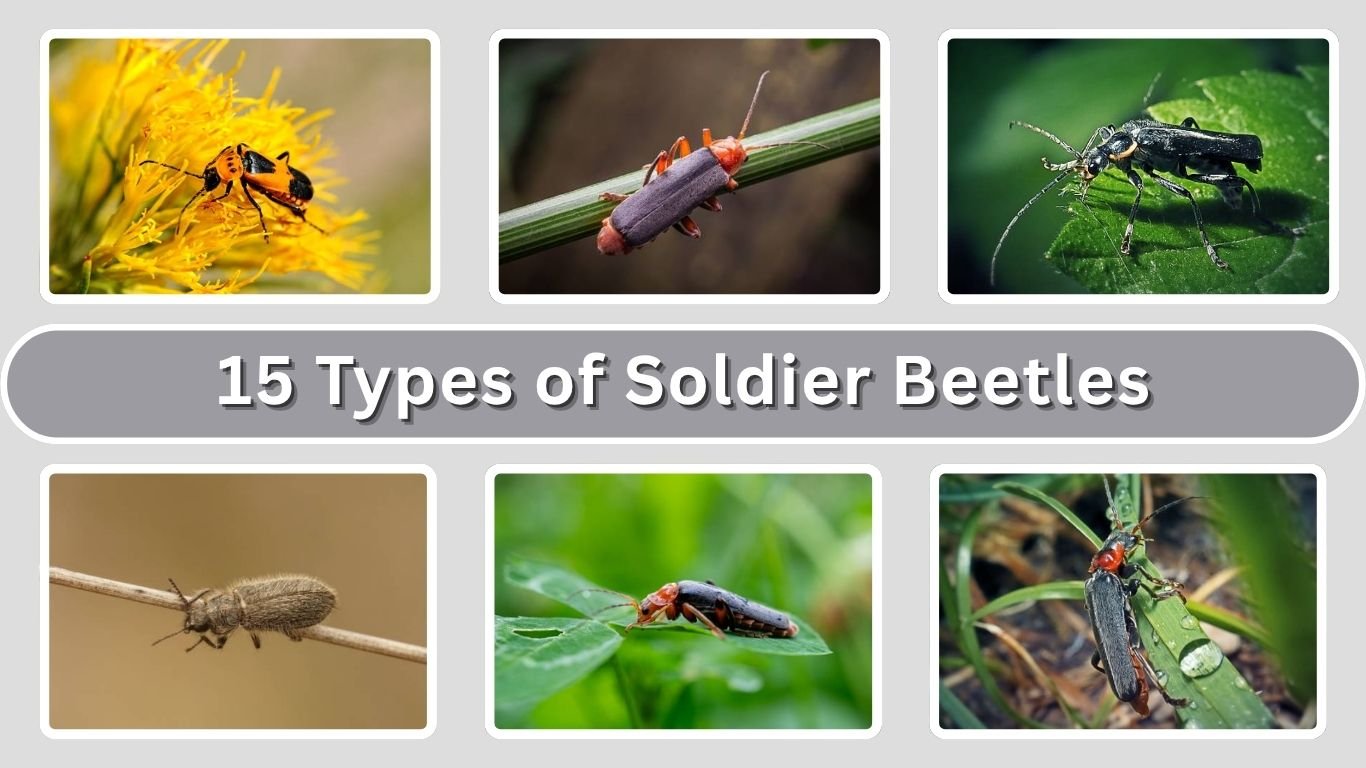
Soldier beetles are soft-bodied insects commonly found on flowers in gardens, meadows, and open fields. Known for their bright colors and beneficial behavior, they play an important role in pollination and natural pest control. This guide introduces 15 different types to help you identify them through their unique characteristics, habitats, and behaviors.
1. Goldenrod Soldier Beetle
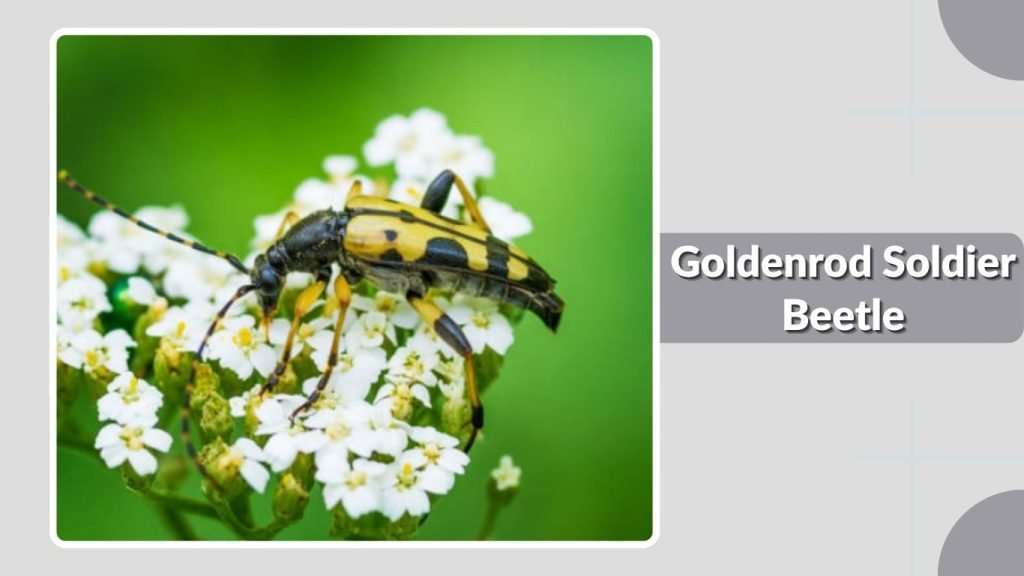
A bright and commonly seen beetle often found on flowering plants, especially goldenrod. It is known for its soft body and beneficial role in gardens, where it helps control pests and contributes to pollination.
Characteristics
- Medium-sized beetle with a soft, elongated body
- Bright yellow to orange coloration with darker wings
- Black head with noticeable antennae
- Soft wing covers that appear flexible
- Long legs adapted for crawling on plants
Habitat and Distribution
The Goldenrod Soldier Beetle is widely found across North America. It thrives in meadows, gardens, and fields where flowering plants are abundant. It is especially common during late summer and early autumn when goldenrod blooms.
Behavior and Diet
This beetle is both a predator and a pollinator. Adults feed on nectar and pollen while also consuming small insects such as aphids. It is active during the day and is often seen crawling on flowers in search of food.
Life Cycle
Females lay eggs in soil or leaf litter. The larvae live in the ground and feed on small insects and organic matter. After developing through several stages, they pupate in the soil. Adults emerge during warmer months and return to plants to feed and reproduce.
2. Pennsylvania Leatherwing
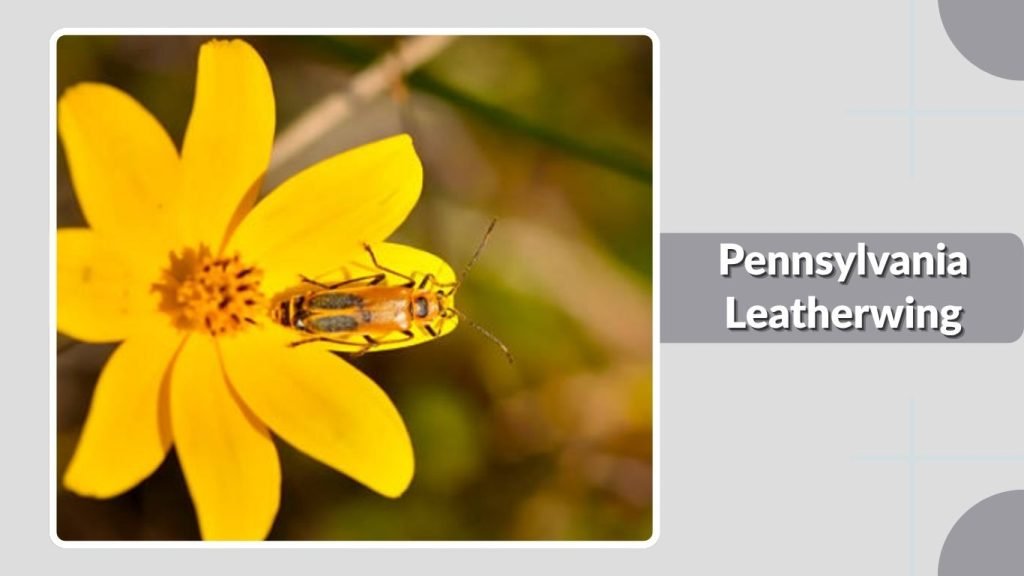
A common and easily recognizable soldier beetle known for its soft body and dark wing covers. It is often seen on flowers during warm months and plays an important role in both pollination and natural pest control.
Characteristics
- Medium-sized beetle with a soft, elongated body
- Dark gray or black wing covers with a contrasting orange thorax
- Black head with long, slender antennae
- Flexible, leathery wing covers
- Long legs suited for moving across plants
Habitat and Distribution
The Pennsylvania Leatherwing is widely distributed across North America. It is commonly found in meadows, gardens, and fields where flowering plants are abundant. It prefers warm environments and is often seen during late summer.
Behavior and Diet
This beetle feeds on nectar, pollen, and small insects such as aphids. It is active during the day and frequently visits flowers, making it both a pollinator and a beneficial predator in gardens.
Life Cycle
Females lay eggs in soil or organic matter. The larvae live in the ground, feeding on small insects and decaying material. After several growth stages, they pupate in the soil and emerge as adults during the warmer seasons.
3. Margined Leatherwing
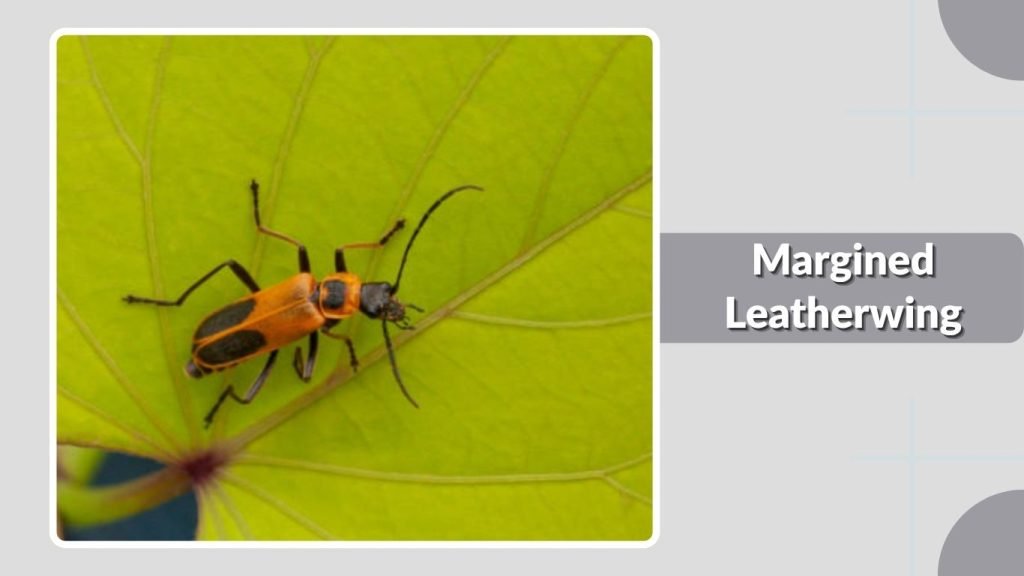
A distinctive soldier beetle known for the contrasting margins along its wing covers. It is commonly found on flowering plants and is valued for its role in pollination and controlling small insect populations.
Characteristics
- Medium-sized beetle with a soft, elongated body
- Dark wing covers with lighter or yellowish edges
- Orange or reddish thorax with a black head
- Flexible, leathery wings typical of soldier beetles
- Long legs and antennae adapted for active movement
Habitat and Distribution
The Margined Leatherwing is widely distributed across North America. It thrives in open habitats such as meadows, gardens, and agricultural fields where flowering plants are abundant. It is especially common during late summer when flowers are in full bloom. This beetle prefers warm, sunny environments and is often seen resting or feeding on plant surfaces.
Behavior and Diet
This species is both a pollinator and a predator. Adults feed on nectar and pollen, contributing to plant reproduction, while also consuming small insects like aphids and caterpillars. It is active during the day and frequently moves between flowers in search of food. Its dual feeding behavior makes it highly beneficial in natural and agricultural ecosystems.
Life Cycle
Females lay eggs in soil or organic debris. The larvae live underground, where they feed on small insects and decaying matter. They go through several developmental stages before pupating in the soil. Adults emerge during warm months and return to flowering plants to feed and reproduce, continuing the cycle.
4. Brown Soldier Beetle
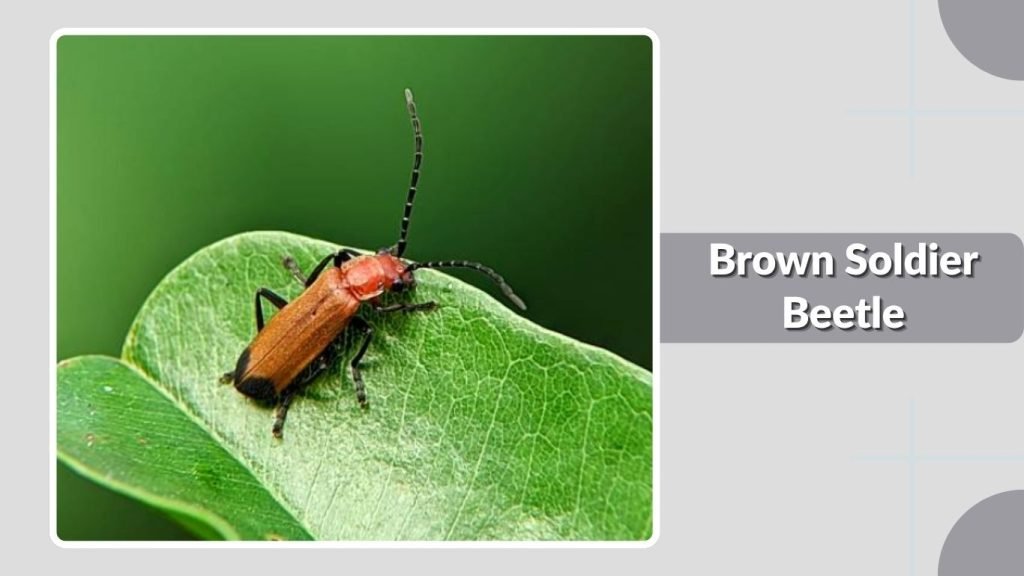
A common soldier beetle with a simple brown coloration, often overlooked due to its less vibrant appearance. Despite this, it plays an important ecological role as both a pollinator and a natural predator of small pests.
Characteristics
- Medium-sized beetle with a slender, soft body
- Uniform brown to dark brown coloration
- Smooth, flexible wing covers
- Long antennae and legs for easy movement on plants
- Soft-bodied structure typical of soldier beetles
Habitat and Distribution
The Brown Soldier Beetle is found in various regions across North America and parts of Europe. It inhabits meadows, gardens, forest edges, and agricultural areas. It prefers environments with abundant plant life, where it can easily find both food and shelter. It is most active during warmer months.
Behavior and Diet
This beetle feeds on nectar, pollen, and small insects. It helps control pest populations by preying on soft-bodied insects such as aphids. It is active during the day and can often be seen on flowers or foliage. Its presence is beneficial for both pollination and pest management.
Life Cycle
Eggs are laid in soil or organic material. The larvae develop underground, feeding on small insects and organic debris. After several growth stages, they pupate in the soil. Adults emerge in warm seasons and begin feeding and reproducing, continuing their ecological role.
5. Black Soldier Beetle
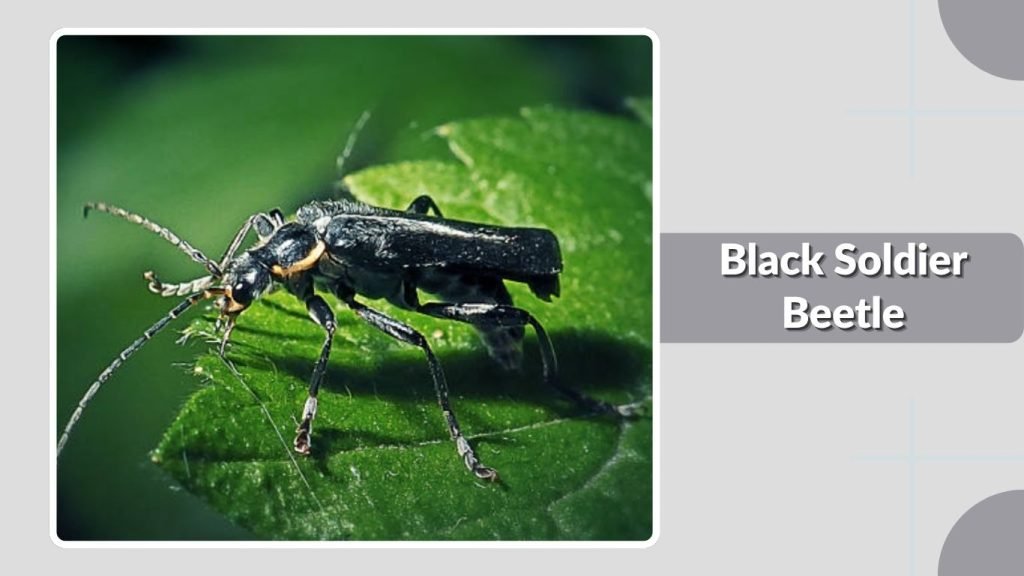
A dark-colored soldier beetle commonly found on flowers and vegetation. Despite its plain appearance, it is an important beneficial insect that contributes to pollination and helps control small pest populations in natural and agricultural environments.
Characteristics
- Medium-sized beetle with a soft, elongated body
- Entirely black or very dark brown coloration
- Smooth, flexible wing covers
- Long antennae used for sensing surroundings
- Slender legs adapted for crawling on plants
Habitat and Distribution
The Black Soldier Beetle is widely distributed across North America and parts of Europe and Asia. It is commonly found in gardens, meadows, forest edges, and agricultural fields. It prefers areas rich in flowering plants where food sources are easily available. This species is most active during warm seasons.
Behavior and Diet
This beetle feeds on nectar, pollen, and small insects such as aphids. It plays a dual role as both a pollinator and a predator. It is active during the day and often seen moving across flowers in search of food. Its presence is beneficial for maintaining plant health and reducing pest populations.
Life Cycle
Females lay eggs in soil or organic debris. The larvae live underground, feeding on small insects and decaying material. After passing through several developmental stages, they pupate in the soil. Adults emerge during warmer months and begin feeding and reproduction.
6. Red Soldier Beetle
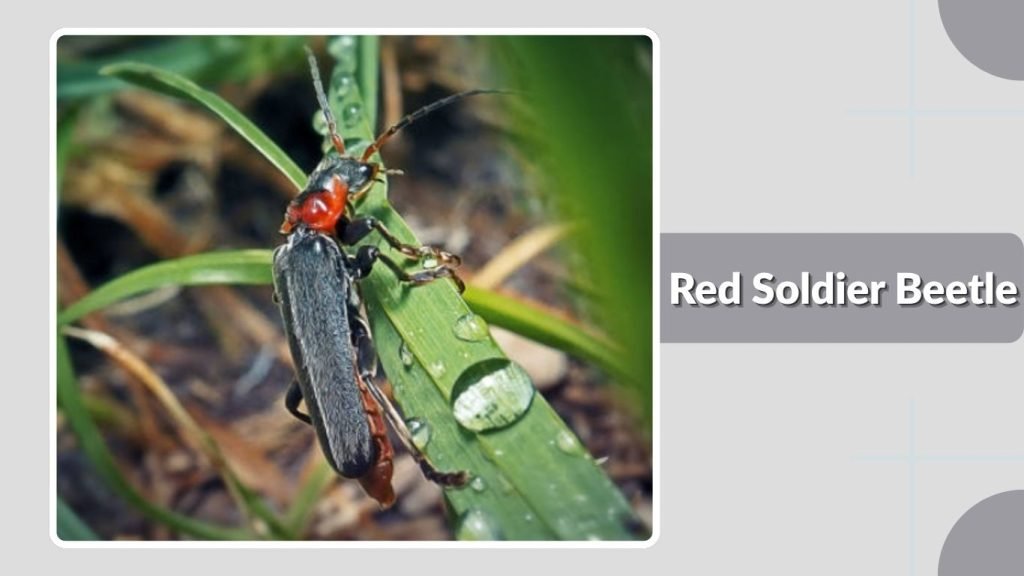
A brightly colored soldier beetle often seen on flowers during the summer months. Its vivid red body makes it easy to identify, and it is widely appreciated for its role in pollination and natural pest control.
Characteristics
- Medium-sized beetle with a soft, elongated body
- Bright red or orange coloration with a slightly darker head
- Smooth, flexible wing covers
- Long antennae and legs for active movement
- Soft-bodied structure typical of soldier beetles
Habitat and Distribution
The Red Soldier Beetle is commonly found across Europe and parts of Asia. It inhabits meadows, gardens, and woodland edges where flowering plants are abundant. It prefers sunny environments and is especially visible during late spring and summer.
Behavior and Diet
This beetle feeds mainly on nectar and pollen, making it an effective pollinator. It may also consume small insects such as aphids. It is active during the day and frequently visits flowers, contributing to both plant reproduction and pest control.
Life Cycle
Eggs are laid in soil or leaf litter. The larvae develop underground, feeding on small insects and organic matter. After several growth stages, they pupate in the soil. Adults emerge in warm months and continue feeding and reproducing.
7. Common Red Soldier Beetle
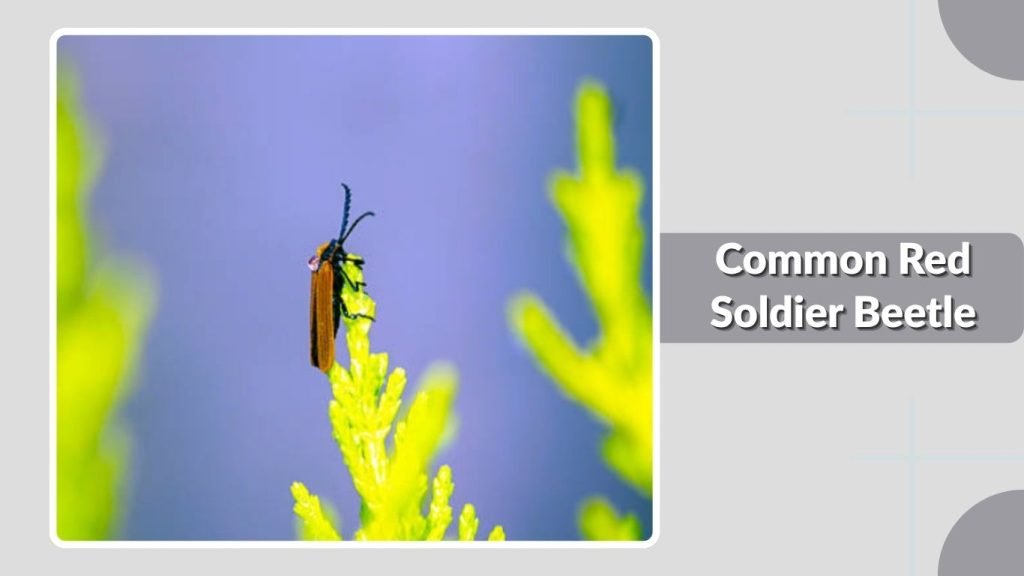
A well-known and widely observed soldier beetle recognized for its bright coloration and frequent presence on flowers. It is an important beneficial insect, contributing to pollination while also helping control small garden pests.
Characteristics
- Medium-sized beetle with a soft, elongated body
- Bright red or orange body with darker wing tips
- Black head with long, slender antennae
- Soft, flexible wing covers
- Long legs suited for moving across flowers
Habitat and Distribution
The Common Red Soldier Beetle is widely distributed across Europe and parts of Asia. It is commonly found in meadows, gardens, hedgerows, and woodland edges. It prefers areas with abundant flowering plants and is especially active during late spring and summer.
Behavior and Diet
This beetle feeds mainly on nectar and pollen, making it an effective pollinator. It also preys on small insects such as aphids, helping control pest populations. It is active during the day and is often seen clustered on flowers.
Life Cycle
Females lay eggs in soil or plant debris. The larvae live underground, feeding on small insects and organic material. After several developmental stages, they pupate in the soil. Adults emerge during warm months and continue the cycle.
8. Yellow Soldier Beetle
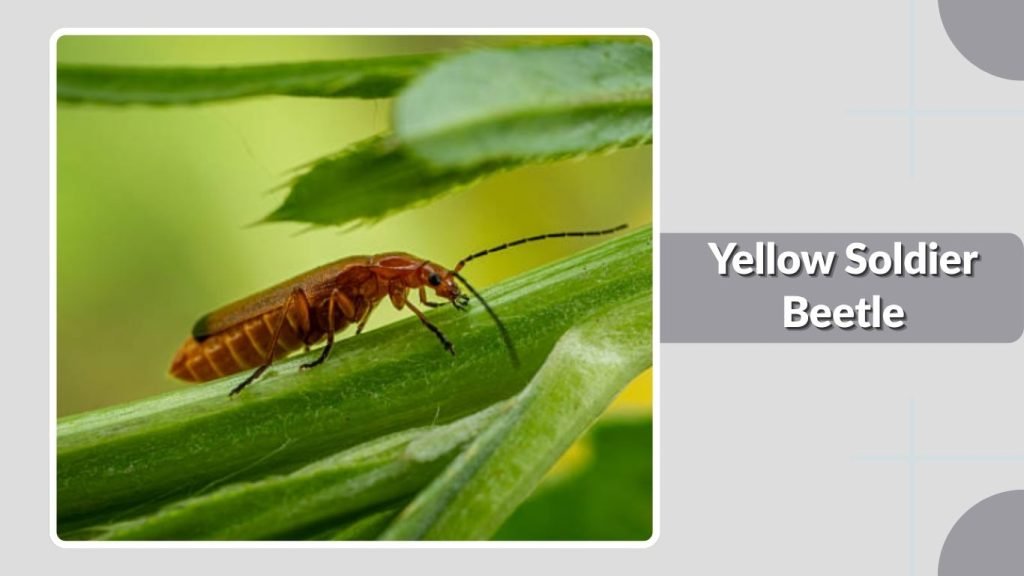
A brightly colored soldier beetle easily identified by its yellow body. It is commonly found on flowers and is valued for its dual role as a pollinator and predator in many ecosystems.
Characteristics
- Medium-sized beetle with a soft, elongated body
- Bright yellow coloration, sometimes with darker markings
- Black or dark head with noticeable antennae
- Flexible, leathery wing covers
- Long legs adapted for climbing plants
Habitat and Distribution
The Yellow Soldier Beetle is found across North America and parts of Europe. It thrives in meadows, gardens, and open fields where flowering plants are abundant. It prefers warm environments and is most active during the summer months.
Behavior and Diet
This species feeds on nectar, pollen, and small insects. It plays an important role in pollination while also helping reduce pest populations by consuming aphids and other soft-bodied insects. It is active during the day and frequently visits flowers.
Life Cycle
Eggs are laid in soil or organic matter. The larvae develop underground, feeding on insects and decaying material. After several growth stages, they pupate in the soil. Adults emerge during warm seasons and begin feeding and reproduction.
9. Two-lined Soldier Beetle
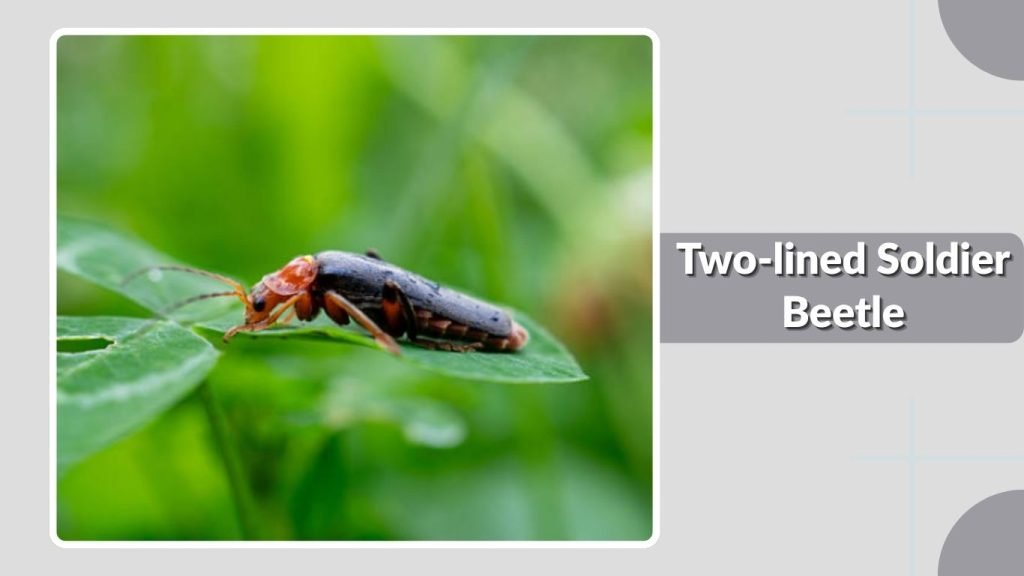
A distinctive soldier beetle recognized by the parallel lines running along its wing covers. It is commonly found on flowering plants and plays a valuable role in ecosystems as both a pollinator and a natural predator of small insects.
Characteristics
- Medium-sized beetle with a slender, elongated body
- Yellow to orange coloration with two dark longitudinal lines
- Black or dark head with long, thread-like antennae
- Soft, flexible wing covers typical of soldier beetles
- Long legs adapted for active movement across vegetation
Habitat and Distribution
The Two-lined Soldier Beetle is widely distributed across North America. It is commonly found in meadows, gardens, agricultural fields, and roadside vegetation. This species prefers open areas with abundant flowering plants, which provide both food and shelter. It is especially active during late summer when flowers are plentiful.
Behavior and Diet
This beetle is both a pollinator and a predator. Adults feed on nectar and pollen while also consuming small insects such as aphids and caterpillars. It is active during the day and frequently moves between flowers. Its feeding behavior makes it beneficial for both plant reproduction and pest control in gardens and farms.
Life Cycle
Females lay eggs in soil or organic debris. The larvae live underground, feeding on small insects and decaying organic matter. They develop through several stages before pupating in the soil. Adults emerge during warm months and return to vegetation to feed and reproduce, continuing their ecological role.
10. Soft-winged Flower Beetle
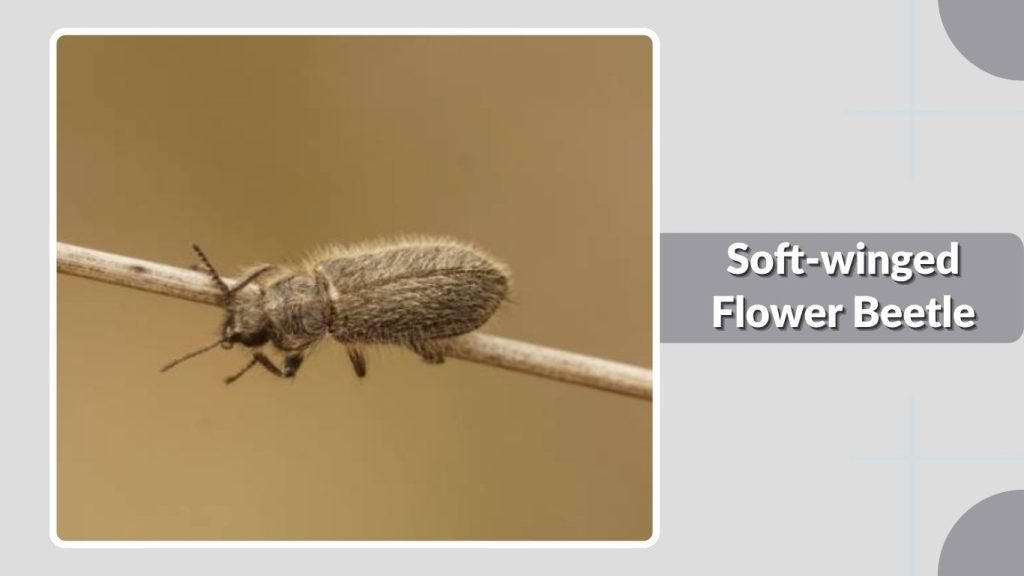
A general name often used for soldier beetles, referring to their soft and flexible wing covers. These beetles are commonly seen on flowers and are important contributors to pollination and natural pest control.
Characteristics
- Medium-sized beetle with a soft, elongated body
- Variable coloration, often yellow, orange, or brown
- Flexible wing covers that appear leathery
- Long antennae and legs for movement on plants
- Soft-bodied structure distinguishing them from harder beetles
Habitat and Distribution
Soft-winged Flower Beetles are widely distributed across many regions, including North America, Europe, and Asia. They are commonly found in gardens, meadows, forest edges, and agricultural fields. These beetles prefer areas rich in flowering plants, where nectar and pollen are readily available.
Behavior and Diet
These beetles primarily feed on nectar and pollen, making them effective pollinators. They also consume small insects such as aphids, contributing to natural pest control. They are active during the day and are often seen crawling on flowers or flying between plants in search of food.
Life Cycle
Females lay eggs in soil, leaf litter, or decaying plant material. The larvae develop underground, feeding on small insects and organic debris. After passing through several developmental stages, they pupate in the soil. Adults emerge in warm seasons and continue feeding, pollinating, and reproducing.
11. Orange Soldier Beetle
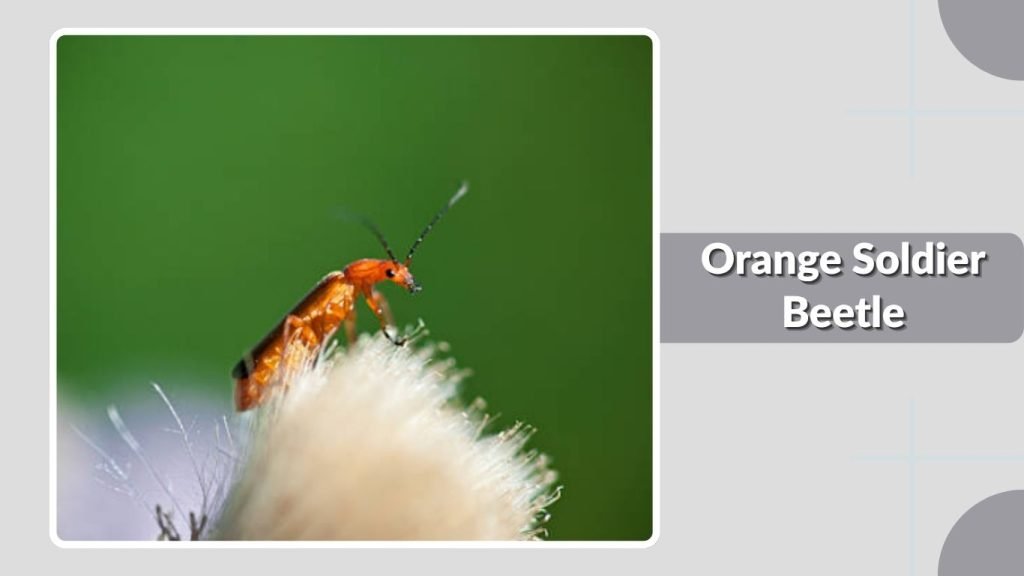
A brightly colored soldier beetle commonly seen on flowers during warm months. Its vivid orange body makes it easy to spot, and it plays an important role in pollination while also helping control small insect populations.
Characteristics
- Medium-sized beetle with a soft, elongated body
- Bright orange coloration with a slightly darker head
- Smooth, flexible wing covers
- Long antennae used for sensing surroundings
- Slender legs adapted for moving across plants
Habitat and Distribution
The Orange Soldier Beetle is found across North America and parts of Europe. It commonly inhabits meadows, gardens, and open fields with abundant flowering plants. It prefers sunny environments and is most active during summer.
Behavior and Diet
This beetle feeds mainly on nectar and pollen, acting as an effective pollinator. It also preys on small insects such as aphids, helping reduce pest populations. It is active during the day and frequently seen on flowers.
Life Cycle
Females lay eggs in soil or organic debris. The larvae develop underground, feeding on small insects and decaying matter. After several stages, they pupate in the soil, and adults emerge during warm seasons.
12. Dark Leatherwing
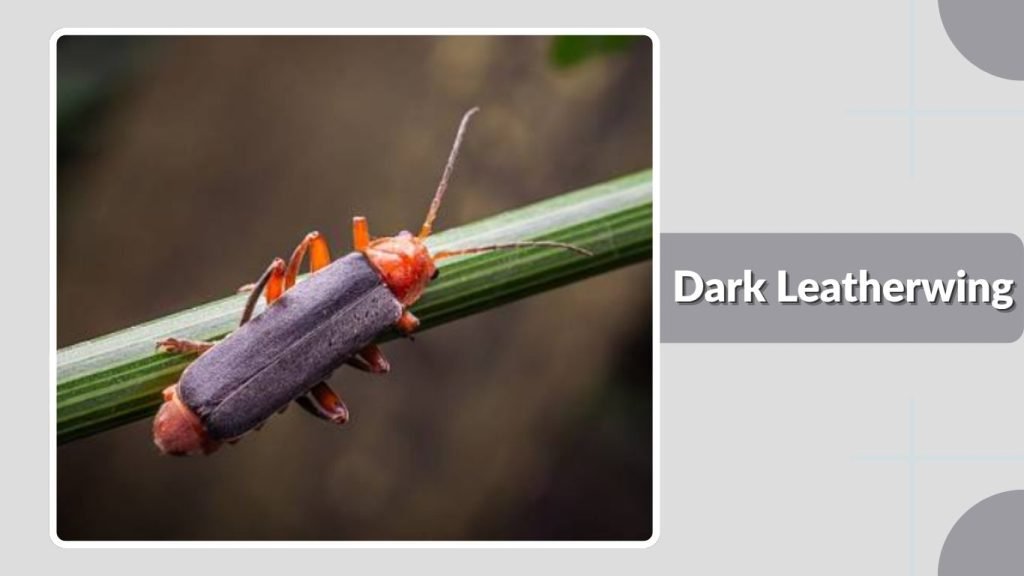
A common soldier beetle known for its darker coloration and soft, flexible wings. It is frequently found on flowers and vegetation, contributing to both pollination and pest control in natural and agricultural environments.
Characteristics
- Medium-sized beetle with a soft, elongated body
- Dark brown to black coloration
- Leathery, flexible wing covers
- Long antennae and slender legs
- Soft-bodied structure typical of leatherwings
Habitat and Distribution
The Dark Leatherwing is widely distributed across North America. It is commonly found in gardens, meadows, and agricultural areas where flowering plants are abundant. It prefers warm environments and is active during late spring and summer.
Behavior and Diet
This species feeds on nectar, pollen, and small insects. It helps pollinate plants while also controlling pests such as aphids. It is active during the day and often seen moving across flowers.
Life Cycle
Eggs are laid in soil or organic matter. The larvae develop underground, feeding on insects and organic debris. After several growth stages, they pupate in the soil. Adults emerge during warm months and continue feeding and reproduction.
13. Narrow Soldier Beetle
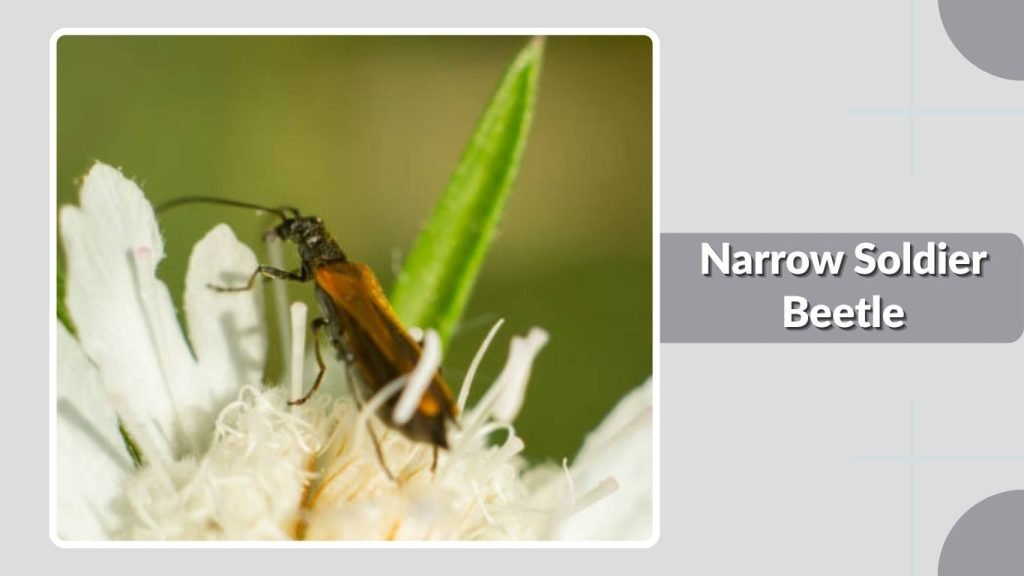
A slender-bodied soldier beetle known for its narrow shape and active presence on flowering plants. It is commonly found in open habitats and contributes to both pollination and natural pest control.
Characteristics
- Medium-sized beetle with a narrow, elongated body
- Yellow to brown coloration with a smooth surface
- Soft, flexible wing covers
- Long antennae and legs for active movement
- Streamlined shape for navigating plant surfaces
Habitat and Distribution
The Narrow Soldier Beetle is found across North America and parts of Europe. It inhabits meadows, gardens, and open fields where flowering plants are abundant. It prefers warm, sunny environments and is most active during summer.
Behavior and Diet
This beetle feeds on nectar, pollen, and small insects. It acts as both a pollinator and a predator, helping control aphids and other pests. It is active during the day and frequently seen on flowers.
Life Cycle
Females lay eggs in soil or organic matter. The larvae develop underground, feeding on small insects and debris. After several stages, they pupate in the soil, and adults emerge during warm months.
14. Spotted Soldier Beetle
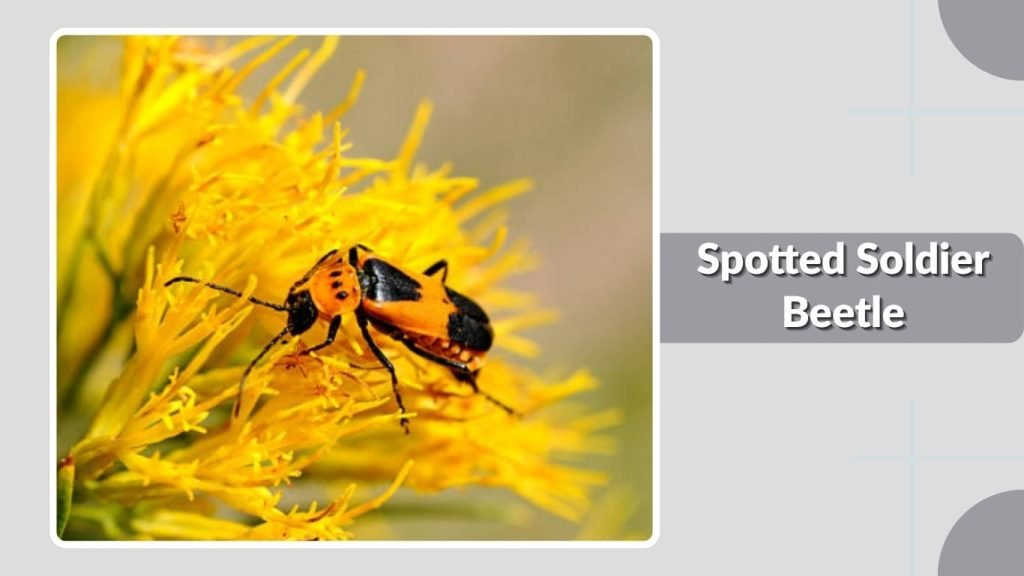
A recognizable soldier beetle marked with small spots on its body. It is commonly seen on flowers and plays a useful role in maintaining ecological balance through pollination and pest control.
Characteristics
- Medium-sized beetle with an elongated, soft body
- Yellow or orange coloration with dark spots
- Flexible, leathery wing covers
- Long antennae adapted for sensing
- Slender legs suited for climbing vegetation
Habitat and Distribution
The Spotted Soldier Beetle is widely distributed across North America and parts of Europe. It is commonly found in gardens, meadows, and agricultural areas with abundant flowering plants. It prefers warm environments and is active during summer.
Behavior and Diet
This species feeds on nectar, pollen, and small insects. It helps pollinate flowers while also reducing pest populations by feeding on aphids. It is active during the day and often seen moving across plant surfaces.
Life Cycle
Eggs are laid in soil or plant debris. The larvae develop underground, feeding on insects and organic matter. After several growth stages, they pupate in the soil. Adults emerge in warm seasons and continue the cycle.
15. Striped Soldier Beetle
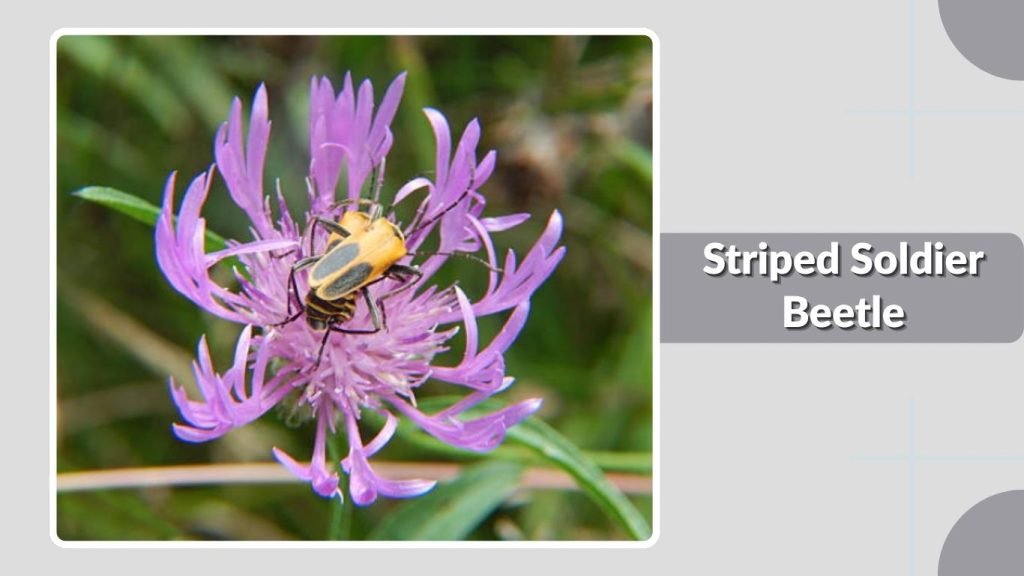
A visually distinctive soldier beetle known for the striped patterns on its body. It is commonly found on flowering plants and plays an important role in pollination as well as controlling small insect populations.
Characteristics
- Medium-sized beetle with an elongated, soft body
- Yellow or orange coloration with dark longitudinal stripes
- Smooth, flexible wing covers
- Long antennae used for sensing surroundings
- Slender legs adapted for movement on plants
Habitat and Distribution
The Striped Soldier Beetle is found across North America and parts of Europe. It typically inhabits meadows, gardens, and open fields with abundant flowering plants. It prefers warm environments and is most active during summer months.
Behavior and Diet
This beetle feeds on nectar, pollen, and small insects such as aphids. It serves as both a pollinator and a natural predator, making it beneficial in gardens and agricultural areas. It is active during the day and often seen on flowers.
Life Cycle
Females lay eggs in soil or organic material. The larvae develop underground, feeding on small insects and organic debris. After several developmental stages, they pupate in the soil. Adults emerge during warm seasons and continue feeding and reproduction.
