
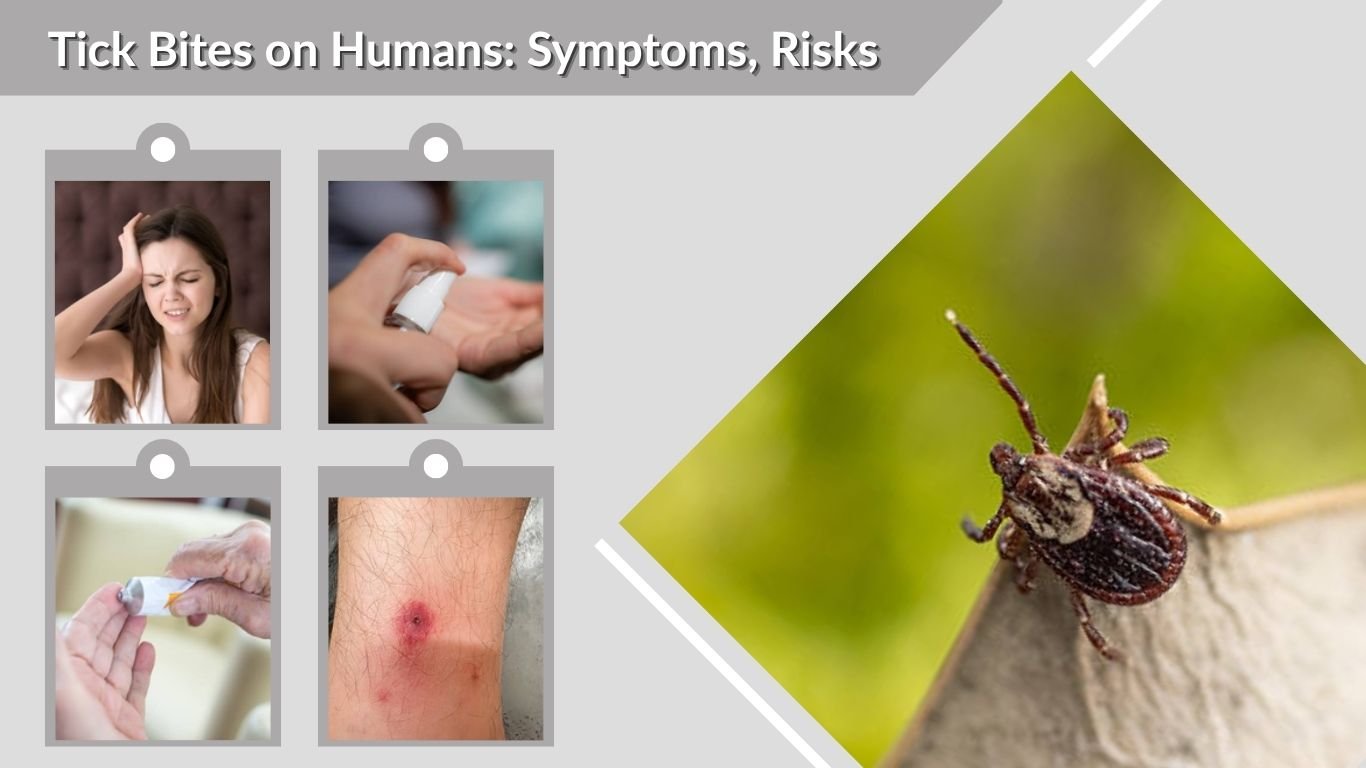
Tick bites on humans are more common than many people realize, especially for those who spend time outdoors in grassy, wooded, or rural areas. While most tick bites are harmless and cause only minor skin irritation, some can lead to serious health problems if the tick carries disease. Because ticks often bite painlessly, many people do not notice them immediately. Understanding how tick bites look, the symptoms they cause, and how they develop over time is essential for early detection and proper care.
What Are Tick Bites on Humans?
A tick bite occurs when a tick attaches itself to human skin and feeds on blood. Ticks are small parasitic insects that survive by attaching to a host for several hours or even days. During this time, they insert their mouthparts into the skin and release saliva that helps them stay attached and feed without being noticed.
This saliva can also carry harmful bacteria or viruses. That is why tick bites are sometimes linked to infections. The longer a tick remains attached, the higher the risk of disease transmission. Ticks often attach to warm, hidden areas of the body such as behind the knees, under the arms, around the waist, or along the scalp. Because of their small size, especially in early stages, they can easily go unnoticed.
What Do Tick Bites Look Like on Humans?
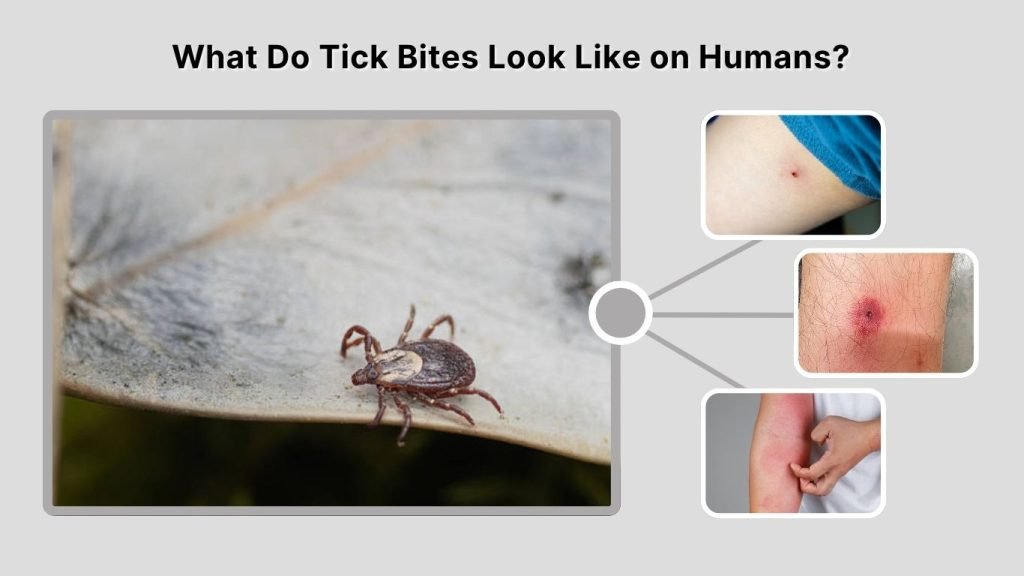
Identifying the appearance of a tick bite helps distinguish it from other insect bites.
Typical Appearance
- Small red bump at the bite site
- Central puncture mark
- Slight swelling or irritation
A typical tick bite often looks like a minor insect bite. It may appear as a small red bump with a tiny puncture in the center where the tick is attached. The area may feel slightly itchy or tender but usually does not cause severe pain.
Variations in Appearance
- Flat or slightly raised marks
- Dark spot if the tick is still attached
- Rash in some cases
In some situations, the appearance may vary depending on how long the tick was attached or how the body reacts. If the tick is still attached, it may appear as a small dark spot on the skin. In certain cases, a rash may develop around the bite, which can be an early sign of a reaction or infection.
Common Symptoms of Tick Bites on Humans
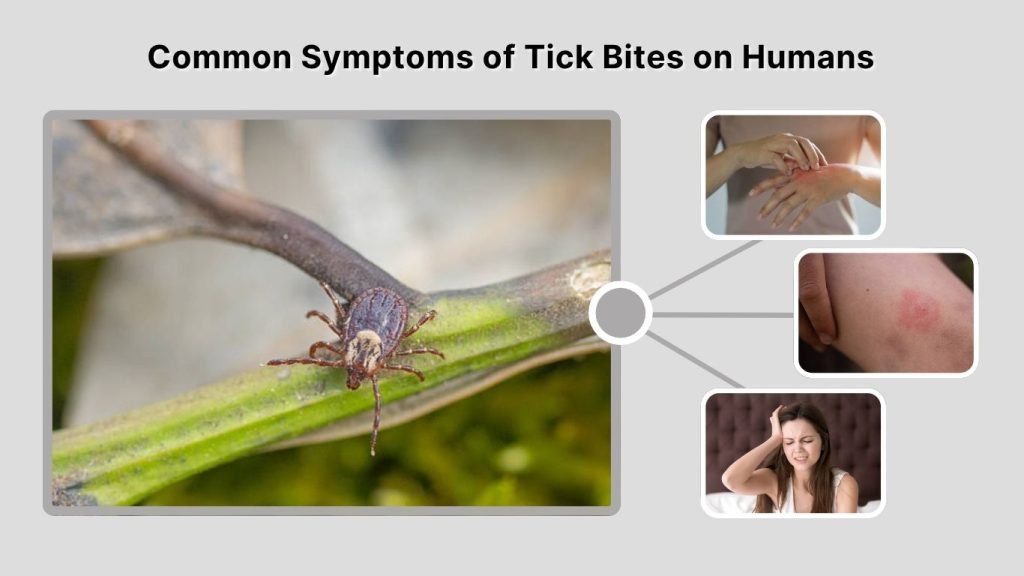
Symptoms can range from mild skin irritation to early warning signs of illness.
Mild Symptoms
- Itching or irritation
- Redness around the bite
- Minor discomfort
These are the most common symptoms and usually appear shortly after the bite. They are typically mild and resolve on their own within a few days. The bite area may feel slightly irritated but should not worsen significantly.
Early Warning Symptoms
- Fatigue or unusual tiredness
- Mild headache
- Low-grade fever
These symptoms may develop within a few days of the bite. While they can be easy to ignore, especially if mild, they may indicate that the body is reacting to the bite. When combined with a known tick exposure, they should be monitored carefully.
Tick Bite Symptoms Timeline
Symptoms may appear immediately or develop gradually over time.
Within 24 Hours
- Small red mark
- Mild itching
During the first day, most tick bites show minimal reaction. A small red spot may appear where the tick was attached. This is usually a normal response and not a cause for concern.
After a Few Days
- Increased redness
- Possible rash formation
As time passes, the bite area may change slightly. In many cases, it begins to heal. However, if redness increases or a rash starts to form, it is important to keep observing the area closely.
Weeks Later
- Flu-like symptoms
- Joint pain or fatigue
Some symptoms do not appear immediately. Instead, they develop weeks after the bite, especially if the tick transmitted an infection. These delayed symptoms can include fatigue, muscle aches, or joint pain and should not be ignored.
Are Tick Bites Dangerous to Humans?
Not all tick bites are dangerous, but some can pose serious health risks. The level of risk depends on several factors, including the type of tick, how long it remained attached, and whether it carried any disease.
In many cases, tick bites cause only minor irritation and heal without any long-term effects. However, certain ticks can transmit infections that affect different parts of the body. These infections may begin with mild symptoms but can become more serious over time if left untreated.
It is important to remember that even a harmless-looking bite can develop complications later. This is why monitoring symptoms after a tick bite is essential. Any unusual changes, such as an expanding rash, persistent fever, or increasing fatigue, should be taken seriously and may require medical attention.
Diseases Caused by Tick Bites
Tick bites can sometimes lead to diseases that affect different systems in the body. One of the most well-known conditions is Lyme disease, which often begins with mild symptoms such as fatigue, headache, or a skin rash. If not treated early, it can spread to the joints, heart, and nervous system, causing more serious complications over time.
Another illness linked to tick bites is Rocky Mountain spotted fever. This condition may develop quickly and is often associated with high fever, headache, and a spreading rash. Without timely treatment, it can become severe. In some regions, other infections may also occur, each with unique symptoms but often starting with general discomfort and flu-like signs. Early recognition of these diseases plays a key role in successful treatment.
What to Do After a Tick Bite
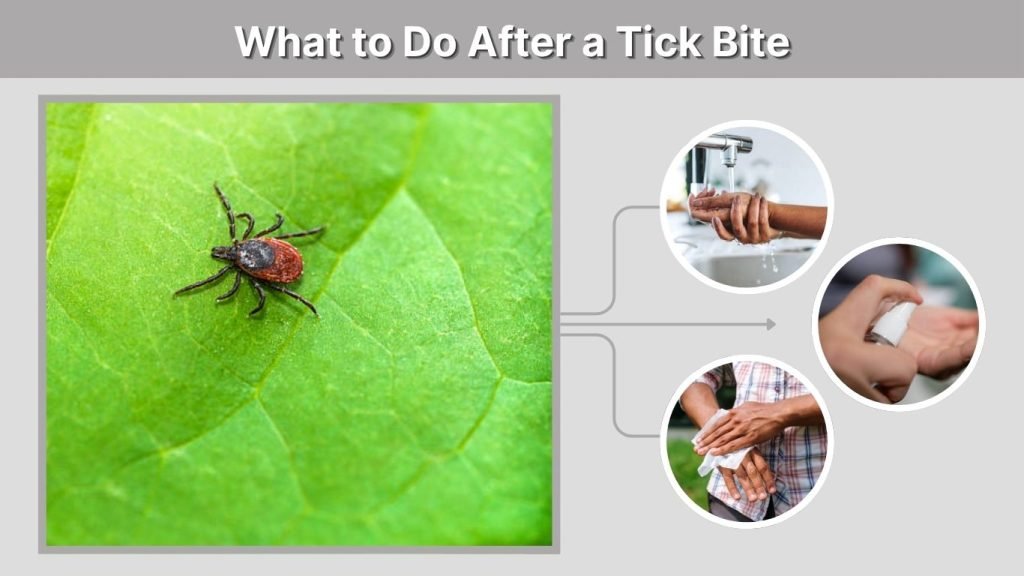
Taking the right steps immediately after a tick bite helps reduce the risk of infection and complications.
Removing the Tick
- Use fine-tipped tweezers to grasp the tick close to the skin
- Pull upward gently without twisting or jerking
- Avoid crushing the tick during removal
Proper removal is essential because leaving parts of the tick in the skin can lead to irritation or infection. The tick should be removed as soon as it is noticed to reduce the risk of disease transmission.
Cleaning the Area
- Wash the bite area with soap and water
- Apply antiseptic such as alcohol or iodine
- Keep the area clean and dry
Cleaning the bite site helps prevent bacteria from entering the skin. This step is simple but very important for proper care.
Treatment for Tick Bites on Humans
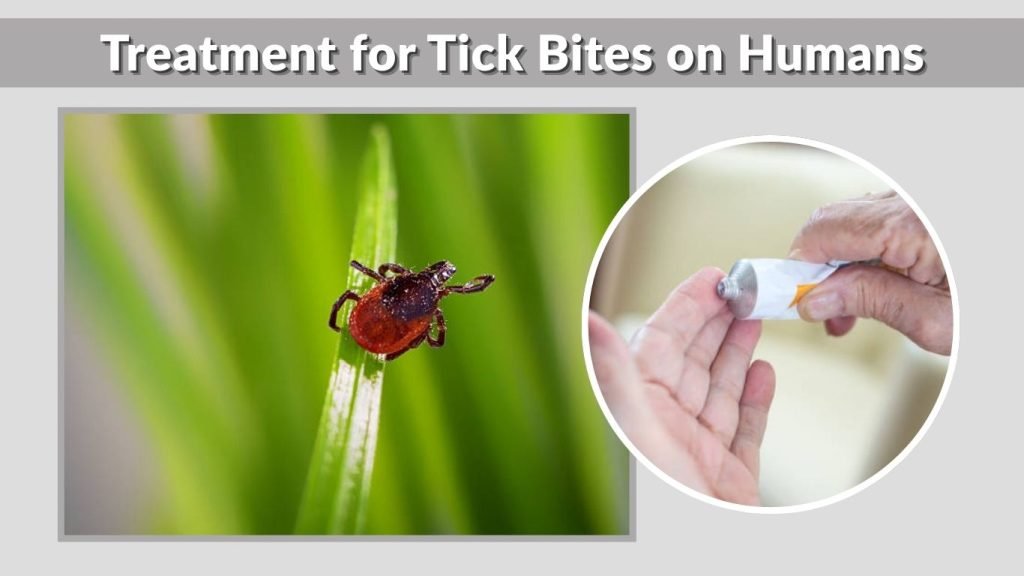
Treatment depends on the severity of the bite and the symptoms that develop.
Home Treatment
- Apply anti-itch creams to reduce irritation
- Use a cold compress to ease swelling
- Avoid scratching the bite area
Most tick bites can be treated at home if symptoms remain mild. These methods help reduce discomfort and support natural healing. Regular monitoring ensures that any changes are noticed early.
Medical Treatment
- Antibiotics if a bacterial infection is suspected
- Pain relief medications for discomfort
- Medical evaluation if symptoms worsen or persist
If symptoms suggest infection or disease, medical treatment may be necessary. Doctors may prescribe antibiotics or other medications depending on the condition. Early treatment greatly improves recovery outcomes.
Prevention Tips
Preventing tick bites is the best way to avoid related health risks.
Outdoor Protection
- Wear long sleeves and full-length clothing
- Use insect repellents on exposed skin
- Avoid walking through dense grass or bushes
After Exposure
- Check your body carefully for ticks
- Pay attention to hidden areas like the scalp and behind the knees
- Remove ticks as soon as possible
Practicing these habits can significantly reduce the chances of tick bites. Early detection and removal are key to preventing complications.
FAQs
How long do tick bites last on humans?
Tick bites usually heal within a few days if they are mild. However, if an infection develops, symptoms may last longer and require treatment. Monitoring the bite over time helps determine whether it is healing normally or needs medical attention.
Do all tick bites cause symptoms?
No, not all tick bites cause noticeable symptoms. Some people may not feel anything at all. However, even symptom-free bites should be observed carefully because certain diseases can develop later without early warning signs.
What does a tick bite look like on humans?
A tick bite typically appears as a small red bump with a central puncture mark. In some cases, a rash may develop or expand over time, especially if an infection is present. Any unusual changes should be monitored closely.
Can tick bites be dangerous?
Yes, some tick bites can be dangerous if the tick carries disease. While many bites are harmless, certain infections can lead to serious health problems if not treated early. Awareness and timely care are essential.
When should I see a doctor?
You should see a doctor if you develop symptoms such as an expanding rash, persistent fever, joint pain, or unusual fatigue. These signs may indicate a tick-borne illness and require prompt medical evaluation.
Conclusion
Tick bites on humans can range from mild and harmless to potentially serious. Understanding how to identify a bite, recognize symptoms, and take proper action is essential for protecting your health. While many bites heal on their own, some require medical attention to prevent complications. By staying informed, monitoring symptoms, and following preventive measures, you can reduce the risks associated with tick bites and respond effectively if they occur.
