
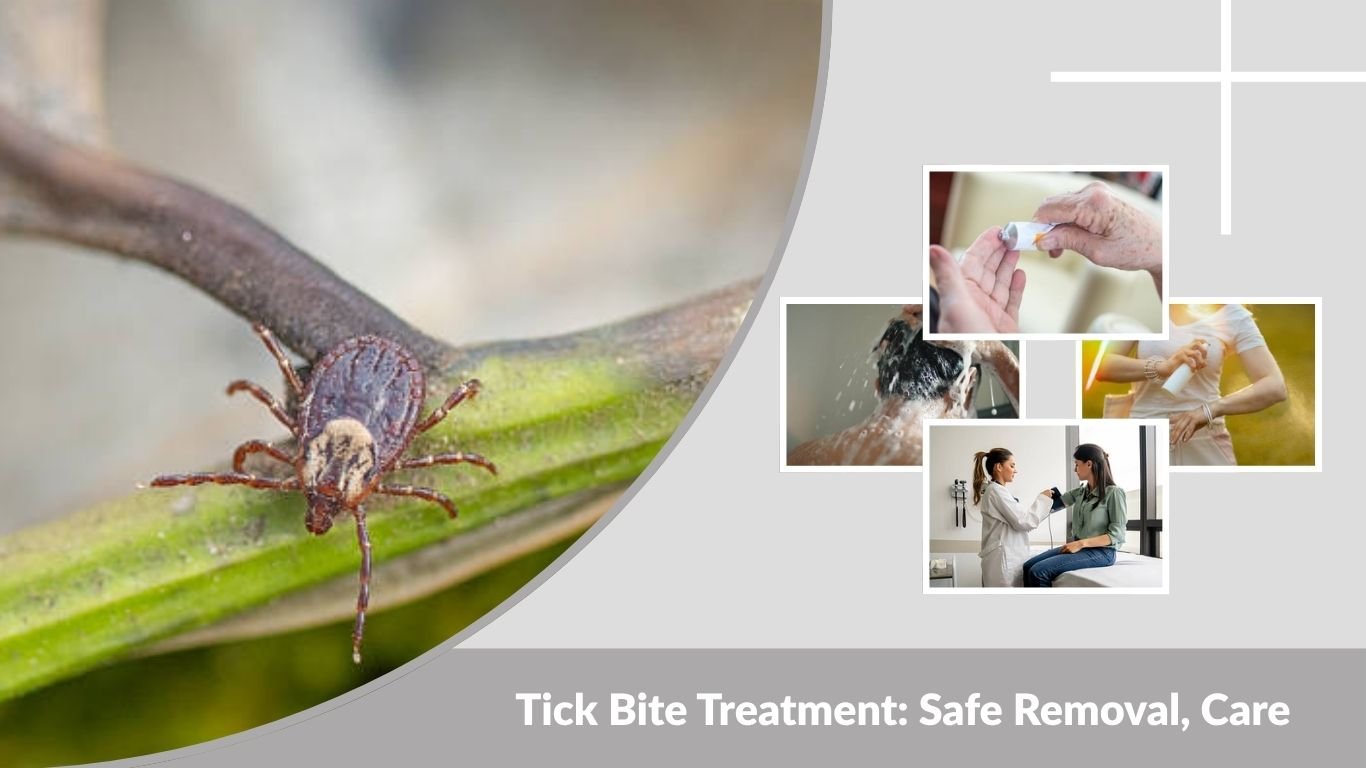
Tick bites are common, especially for people who spend time outdoors in grassy, wooded, or rural areas. While many tick bites are harmless, improper handling or delayed treatment can increase the risk of infection and tick-borne diseases. Knowing how to treat a tick bite correctly is essential for protecting your health. From safe removal to proper cleaning and symptom monitoring, each step plays an important role. This guide explains how to manage tick bites effectively and reduce the chances of complications.
What Is Tick Bite Treatment?
Tick bite treatment refers to the steps taken to safely remove a tick, clean the affected area, and manage any symptoms that may develop afterward. The approach can vary depending on the severity of the bite and whether any infection or disease is involved.
In most cases, treatment begins with immediate first aid, followed by observation over time. Mild bites may only require basic care, while more serious cases may need medical attention. The key is to act quickly and monitor the body for any unusual changes after the bite occurs.
What to Do Immediately After a Tick Bite
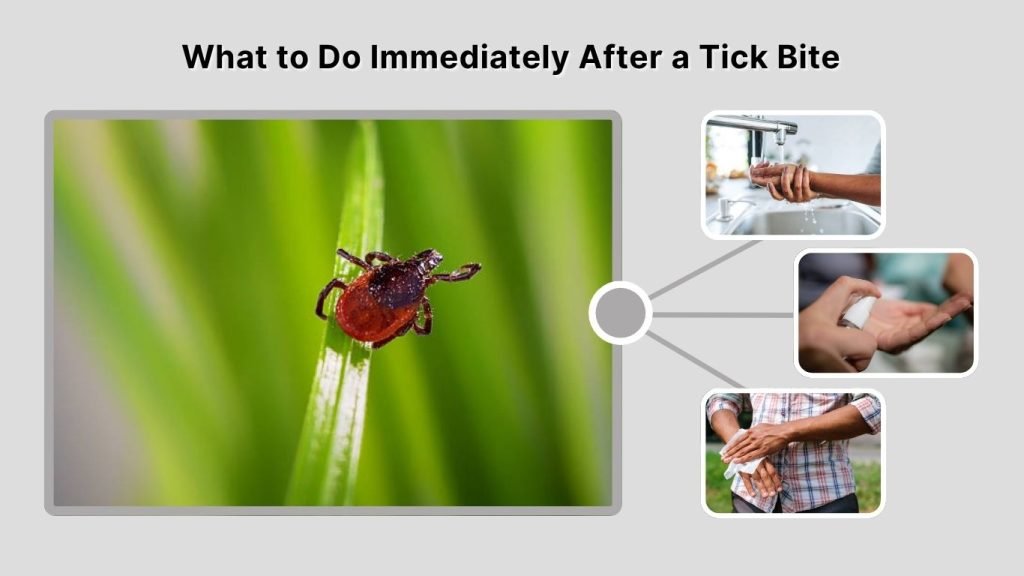
Taking the right steps immediately after a tick bite can significantly reduce the risk of infection and disease transmission.
Safe Tick Removal
- Use fine-tipped tweezers to grasp the tick as close to the skin as possible
- Pull upward slowly and steadily without twisting
- Avoid crushing or squeezing the tick during removal
Removing the tick properly is one of the most important steps. Twisting or pulling too quickly can cause parts of the tick to remain in the skin, which may lead to irritation or infection. Once removed, the tick should be disposed of safely.
Cleaning the Bite Area
- Wash the bite site with soap and clean water
- Apply antiseptic such as alcohol or iodine
- Keep the area dry and clean
Cleaning the bite area helps prevent bacteria from entering the skin. This step should be done immediately after removing the tick to reduce the risk of infection.
Home Treatment for Tick Bites
Most tick bites can be treated at home if symptoms are mild and no signs of infection are present.
Managing Skin Reactions
- Apply anti-itch or soothing creams
- Use a cold compress to reduce swelling
- Avoid scratching the bite area
Skin irritation is common after a tick bite. These simple remedies can help reduce discomfort and prevent further irritation. Scratching should be avoided as it may damage the skin and increase the risk of infection.
Reducing Discomfort
- Take over-the-counter pain relievers if needed
- Stay hydrated and get enough rest
- Monitor the bite for any changes
Mild discomfort usually improves within a few days. Paying attention to how the bite evolves is important for identifying any early signs of complications.
Tick Bite Treatment Timeline
Understanding how treatment and symptoms progress over time helps in early detection of potential issues.
First 24 Hours
- Remove the tick properly
- Clean and disinfect the bite
- Observe for immediate reactions
During the first day, the focus should be on proper removal and hygiene. Most bites will only show mild redness or irritation at this stage.
After a Few Days
- Watch for increased redness or swelling
- Check for signs of rash development
- Continue basic care if symptoms remain mild
Over the next few days, the bite should begin to heal. If symptoms remain stable or improve, no additional treatment may be needed.
After One to Two Weeks
- Look for delayed symptoms such as rash or fever
- Monitor overall health changes
- Seek medical advice if unusual symptoms appear
Some tick-borne diseases develop slowly, so continued observation is essential. Any new or worsening symptoms during this period should be taken seriously.
Medical Treatment for Tick Bites
Tick bites do not always require medical treatment, but in some cases, professional care becomes necessary. Doctors evaluate symptoms, the type of tick exposure, and how long the tick was attached before deciding on treatment.
Medical treatment often involves managing symptoms such as fever, pain, or inflammation. In certain situations, especially when there is a risk of Lyme disease or other infections, doctors may prescribe antibiotics. Early medical intervention is highly effective and can prevent the condition from becoming more serious.
Infected Tick Bite Treatment
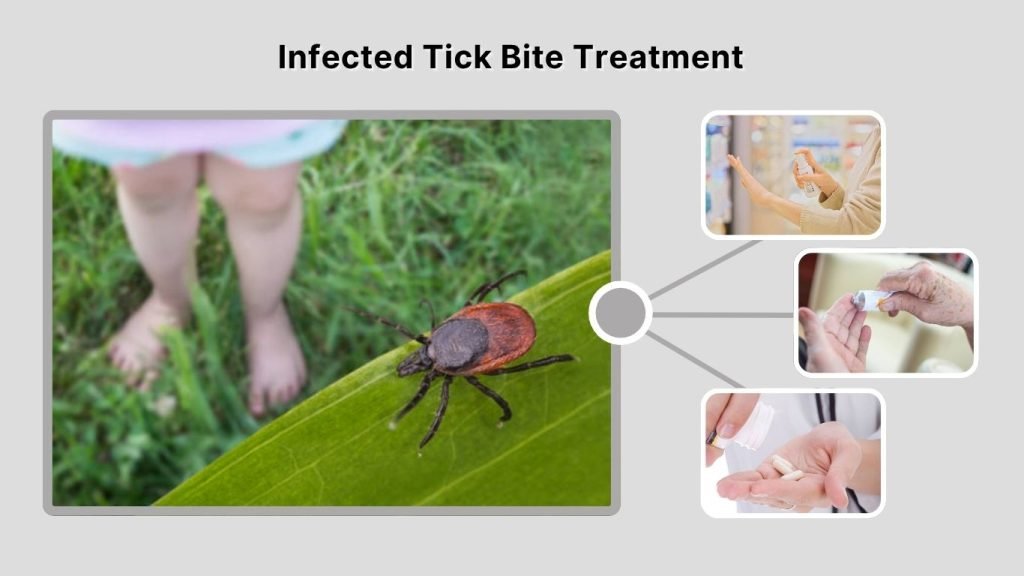
If a tick bite becomes infected, proper treatment is necessary to prevent complications.
Signs of Infection
- Increasing redness that spreads outward
- Swelling and warmth around the bite
- Pain or tenderness that worsens
- Pus or fluid discharge
An infected tick bite does not improve like a normal bite. Instead, symptoms gradually worsen, indicating that bacteria may have entered the skin. Early identification of these signs is important for effective treatment.
Treatment Steps
- Clean the area regularly with antiseptic
- Apply prescribed antibiotic ointment
- Take oral antibiotics if recommended by a doctor
Proper wound care helps control infection and prevents it from spreading. In more severe cases, medical treatment becomes essential to ensure complete healing.
When to See a Doctor
Not every tick bite requires medical attention, but certain symptoms should never be ignored. If the bite area develops an expanding rash or becomes increasingly painful, it may indicate a deeper issue.
A persistent fever lasting more than a few days is another warning sign that should be taken seriously. Joint pain, unusual fatigue, or neurological symptoms such as numbness or difficulty concentrating also require immediate evaluation. Even if the initial bite seemed harmless, delayed symptoms can signal a tick-borne illness that needs prompt treatment.
Diseases and Their Treatment
Tick bites can sometimes transmit diseases that affect different parts of the body. One of the most common is Lyme disease, which often begins with mild symptoms but can progress to joint, heart, or nervous system problems if untreated. Early treatment with antibiotics is usually very effective.
Another condition is Rocky Mountain spotted fever, which may cause high fever, headache, and a spreading rash. This illness can develop quickly and requires immediate medical care. In some cases, other tick-borne infections may occur, each with its own symptoms and treatment approaches.
These diseases highlight the importance of monitoring symptoms after a tick bite and seeking medical help when needed. Early diagnosis plays a crucial role in recovery.
Prevention Tips After Treatment
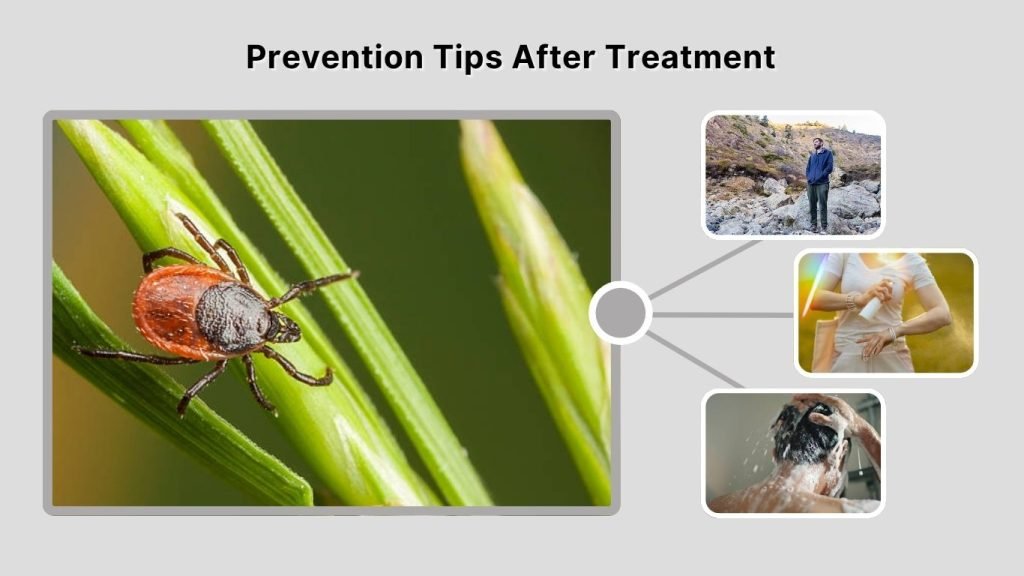
Taking preventive steps helps reduce the risk of future tick bites.
Personal Protection
- Wear long sleeves and full-length clothing outdoors
- Use insect repellents on exposed skin
- Avoid walking through dense grass and bushes
Post-Exposure Care
- Check your body carefully for ticks after outdoor activities
- Pay attention to hidden areas like behind the knees and scalp
- Remove ticks as soon as they are found
- Shower after returning indoors
Consistent prevention habits can significantly lower the chances of being bitten again and reduce the risk of infection.
FAQs
How do you treat a tick bite at home?
Tick bites can be treated at home by removing the tick safely, cleaning the area with soap and water, and applying an antiseptic. Mild symptoms like itching or redness can be managed with creams or cold compresses while monitoring for any changes.
Do all tick bites require antibiotics?
No, antibiotics are not needed for every tick bite. They are usually prescribed only when there is a high risk of infection or signs of diseases like Lyme disease. A doctor determines whether antibiotics are necessary based on symptoms and exposure.
How soon should a tick bite be treated?
A tick bite should be treated immediately after it is noticed. Removing the tick quickly and cleaning the area reduces the risk of infection and prevents potential disease transmission.
What happens if a tick bite is left untreated?
If left untreated, a tick bite may lead to infection or transmit diseases that can cause serious health problems. Symptoms may worsen over time, making early treatment important for preventing complications.
Can tick bite symptoms appear later?
Yes, symptoms can appear days or even weeks after a tick bite. These may include rash, fever, fatigue, or joint pain. Continuous monitoring is essential to detect any delayed reactions early.
Conclusion
Tick bite treatment involves more than just removing the tick. Proper cleaning, symptom management, and ongoing monitoring are essential to ensure safe recovery. While many bites are harmless, some can lead to infections or serious diseases if ignored. By understanding how to treat a tick bite correctly and recognizing warning signs early, you can protect your health and prevent complications.
