
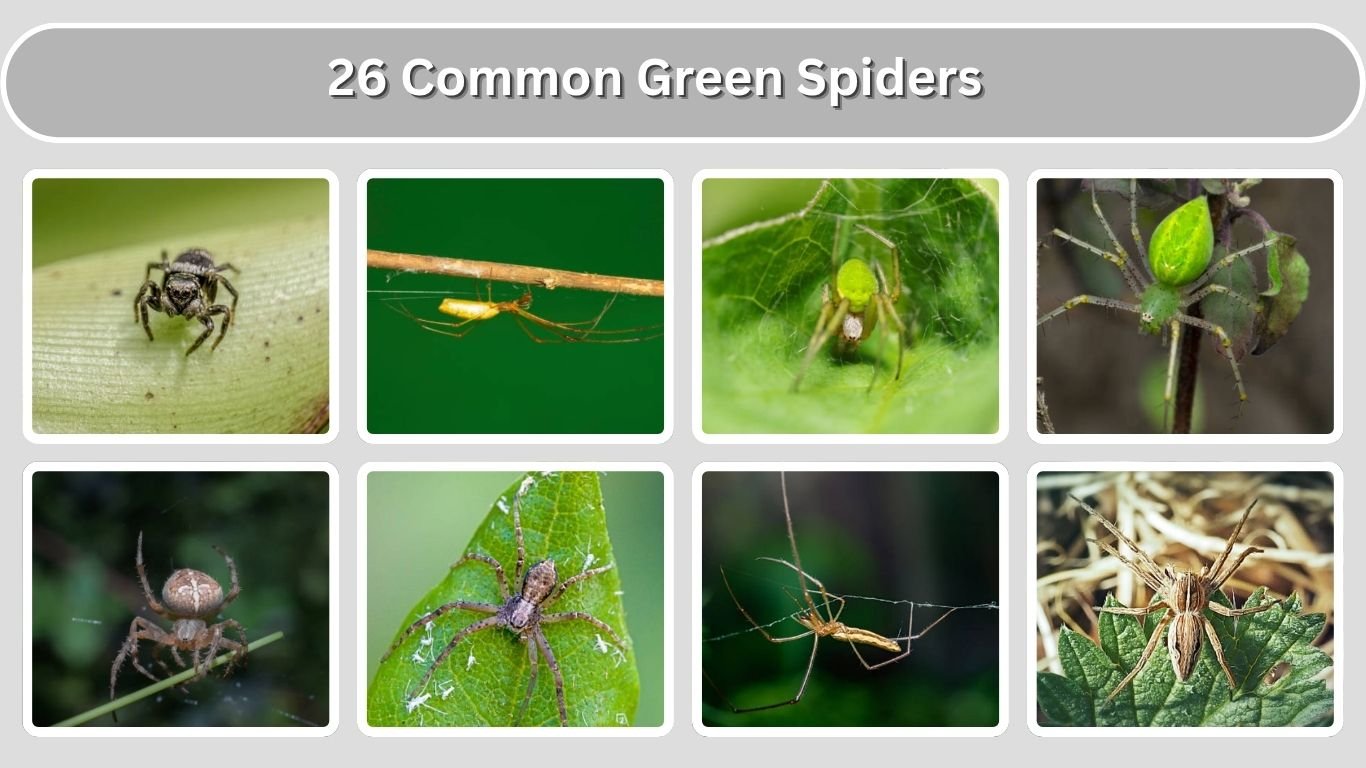
Green spiders are fascinating creatures known for their vibrant color and excellent camouflage among leaves and plants. They can be found in gardens, forests, and grasslands around the world, playing an important role in controlling insect populations. From active hunters to skilled web builders, these spiders come in a wide variety of shapes, sizes, and behaviors, making them both diverse and beneficial to natural ecosystems.
1. Green Lynx Spider
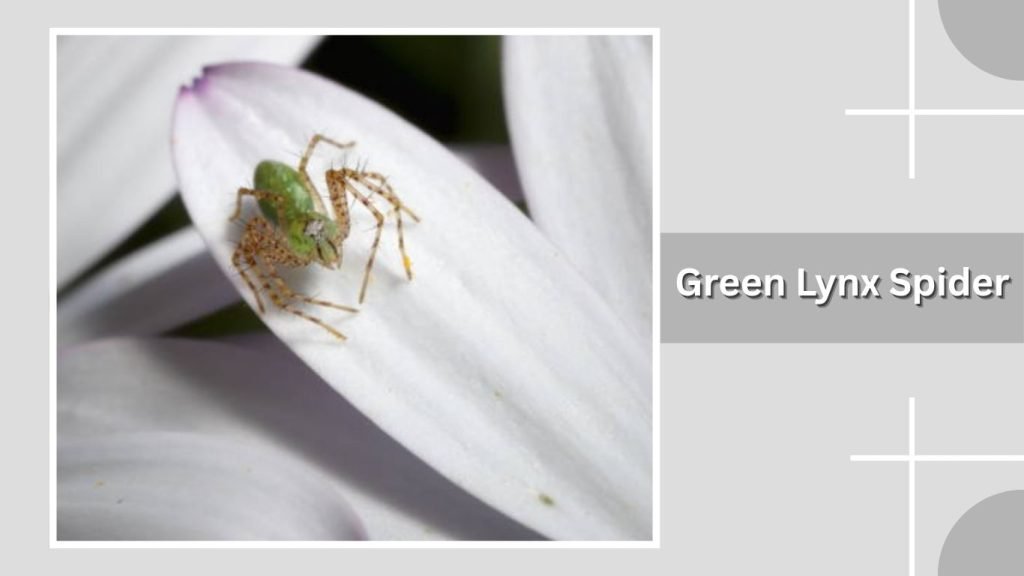
The Green Lynx Spider (Peucetia viridans) is a bright green, fast-moving spider commonly found in gardens and fields. It is known for its excellent vision and active hunting style, making it an important natural predator of many insects.
Identification
- Bright green, elongated body
- Long legs with prominent black spines
- Small red or orange markings on the body
- Sharp eyesight for spotting prey
- Medium to large size compared to similar spiders
Habitat
This spider prefers warm, sunny environments and is usually found on shrubs, tall grasses, and flowering plants. It blends well with green vegetation, which helps it stay hidden from both predators and prey.
Behavior
The Green Lynx Spider does not build webs to catch food. Instead, it actively hunts during the day, using speed and precision to capture insects. It is beneficial for pest control and rarely poses any threat to humans unless provoked.
Diet
Its diet mainly consists of flying and crawling insects such as flies, bees, moths, and grasshoppers. By feeding on these species, it helps maintain ecological balance, especially in gardens and agricultural areas.
2. Magnolia Green Jumping Spider
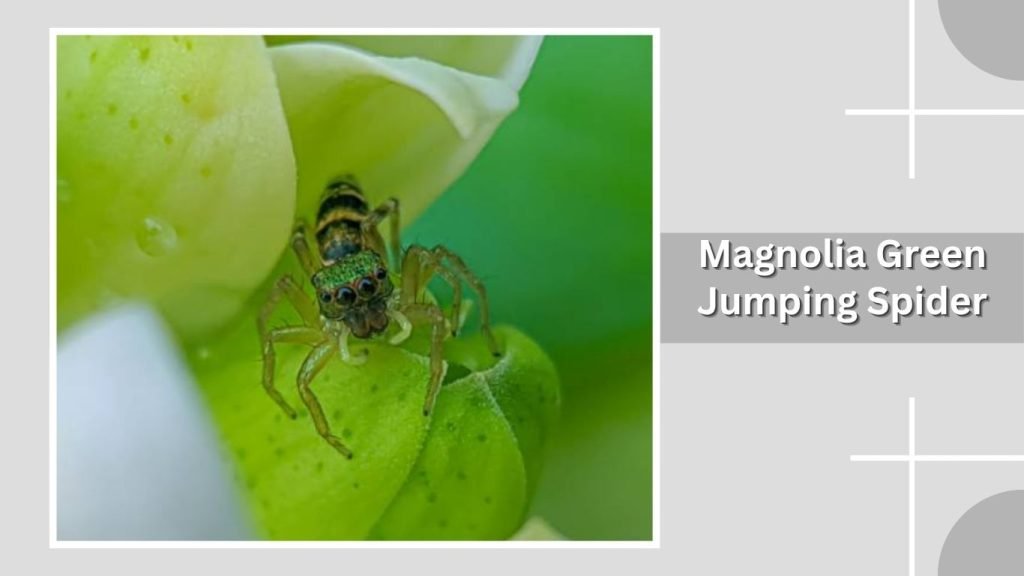
The Magnolia Green Jumping Spider (Lyssomanes viridis) is a small, vibrant green spider known for its agility and curious behavior. It belongs to the jumping spider family and is often seen on leaves in warm regions.
Identification
- Bright translucent green body
- Large forward-facing eyes
- Slender legs with fine hairs
- Small and delicate appearance
- Males may have reddish markings on the face
Habitat
This species is commonly found in trees, shrubs, and garden plants, especially in areas with dense foliage. It prefers warm climates and is often associated with magnolia trees, where it gets its name.
Behavior
Magnolia Green Jumping Spiders are active hunters that rely on their excellent vision. They do not spin webs for catching prey but instead stalk and leap onto insects with precision. They are generally harmless and shy around humans.
Diet
Their diet mainly includes small insects such as flies, aphids, and tiny moths. Their hunting style makes them efficient predators in maintaining plant health by reducing pest populations.
3. Green Jumping Spider
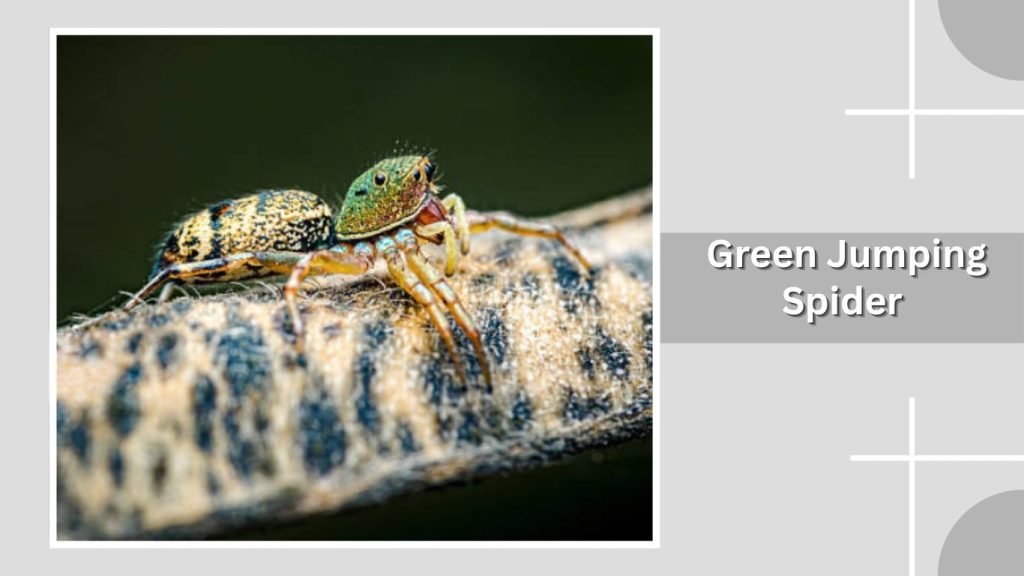
The Green Jumping Spider refers to several small jumping spiders with green coloration, admired for their quick movements and sharp eyesight. They are commonly found on plants and leaves.
Identification
- Small, compact green body
- Prominent front-facing eyes
- Short legs built for jumping
- Smooth or slightly hairy texture
- Subtle color variations from light to bright green
Habitat
These spiders typically live in gardens, forests, and grassy areas. They prefer leafy environments where they can easily hide and hunt. They are often seen resting on leaves during the day.
Behavior
Green Jumping Spiders are highly active during daylight. They use their strong legs to jump onto prey rather than building webs. Their curious nature sometimes makes them appear to observe movement, including humans.
Diet
They feed on small insects like flies, gnats, and other tiny arthropods. Their precise hunting ability allows them to catch prey efficiently, making them helpful in controlling minor insect populations.
4. Cucumber Green Spider
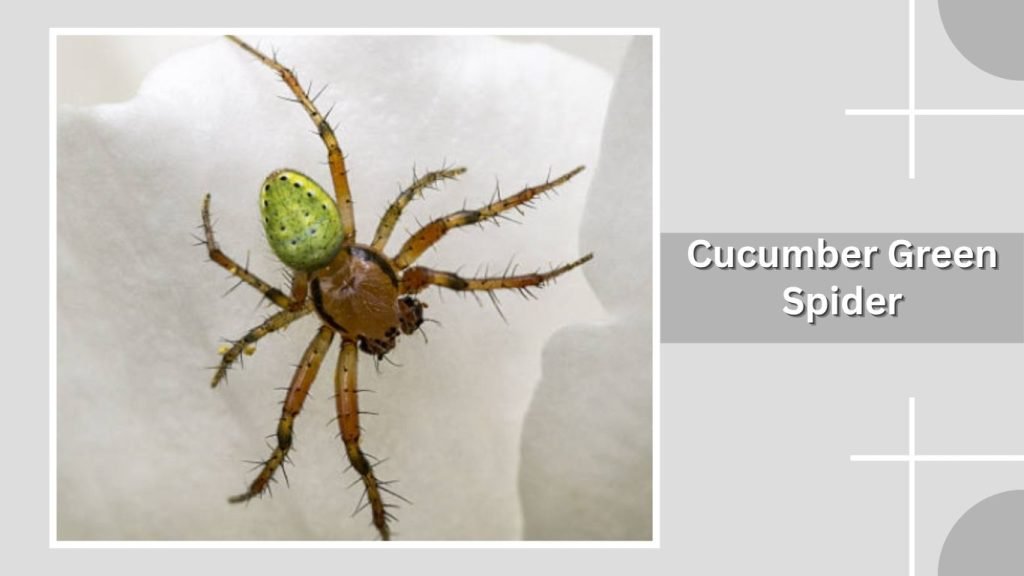
The Cucumber Green Spider (Araniella cucurbitina) is a small orb-weaving spider known for its soft green color and neat circular webs. It is commonly seen in gardens and woodland edges.
Identification
- Light green, rounded abdomen
- Small body size
- Red or brown marking near the rear
- Thin legs with fine hairs
- Subtle pale markings across the body
Habitat
This spider prefers shrubs, bushes, and low tree branches. It is often found in gardens, hedges, and forest edges where it can build its delicate orb-shaped webs among leaves.
Behavior
The Cucumber Green Spider builds circular webs to trap flying insects. It is mostly active during the day and tends to stay hidden in nearby leaves when not sitting on its web. It is non-aggressive and rarely interacts with humans.
Diet
It feeds mainly on small flying insects such as flies and aphids. By catching these pests in its web, it helps maintain a balanced ecosystem in gardens and natural habitats.
5. Green Crab Spider
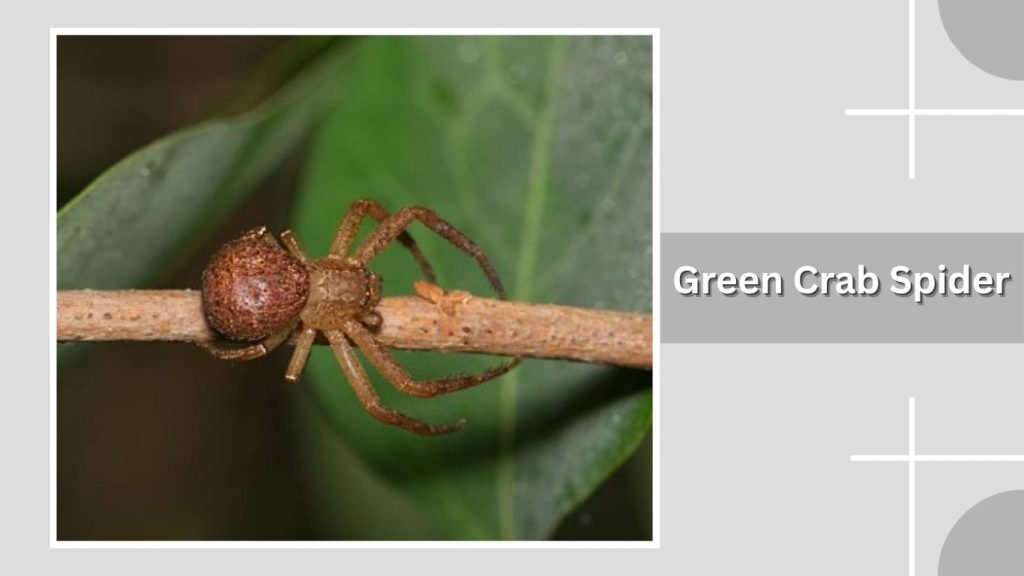
The Green Crab Spider belongs to the Thomisidae family and is known for its sideways walking style and ability to blend into green plants. It is a patient ambush predator.
Identification
- Bright or pale green flattened body
- Crab-like stance with sideways movement
- Front legs longer and stronger
- Smooth texture with minimal markings
- Compact and low-profile shape
Habitat
Green Crab Spiders are usually found on leaves, flowers, and shrubs. They prefer areas with abundant insects, such as gardens, meadows, and forest edges.
Behavior
These spiders do not build webs to catch prey. Instead, they wait motionless on plants and ambush insects that come close. Their camouflage makes them highly effective hunters. They are harmless and avoid human contact.
Diet
Their diet includes bees, flies, butterflies, and other pollinating insects. They rely on stealth and quick reflexes to capture prey, often grabbing insects much larger than themselves.
6. European Green Crab Spider
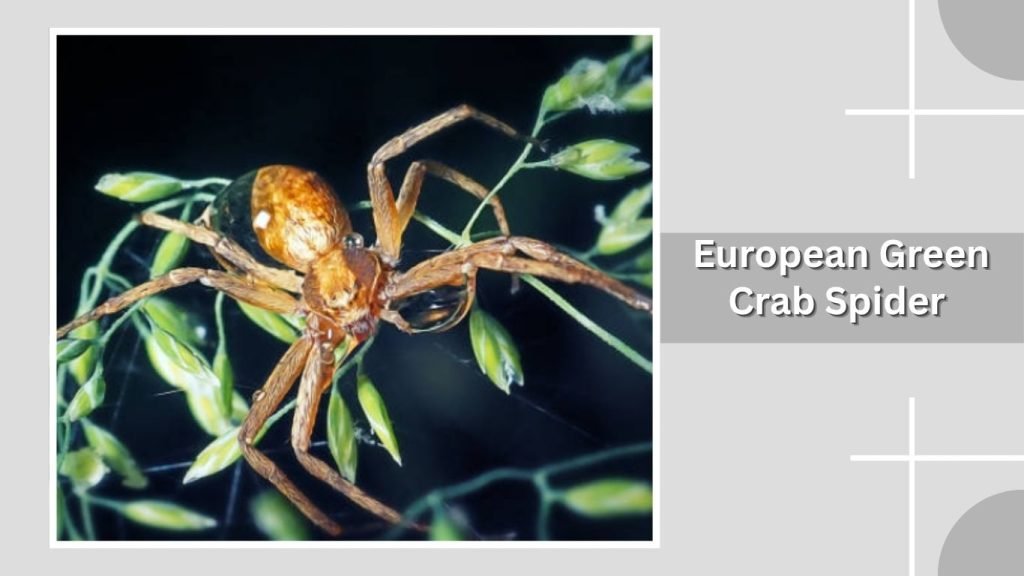
The European Green Crab Spider (Diaea dorsata) is a small, vividly colored spider often found in woodland areas. Its bright green body helps it blend perfectly with leaves.
Identification
- Bright green abdomen with a reddish or brown marking
- Small and compact body
- Legs slightly lighter in color
- Smooth texture with minimal hair
- Typical crab-like posture
Habitat
This species is commonly found in forests, shrubs, and bushes across Europe and parts of Asia. It prefers leafy environments where it can remain hidden while waiting for prey.
Behavior
The European Green Crab Spider is an ambush predator. It stays still on leaves and captures insects that come within reach. Like other crab spiders, it moves sideways and relies heavily on camouflage rather than webs.
Diet
It feeds on small insects such as flies, beetles, and other arthropods. Its hunting strategy allows it to efficiently capture prey without expending much energy.
7. Orchard Orbweaver
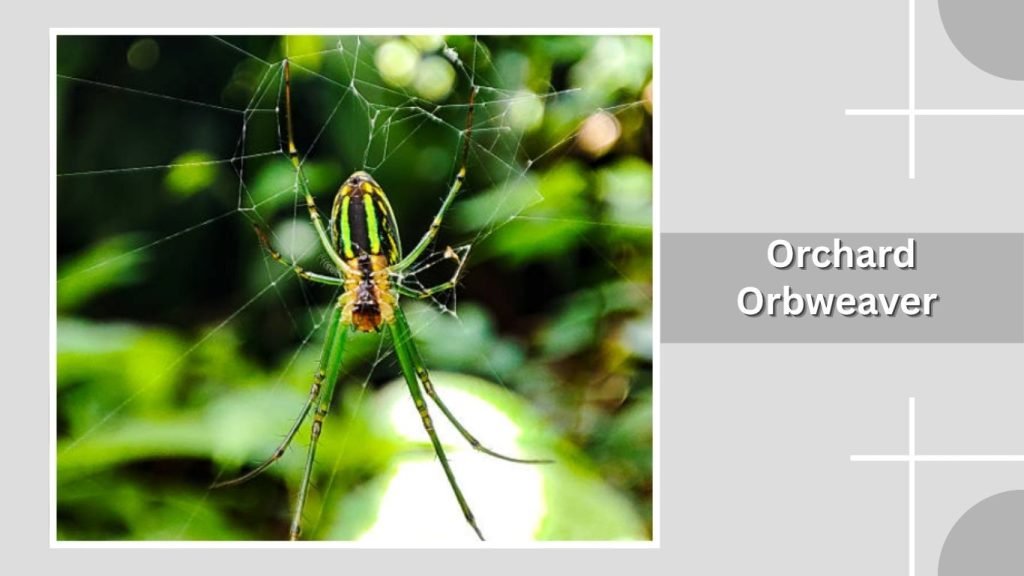
The Orchard Orbweaver (Leucauge venusta) is a beautifully colored spider often recognized for its green and silver body. It is commonly found in gardens and orchards.
Identification
- Green abdomen with silver and black markings
- Slender body with long legs
- Metallic or shiny appearance
- Fine hair covering the legs
- Distinctive elongated shape
Habitat
This spider lives in gardens, orchards, and wooded areas. It builds orb-shaped webs in shrubs, tree branches, and tall plants, often near open spaces where insects fly.
Behavior
The Orchard Orbweaver constructs neat circular webs to catch flying insects. It usually stays in the center of its web and reacts quickly when prey gets trapped. It is non-aggressive and rarely leaves its web.
Diet
Its diet mainly consists of flying insects like mosquitoes, flies, and small moths. This makes it highly beneficial in reducing insect populations around homes and gardens.
8. Green Orb Weaver
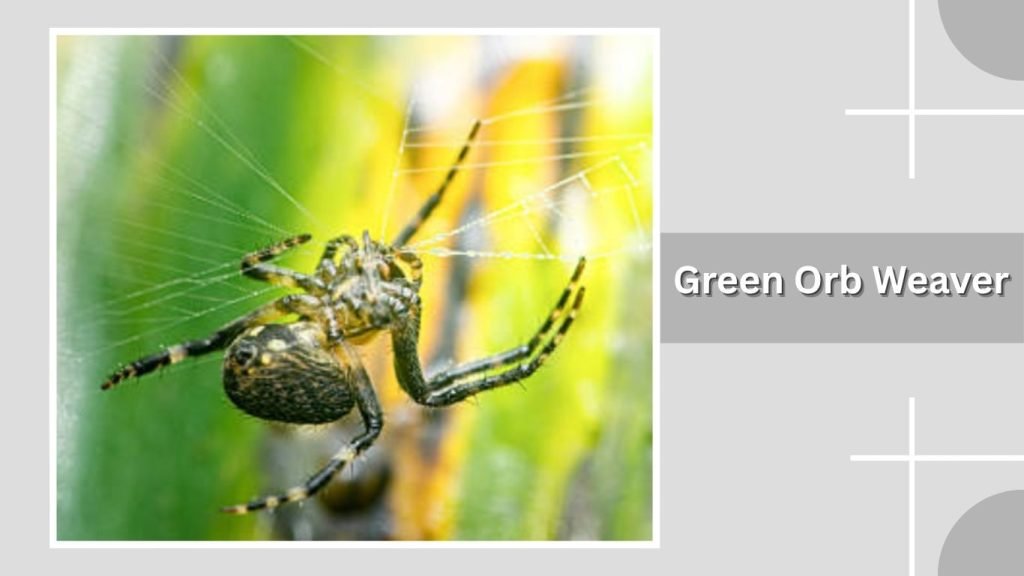
The Green Orb Weaver is a general name for several green-colored orb-weaving spiders known for building circular webs. They are commonly seen in gardens and natural vegetation.
Identification
- Bright or pale green rounded abdomen
- Medium-sized body
- Long, slender legs
- Subtle markings or patterns on the back
- Typical orb-weaver body shape
Habitat
Green Orb Weavers are usually found in gardens, forests, and shrublands. They build their webs between branches, leaves, or tall grasses where flying insects are common.
Behavior
These spiders construct circular orb webs and remain either at the center or hidden nearby. They are mostly active during the day or dusk, depending on the species, and rely on their webs to capture prey.
Diet
Their diet mainly includes flying insects such as flies, moths, and mosquitoes. They play an important role in controlling insect populations in both natural and human environments.
9. Green Huntsman Spider
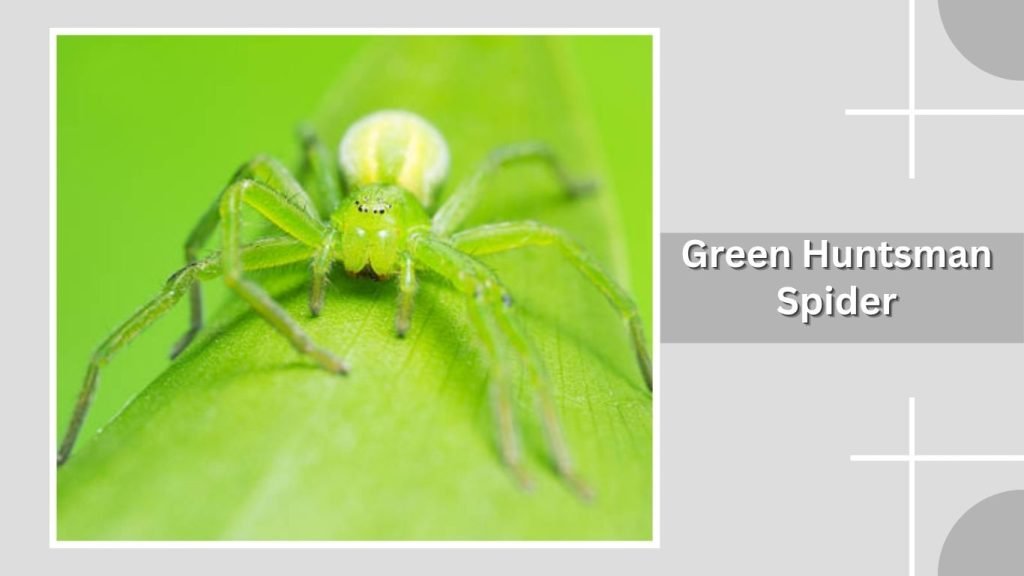
The Green Huntsman Spider is a fast-moving spider known for its flat body and long legs. Unlike web-building spiders, it actively hunts its prey.
Identification
- Greenish body with a flattened shape
- Long, laterally extended legs
- Large size compared to many green spiders
- Smooth body with slight hair coverage
- Crab-like stance but more elongated
Habitat
This spider is typically found in trees, under bark, and on vegetation in warm climates. It may also occasionally enter homes while searching for prey.
Behavior
Green Huntsman Spiders are nocturnal hunters. They do not build webs but instead chase or ambush prey. They are fast and agile but generally avoid humans unless disturbed.
Diet
Their diet includes insects, small arthropods, and sometimes other spiders. Their speed and strength allow them to capture relatively large prey compared to their size.
10. Green Meshweaver
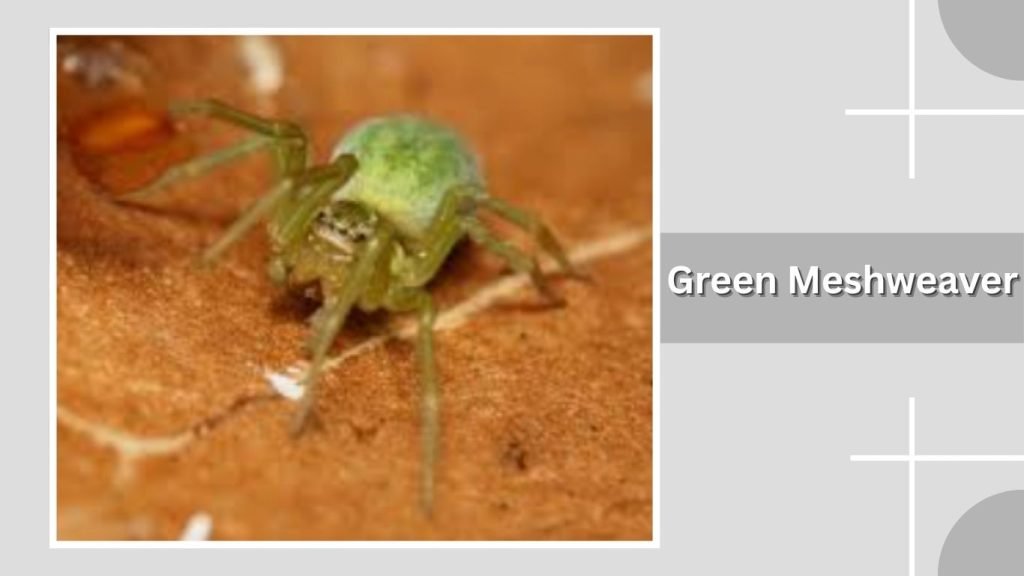
The Green Meshweaver is a small spider known for creating messy, sheet-like webs. Its green coloration helps it stay hidden among leaves and vegetation.
Identification
- Pale to bright green body
- Small and delicate size
- Thin legs with fine hairs
- Slightly translucent appearance
- Soft, rounded abdomen
Habitat
This spider is commonly found in shrubs, bushes, and grassy areas. It prefers dense vegetation where it can build its irregular web close to leaves and stems.
Behavior
Green Meshweavers create tangled, sheet-like webs rather than neat circular ones. They usually stay hidden within the web and wait for small insects to get trapped. They are shy and rarely seen in open areas.
Diet
Their diet mainly consists of tiny insects such as gnats, flies, and small bugs. They rely on their web structure to catch prey efficiently with minimal movement.
11. Green Wolf Spider
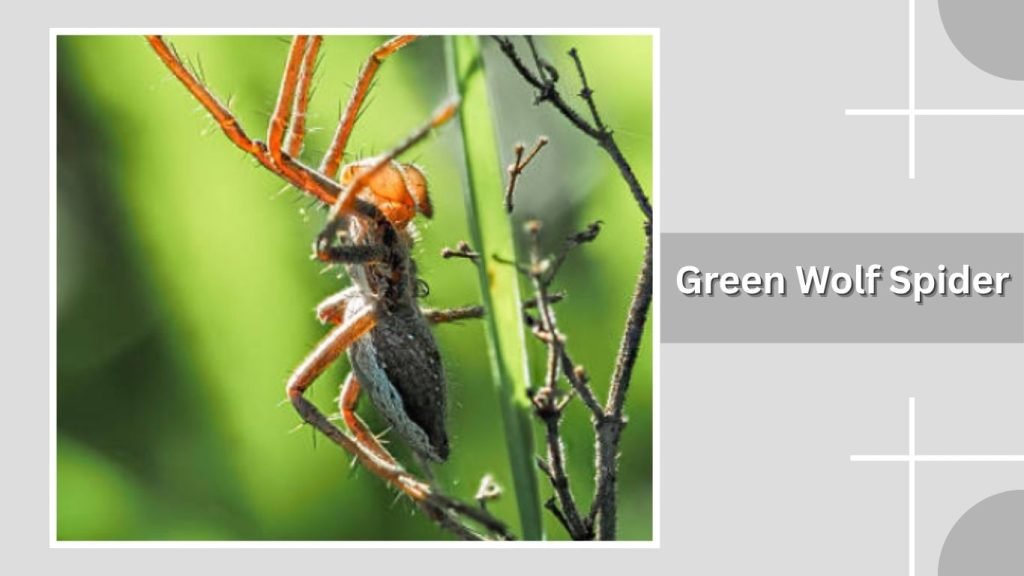
The Green Wolf Spider is a ground-dwelling hunter known for its speed and strong vision. Unlike many spiders, it does not rely on webs to capture prey.
Identification
- Greenish or olive-colored body
- Robust and slightly hairy appearance
- Strong legs built for running
- Medium to large size
- Distinct eye arrangement typical of wolf spiders
Habitat
This spider is usually found on the ground in grasslands, gardens, and forest floors. It prefers areas with cover such as leaf litter, soil, or low vegetation.
Behavior
Green Wolf Spiders are active hunters, especially at night. They chase down prey rather than waiting in webs. Females are known to carry their egg sacs and young on their bodies.
Diet
They feed on a wide range of insects, including beetles, ants, and other small arthropods. Their active hunting style makes them effective predators in controlling ground-level pests.
12. Green Sac Spider
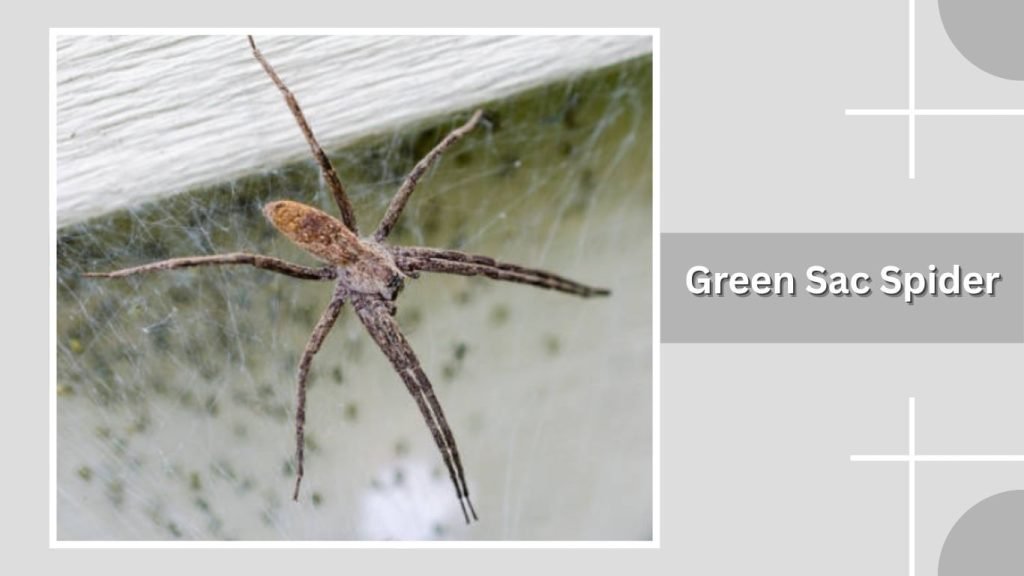
The Green Sac Spider is a small, pale green spider known for creating silk “sacs” where it rests. It is commonly found in gardens and sometimes indoors.
Identification
- Pale green or yellow-green body
- Small and slender shape
- Long, thin legs
- Smooth body with minimal markings
- Slightly translucent appearance
Habitat
This spider lives in gardens, shrubs, and grassy areas, but it can also be found inside homes on walls and ceilings. It prefers hidden spots where it can build its silk retreat.
Behavior
Green Sac Spiders do not build webs to catch prey. Instead, they wander at night in search of insects. During the day, they rest inside small silk sacs. They are generally shy but may bite if disturbed.
Diet
Their diet includes small insects such as flies, moths, and larvae. They actively hunt and help control indoor and outdoor insect populations.
13. Green Garden Spider
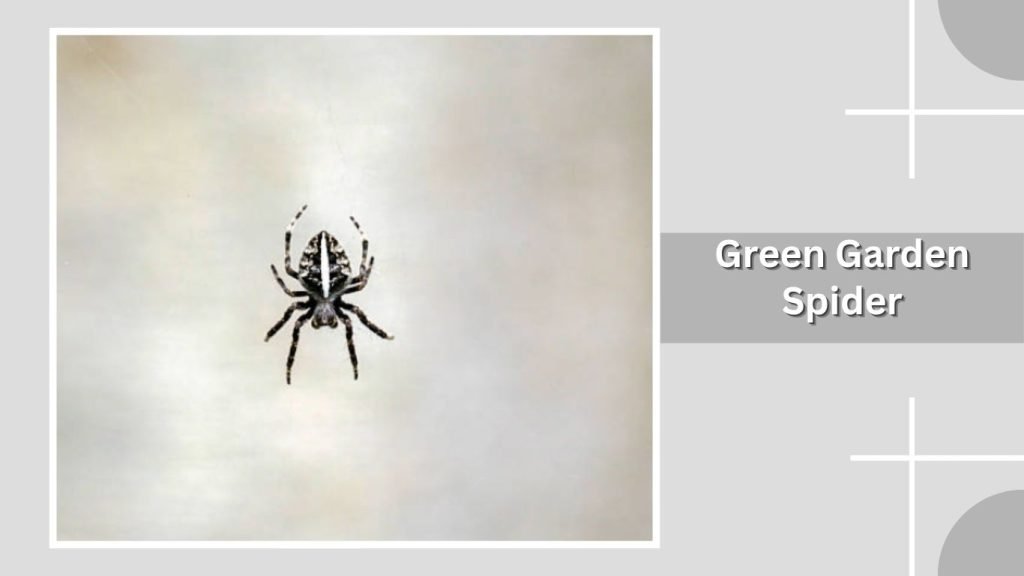
The Green Garden Spider is a common name for several green-colored spiders found in gardens. They are valued for their role in controlling pests.
Identification
- Bright or light green body
- Medium-sized with a rounded abdomen
- Long legs adapted for movement or web-building
- Subtle patterns or markings
- Smooth or slightly hairy texture
Habitat
These spiders are typically found in gardens, plants, and shrubs. They prefer areas with plenty of insects and vegetation, making gardens an ideal environment.
Behavior
Green Garden Spiders may either build webs or actively hunt, depending on the species. They are generally non-aggressive and avoid human interaction, focusing mainly on capturing prey.
Diet
They feed on common garden insects like flies, beetles, and caterpillars. Their presence is beneficial as they help reduce harmful pests naturally.
14. Green House Spider
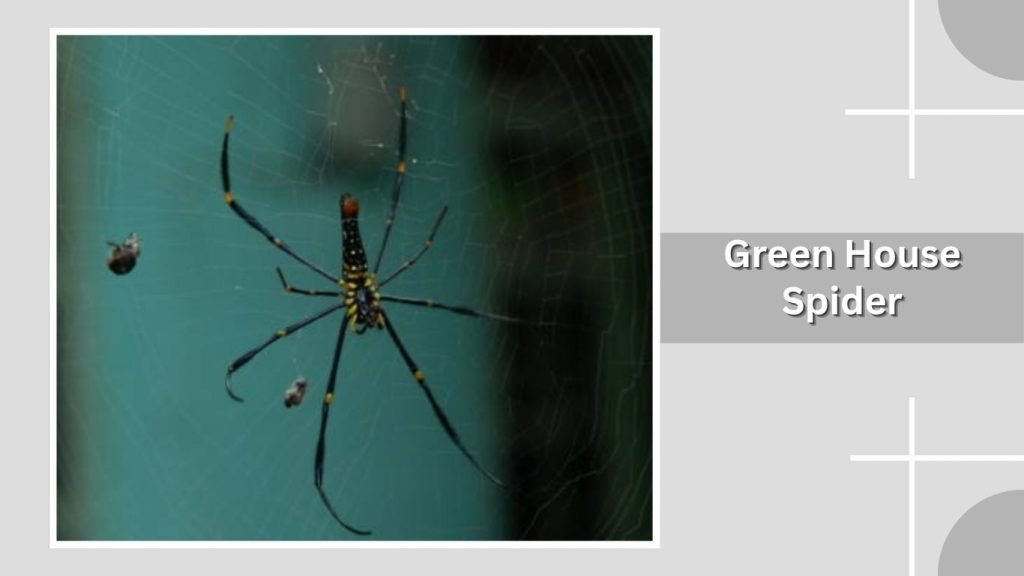
The Green House Spider is a small spider occasionally found indoors, especially in areas with plants. Its green coloration helps it blend with foliage when outdoors.
Identification
- Light green or yellow-green body
- Small and slender form
- Long, thin legs
- Smooth texture with little to no markings
- Slightly translucent appearance
Habitat
This spider can be found both indoors and outdoors. It prefers houseplants, window areas, and garden vegetation where insects are present. Indoors, it stays in quiet corners or near light sources.
Behavior
Green House Spiders are mostly active at night. They may build small, irregular webs or wander in search of prey. They are shy and tend to hide when disturbed.
Diet
They feed on small indoor and outdoor insects such as flies, gnats, and mosquitoes. Their presence can help reduce minor insect problems inside homes.
15. Green Pirate Spider
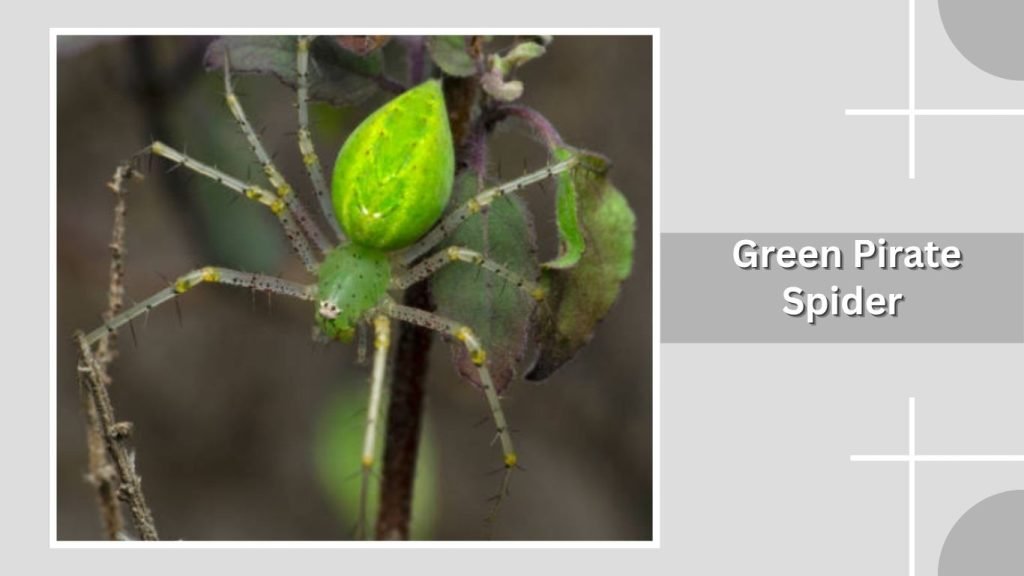
The Green Pirate Spider is a lesser-known species that often preys on other spiders. Its subtle green color helps it stay hidden in vegetation.
Identification
- Small green or greenish-yellow body
- Rounded abdomen
- Thin legs with slight hair
- Smooth and glossy appearance
- Compact body structure
Habitat
This spider is typically found in shrubs, bushes, and low vegetation. It prefers areas where other spiders are present, as it often targets them as prey.
Behavior
Green Pirate Spiders are stealthy hunters that invade the webs of other spiders. They mimic vibrations to lure their prey before attacking. This unique behavior sets them apart from many other spiders.
Diet
Unlike most spiders, they mainly feed on other spiders. They may also consume small insects when available, but their primary diet consists of web-building spider species.
16. Green Sheetweb Spider
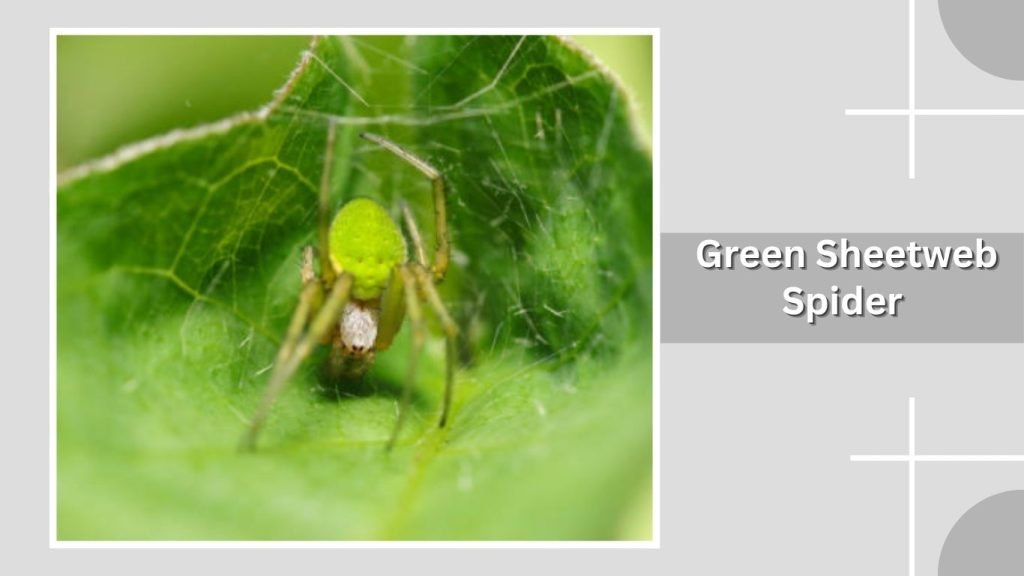
The Green Sheetweb Spider is a small spider known for building flat, sheet-like webs close to vegetation. Its green color helps it stay hidden among leaves and grass.
Identification
- Pale green body with a soft appearance
- Small size and delicate build
- Thin legs with fine hairs
- Rounded abdomen
- Subtle or no distinct markings
Habitat
This spider is commonly found in grassy fields, gardens, and low shrubs. It prefers areas with dense vegetation where it can anchor its sheet web close to the ground.
Behavior
Green Sheetweb Spiders build horizontal, sheet-like webs and hide beneath or near them. When insects land on the web, the spider quickly attacks from below. They are shy and rarely leave their web.
Diet
Their diet mainly includes small insects like gnats, flies, and tiny beetles. They rely on their web structure to trap prey effectively with minimal effort.
17. Green Cobweb Spider
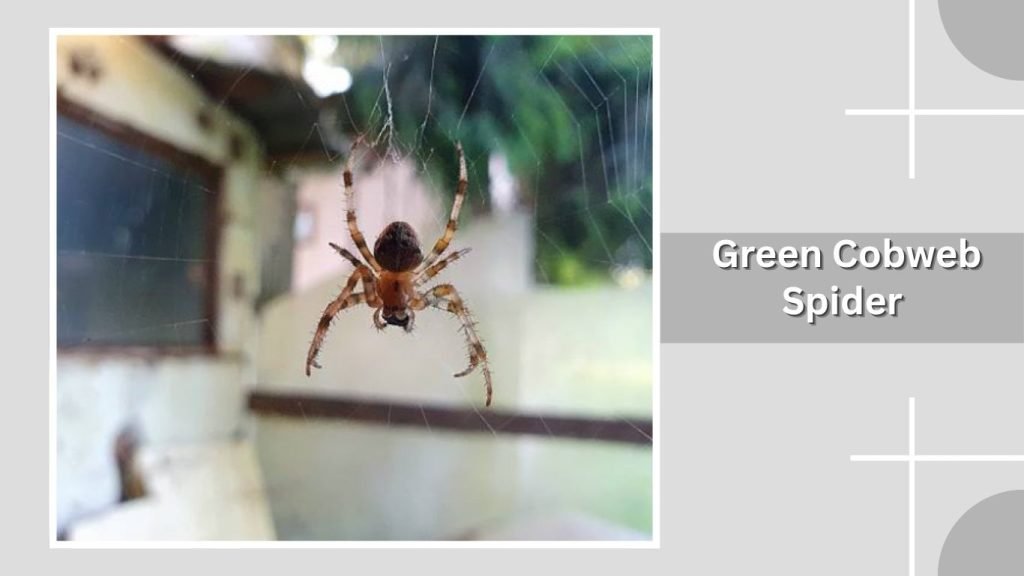
The Green Cobweb Spider is a small, web-building spider that creates irregular, tangled webs. It is often found in sheltered areas with low disturbance.
Identification
- Light green or greenish-yellow body
- Small and rounded abdomen
- Thin, slightly hairy legs
- Soft and delicate appearance
- Minimal visible markings
Habitat
This spider is usually found in corners of plants, under leaves, or in sheltered garden spots. It prefers quiet environments where it can build its messy cobweb-style web.
Behavior
Green Cobweb Spiders create irregular, tangled webs rather than structured ones. They remain hidden in the web and wait for prey to become entangled. They are non-aggressive and avoid human contact.
Diet
They feed on small insects such as ants, flies, and other tiny arthropods. Their web helps them capture prey without needing to actively hunt.
18. Green Nursery Web Spider
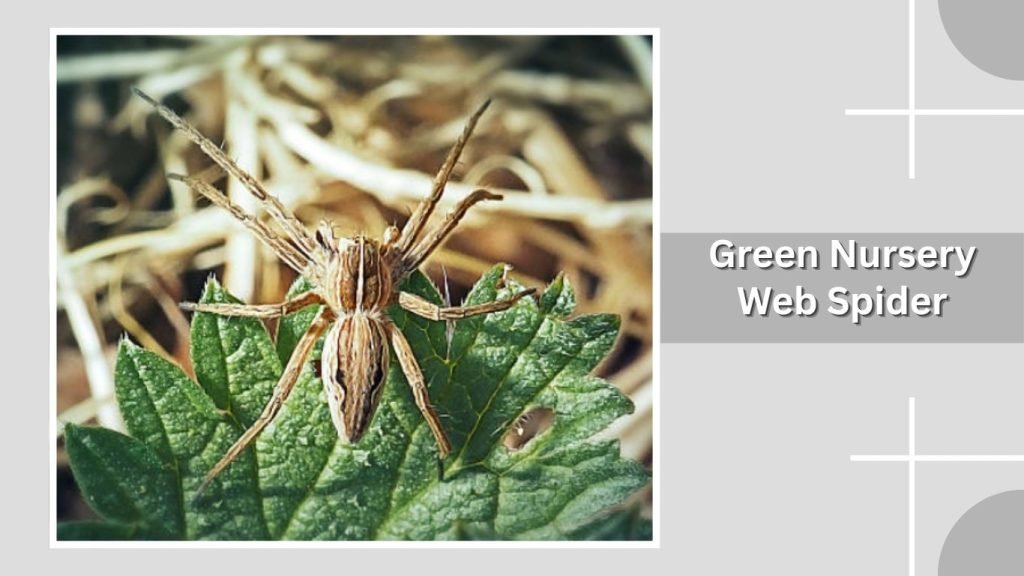
The Green Nursery Web Spider is a slender, active spider known for its unique way of caring for its young. It is often seen on plants near water or moist environments.
Identification
- Light green or greenish-brown body
- Long, slender legs
- Elongated abdomen
- Fine hair covering the body
- Medium size with a streamlined shape
Habitat
This spider is commonly found in grassy areas, gardens, and near water sources like ponds or wetlands. It prefers vegetation where it can move easily and find prey.
Behavior
Green Nursery Web Spiders are active hunters and do not rely on webs to catch prey. Females are known for creating protective silk “nurseries” for their eggs and guarding them carefully until they hatch.
Diet
Their diet includes insects such as flies, mosquitoes, and small bugs. Their hunting style allows them to control insect populations in damp and green environments.
19. Green Long-Jawed Orb Weaver
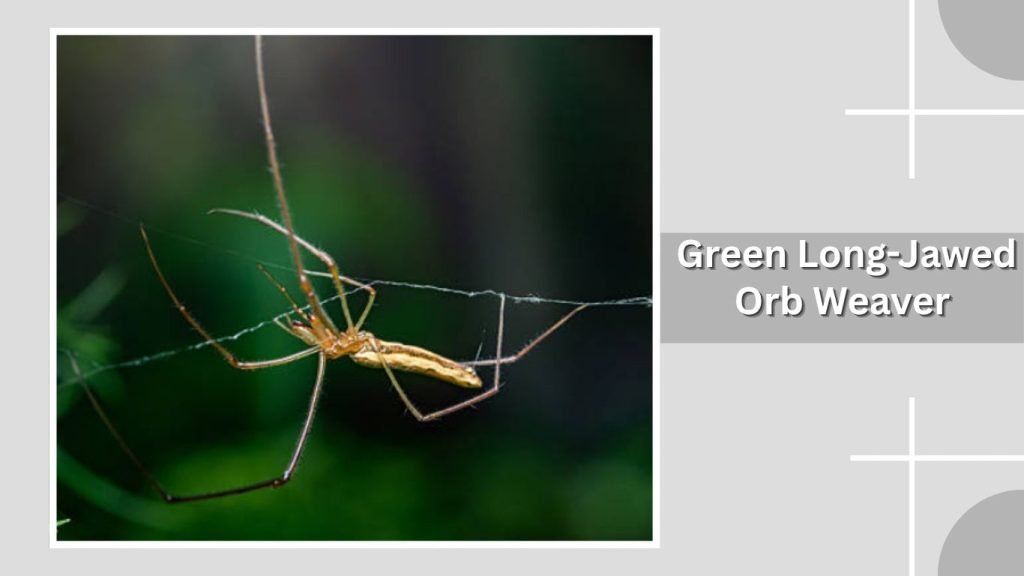
The Green Long-Jawed Orb Weaver is a delicate spider recognized for its elongated body and long jaws. It is often found resting along stems and leaves.
Identification
- Slender green body with elongated abdomen
- Long, narrow legs
- Extended jaws (chelicerae)
- Thin and delicate appearance
- Often aligns body with plant stems
Habitat
This spider is typically found in tall grasses, bushes, and near water bodies. It prefers areas where it can build orb webs between stems and branches.
Behavior
Green Long-Jawed Orb Weavers build small orb webs and often rest stretched out along vegetation to stay camouflaged. They are calm and non-aggressive, relying on stealth and web placement.
Diet
They feed on small flying insects such as midges, flies, and mosquitoes. Their web design helps them capture lightweight prey efficiently in their natural habitat.
20. Green Running Crab Spider
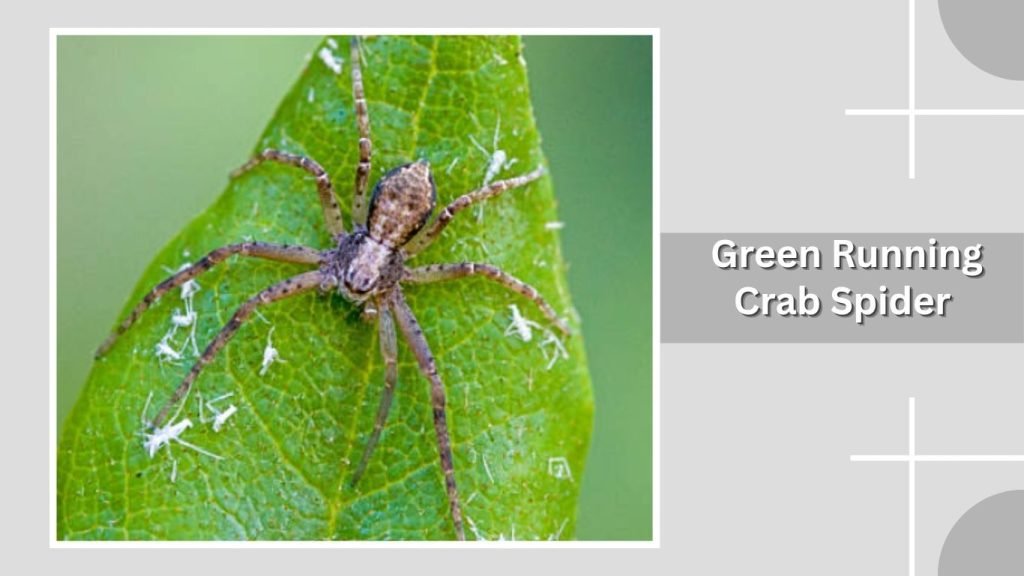
The Green Running Crab Spider is a fast-moving spider that resembles crab spiders but is more active in chasing prey. Its green color helps it blend into leaves and plants.
Identification
- Bright green, flattened body
- Long front legs adapted for grasping
- Sideways (crab-like) movement
- Smooth body with minimal markings
- Medium-sized with a wide stance
Habitat
This spider is commonly found on leaves, shrubs, and garden plants. It prefers areas with dense vegetation where insects are abundant and easy to ambush.
Behavior
Unlike typical crab spiders, this species actively moves around in search of prey. It can quickly run across leaves and stems, using speed along with camouflage to capture insects.
Diet
Its diet includes flies, small bees, butterflies, and other insects. It often ambushes prey but can also chase it over short distances when needed.
21. Green Ground Spider
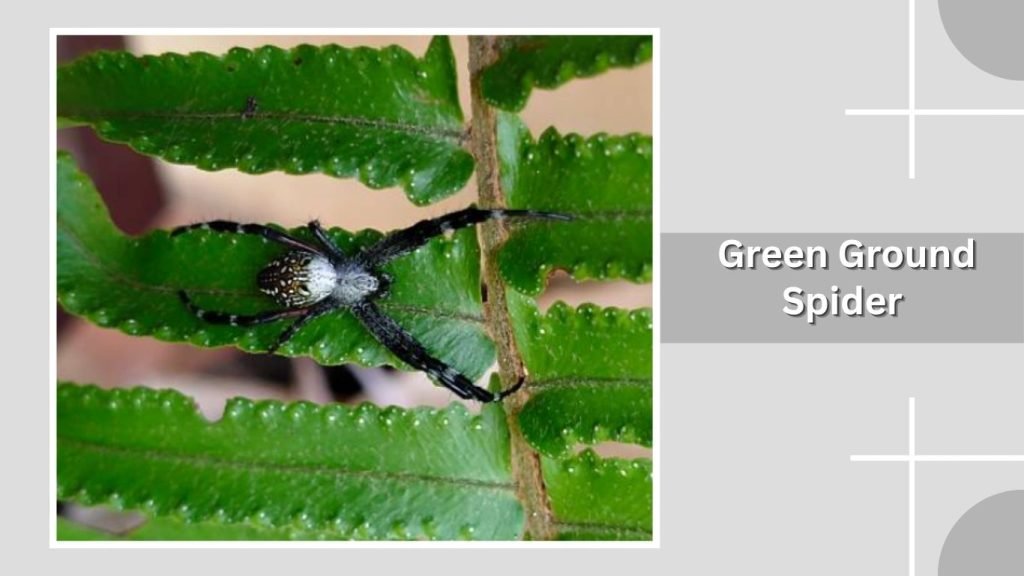
The Green Ground Spider is a small, ground-dwelling spider that spends most of its time on soil and low vegetation. It is less visible due to its subtle coloring.
Identification
- Olive-green or dull green body
- Small to medium size
- Slightly elongated shape
- Thin legs built for running
- Less vibrant compared to other green spiders
Habitat
This spider lives on the ground in gardens, grasslands, and forest floors. It prefers leaf litter, soil, and low plants where it can hide and hunt.
Behavior
Green Ground Spiders are active hunters that do not build webs. They move quickly across the ground, searching for prey and avoiding predators. They are mostly active during the night.
Diet
They feed on small ground-dwelling insects such as ants, beetles, and larvae. Their role as predators helps control insect populations at ground level.
22. Green Cellar Spider
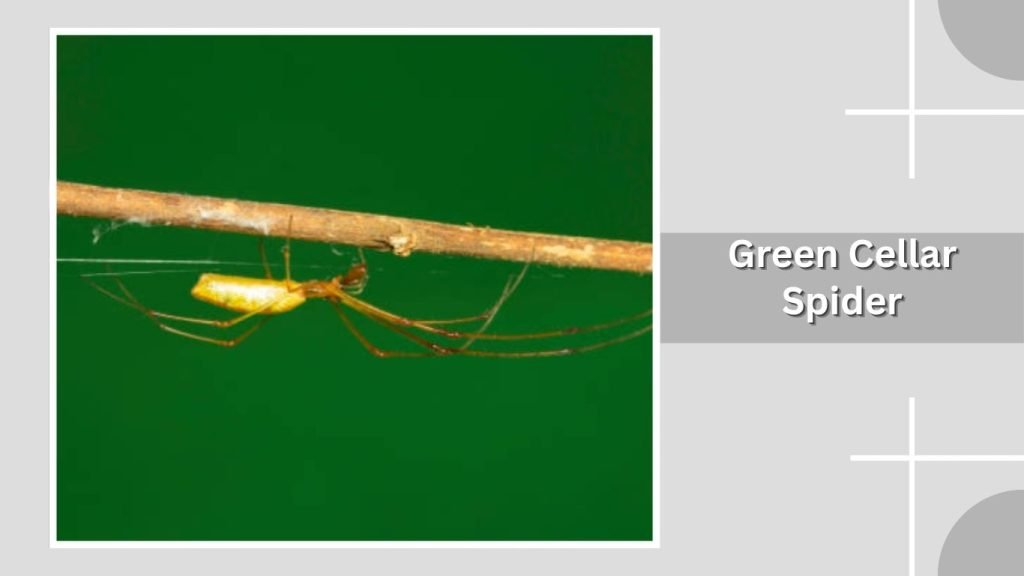
The Green Cellar Spider is a delicate, long-legged spider sometimes found in shaded indoor and outdoor areas. It is less common than typical cellar spiders but shares similar features.
Identification
- Pale green or greenish translucent body
- Very long, thin legs
- Small, narrow body
- Fragile and lightweight appearance
- Minimal markings
Habitat
This spider is usually found in dark, quiet places such as basements, corners, sheds, or under leaves outdoors. It prefers undisturbed environments where it can hang freely.
Behavior
Green Cellar Spiders build loose, irregular webs and often hang upside down. When disturbed, they may vibrate rapidly in their web as a defense mechanism. They are harmless and avoid human interaction.
Diet
They feed on small insects like flies, mosquitoes, and gnats. They may also catch other tiny spiders that get trapped in their web.
23. Green Comb-Footed Spider
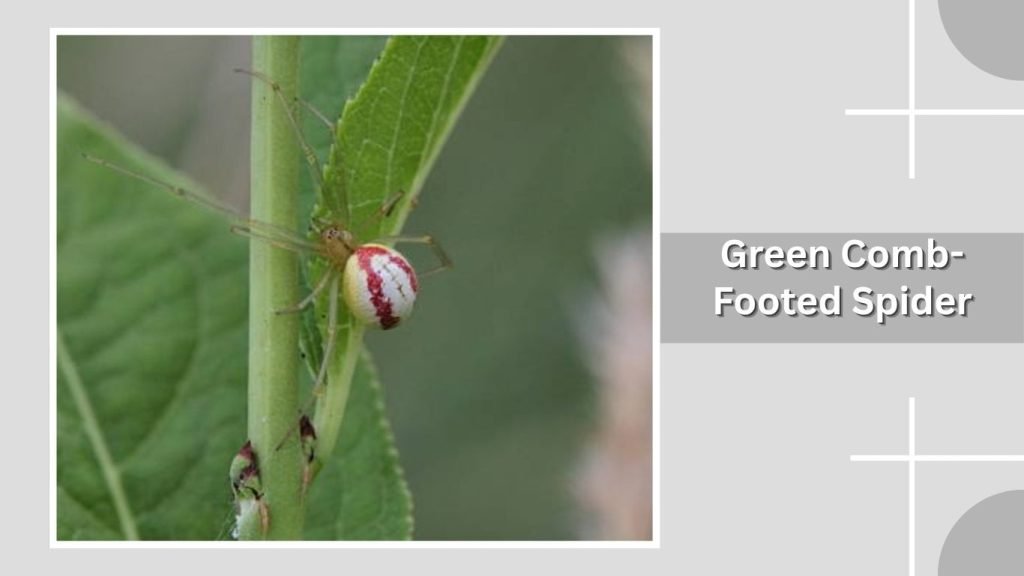
The Green Comb-Footed Spider belongs to a group known for their sticky silk and unique leg structures. It is usually small and not often noticed.
Identification
- Light green or yellow-green body
- Small, rounded abdomen
- Thin legs with tiny comb-like hairs
- Smooth and slightly glossy texture
- Compact body shape
Habitat
This spider is found in shrubs, plants, and sheltered garden areas. It prefers hidden spots where it can build its irregular web without disturbance.
Behavior
Green Comb-Footed Spiders spin tangled webs and wait for prey to become stuck. They use their comb-like hairs on the legs to wrap prey quickly in silk. They are quiet and non-aggressive.
Diet
Their diet includes small insects such as ants, flies, and larvae. They rely on their sticky webs and silk-wrapping ability to capture and subdue prey effectively.
24. Green Spiny Orb Weaver
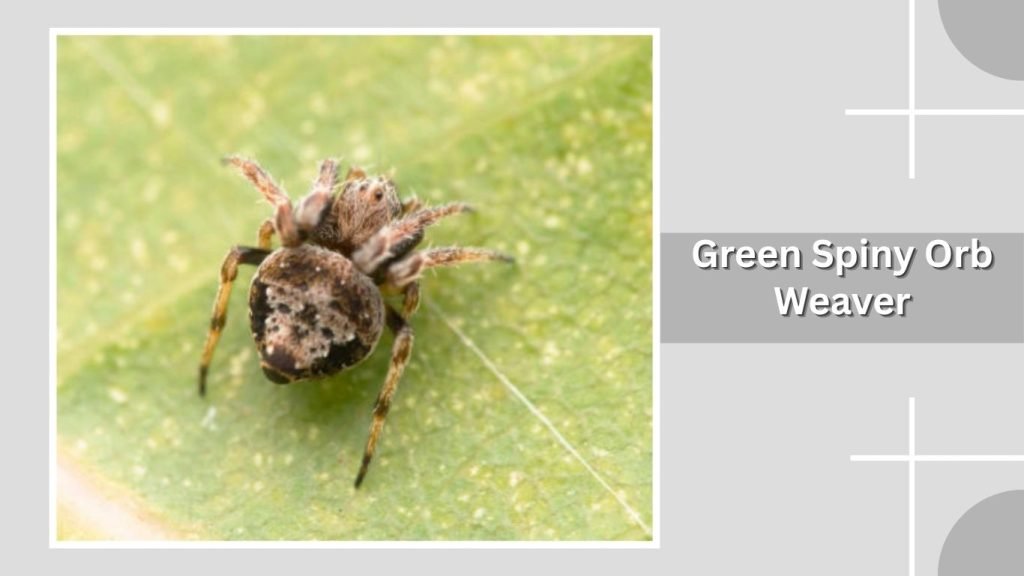
The Green Spiny Orb Weaver is a small but striking spider known for its spiked, colorful body. Its green coloration helps it blend into foliage despite its unusual shape.
Identification
- Bright green, flattened abdomen with spines
- Small and compact body
- Distinct spiky projections on the back
- Short legs compared to body size
- Bold and decorative appearance
Habitat
This spider is commonly found in gardens, forests, and shrubs. It builds orb-shaped webs between branches and leaves, often in sunny, open spaces.
Behavior
Green Spiny Orb Weavers build circular webs and remain at the center, waiting for prey. They are mostly stationary and rely on their web rather than active hunting. They are harmless and non-aggressive.
Diet
They feed on flying insects such as flies, mosquitoes, and small moths. Their webs are effective in trapping lightweight prey in garden environments.
25. Green Funnel Weaver
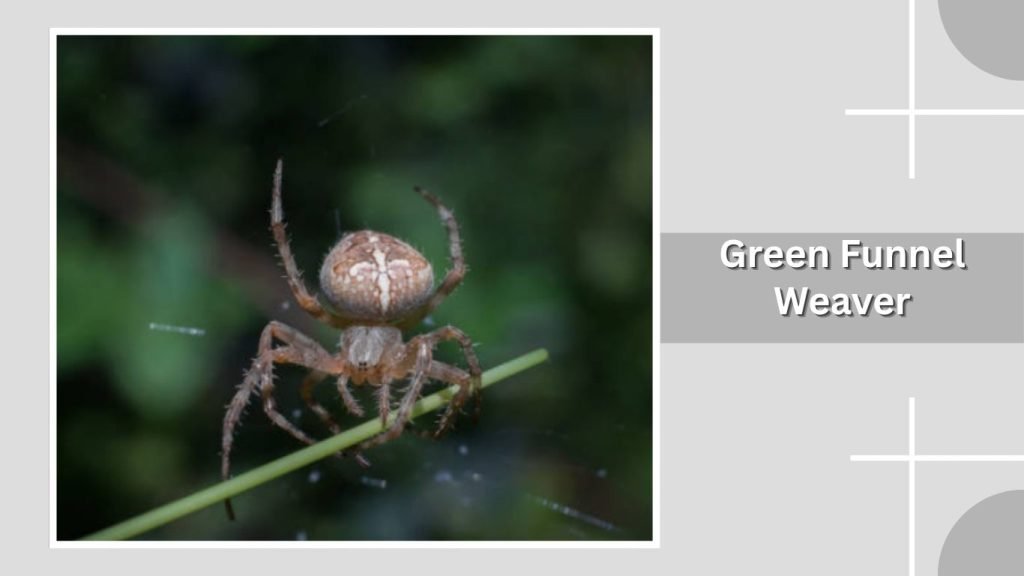
The Green Funnel Weaver is a fast-moving spider known for its funnel-shaped web. It uses this web as both a trap and a hiding place.
Identification
- Greenish or olive-colored body
- Medium-sized with a slightly elongated shape
- Long legs built for speed
- Fine hair covering the body
- Subtle markings on the abdomen
Habitat
This spider is usually found in grass, shrubs, and low vegetation. It prefers areas where it can build its funnel web between plants or along the ground.
Behavior
Green Funnel Weavers create sheet webs with a funnel-like retreat. They hide inside the funnel and rush out quickly when prey touches the web. They are shy and avoid contact with humans.
Diet
Their diet includes small insects such as flies, beetles, and ants. They rely on their web vibrations to detect and capture prey efficiently.
26. Green Bush Spider
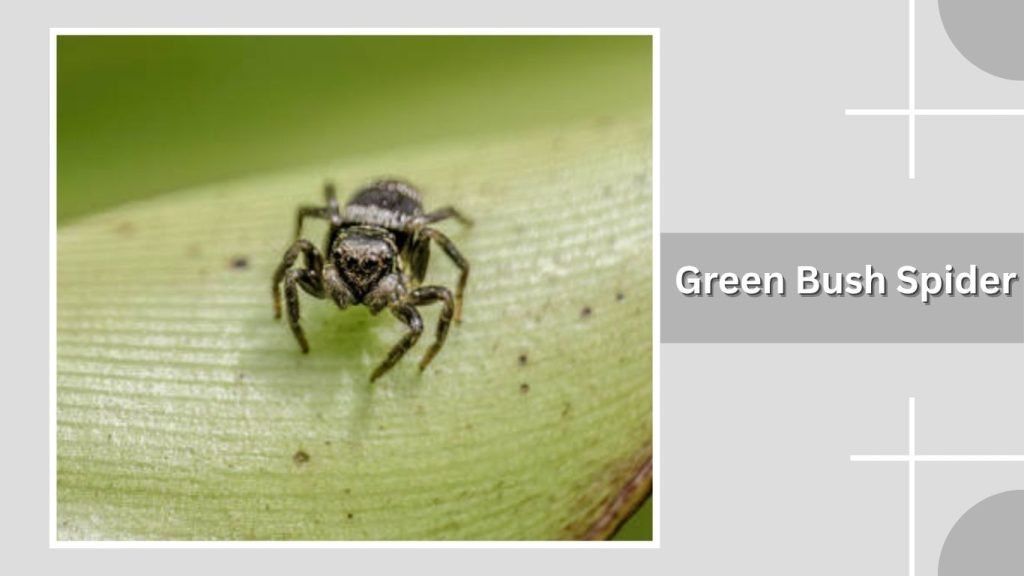
The Green Bush Spider is a small, plant-dwelling spider that blends easily into leaves and shrubs. Its green coloration makes it difficult to spot in natural vegetation.
Identification
- Bright or pale green body
- Small to medium size
- Slender legs with fine hairs
- Smooth or slightly glossy texture
- Simple body shape with minimal markings
Habitat
This spider is commonly found in bushes, shrubs, and garden plants. It prefers dense vegetation where it can stay hidden and find plenty of insects to feed on.
Behavior
Green Bush Spiders are usually active hunters, though some may build small webs depending on the species. They rely heavily on camouflage and remain still for long periods to avoid detection.
Diet
Their diet includes small insects such as flies, aphids, and other tiny arthropods. They help control pest populations, making them beneficial in gardens and natural environments.
