

A tick bite rash is often one of the earliest visible signs after a tick attaches to the skin. While many rashes are mild and disappear within a few days, others can signal more serious conditions such as Lyme disease or other tick-borne infections. The appearance, size, and progression of the rash can provide important clues about what is happening in the body. Understanding these differences is essential for early detection and proper care. This guide explains how to identify, monitor, and respond to tick bite rashes effectively.
What Is a Tick Bite Rash?
A tick bite rash is a skin reaction that develops at or around the site where a tick has bitten. This reaction occurs because the body responds to the tick’s saliva, which contains substances that help the tick feed without being noticed. In many cases, the rash is mild and limited to a small area. However, if the tick carries bacteria or viruses, the rash may become more pronounced and indicate infection.
Not every tick bite leads to a rash. Some people may not notice any visible changes at all, especially if the tick is removed quickly. When a rash does appear, it can vary widely in shape, size, and intensity. This variation makes it important to understand the different types of rashes and what they might mean.
What Does a Tick Bite Rash Look Like?
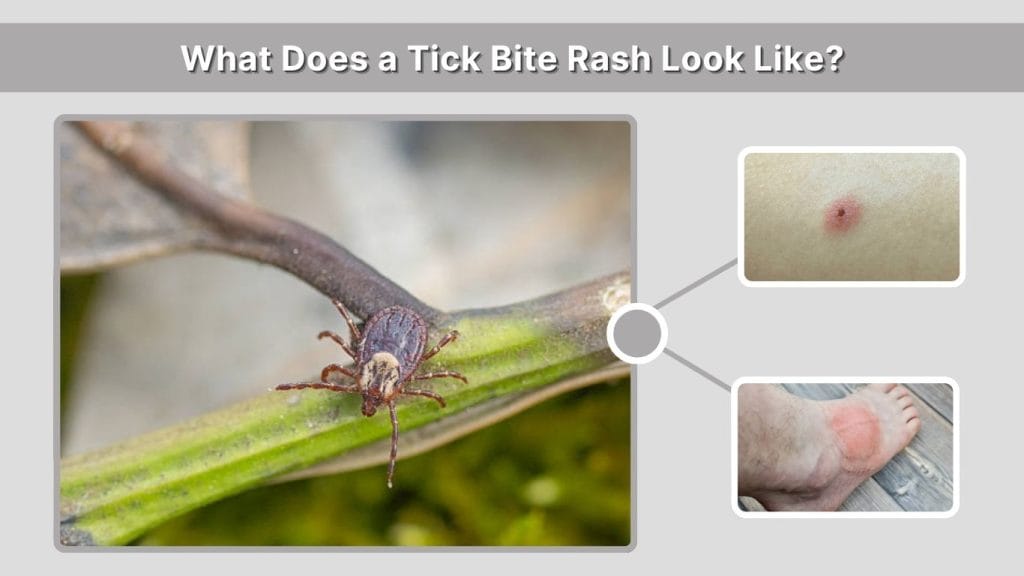
Visual characteristics can help determine whether a rash is harmless or a warning sign of infection.
Normal Tick Bite Rash
- Small red bump at the bite site
- Slight swelling or irritation
- Does not expand significantly
A normal tick bite rash usually looks similar to a minor insect bite. It may feel slightly itchy or tender but typically remains small and fades within a few days. This type of rash is generally not a cause for concern and does not indicate disease.
Lyme Disease Rash (Bullseye Pattern)
- Circular rash that expands over time
- Red outer ring with a clearer center
- May grow several inches wide
This rash, often called a bullseye rash, is one of the most recognized signs of Lyme disease. Unlike a normal bite, it continues to grow larger over time. It may not always be itchy or painful, which can make it easy to overlook. Identifying this pattern early is important because it often appears before other symptoms develop.
Types of Tick Bite Rashes
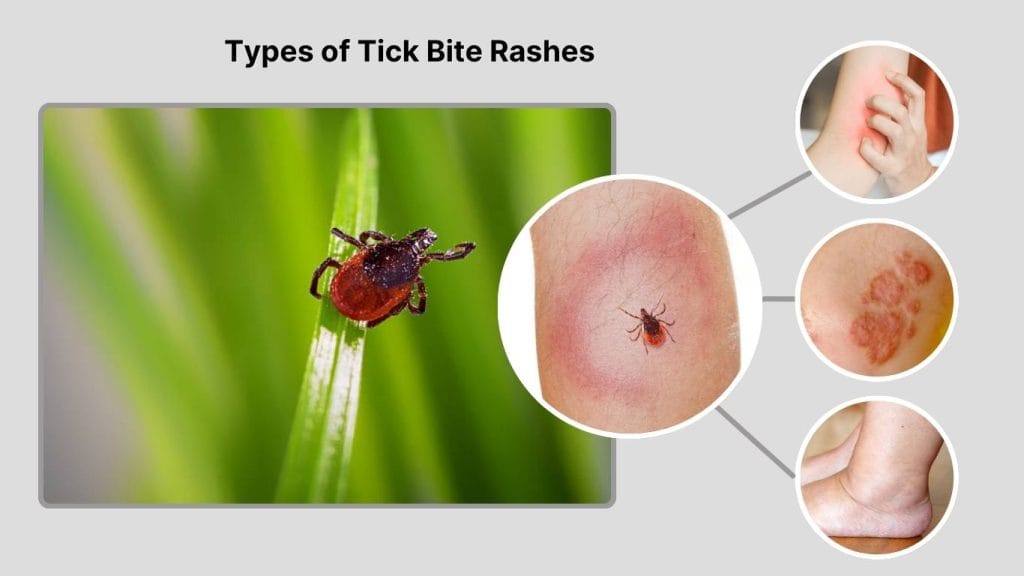
Tick bite rashes can differ depending on how the body reacts or whether an infection is present.
Mild Irritation Rash
- Light redness and itching
- Appears soon after the bite
This is the most common type of rash and usually results from a simple skin reaction. It tends to be short-lived and improves without treatment. Keeping the area clean is usually enough to manage this type of rash.
Allergic Reaction Rash
- Larger red or inflamed area
- Itchy or burning sensation
Some individuals may have a stronger reaction to the tick’s saliva, leading to a more noticeable rash. This type of reaction can cause discomfort but does not necessarily mean an infection is present. However, it should still be monitored for changes.
Infected Rash
- Warm, swollen skin
- Possible discharge or pus
An infected rash develops when bacteria enter the bite site. Unlike mild irritation, this rash worsens over time and may become painful. The presence of swelling, warmth, or discharge is a clear sign that medical attention may be needed.
Tick Bite Rash Timeline
Understanding how a rash develops over time can help identify whether it is normal or a sign of a problem.
Within the First 24 Hours
- Small red mark appears
- Mild irritation
Shortly after the bite, a small red spot may form at the site. This is usually a normal reaction and does not indicate infection. The area may feel slightly itchy but should not cause significant discomfort.
After a Few Days
- Rash may become more noticeable
- Slight expansion or increased redness
As time passes, the rash may change slightly in appearance. In most cases, it remains small and begins to fade. However, if the redness starts to spread, it may require closer observation.
After One to Two Weeks
- Possible bullseye pattern
- Flu-like symptoms may begin
A rash that continues to expand over one to two weeks is a warning sign. This is especially important if it forms a circular pattern or is accompanied by symptoms such as fatigue or fever. At this stage, medical evaluation is strongly recommended.
Tick Bite Rash vs Other Skin Bites
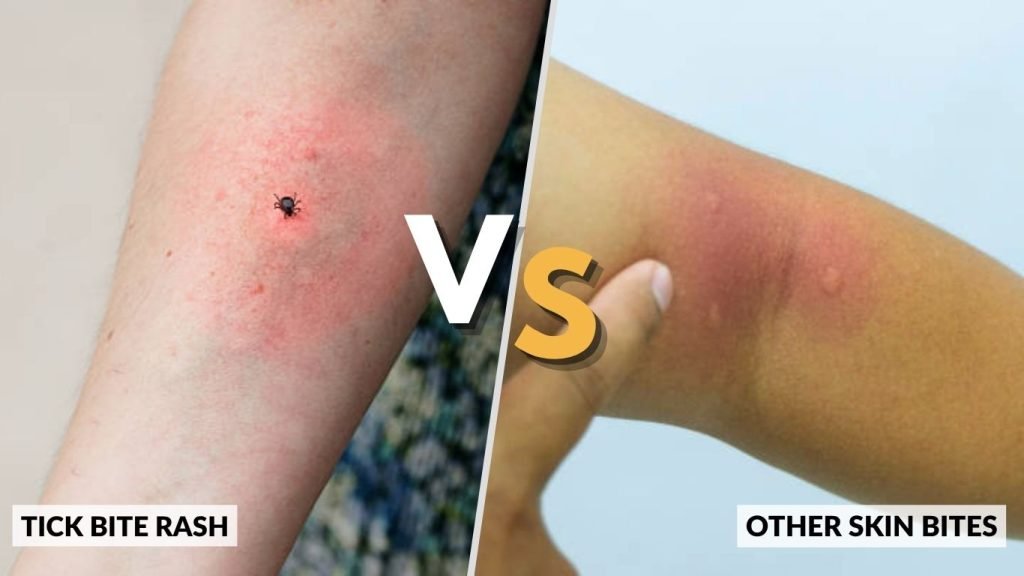
Tick bite rashes can sometimes be confused with other insect bites, such as those from mosquitoes, fleas, or spiders. However, there are key differences that can help you tell them apart. Tick bite rashes often last longer and may gradually expand, while most other insect bites tend to fade within a short period.
Mosquito bites, for example, usually cause immediate itching and disappear within a couple of days. Spider bites may be more painful at the start but do not typically expand in the same way as a tick-related rash. Flea bites often appear in clusters, unlike the single bite commonly associated with ticks.
Another important difference is that a tick may remain attached to the skin for an extended period, increasing the risk of disease transmission. Because of this, any rash that appears after known tick exposure should be monitored carefully, even if it seems mild at first.
When a Tick Bite Rash Is Dangerous

Certain rashes may signal a serious infection and should not be ignored.
Signs of Lyme Disease
- Expanding rash that continues to grow
- Fatigue and general weakness
- Fever and chills
- Joint discomfort over time
A rash that gradually increases in size, especially with a circular pattern, is one of the most important warning signs. Even if it is not painful, it may indicate Lyme disease and should be evaluated by a doctor as soon as possible.
Signs of Severe Infection
- Rapid swelling around the bite
- Increasing pain or tenderness
- High or persistent fever
- Worsening redness or unusual skin changes
These symptoms suggest that the body is reacting strongly to infection. Unlike mild rashes, these signs do not improve on their own and may worsen quickly, requiring prompt medical care.
Diseases Associated with Tick Bite Rash
Tick bite rashes are often linked to diseases that develop after a tick transmits bacteria or viruses into the body. One of the most common conditions is Lyme disease, which typically begins with a slowly expanding rash and may later affect the joints, heart, and nervous system if untreated.
Another condition is Rocky Mountain spotted fever, which may cause a spotted rash along with high fever and severe headache. This illness can progress rapidly and requires immediate medical attention. In some regions, tick-borne encephalitis may also occur, leading to neurological symptoms such as headaches, confusion, and sensitivity to light.
Each of these diseases has its own progression, but they often start with subtle signs like a rash and flu-like symptoms. Early recognition plays a key role in preventing complications.
Treatment for Tick Bite Rash
Proper care can reduce symptoms and prevent complications.
Home Care
- Clean the bite area with soap and water
- Apply soothing or anti-itch cream
- Avoid scratching to prevent infection
- Monitor the rash for changes
Simple home care is often enough for mild rashes. Keeping the area clean and avoiding irritation helps the skin heal naturally. Regular observation ensures that any changes are noticed early.
Medical Treatment
- Antibiotics if a bacterial infection is suspected
- Anti-inflammatory medications to reduce swelling
- Medical evaluation for persistent or worsening symptoms
- Follow-up care if symptoms continue
If the rash shows signs of infection or is linked to a tick-borne disease, a doctor may prescribe antibiotics or other medications. Early treatment is highly effective and can prevent long-term health issues.
Prevention Tips
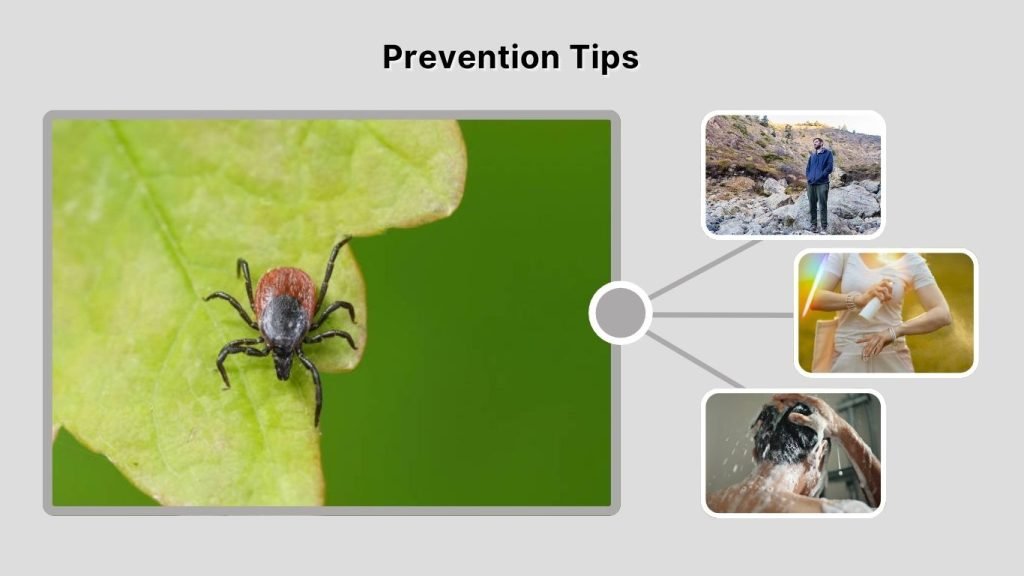
Preventing tick bites is the most effective way to avoid rashes and related diseases.
Personal Protection
- Wear long sleeves and full-length clothing outdoors
- Use insect repellent on exposed skin
- Choose light-colored clothing to spot ticks easily
- Avoid dense vegetation when possible
After Outdoor Activities
- Check your entire body for ticks
- Pay attention to hidden areas like the scalp and underarms
- Remove ticks promptly using proper methods
- Shower after returning indoors
Taking these precautions significantly reduces the chances of tick bites. Early detection and removal of ticks also lower the risk of developing a rash or infection.
FAQs
How long does a tick bite rash last?
A mild tick bite rash usually fades within a few days. However, if the rash is linked to an infection such as Lyme disease, it may last longer and continue to expand. Monitoring the rash over time is important to determine whether medical attention is needed.
Does every tick bite cause a rash?
Not all tick bites result in a visible rash. Some people may experience no reaction at all, especially if the tick is removed quickly. However, even without a rash, it is important to watch for other symptoms that could indicate infection.
What does a dangerous tick bite rash look like?
A dangerous rash often expands over time, may form a circular pattern, and can be accompanied by symptoms like fever or fatigue. Any rash that grows or changes significantly should be checked by a healthcare professional.
Can a tick bite rash appear days later?
Yes, a tick bite rash can appear several days or even weeks after the initial bite. This delayed reaction is common in some tick-borne diseases, making it important to continue monitoring your skin and overall health.
Should I worry about a small red rash?
A small red rash is often harmless and may resolve on its own. However, if it begins to grow, becomes painful, or is accompanied by other symptoms, it should not be ignored and may require medical evaluation.
Conclusion
Tick bite rashes can range from mild skin irritation to signs of serious illness. Understanding how to identify different types of rashes, track their progression, and recognize warning signs is essential for protecting your health. While many rashes heal without treatment, some require prompt medical attention to prevent complications. By staying aware, taking preventive measures, and responding early to unusual symptoms, you can effectively manage the risks associated with tick bites.
