
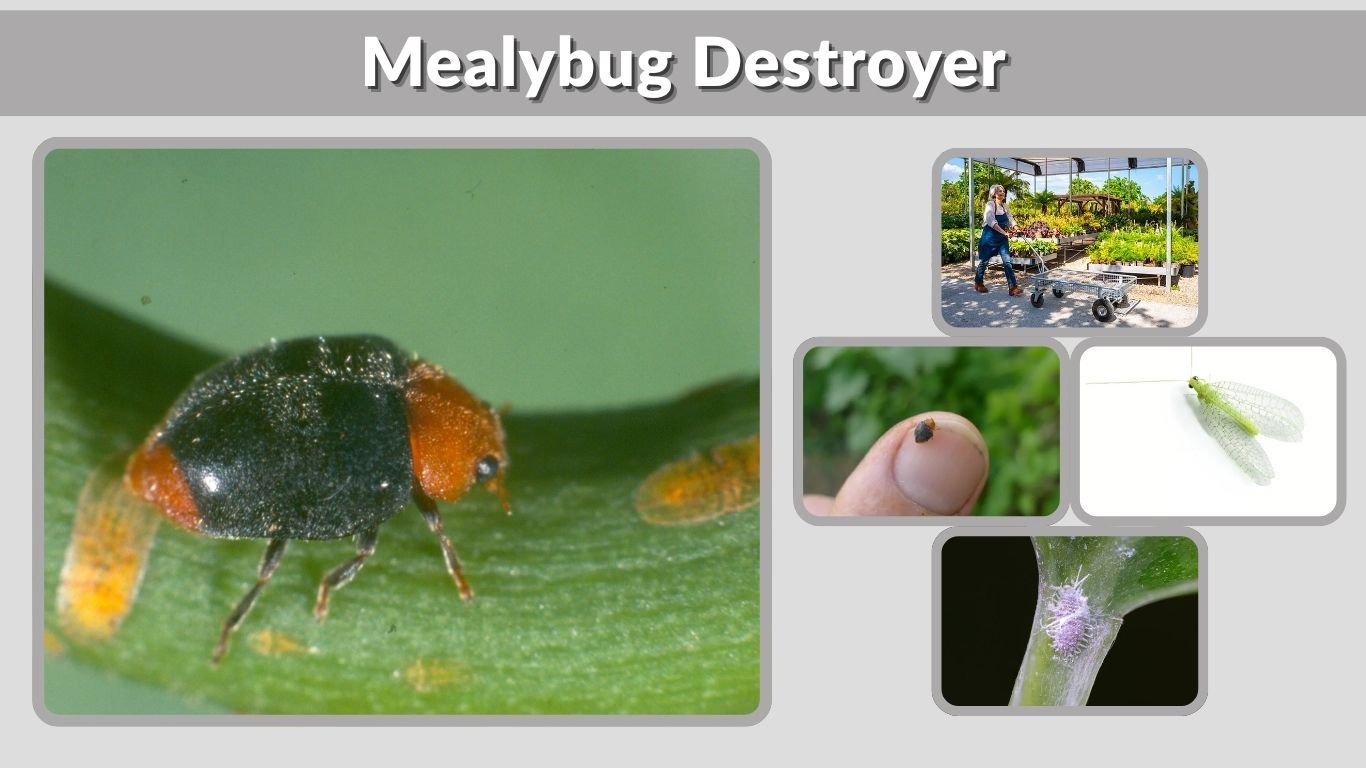
The mealybug destroyer is a powerful natural predator used to control one of the most stubborn plant pests—mealybugs. Known scientifically as Cryptolaemus montrouzieri, this small beetle is widely used in gardens, greenhouses, and even indoor plants. Many growers rely on it as an eco-friendly alternative to chemical pesticides. In this guide, you’ll learn what a mealybug destroyer is, how to identify it, and why it’s considered one of the most effective biological control insects.
What Is a Mealybug Destroyer?
The mealybug destroyer is a type of lady beetle specifically known for feeding on mealybugs at all life stages. Originally native to Australia, it has been introduced worldwide due to its effectiveness in pest control.
These beetles are widely used in agriculture, home gardening, and greenhouse environments. Unlike chemical treatments, they target pests naturally without harming plants or beneficial insects. Their ability to reproduce and continue feeding makes them a long-term solution for infestations.
What Does a Mealybug Destroyer Look Like?
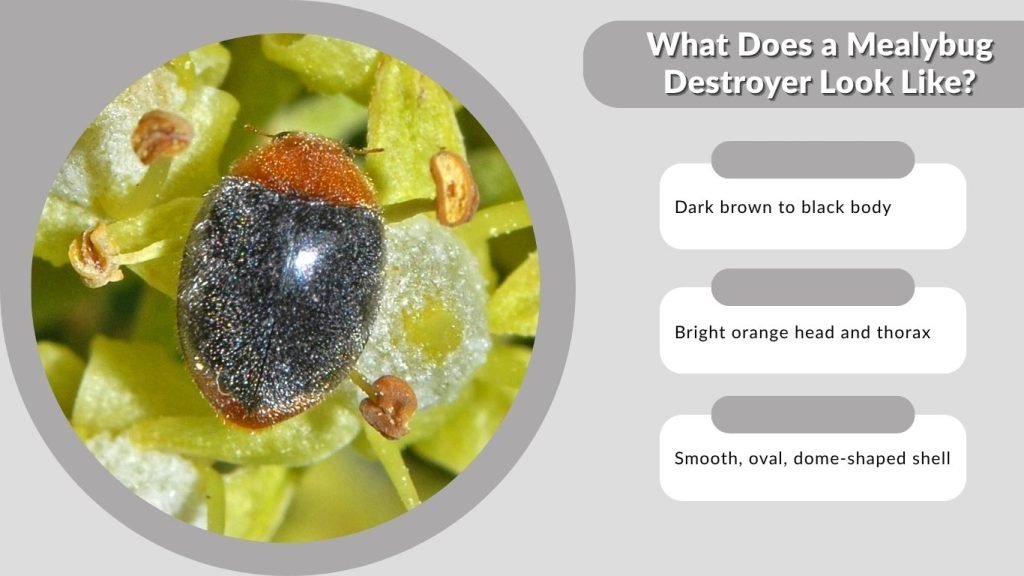
Identifying a mealybug destroyer is important, especially since its larvae are often mistaken for the pests they hunt.
Adult Appearance
Adult mealybug destroyers are small beetles with a distinct look that sets them apart from typical ladybugs.
- Dark brown to black body
- Bright orange head and thorax
- Smooth, oval, dome-shaped shell
Larvae Appearance (Often Confused With Mealybugs)
The larval stage looks very different and is commonly misidentified as a mealybug due to its white coating.
- Covered in white, waxy filaments
- Larger and more elongated than mealybugs
- Moves quickly across plant surfaces
Mealybug vs Mealybug Destroyer
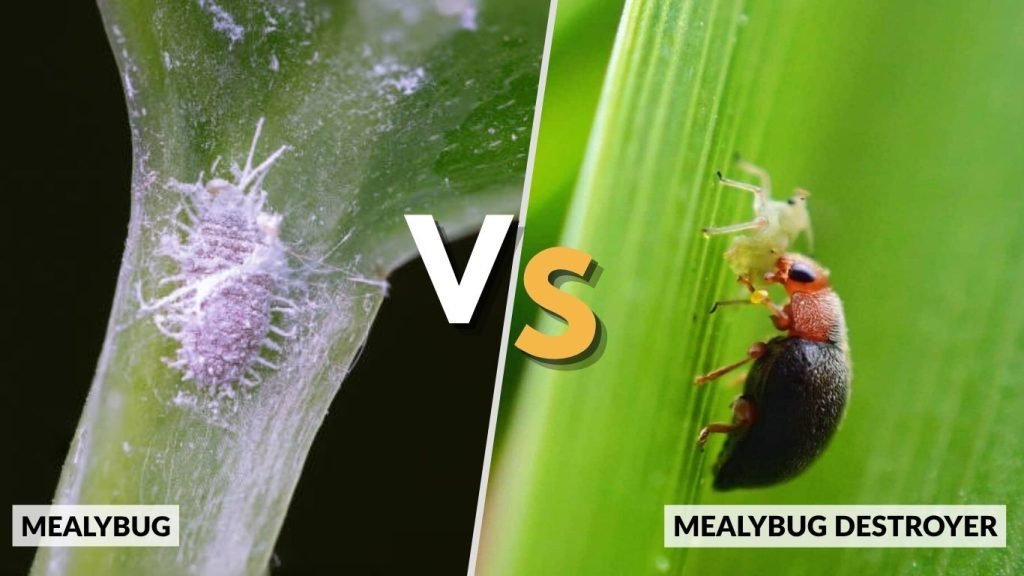
Understanding the difference between these two insects is crucial for proper pest control. Many people accidentally remove beneficial larvae because they look similar to the pests.
Mealybugs are slow-moving plant pests that feed on sap and leave behind sticky residue known as honeydew. In contrast, mealybug destroyer larvae are active hunters that move quickly and consume mealybugs in large numbers. Adults are easier to distinguish, as they resemble small beetles rather than soft-bodied pests.
Recognizing these differences ensures that you protect the beneficial insects instead of removing them by mistake.
Mealybug Destroyer Life Cycle
The life cycle of a mealybug destroyer includes several stages, each playing a role in pest control.
Egg Stage
- Eggs are laid near mealybug colonies
- Small and difficult to notice
- Hatch within a few days
Larvae Stage
- Most aggressive feeding stage
- Can consume hundreds of mealybugs
- Resembles white, fuzzy insects
Pupa Stage
- Develops in hidden or protected areas
- Transformation into adult beetle
- Lasts several days depending on temperature
Adult Stage
- Continues feeding on mealybugs
- Reproduces to expand population
- Lives for several weeks
What Do Mealybug Destroyers Eat?
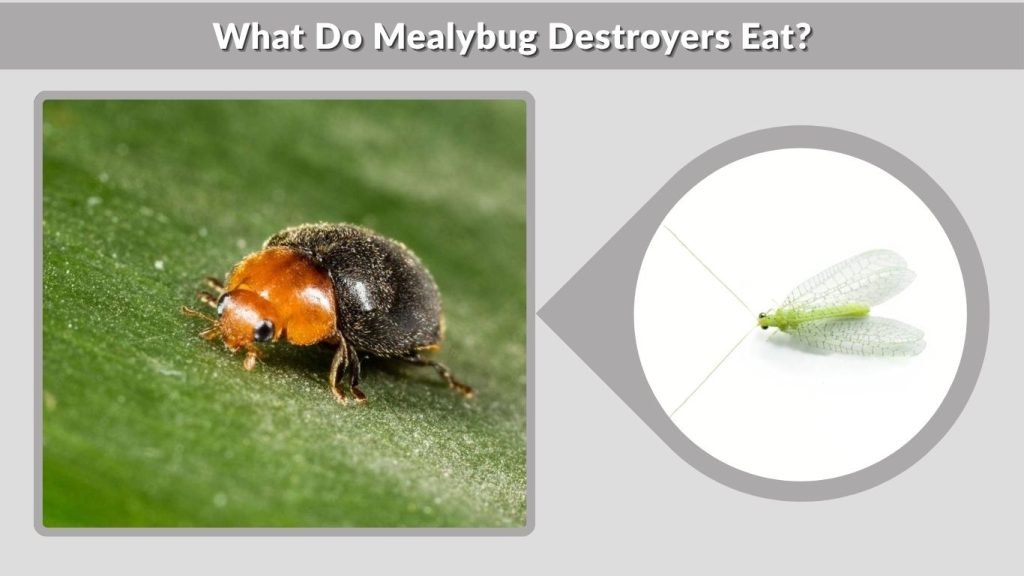
Mealybug destroyers are highly specialized predators, which is why they are so effective against infestations.
- Feed on all stages of mealybugs
- Consume mealybug eggs and young nymphs
- Can eat honeydew produced by pests
Although their primary target is mealybugs, they may occasionally feed on other soft-bodied insects if necessary. However, their strong preference for mealybugs makes them one of the best biological control options available.
Are Mealybug Destroyers Effective?
Mealybug destroyers are widely considered one of the most effective natural solutions for controlling mealybug infestations. Their larvae, in particular, are extremely efficient feeders and can quickly reduce pest populations.
They perform best in warm environments where mealybugs are actively reproducing. When released at the right time and in sufficient numbers, they can significantly reduce or even eliminate infestations without the need for chemicals.
However, their success depends on having enough prey available. If the mealybug population is too low, the beetles may leave the area in search of food.
How to Use Mealybug Destroyers
Using mealybug destroyers correctly is key to getting the best results. These beneficial insects work naturally, but they need the right conditions to thrive and control infestations effectively.
Indoor Use for Houseplants
Mealybug destroyers can be safely released indoors, especially for houseplants with visible infestations. They are harmless to humans and pets, making them a good alternative to chemical sprays.
- Release them directly onto infested plants
- Keep plants in a warm, stable environment
- Avoid using pesticides before or after release
Outdoor and Greenhouse Use
They are widely used in gardens and greenhouses where pest populations are larger and easier to sustain.
- Best released during warm weather
- Place near areas with heavy infestations
- Works well in controlled greenhouse conditions
Where to Buy Mealybug Destroyers
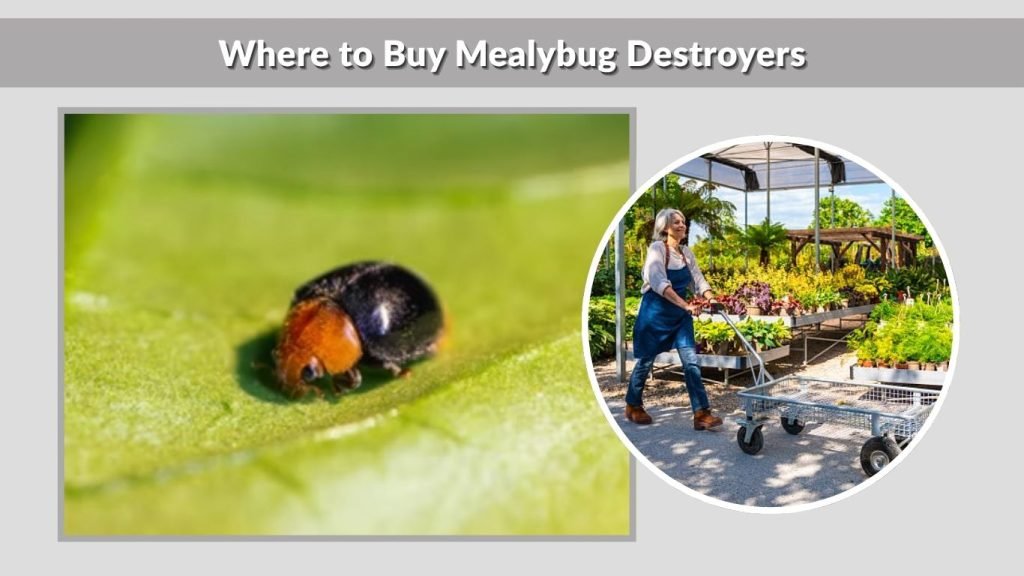
Mealybug destroyers are available in many regions, but availability may depend on local climate and regulations. They are typically sold by biological pest control suppliers.
You can purchase them online through specialized insect suppliers or marketplaces, as well as from local garden centers. In some countries, agricultural extension services or plant nurseries also provide them.
When buying, it’s important to ensure the insects are shipped quickly and kept in proper conditions. Since they are live insects, they should be released soon after arrival for the best survival rate.
How to Attract Mealybug Destroyers Naturally
If you prefer not to purchase them, you can encourage natural populations to visit your plants. Creating a suitable environment increases the chances of attracting these beneficial insects.
Ways to Attract Them
- Maintain a small presence of mealybugs as a food source
- Avoid broad-spectrum pesticides
- Grow a variety of plants to support insect diversity
Environmental Conditions They Prefer
- Warm temperatures for active feeding
- Sheltered areas with minimal disturbance
- Plants with dense foliage for protection
Do Mealybug Destroyers Have Any Risks?
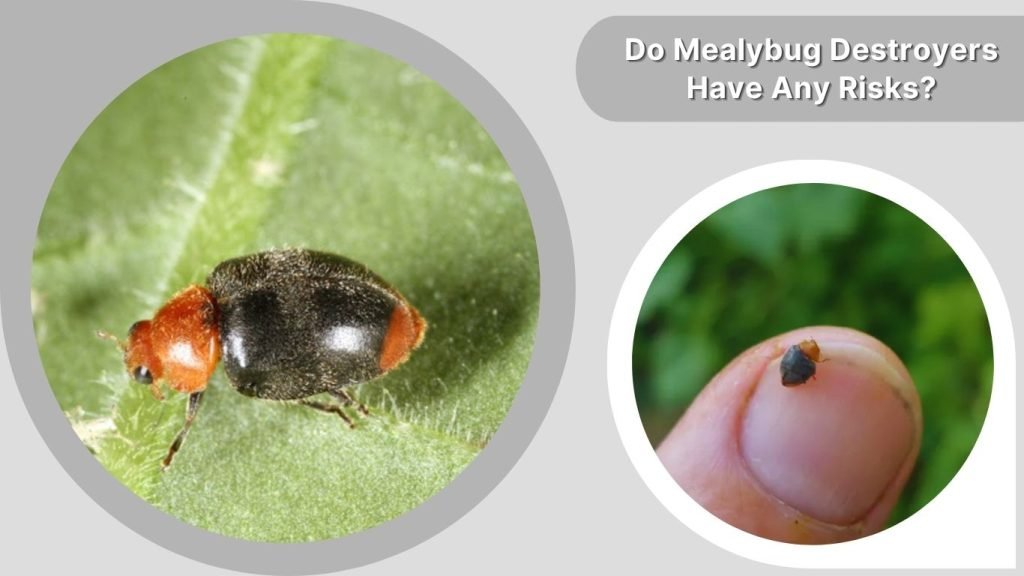
Mealybug destroyers are generally safe and beneficial, but there are a few considerations to keep in mind. They do not pose any danger to humans, pets, or plants, making them a preferred choice for natural pest control.
One limitation is that they may leave the area if there is not enough food available. In addition, ants can interfere with their effectiveness by protecting mealybugs from predators. Managing ant populations can significantly improve results when using these beetles.
Overall, their benefits far outweigh any minor drawbacks, especially when used correctly in the right conditions.
Common Problems and Solutions
Ants Protecting Mealybugs
- Ants defend mealybugs from predators
- Use barriers or natural ant control methods
- Remove ant trails near plants
Not Seeing Results
- Ensure there are enough mealybugs present
- Release during warm conditions
- Avoid chemical interference
Storage and Handling Issues
- Store briefly in a cool place if needed
- Do not keep them for long periods
- Release as soon as possible after purchase
FAQs
What is a mealybug destroyer?
A mealybug destroyer is a beneficial lady beetle that feeds on mealybugs and helps control infestations naturally. It is commonly used in gardens, greenhouses, and indoor plants as a biological pest control solution.
Are mealybug destroyers safe to have in the home?
Yes, they are completely safe for indoor use. They do not harm humans, pets, or plants and are often used on houseplants to eliminate mealybugs without chemicals.
Do mealybug destroyers really work?
Yes, they are highly effective, especially during their larval stage. When released in the right conditions with enough prey, they can significantly reduce or eliminate mealybug infestations.
How can I tell the difference between larvae and mealybugs?
Mealybug destroyer larvae look similar but are larger, more active, and move faster. Mealybugs are slower and remain attached to plants, while larvae actively hunt across surfaces.
Where can I buy mealybug destroyers?
They are available from online biological suppliers, garden centers, and specialty pest control stores. Availability may vary depending on your location and climate.
