
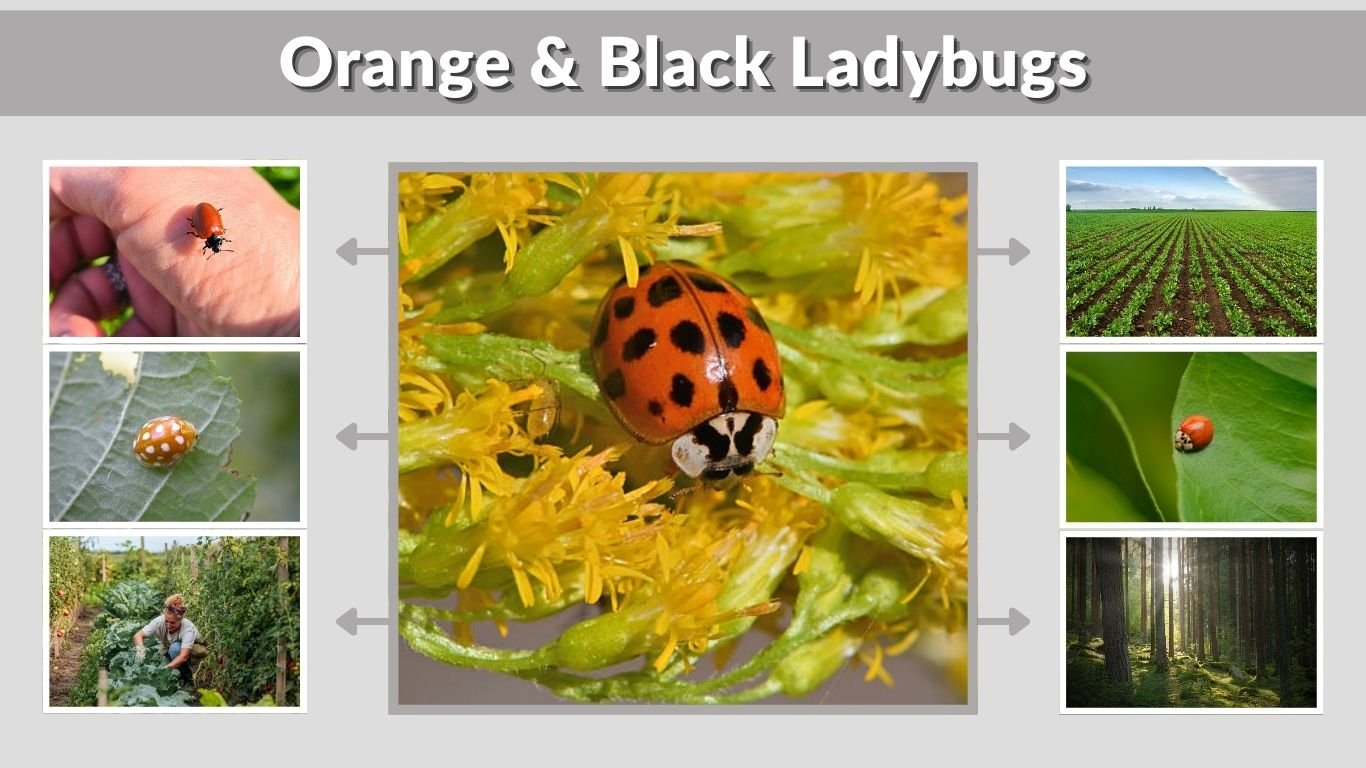
Orange and black ladybugs are among the most fascinating variations of ladybird beetles, often catching attention due to their unusual colors and spot patterns. While many people are familiar with the classic red ladybug, these variations raise questions about safety, meaning, and identification. In this guide, you’ll learn about the different types of orange and black ladybugs, why they look the way they do, and whether they pose any risk to humans or homes.
What Are Orange and Black Ladybugs?
Orange and black ladybugs are simply color variations of ladybird beetles, a group of beneficial insects known for feeding on pests like aphids. Their color can range from pale yellow-orange to deep burnt orange or even black with contrasting spots.
These variations are completely natural and depend on species, age, and environmental conditions. Many people mistake them for different insects, but in most cases, they belong to the same broader ladybug family. Their unique appearance often leads to curiosity about whether they are harmful or carry special meanings.
Common Types of Orange Ladybugs
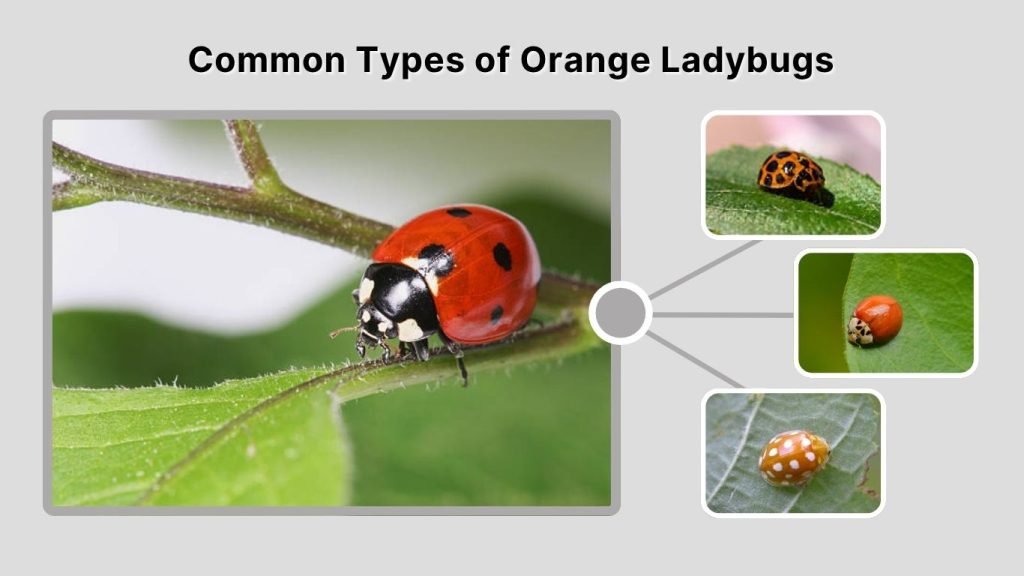
Orange ladybugs are among the most frequently spotted variations, especially in gardens and around homes. Their spot patterns can differ significantly depending on species and maturity.
Orange Ladybugs With Black Spots
These are the most recognizable orange ladybugs and are commonly seen worldwide. Their spots can vary in number and size, making identification a bit tricky.
- Often belong to the Asian lady beetle species
- Spot numbers may range from none to over a dozen
- Colors can shift from light orange to deep red-orange
Orange Ladybugs Without Spots
Spotless orange ladybugs often confuse people, as they don’t match the typical image of a ladybug. However, they are quite common in certain situations.
- Newly emerged adults may not have developed spots yet
- Some species naturally have very faint or no spots
- Their color may darken and spots may appear over time
Orange Ladybugs With White Spots
These are less common but visually striking, making them easy to notice when found.
- Usually found in specific habitats like forests
- White or pale spots contrast strongly with orange bodies
- Often mistaken for entirely different beetle species
Black Ladybugs With Orange Spots
Black ladybugs with orange or red spots are another eye-catching variation. Their darker body makes the spots stand out more clearly, which can sometimes cause confusion with other beetles.
How to Identify Them
Unlike orange ladybugs, these insects have a darker shell with bright contrasting spots. Their shape and size remain similar to other ladybugs, which helps confirm their identity.
Common Characteristics
- Typically have two or more orange spots
- Body is glossy black and dome-shaped
- Found in gardens, trees, and wooded areas
Despite their unusual look, they behave just like other ladybugs and play the same beneficial role in controlling pests.
Are Orange or Black Ladybugs Poisonous?
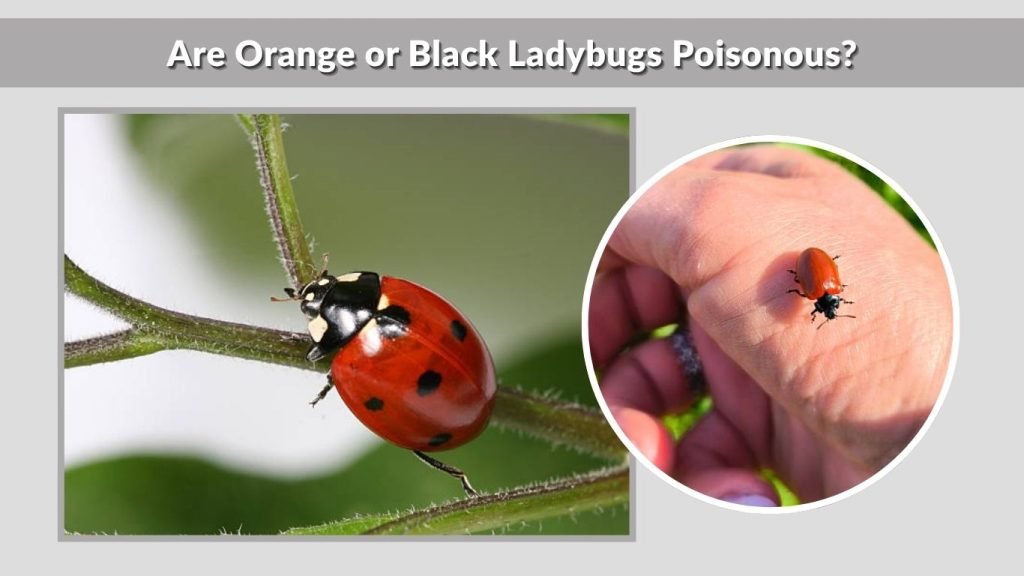
Many people worry that unusual colors might indicate danger, but orange and black ladybugs are not poisonous to humans. They are generally harmless and beneficial insects.
However, they do have a defense mechanism. When threatened, they can release a yellowish fluid that has a strong smell. This substance is not toxic but may cause mild skin irritation in sensitive individuals.
Some orange ladybugs, especially Asian lady beetles, may also give a small bite if handled. These bites are rare and typically harmless, causing only slight discomfort at most.
Why Do Ladybugs Have Different Colors and Spots?
The variety in ladybug colors and patterns is mainly due to biological and environmental factors. These differences help them survive in different conditions and can even act as a warning to predators.
Color and spot variation is influenced by genetics, which determines the species and its typical appearance. Age also plays a role, as newly emerged ladybugs often appear lighter and develop darker colors and spots over time.
Environmental conditions, such as temperature and diet, can slightly affect coloration as well. This is why you may notice differences even within the same species.
Meaning and Symbolism of Orange and Black Ladybugs

Ladybugs have long been associated with luck and positive energy across different cultures. The color variations of orange and black add deeper symbolic meanings that many people find intriguing.
Orange Ladybug Meaning
Orange ladybugs are often linked to energy, creativity, and transformation. Their bright color represents change and personal growth.
- Symbol of motivation and new beginnings
- Associated with creativity and inspiration
- Often seen as a sign of positive change ahead
Black Ladybug With Orange Spots Meaning
Black ladybugs with orange spots carry a more mysterious symbolism. Their darker appearance is often connected to protection and inner strength.
- Represents protection and resilience
- Linked to balance between light and dark
- Sometimes viewed as a sign of hidden strength
Where Are Orange and Black Ladybugs Found?
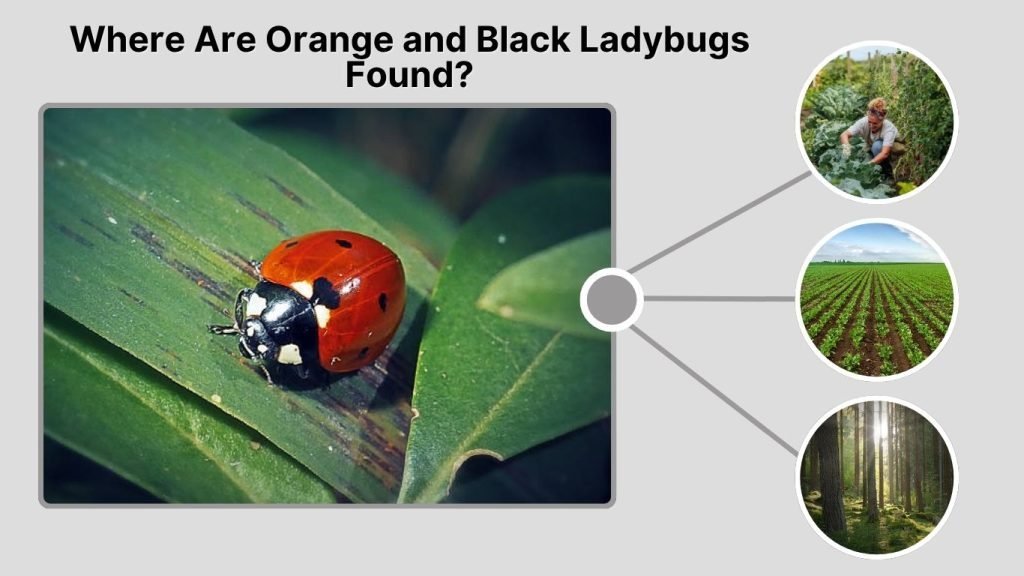
Orange and black ladybugs can be found in many parts of the world, especially in regions with abundant plant life. They thrive in environments where food sources like aphids are easily available.
These ladybugs are commonly seen in gardens, farms, forests, and even urban areas. In warmer months, they are active outdoors, while in colder seasons, they often seek shelter in homes or buildings. Their wide distribution makes them one of the most recognizable beneficial insects globally.
Why Orange Ladybugs Enter Homes
During certain times of the year, especially in autumn, orange ladybugs begin searching for warm places to survive the colder months. This behavior often leads them into houses.
Common Reasons They Come Indoors
- Seeking warmth during cold weather
- Attracted to sunlight and light-colored walls
- Enter through small cracks, windows, or vents
How to Prevent Them
- Seal cracks around doors and windows
- Use screens on vents and openings
- Reduce outdoor lighting near entry points
Are Orange Ladybugs Good or Bad?
Orange and black ladybugs are generally considered beneficial insects. They play an important role in maintaining ecological balance by feeding on harmful pests.
Benefits of Ladybugs
- Control aphids and other plant pests
- Support healthy gardens and crops
- Reduce the need for chemical pesticides
When They Become a Nuisance
- Gather in large numbers inside homes
- Leave stains due to defensive fluid
- Can cause mild irritation in rare cases
How to Identify an Orange or Black Ladybug
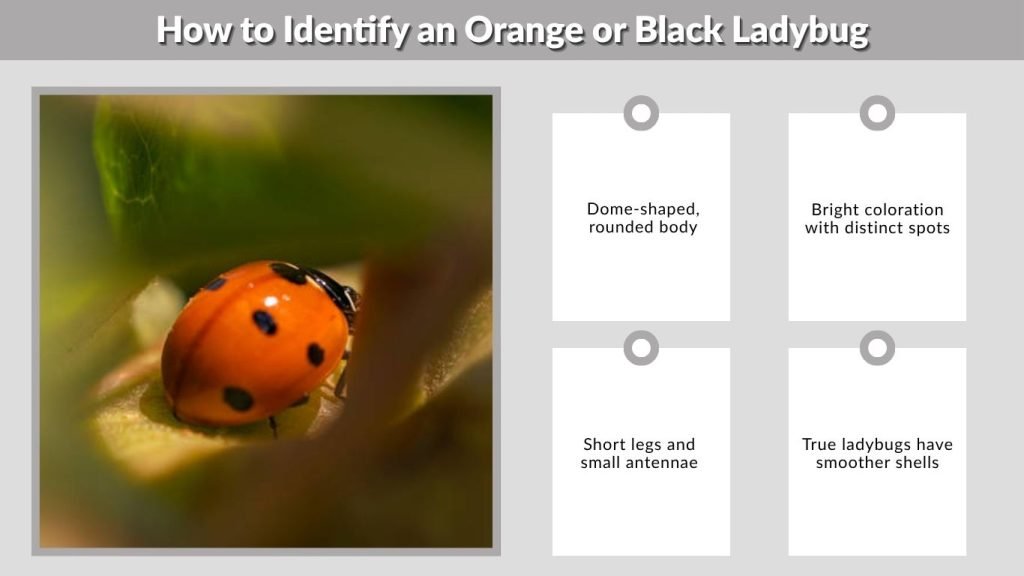
Identifying these ladybugs correctly can help you distinguish them from look-alike insects.
Key Identification Features
- Dome-shaped, rounded body
- Bright coloration with distinct spots
- Short legs and small antennae
Differences From Look-Alikes
- True ladybugs have smoother shells
- Move slower compared to other beetles
- Have more compact and rounded shapes
FAQs
Can orange ladybugs bite humans?
Yes, they can occasionally bite, especially if they feel threatened. The bite is usually mild and does not cause serious harm. Most people only experience slight discomfort, and reactions are rare.
Why does my orange ladybug have no spots?
A spotless orange ladybug is often newly emerged and hasn’t developed its spots yet. In some species, adults naturally have very few or no spots, which is completely normal.
Are orange ladybugs invasive?
Some species, like the Asian lady beetle, are considered invasive in certain regions. They can outcompete native species but still provide benefits by controlling pests in gardens and crops.
What attracts ladybugs to houses?
Ladybugs are attracted to warmth, sunlight, and light-colored surfaces. During colder months, they seek shelter indoors to survive winter conditions, often entering through small openings.
How can I safely remove ladybugs from my home?
You can gently collect them using a container or vacuum and release them outside. Avoid crushing them, as they release a yellow fluid that can stain surfaces and produce an unpleasant odor.
