
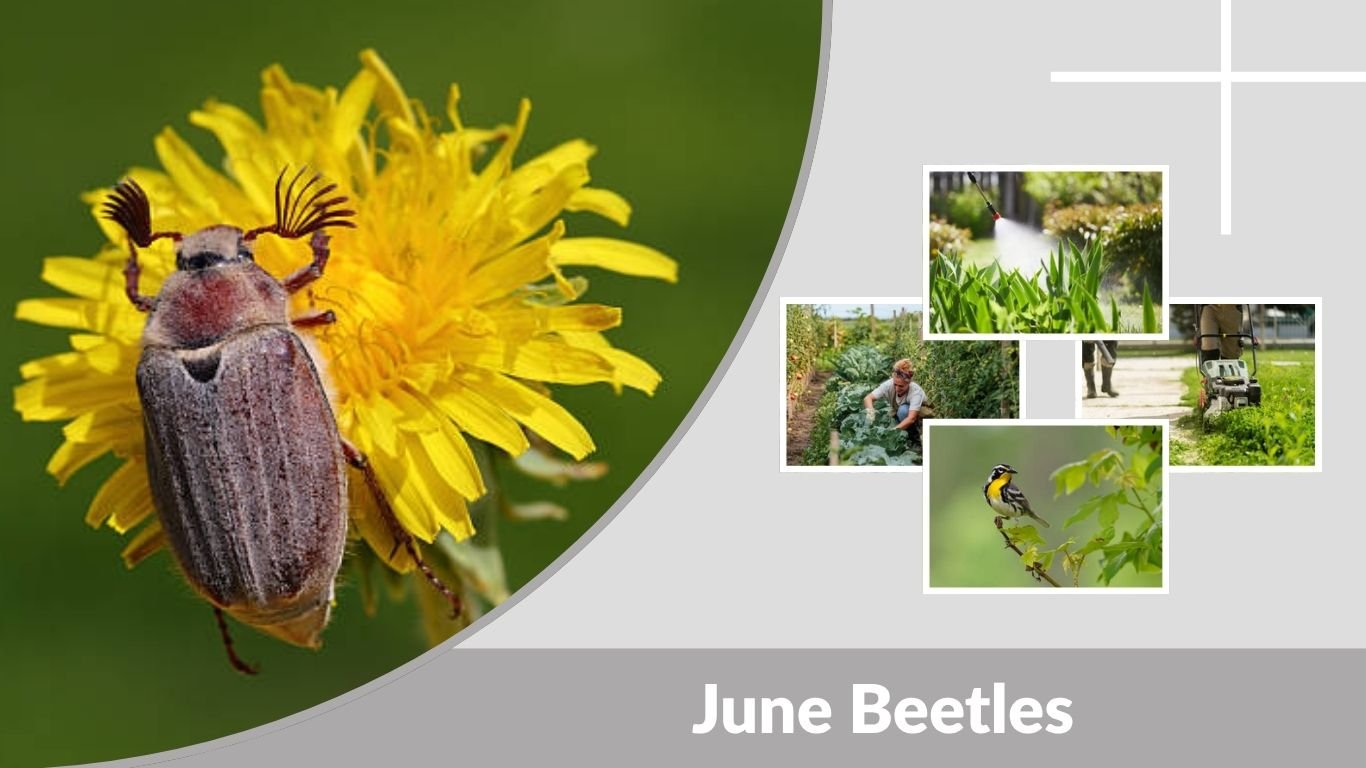
June beetles, often called June bugs, are among the most recognizable insects of early summer. Their sudden appearance, clumsy flight, and attraction to lights make them hard to ignore. While some people see them as harmless seasonal visitors, others associate them with lawn damage and garden problems. Understanding their characteristics, behavior, and early life stages helps you identify them correctly and decide whether they are a concern in your environment or simply part of the natural ecosystem.
What Is a June Beetle?
June beetles belong to a large group of scarab beetles known for their sturdy bodies and soil-dwelling larvae. These insects are most active during warmer months, especially late spring and early summer. Although commonly called “June beetles,” their exact appearance time may vary depending on regional climate conditions.
They are nocturnal insects, meaning they become active after sunset. Their strong attraction to artificial lights often brings them close to homes, where they may gather around bulbs, windows, or outdoor fixtures. Despite their somewhat alarming buzzing sound, they are generally harmless to humans.
Scientific Background
June beetles are part of the Scarabaeidae family, which includes many other well-known beetles. The name “June bug” is used broadly and may refer to several related species rather than a single type. This explains why their size, color, and behavior can vary slightly from one location to another.
June Beetle Physical Characteristics
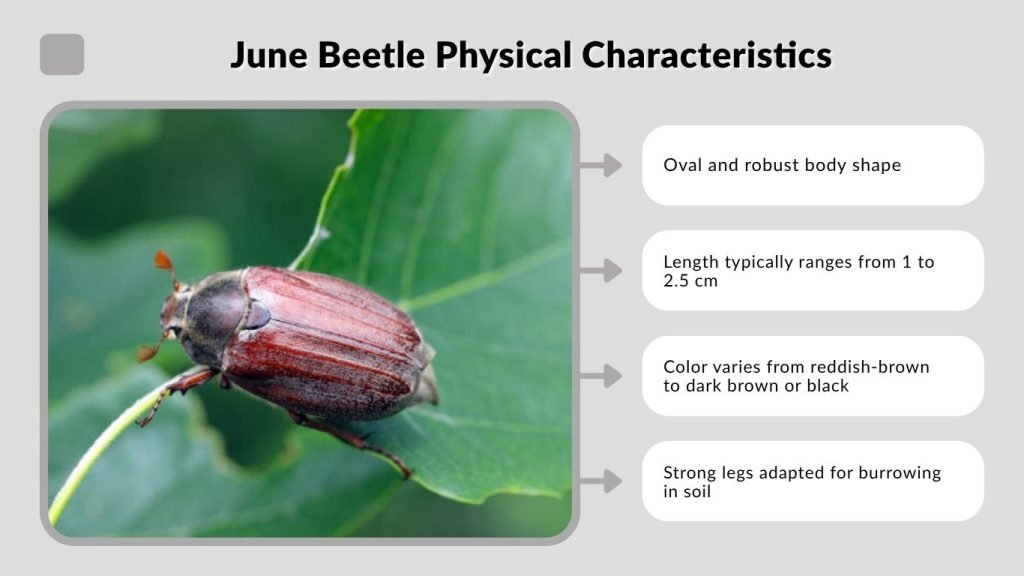
June beetles have a distinctive look that makes them relatively easy to identify once you know what to look for. Their bodies are built for durability and digging, reflecting both their above-ground and underground life stages.
- Oval and robust body shape
- Length typically ranges from 1 to 2.5 cm
- Color varies from reddish-brown to dark brown or black
- Hard wing covers (elytra) protect delicate flying wings
- Strong legs adapted for burrowing in soil
Their flight is often described as clumsy. They produce a noticeable buzzing sound and frequently collide with objects, including walls, trees, and even people. This behavior is largely due to their attraction to light and limited flight precision.
Life Cycle of a June Beetle
The life cycle of a June beetle is longer and more complex than many people expect. While adults are only visible for a short time, most of their lives are spent hidden underground in earlier stages. This extended development is one reason they can become persistent lawn pests.
Egg Stage
Female June beetles lay their eggs in the soil during the summer months. They typically choose areas with suitable moisture and organic matter, such as lawns or garden beds. The eggs remain hidden and hatch within a few weeks under favorable conditions.
Larval Stage (White Grubs)
After hatching, the larvae—commonly known as white grubs—begin feeding on plant roots. This stage lasts the longest and can continue for one to three years depending on the species and environmental conditions.
During this time, grubs remain underground and are rarely seen unless soil is disturbed. However, their feeding can cause noticeable damage to grass and crops, especially if large numbers are present. This stage is the primary reason June beetles are sometimes considered pests.
June Beetle Habitat and Distribution
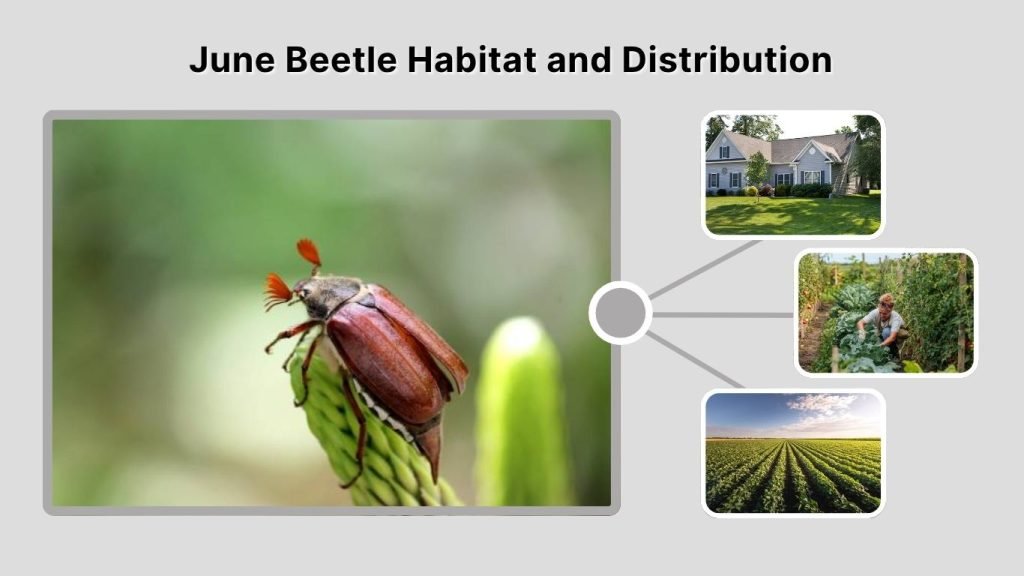
June beetles are widely distributed and can adapt to a variety of environments. They are commonly found in regions with moderate to warm climates, where soil conditions support their underground development.
These beetles thrive in areas where both larvae and adults can find food and shelter. Lawns, gardens, agricultural fields, and grassy landscapes provide ideal conditions for their life cycle to continue uninterrupted.
Where They Are Commonly Found
- Residential lawns and backyard gardens
- Agricultural fields and crop areas
- Forest edges and grassy open spaces
Environmental Preferences
- Moist, well-aerated soil for egg-laying
- Abundant plant roots for larval feeding
- Nearby vegetation for adult feeding
Adults are often seen flying around outdoor lights at night, especially during peak season. Their presence near homes is usually temporary and linked to their natural attraction to light rather than a desire to invade indoor spaces.
June Beetle Behavior and Feeding Habits
June beetles follow a predictable pattern of activity that centers around nighttime movement and feeding. Their behavior changes slightly between life stages, but both larvae and adults rely heavily on plant-based food sources.
Adult beetles typically emerge after sunset and spend the night flying, feeding, and searching for mates. During the day, they remain hidden in vegetation or soil to avoid predators and environmental stress.
Feeding Patterns
- Adults feed on leaves, flowers, and soft plant tissue
- Larvae consume grass roots and organic matter in soil
- Feeding activity increases during warm, humid conditions
Their underground feeding as larvae can weaken plants by damaging root systems, while adult feeding usually results in minor leaf damage. In most cases, the visible impact from adults is less severe than the hidden damage caused by grubs beneath the surface.
Are June Beetles Harmful or Beneficial?
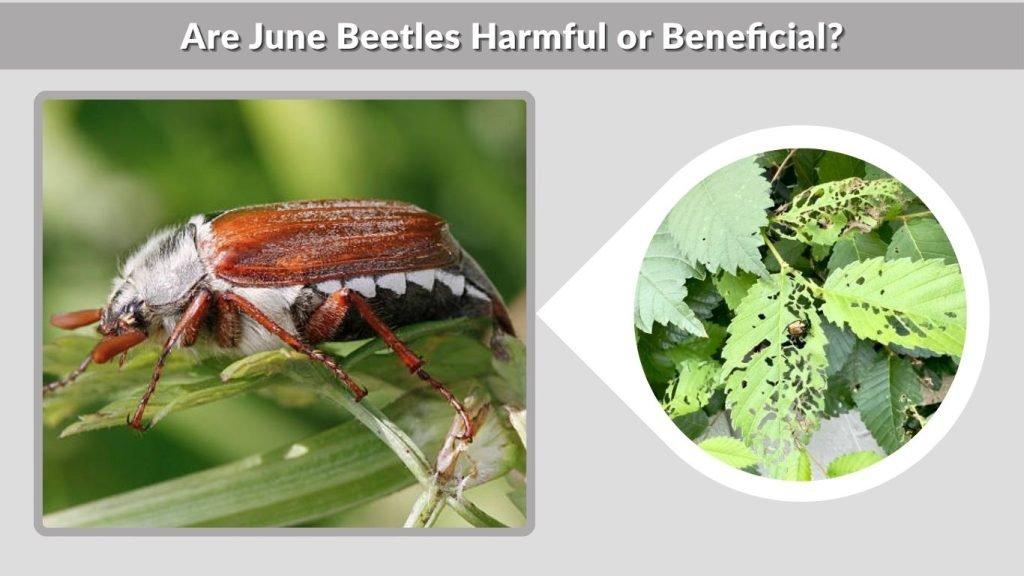
June beetles often raise concern because of their impact on lawns and plants, but their role in nature is more balanced than it seems. While they can cause visible damage, they also contribute to ecological systems in important ways. Understanding both sides helps you respond appropriately rather than overreacting to their presence.
Potential Damage
- Larvae (grubs) feed on grass roots, causing brown patches
- Heavy infestations can weaken or kill sections of lawn
- Adults may chew on leaves, though damage is usually minor
Ecological Benefits
- Serve as a food source for birds, frogs, and small mammals
- Help break down organic matter in soil
- Contribute to natural soil aeration through movement
Signs of a June Beetle Infestation
Identifying an infestation early can prevent long-term lawn damage. Most signs are linked to the larval stage, which occurs underground and often goes unnoticed until visible symptoms appear on the surface.
Common Lawn Indicators
- Irregular brown or thinning patches in grass
- Grass that lifts easily due to weakened roots
- Reduced growth despite proper watering
Animal Activity Clues
- Increased digging by birds or animals like raccoons
- Small holes or disturbed soil in lawns
- Presence of predators feeding on grubs
Visible Beetle Presence
- Frequent sightings of adult beetles at night
- Beetles gathering around lights or windows
- Occasional indoor entry through open spaces
How to Get Rid of June Beetles
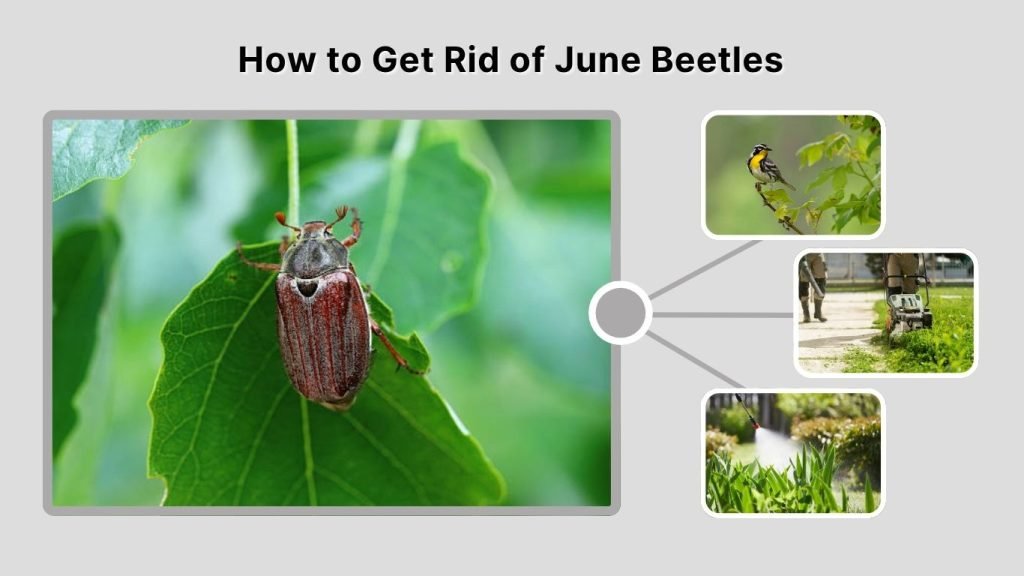
Managing June beetles depends on the severity of the problem. Light activity may not require action, while larger infestations call for more targeted control. A combination of natural and practical methods often works best.
Natural Control Methods
- Introduce beneficial nematodes to target grubs in soil
- Encourage birds and natural predators
- Maintain biodiversity in your garden
Lawn Care Practices
- Water deeply but less frequently to strengthen roots
- Mow grass at an appropriate height
- Aerate soil to improve health and reduce grub survival
Chemical Options
- Use insecticides only when infestation is severe
- Apply treatments during the larval stage for effectiveness
- Follow safety guidelines to protect pets and plants
Prevention Tips
Preventing June beetles is easier than dealing with an established infestation. Consistent lawn care and small environmental adjustments can significantly reduce their presence over time.
Reduce Light Attraction
- Turn off unnecessary outdoor lights at night
- Use warm-colored or yellow bulbs to minimize attraction
- Position lights away from entrances and windows
Maintain Healthy Soil
- Regularly fertilize to keep grass strong
- Avoid overwatering, which attracts egg-laying females
- Monitor soil condition throughout the year
Early Monitoring
- Check for grubs during late summer and early fall
- Treat soil early if signs appear
- Keep lawn clean of excess organic debris
Ecological Importance
Despite their reputation as pests, June beetles play a valuable role in maintaining ecological balance. Their larvae help break down organic material, enriching the soil and supporting plant growth over time. Additionally, they are an essential food source for many animals, forming a link in the food chain that supports biodiversity.
Their presence, when not excessive, indicates a functioning ecosystem. Rather than eliminating them entirely, managing their population is often the more sustainable approach.
FAQs
What attracts June beetles to homes?
June beetles are strongly drawn to artificial lighting. Bright outdoor lights, illuminated windows, and porch fixtures attract them at night, causing them to gather around homes or accidentally enter indoor spaces.
Do June beetles bite or harm humans?
June beetles do not bite, sting, or pose any direct threat to humans. They may feel slightly prickly if they land on your skin, but they are harmless and do not transmit diseases.
How long do June beetles live?
The adult beetle typically lives for a few weeks to a few months. However, the full life cycle, including the larval stage underground, can last between one and three years.
Why do June beetles fly into people?
Their clumsy flight and strong attraction to light often cause them to collide with objects, including people. This behavior is unintentional and not aggressive.
Are June beetles dangerous to pets?
June beetles are not toxic, but pets that eat large numbers of them may experience mild digestive discomfort. It is best to discourage pets from consuming insects regularly.
