
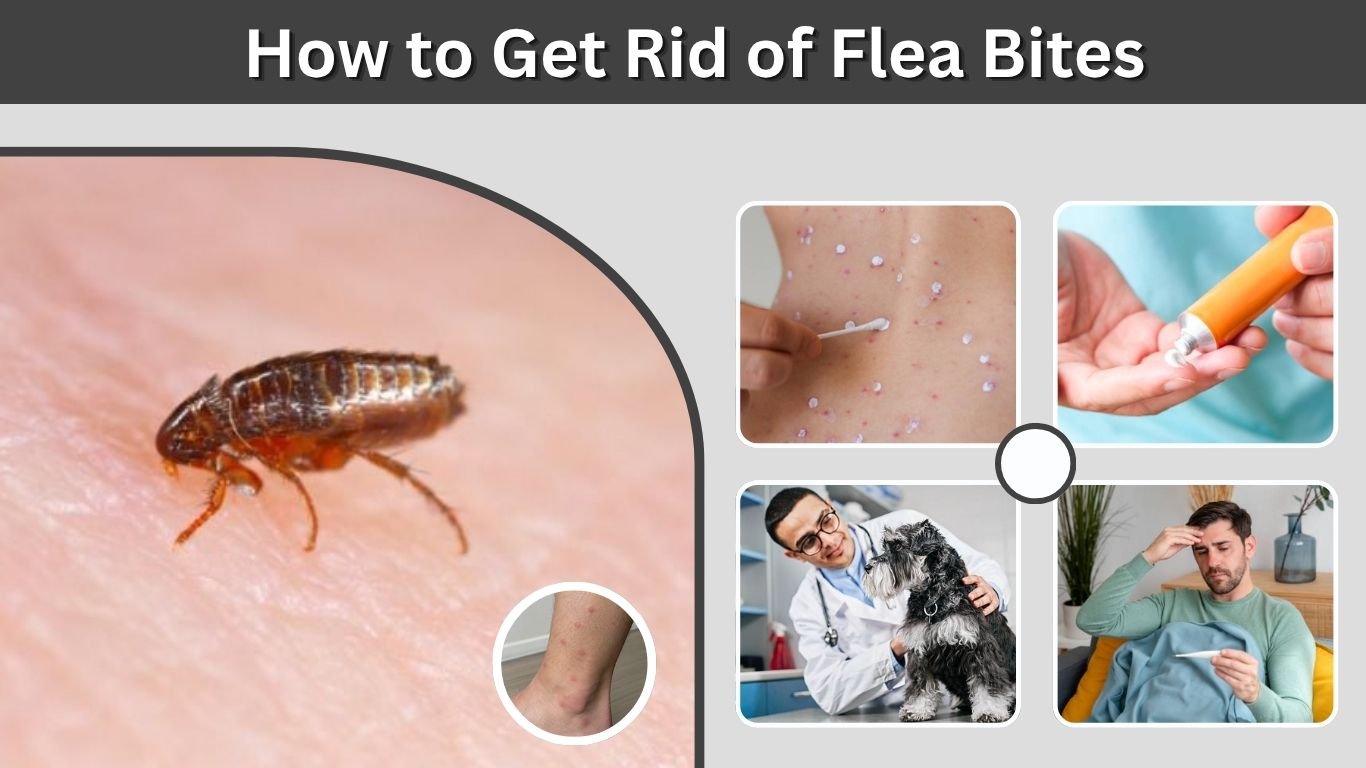
Flea bites can cause intense itching, red or discolored bumps, and uncomfortable skin irritation that lasts for several days. Learning how to get rid of flea bites involves soothing the affected skin, preventing infection, and eliminating fleas from your surroundings. Simple treatments such as cold compresses, anti-itch creams, and proper cleaning can provide relief. However, repeated bites may continue if fleas remain on pets, carpets, or furniture. This guide explains effective flea bite treatments, natural relief methods, healing times, and ways to prevent future infestations.
How to Get Rid of Flea Bites Fast
Getting rid of flea bites starts with reducing inflammation and preventing additional skin irritation. Most uncomplicated flea bites heal naturally, but itching can make the recovery process uncomfortable. Although no treatment removes bite marks instantly, several simple methods can provide noticeable symptom relief. Prompt cleaning and appropriate skin care also reduce the risk of developing secondary bacterial infections.
Step-by-Step Flea Bite Treatment
Follow these steps to treat flea bites safely:
- Wash the affected area: Gently clean the bites with mild soap and water to remove dirt and bacteria.
- Apply a cold compress: Hold a cool, damp cloth against the skin for 10–15 minutes.
- Use anti-itch cream: Apply an appropriate over-the-counter hydrocortisone cream according to the label.
- Consider an antihistamine: An age-appropriate oral antihistamine may reduce itching.
- Avoid scratching: Keep fingernails short to reduce skin damage.
- Monitor healing: Watch for increasing swelling, redness, pain, or discharge.
Can You Get Rid of Flea Bites Overnight?
Flea bites generally cannot disappear completely overnight. However, cold compresses and suitable anti-itch treatments may reduce discomfort within hours.
Small bumps often remain visible for several days, while stronger reactions can take longer to resolve.
Treating the flea infestation is equally important because new bites can develop while fleas remain nearby.
How to Stop Flea Bites From Itching
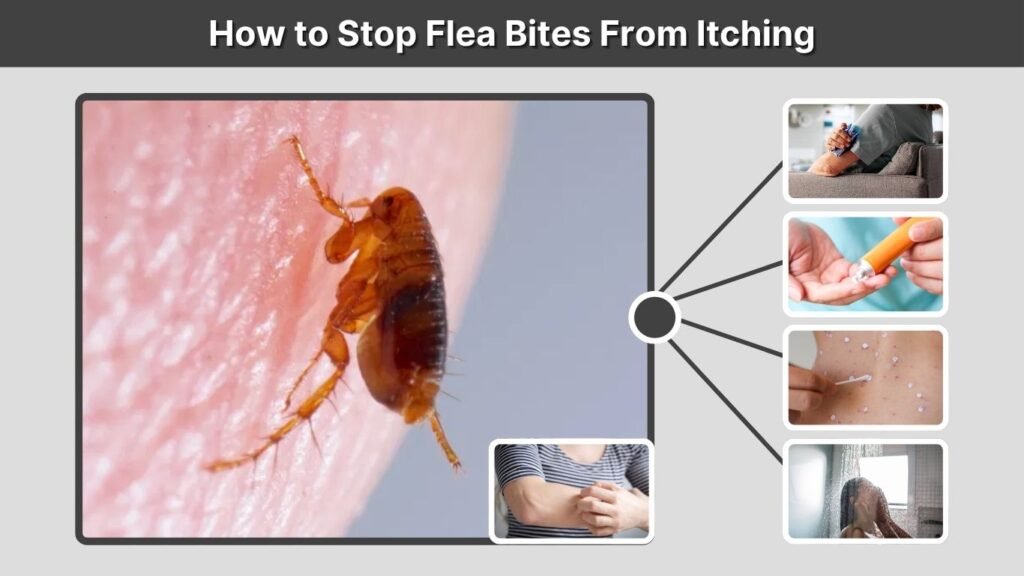
Flea bite itching occurs because the immune system reacts to proteins introduced through flea saliva. This reaction produces inflammation, swelling, and irritation around the bite. Some individuals experience mild itching, while others develop intense discomfort or larger inflamed areas. Appropriate anti-itch treatments help reduce symptoms and prevent scratching that could delay healing or cause infection.
Best Ways to Relieve Flea Bite Itching
Several treatments may help control itching:
- Cold compresses: Temporarily soothe irritation and swelling.
- Hydrocortisone cream: Helps reduce inflammation when used as directed.
- Oral antihistamines: May relieve itching caused by allergic reactions.
- Calamine lotion: Can soothe mild skin irritation.
- Cool showers: Provide temporary relief without irritating hot water.
- Fragrance-free moisturizer: Helps protect irritated or dry skin.
Ask a healthcare professional before using medicated treatments on infants, and follow age restrictions on product labels.
What Should You Avoid Putting on Flea Bites?
Avoid applying bleach, alcohol, concentrated essential oils, or harsh household chemicals to flea bites.
These substances may irritate the skin and worsen inflammation.
Hot water and aggressive scrubbing can also increase discomfort.
Do not apply topical steroid creams to potentially infected skin without medical advice.
How Long Do Flea Bites Take to Heal?
Most flea bites are temporary skin reactions that gradually disappear without causing lasting damage. Healing time depends on individual sensitivity, bite severity, scratching, and whether additional bites occur. Some people recover within a few days, while others experience prolonged itching or discoloration. Understanding normal healing patterns helps distinguish minor irritation from complications requiring medical assessment.
Normal Flea Bite Healing Time
Mild flea bites often improve within several days and may resolve within one to two weeks.
People with stronger allergic reactions can experience itching or swelling for longer periods.
Scratching may reopen healing skin, increasing inflammation and delaying recovery.
If symptoms persist, worsen, or appear unusual, consult a healthcare professional.
How to Get Rid of Flea Bite Scars
Flea bites sometimes leave dark marks called post-inflammatory hyperpigmentation, particularly on darker skin tones.
These marks are not always permanent scars and may gradually fade over several weeks or months.
Avoid picking at healing bumps, moisturize the skin, and use sunscreen on exposed areas to prevent discoloration from becoming more noticeable.
A dermatologist can recommend suitable treatments for persistent marks or true scarring.
Can Flea Bites Get Infected or Make You Sick?
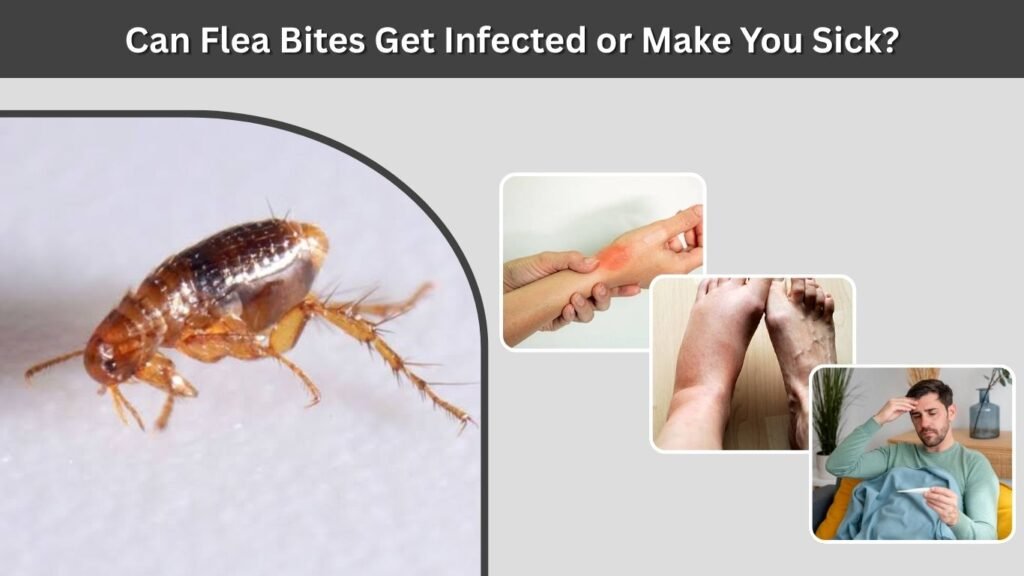
Most flea bites produce localized itching rather than serious illness. However, excessive scratching can break the skin and introduce bacteria, occasionally causing infection. Fleas can also transmit certain diseases in specific geographic areas, although these infections are uncommon in many settings. Recognizing warning signs helps distinguish ordinary skin irritation from conditions that require medical attention.
Signs of an Infected Flea Bite
Watch for these symptoms:
- Increasing redness or discoloration: Inflammation spreads beyond the original bite.
- Swelling: The affected area becomes increasingly enlarged.
- Warmth: Skin feels unusually hot around the bite.
- Pus or drainage: Fluid develops from the irritated skin.
- Increasing pain: Tenderness becomes worse instead of improving.
- Fever: General illness develops alongside worsening skin symptoms.
Can Humans Get Sick From Flea Bites?
Yes, although serious flea-borne diseases are relatively uncommon in many regions.
Certain infected fleas can transmit illnesses such as flea-borne typhus or plague.
Fleas can also carry tapeworm larvae, but human infection generally occurs through accidentally swallowing an infected flea rather than through a bite.
Seek medical attention for unexplained fever or illness following relevant flea exposure.
When Should You See a Doctor?
Seek medical care if a bite becomes increasingly painful, swollen, or infected.
A spreading rash, fever, or persistent symptoms also warrant assessment.
Difficulty breathing, fainting, or swelling of the lips or throat may indicate a severe allergic reaction requiring immediate emergency treatment.
How to Stop Getting Bitten by Fleas
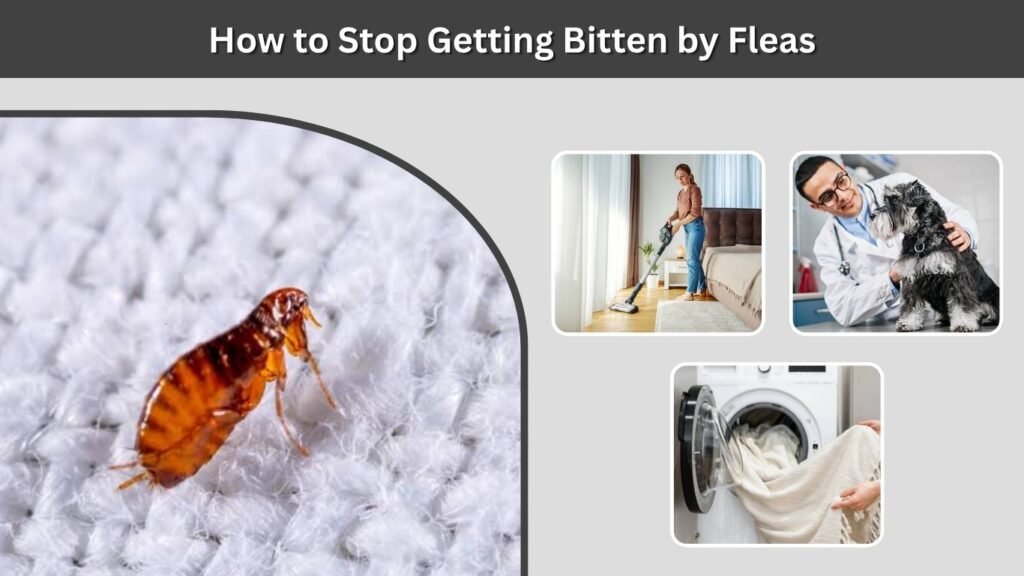
Treating existing bites provides temporary comfort, but preventing additional bites requires addressing the source of the infestation. Fleas may live on pets, while their eggs, larvae, and pupae develop in carpets, bedding, and other sheltered environments. Effective control generally combines pet treatment with household cleaning and continued prevention. Without these measures, new fleas may emerge and cause repeated bites.
Ways to Prevent Future Flea Bites
Use these practical prevention methods:
- Treat pets: Follow veterinarian-recommended flea prevention for dogs and cats.
- Vacuum regularly: Clean carpets, rugs, furniture, and floor edges.
- Wash bedding: Launder pet bedding and washable household linens regularly.
- Inspect pet resting areas: Check locations where fleas commonly develop.
- Maintain outdoor areas: Reduce favorable flea habitats around frequently used spaces.
- Continue prevention: Follow recommended treatment schedules to interrupt the flea lifecycle.
Why Am I the Only One Getting Flea Bites?
Some people develop stronger visible reactions to flea saliva than others.
Two individuals may experience similar exposure, but only one develops noticeable itchy bumps.
Differences in skin sensitivity, immune responses, and time spent near flea-infested areas can explain this pattern.
How to Treat Flea Bites From Pets and Outdoors
Fleas can bite humans in homes, gardens, yards, and other environments where infested animals have been present. Dog and cat fleas do not need to live permanently on human skin to cause irritation. Outdoor encounters can also produce bites, especially around areas visited by wildlife or stray animals. Identifying the exposure source helps prevent recurring problems.
Can You Get Flea Bites From Dogs and Cats?
Yes. Fleas associated with dogs and cats can feed on humans, particularly when infestations become established.
Treat affected pets with veterinarian-approved products and clean their resting areas.
Never use flea medications intended for dogs on cats unless specifically approved, because certain ingredients can be highly toxic to cats.
How to Get Rid of Sand Flea Bites
Many bites described as sand flea bites are caused by coastal biting insects or crustaceans and can be managed with basic itch relief.
However, true chigoe fleas can burrow into the skin, causing tungiasis.
Suspected embedded sand fleas require medical assessment rather than attempted removal with unsterilized tools.
FAQs
Flea bites raise common questions about treatment speed, itching, infection, and preventing repeated exposure. Although most reactions improve with basic home care, treatment results vary depending on skin sensitivity and infestation severity. Understanding what works, what to avoid, and when to seek medical attention helps manage symptoms safely. The following answers address five frequently searched questions.
1. What Is the Fastest Way to Get Rid of Flea Bites?
Wash the affected skin, apply a cold compress, and use an appropriate anti-itch treatment. These methods may relieve symptoms quickly, although the bumps themselves usually require several days to heal.
2. Can Flea Bites Go Away Without Treatment?
Yes. Most uncomplicated flea bites heal naturally. However, controlling itching and avoiding scratching can make recovery more comfortable and reduce infection risks.
3. Can Flea Bites Leave Permanent Scars?
Flea bites usually heal without permanent scarring. However, excessive scratching, severe inflammation, or infection can sometimes leave lasting marks or scars.
4. Can You Get Flea Bites During Winter?
Yes. Fleas can survive and reproduce inside heated homes throughout winter. Outdoor flea activity generally decreases in colder weather, but indoor infestations can persist.
5. How Do You Stop Flea Bites From Coming Back?
Treat pets with appropriate flea prevention, clean infested indoor areas, wash bedding, and continue recommended prevention measures. Eliminating the infestation is essential for stopping repeated bites.
