
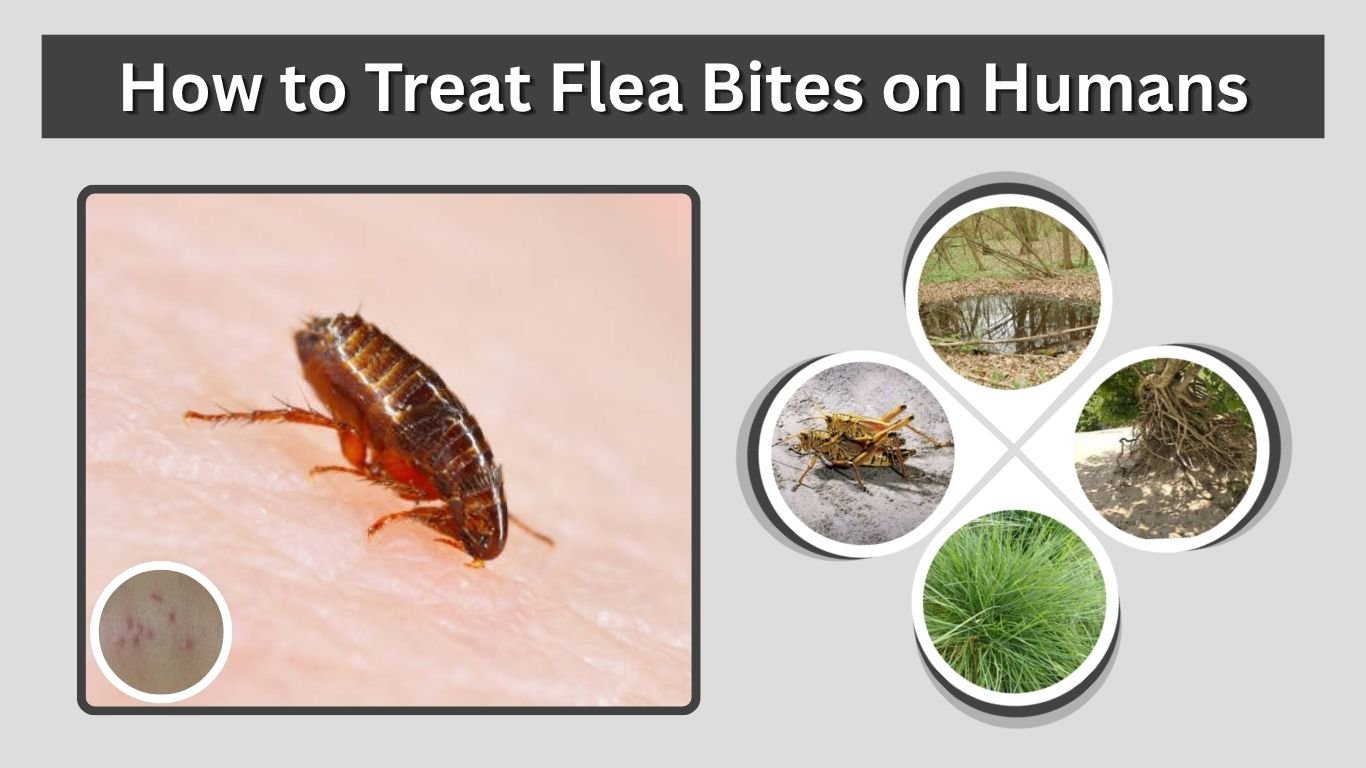
How to Treat Flea Bites on Humans: Relief and Prevention
Flea bites usually cause small, intensely itchy bumps that may appear in clusters, especially around the ankles, feet, and lower legs. Most bites improve with … Read More
Flea bites usually cause small, intensely itchy bumps that may appear in clusters, especially around the ankles, feet, and lower legs. Most bites improve with … Read More
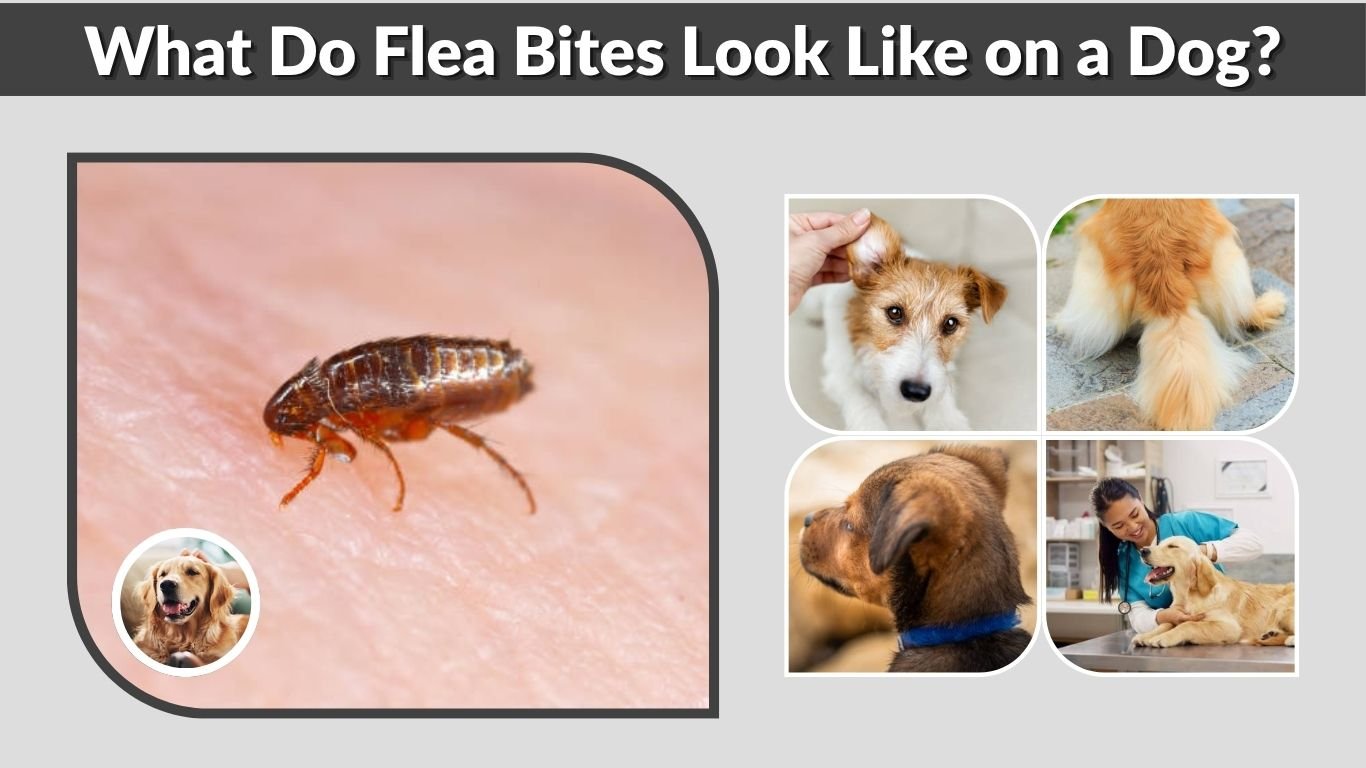
Flea bites on a dog often appear as tiny red bumps, irritated spots, or crusty scabs hidden beneath the fur. However, owners may notice the … Read More
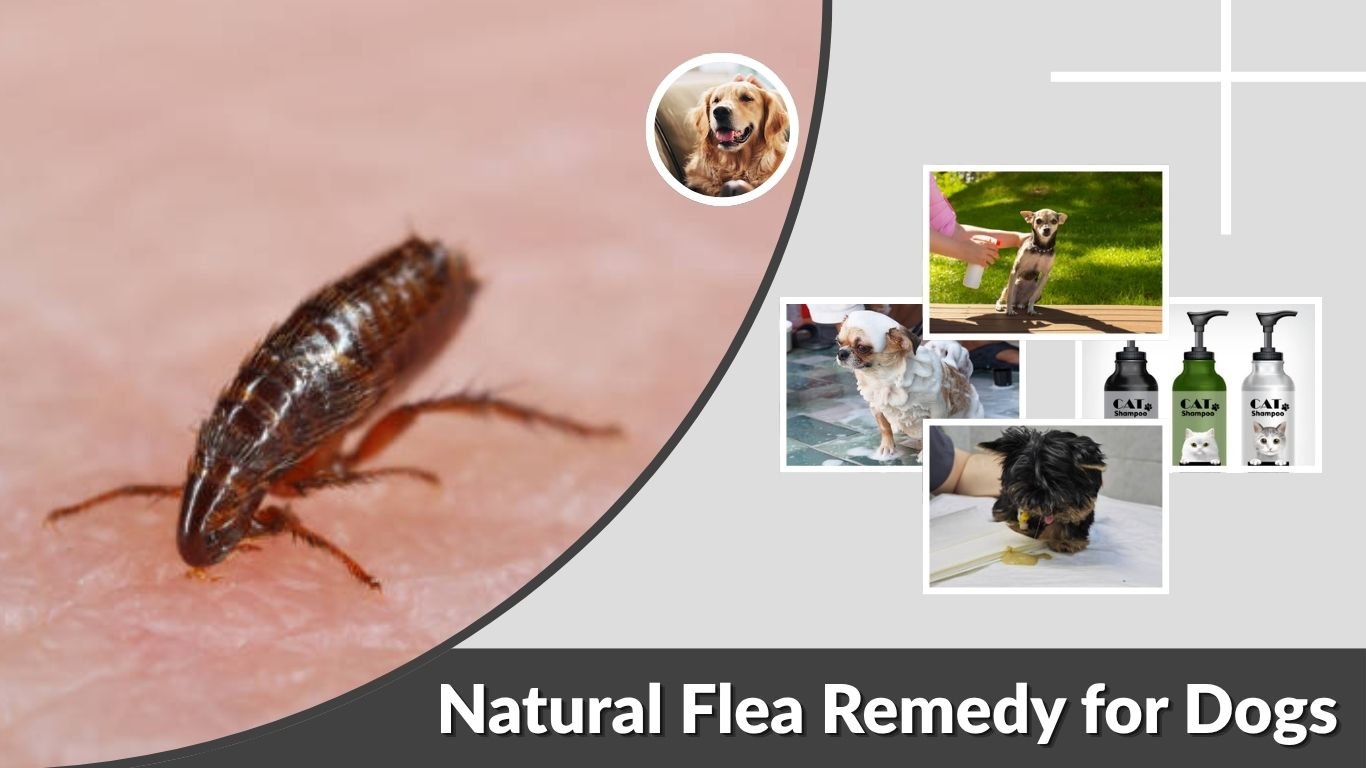
Natural flea remedies can help remove adult fleas and reduce the number developing around your home. However, no homemade treatment reliably kills every flea stage … Read More
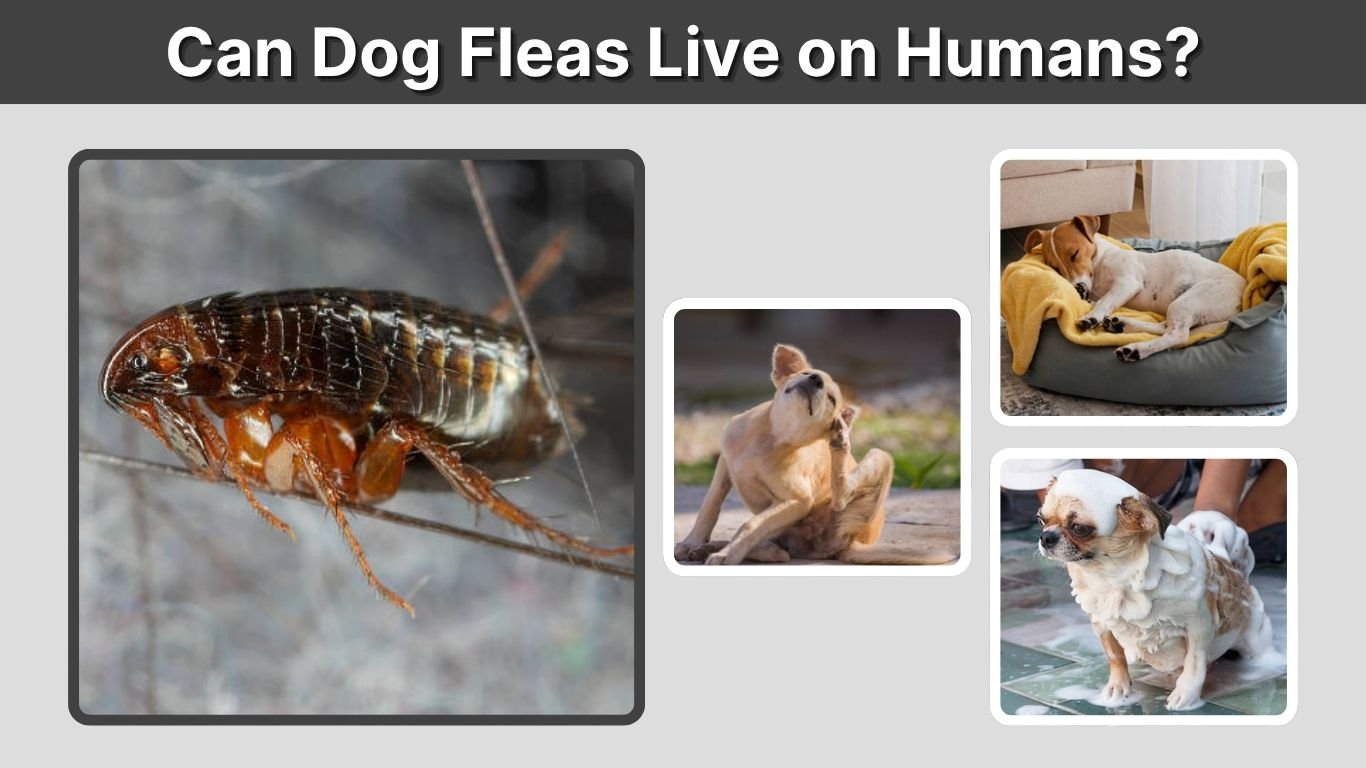
Dog fleas can jump onto humans and take a blood meal, but they usually do not live permanently on people. Humans lack the dense body … Read More
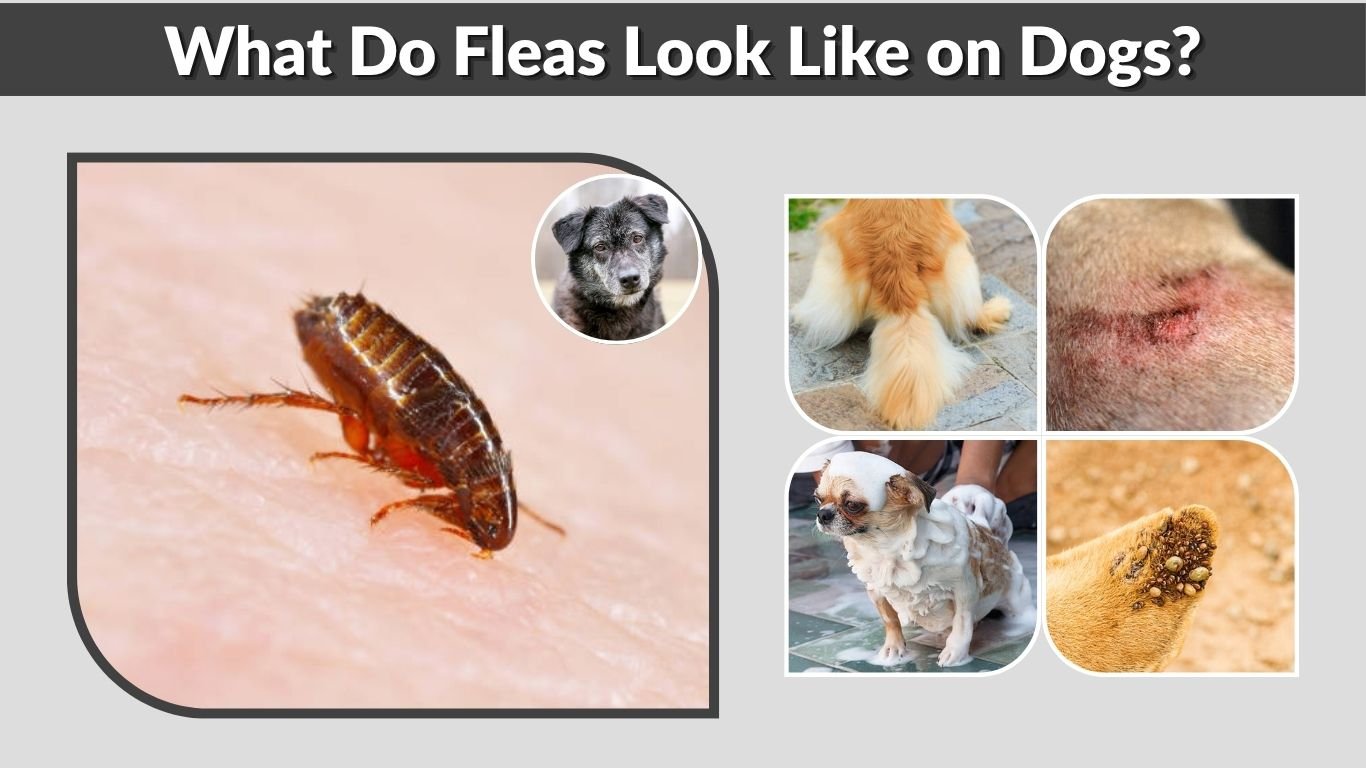
Fleas on dogs look like tiny, dark reddish-brown insects moving quickly through the coat near the skin. Adult fleas are usually easier to detect by … Read More
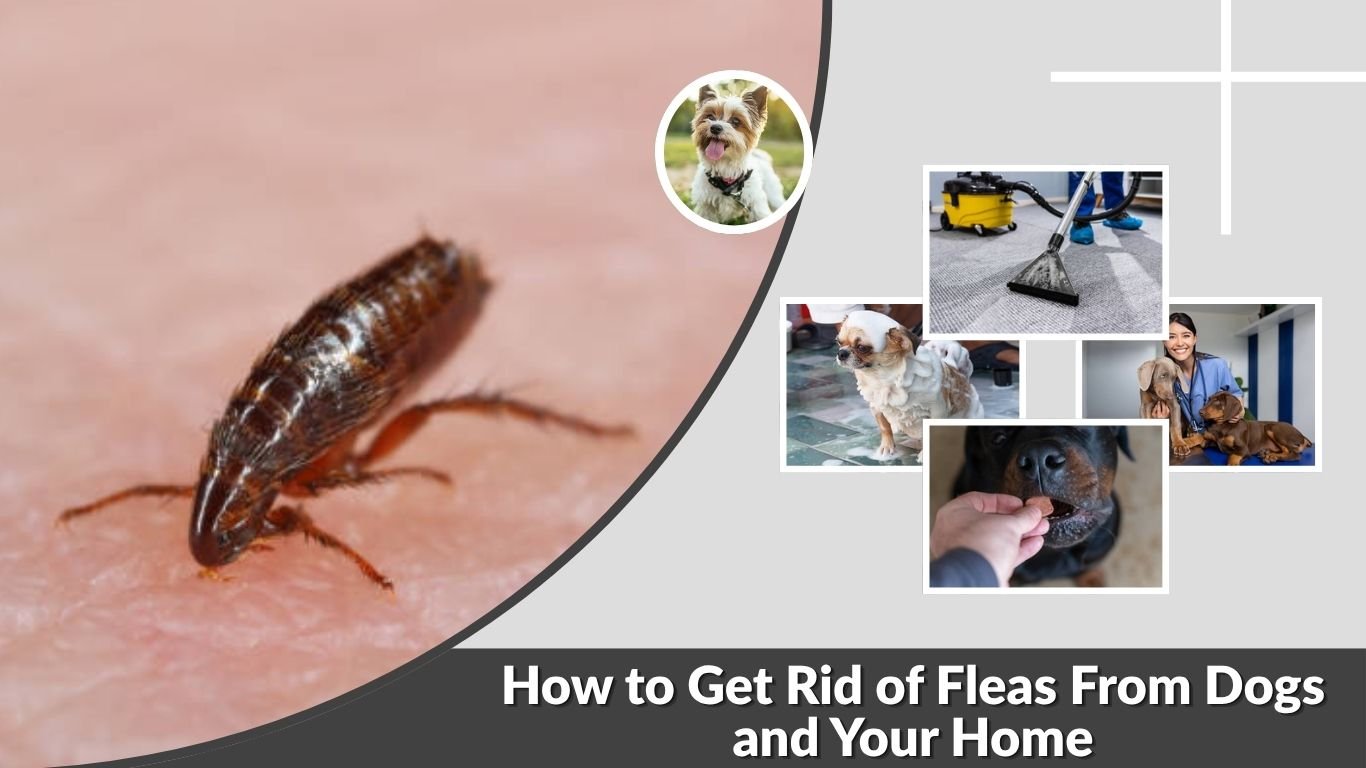
To get rid of fleas from a dog completely, you must treat both the animal and its surroundings. Flea combs and baths can remove visible … Read More
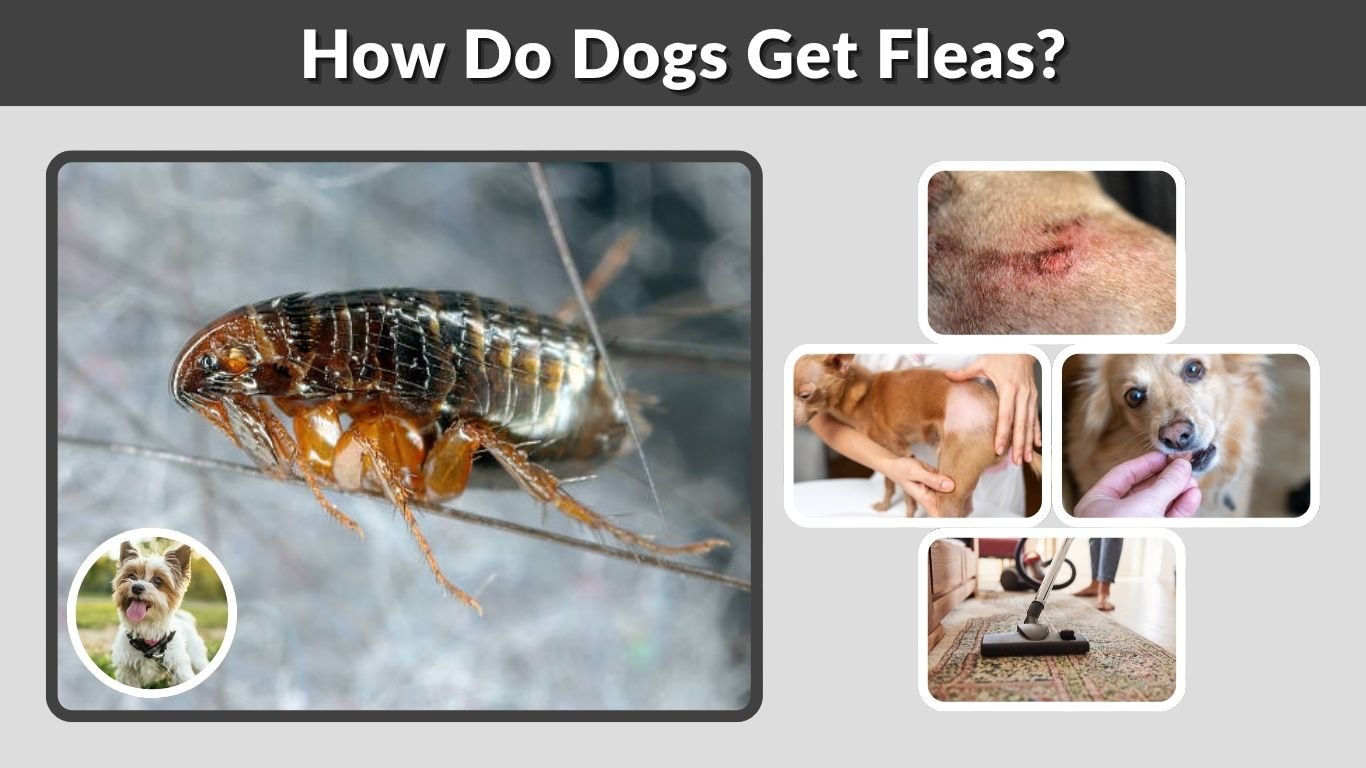
Dogs get fleas when adult fleas jump onto them from an infested environment. Common sources include carpets, pet bedding, yards, kennels, veterinary waiting areas, grooming … Read More
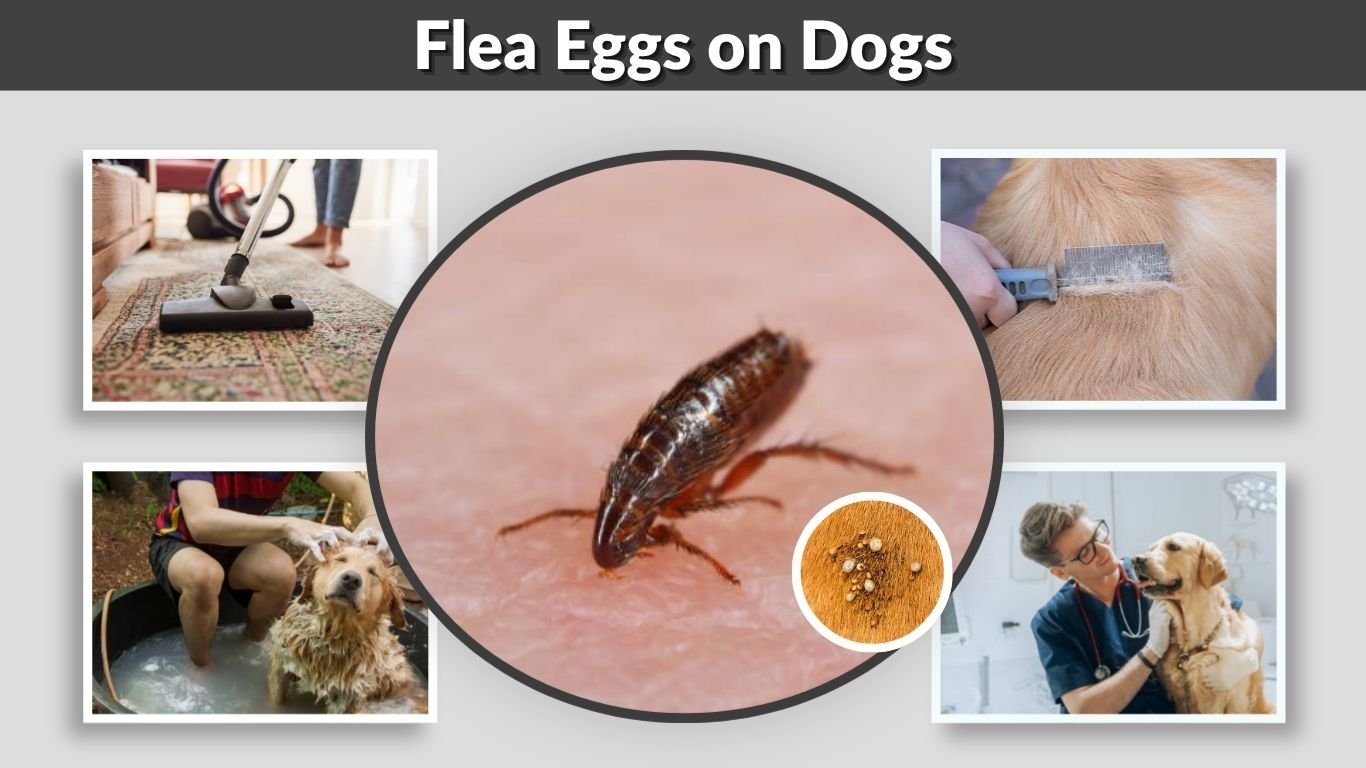
Flea eggs on dogs are tiny, pale, and difficult to notice without close inspection. Unlike lice eggs, they do not remain firmly attached to individual … Read More
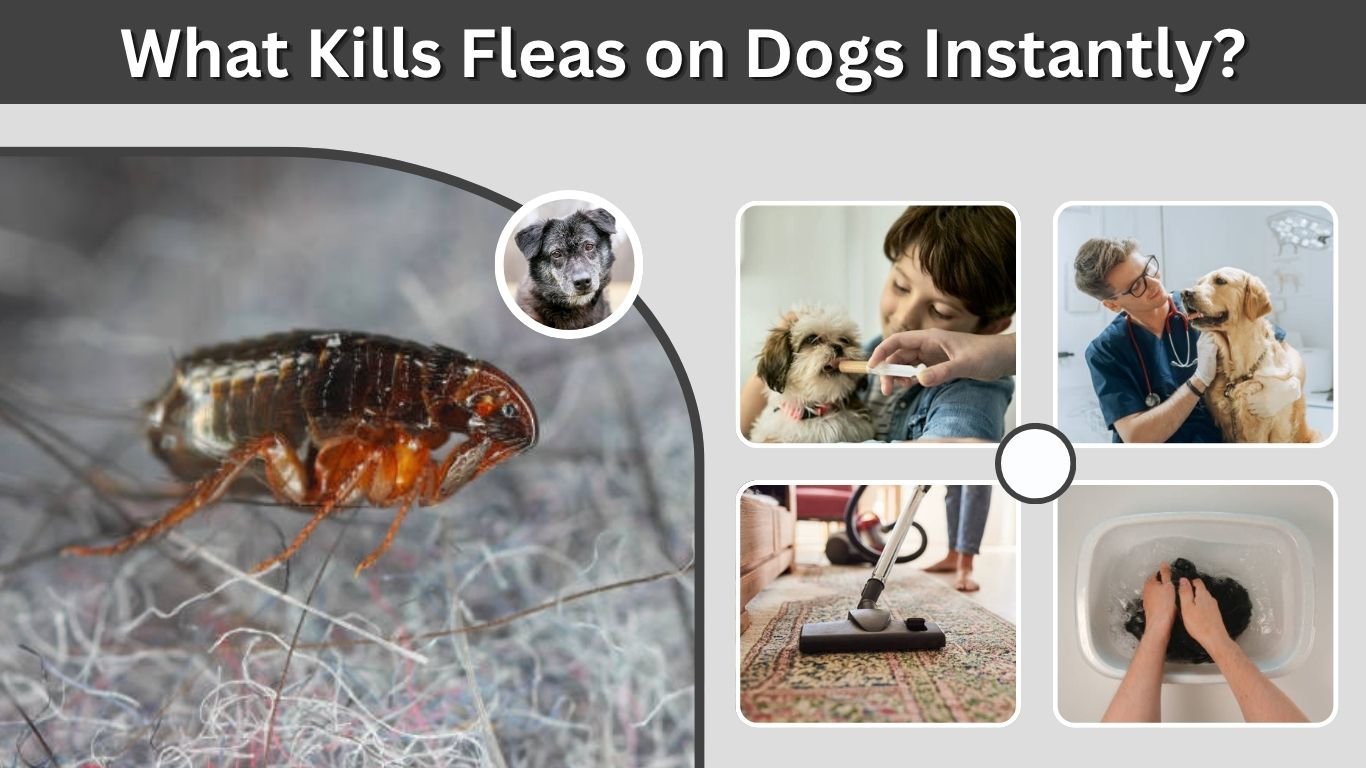
No treatment kills every flea, egg, and larva on a dog instantly. However, fast-acting flea medication containing nitenpyram can begin killing adult fleas within about … Read More
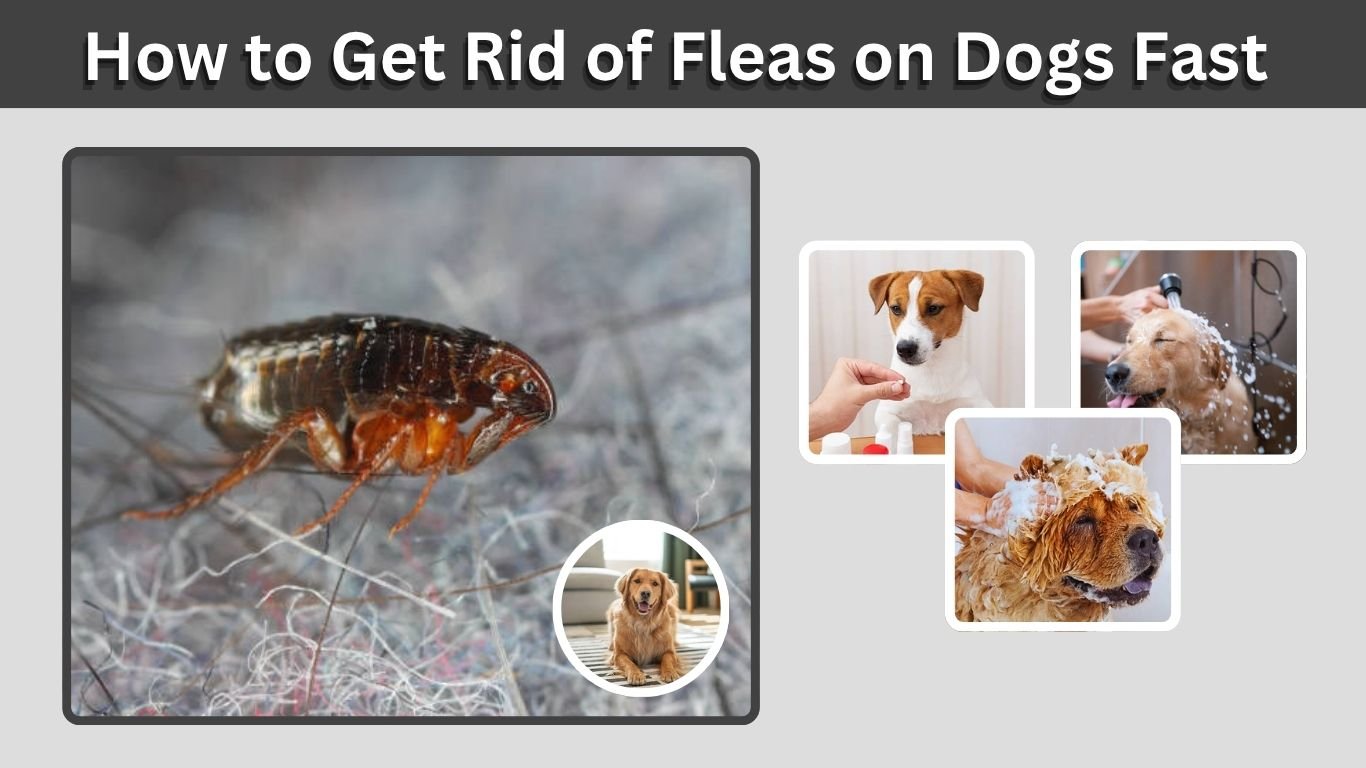
To get rid of fleas on a dog, use a veterinarian-approved flea treatment, remove visible fleas with a flea comb, and clean the home at … Read More