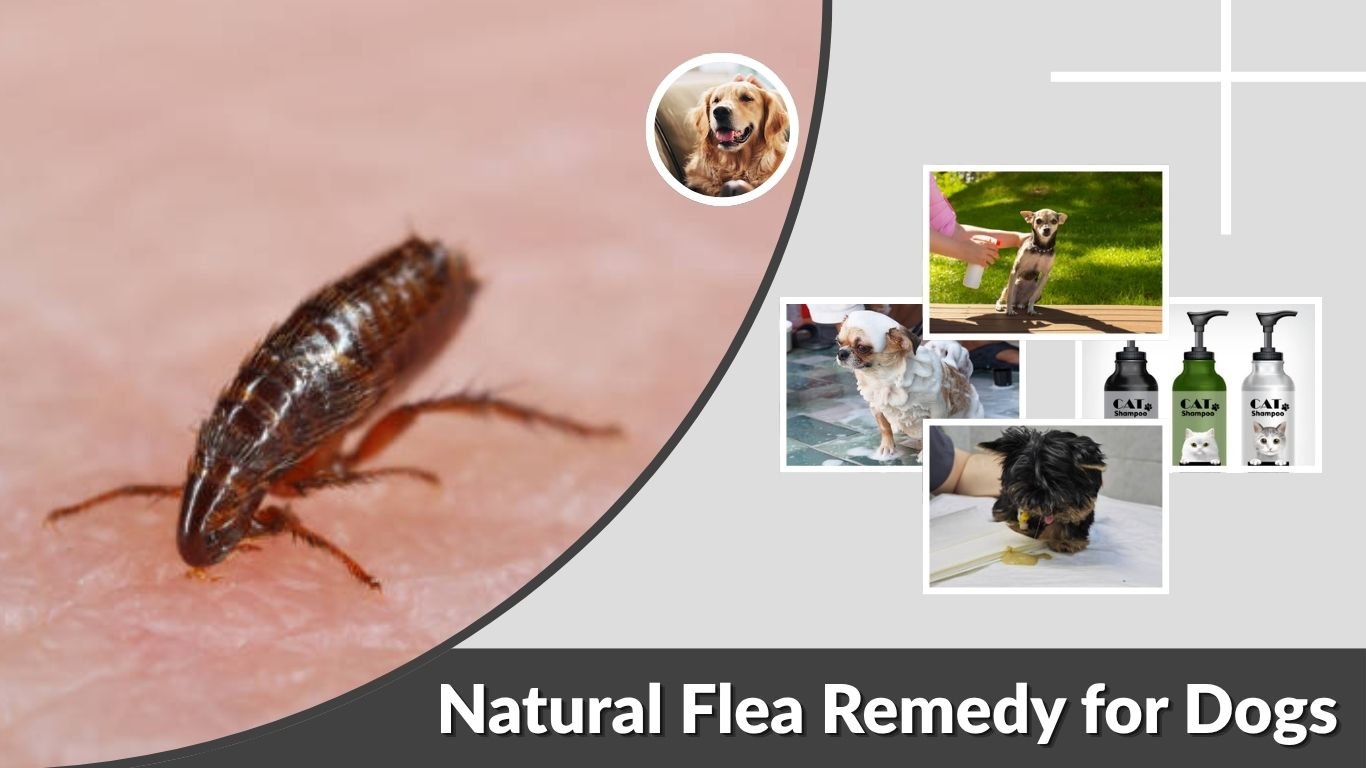
Natural flea remedies can help remove adult fleas and reduce the number developing around your home. However, no homemade treatment reliably kills every flea stage instantly. Eggs, larvae, and pupae usually develop in carpets, bedding, furniture, and other areas away from the dog. Effective control therefore combines flea combing, careful bathing, frequent cleaning, and a veterinarian-approved preventive when necessary. “Natural” does not automatically mean safe; essential oils, concentrated plant extracts, and incorrectly used products can irritate or poison pets.
How to Tell Whether Your Dog Has Fleas
Fleas are small, wingless insects that move quickly through an animal’s coat. You may not see them immediately, especially when the infestation is small.
Common Signs of Fleas
- Frequent scratching, chewing, or licking
- Red or irritated skin
- Hair loss near the tail, back, or thighs
- Small scabs or bumps
- Restlessness
- Live fleas moving through the coat
- Black particles called flea dirt
- Pale gums or weakness in severe cases
Use a fine-toothed flea comb around the neck, stomach, groin, and base of the tail. Place collected black particles on a damp white tissue. Flea dirt may create reddish-brown stains because it contains digested blood.
Heavy infestations can cause anemia, particularly in puppies, small dogs, older pets, or animals with health problems. Flea saliva can also trigger allergic dermatitis and significant hair loss.
Best Natural Flea Remedies for Dogs
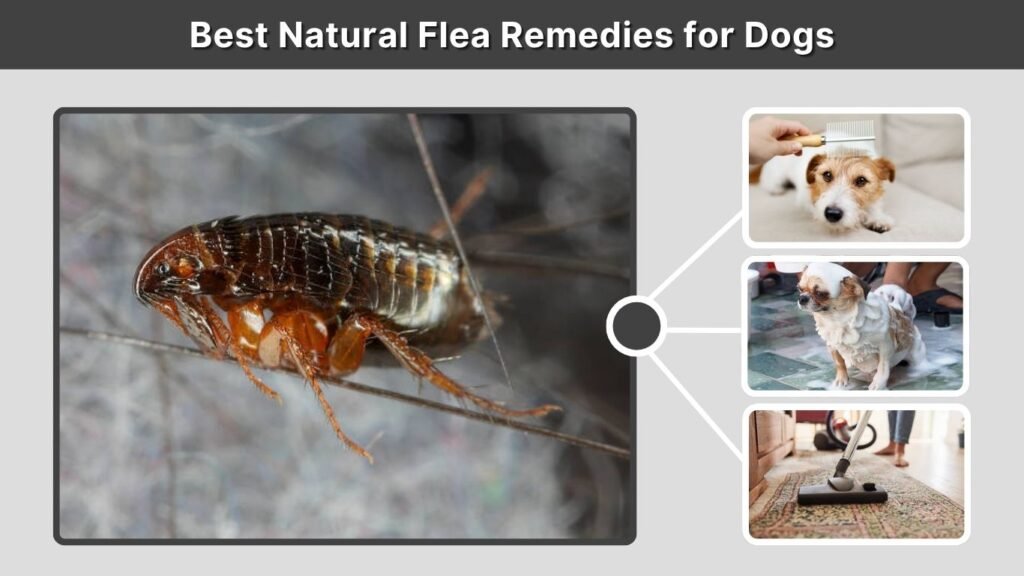
The safest natural methods are physical removal and environmental cleaning. These approaches avoid untested chemicals while helping interrupt the flea life cycle.
1. Use a Flea Comb
A flea comb physically removes adult fleas, flea dirt, and some eggs from the coat. Comb slowly in the direction of hair growth, paying particular attention to warm, protected areas.
Keep a bowl of soapy water nearby and place collected fleas into it. Repeat combing daily while the infestation is active.
Flea combing is especially useful for puppies that are too young for certain flea products, but veterinary guidance is still important.
2. Give Your Dog a Gentle Bath
Bathing with water and a dog-appropriate shampoo can remove and kill some adult fleas. Wet the neck area first to reduce the number of fleas escaping toward the head.
Rinse the coat thoroughly and avoid getting shampoo in the dog’s eyes, ears, nose, or mouth. Follow the bath with a flea comb.
A bath provides temporary relief but does not kill the eggs, larvae, and pupae distributed around the home. The CDC recommends combining bathing and flea combing with treatment of every pet and thorough environmental cleaning.
3. Wash Pet Bedding
Wash blankets, removable bed covers, and washable fabrics used by the dog. Use the hottest water and dryer settings that the materials can safely tolerate.
Continue washing these items regularly until no fleas or flea dirt are found. Do not forget blankets used in vehicles, crates, or outdoor resting areas.
4. Vacuum Frequently
Vacuum carpets, rugs, upholstered furniture, floor edges, cracks, and areas beneath furniture. Focus especially on places where the dog sleeps or spends significant time.
Empty the vacuum contents into a sealed bag and dispose of it outdoors. Flea pupae remain protected within cocoons and can emerge later, so vacuuming must be repeated rather than performed only once.
Fleas pass through egg, larva, pupa, and adult stages. Depending on environmental conditions, the life cycle can continue for weeks or considerably longer.
5. Keep the Yard Clean
Remove piles of leaves, organic debris, and clutter from areas where pets rest. Keep grass maintained and discourage stray animals or wildlife from entering the yard.
Outdoor flea activity is usually concentrated in shaded, humid locations rather than hot, open areas receiving direct sunlight. Focus cleaning and any necessary treatment on places frequently used by pets.
What Kills Fleas on Dogs Instantly Naturally?
No natural remedy safely and instantly eliminates the entire infestation. A soapy bath may kill many adult fleas currently on the dog, while a flea comb removes others immediately.
However, most immature fleas are not living on the pet. They are developing in bedding, carpets, floor cracks, furniture, and sheltered outdoor areas. Moderate or severe infestations can require months of sanitation, pet treatment, home treatment, and follow-up.
A product promising instant, completely natural control should still be evaluated for its ingredients, labeling, age restrictions, and safety evidence.
Do Vinegar and Apple Cider Vinegar Kill Fleas?
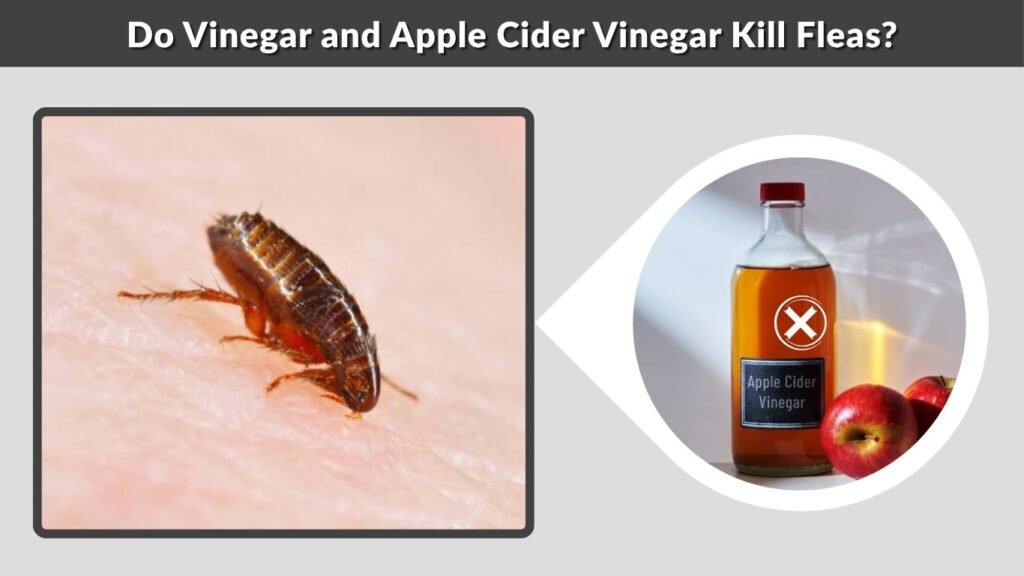
Apple cider vinegar may change the smell or feel of a dog’s coat, but it is not a dependable flea killer or long-term preventive. It does not reliably eliminate eggs, larvae, or pupae.
Undiluted vinegar can irritate broken, inflamed, or sensitive skin. It should never be applied around the eyes, mouth, genitals, or open wounds.
Do not delay proven flea control while relying only on vinegar. A flea comb, gentle bath, environmental cleaning, and veterinary advice provide a more practical approach.
Does Dish Soap Kill Fleas on Dogs?
Soap can kill some adult fleas by disrupting their ability to remain on the water’s surface. However, household dish detergents are designed for cleaning dishes rather than maintaining a dog’s skin barrier.
Repeated use may dry or irritate the skin, especially in dogs already suffering from flea allergy dermatitis. A mild shampoo labeled for dogs is usually a better bathing choice.
If a dog experiences an adverse reaction to certain topical flea products, veterinary or agency guidance may include bathing with mild soap and rinsing with plenty of water. That emergency advice does not make dish soap an ideal routine flea treatment.
Are Essential Oils Safe Flea Repellents?
Peppermint, tea tree, eucalyptus, clove, cinnamon, citrus, lavender, and other oils are frequently promoted as natural flea repellents. Concentrated essential oils can nevertheless cause skin irritation, gastrointestinal problems, or nervous-system effects when absorbed, inhaled, or swallowed.
Dogs may lick oils from their coats, and other pets may be exposed through grooming or contact. Cats are particularly sensitive to numerous substances, making homemade sprays risky in multi-pet homes.
Do not apply undiluted essential oils to a dog. Ask a veterinarian before using any oil-based spray, shampoo, or collar, even when it is marketed as natural.
Natural Flea Sprays, Shampoos, and Collars
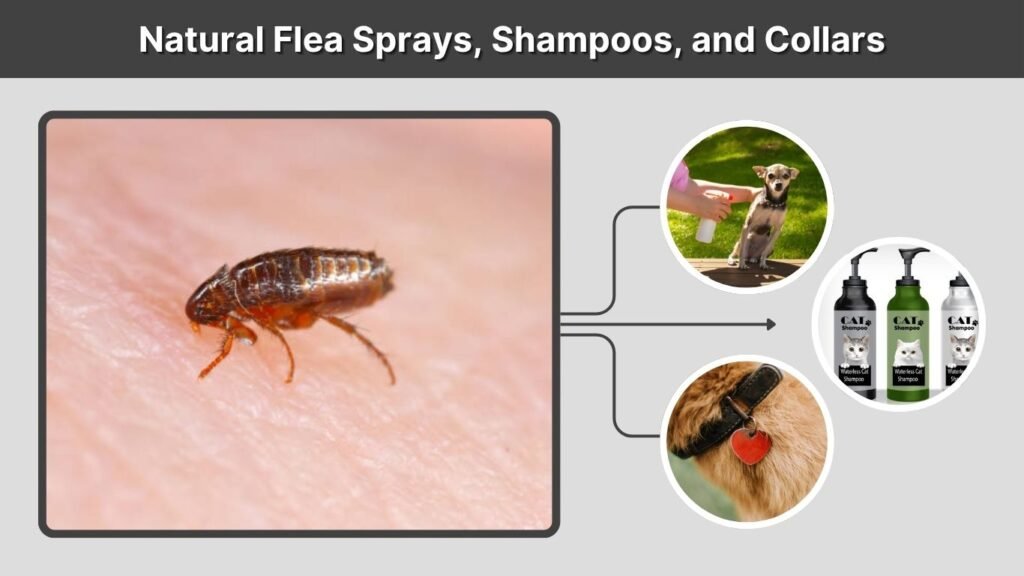
Commercial natural products may contain plant-derived ingredients, essential oils, or other active compounds. Their effectiveness and safety vary considerably.
Before buying a product:
- Confirm that it is labeled specifically for dogs.
- Check the minimum age and weight.
- Read every active ingredient.
- Follow the application instructions exactly.
- Avoid combining several flea treatments without veterinary advice.
- Keep dog-only products away from cats.
- Stop use and contact a veterinarian if a reaction develops.
An FDA-approved animal drug carries an NADA or ANADA statement, while an EPA-registered pesticide displays an EPA registration number. These identifiers help distinguish reviewed products from unapproved or counterfeit treatments.
Natural Flea and Tick Prevention
Fleas and ticks are different parasites, so a remedy that removes some fleas may provide no dependable tick protection. Ticks can transmit serious infections, making prevention especially important for dogs that walk through grass, woodland, brush, or wildlife habitats.
Natural preventive steps include:
- Checking the dog after outdoor activities
- Using a flea comb regularly
- Keeping bedding clean
- Vacuuming pet areas
- Maintaining grass and yard debris
- Limiting contact with infested animals
- Inspecting the coat throughout the year
- Using a veterinarian-recommended preventive when exposure is likely
Fleas can survive year-round inside warm homes, even in locations with cold winters.
When Veterinary Treatment Is Necessary
Natural cleaning and physical removal may help with a mild infestation, but veterinary treatment is advisable when:
- The dog is a young puppy
- Fleas remain after repeated cleaning
- The skin is raw, infected, or losing hair
- The dog has pale gums or weakness
- Several pets are affected
- The dog has a history of seizures
- The dog is pregnant, nursing, elderly, or ill
- Ticks are also present
Veterinarians can select a product based on the dog’s species, weight, age, health history, and exposure risk. FDA guidance emphasizes reading labels carefully and consulting a veterinarian, particularly for dogs with existing medical conditions.
Some isoxazoline medicines have been associated with neurologic reactions such as tremors, poor coordination, and seizures in certain animals, although the FDA considers approved products safe and effective for most dogs when appropriately selected and used.
Signs of an Adverse Reaction
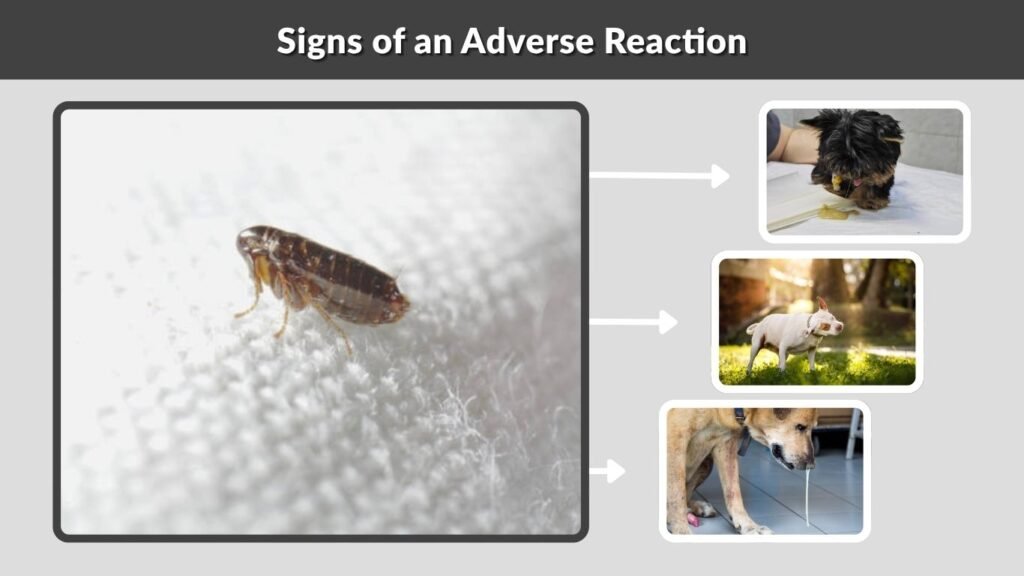
Monitor your dog whenever using a new flea shampoo, spray, collar, topical product, or oral medicine.
Contact a veterinarian promptly if you notice:
- Skin redness or severe irritation
- Excessive drooling
- Vomiting or diarrhea
- Weakness or depression
- Trembling
- Poor coordination
- Seizures
- Difficulty breathing
Remove a flea collar immediately if it appears to cause a reaction. Follow the product label and veterinary instructions regarding bathing or other first-aid measures.
FAQs
What is the safest natural flea remedy for dogs?
Regular flea combing, a gentle dog-safe bath, washing bedding, and frequent vacuuming are among the safest nonchemical methods. These steps must be repeated because immature fleas develop throughout the home.
Can coconut oil kill fleas on dogs?
Coconut oil may coat or trap a few adult fleas, but it is not a proven complete treatment. It can make the coat greasy, and swallowing large amounts may cause digestive problems.
Can baking soda kill fleas on a dog?
Baking soda is not a reliable flea treatment and may dry or irritate the skin. It should not replace flea combing, bathing, environmental cleaning, or veterinarian-recommended prevention.
How often should I comb a dog with fleas?
Comb the dog at least once daily while fleas are present. Concentrate on the neck, stomach, groin, and base of the tail, placing captured fleas into soapy water.
Can natural remedies completely eliminate fleas?
Physical remedies can reduce adult fleas, but complete control requires addressing every life stage. Treat all pets, wash bedding, vacuum repeatedly, clean resting areas, and obtain veterinary guidance when the infestation persists.