
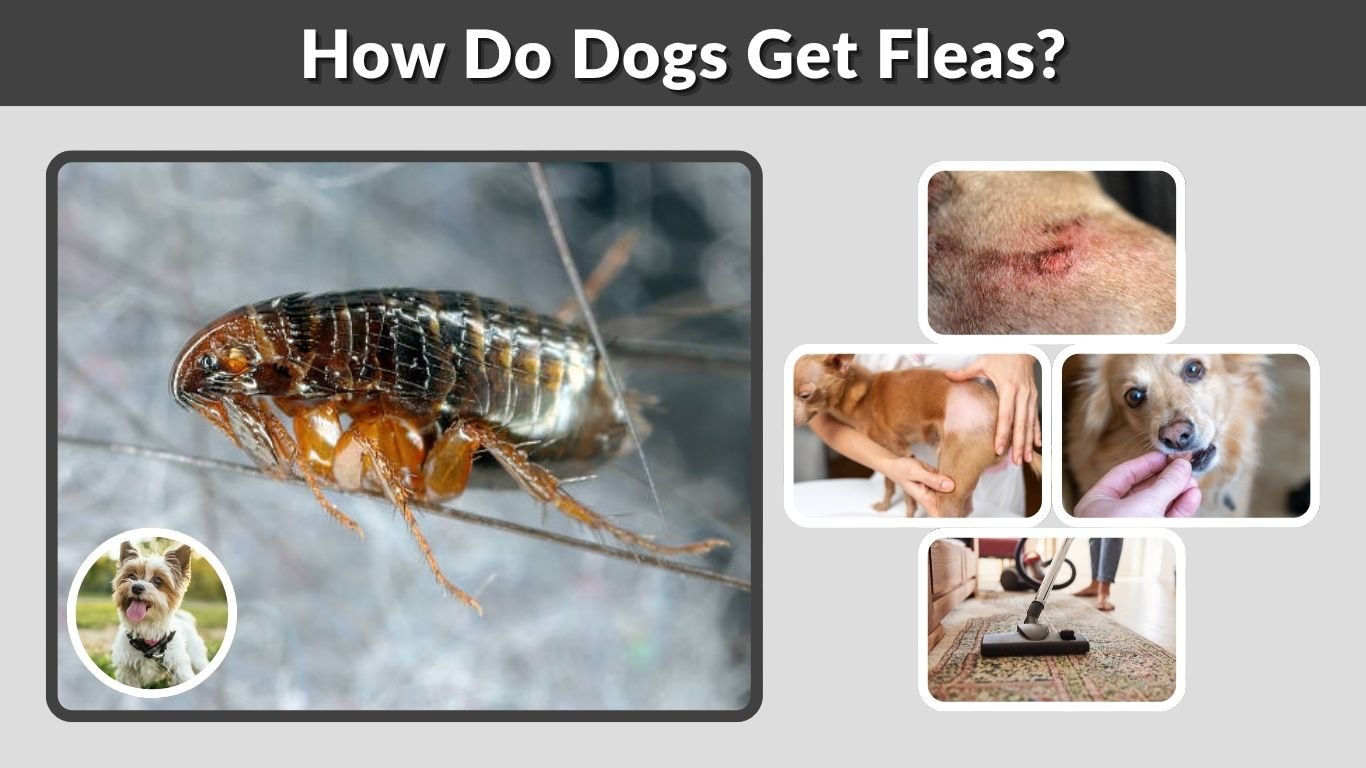
How Do Dogs Get Fleas? Causes, Treatment, and Prevention
Dogs get fleas when adult fleas jump onto them from an infested environment. Common sources include carpets, pet bedding, yards, kennels, veterinary waiting areas, grooming … Read More
Dogs get fleas when adult fleas jump onto them from an infested environment. Common sources include carpets, pet bedding, yards, kennels, veterinary waiting areas, grooming … Read More
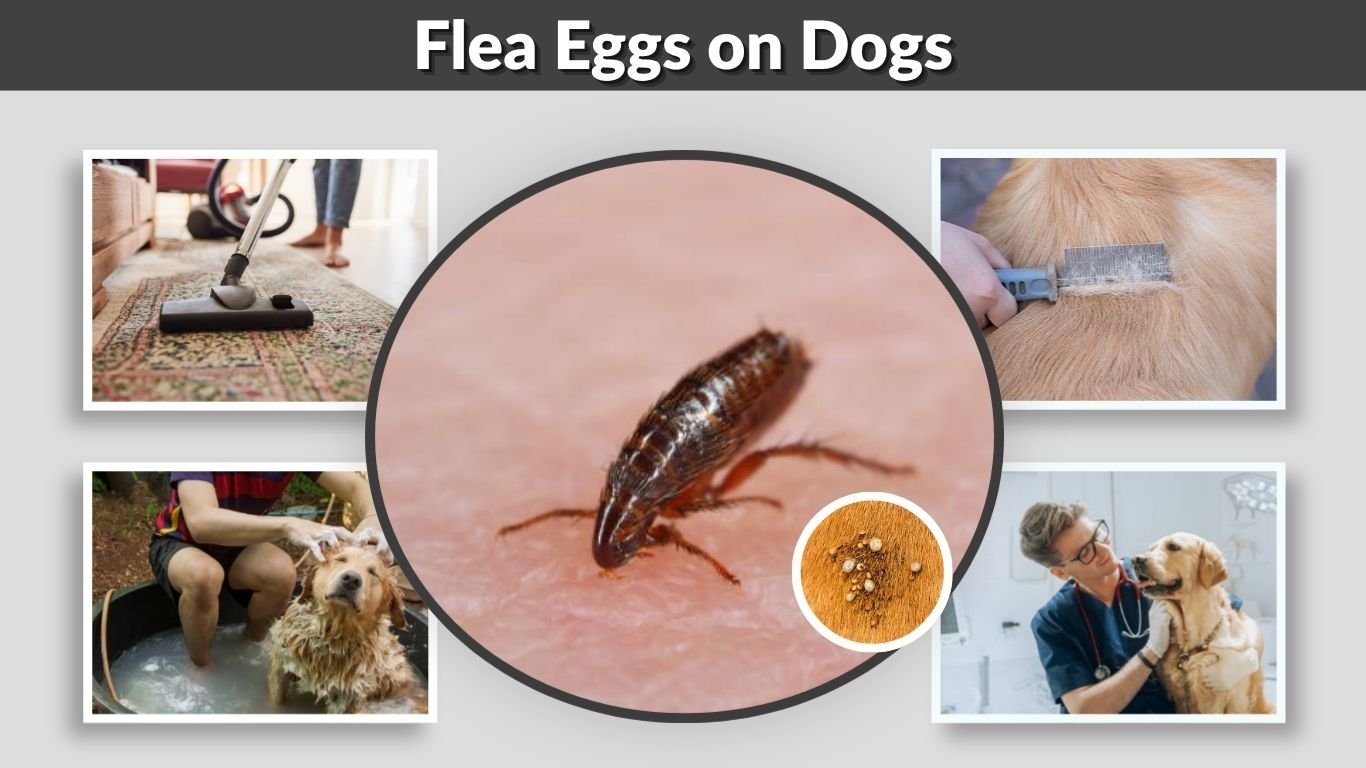
Flea eggs on dogs are tiny, pale, and difficult to notice without close inspection. Unlike lice eggs, they do not remain firmly attached to individual … Read More
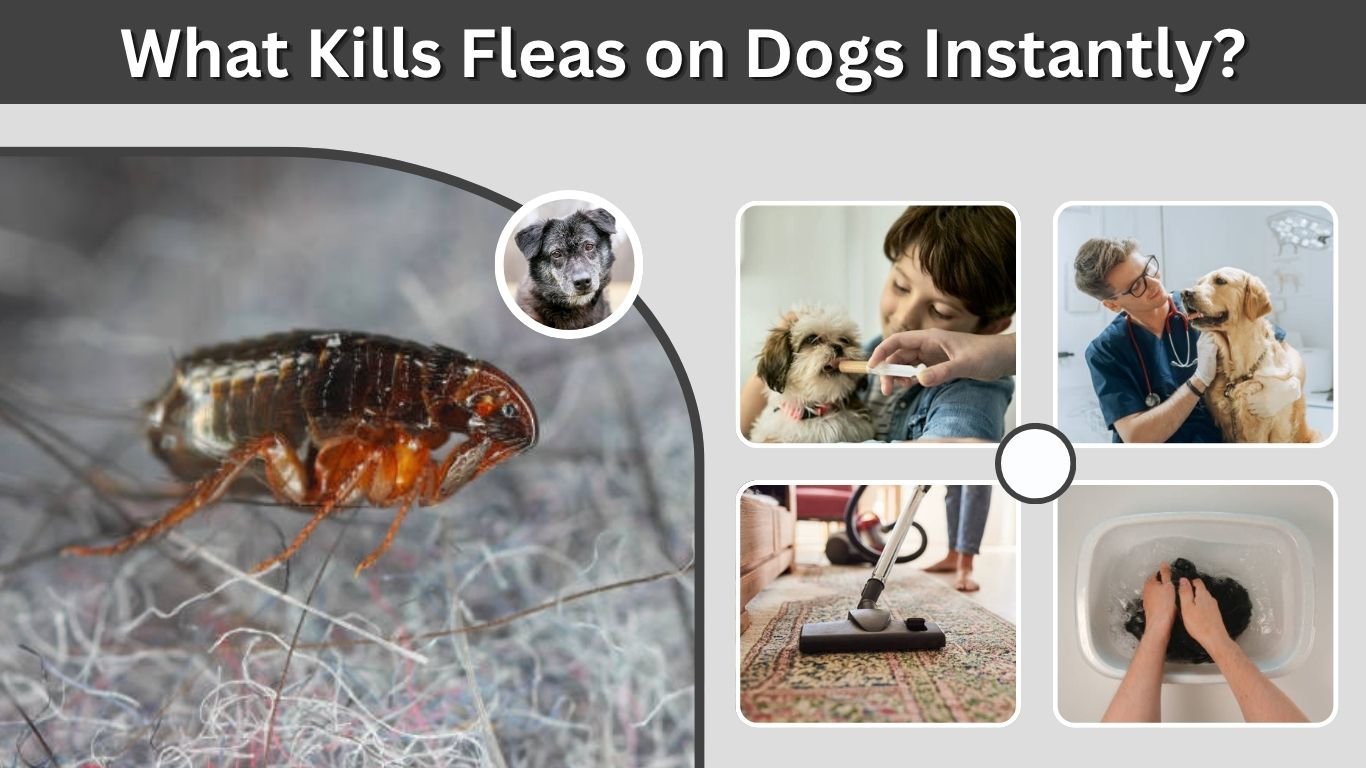
No treatment kills every flea, egg, and larva on a dog instantly. However, fast-acting flea medication containing nitenpyram can begin killing adult fleas within about … Read More
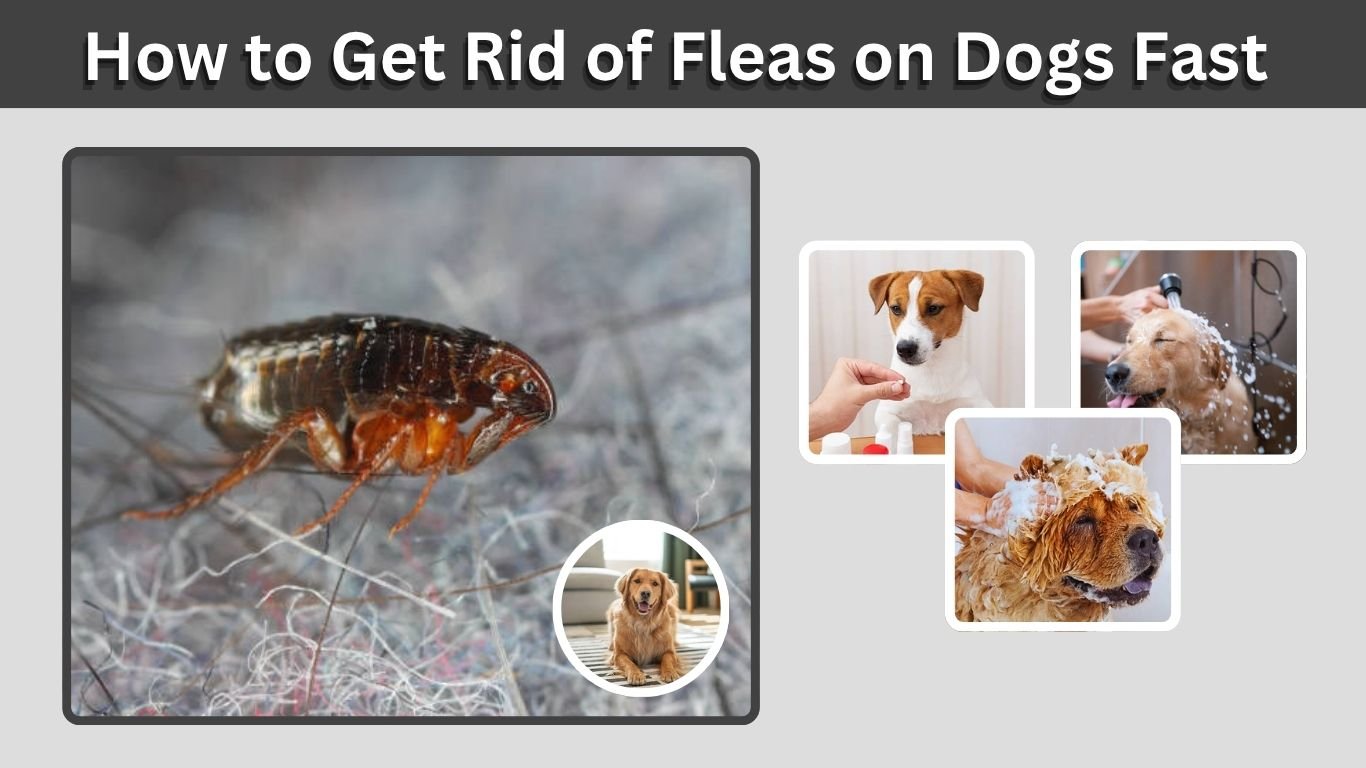
To get rid of fleas on a dog, use a veterinarian-approved flea treatment, remove visible fleas with a flea comb, and clean the home at … Read More
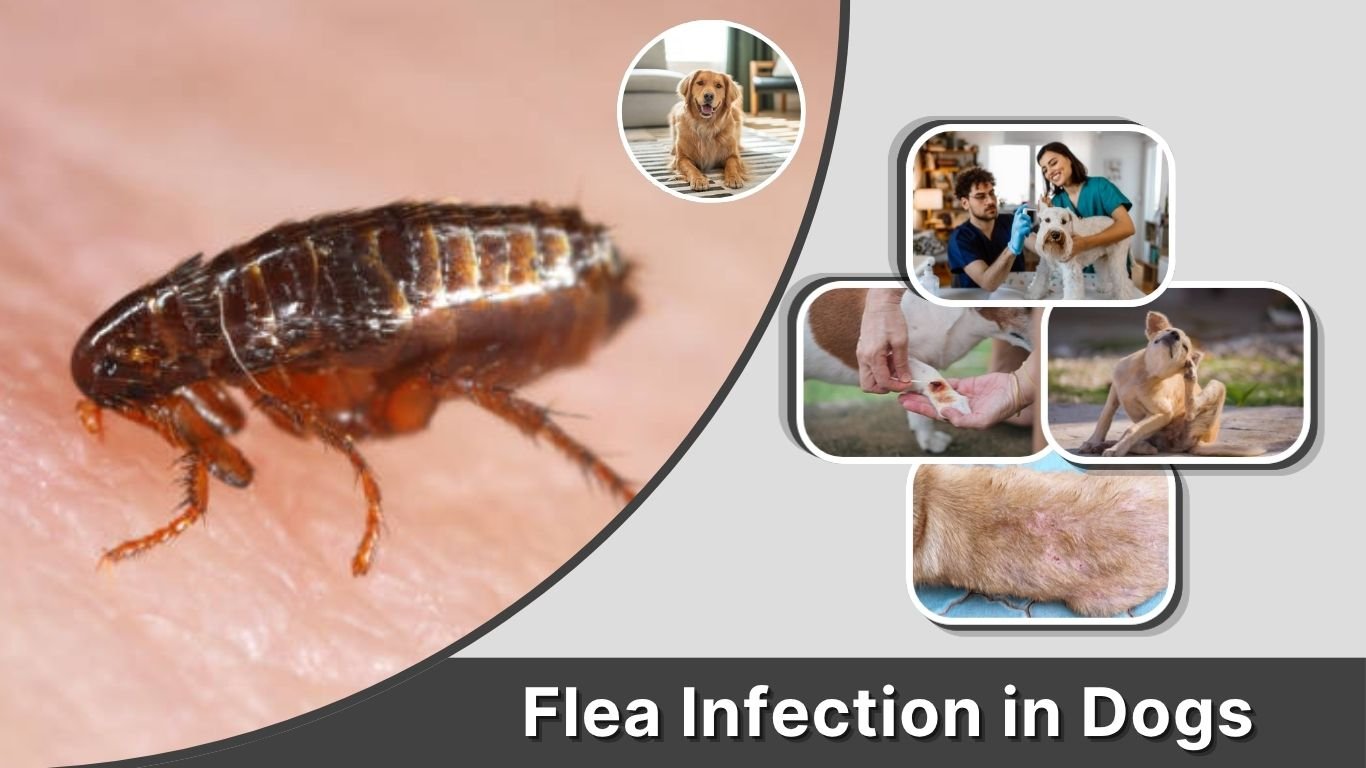
“Flea infection” in dogs usually refers to a flea infestation, flea allergy dermatitis, or a secondary skin infection caused by scratching and chewing. Flea bites … Read More
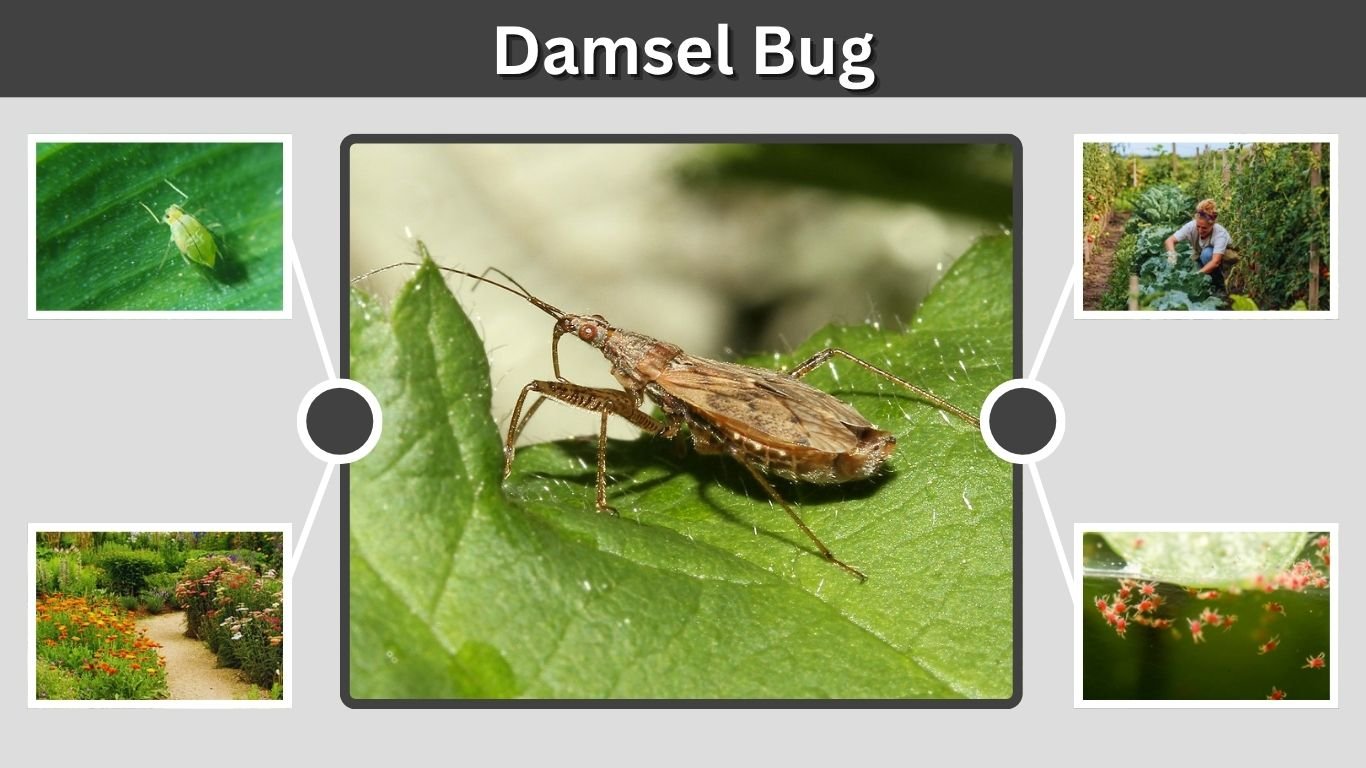
The damsel bug is a slender predatory insect commonly found in gardens, crop fields, grasslands, and other areas containing small insect prey. Rather than damaging … Read More
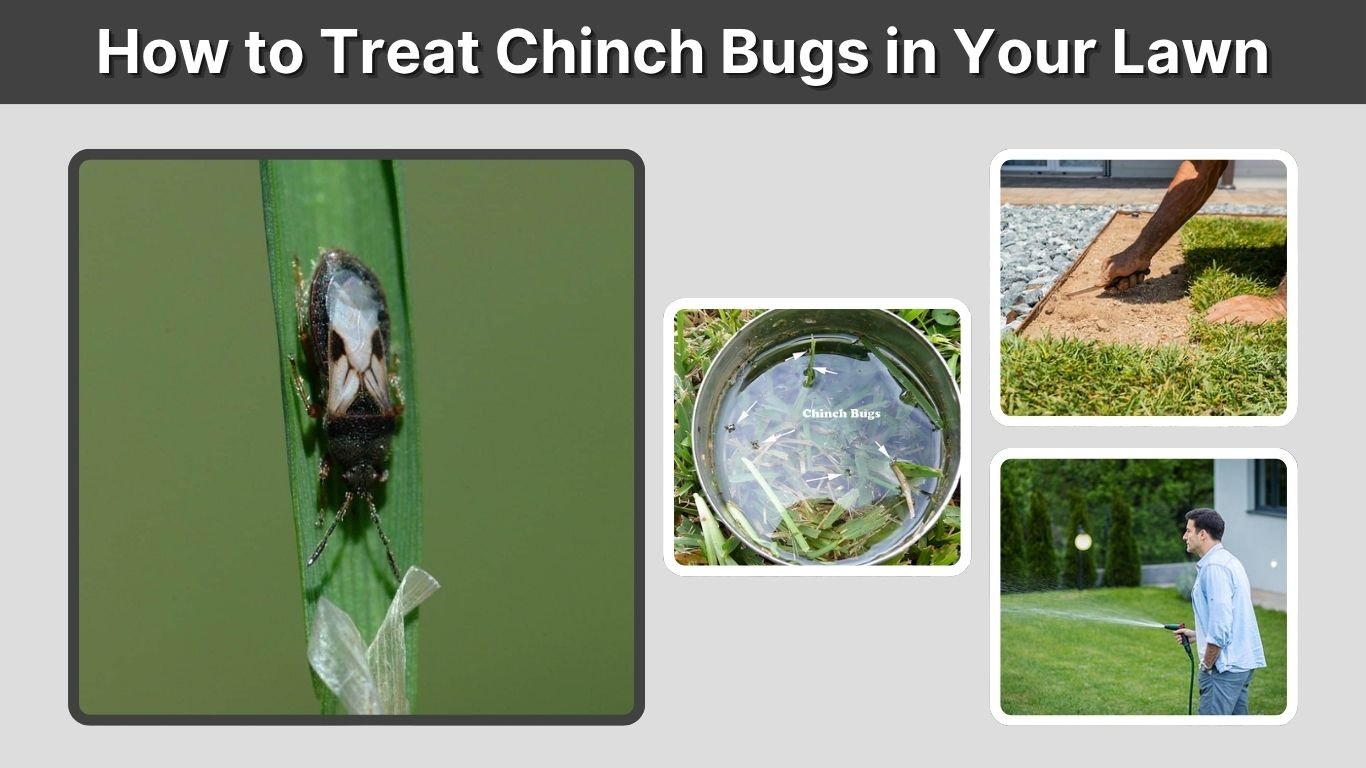
To treat chinch bugs successfully, first confirm that they—not drought, disease, or fertilizer damage—are causing the brown patches. Once identified, treat the active edge of … Read More
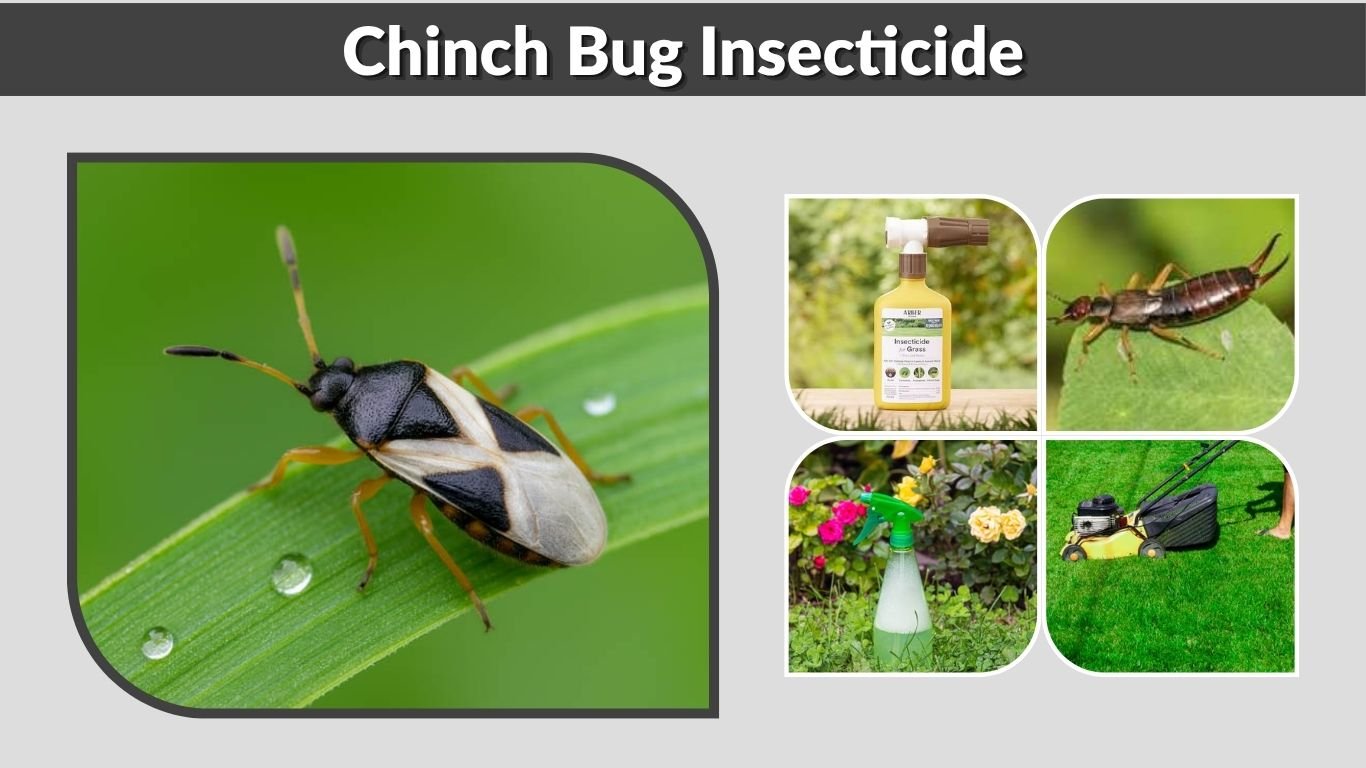
A chinch bug insecticide can stop active lawn damage, but treatment works best only after confirming that chinch bugs—not drought, disease, or another pest—are causing … Read More
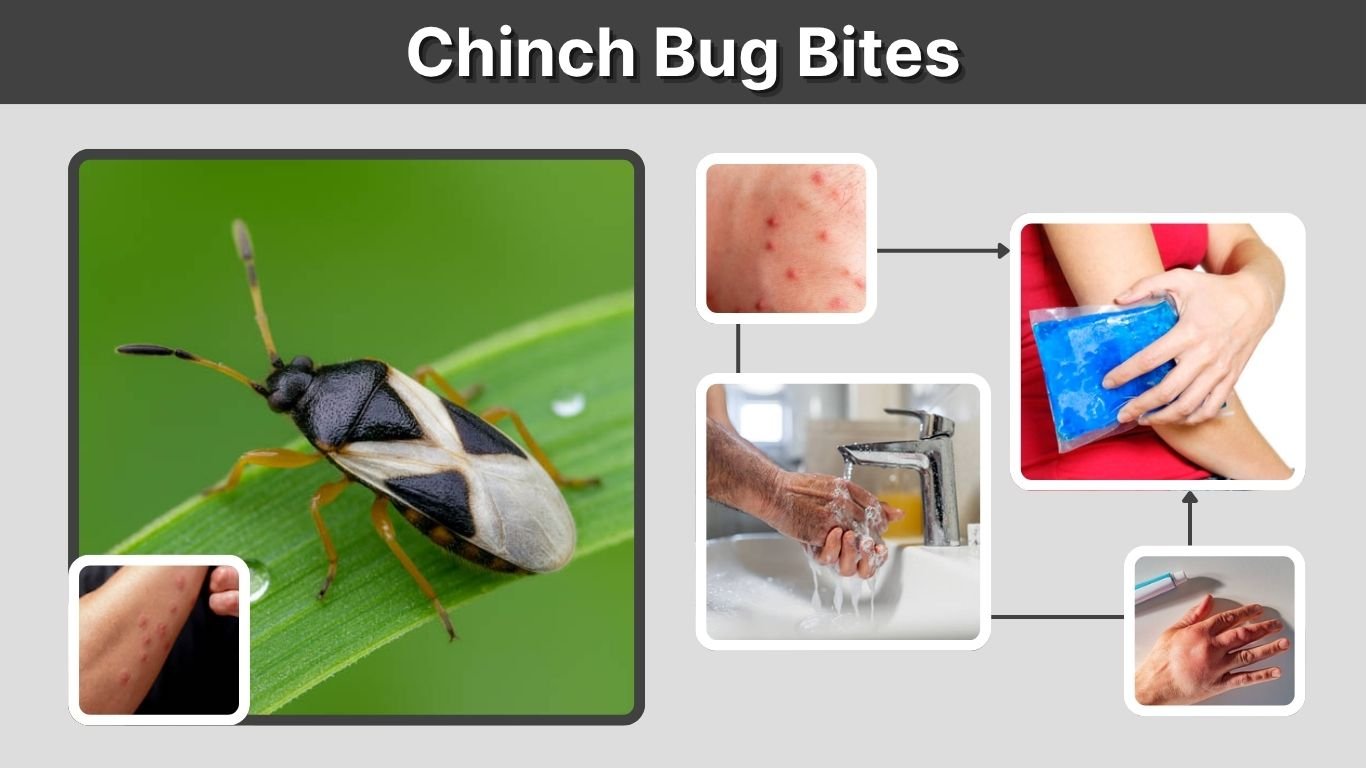
Chinch bugs are not considered biting pests of humans or pets. The chinch bugs found in lawns are plant-feeding insects that use piercing mouthparts to … Read More
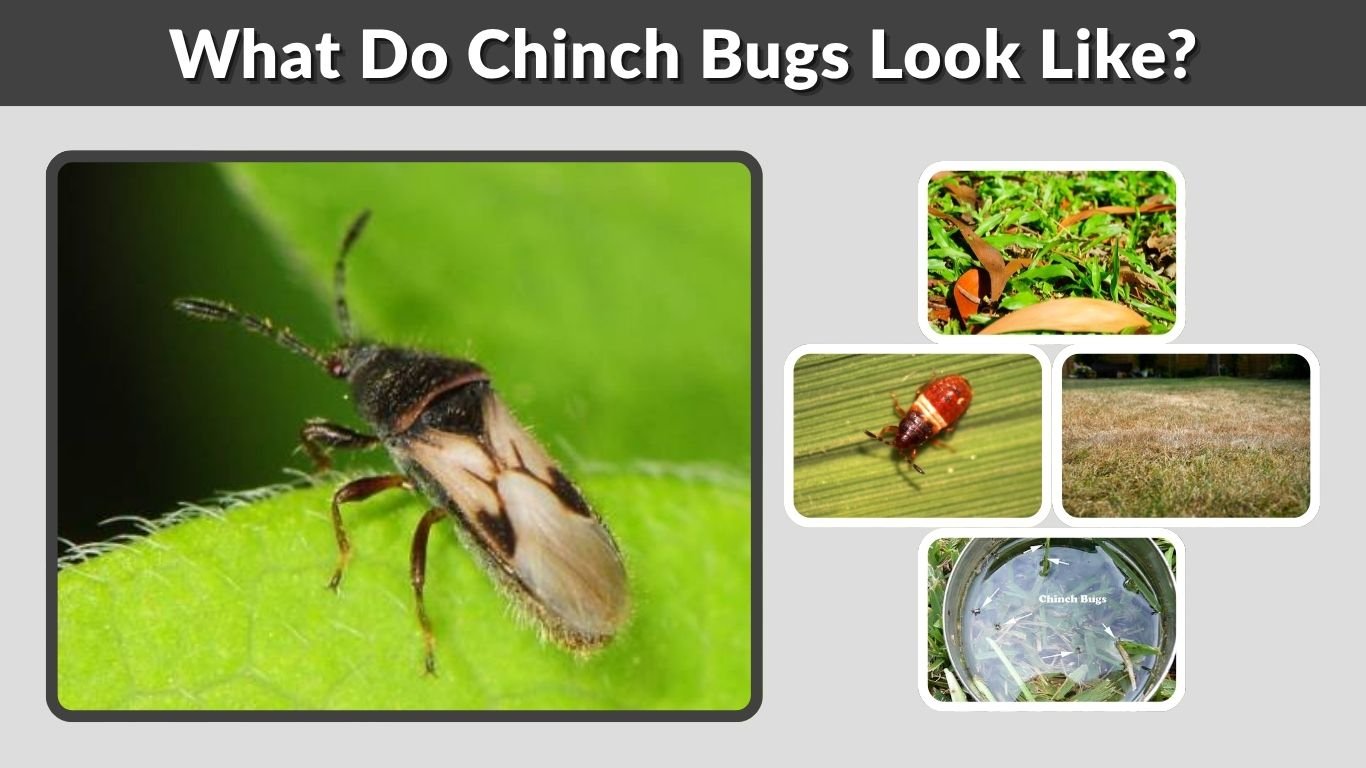
Chinch bugs are tiny, oval-shaped insects that live deep within grass near the soil surface. Adult chinch bugs are usually black with white wings folded … Read More