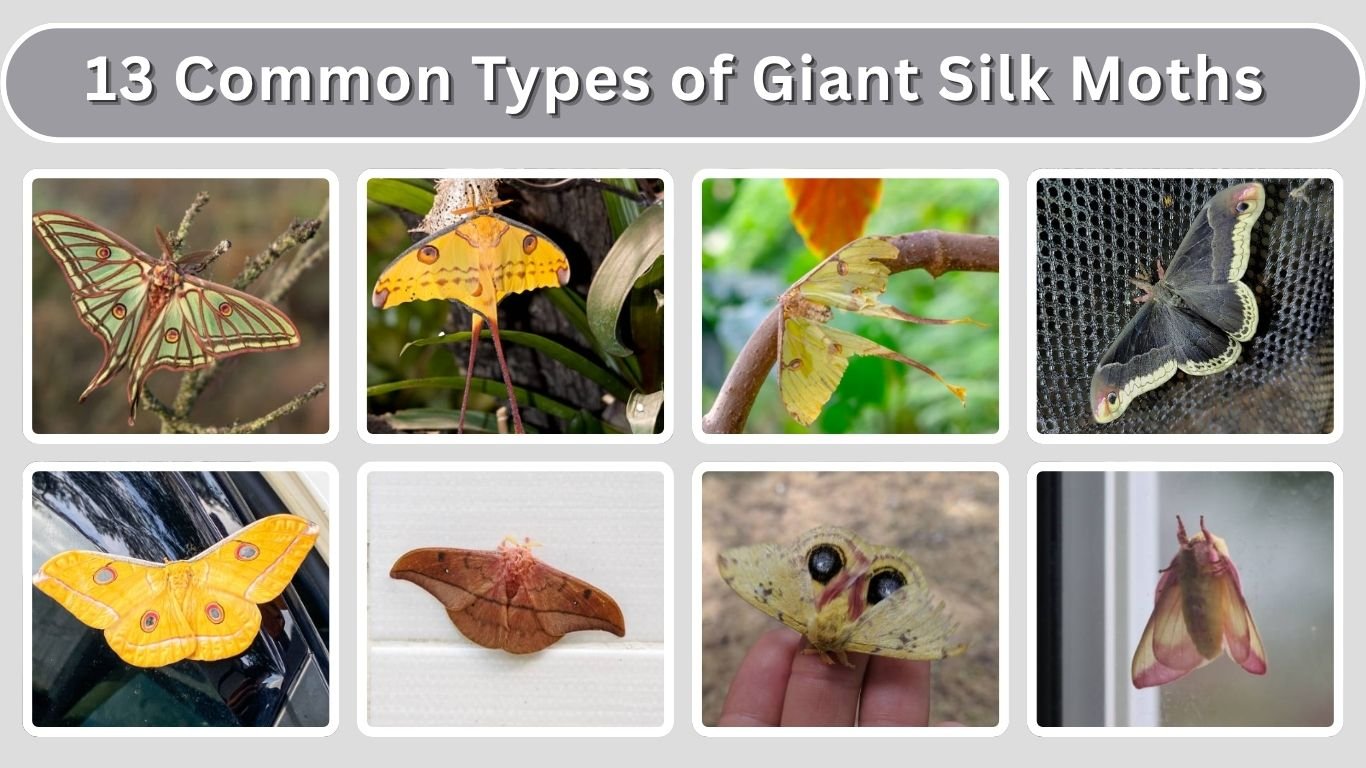
Giant silk moths are among the most fascinating and visually stunning insects in the world. Belonging to the family Saturniidae, these moths are known for their large size, vibrant colors, and eye-catching patterns. Many species also produce strong silk cocoons, which have been used in traditional silk production for centuries.
These moths are found across different regions, from tropical forests to temperate woodlands, and play an important role in ecosystems as part of the food chain. Despite their impressive appearance, adult giant silk moths live only a short time and focus mainly on reproduction. In this list, you’ll explore 13 common types of giant silk moths, each with unique features, habitats, and behaviors.
1. Luna Moth
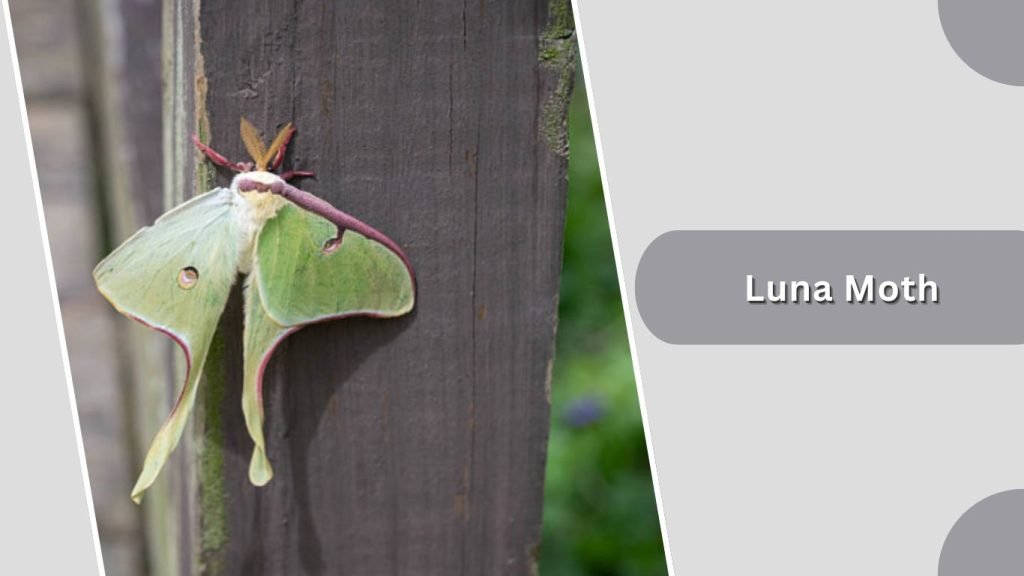
The Luna Moth is one of the most iconic giant silk moths, admired for its pale green color and long, graceful tail extensions. Native to North America, it is often associated with nighttime beauty and is rarely seen during the day. Its striking appearance and short adult lifespan make it a fascinating species.
Identification
- Pale green wings with a soft, almost glowing appearance
- Long, curved tail extensions on the hindwings
- Wingspan typically ranges from 75–110 mm
- Each wing has a transparent eyespot ringed with yellow and black
- Body is white and fuzzy, contrasting with the green wings
- Antennae are feathery, especially in males
Habitat
The Luna Moth is commonly found in deciduous forests, woodlands, and suburban areas with plenty of trees. It prefers habitats where host plants such as walnut, hickory, sweetgum, and birch are available. This moth can also be seen in parks and gardens where suitable vegetation exists. During the day, it rests on tree trunks or leaves, blending in with foliage. Its distribution covers much of eastern North America, extending into parts of Central America.
Behaviors
The Luna Moth is nocturnal and becomes active at night, flying in search of mates. It is attracted to light and may sometimes be seen near outdoor lamps. Adult Luna Moths do not feed, so their main purpose is reproduction. Males use their highly sensitive antennae to detect pheromones released by females from long distances. Their flight is slow and graceful, often described as drifting or fluttering through the air.
Diet and Lifecycle
The lifecycle includes egg, larva, pupa, and adult stages. Caterpillars feed on leaves of host trees such as walnut, hickory, and sweetgum. They are bright green and well-camouflaged among foliage. After feeding and growing through several stages, they spin a cocoon in leaf litter or on the ground. Adults emerge after metamorphosis, but they live only about a week and do not eat, relying entirely on stored energy to reproduce.
2. Cecropia Moth
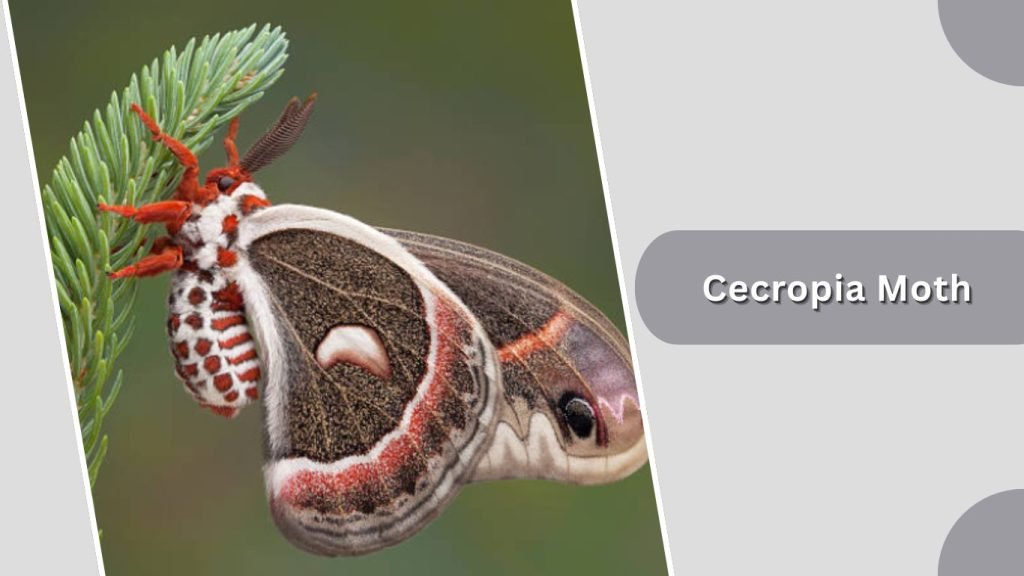
The Cecropia Moth is the largest native moth in North America and one of the most impressive giant silk moths. Known for its bold patterns and striking size, it is often seen as a symbol of nighttime wildlife. Despite its large appearance, it is harmless and rarely encountered due to its short adult lifespan and nocturnal habits.
Identification
- Very large wingspan, typically ranging from 130–160 mm
- Reddish-brown wings with prominent white bands and crescent-shaped markings
- Distinct eyespots on each wing that help deter predators
- Body is thick and covered in reddish and white hairs
- Antennae are large and feathery, especially in males
- Wings are broad and rounded, giving a heavy appearance
Habitat
The Cecropia Moth is commonly found in deciduous forests, woodlands, and suburban areas across North America. It prefers habitats with a variety of host trees such as maple, cherry, birch, elm, and willow. This species adapts well to human environments and may be found in gardens, parks, and along roadsides where suitable trees grow. During the day, it rests on tree trunks, branches, or even buildings, relying on its coloration to blend into the surroundings. Its range extends across much of the United States and southern Canada.
Behaviors
The Cecropia Moth is nocturnal and becomes active shortly after sunset. It is strongly attracted to artificial lights and is often noticed near porch lights or street lamps. Adult moths do not feed, so their primary goal is reproduction. Females release pheromones to attract males, which can detect these chemical signals from great distances using their large antennae. Their flight is slow and heavy compared to smaller moths, and they usually remain active for only a few nights during their short adult life.
Diet and Lifecycle
The lifecycle consists of egg, larva, pupa, and adult stages. Females lay eggs on the leaves of host trees. The caterpillars are large and colorful, featuring bright green bodies with blue, yellow, and orange tubercles (knob-like structures). They feed on leaves and grow rapidly through several stages. Once fully developed, they spin large, tough cocoons attached to twigs or branches. The pupal stage lasts through winter, with adults emerging in late spring or early summer. There is typically one generation per year, and adults live only for about one to two weeks.
3. Polyphemus Moth
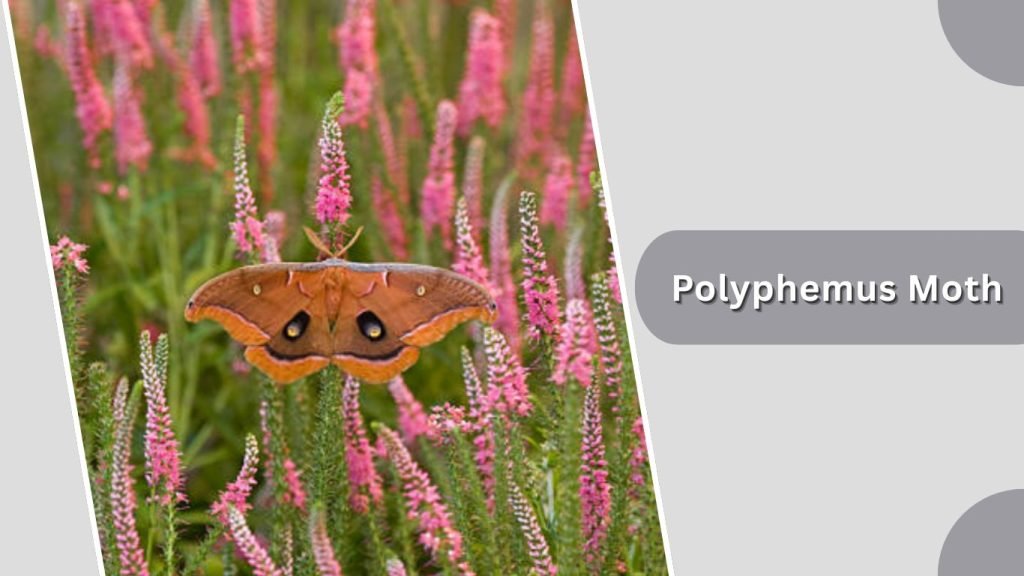
The Polyphemus Moth is a large and visually striking giant silk moth, named after the giant in Greek mythology due to its prominent eyespots. It is widely found across North America and is known for its impressive size and soft, earthy coloration. Despite its bold appearance, it is harmless and rarely seen during the day.
Identification
- Large wingspan, typically ranging from 100–150 mm
- Tan to light brown wings with subtle shading
- Prominent, round eyespots on the hindwings with blue, black, and yellow rings
- Forewings have smaller, less noticeable markings
- Body is thick, fuzzy, and light brown in color
- Antennae are feathery, especially in males
Habitat
The Polyphemus Moth is commonly found in deciduous woodlands, suburban areas, orchards, and parks. It thrives in habitats where host trees such as oak, maple, birch, willow, and apple are present. This species adapts well to both natural and human-altered environments, often appearing in gardens or near wooded areas. During the day, it rests on tree trunks, leaves, or nearby surfaces, blending in with its surroundings. Its wide distribution makes it one of the most commonly encountered giant silk moths in North America.
Behaviors
This moth is nocturnal and becomes active at night, flying in search of mates. It is attracted to artificial lights and may occasionally be seen near homes and streetlights. Adults do not feed, so their main focus is reproduction. Females release pheromones to attract males, which can detect them from long distances using their sensitive antennae. When threatened, the moth may flash its large eyespots to startle predators, giving it a chance to escape.
Diet and Lifecycle
The lifecycle includes egg, larva, pupa, and adult stages. Females lay eggs on host plants, and the caterpillars feed on leaves of trees such as oak, maple, and birch. The larvae are bright green and grow through several stages, reaching a large size before pupation. They spin silken cocoons, often wrapped in leaves, where they transform into adults. In colder regions, the pupal stage may last through winter. Adults emerge in late spring or summer and live for about a week, relying on stored energy to reproduce.
4. Atlas Moth
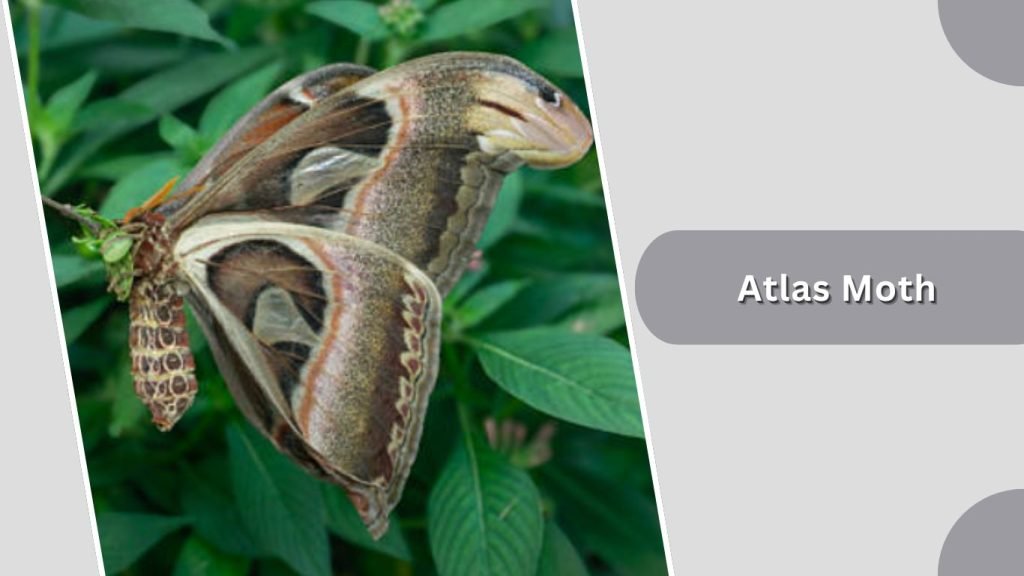
The Atlas Moth is one of the largest moths in the world, famous for its enormous wings and unique patterns. Native to tropical and subtropical regions of Asia, it is often admired for its size and beauty. Despite its intimidating appearance, it is completely harmless and has a very short adult life focused on reproduction.
Identification
- Extremely large wingspan, typically ranging from 200–250 mm
- Reddish-brown wings with intricate patterns and white, triangular markings
- Wing tips resemble the head of a snake, used to scare predators
- Wings have a silky texture with curved edges
- Body is thick and covered with fine hairs
- Antennae are feathery, especially in males
Habitat
The Atlas Moth is commonly found in tropical forests, shrublands, and plantations across Southeast Asia. It prefers warm climates with abundant vegetation, especially areas with host plants like citrus, guava, and cinnamon. This moth can also be found in gardens and semi-urban areas where suitable plants are available. During the day, it rests on tree trunks or leaves, blending into its surroundings despite its large size. Its presence is strongly linked to warm, humid environments.
Behaviors
The Atlas Moth is nocturnal and becomes active at night. It is sometimes attracted to artificial lights, although it is more commonly found in natural habitats. Adult moths do not feed, so their main purpose is reproduction. Females release pheromones to attract males, which use their sensitive antennae to locate them. The snake-like wing tips are believed to help deter predators, making the moth appear more threatening than it actually is.
Diet and Lifecycle
The lifecycle includes egg, larva, pupa, and adult stages. Caterpillars feed on a variety of host plants such as citrus and guava leaves. They are large, green, and covered with a waxy coating. After feeding and growing through several stages, they spin strong silk cocoons, which are sometimes used in silk production. The pupal stage leads to the emergence of the adult moth. Adults live for about one to two weeks and do not eat, relying entirely on stored energy to reproduce.
5. Promethea Moth
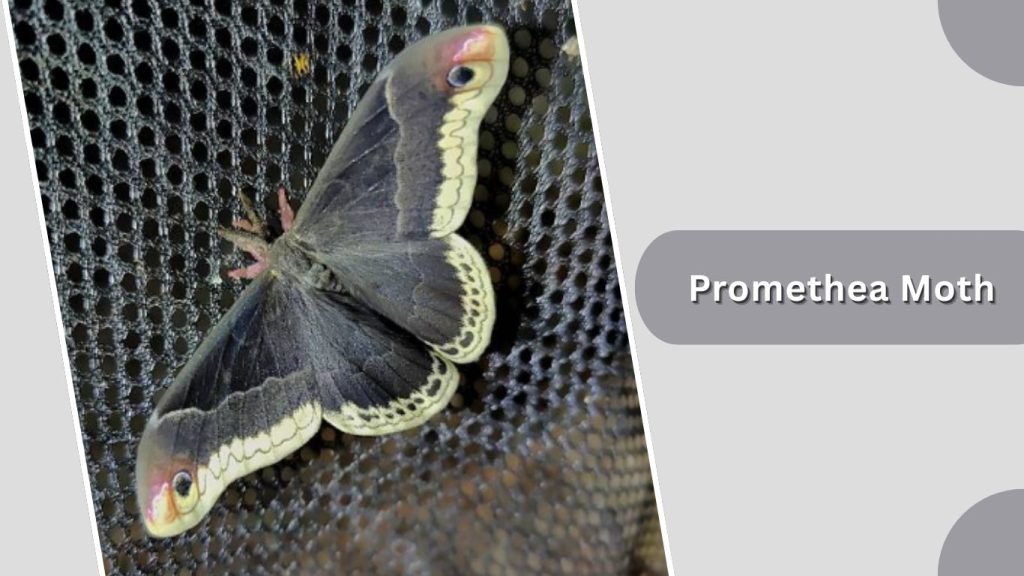
The Promethea Moth is a graceful giant silk moth known for its slender shape and unique resting posture. Native to North America, it is often found in wooded areas and is notable for the differences between males and females in both color and behavior. Its elegant appearance and quiet nature make it a fascinating species.
Identification
- Wingspan typically ranges from 75–95 mm
- Males are dark brown to black with faint markings
- Females are reddish-brown with more visible patterns
- Wings are narrow and pointed compared to other silk moths
- Body is slender and smooth
- Often rests with wings folded, giving a leaf-like appearance
Habitat
The Promethea Moth is commonly found in deciduous forests, woodland edges, and suburban areas with abundant trees and shrubs. It prefers habitats with host plants such as sassafras, spicebush, cherry, and tulip tree. This species adapts well to gardens and parks where suitable vegetation is present. During the day, it often hangs from leaves or branches, blending in with dried foliage. Its distribution covers much of eastern North America.
Behaviors
Unlike many giant silk moths, the Promethea Moth is active during the day, especially the males, which fly in search of females. Females are more stationary and release pheromones to attract males. Males rely on keen senses to locate them. This species is less attracted to artificial lights compared to other moths. Its daytime activity and leaf-like resting posture help it avoid predators.
Diet and Lifecycle
The lifecycle includes egg, larva, pupa, and adult stages. Caterpillars feed on leaves of host plants such as sassafras and spicebush. They are green with colorful markings and grow through several stages. Before pupation, the larva wraps a leaf around itself and forms a cocoon attached to a branch. The pupal stage may last through winter, with adults emerging in spring or early summer. Adults do not feed and live only to reproduce.
6. Io Moth
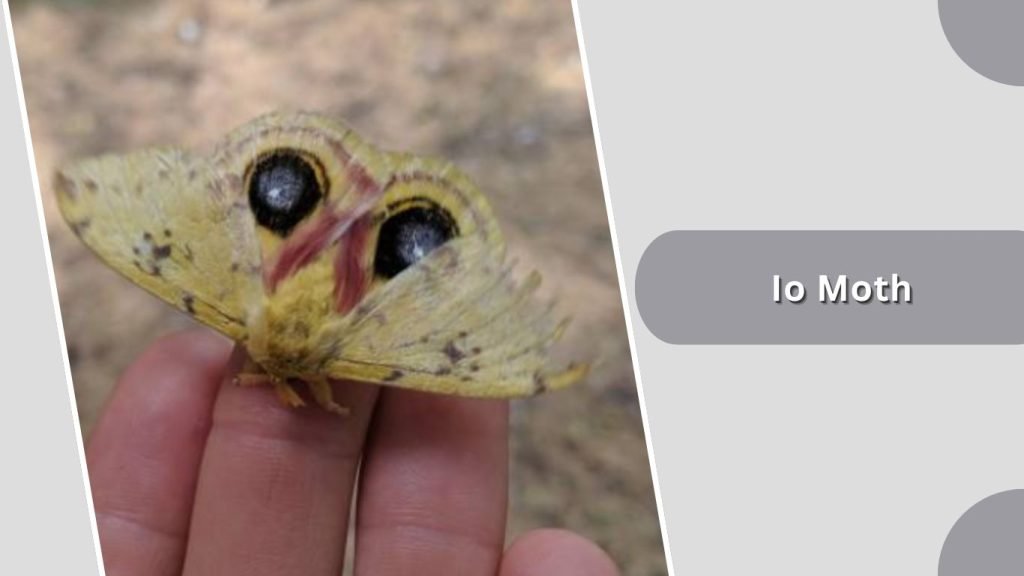
The Io Moth is a colorful and eye-catching giant silk moth, well known for its bright yellow wings and bold eyespots. Native to North America, it is unique among silk moths because its caterpillars can sting. This species is often found in a variety of habitats and is easily recognized when its hindwings are displayed.
Identification
- Medium to large wingspan, typically 60–95 mm
- Males are bright yellow, while females are more brownish or reddish
- Large, striking eyespots on the hindwings with blue and black centers
- Forewings are more plain compared to hindwings
- Body is thick and slightly fuzzy
- Antennae are feathery, especially in males
Habitat
The Io Moth is found in woodlands, forests, gardens, and suburban areas across North and Central America. It prefers habitats with a wide range of host plants, including oak, willow, elm, and many shrubs. This adaptability allows it to thrive in both natural and human-altered environments. During the day, it rests on tree trunks, leaves, or nearby surfaces, often blending in with its surroundings despite its bright colors.
Behaviors
The Io Moth is primarily nocturnal and becomes active at night, flying in search of mates. It is attracted to artificial lights and may be seen around homes. When threatened, it suddenly opens its wings to reveal large eyespots, which can startle predators. This defensive display is one of its most notable behaviors. Males actively search for females using pheromones, while females remain more stationary.
Diet and Lifecycle
The lifecycle includes egg, larva, pupa, and adult stages. Caterpillars feed on a wide variety of plants such as oak, willow, and corn. They are green and covered in spines that can deliver a painful sting if touched. After feeding and growing through several stages, they form cocoons in leaf litter or on plants. Adults emerge later but do not feed, living only long enough to reproduce.
7. Rosy Maple Moth
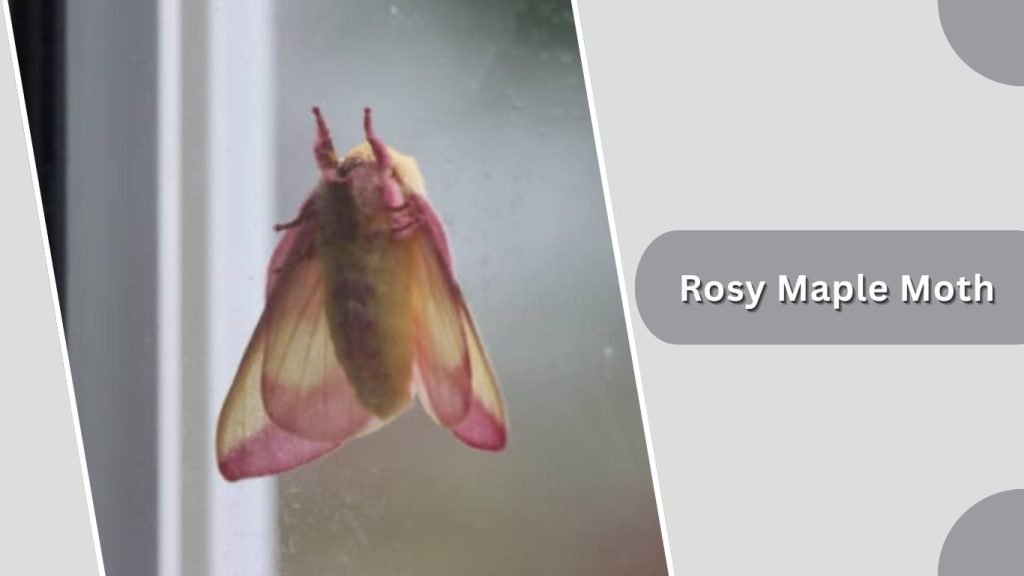
The Rosy Maple Moth is one of the most colorful giant silk moths, easily recognized by its bright pink and yellow appearance. Native to North America, it is often found in areas with maple trees. Its small size compared to other silk moths and its striking colors make it a favorite among nature enthusiasts.
Identification
- Small wingspan for a silk moth, typically 35–50 mm
- Bright yellow wings with pink or rosy patches
- Color patterns vary, with some individuals showing more pink than others
- Body is fuzzy and yellow with pink highlights
- Antennae are feathery, especially in males
- Overall appearance is soft, vibrant, and distinctive
Habitat
The Rosy Maple Moth is commonly found in deciduous forests, suburban areas, parks, and gardens where maple trees are present. It prefers habitats with red maple, silver maple, and other related species that serve as host plants. This moth adapts well to urban environments and is often seen near homes and streetlights. During the day, it rests on leaves or tree trunks, where its bright colors surprisingly help it blend with flowers or sunlit foliage.
Behaviors
This moth is nocturnal and becomes active at night. It is attracted to artificial lights and is often spotted near windows and outdoor lamps. Despite its bright coloration, it remains still during the day to avoid predators. Adults do not feed, so their primary focus is reproduction. Males use their sensitive antennae to detect pheromones released by females.
Diet and Lifecycle
The lifecycle includes egg, larva, pupa, and adult stages. The caterpillars, known as greenstriped mapleworms, feed mainly on maple leaves. They are green with white stripes and grow through several stages before pupating in the soil. The pupal stage leads to the emergence of adults in warmer months. There may be more than one generation per year in some regions, depending on climate conditions.
8. Emperor Gum Moth
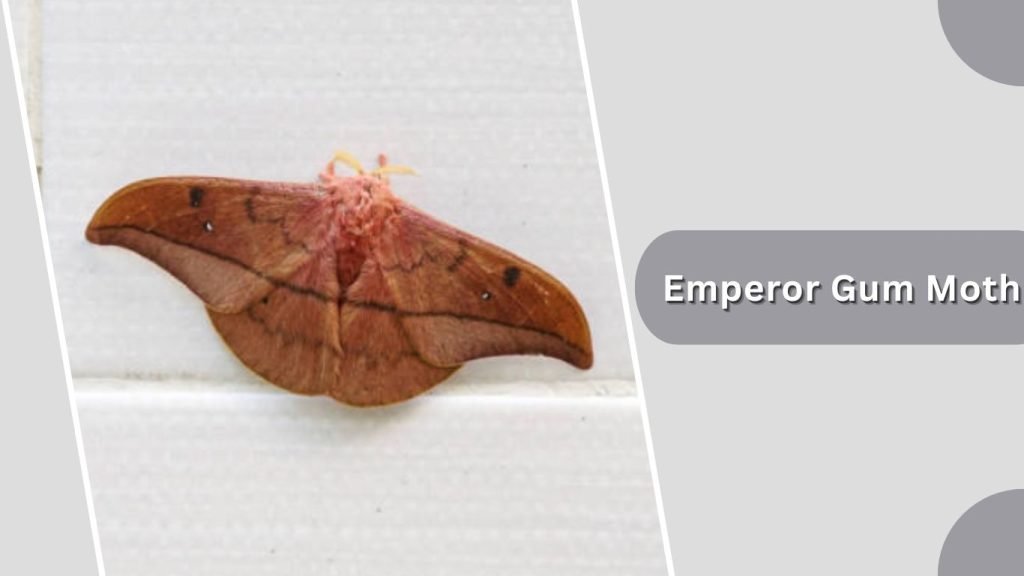
The Emperor Gum Moth is a large and striking giant silk moth native to Australia. It is one of the most well-known moths in its region due to its size, bold wing patterns, and eye-catching colors. This species is often found in both natural forests and urban areas where eucalyptus trees are present.
Identification
- Large wingspan, typically ranging from 120–150 mm
- Brown wings with pink, cream, and gray patterns
- Prominent eyespots on each wing with red and black markings
- Wings are broad and slightly rounded
- Body is thick, fuzzy, and often pinkish-brown
- Antennae are feathery, especially in males
Habitat
The Emperor Gum Moth is commonly found in eucalyptus forests, woodlands, and suburban areas across Australia. It prefers habitats where eucalyptus (gum) trees are abundant, as these serve as the primary food source for its larvae. This moth adapts well to urban environments and is often seen in gardens, parks, and near homes. During the day, it rests on tree trunks, fences, or walls, blending in with bark and surroundings.
Behaviors
The Emperor Gum Moth is nocturnal and becomes active at night, flying in search of mates. It is attracted to artificial lights and is often seen around outdoor lamps. Adults do not feed and focus entirely on reproduction. When threatened, it may display its eyespots to startle predators. Males actively search for females using pheromones, while females remain more stationary.
Diet and Lifecycle
The lifecycle includes egg, larva, pupa, and adult stages. Caterpillars feed mainly on eucalyptus leaves and are large, green, and covered with small spines. They grow through several stages before forming a cocoon, usually attached to branches or hidden among leaves. The pupal stage leads to the emergence of the adult moth. Adults live for a short period and do not eat, relying on stored energy to reproduce.
9. African Moon Moth
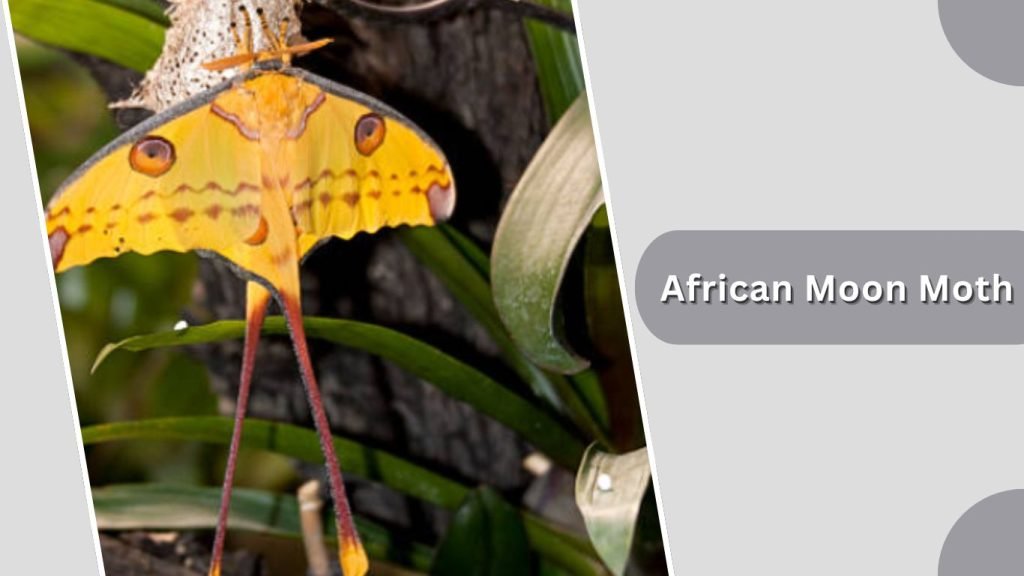
The African Moon Moth is a stunning giant silk moth known for its long, flowing tails and soft green coloration. Native to various parts of Africa, it is often admired for its elegant appearance and graceful flight. This species is closely related to other moon moths and is a symbol of beauty in many regions.
Identification
- Pale green wings with long, trailing tails on the hindwings
- Wingspan typically ranges from 80–120 mm
- Distinct eyespots on each wing
- Wings are smooth with subtle patterns and faint lines
- Body is slender and lightly colored
- Antennae are feathery, especially in males
Habitat
The African Moon Moth is commonly found in forests, woodlands, and savanna regions across sub-Saharan Africa. It prefers warm environments with plenty of trees and shrubs that support its larvae. This moth is often seen in areas with natural vegetation but may also appear near rural settlements where host plants are available. During the day, it rests on leaves or branches, blending into the greenery with its soft coloration.
Behaviors
The African Moon Moth is nocturnal and becomes active at night. It is sometimes attracted to artificial lights but is more commonly found in natural habitats. Adults do not feed and focus entirely on reproduction. Males use their highly sensitive antennae to detect pheromones released by females. Its slow, floating flight and long tails help confuse predators, especially bats, during nighttime activity.
Diet and Lifecycle
The lifecycle includes egg, larva, pupa, and adult stages. Caterpillars feed on the leaves of various trees and shrubs, depending on the region. They are typically green and well-camouflaged. After growing through several stages, they spin a cocoon where they transform into adults. The pupal stage duration varies based on climate. Adults emerge with a short lifespan and do not eat, relying on stored energy to reproduce.
10. Spanish Moon Moth
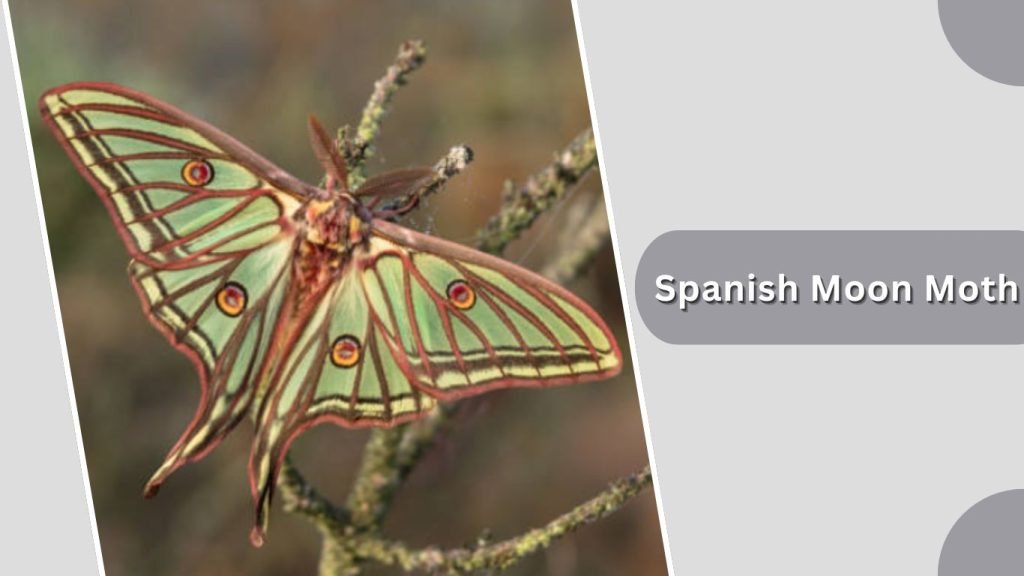
The Spanish Moon Moth is a beautiful and rare giant silk moth found mainly in parts of Spain and nearby regions. It is admired for its soft green color and long tail extensions, similar to other moon moths. Due to habitat loss, it is less commonly seen, making it a special species among moth enthusiasts.
Identification
- Pale green wings with long, elegant tail extensions on the hindwings
- Wingspan typically ranges from 90–110 mm
- Each wing has small, subtle eyespots
- Wings have fine lines and a smooth texture
- Body is light-colored and slightly fuzzy
- Antennae are feathery, especially in males
Habitat
The Spanish Moon Moth is primarily found in mountainous forests and woodland areas in Spain and parts of southwestern Europe. It prefers habitats with pine and other native trees that support its lifecycle. This species is usually associated with undisturbed natural environments and is less common in urban areas. During the day, it rests quietly on tree trunks or foliage, where its green coloration blends well with the surroundings.
Behaviors
This moth is nocturnal and becomes active at night, flying in search of mates. It may occasionally be attracted to artificial lights, but it is more often found in remote natural habitats. Like other silk moths, adults do not feed and live only for a short period. Males actively search for females using pheromones, guided by their sensitive antennae. Its long tails may help confuse predators during flight.
Diet and Lifecycle
The lifecycle includes egg, larva, pupa, and adult stages. Caterpillars feed mainly on pine needles and related plants. They grow through several stages before spinning a cocoon, often attached to branches. The pupal stage leads to the emergence of the adult moth. Adults live briefly and do not eat, focusing entirely on reproduction.
11. Japanese Oak Silk Moth
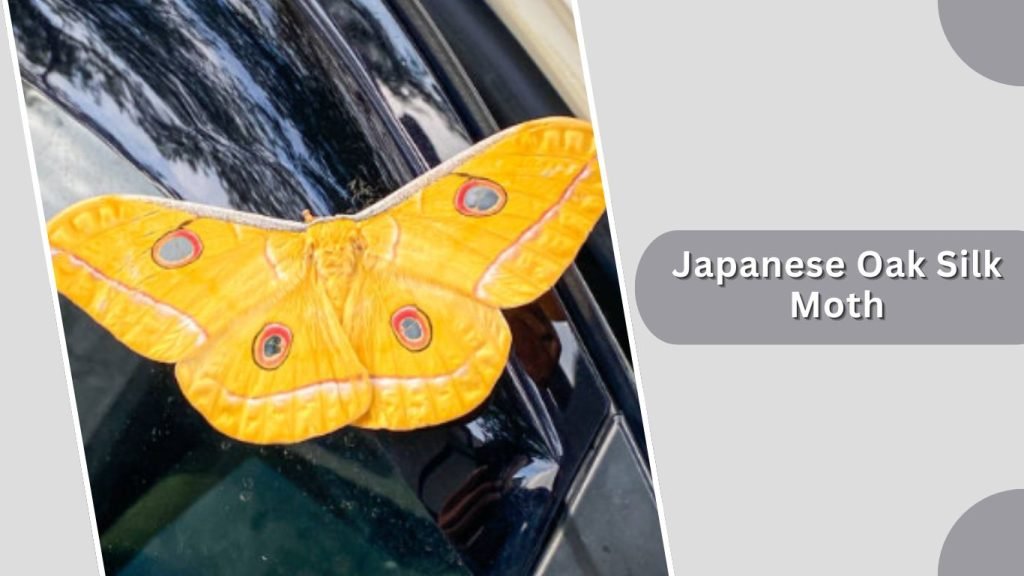
The Japanese Oak Silk Moth is a large and economically important giant silk moth, known for producing tussar silk. Native to East Asia, it is widely found in Japan, China, and Korea. This species is valued both in nature and in sericulture due to its strong silk and adaptability.
Identification
- Large wingspan, typically ranging from 100–150 mm
- Brown to reddish-brown wings with soft, wavy patterns
- Prominent eyespots on each wing, often with pale centers
- Wings are broad and slightly rounded
- Body is thick, fuzzy, and earthy-colored
- Antennae are feathery, especially in males
Habitat
The Japanese Oak Silk Moth is commonly found in deciduous forests, especially where oak trees are abundant. It prefers natural woodland environments but is also reared in controlled settings for silk production. This species thrives in areas with a stable climate and sufficient tree cover. During the day, it rests on tree trunks or branches, blending in with bark due to its natural coloration. Its distribution is closely tied to the availability of oak and related host plants.
Behaviors
This moth is mainly nocturnal and becomes active at night. It is sometimes attracted to artificial lights but is more commonly found in natural habitats. Adults do not feed and live only to reproduce. Males actively search for females using pheromones, guided by their sensitive antennae. In managed environments, their behavior is influenced by human rearing practices for silk production.
Diet and Lifecycle
The lifecycle includes egg, larva, pupa, and adult stages. Caterpillars feed primarily on oak leaves and grow through several stages before spinning strong silk cocoons. These cocoons are harvested in sericulture for tussar silk. After pupation, adults emerge and live for a short time without feeding. There is usually one generation per year, depending on environmental conditions.
12. Chinese Tussar Moth
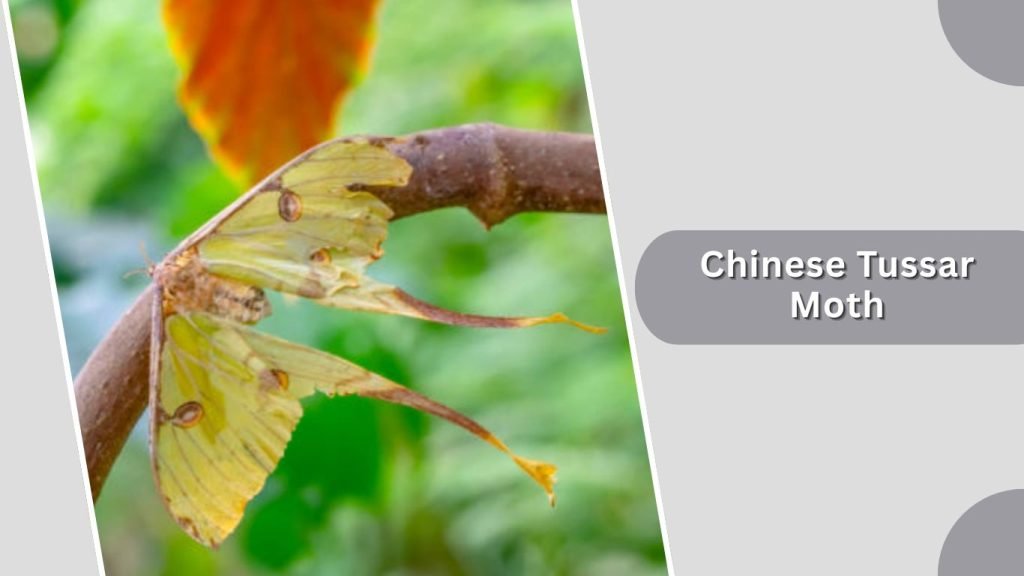
The Chinese Tussar Moth is a large giant silk moth known for its role in producing tussar silk. Native to China and surrounding regions, it is both an important economic species and a naturally occurring forest moth. Its earthy tones and strong silk cocoon make it highly valued in sericulture.
Identification
- Large wingspan, typically ranging from 120–160 mm
- Brown to tan wings with soft, wavy patterns
- Distinct eyespots on each wing, often with pale centers
- Wings are broad and slightly elongated
- Body is thick, fuzzy, and brownish in color
- Antennae are feathery, especially in males
Habitat
The Chinese Tussar Moth is commonly found in deciduous forests, especially in regions where oak trees are abundant. It prefers natural woodland habitats but is also widely reared in controlled environments for silk production. This species thrives in areas with stable climates and rich vegetation. During the day, it rests on tree trunks and branches, blending into the bark. Its distribution is closely linked to the availability of host plants such as oak.
Behaviors
This moth is primarily nocturnal and becomes active at night. It is not commonly seen around artificial lights, especially in managed environments. Adults do not feed and live only to reproduce. Males actively search for females by detecting pheromones with their large, feathery antennae. In sericulture settings, their behavior is often managed to optimize breeding and silk production.
Diet and Lifecycle
The lifecycle includes egg, larva, pupa, and adult stages. Caterpillars feed mainly on oak leaves and grow through several stages. They produce strong silk cocoons, which are harvested for tussar silk. After pupation, adults emerge but do not eat, relying on stored energy. There is typically one generation per year, depending on climate and rearing conditions.
13. Ailanthus Silkmoth
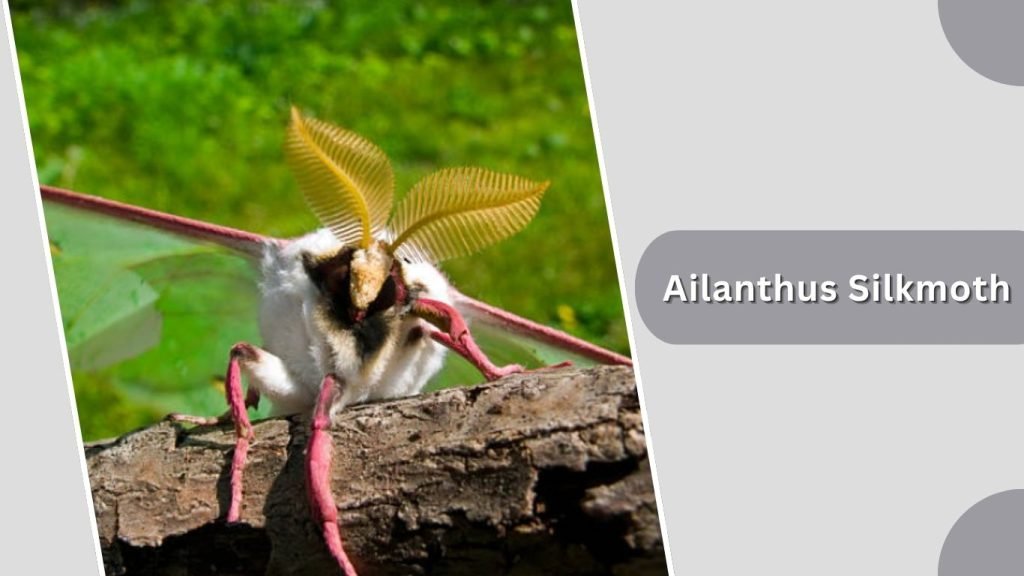
The Ailanthus Silkmoth is a hardy and adaptable giant silk moth known for its association with the tree-of-heaven (Ailanthus). Originally native to Asia, it has been introduced to parts of Europe and North America. It is valued for its silk production and its ability to thrive in a wide range of environments.
Identification
- Wingspan typically ranges from 90–120 mm
- Olive-brown to yellowish wings with subtle patterns
- Distinct curved bands and small transparent spots on the wings
- Wings are broad and slightly elongated
- Body is stout and covered with fine hairs
- Antennae are feathery, especially in males
Habitat
The Ailanthus Silkmoth is commonly found in urban areas, woodlands, and roadside environments where the tree-of-heaven grows. It is highly adaptable and can thrive in disturbed habitats, including cities and industrial areas. This moth prefers regions with warm climates and abundant host plants. During the day, it rests on tree trunks, leaves, or nearby surfaces, blending into its surroundings with its muted coloration.
Behaviors
This moth is primarily nocturnal and becomes active at night. It may be attracted to artificial lights but is often found near its host plants. Adults do not feed and live only for reproduction. Males use their sensitive antennae to detect pheromones released by females. Its adaptability allows it to survive in environments where many other species cannot.
Diet and Lifecycle
The lifecycle includes egg, larva, pupa, and adult stages. Caterpillars primarily feed on the leaves of the tree-of-heaven, though they may use other plants in some regions. They grow through several stages before spinning a strong silk cocoon. The cocoon is sometimes used in silk production. After pupation, adults emerge with a short lifespan and do not eat, focusing entirely on reproduction.
FAQs
What are giant silk moths known for?
Giant silk moths are known for their large size, beautiful wing patterns, and silky cocoons. Many species have eyespots or bright colors to deter predators. They are also famous because some species produce natural silk used in textiles.
Do giant silk moths eat as adults?
No, most giant silk moths do not eat during their adult stage. They lack fully developed mouthparts and survive on energy stored from their caterpillar stage. Their main purpose as adults is to reproduce.
How long do giant silk moths live?
Adult giant silk moths usually live for about one to two weeks. Their short lifespan is focused on mating and laying eggs. However, their full lifecycle, including egg, larva, and pupa stages, can take several months.
Are giant silk moths harmful to humans?
Giant silk moths are generally harmless to humans. However, some caterpillars, like those of the Io Moth, have spines that can cause a mild sting if touched. Adult moths themselves do not bite or sting.
Where can giant silk moths be found?
Giant silk moths are found all over the world, especially in forests, woodlands, and tropical regions. Different species prefer different climates, but most live in areas with plenty of trees and plants for their caterpillars to feed on.